What Distributors Need to Know About Supplying Roll Forming Machines to Roofing Factories
Distributing roll forming machines like the 836 steel corrugated roll forming machine to local roofing factories requires a deep understanding of both the technology and the factory’s needs. In this article, Amelia outlines key steps for distributors, common mistakes to avoid, and best practices for ensuring successful machine supply and operation.
1. Understanding the Roll Forming Machine and Its Capabilities
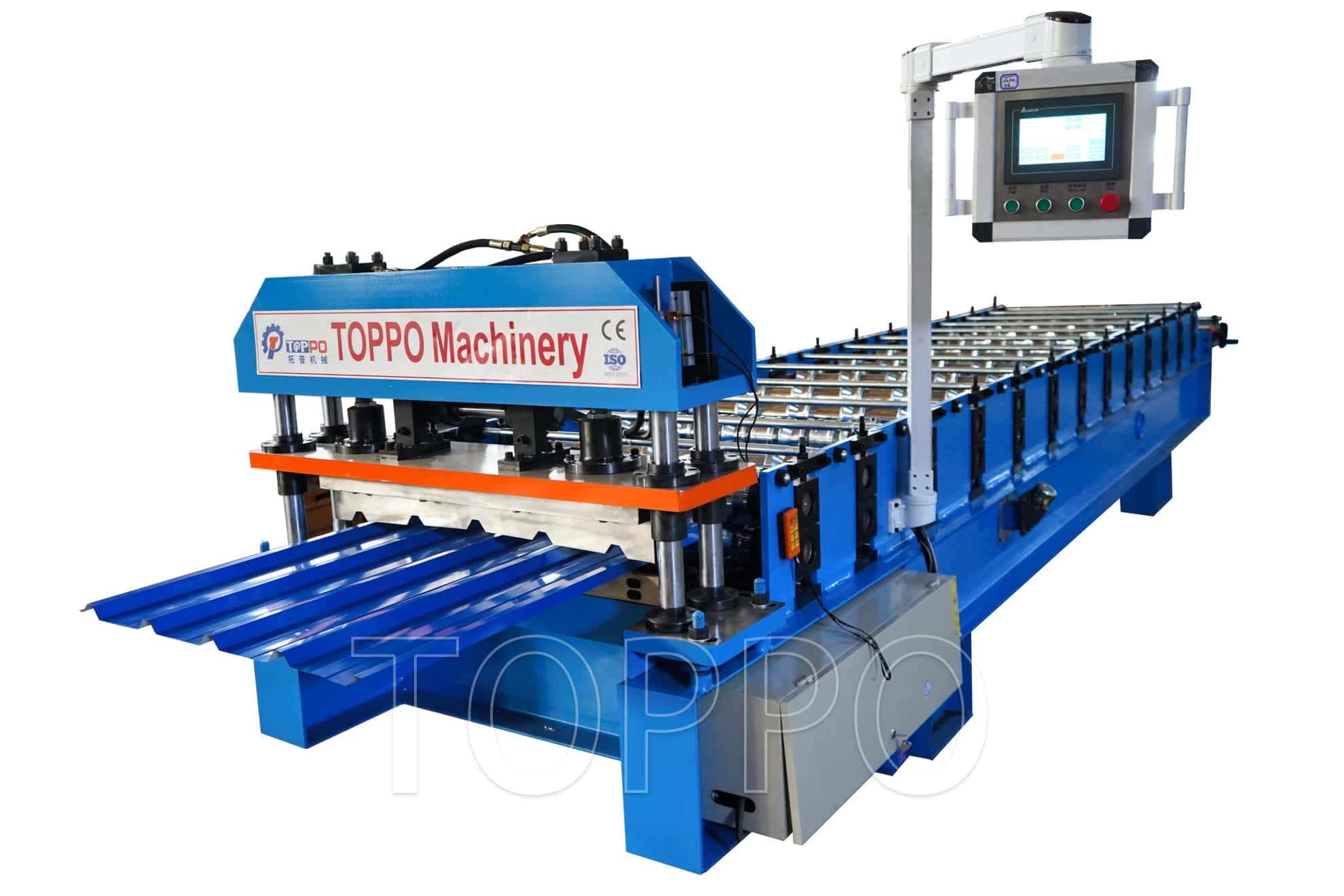
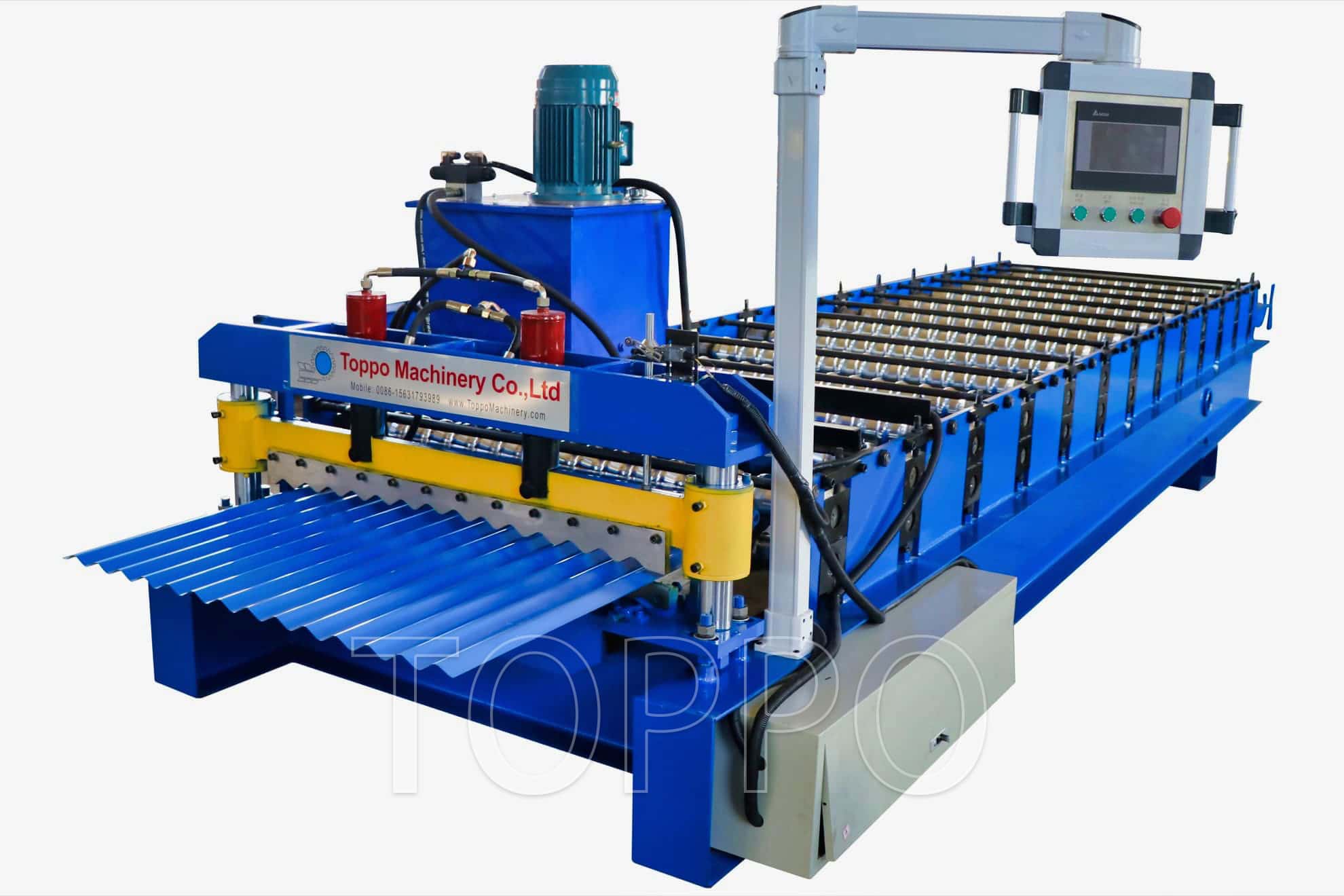
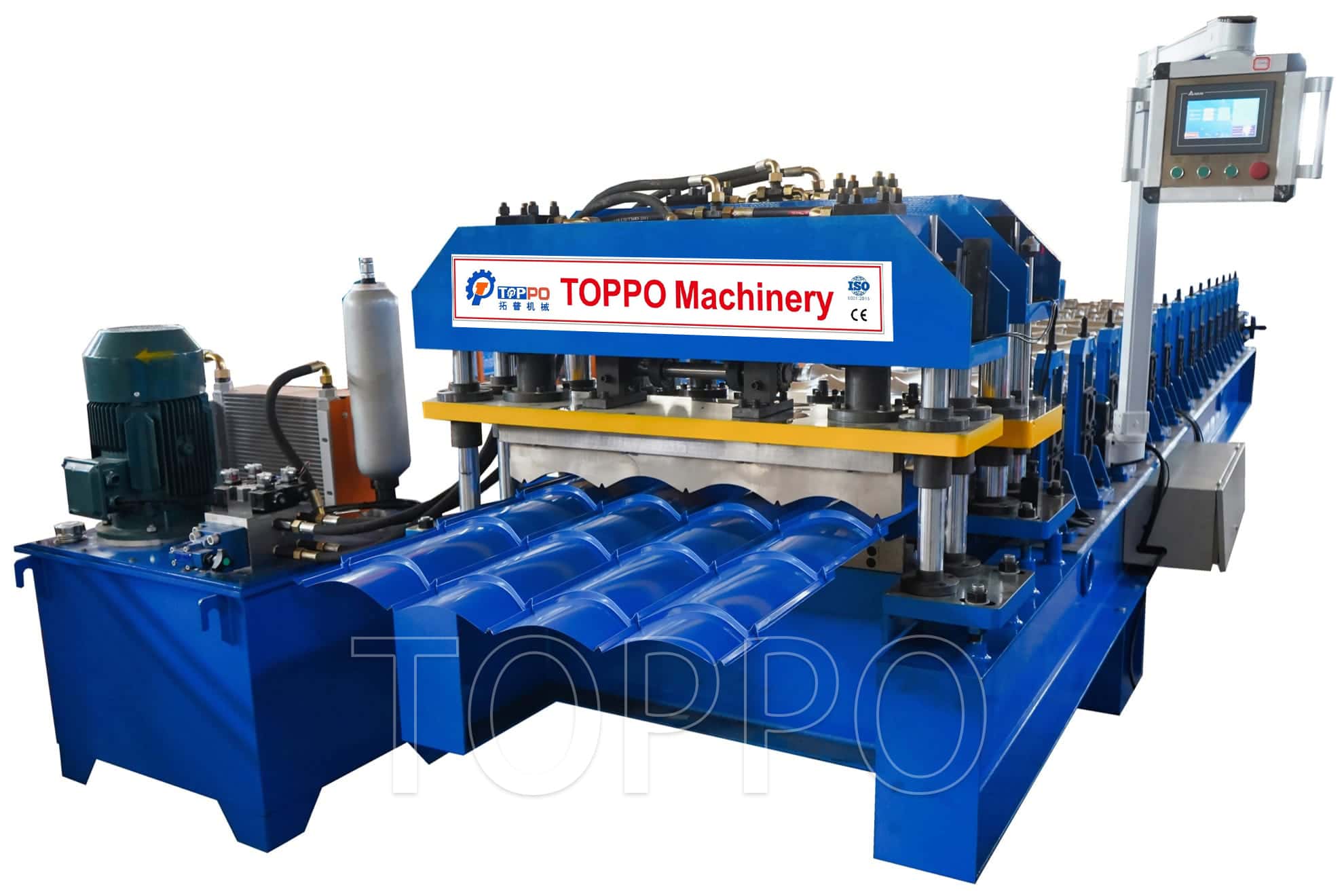
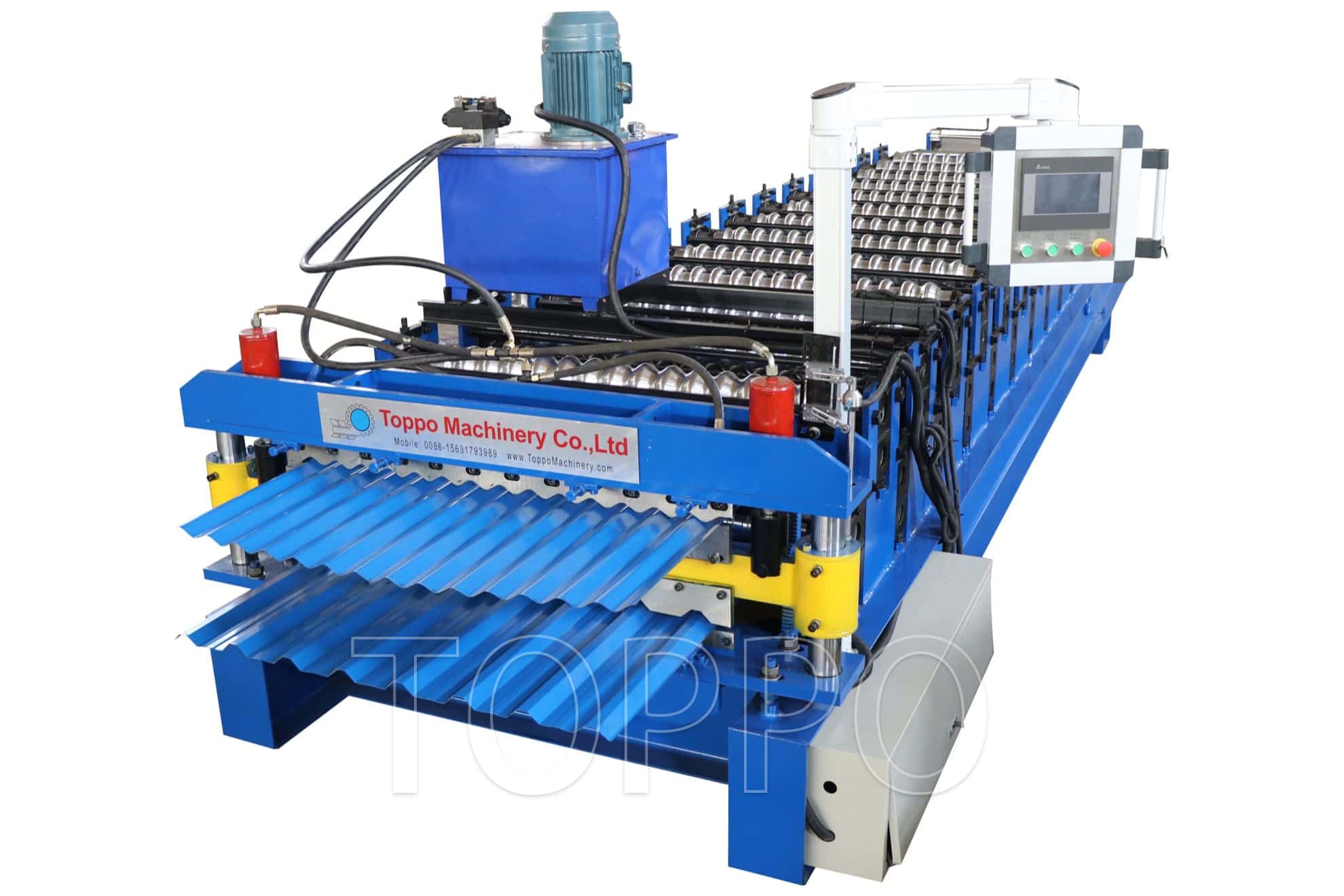
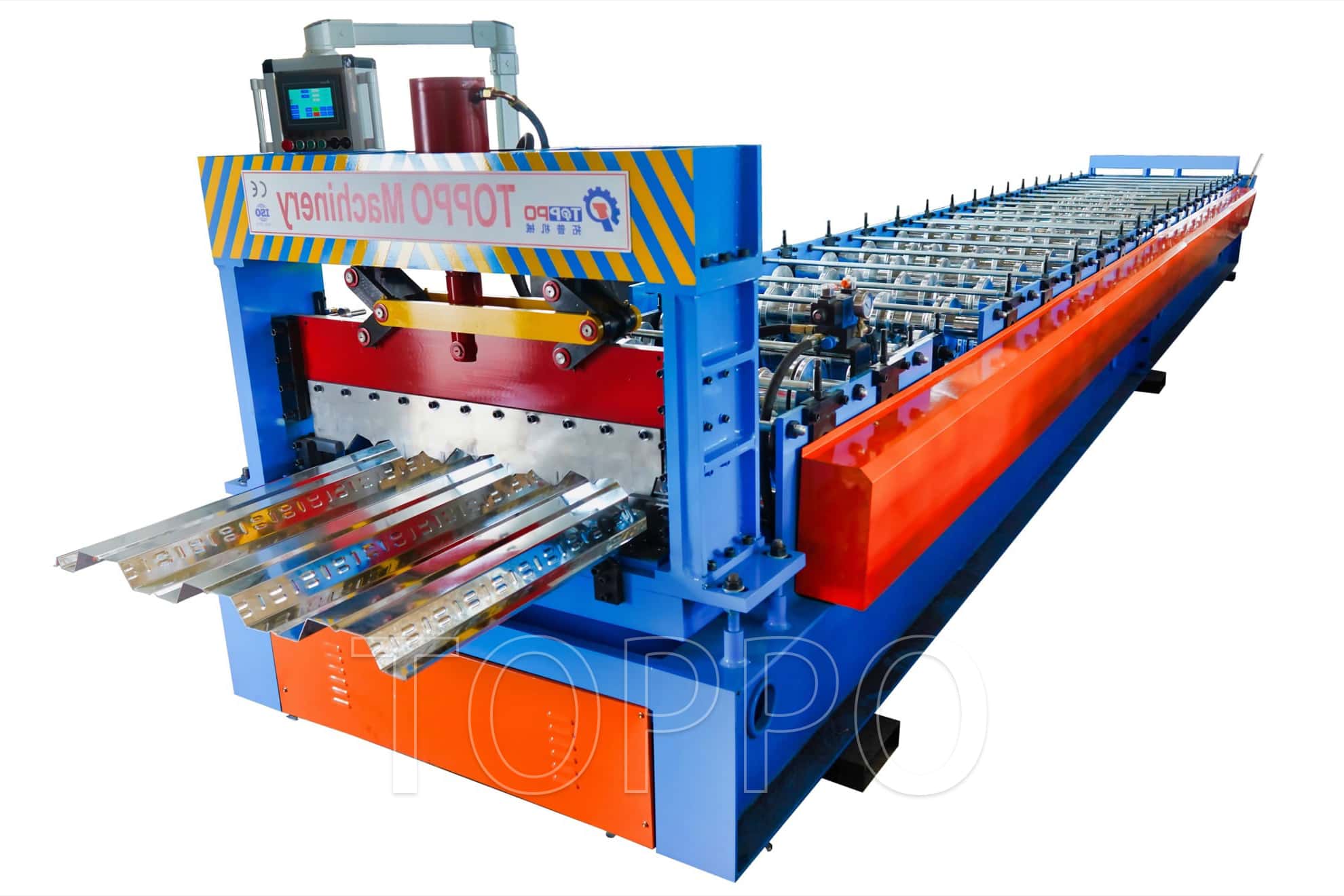
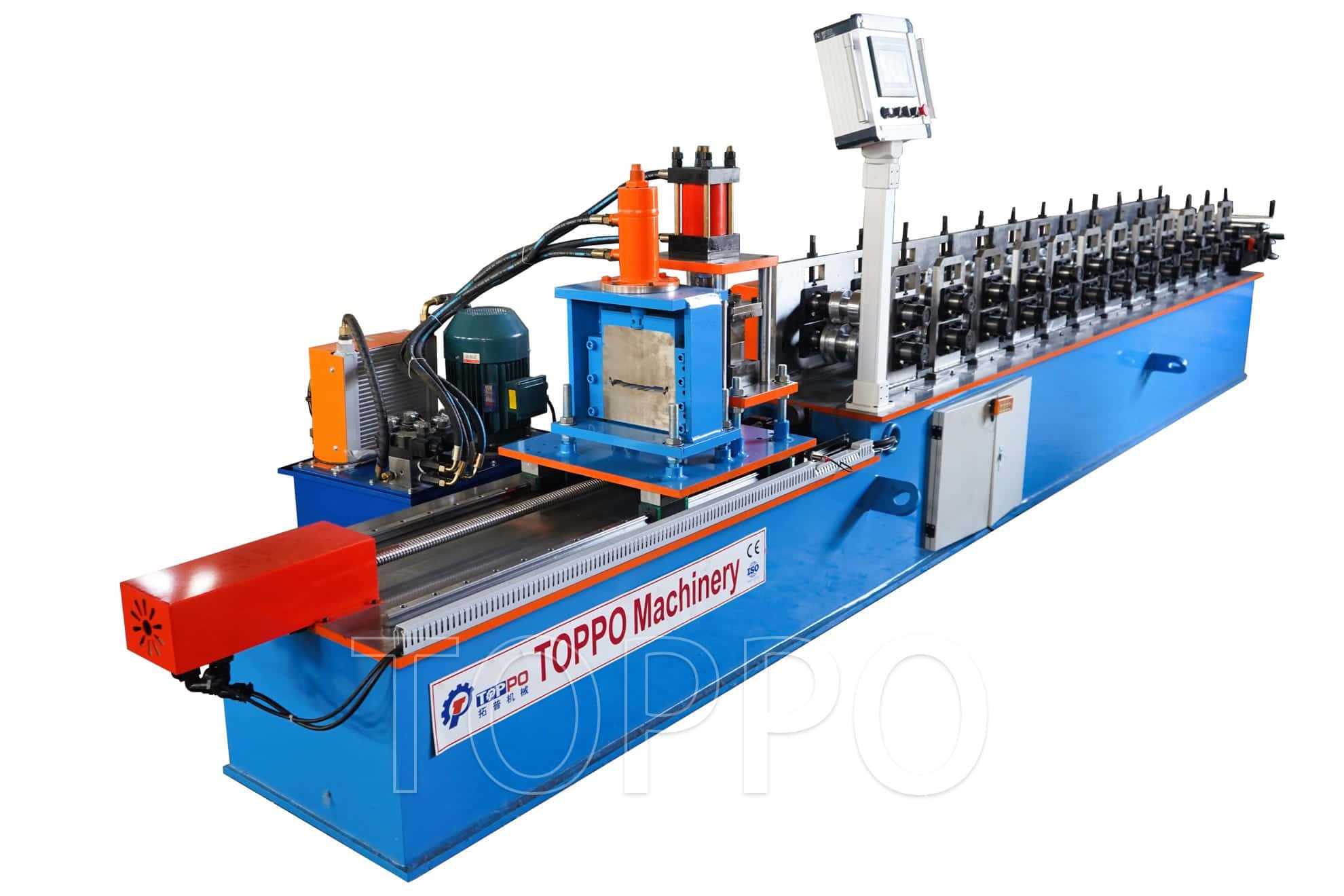
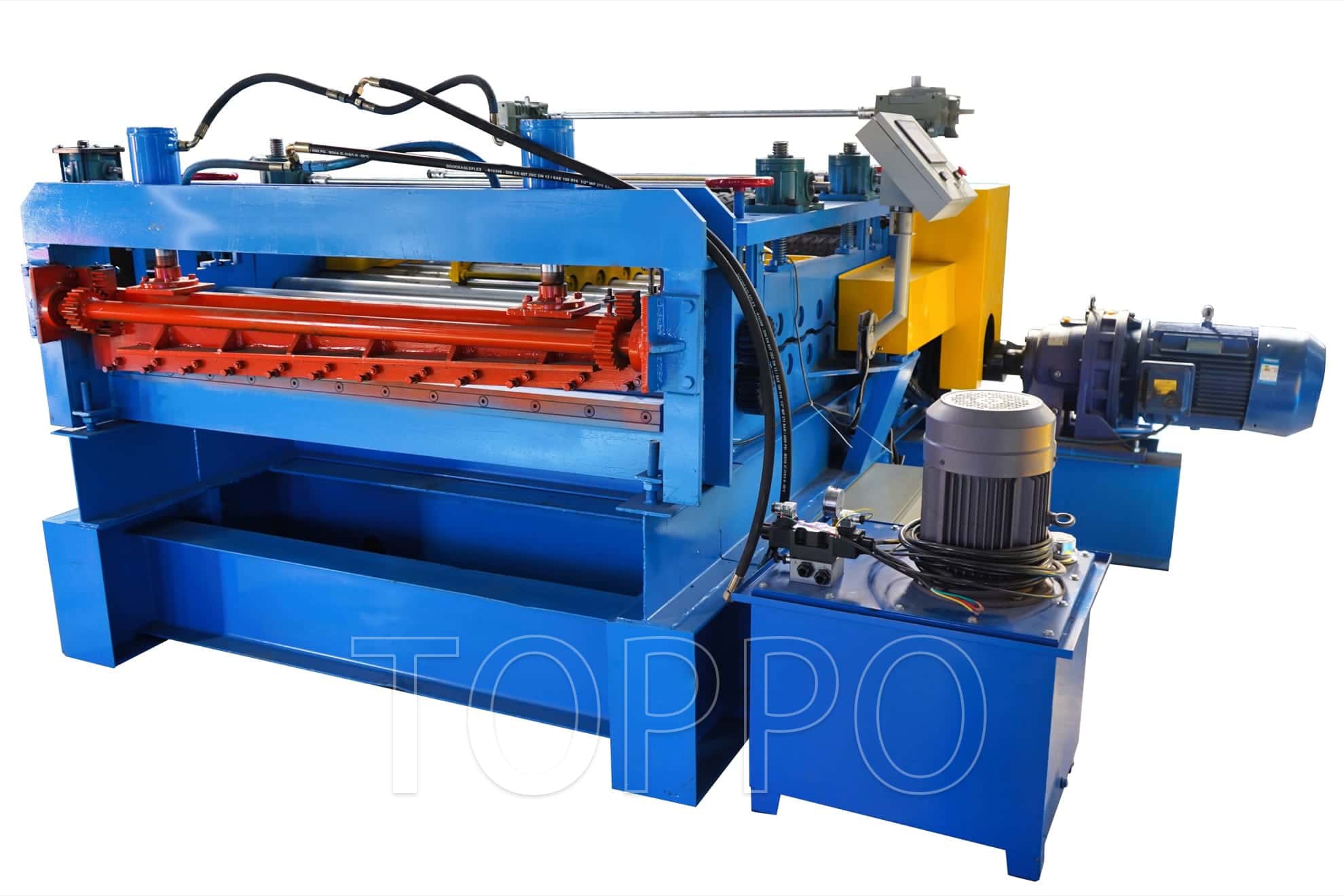
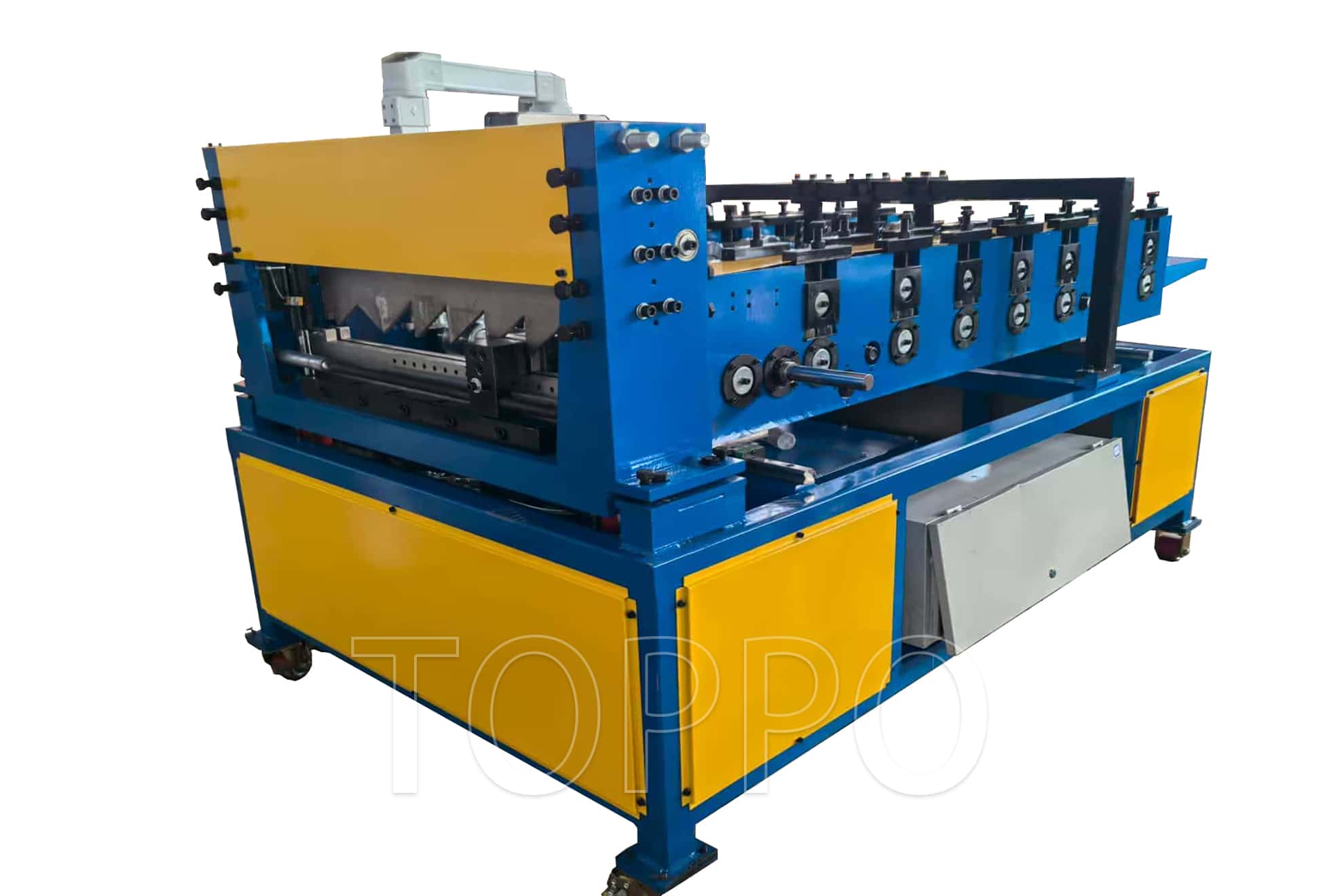
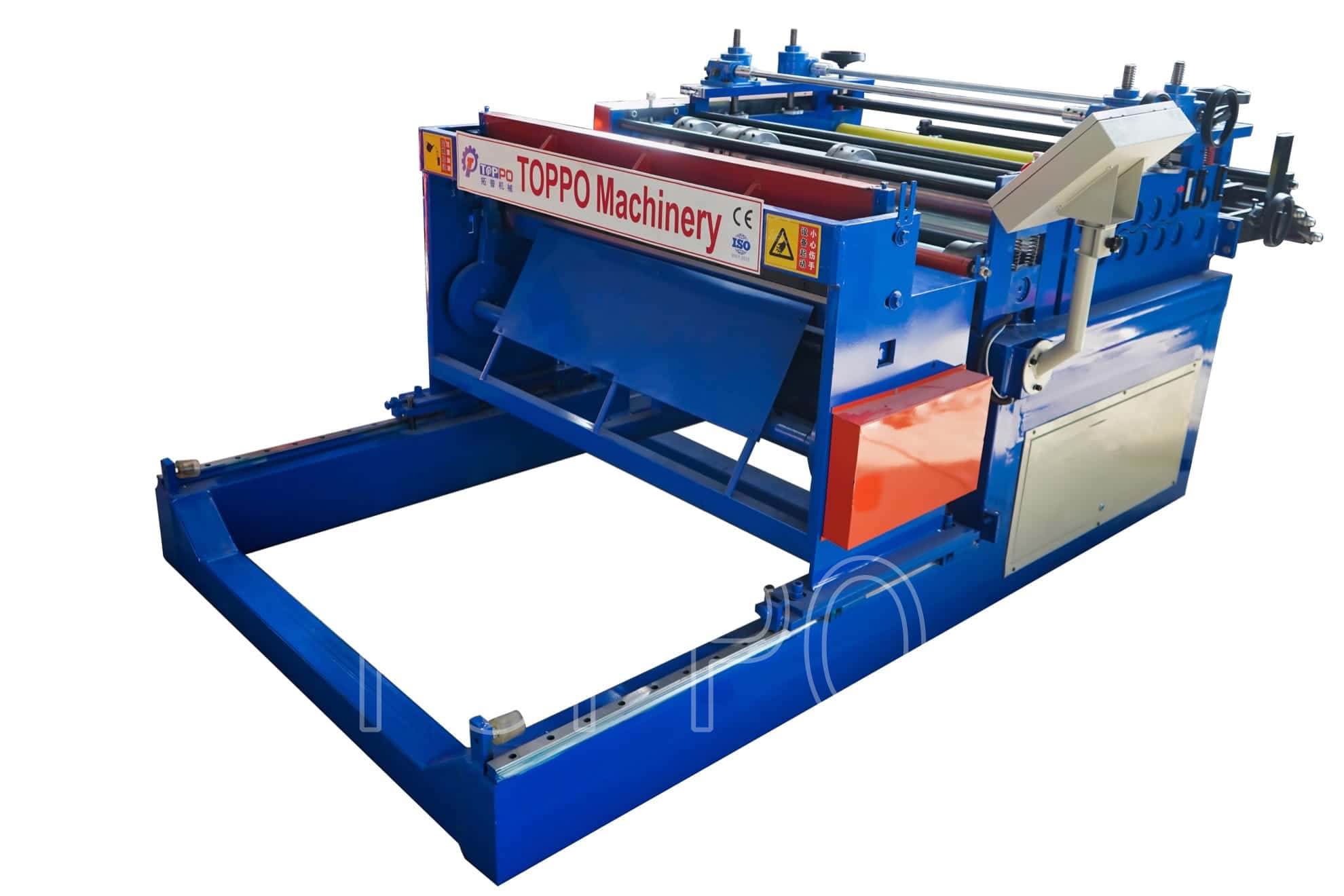
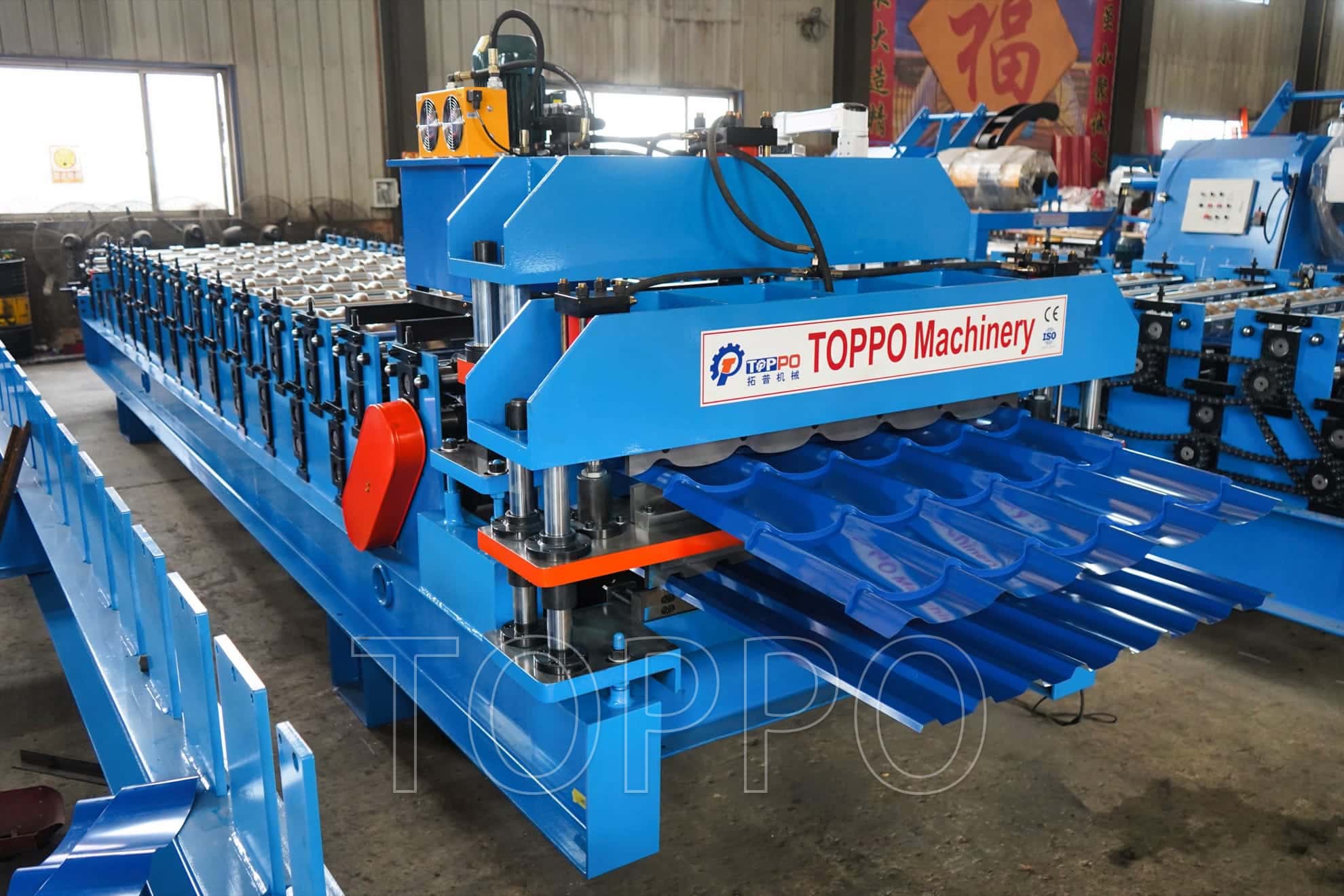
The corrugated roll forming machine is designed to create steel profiles used in roofing, including corrugated sheets, roof panels, and various other shapes. These machines are crucial in the manufacturing of durable roofing materials for both residential and commercial buildings. The roof panel making machine is particularly valuable in large-scale commercial construction projects, offering high efficiency and large-format production capabilities.
Distributors must understand the different types of roofing materials the machines can produce and assess the factory’s needs before offering a solution. Knowing which profiles are required and the volume the factory needs to produce will help distributors choose the right machine.
2. Steps for Supplying Roll Forming Machines
When supplying roll forming machines to local roofing factories, there are several key steps to follow:
Assess Factory Requirements: It’s crucial for distributors to understand the roofing factory’s needs. Are they producing corrugated sheets or larger roof panels? This will dictate whether a 836 steel corrugated roll forming machine or a roof panel making machine is the best fit.
Customization: Many roll forming machines need to be customized for specific materials or production speeds. Ensure that the machine configuration meets the specific requirements of the factory’s operation.
Installation and Calibration: Distributors should provide proper installation and calibration services. This ensures that the machine is set up correctly to produce high-quality products and runs at optimal efficiency.
Operator Training: Proper training is essential for operators. Training should cover the operation of the machine, safety measures, and basic maintenance procedures to avoid operational errors.
3. Common Mistakes to Avoid
There are several mistakes distributors often make when supplying roll forming machines:
Not Understanding the Factory’s Full Needs: Without a proper assessment of the factory’s production needs, the distributor may recommend the wrong machine. This could lead to production inefficiencies and dissatisfied customers.
Skipping the Customization Process: Each factory has unique needs, and failing to offer customized machines can result in poor performance or inefficiencies.
Not Providing Adequate Support: After the machine is installed, distributors must offer ongoing support. Neglecting after-sales support can lead to downtime and unnecessary costs for the factory.
4. Case Study: Successful Roll Forming Machine Installation
A roofing factory in Southeast Asia was facing challenges in meeting the growing demand for roofing materials. After working with a distributor who provided a roof panel making machine, the factory was able to scale production effectively. The distributor customized the machine’s configuration to meet the factory’s needs, provided comprehensive training for operators, and ensured regular maintenance, which resulted in improved production efficiency and fewer defects.
5. Conclusion
Supplying roll forming machines like the 836 steel corrugated roll forming machine to local roofing factories is an involved process that requires careful planning and execution. By assessing factory needs, offering machine customization, providing installation and training, and ensuring ongoing support, distributors can establish long-term relationships with clients and help them succeed in the competitive roofing market.
Author: Amelia
READ MORE: