Uneven roofing sheet width is usually a process control issue rather than a material defect. Stable forming conditions and accurate machine setup are essential for maintaining dimensional consistency.
What Causes Uneven Roofing Sheet Width?
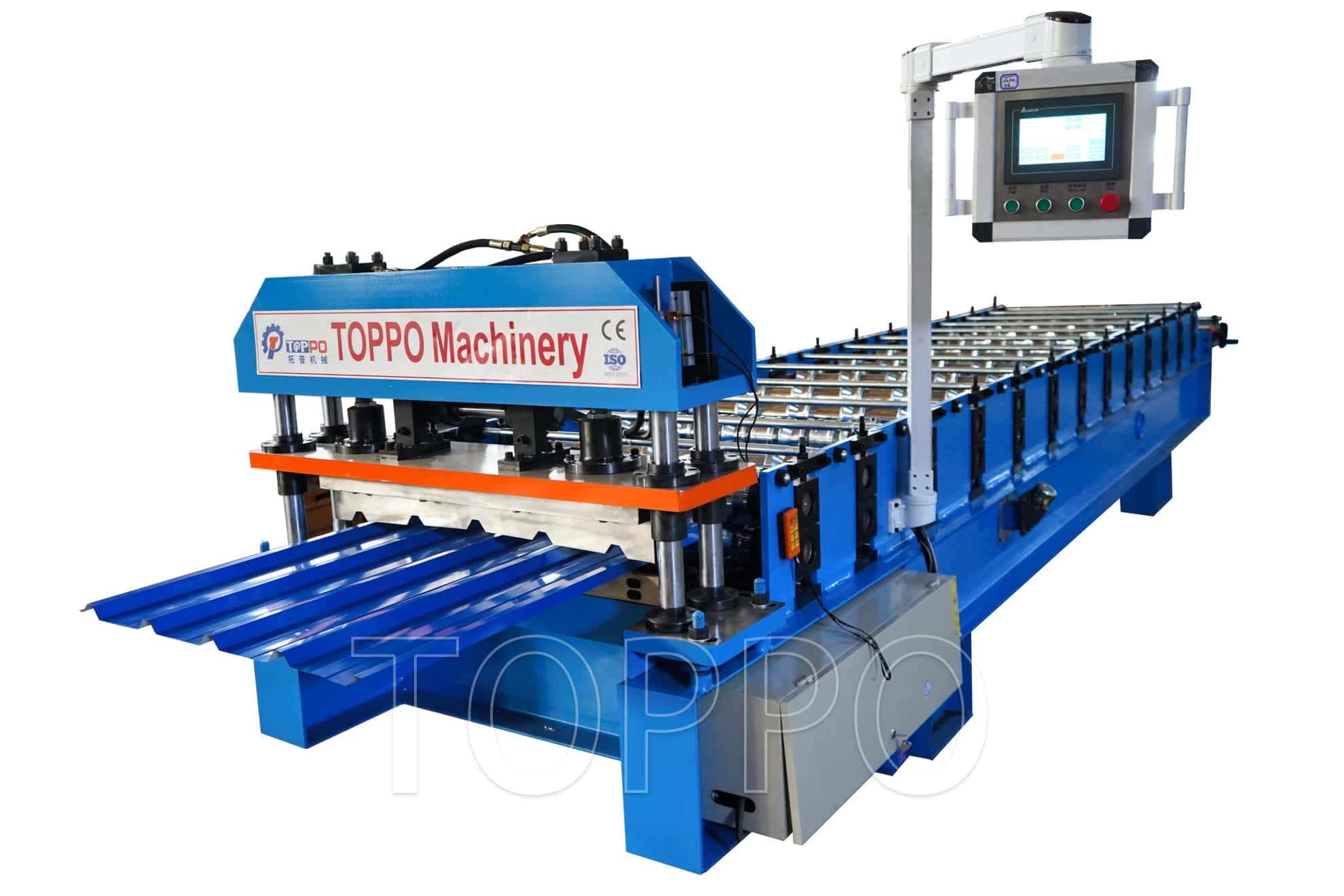
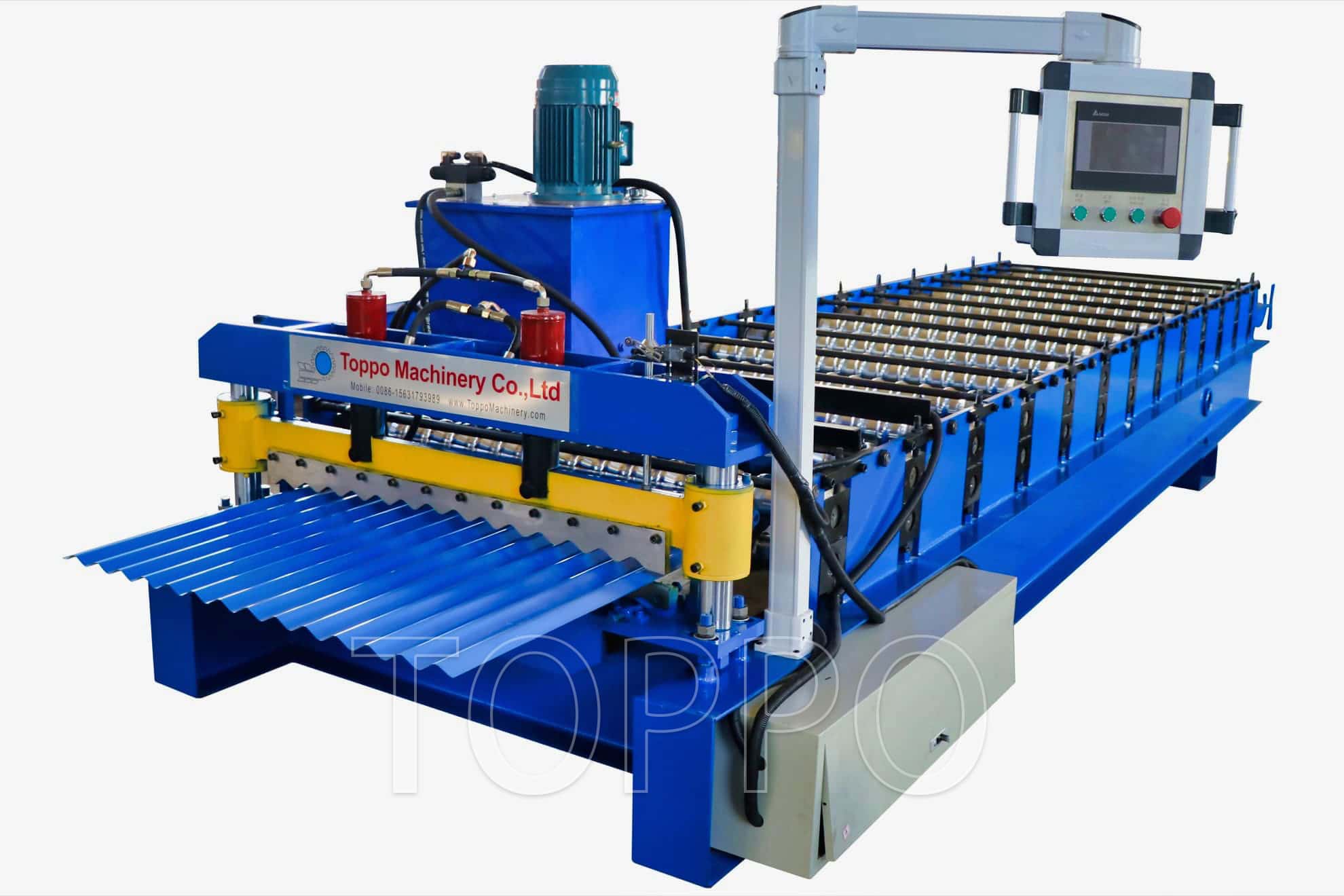
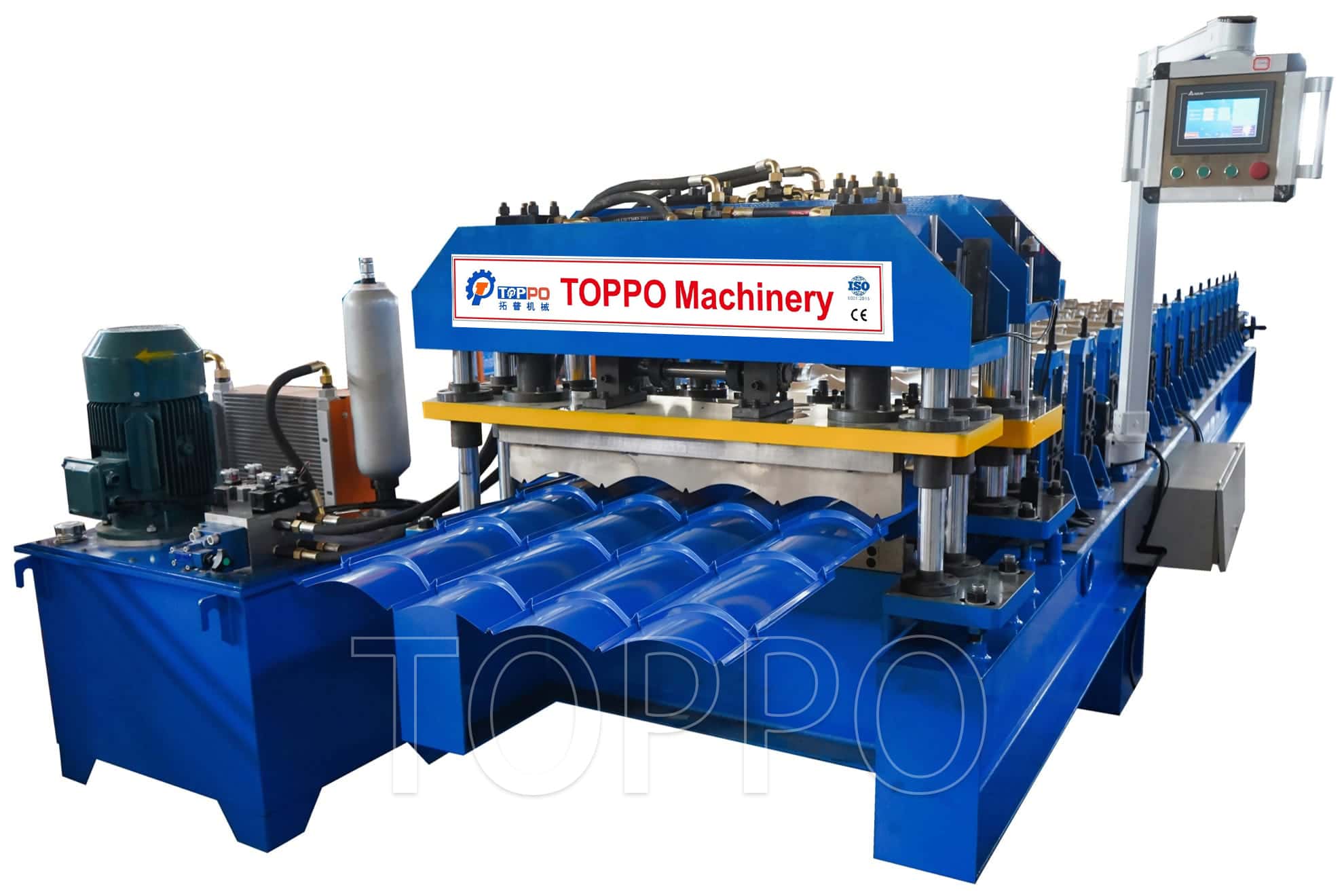
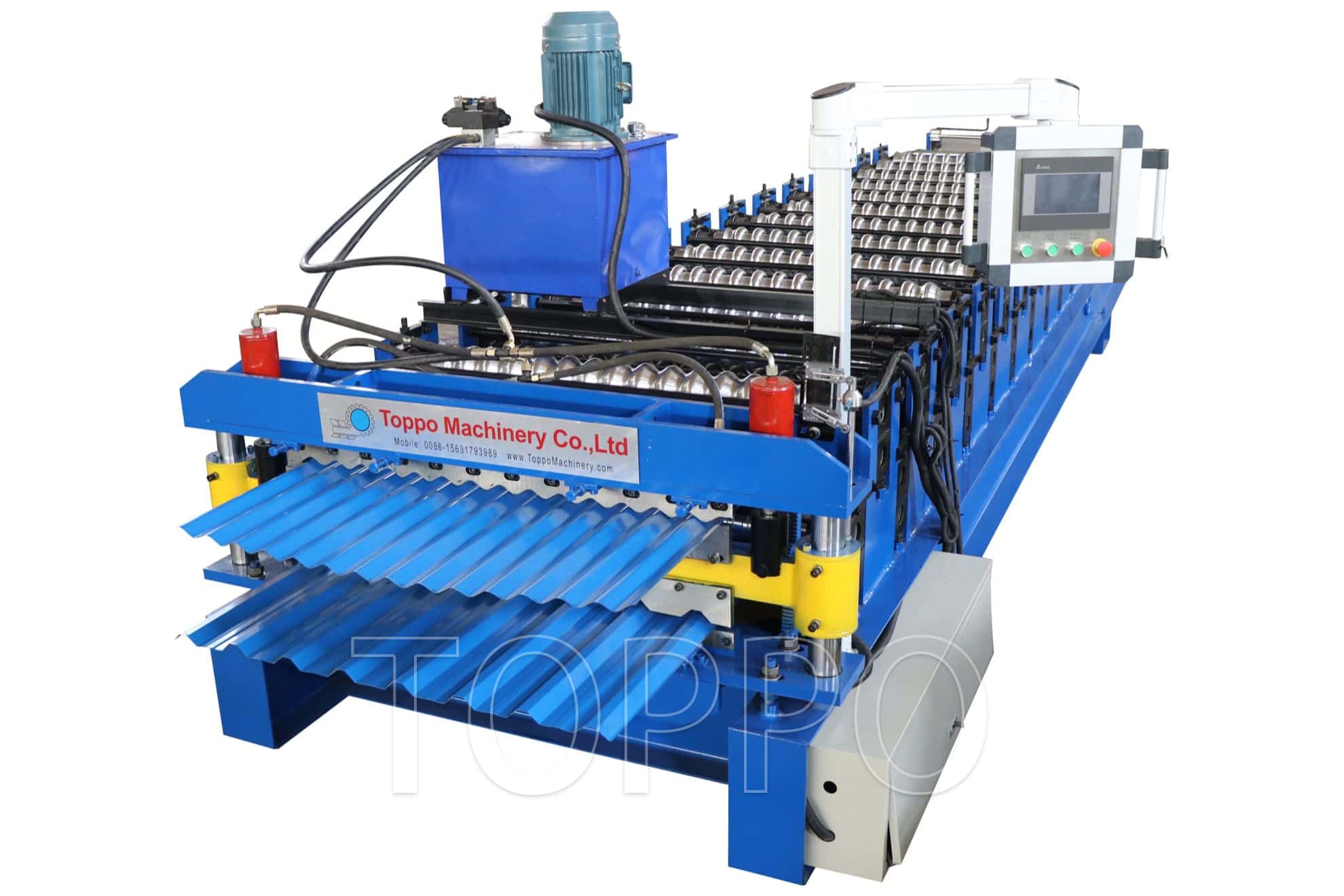
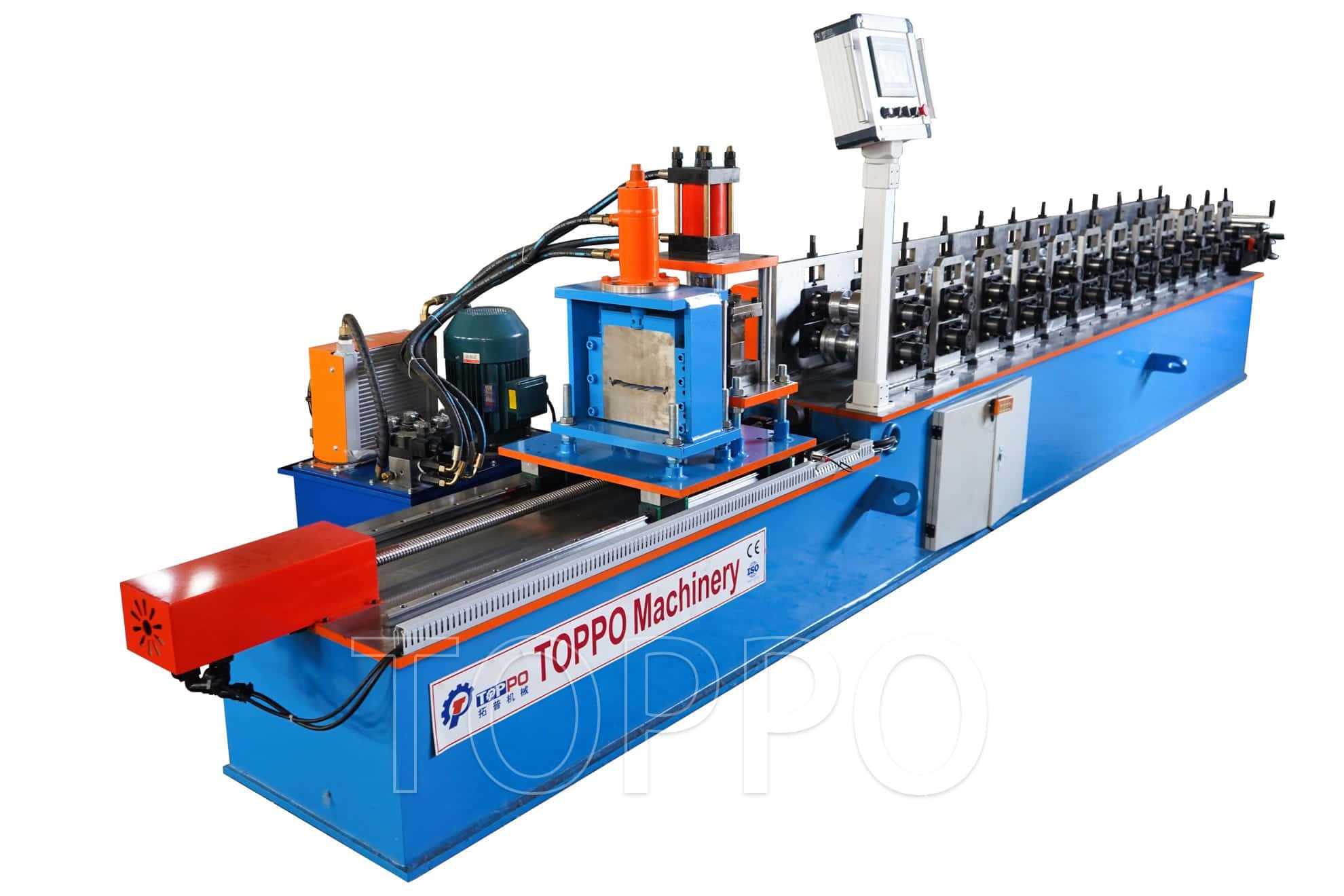
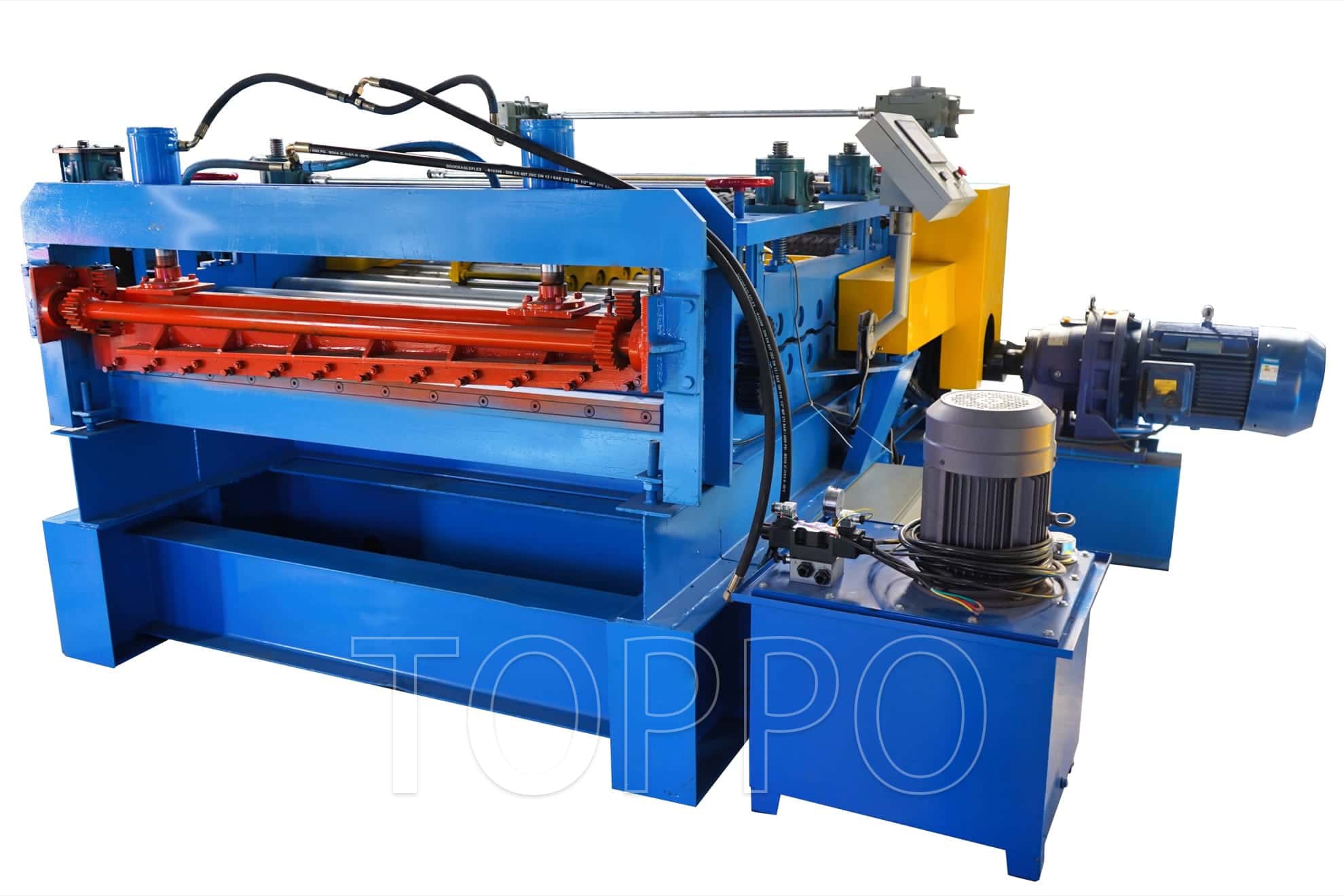
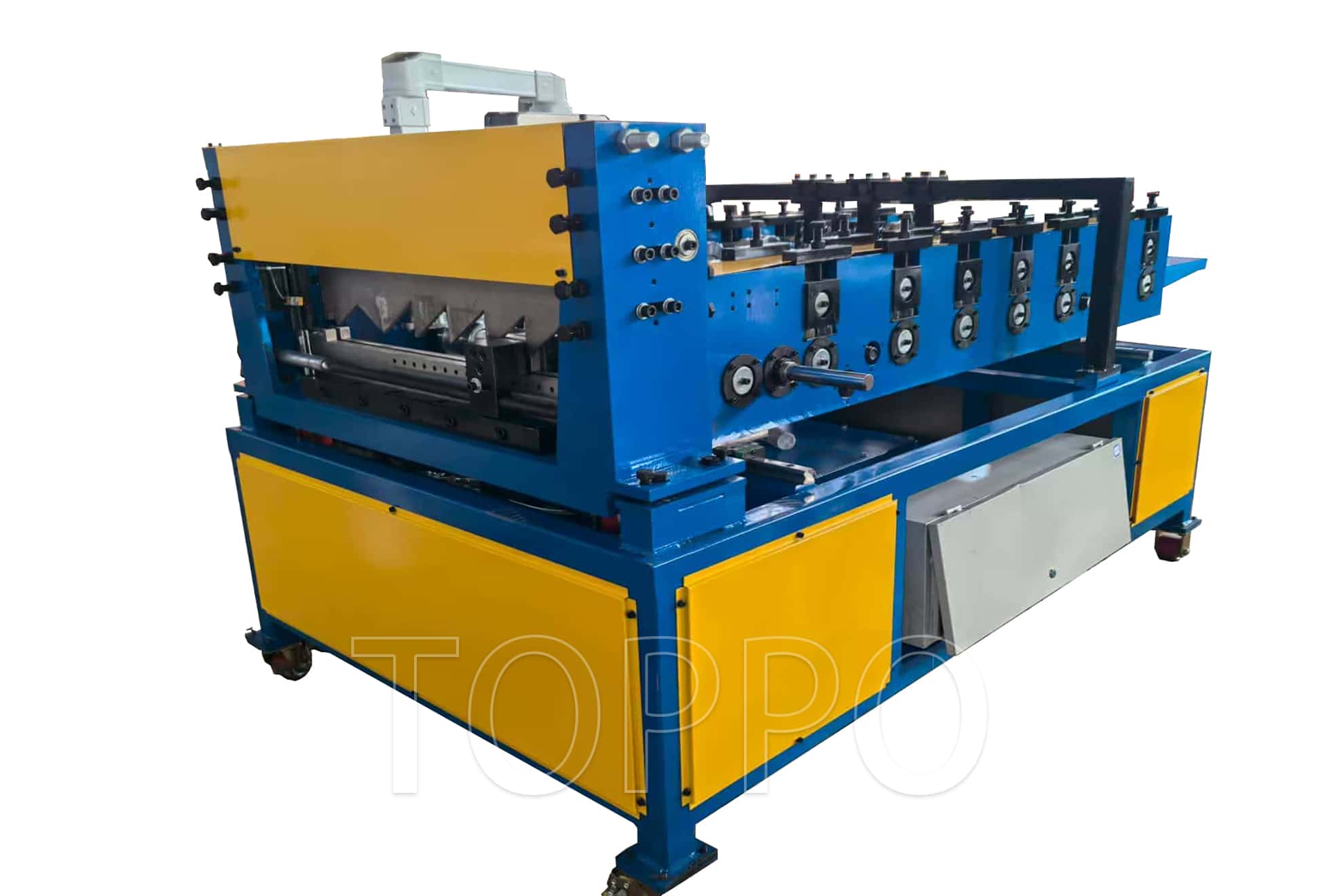
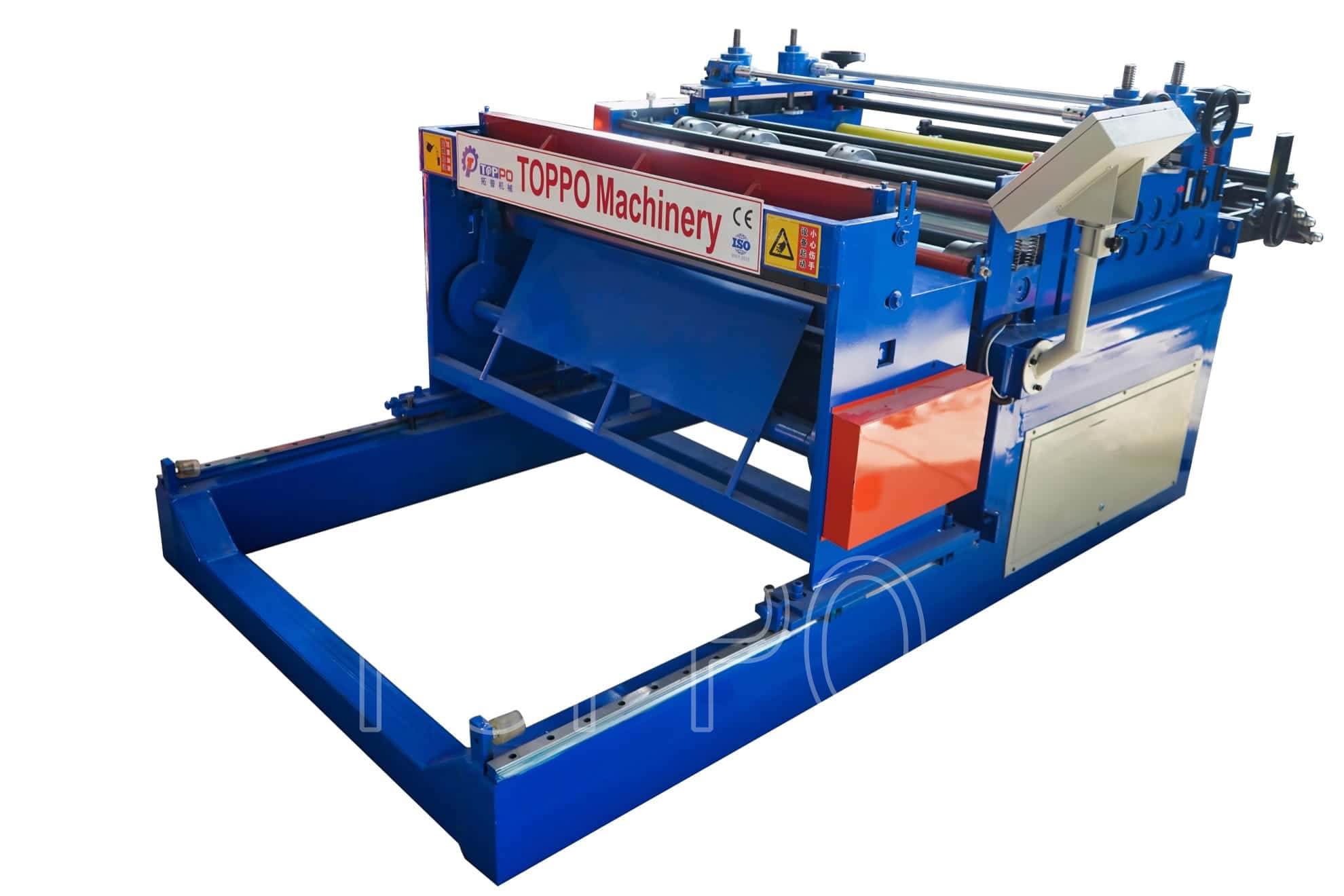
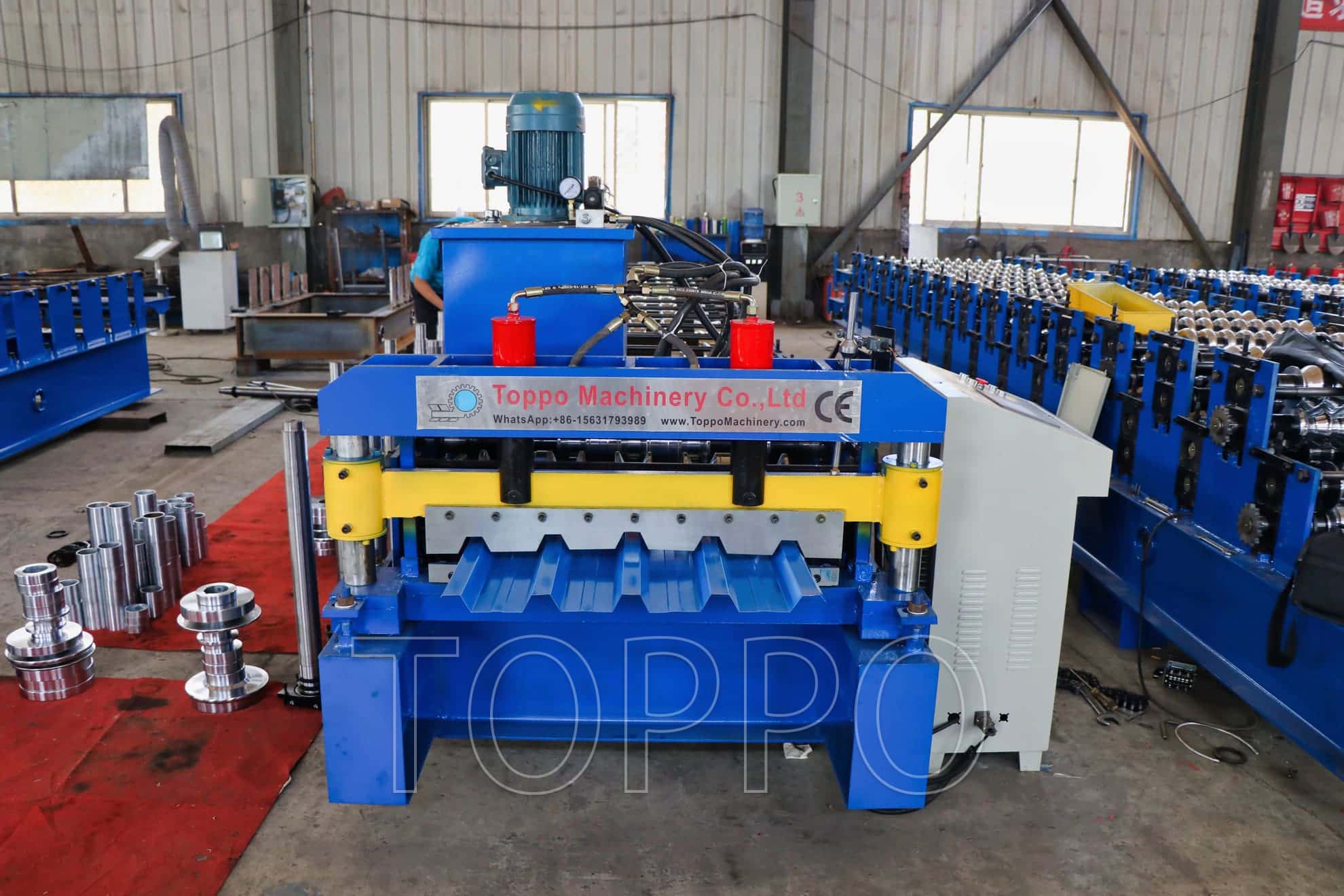
Uneven roofing sheet width is one of the most common dimensional issues in roofing production, and in most cases the root cause is not the steel coil itself. The conclusion is straightforward: width variation usually results from roller wear, improper machine alignment, unstable feeding, or inconsistent forming pressure. A roofing roll forming machine with stable hydraulic performance, reliable PLC control, and properly maintained roller stations can consistently produce panels within specification. Factories that focus on machine stability and preventive maintenance typically experience fewer rejected panels, lower operating costs, and a faster ROI than those relying on production speed alone.
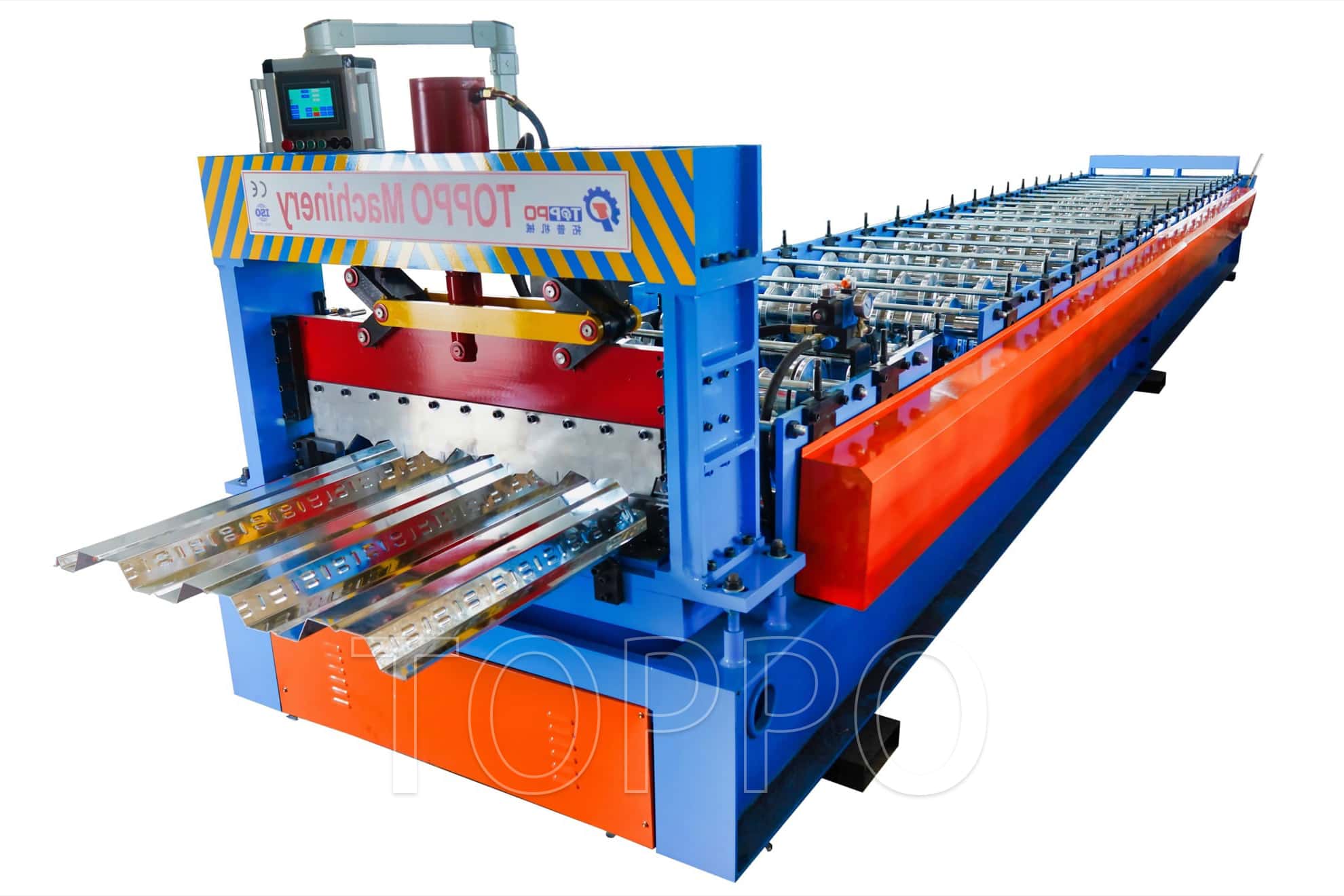
Whether operating an Aluminum Roofing Sheet Roll Forming Machine or a Color Steel Roofing Sheet Roll Forming Machine, maintaining profile accuracy requires every forming station to work consistently. Small deviations in feeding or roller alignment can gradually create noticeable width differences in finished panels.
Roofing Sheet Width Consistency Comparison
| Production Factor | Stable Width Control | Uneven Width Risk |
|---|
| Roller Condition | Uniform profile formation | Profile distortion develops |
| Material Feeding | Centered sheet tracking | Lateral movement occurs |
| Hydraulic Stability | Consistent forming pressure | Variable panel dimensions |
| PLC Reliability | Repeatable operation | Inconsistent adjustments |
| Maintenance Practice | Predictable quality output | Higher rejection rates |
In real production environments, galvanized steel thickness variation also affects forming behavior. A roofing roll forming machine with strong material adaptability can process different specifications while maintaining width consistency. Reliable motor brands, accurate cutting systems, and efficient profile changeovers further support stable production.
Experienced buyers also evaluate machine lifespan, installation difficulty, container transportation efficiency, and maintenance accessibility. Equipment that is easier to maintain generally preserves dimensional accuracy longer and reduces total ownership costs.
Ultimately, uneven roofing sheet width is usually a symptom of process instability rather than material quality. A well-engineered roofing roll forming machine that combines precision, durability, and operational stability can improve panel consistency, reduce waste, lower maintenance expenses, and support stronger long-term profitability.
READ MORE: