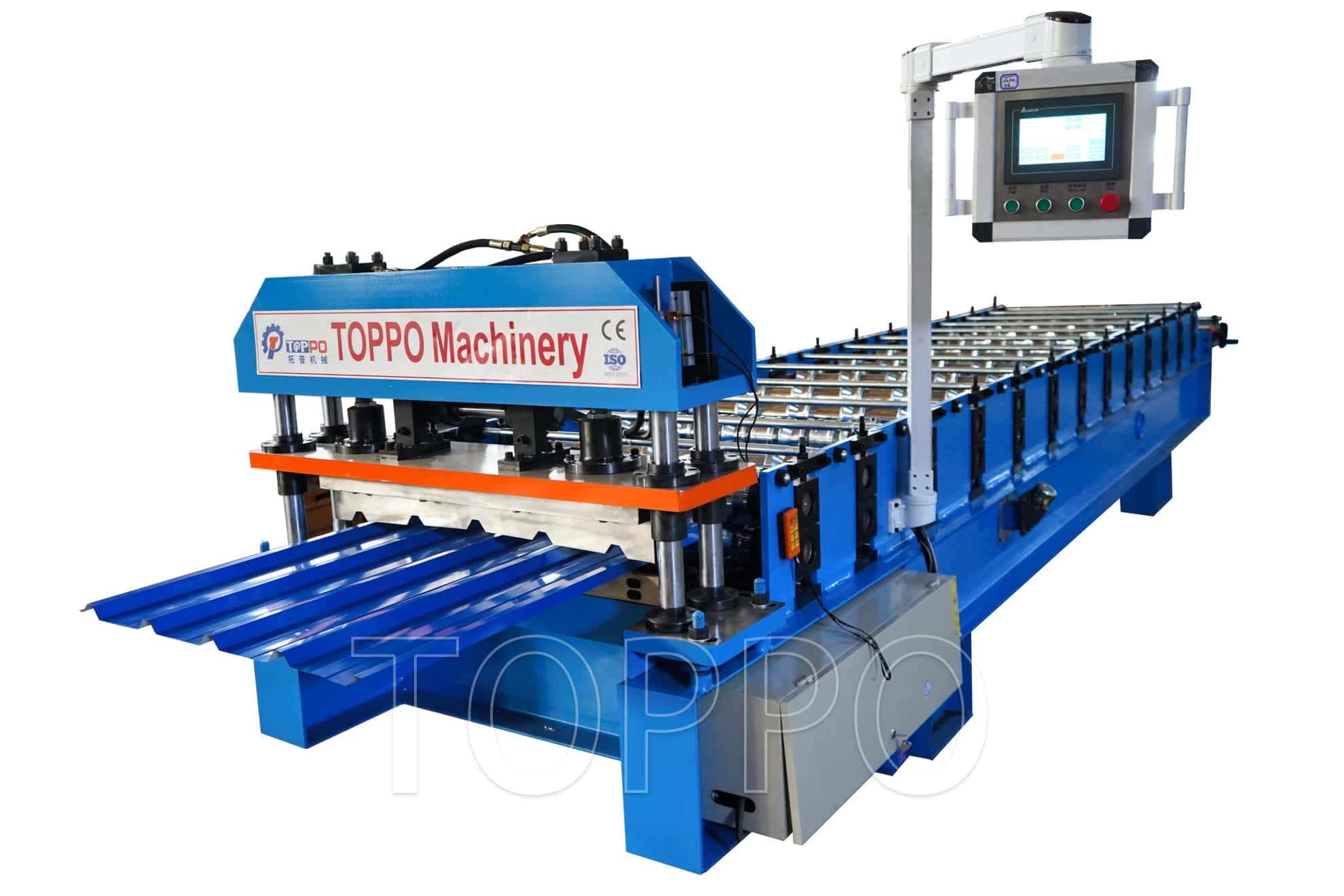
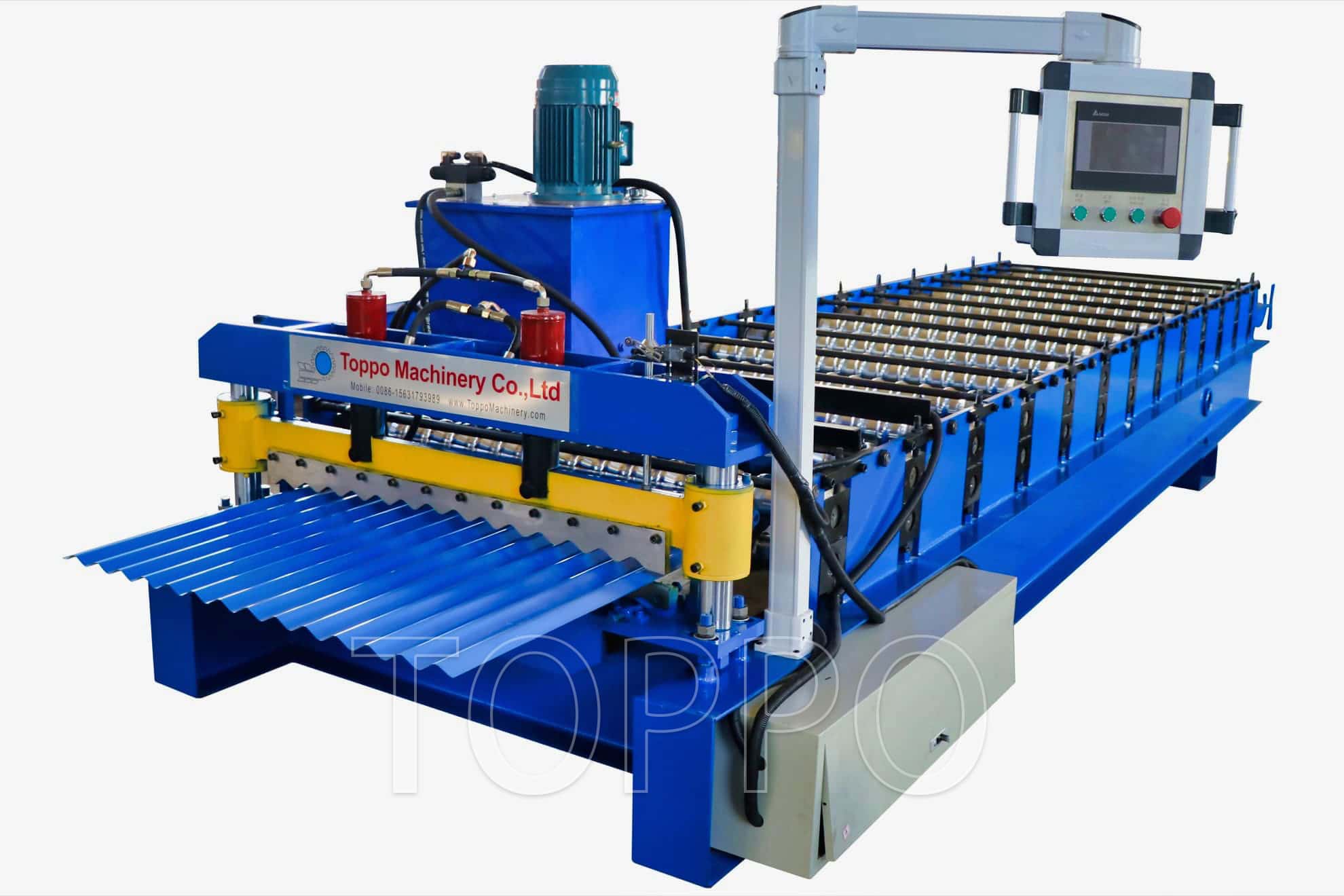
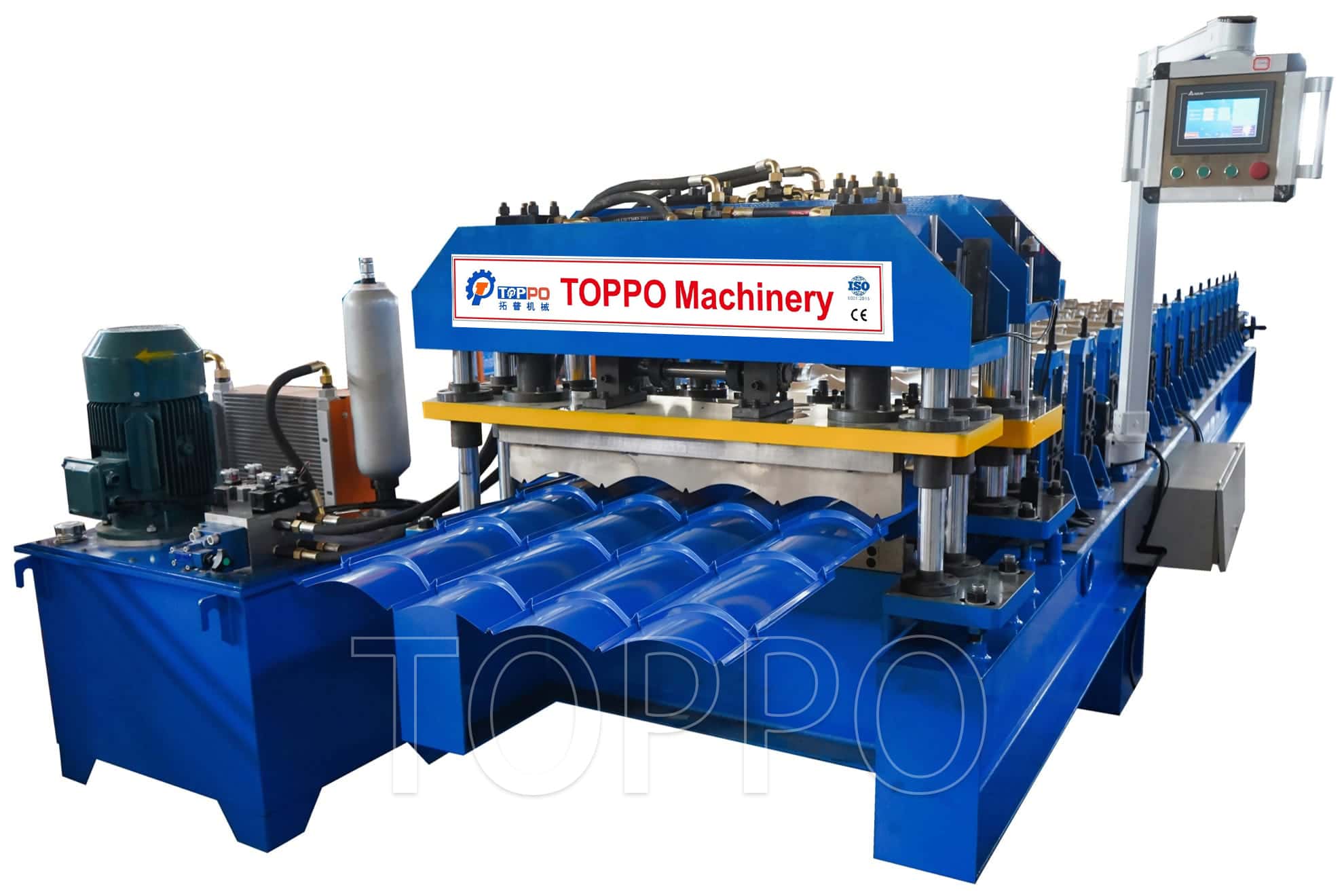
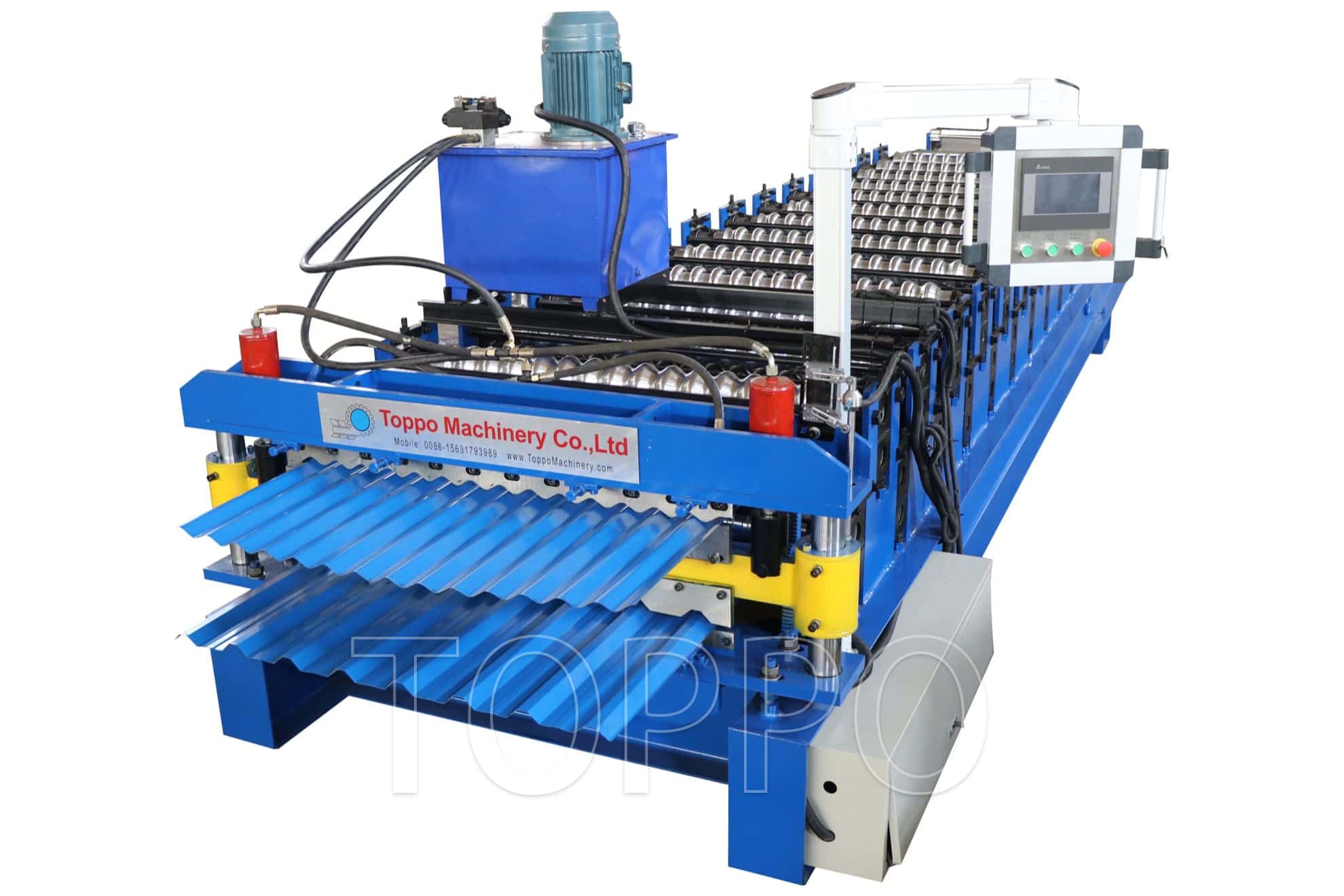
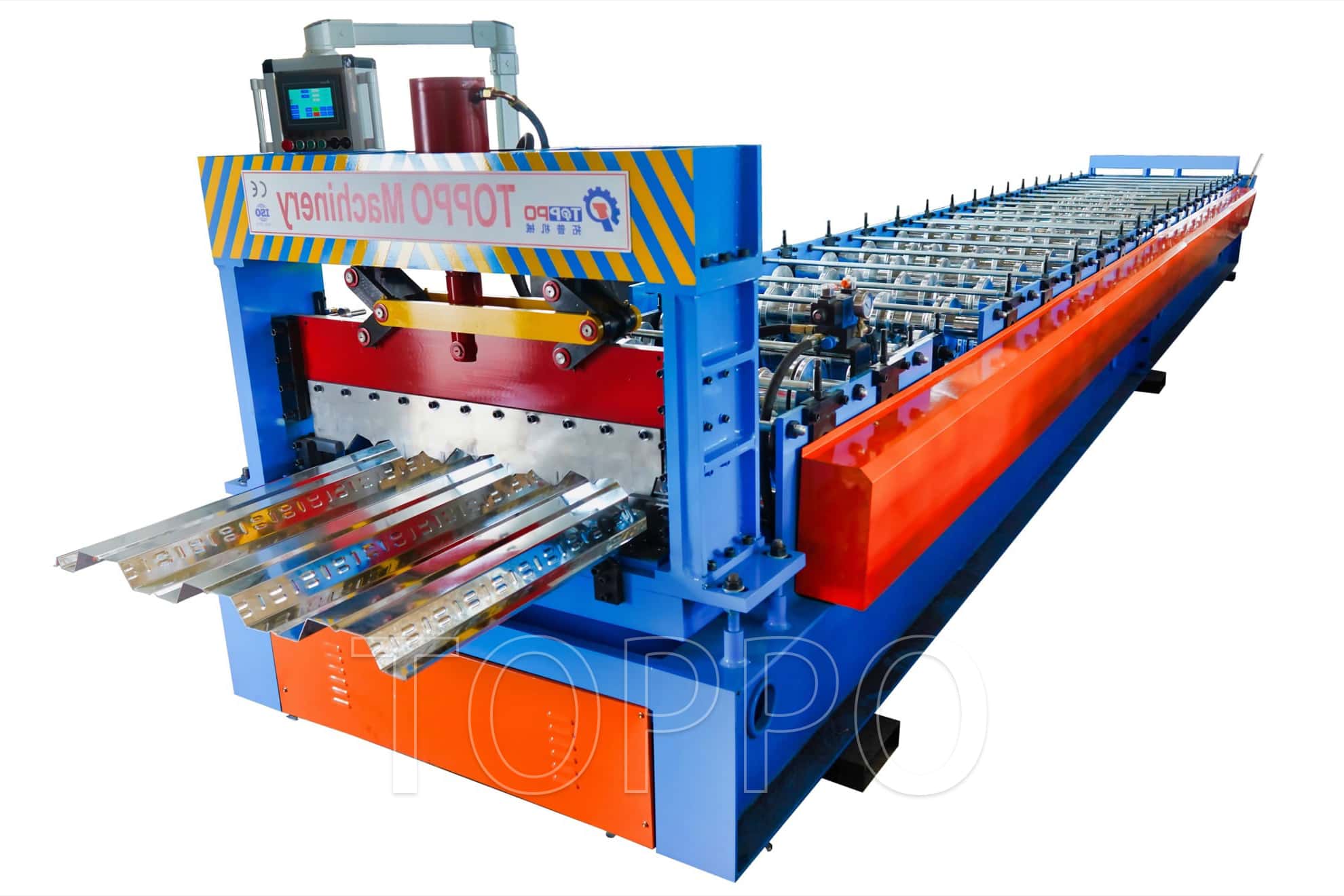
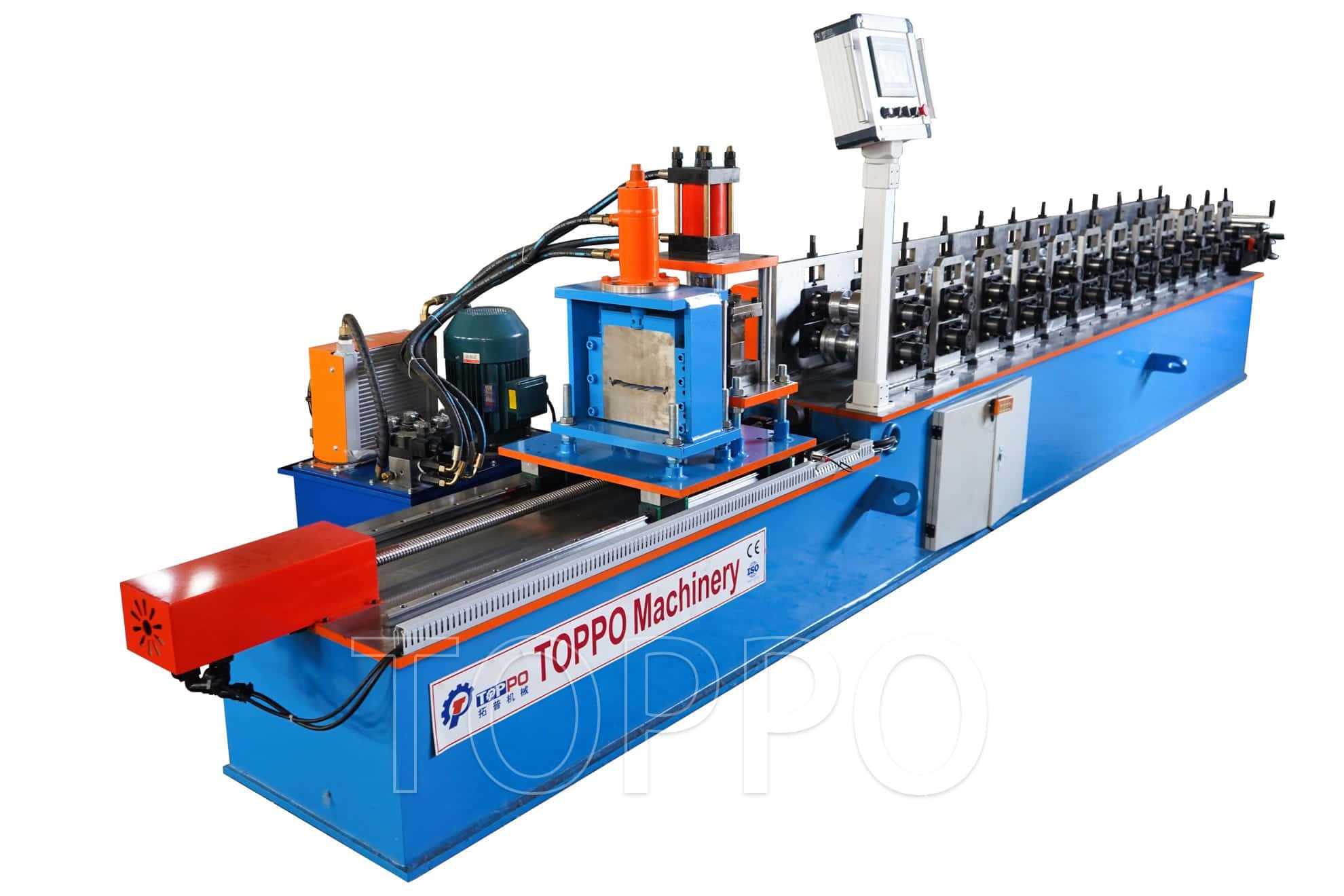
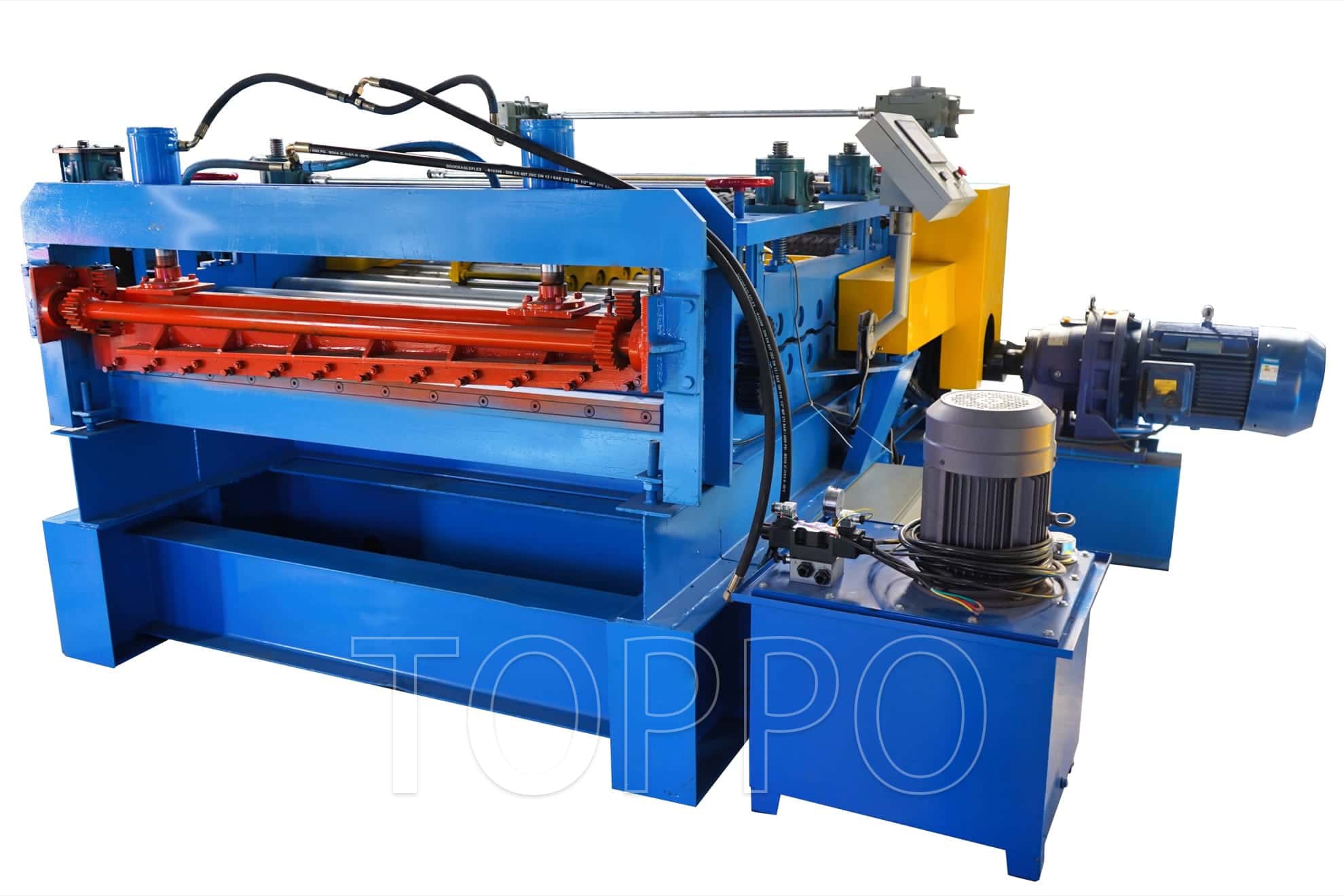
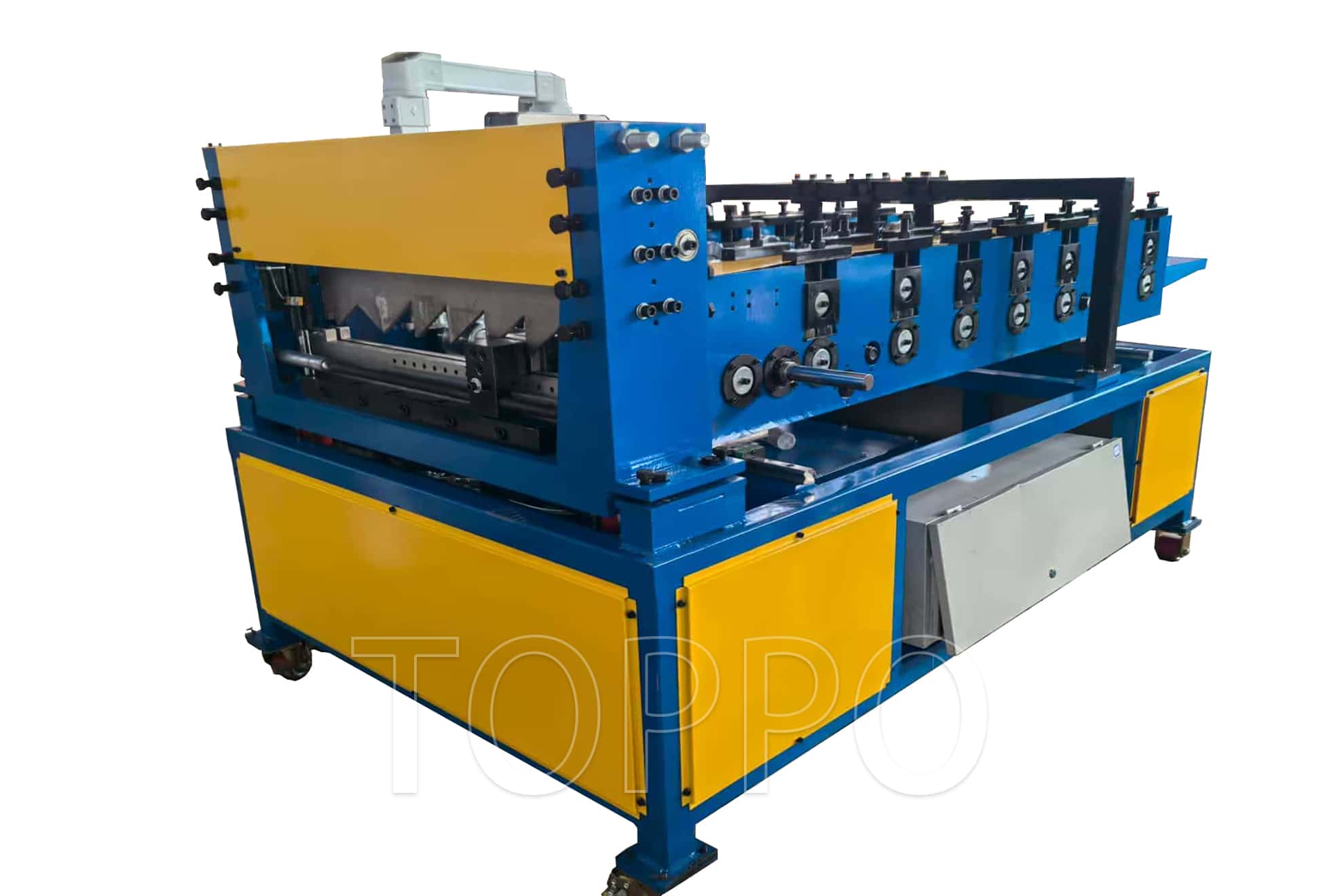
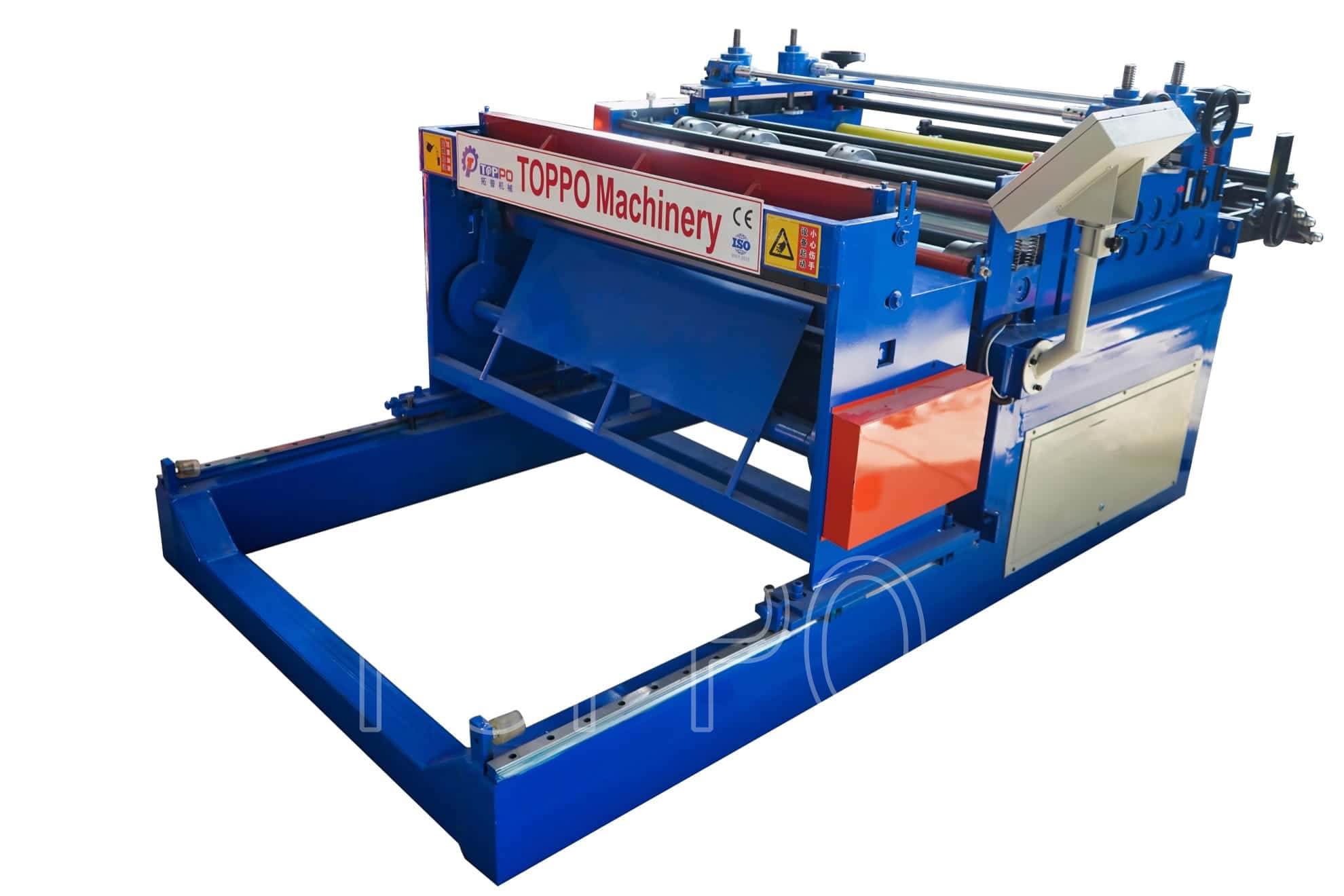
How aDouble LayerRoll Forming MachineTransforms Small Business Operations
For small business owners in the metal construction sector, scaling production without overspending on equipment is a constant challenge. Adouble layerroll forming machineoffers a compact, cost-effective solution to produce two types of roofing sheets from a single unit. This guide breaks down its value, key features, and real-world impact for small operations.
Core Benefits for Small Business Owners
Small teams and limited budgets mean every equipment purchase must deliver clear, fast returns. This2 in 1roll forming machineaddresses common pain points for growing operations.
Lower Upfront and Operational Costs
Instead of buying two separate machines, small businesses get two production lines in one footprint.
Cuts initial equipment investment by 30%-40% compared to purchasing two standalone units
Reduces factory space requirements by up to 50% for dual-profile production
Lowers labor costs since one operator can manage both forming systems
A small roof panel production factory in Vietnam reported saving $18,000 in its first year after switching from two single machines to one combined unit.
Expanded Product Offerings for More Clients
With adouble layer roof panel machine, small businesses can serve a wider range of customer needs without extra equipment.
Serves
roofing contractorsneeding both residential and commercial panel styles
Supports
building material suppliersand
roofing material wholesalerswith diversified inventory
Opens doors to custom orders for small-scale construction projects
Metal roofing manufacturerscan quickly add corrugated and trapezoidal sheets to their catalog, attracting more repeat clients.
Key Technical Features to Evaluate Before Purchase
Not all dual-layer equipment is built the same. Understanding core specifications helps small business owners choose a unit that matches their production goals.
Production Capacity and Profile Flexibility
Thetwo profile optionslet teams switch between sheet types to match order demand.
Standard
working speed 0-30 m/minfor steady, consistent output
Adjustable
forming thicknessand
steel coil thicknessto handle 0.3-0.8mm color steel
Customizable
forming widthto fit common regional roofing sheet dimensions
Models like thedouble layer trapezoidal roofing machineanddouble layer corrugated roofing machineare popular for small operations. Thetrapezoidal and corrugatedroll forming machineconfiguration covers 80% of standard roofing orders.
Machine Structure and Configuration Quality
Durable components reduce downtime and maintenance costs for small teams with limited technical staff.
A qualitydual profileroll forming machineensures consistent panel dimensions, reducing material waste by up to 5% per production run.
Popular Machine Types for Small-Scale Production
Small businesses can choose from specializeddouble tierroll forming machinemodels based on their target market and local demand.
Common Profile Combination Models
Most small operations start with a model that covers high-demand residential and commercial profiles.
- IBRdouble layerroll forming machine
: ideal for industrial and commercial roofing projects
- Double layer steel roofing sheet machine
: optimized for standard color steel roofing panels
- Double layer metal sheet forming machine
: versatile for both roofing and light wall cladding
Thedouble layer roofing machinewith corrugated and IBR profiles is a top pick for startups targeting mixed residential and small commercial clients.
Critical Component Upgrades for Long-Term Use
Small upgrades extend machine lifespan and reduce long-term repair costs for budget-conscious owners.
High-strength
roller material(45# steel with chrome plating) for wear resistance
- Hydraulic cutting system
for clean, burr-free sheet edges
- PLC control system
with touchscreen for easy operation and quick setting changes
- Automatic length measurement
to reduce manual measurement errors
Theprofile changeover systemon modern models lets teams switch between profiles in under 10 minutes, minimizing production downtime.
Is This Machine Right for Your Small Business?
Before investing, small business owners should align machine capabilities with their current order volume and growth plans.
Ideal Business Types for Dual-Layer Equipment
Thiscombined roofing sheetroll forming machinefits operations with mixed, moderate-volume orders.
- Steel sheet manufacturers
and
roofing sheet producersexpanding product lines
- Construction companies
and
steel structure companieswith in-house roofing panel needs
- Roll forming machinedistributors
looking to add entry-level combined units to inventory
- Metal fabrication companies
adding pre-cut roofing sheets to their service list
- Industrial building contractors
and
prefabricated building manufacturerswith steady panel demand
- Steel coil processing companies
diversifying into finished roofing products
A small roofing sheet producer in Kenya increased monthly revenue by 28% within six months of adding adouble layer roof tile forming machineto its production line.
First Steps for Small Business Buyers
Start with a clear assessment of your current and projected order mix to avoid overbuying.
Calculate average monthly volume for each roofing profile you plan to produce
Measure available factory space to ensure the machine fits with room for material handling
Request sample sheets from suppliers to verify forming quality before purchase
Compare after-sales support packages, as small teams often need remote technical help
A standardroof panel making machinepaired with a dual-layer unit can cover both high-volume and custom orders for growing businesses.