Double LayerRoll Forming Machine: A Practical Comparison for Small Business Owners
For small business owners in roofing or metal fabrication, investing in adouble layerroll forming machineis a big decision that directly impacts production efficiency and profit. This 2-in-1roof panel making machinelets you produce two different panel profiles with one unit, saving floor space and upfront cost.
In this comparison review, we break down top options, key parameters, and real-world ROI to help smallmetal roofing manufacturersandsteel sheet manufacturerspick the rightroll forming machinefor their budget and output needs.
1. Core Types ofDouble DeckRoll Forming Machines
Before comparing specs, it’s important to understand the main categories ofdual layerroll forming machines available for small operations. Each type serves different panel demands and project scales.
1.1 By Profile Combination
Two profile optionsare the most common setup for small businesses, with each model designed for specific market needs.
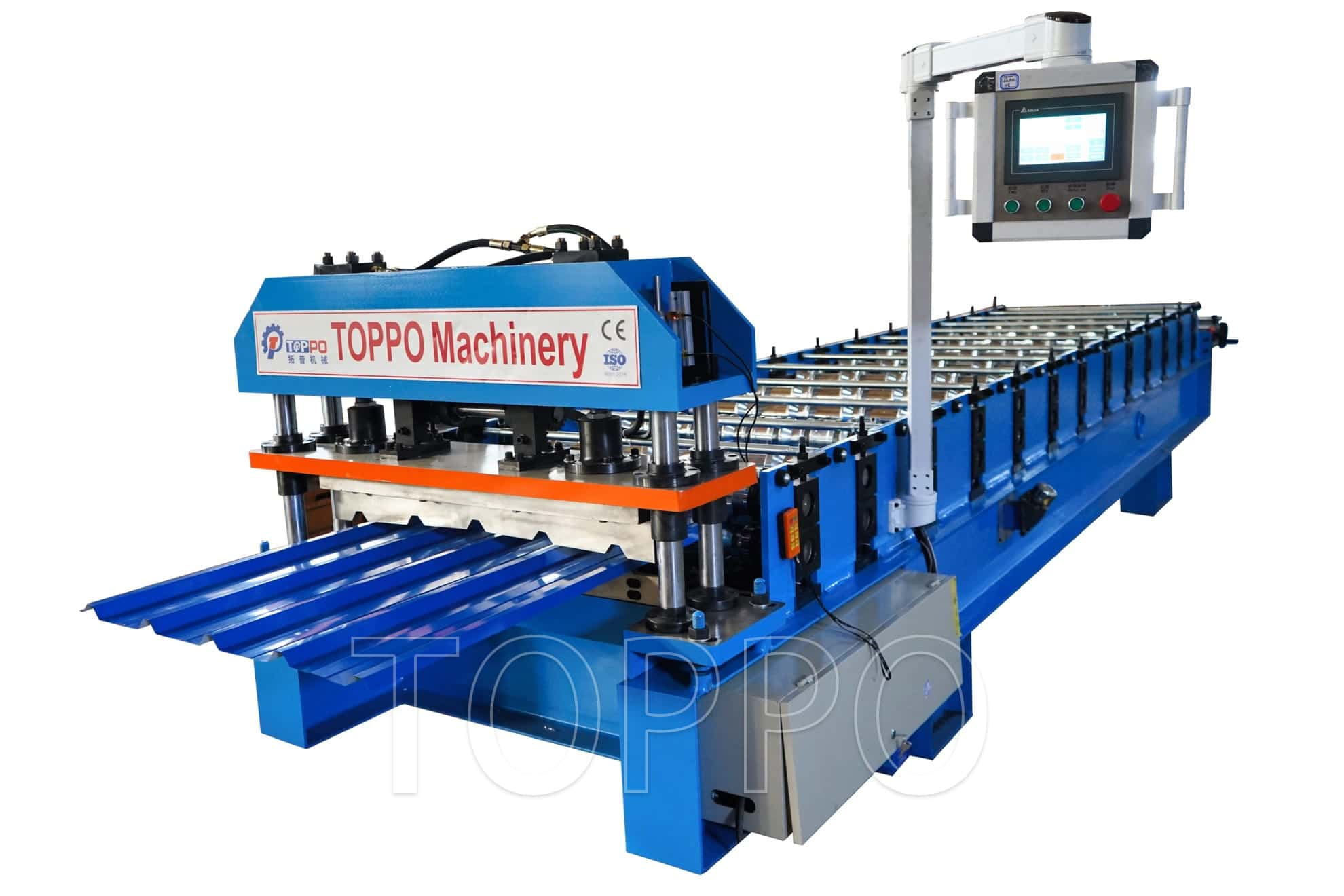
double layer trapezoidal roofing machine: Ideal for residential and commercial roofing projects with standard trapezoidal panels
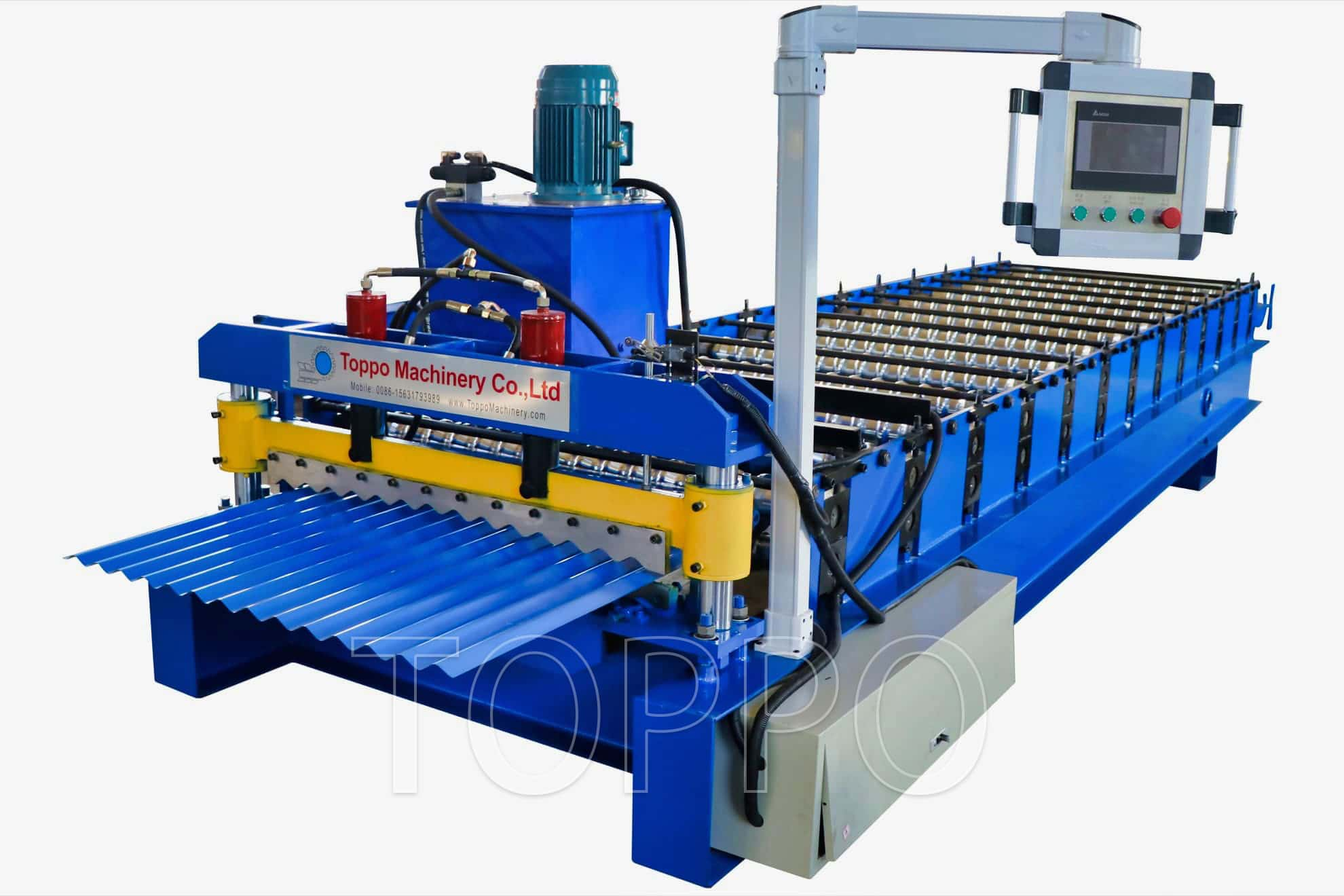
double layer corrugated roofing machine: Best for decorative or low-slope roofing with corrugated profiles
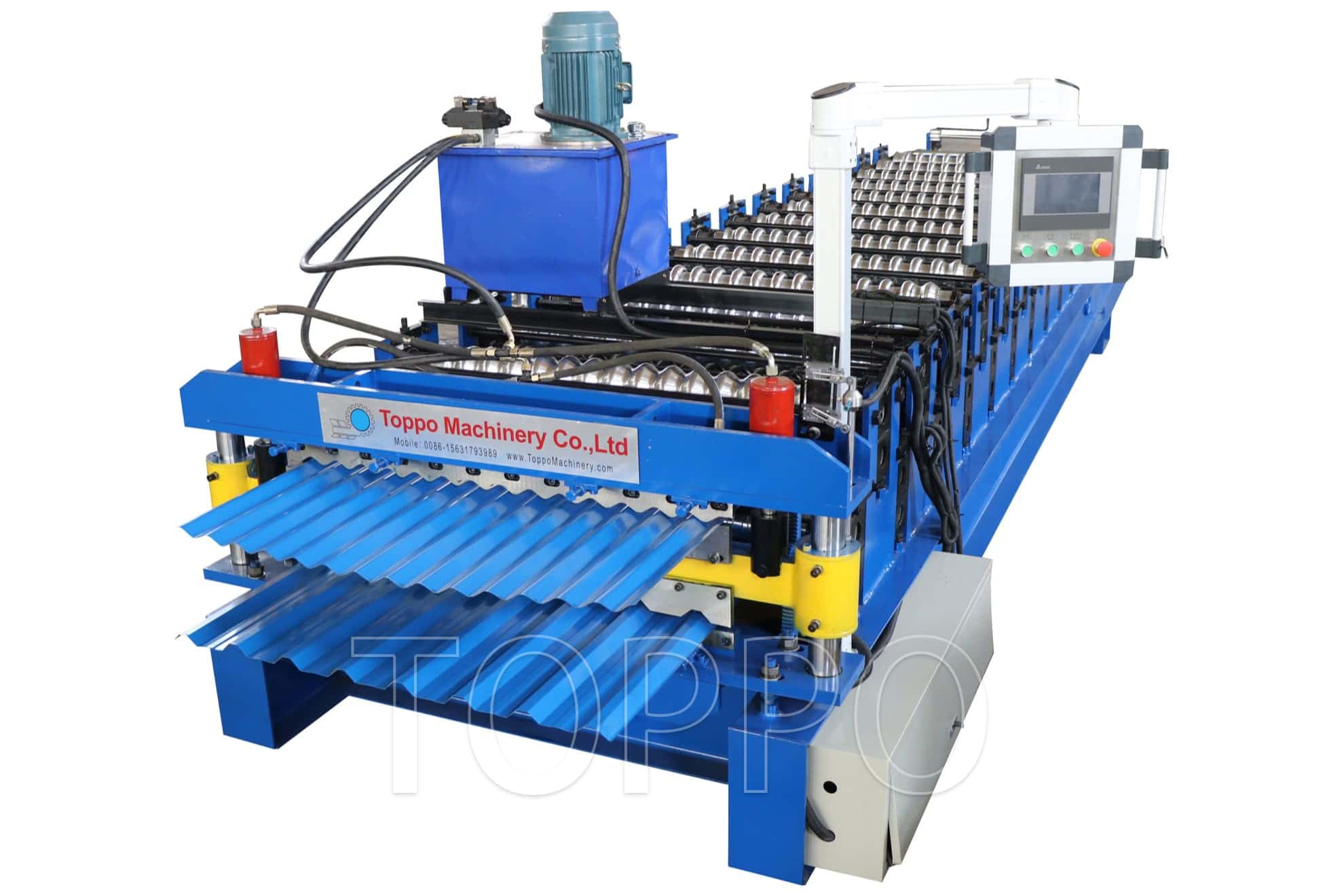
trapezoidal and corrugatedroll forming machine: The most versatile
2 in 1roll forming machinefor mixed order types
IBRdouble layerroll forming machine: Popular in African and Southeast Asian markets for IBR roof sheet production
For smallroofing contractorsjust starting out, acombined roofing sheetroll forming machinewith trapezoidal and corrugated profiles usually offers the best market flexibility.
1.2 By Automation Level
Small businesses can choose between semi-automatic and fully automatictwo layerroll forming machines, depending on their budget and labor capacity.
Semi-automatic: Lower cost, requires manual feeding and length adjustment
Fully automatic: Equipped with
PLC control systemand
automatic length measurementfor hands-off operation
Heavy-duty: Built for thicker
steel coil thicknessand higher daily output
Most smallroof panel production factoriesstart with a fully automaticdouble tierroll forming machineto reduce labor costs and improve cutting accuracy.
2. Key Parameter Comparison for Small Business Use
When comparingtwo profileroll forming machines, focus on parameters that directly affect your production capacity, material compatibility, and long-term maintenance cost. Below is a side-by-side breakdown of the most critical specs.
2.1 Production & Material Specs
These parameters determine what jobs you can take and how fast you can complete them.
forming thickness: Typically 0.3-0.8mm for standard color steel, up to 1.2mm for heavy-duty models
forming width: Common ranges from 900mm to 1250mm to fit standard steel coil sizes
roll forming speed: Entry models run at 8-15 m/min, mid-range models reach
working speed 0-30 m/minroller material: 45# steel with chrome plating is standard for durability; high-end models use hardened alloy rollers
For smallbuilding material suppliersandsteel structure companies, adouble layer metal sheet forming machinewith 0.3-1.0mmforming thicknessand 15-20 m/min speed is usually sufficient for daily orders.
2.2 Core System Components
The quality of key systems directly impacts machine lifespan and maintenance frequency.
hydraulic cutting system: Delivers clean, burr-free cuts; look for units with adjustable cutting pressure
PLC control system: Touchscreen interface with memory for different panel lengths and batch counts
profile changeover system: Quick-change design reduces downtime between
two profile forming systemsindependent forming stations: Prevents cross-interference between the two profiles for consistent panel quality
A mid-rangedual profileroll forming machinewithindependent forming stationsand ahydraulic cutting systemtypically costs 30-50% less than two separate single-profile machines.
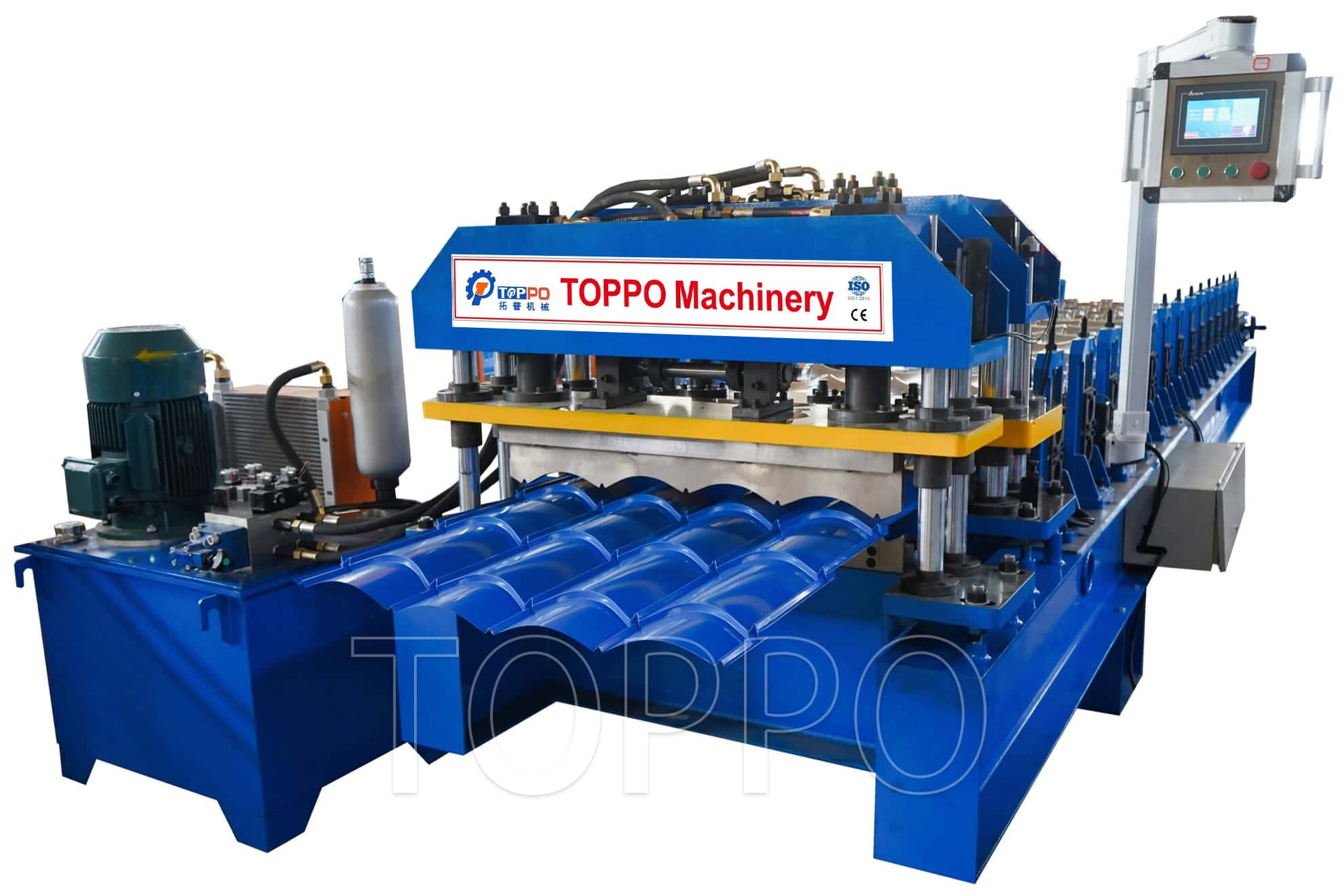
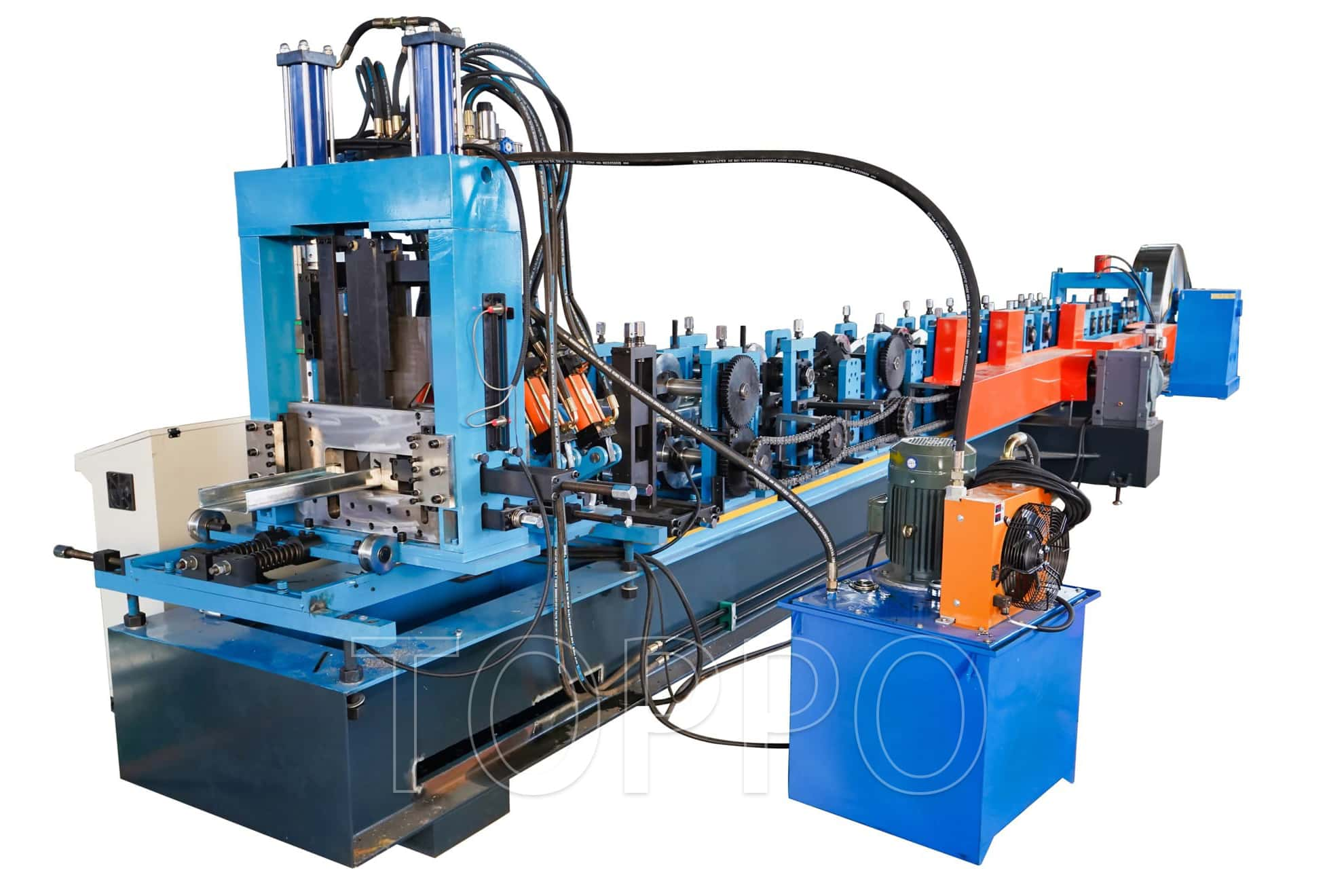
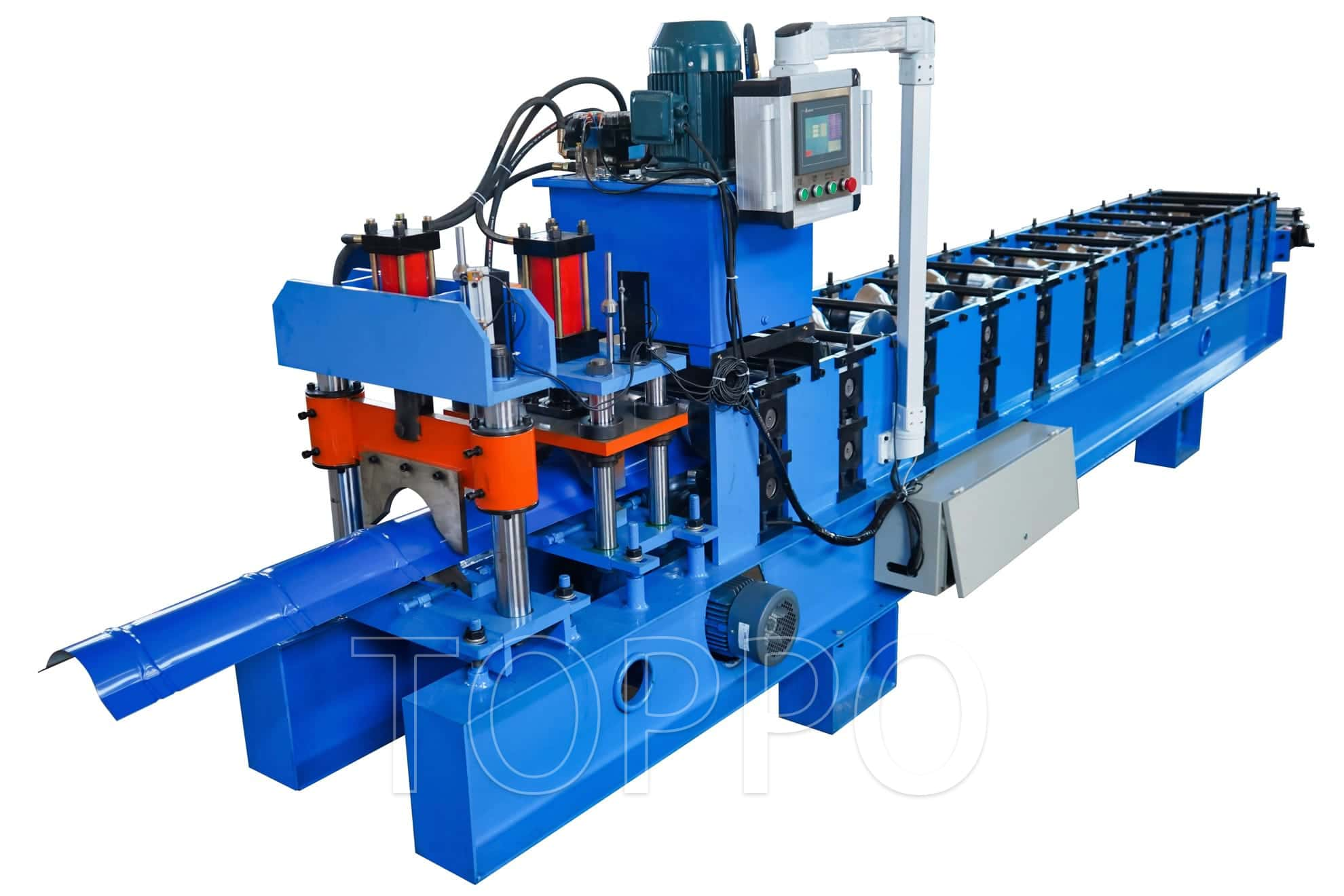
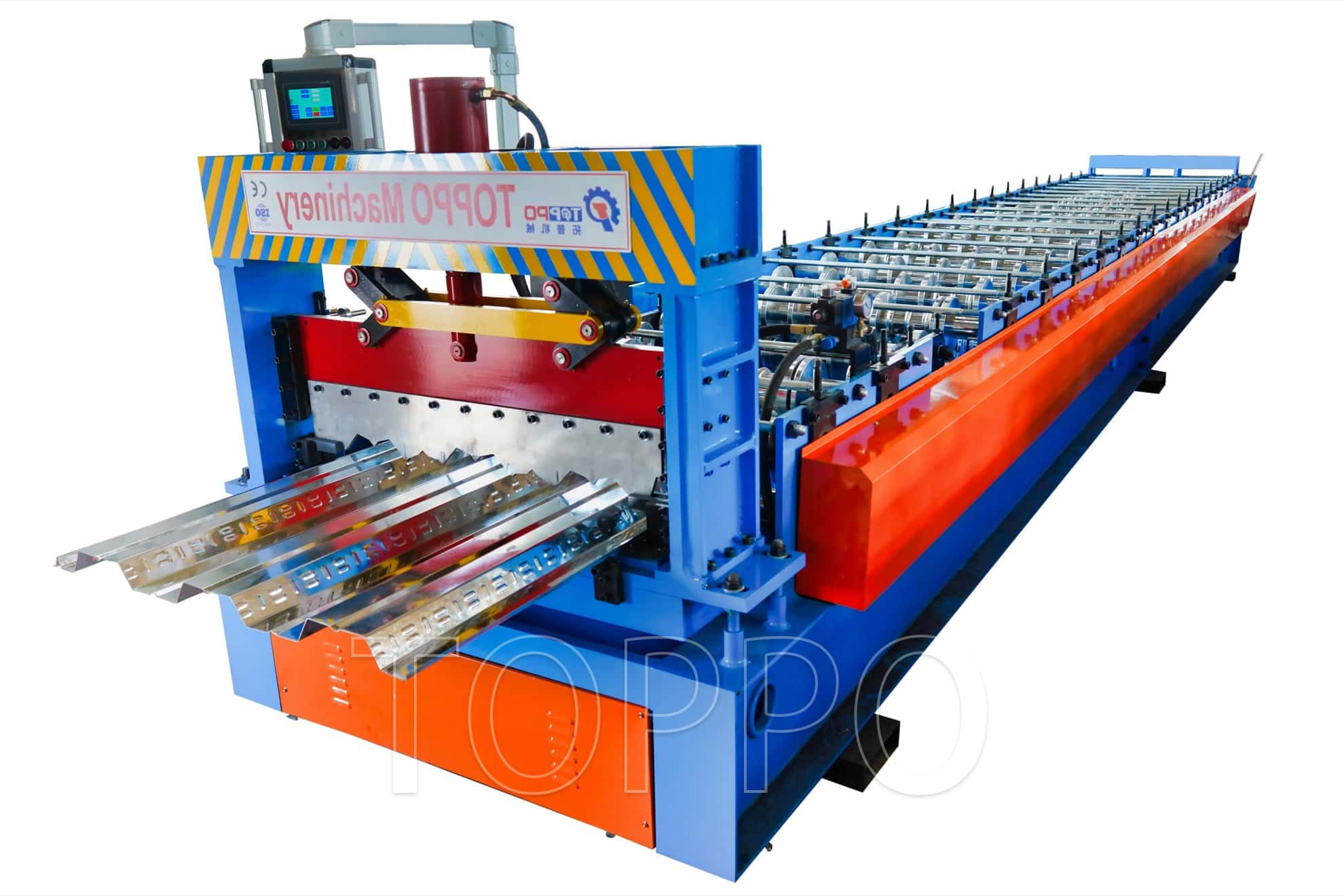
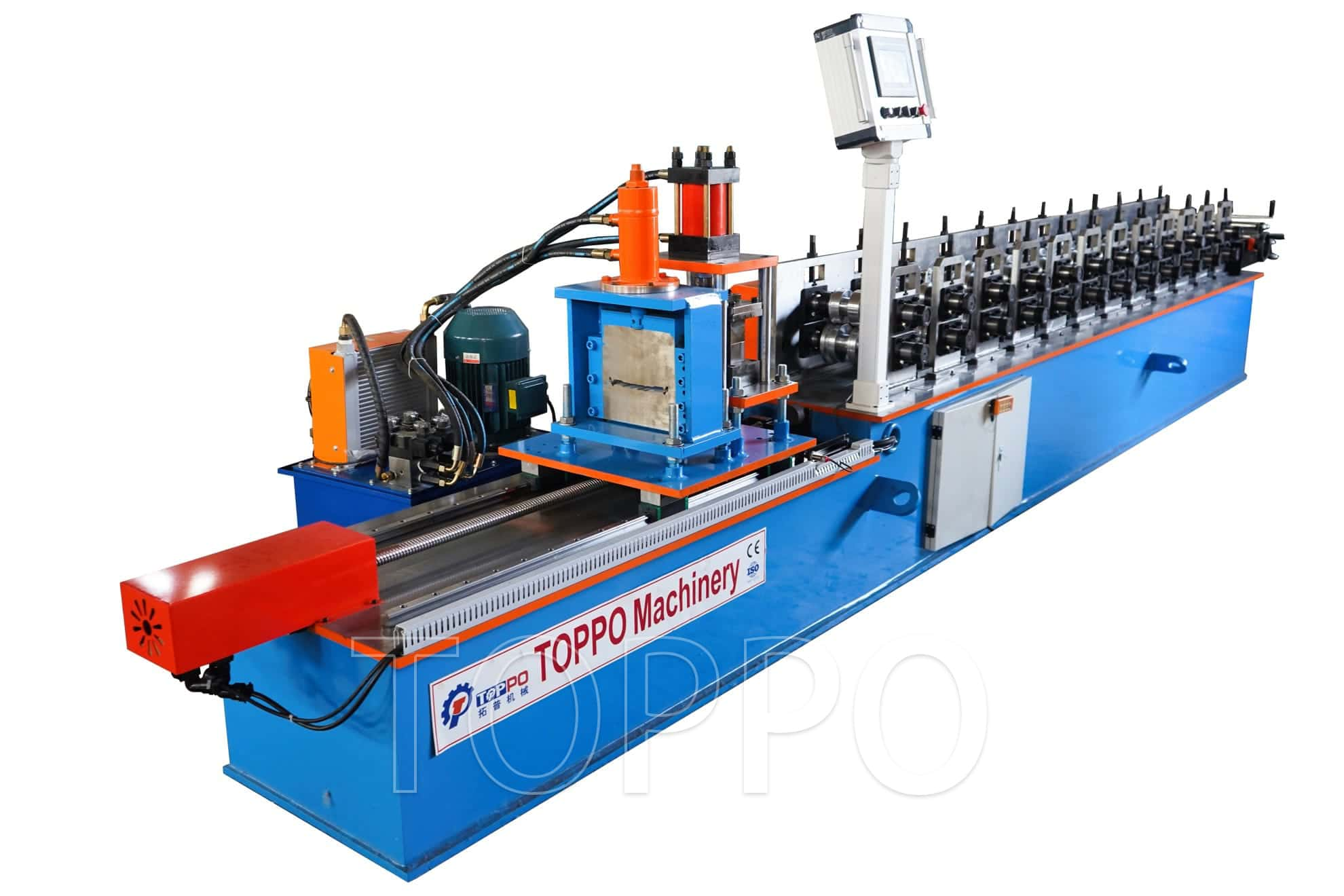
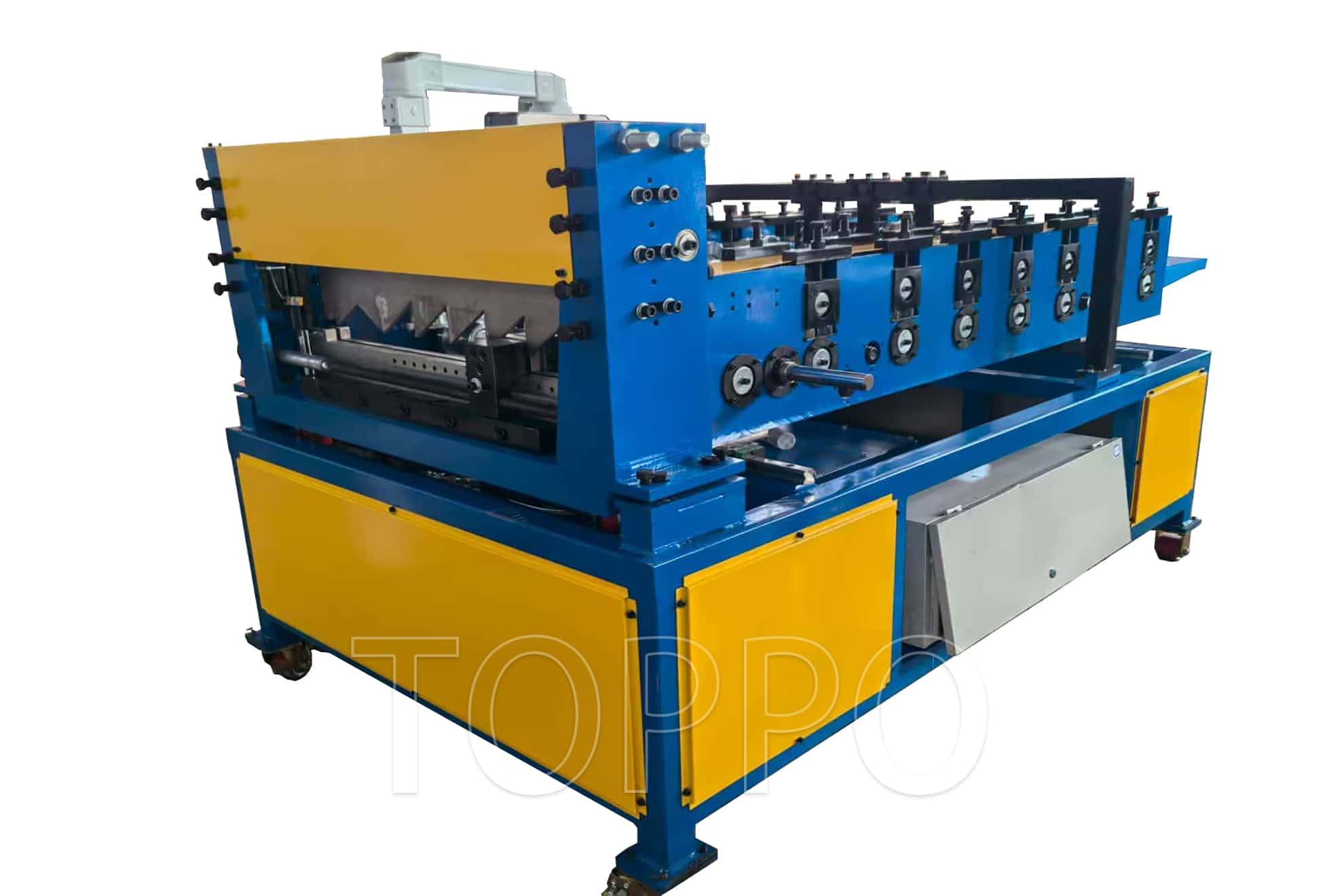
图片:Double layer color steelroll forming machineworking in a small factory workshop
alt:double layer color steelroll forming machinefor small roofing business
3. Cost & ROI Comparison for Different Business Scales
For small business owners, upfront cost and payback period are usually the top deciding factors. Below is a cost breakdown based on real quotes fromroll forming machinedistributorsand actual user data.
3.1 Upfront Cost Breakdown
Total cost of ownership goes beyond the machine price itself, especially for new businesses.
Entry-level
double layer roof panel machine: $8,000 – $12,000 (basic speed, manual adjustment)
Mid-range
combinedroll forming machine: $14,000 – $22,000 (PLC control, hydraulic cut, 20 m/min speed)
Heavy-duty
double layer steel roofing sheet machine: $25,000 – $35,000 (thicker material, 30 m/min speed)
Additional costs: Installation, training, spare parts, and shipping
For most smallroofing sheet producersandmetal fabrication companies, a mid-rangedouble layer roof tile forming machinedelivers the best balance of cost and performance, with a typical payback period of 6-12 months.
3.2 Real-World ROI Example
Let’s look at a real case from a small prefabricated building manufacturer in Southeast Asia.
Machine purchased: Mid-range
trapezoidal and corrugatedroll forming machine($18,000)
Daily output: 800-1000 sqm of panels per 8-hour shift
Profit per sqm: $1.2 – $1.8 (after material and labor costs)
Monthly profit: ~$18,000 – $27,000 for 20 working days
Payback period: ~1 month for high-demand seasons, 3-4 months on average
This case shows that forindustrial building contractorswith steady orders, investing in a high-qualitydouble layer roofing machinecan generate returns much faster than expected.
4. How to Choose the Right Machine for Your Small Business
With so many options on the market, picking the rightdouble layerroll forming machinedepends on your specific business model, order volume, and long-term growth plans.
4.1 Match Machine to Your Business Type
Different customer segments have different requirements for panel profiles and production speed.
roofing contractors: Prioritize portability, quick profile change, and mid-range speed for on-site or small-batch jobs
roofing material wholesalers: Focus on high speed and wide
forming widthto handle large bulk orders
steel coil processing companies: Look for heavy-duty construction and wider thickness range for custom material processing
roll forming machinedistributors: Choose models with universal compatibility and strong after-sales support from suppliers
If you serve multiple customer types, atwo profileroll forming machinewith both trapezoidal and corrugated capabilities is the most flexible choice.