- Trapezoidal Machine
- Corrugated Machine
- Glazed Tile Machine
- Double Layer Machine
- CZU Purlin Machine
- Ridge Cap Machine
- Floor Decking Machine
- Rolling Door Machine
- Fence Machine
- Embossing Machine
- Standing Seam Machine
- Cut To Length And Slitting Line
- Guard Rail Machine
- Decoiler And Stacker
- Stud And Track Machine
- Gutter And DownPipe
- Curving Machine
- Cladding Panel Machine
- Corollary Equipment



Introduction
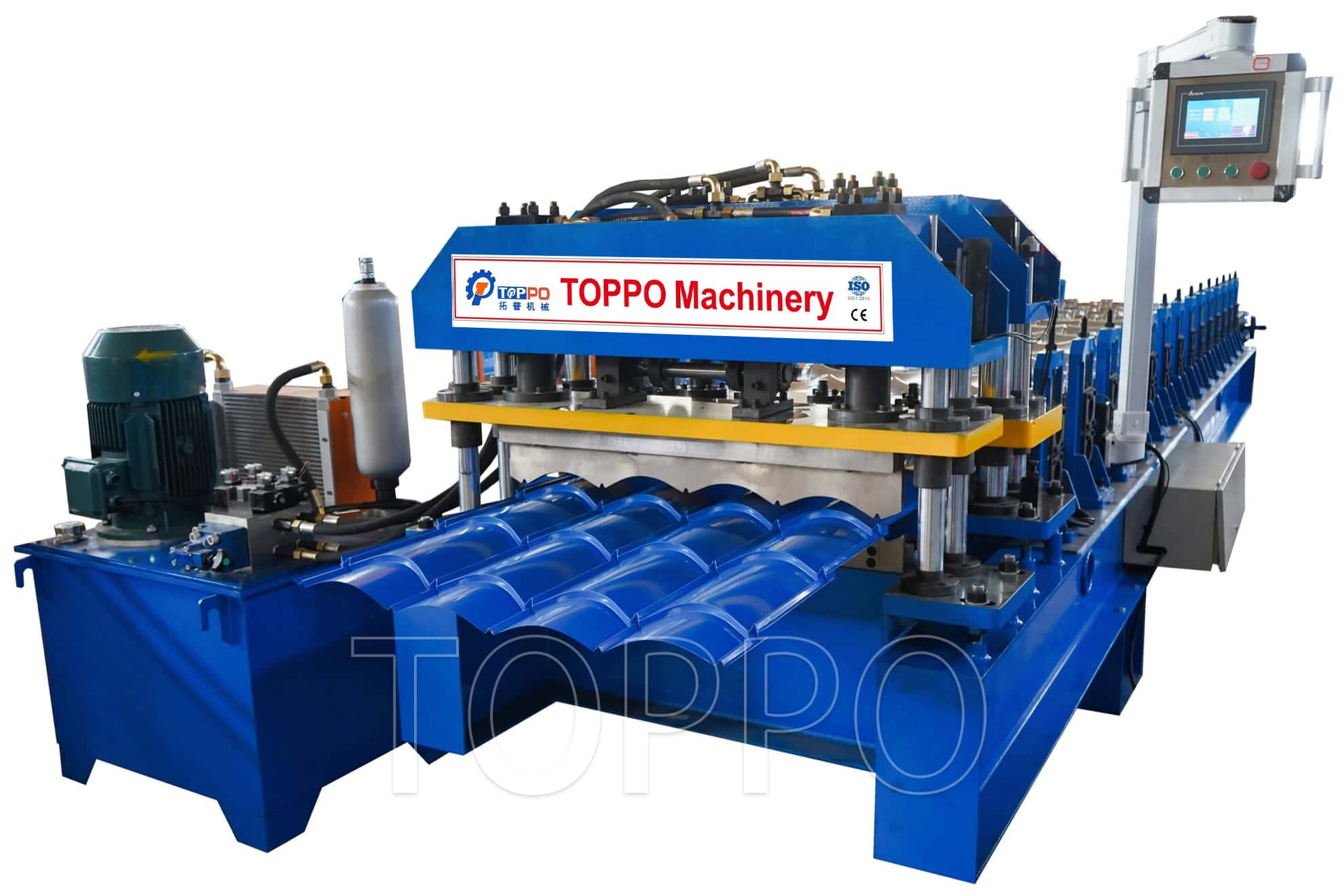
Choosing the right Automatic Metal Glazed Roof Tile Roll Forming Machine is an important decision for roofing material manufacturers. A suitable machine helps produce consistent metal roofing profiles, improve production efficiency, and meet the requirements of different construction markets.
Metal glazed roof tiles are popular in many roofing applications because they combine a decorative tile-style appearance with the practical advantages of metal roofing sheets. To manufacture these products efficiently, businesses need a roll forming machine that matches their required profile, raw material specifications, and production capacity.
TOPPO Machinery provides roll forming equipment for metal roofing production. This article explains the key factors to consider when selecting a metal glazed roof tile making machine and how to prepare your requirements before requesting a quotation.
1. Understand Your Required Roof Tile Profile
The first step is to determine the exact roofing profile you want to produce.
Different markets may require different tile shapes, wave patterns, dimensions, and forming designs. Even if two finished roofing sheets look similar, their profile dimensions and forming requirements may differ.
Before selecting a machine, prepare the following information:
Roof tile profile drawing
Finished sheet width and effective coverage width
Tile shape and dimensions
Required cutting length
Any special forming or cutting requirements
Providing a clear profile drawing helps the manufacturer evaluate the roller design and determine the appropriate machine configuration.
If you do not have a technical drawing, you can provide clear photos and dimensions of an existing roofing sheet for an initial technical discussion.
2. Select the Right Raw Material
Raw material specifications directly affect machine design and production performance.
An automatic metal glazed roof tile roll forming machine may be configured to process suitable pre-painted galvanized steel (PPGI), galvanized steel (GI), or other compatible metal materials, depending on the machine specifications.
When discussing your project with the manufacturer, confirm the following details:
Material Type: Identify whether you plan to use PPGI, GI, or another metal material.
Material Thickness: Specify the minimum and maximum thickness required for your production.
Coil Width: Provide the raw material width so the forming system can be evaluated against the required finished profile.
Material Properties: If available, provide the material grade and relevant mechanical properties.
Choosing a machine based on actual material requirements helps avoid problems caused by incompatible thicknesses, unsuitable forming designs, or incorrect coil specifications.
3. Evaluate the Machine Configuration
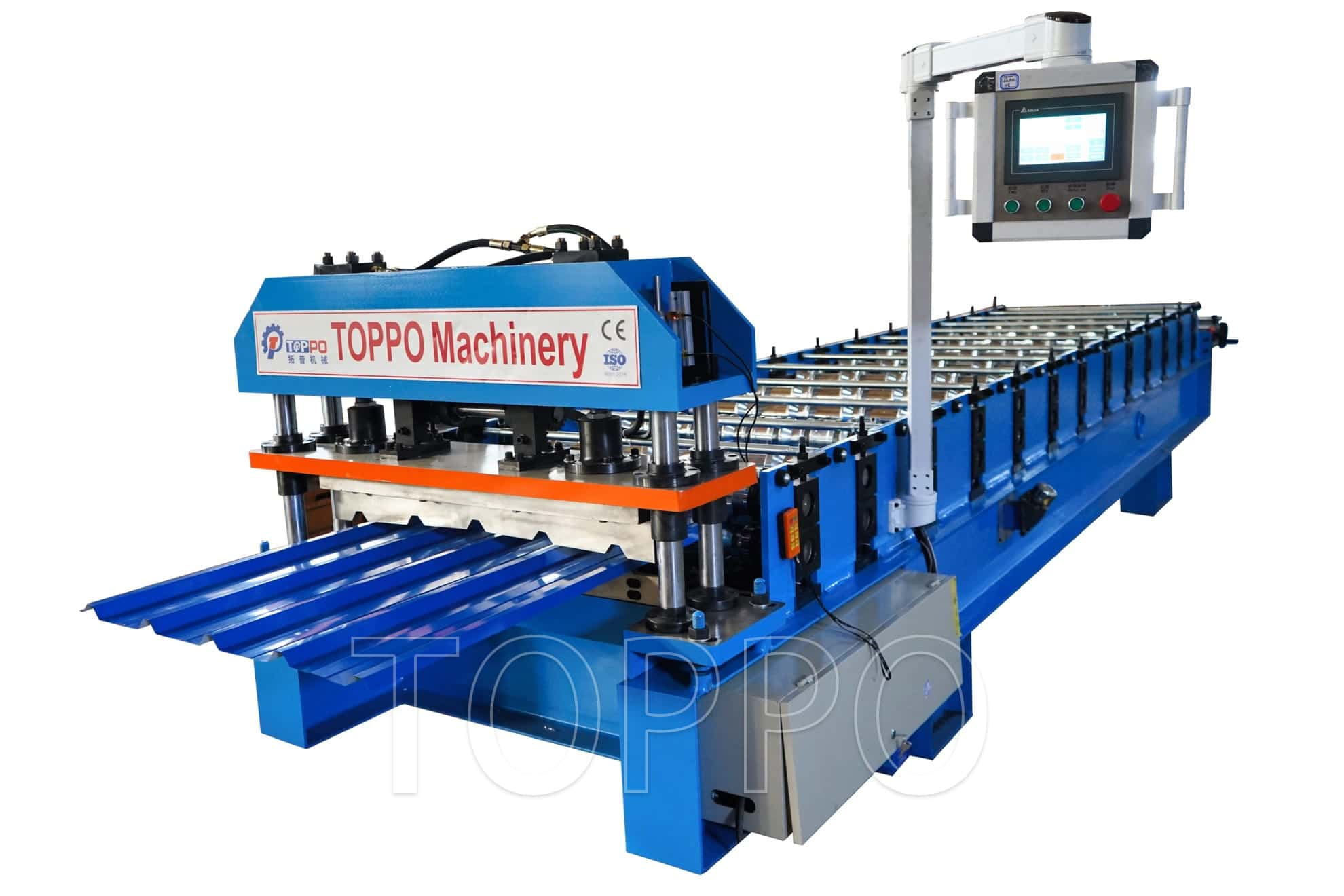
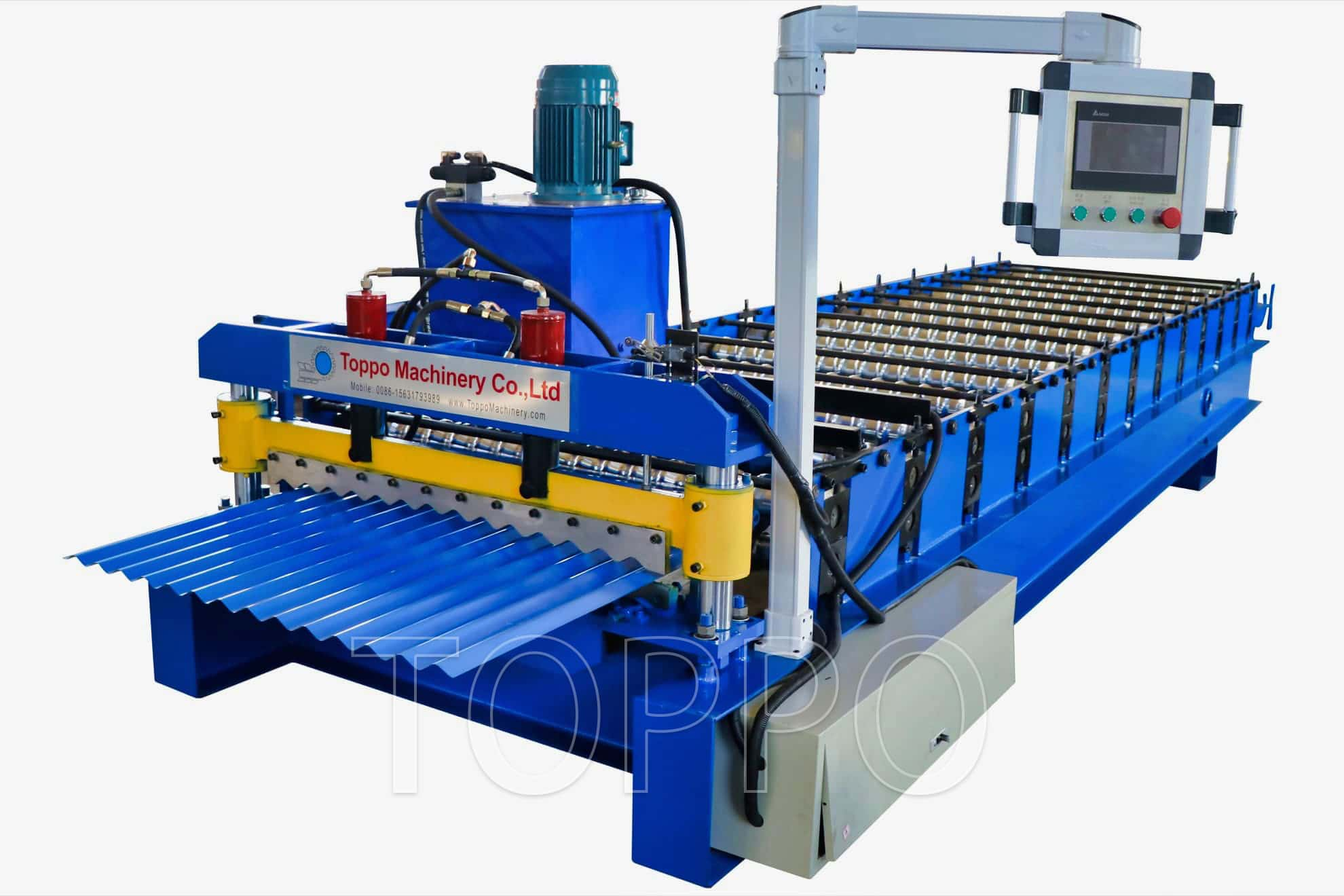
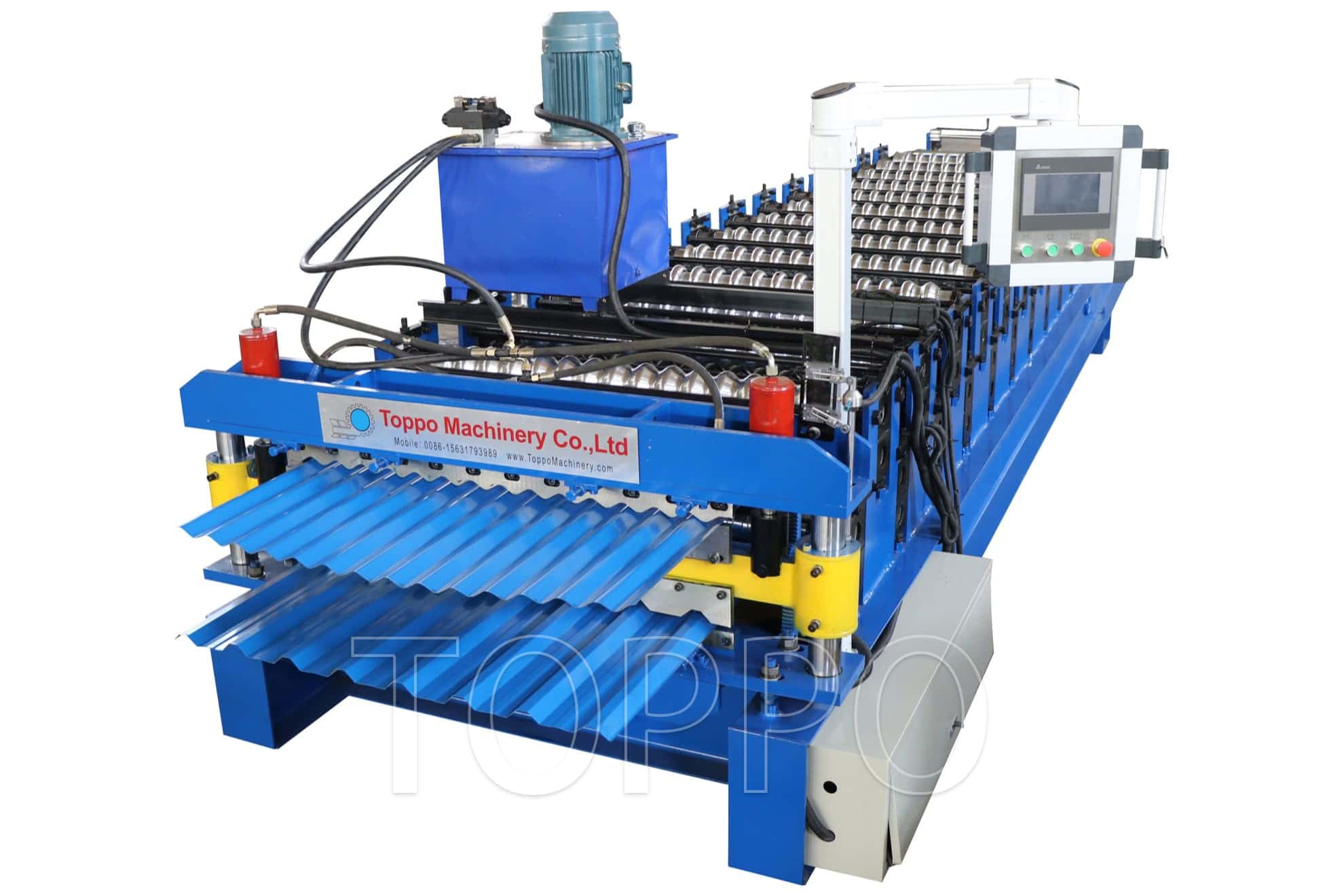
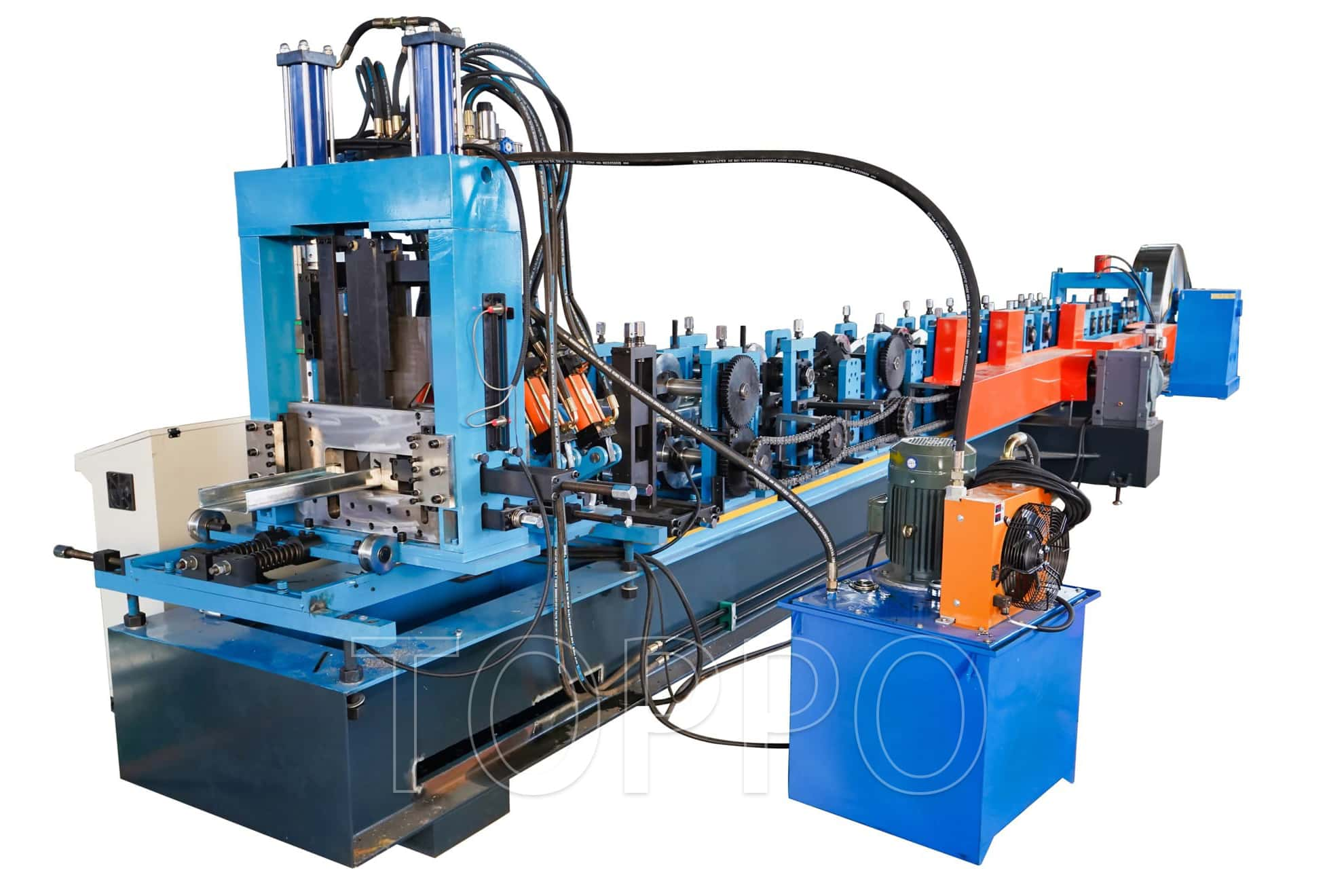
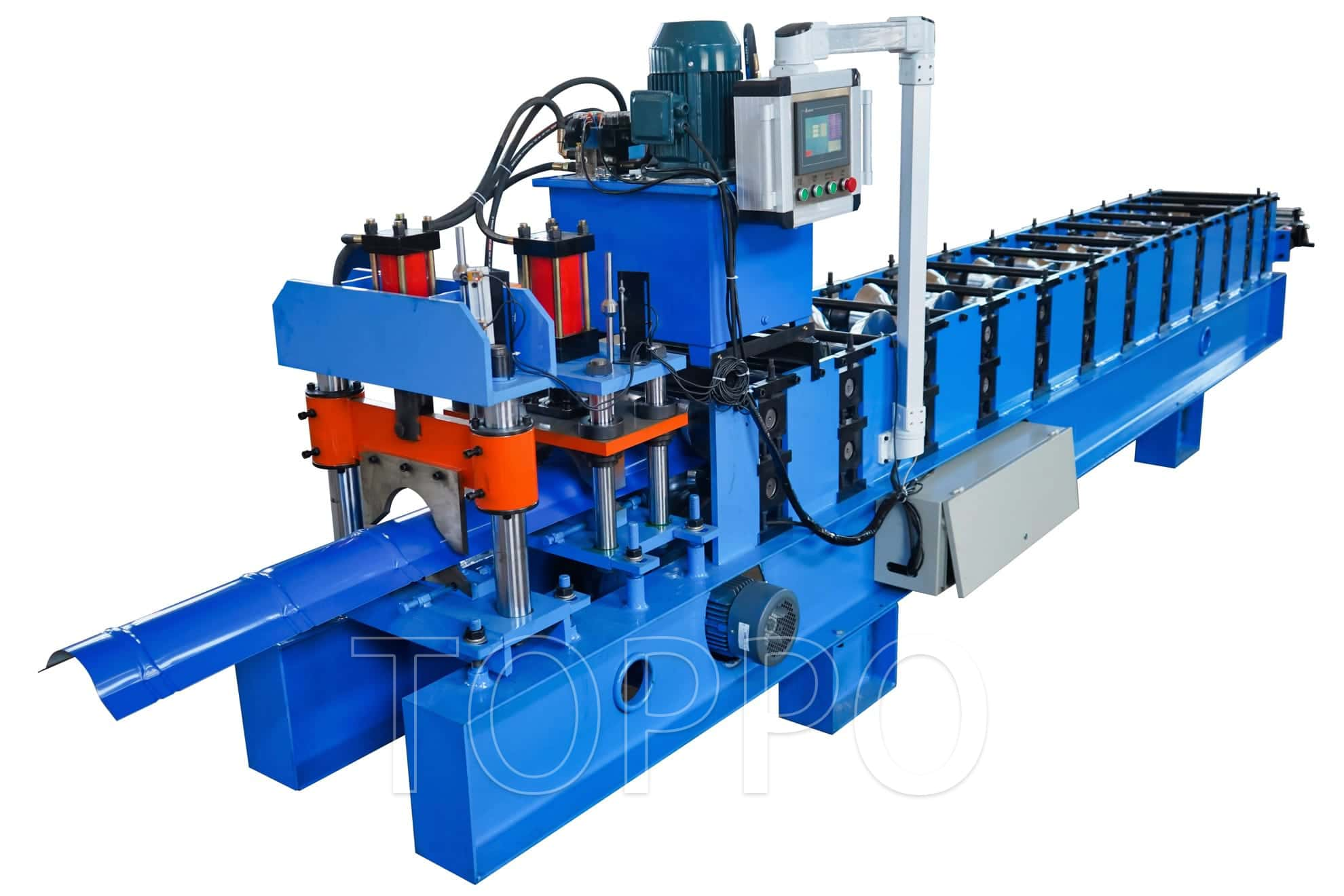
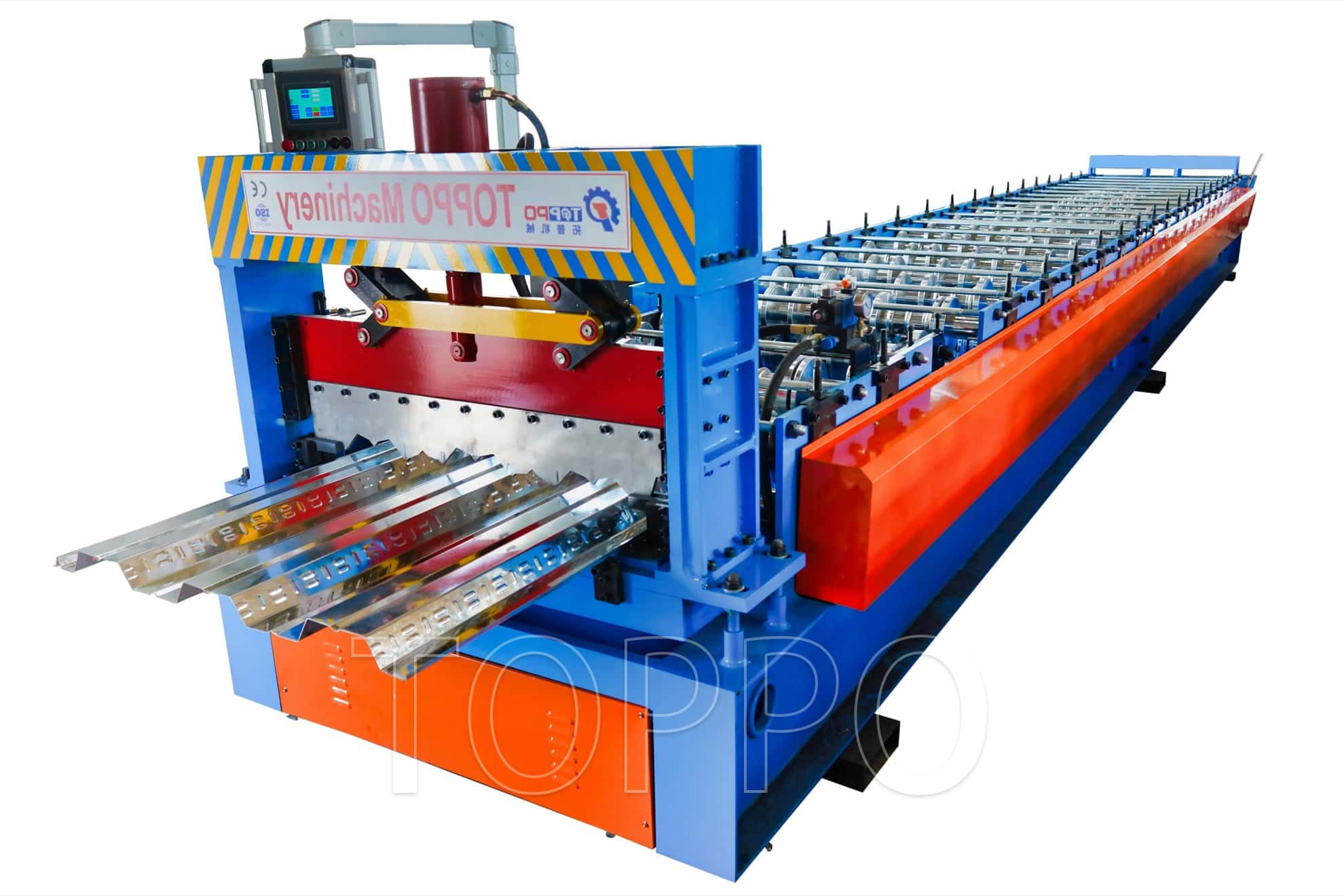
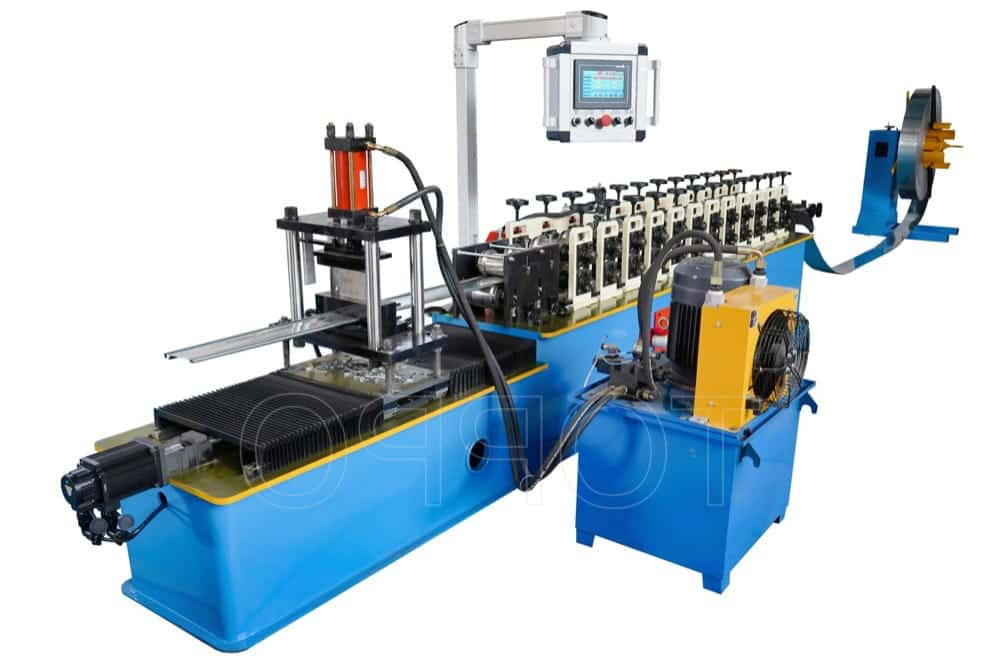
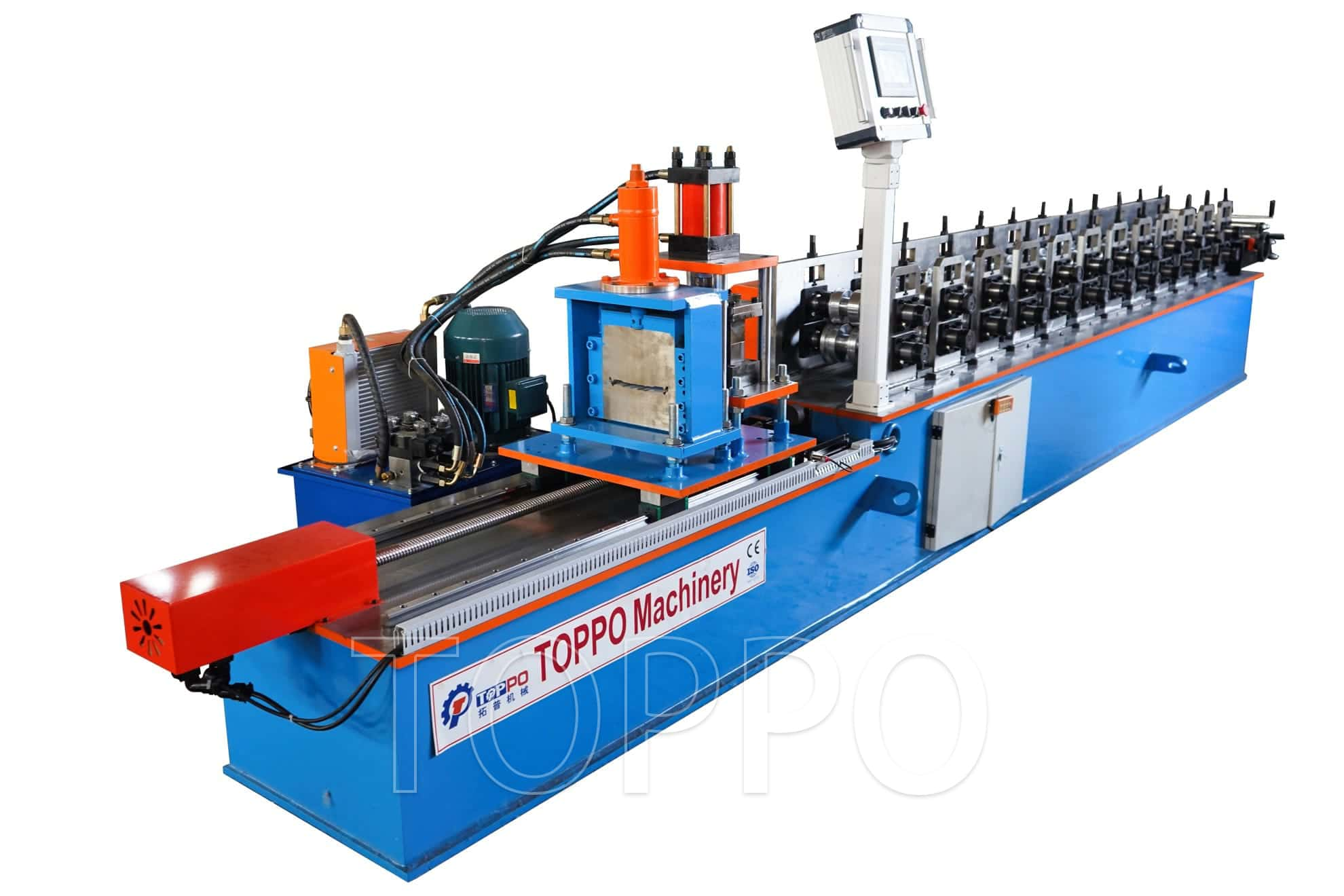
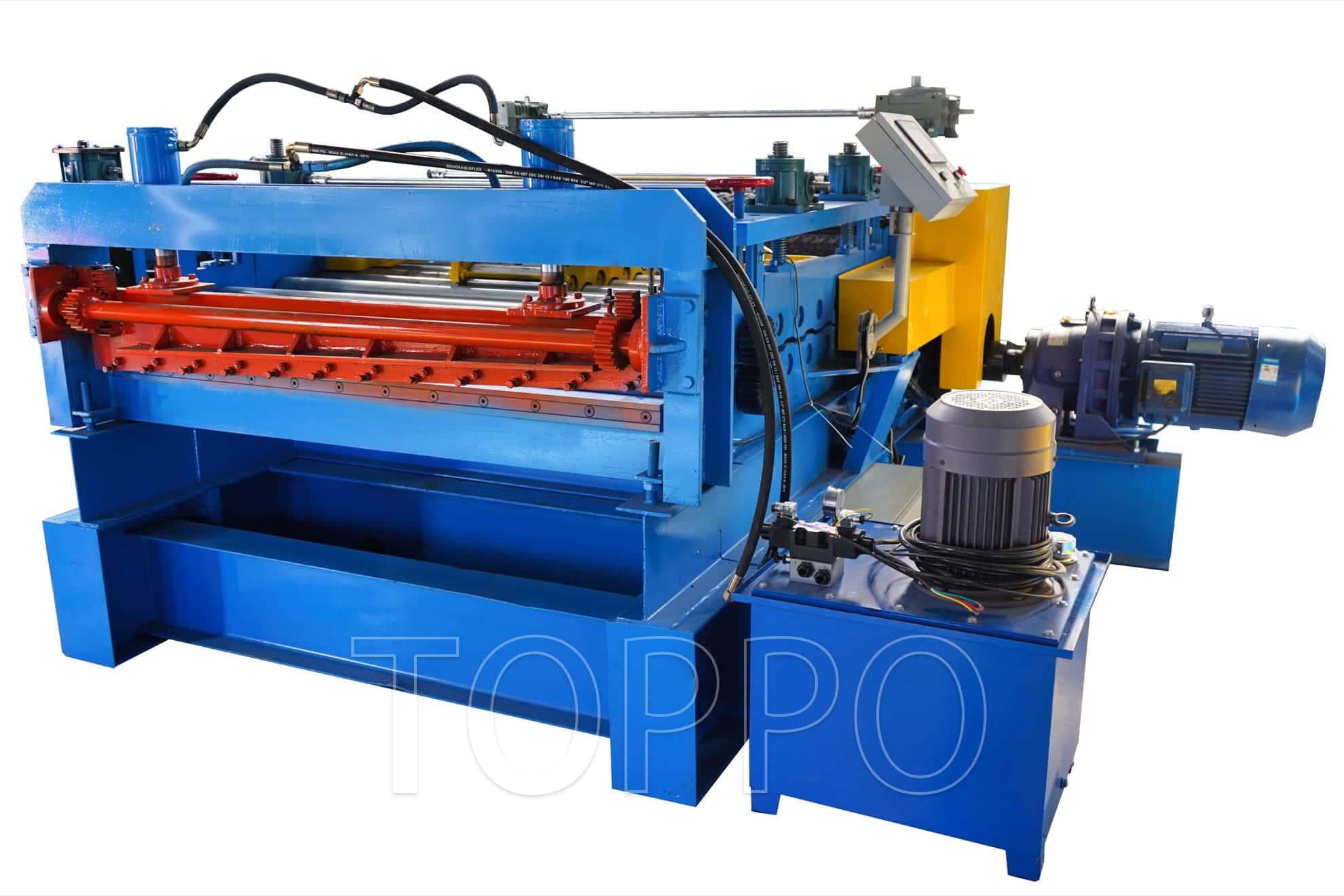
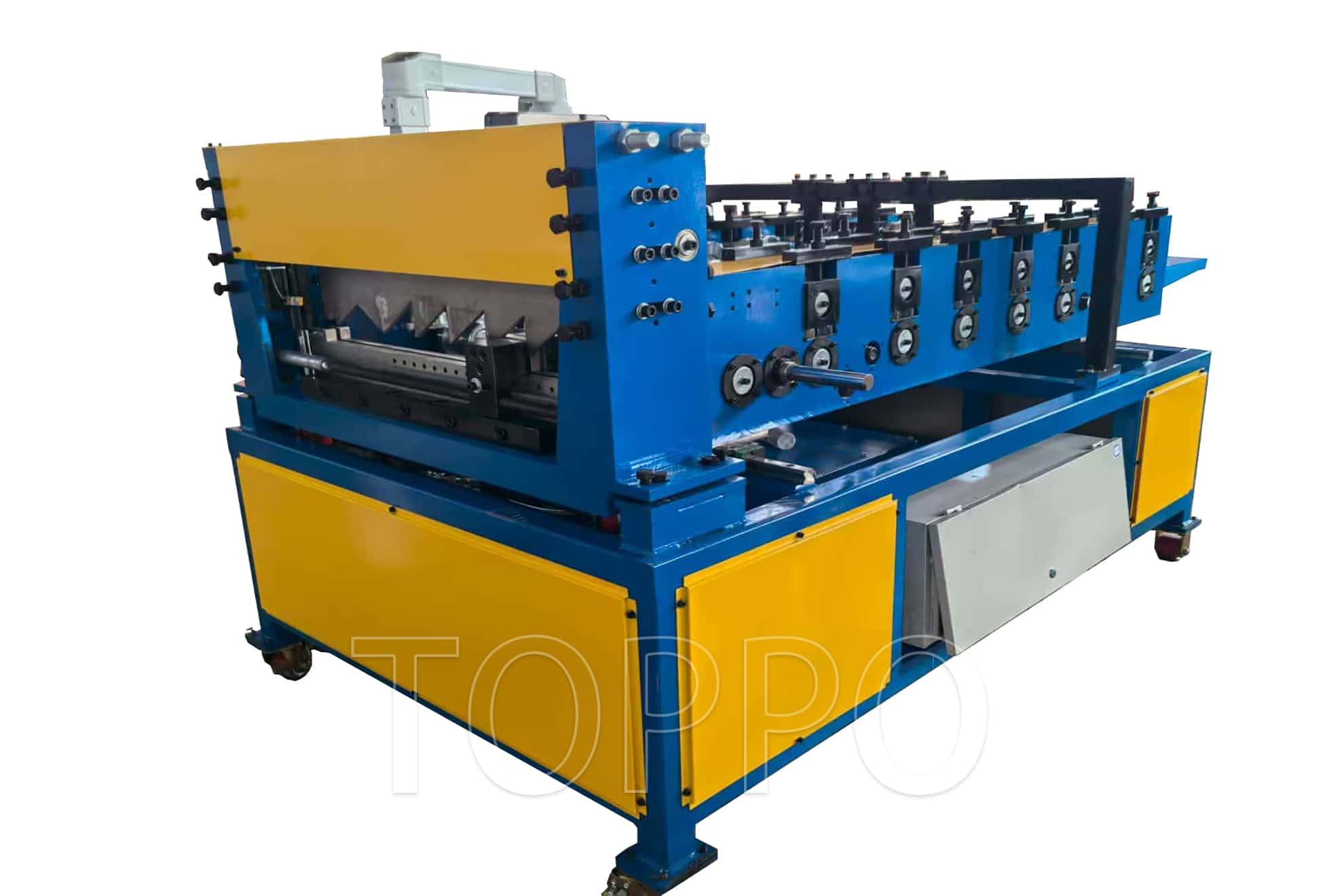
A metal glazed roof tile roll forming production line generally consists of several main components.
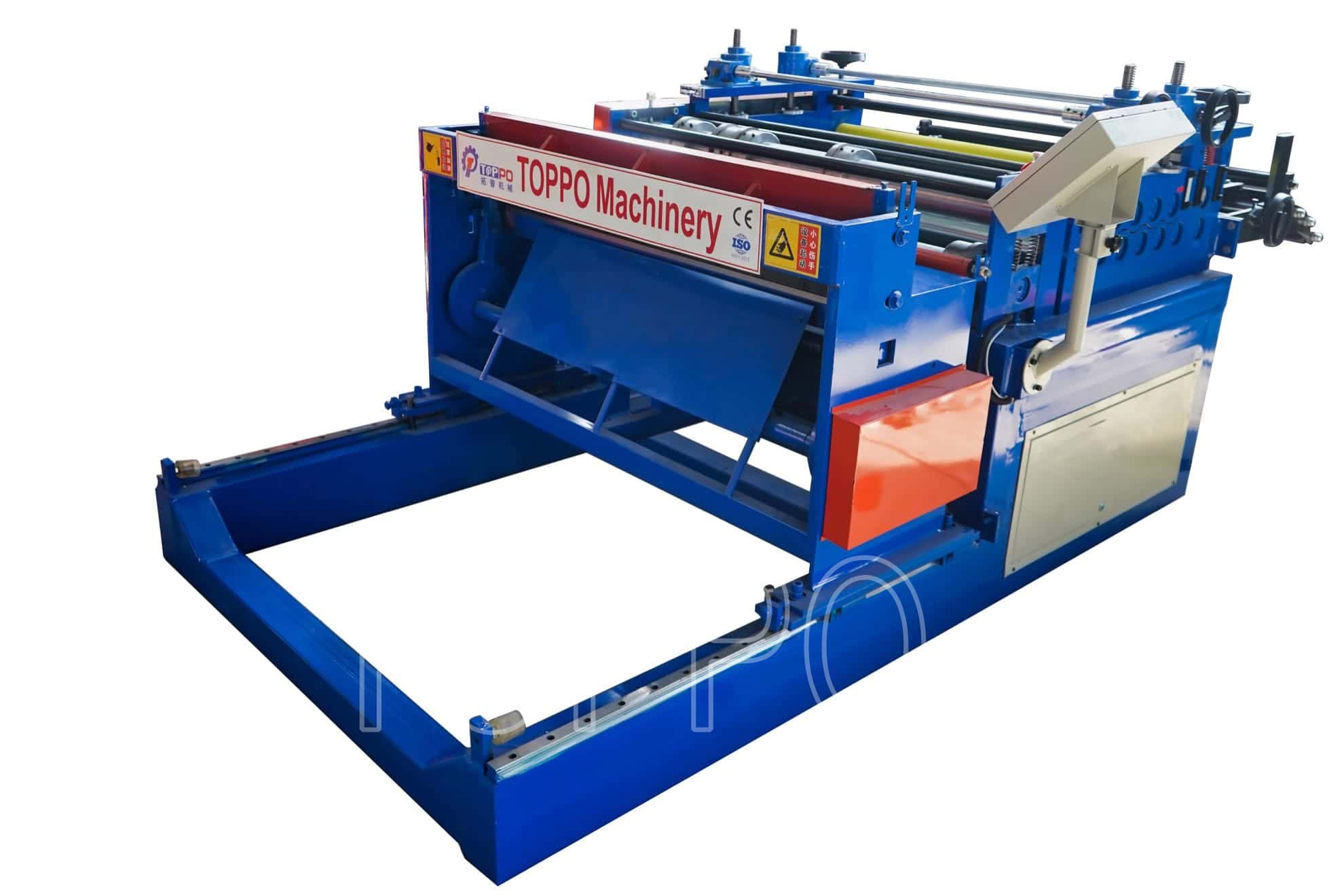
Decoiler
The decoiler supports the metal coil and feeds material into the production line. Its loading capacity should match the weight and dimensions of the coils used in your factory.
Feeding System
The feeding system guides the metal sheet into the forming section. Stable feeding is important for maintaining consistent material movement during production.
Roll Forming System
The roll forming system gradually shapes the metal sheet through multiple roller stations. The roller design should match the required glazed tile profile.
Hydraulic Cutting System
The cutting system cuts the formed sheet to the specified length. The cutting mechanism and blade design should be compatible with the profile and material specifications.
PLC Control System
A PLC control system allows operators to manage relevant machine functions. Depending on the configuration, it may support length setting, production counting, and cutting control.
Optional Auxiliary Equipment
Depending on your production requirements, additional equipment such as an automatic stacking system may be considered to support finished sheet handling.
When comparing different machines, check which components are included in the quotation and which are optional.
4. Consider Production Speed and Automation
Production speed is an important factor when choosing an automatic roof tile forming machine. However, the highest advertised speed is not always the best choice for every factory.
Actual production performance depends on the machine configuration, material properties, forming quality, cutting method, sheet length, and operator workflow.
Before purchasing, consider your expected daily or monthly output and compare it with the machine's rated production speed.
You should also clarify whether the stated speed refers to the forming process alone or the complete production cycle, including cutting and finished sheet handling.
A machine configuration that matches your actual production target is often more practical than paying for unnecessary capacity.
5. Why Profile Accuracy and Cutting Quality Matter
For roofing sheet manufacturers, consistent profile dimensions and clean cutting results are important quality considerations.
The forming rollers must be designed for the specified profile, while the cutting system must match the formed sheet geometry.
Before confirming an order, discuss the following points with the manufacturer:
Whether the proposed roller design matches your profile drawing
Whether the cutting system is suitable for the finished sheet shape
How the machine controls the required sheet length
What material thickness range the machine supports
Whether sample production or technical drawing confirmation is available
Clear technical communication before manufacturing helps reduce the risk of receiving equipment that does not match your production requirements.
6. How to Compare Glazed Roof Tile Roll Forming Machine Prices
The price of an automatic metal glazed roof tile roll forming machine depends on several factors.
These may include the complexity of the tile profile, forming station design, supported material thickness, cutting system, control components, production speed, automation level, and auxiliary equipment.
When comparing quotations from different manufacturers, do not evaluate the price alone.
Check the following items:
Machine Configuration: Confirm the forming system, cutting system, control system, and included accessories.
Technical Specifications: Compare the supported material thickness, coil width, production speed, and profile requirements.
Electrical Configuration: Confirm the required voltage, frequency, and phase for your factory.
Delivery Terms: Clarify whether the quotation is EXW, FOB, CFR, or CIF, and check which costs are included.
Warranty and Technical Support: Ask about warranty coverage, spare parts, installation guidance, and after-sales service.
A detailed comparison helps you understand the actual differences between quotations and choose equipment that fits your budget and production goals.
7. Preparing for Your Machine Purchase
Before requesting a quotation, prepare a basic technical requirement list.
At minimum, you should provide:
Required glazed roof tile profile or drawing
Material type and thickness range
Raw material coil width
Required finished sheet length
Expected production capacity
Factory power supply
Preferred machine configuration
Destination country or port for shipping arrangements
With this information, the manufacturer can evaluate your requirements more accurately and recommend an appropriate machine configuration.
If some parameters are not yet confirmed, you can start with the profile drawing and material specifications, then discuss the remaining details during the technical evaluation.
8. Why Work with TOPPO Machinery?
TOPPO Machinery focuses on roll forming equipment for metal roofing and building material production.
We understand that each customer may have different requirements for roof tile profiles, material specifications, production output, and automation.
Our team can review your project information, discuss the technical requirements, and help you evaluate a suitable machine configuration.
From profile confirmation to machine specifications and shipping arrangements, clear communication helps ensure that the equipment proposal matches your actual production needs.
Whether you are establishing a new roofing sheet manufacturing business or expanding an existing production line, choosing the right roll forming machine is an important step toward building a reliable manufacturing process.
Frequently Asked Questions
Can an automatic metal glazed roof tile roll forming machine produce different profiles?
Different profiles may require different roller designs and cutting arrangements. Provide your profile drawings or samples so the manufacturer can confirm the available options.
What material thickness can the machine process?
The supported thickness range depends on the specific machine design. Confirm the required minimum and maximum thickness before ordering.
Can I customize the machine for my local market?
Customization may be possible depending on the requested profile and technical requirements. The manufacturer should evaluate the drawing and confirm feasibility before production.
What affects the price of a glazed tile roll forming machine?
The main factors include profile complexity, material thickness, forming system, cutting method, automation level, auxiliary equipment, and delivery terms.
How can I get an accurate quotation?
Send the manufacturer your required profile drawing, material specifications, expected production capacity, electrical requirements, and destination port. These details help determine a suitable machine configuration and quotation.
Conclusion
Selecting the right Automatic Metal Glazed Roof Tile Roll Forming Machine requires more than comparing prices. Buyers should evaluate the required tile profile, raw material specifications, machine configuration, production capacity, cutting quality, and technical support.
By confirming these requirements before ordering, manufacturers can make better purchasing decisions and reduce unnecessary technical and commercial risks.
Are you planning to start or expand metal glazed roof tile production?
Contact TOPPO Machinery with your profile drawing, material thickness, and production requirements. We will help you evaluate a suitable roll forming machine solution for your project.