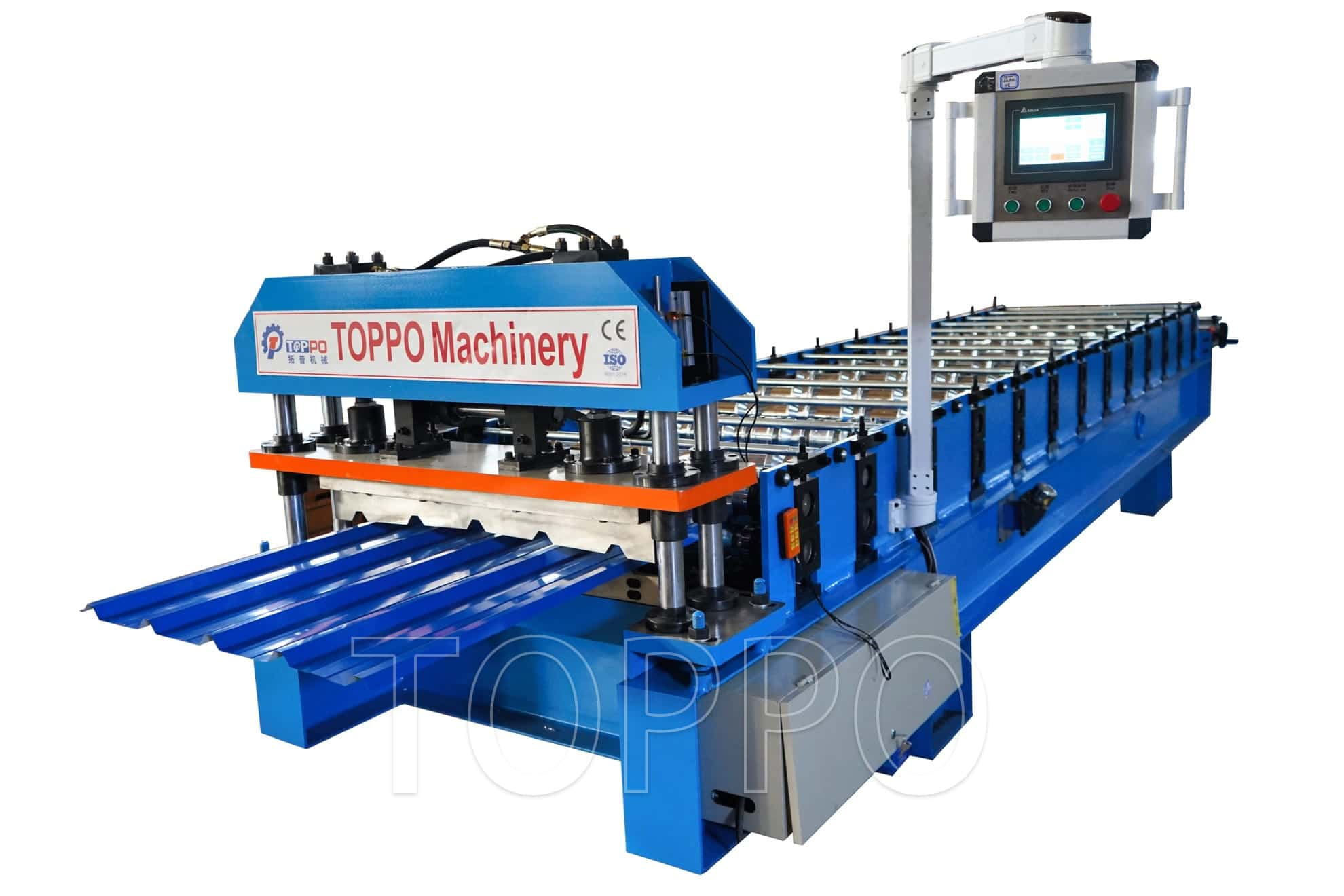
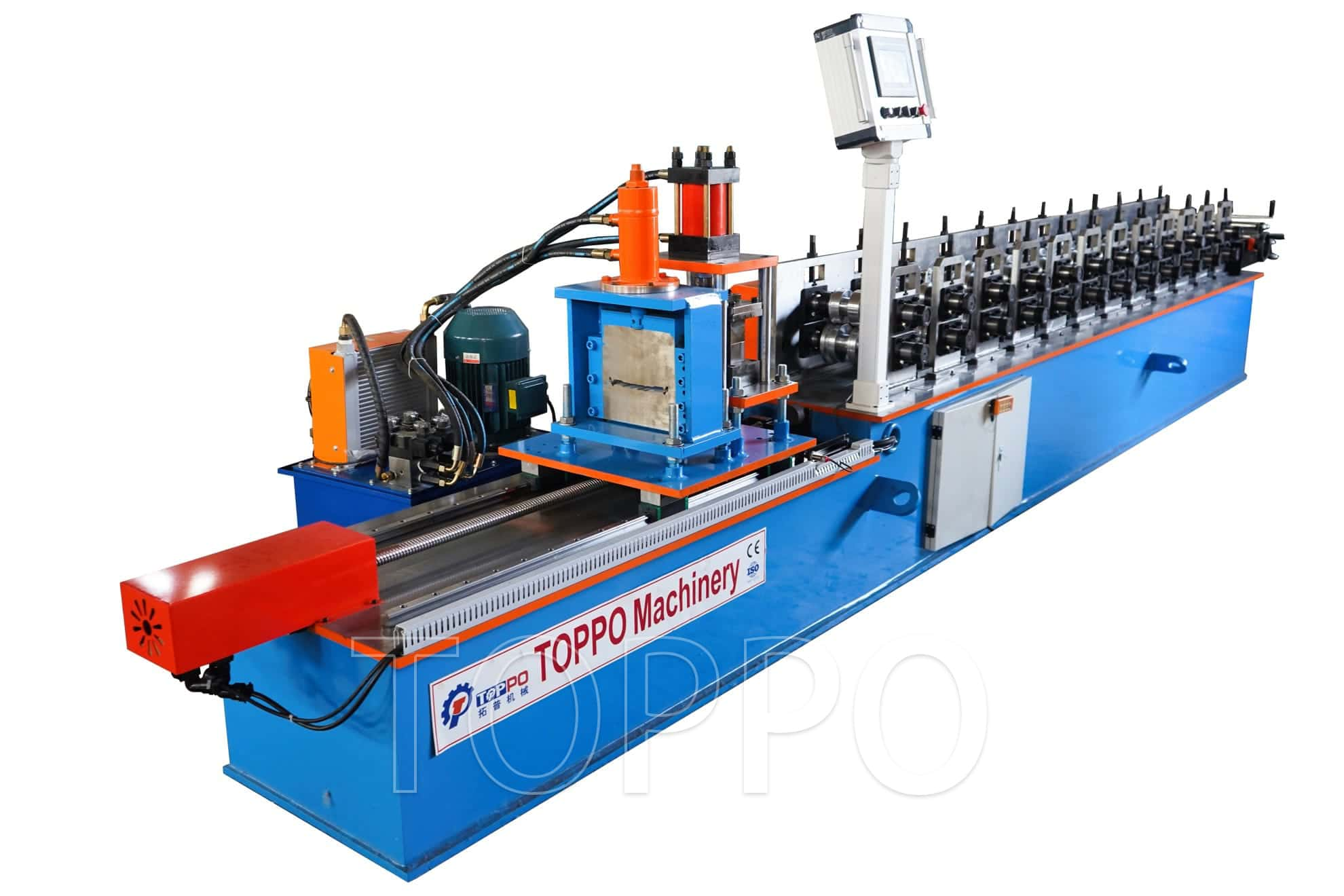
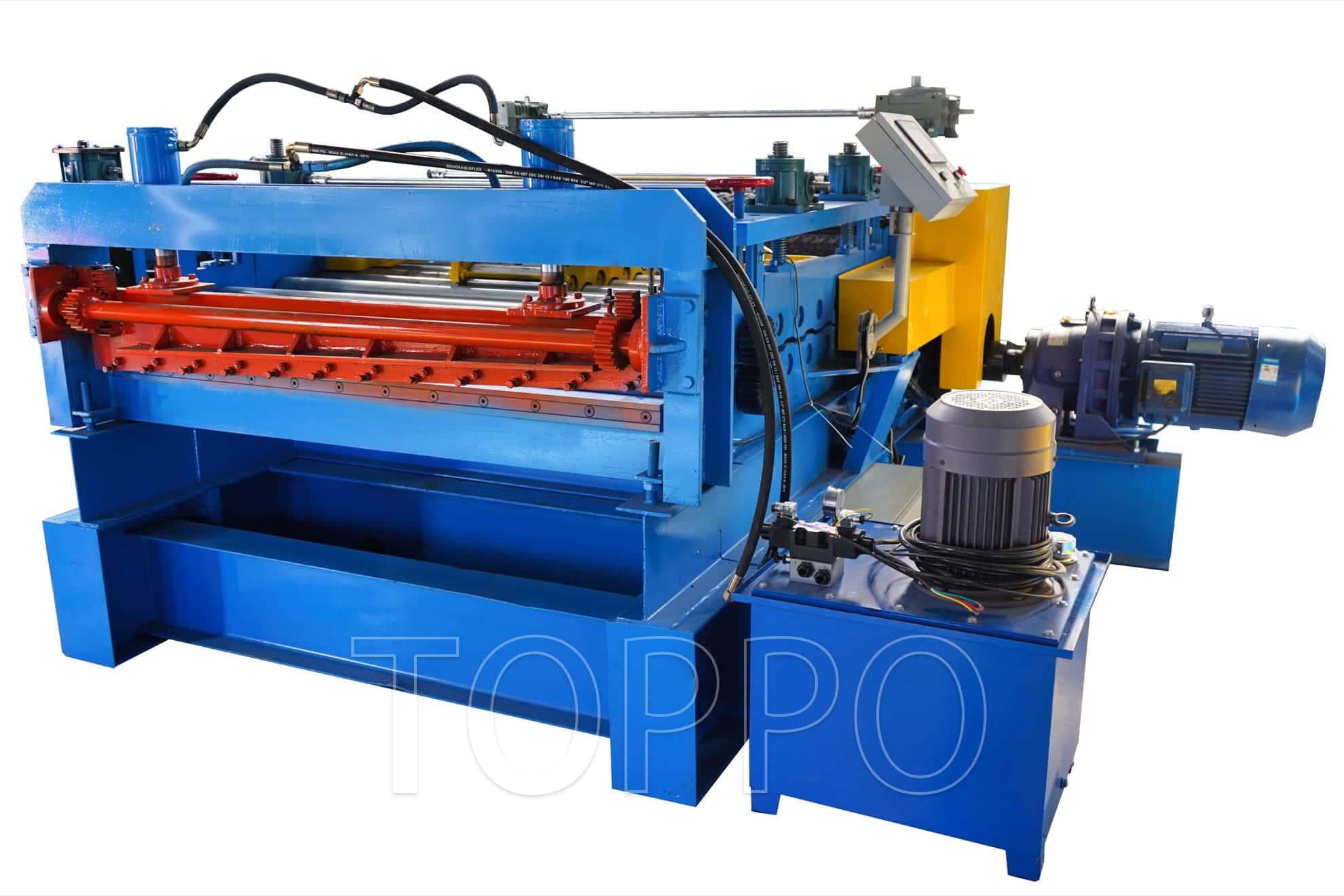
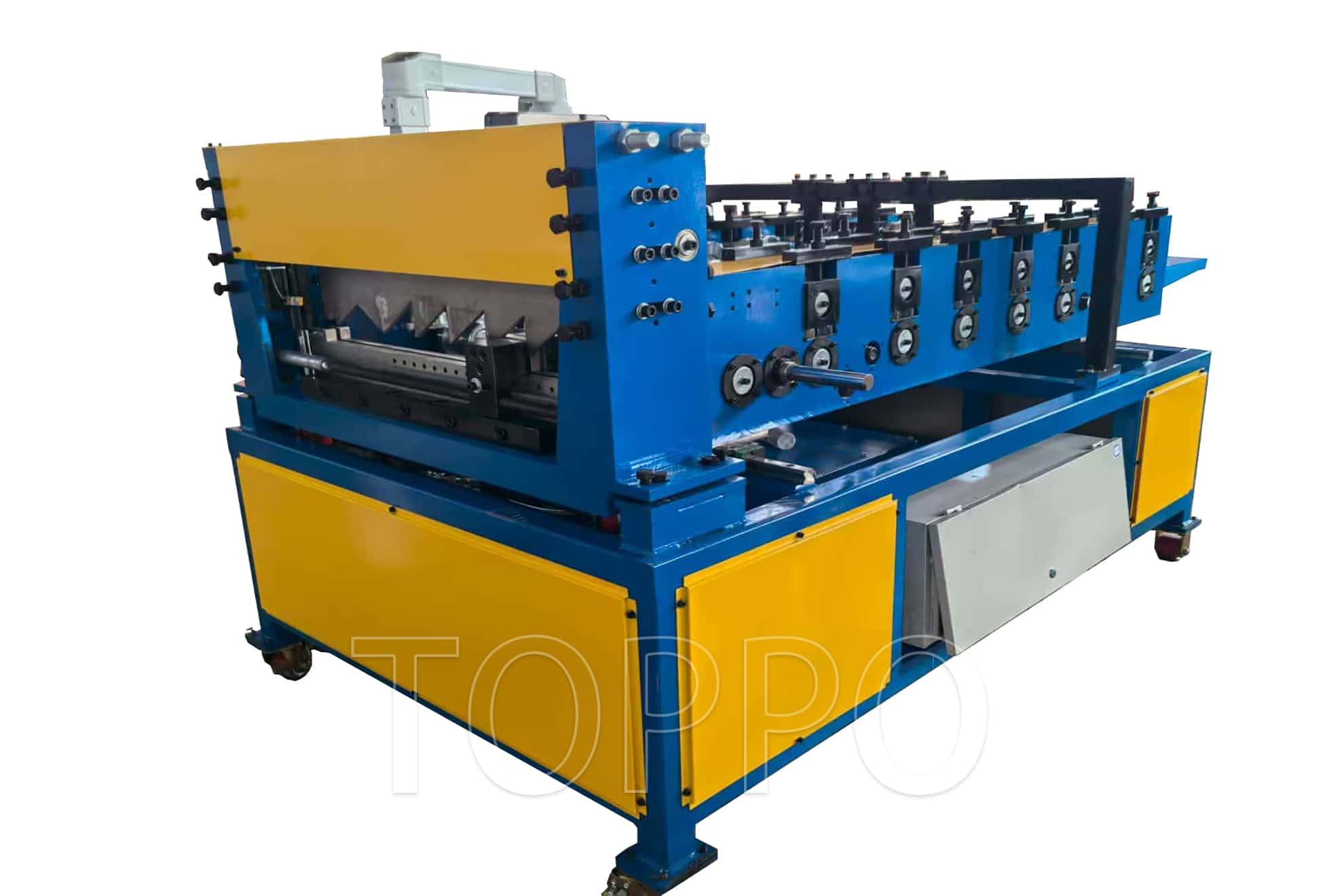
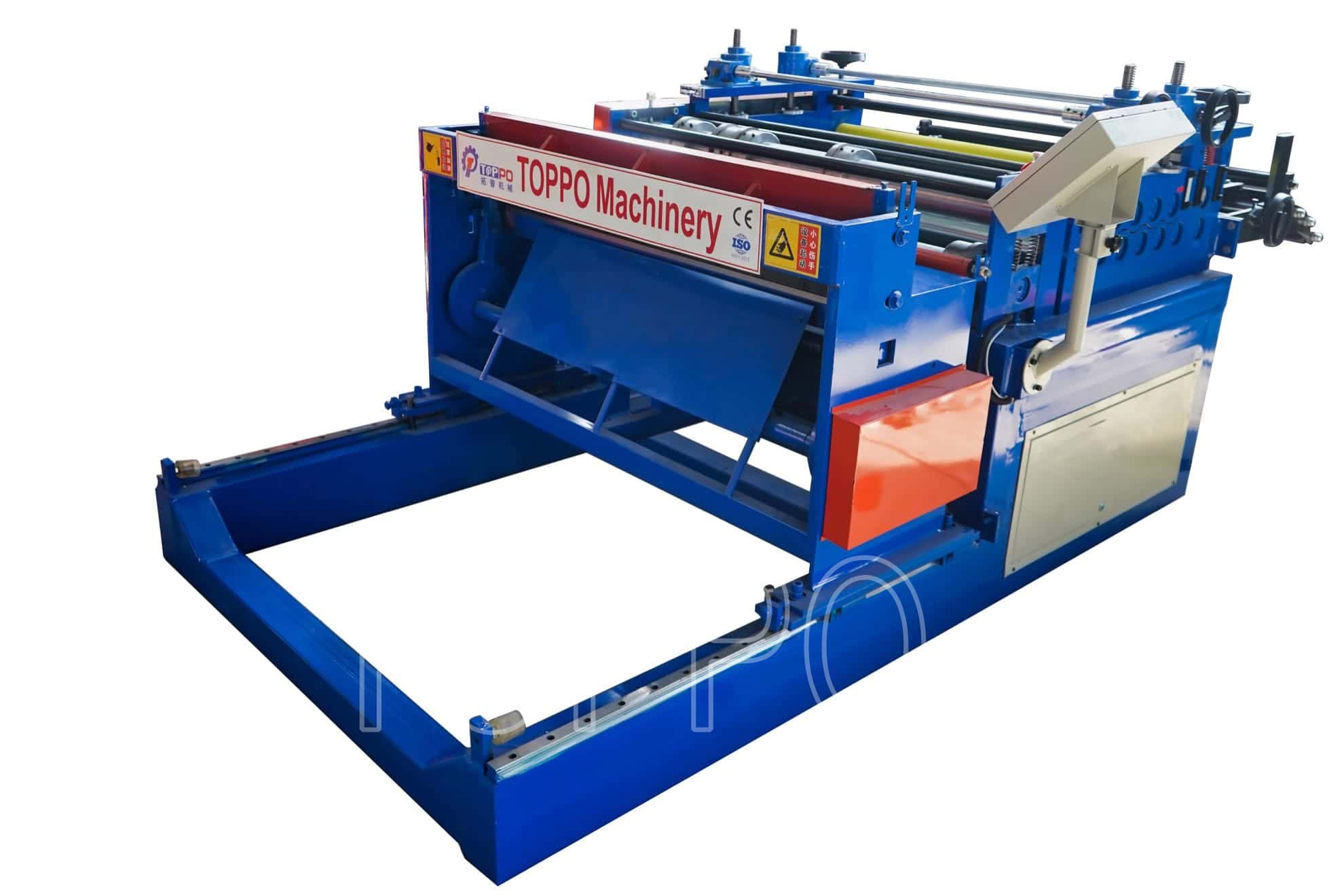
TheIBR roofing sheet roll forming machineis a core asset for businesses producing high-strength, weather-resistant metal roofing panels for industrial and commercial projects. As demand for durable, cost-effective roofing solutions rises, small business owners, marketing managers, and startup founders need reliable equipment to scale production and meet client specifications. This guide breaks down key features, applications, and selection tips forIBR metal roofing machines to help you make informed investment decisions.
Core Components and Functional Features of IBR Roll Forming Equipment
Key Structural Components for Stable Production
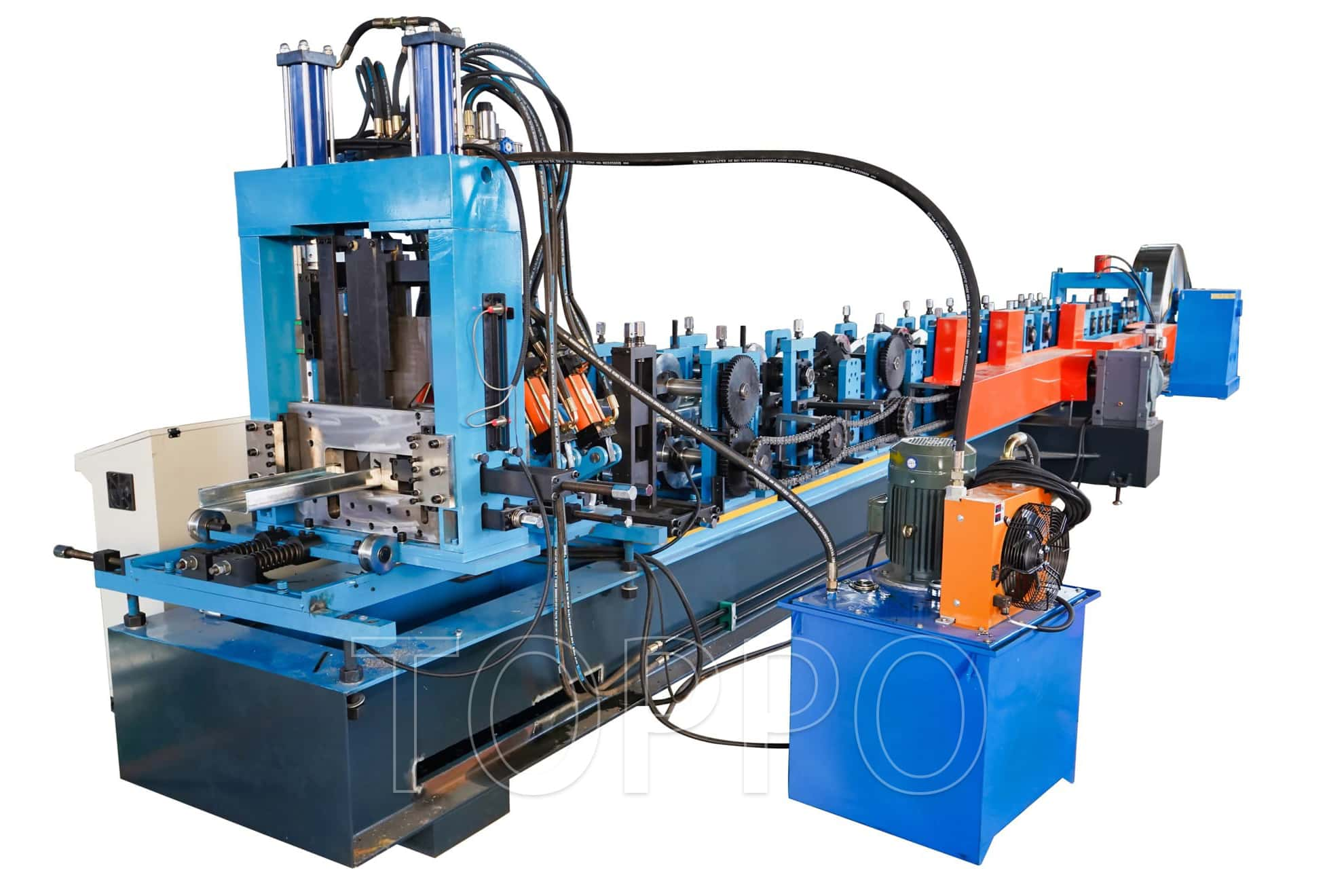
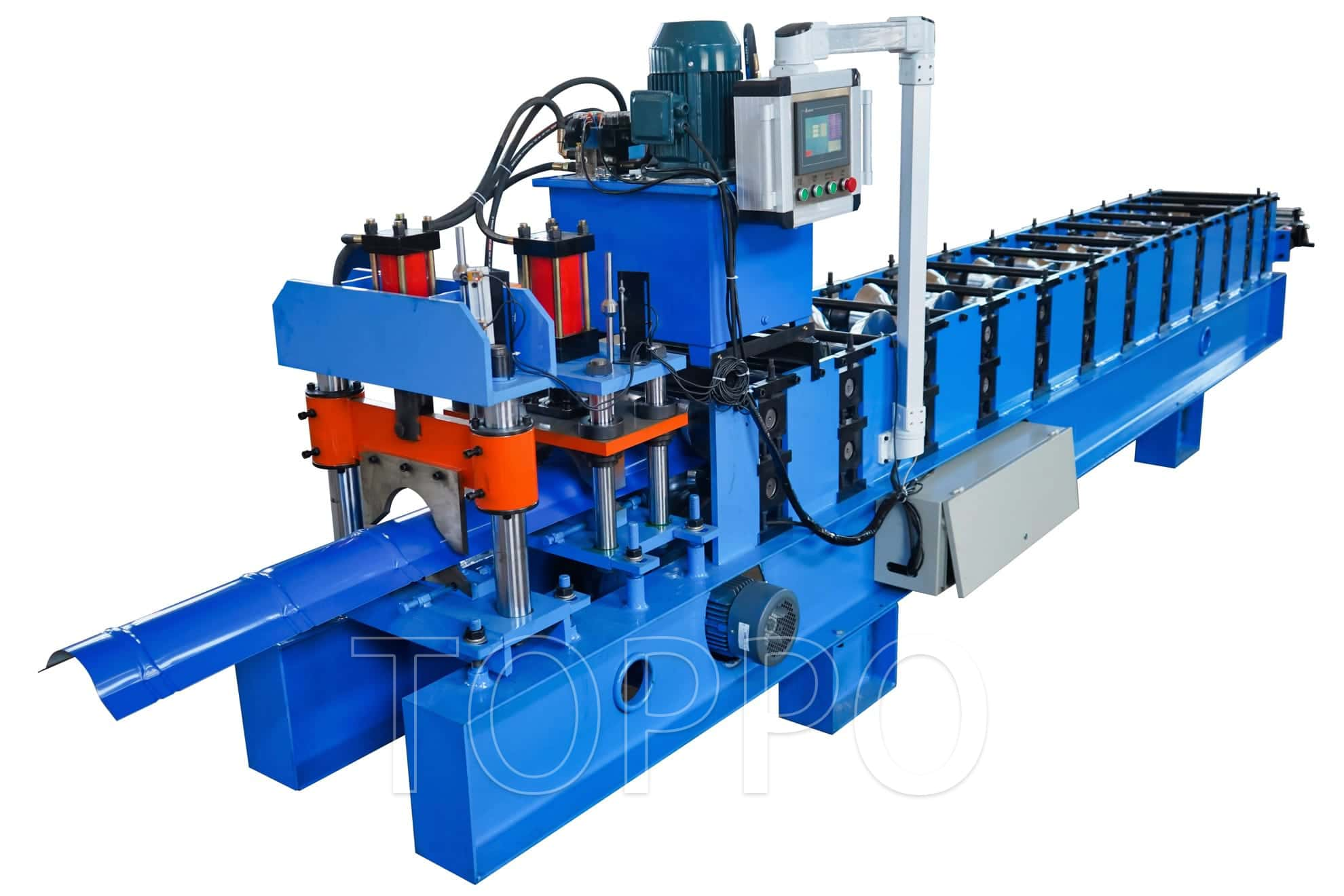
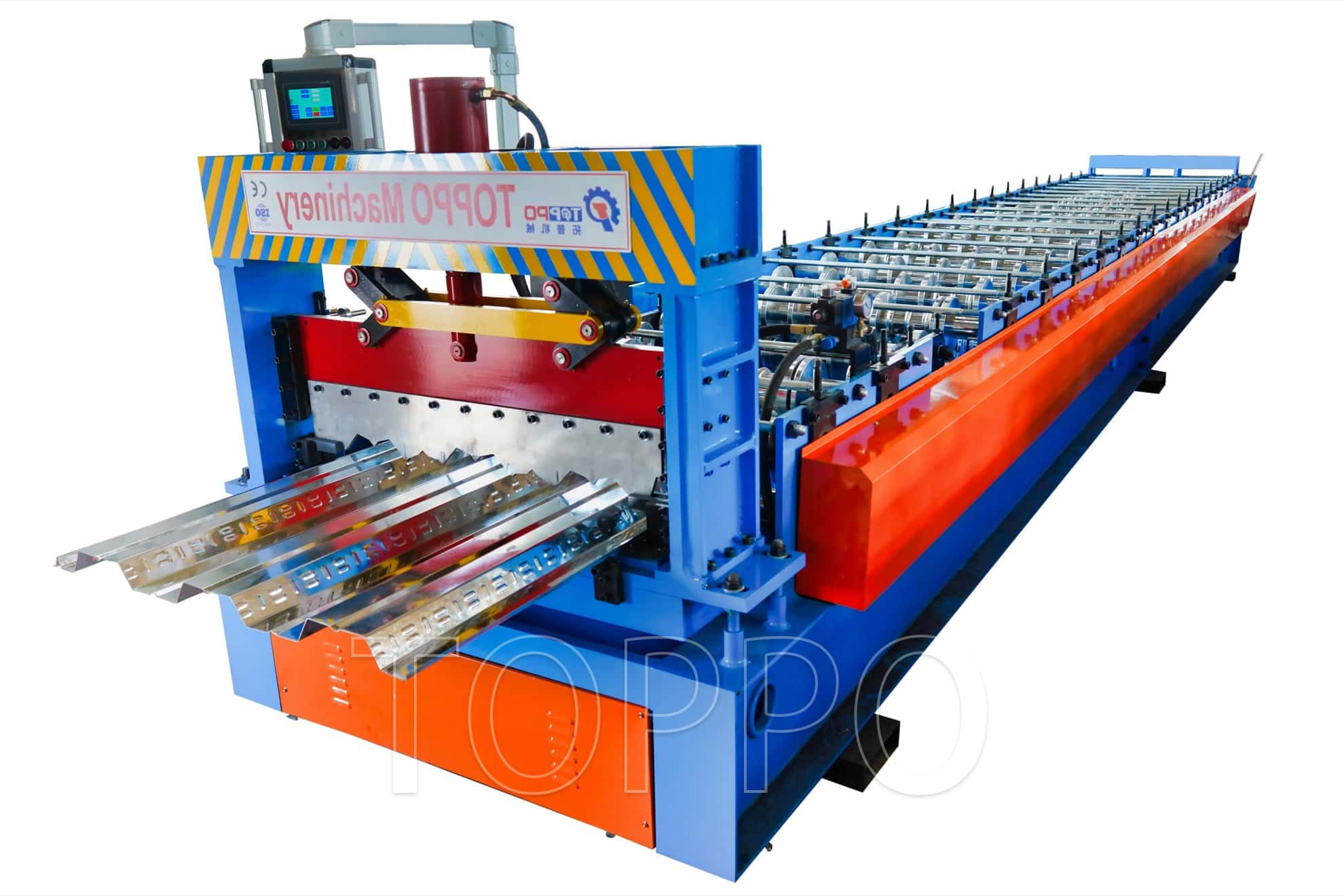
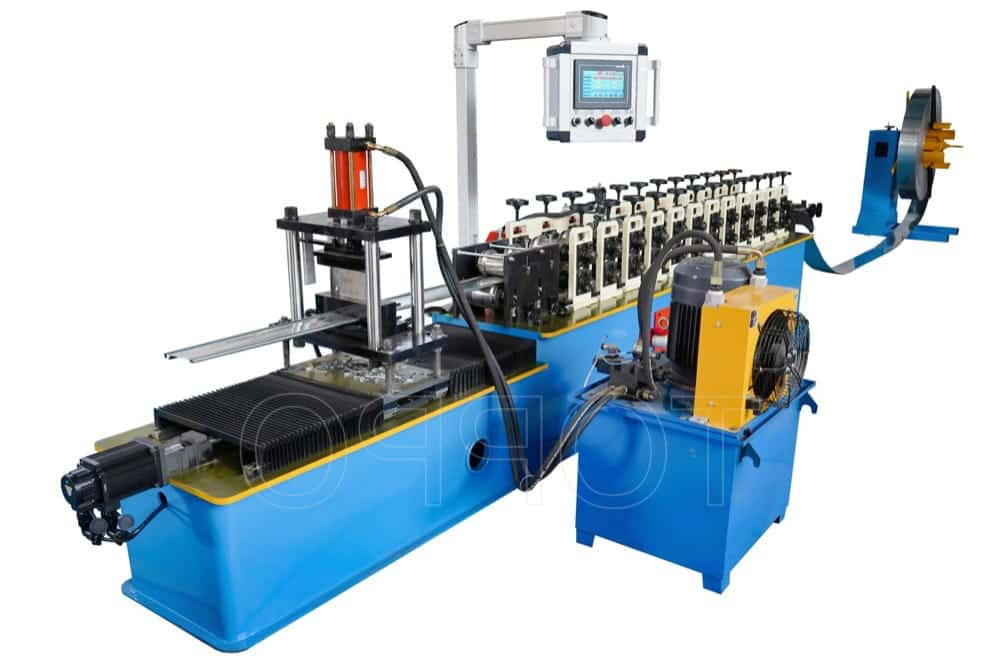
A standardIBR profile forming machineintegrates multiple precision systems to ensure consistent panel quality. Thecoil feeding systemdelivers raw material steadily, reducing misalignment and production waste by up to 15% compared to manual feeding setups.
Decoiler: Supports heavy steel coils up to 5 tons, with hydraulic expansion for quick coil changes
Roll forming station: 18-24 pairs of hardened steel rollers shape the IBR profile with ±0.1mm tolerance
Control panel: PLC system with touchscreen interface for easy parameter adjustment
Advanced Functional Configurations
ModernIBR sheet roll formers come with upgraded features to boost production efficiency and customization flexibility. For example, theIBR roofing sheet machine with automatic cuttingenables precise, burr-free cuts at preset lengths, eliminating manual measuring errors.
Automatic length measurement with photoelectric sensor for accuracy within 0.5mm
Pre-punching station for screw holes to reduce secondary processing time
Stacking system that automatically sorts finished panels for easy packaging
Application Scenarios and Target Customer Groups
Industrial and Commercial Building Projects
TheIBR roll forming machine for galvanized steel coilis widely used to produce panels for warehouses, factories, and agricultural buildings.Industrial building contractorsprefer these panels for their high load-bearing capacity and resistance to corrosion in harsh environments.
Factory roofing: Withstands heavy snow loads up to 1.5kN/m² and wind speeds of 120km/h
Warehouse wall cladding: Provides thermal insulation when paired with foam core layers
Agricultural facilities: Resists ammonia and moisture damage for long-term use
Steel Processing and Roofing Supply Businesses
Forsteel coil processing companiesandmetal roofing suppliers, investing in anIBR roof panel forming machine for manufacturershelps expand product lines and increase profit margins. The machine supports both small-batch custom orders and large-scale production runs.
Custom order flexibility: Produces panels from 2m to 12m in length to match project requirements
Bulk production capacity: Output of 15-25m per minute for high-volume orders
Material compatibility: Works with 0.3mm to 0.8mm thick steel coils
Material Compatibility and Customization Options
Support for Different Steel Coil Types
TheIBR roll forming machine for PPGI steel coiland galvanized steel coil offers versatile material options to meet diverse project needs. Each material type has unique advantages for different applications and budget levels.
PPGI (pre-painted galvanized iron): Offers 10+ color options and 15-year fade resistance for decorative roofing
GI (galvanized iron): Provides superior corrosion protection at a lower cost for industrial use
Aluzinc steel: Extends service life by 30% compared to galvanized steel for coastal areas
TheIBR roofing sheet machine for PPGI coilincludes special roller coatings to prevent surface scratches during forming, preserving the paint finish.
Customized Profile and Parameter Adjustment
Businesses can requestcustomized roofing profiledesigns to match local market preferences or specific project requirements. Key adjustable parameters includefinished sheet width, rib height, and panel overlap design.
Standard
finished sheet widthranges from 840mm to 1000mm after forming
Rib height options of 35mm, 50mm, or 75mm for different load-bearing needs
Custom logo embossing capability to enhance brand recognition for
metal roofing suppliers
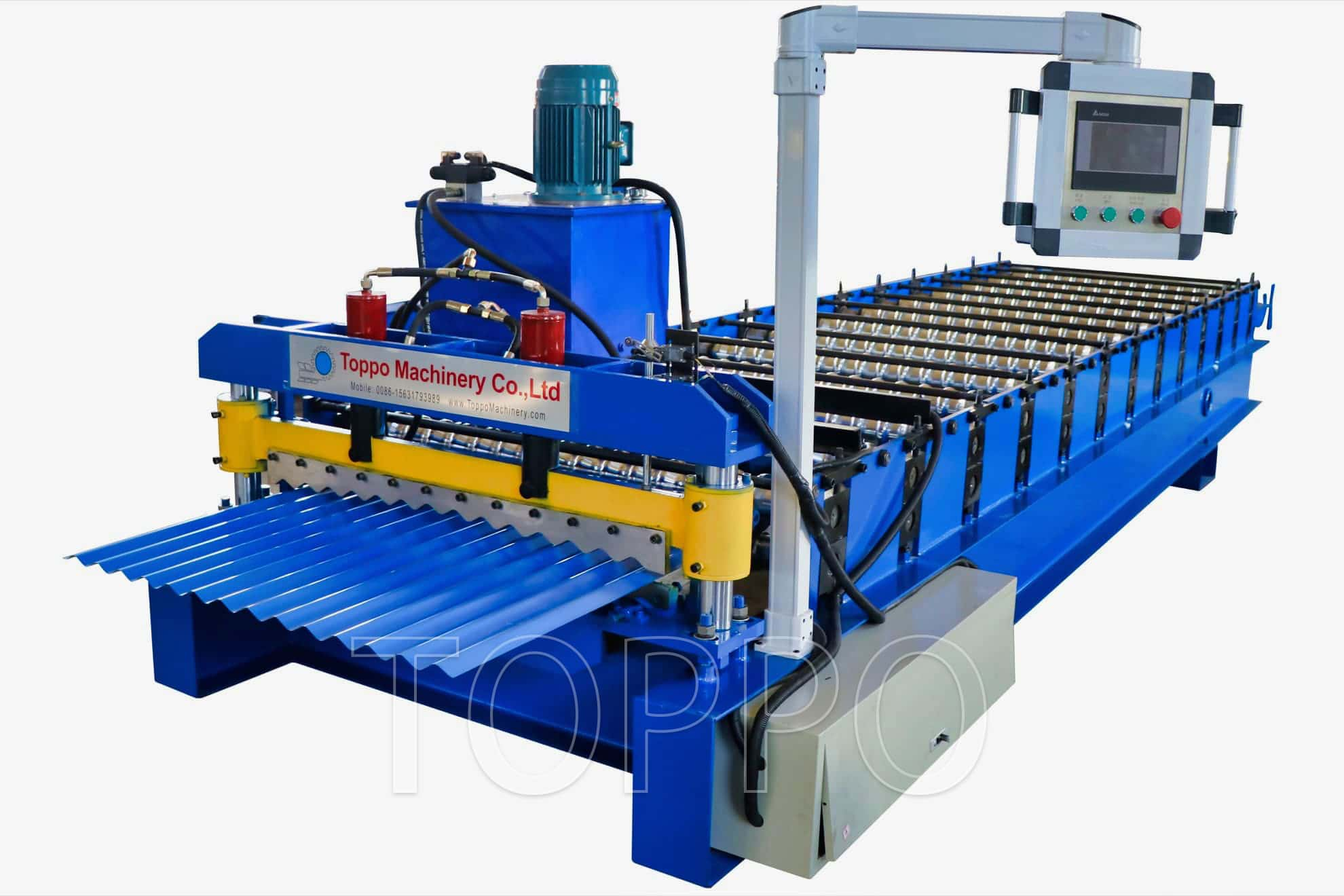
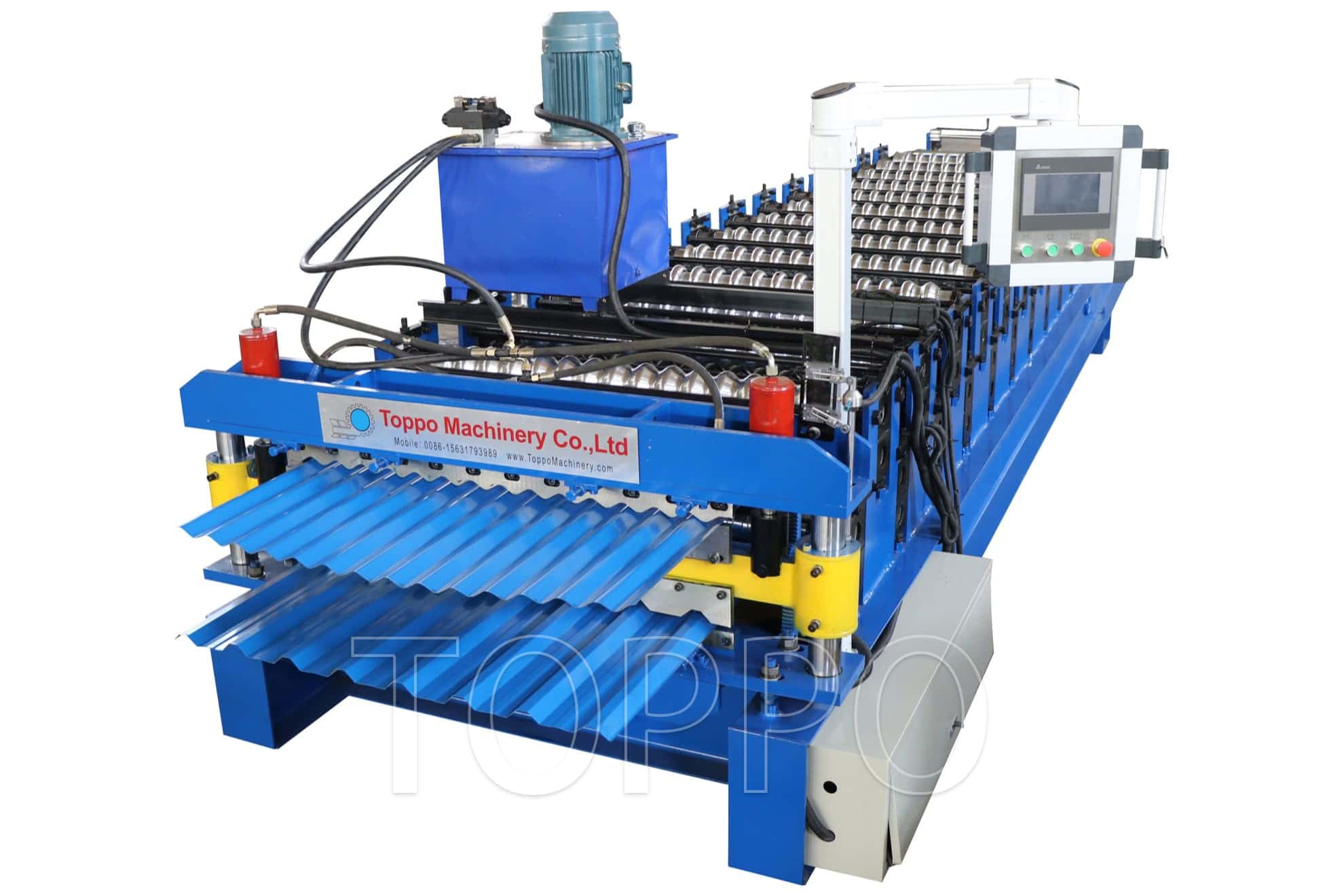
TheIBR roofing sheet machine for GI coilcan also be modified to produce trapezoidal or corrugated profiles with minimal roller changes.
Selection Guide and Investment Return Analysis
Key Factors to Consider When Purchasing
Choosing the rightIBR roofing sheet roll forming machinerequires evaluating production needs, budget, and long-term growth plans. For startup founders, prioritizing core features over unnecessary add-ons helps control initial costs.
Production capacity: Match machine speed to your monthly output target (e.g., 10,000m²/month requires a 20m/min machine)
Material thickness range: Ensure the machine supports the thickest coils you plan to use
After-sales support: Look for suppliers with 24/7 technical support and spare parts availability
ROI and Cost-Benefit Analysis
For small business owners, investing in anIBR metal roofing machinetypically delivers a return on investment within 12-18 months, based on industry data. The calculation below illustrates potential savings compared to sourcing pre-formed panels.
Equipment cost: $15,000-$30,000 depending on configuration
Production cost per m²: $3.5-$4.5 (including material, labor, and energy)
Average selling price per m²: $8-$12, generating 50-65% gross profit margin
Steel coil processing companiescan further increase ROI by offering custom cutting and profiling services to local contractors and builders.
In conclusion, theIBR roofing sheet roll forming machineis a high-value investment for businesses in the metal roofing and construction sectors. By selecting the right configuration for your material needs and production volume, you can improve efficiency, expand product offerings, and drive long-term business growth.