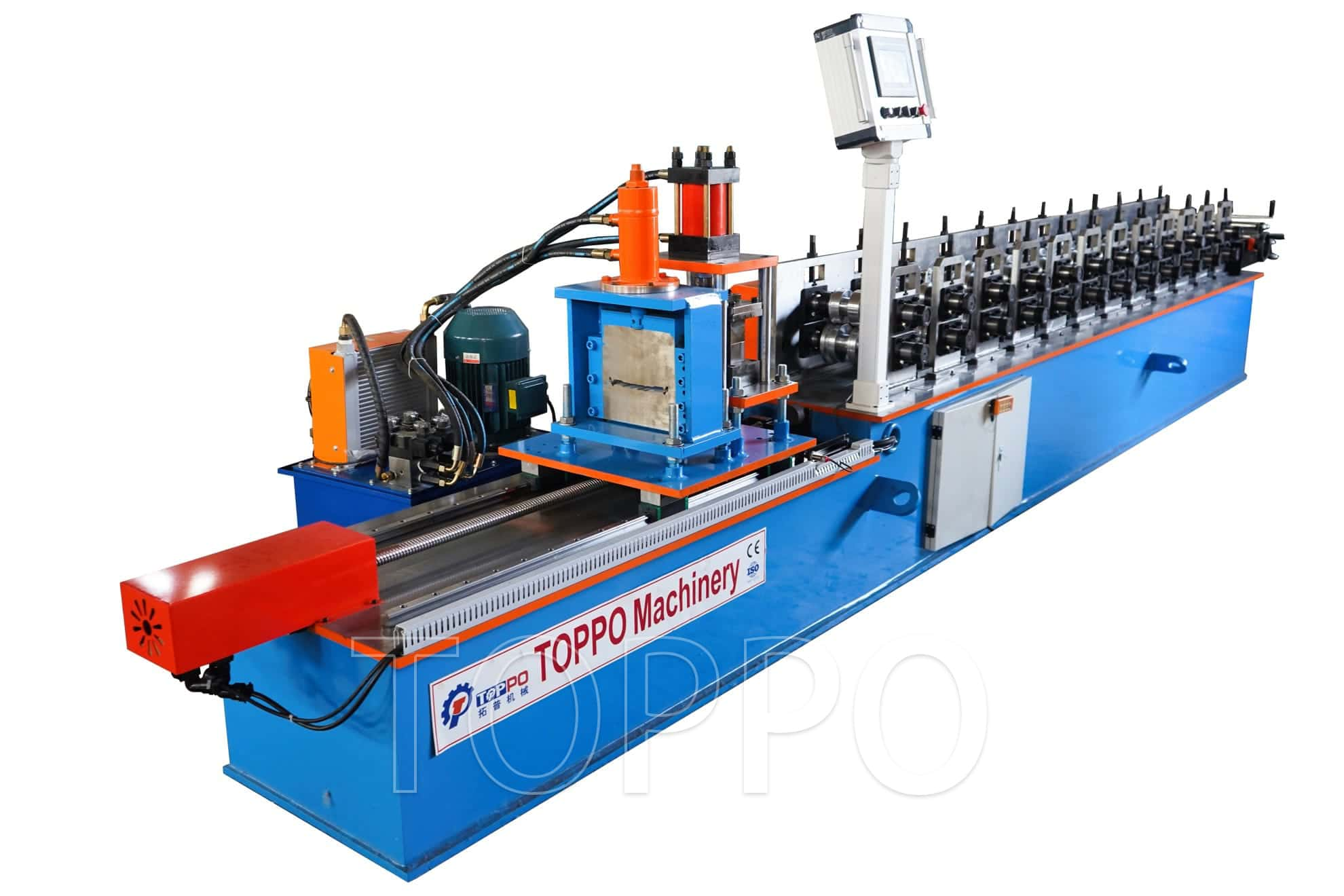
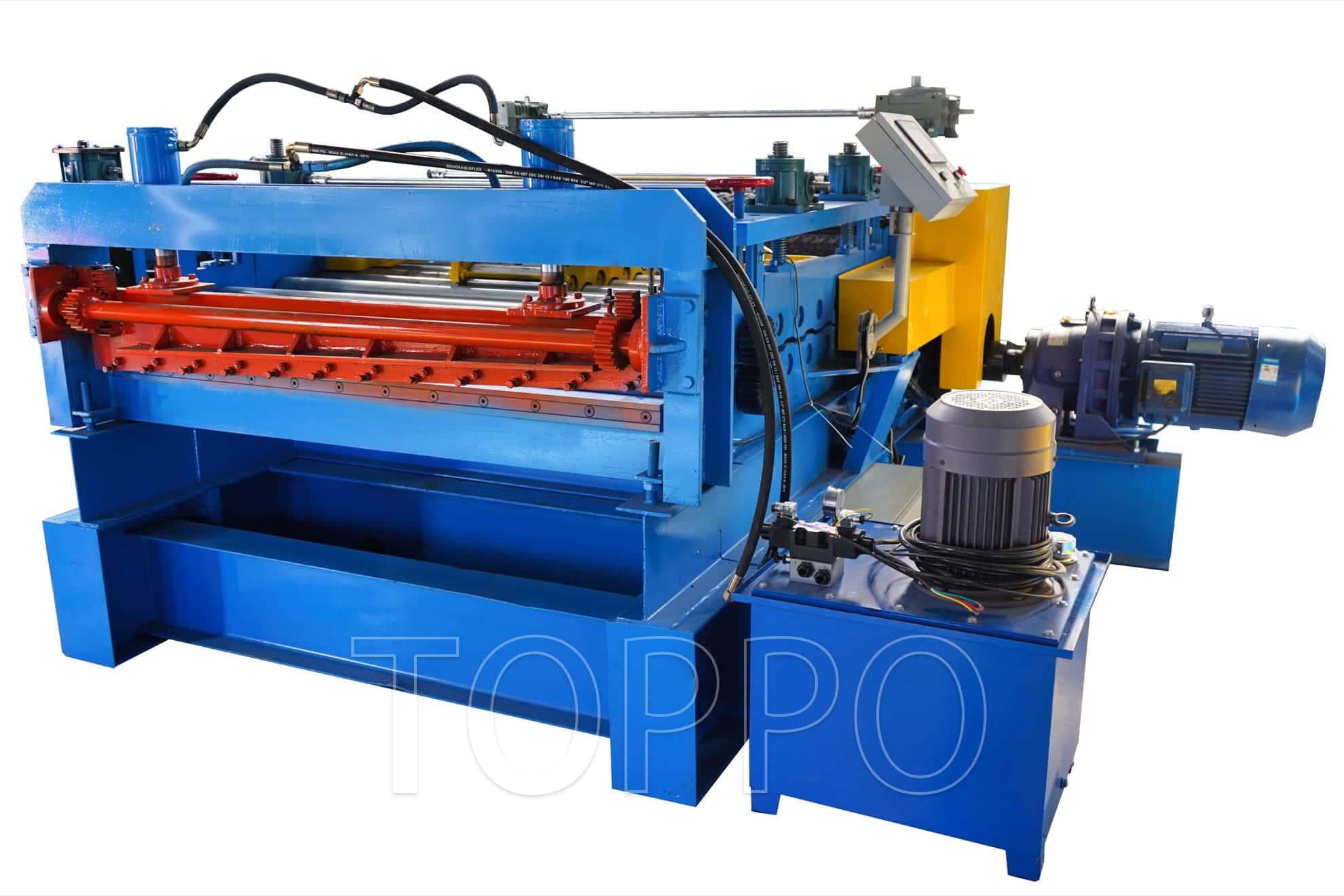
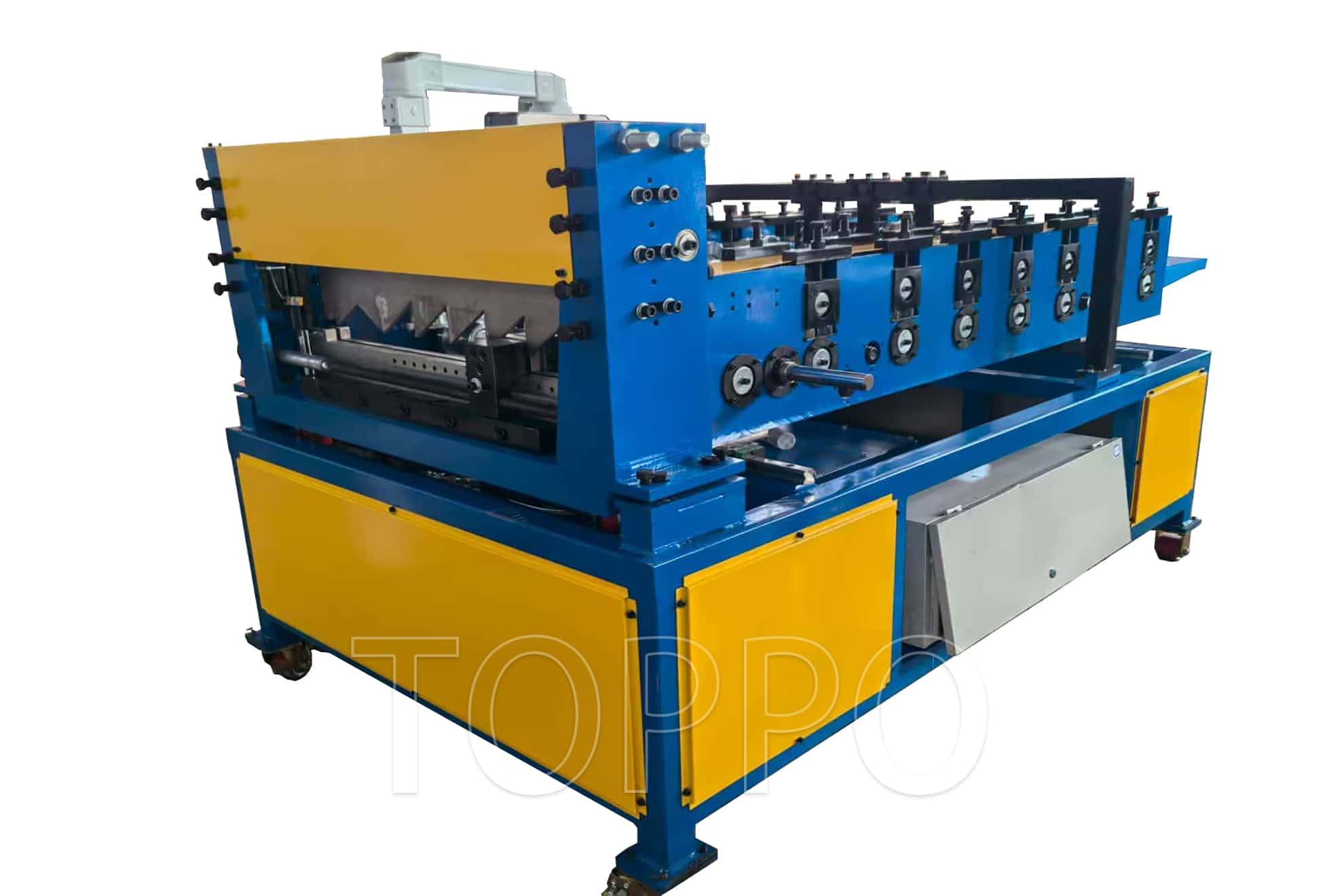
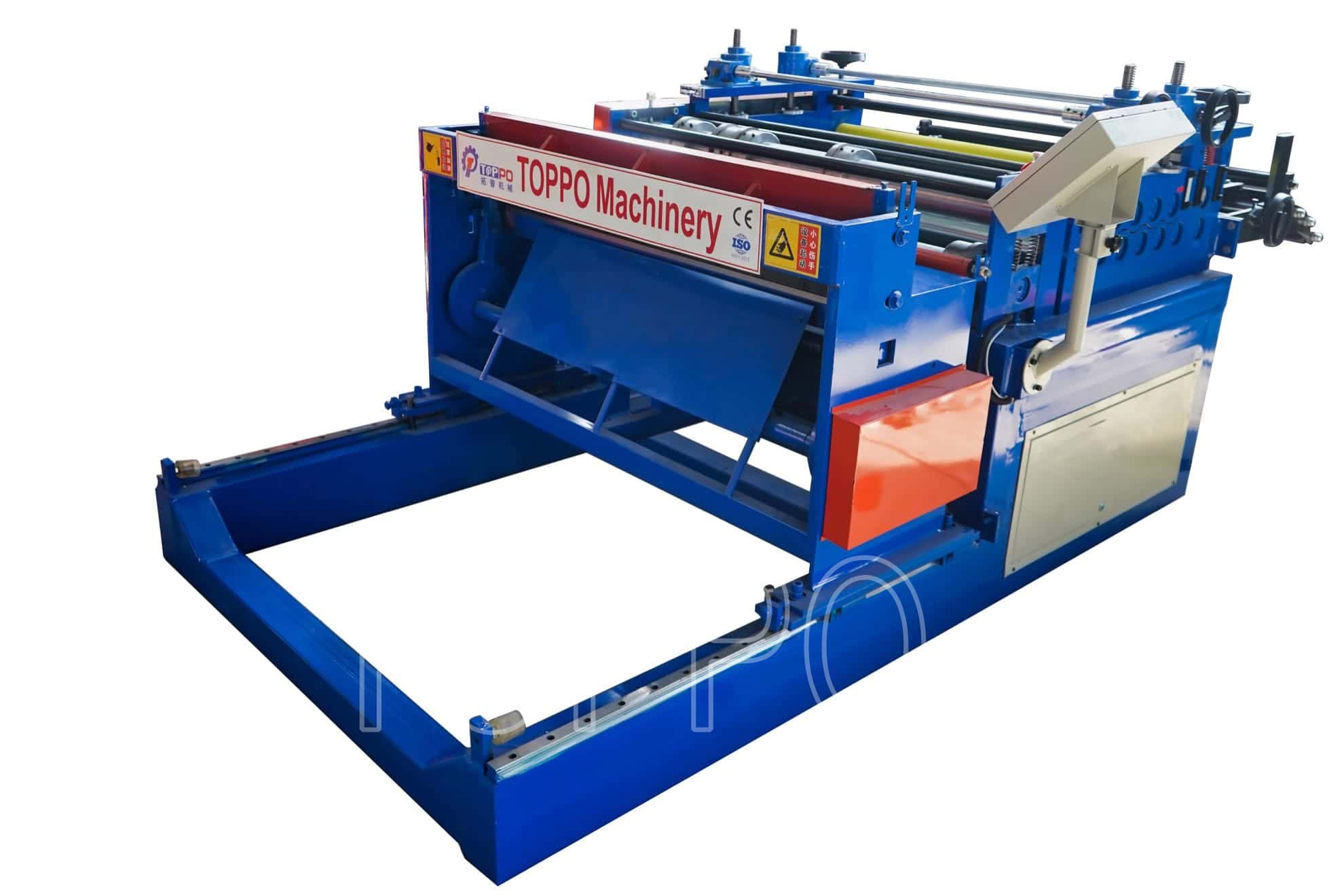
Double LayerRoll Forming Machinevs Single Layer: 2026 Complete Comparison
As of November 2026, the global metal roofing market continues to grow at 6.2% annually, driving demand for efficient production equipment. A double layerroll forming machine has become a top choice for businesses looking to maximize output without expanding floor space.
This guide compares single-layer and dual-layerroof panel making machineoptions, breaks down key features likehydraulic cutting systems, and helps you choose the right fit for your operation.
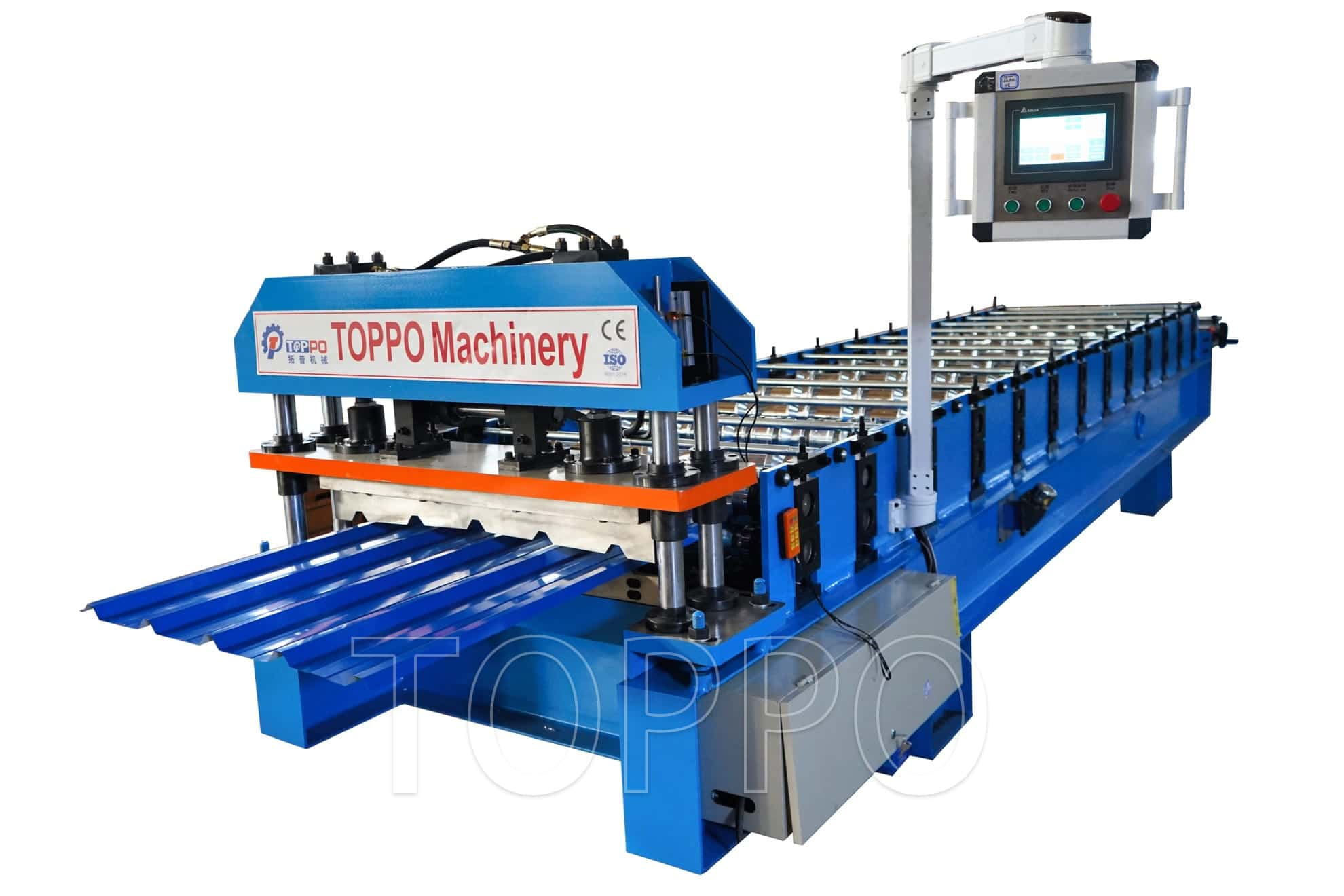
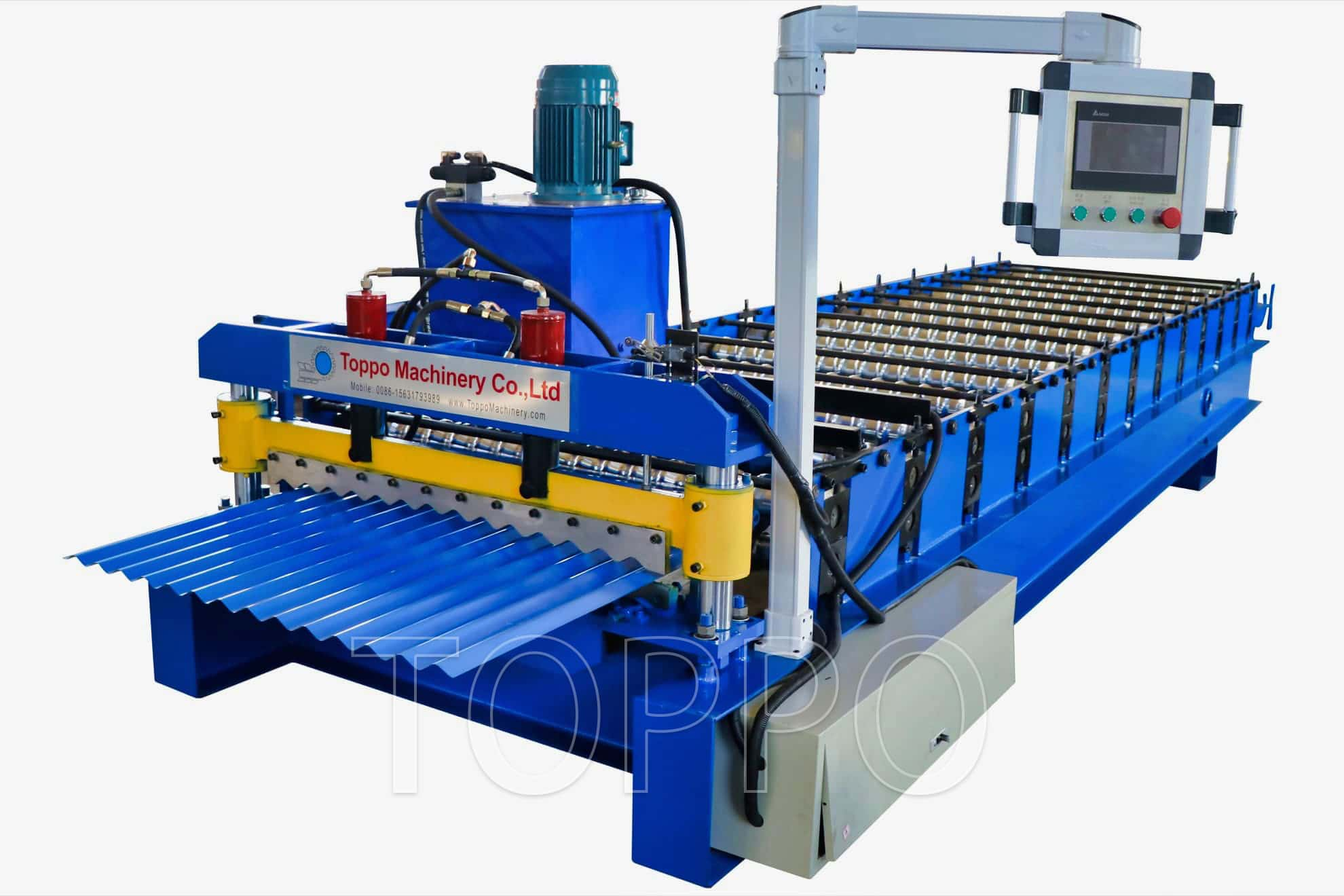
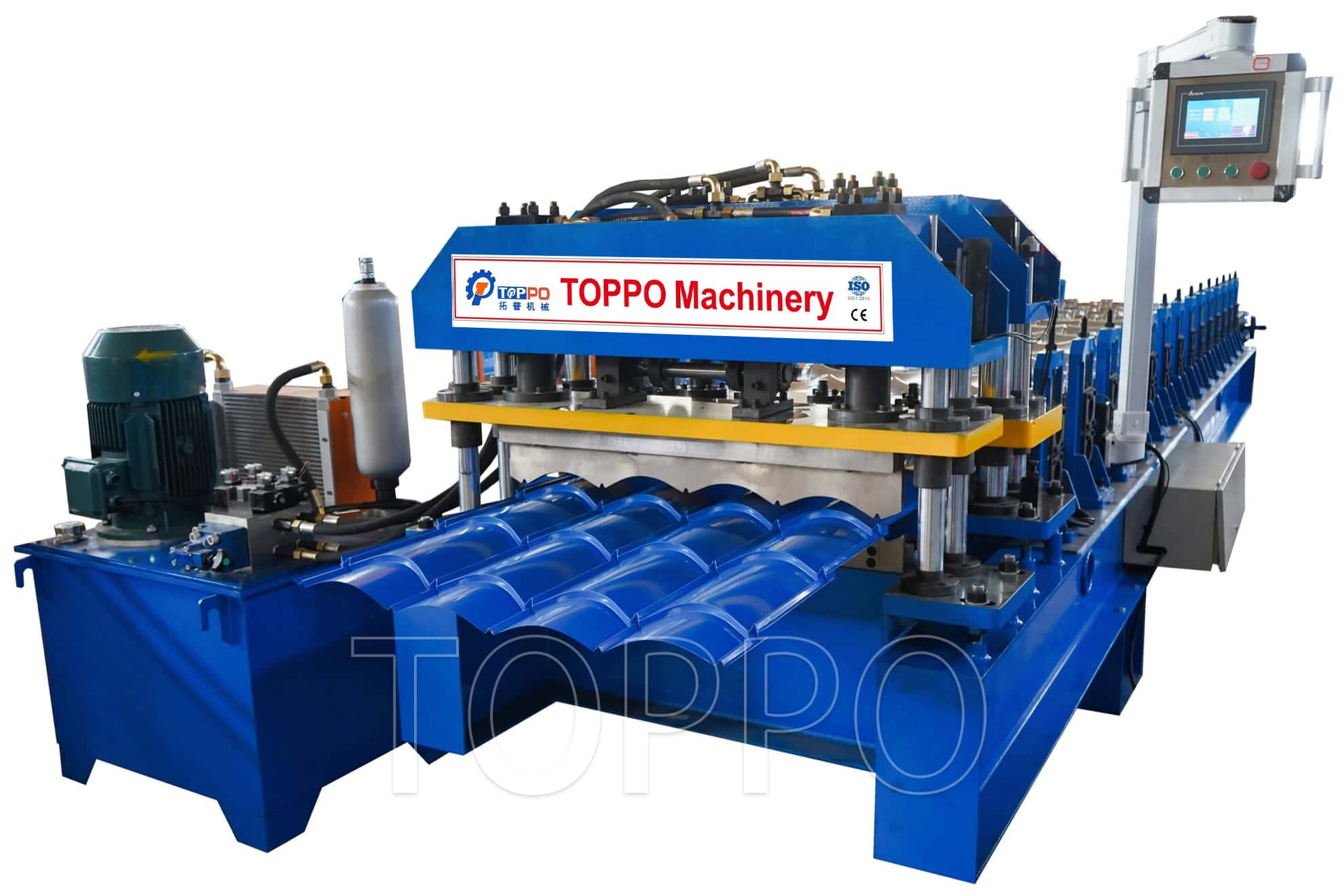
Side-by-side comparison of single layer anddouble layerroll forming machines in a 2026 factory setting
alt:Double layerroll forming machinevs single layerroll forming machine2026
Core Design & Productivity Differences
Structural Configuration: Single vs Dual Profile Systems
A single-layerroll forming machinefeatures one set of forming rollers dedicated to a single profile, such as trapezoidal or corrugated sheets.
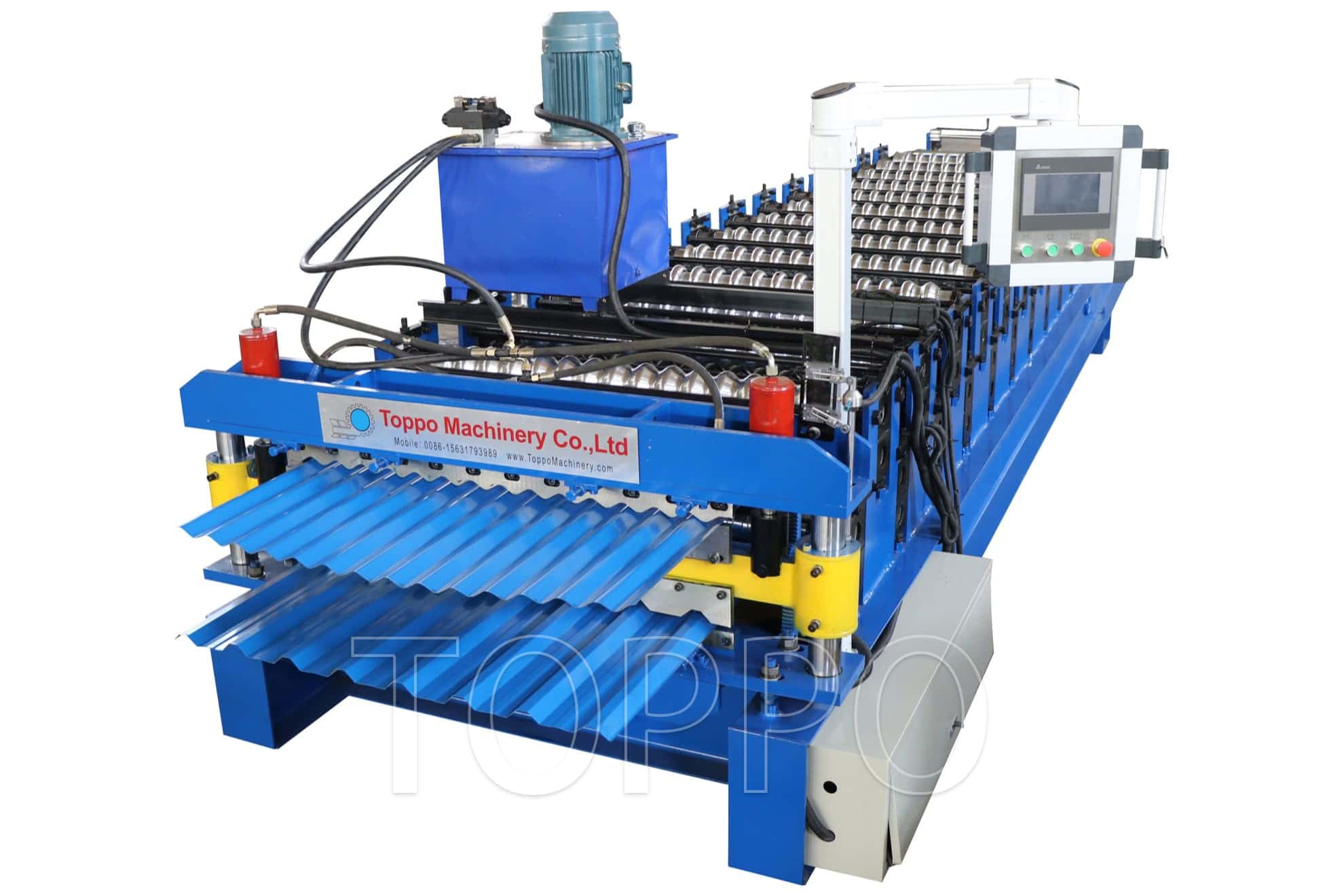
Adouble deckroll forming machineintegrates twoindependent forming stationsstacked vertically, enabling production of two different profiles from one unit.
2026 industry data shows that dual-layer models boost per-hour output by 40-60% compared to single-layer machines for mixed-profile orders.
Speed & Output Capacity
Single-layer machines typically run at 15-25 m/min for standard profiles, with consistent output for high-volume single-sheet runs.
Moderntwo layerroll forming machines deliver aworking speed 0-30 m/min, withautomatic length measurementfor precision cutting.
Forsteel sheet manufacturershandling diverse client demands, this speed flexibility translates to 35% faster order fulfillment in 2026 market conditions.
Key Feature Deep Dive: Hydraulic Cutting & Automation
Hydraulic Cutting SystemPerformance
Single-layer machines often use simple saw cutting or basic hydraulic cutters, which work well for single-profile runs but may cause burrs on thicker materials.
Adouble tierroll forming machinewithhydraulic cutting systemdelivers clean, burr-free cuts across both profile layers.
This precision is critical formetal roofing manufacturerstargeting high-end residential and commercial projects in 2026.
Automation & Control Capabilities
Single-layer machines may have basic PLC controls, requiring manual adjustment for profile or length changes.
The latestcombinedroll forming machinemodels feature advancedPLC control systems with touchscreen interfaces.
Forprefabricated building manufacturersandsteel structure companies, this automation cuts labor costs by up to 30% per production line.
Close-up ofhydraulic cutting systemon adouble layer roofing machine
alt:Hydraulic cutting systemondouble layer metal sheet forming machine
Cost, Space & ROI Analysis
Initial Investment & Space Requirements
A single-layerroll forming machinehas a lower upfront cost, making it suitable for small workshops or startups.
A2 in 1roll forming machinerequires a higher initial investment but eliminates the need for two separate machines.
Footprint: 60-70% of two single-layer machines
Energy consumption: 20-25% lower than two separate lines
Shared hydraulic station and control cabinet
Forroof panel production factorieswith limited space, this space efficiency is a major advantage in 2026's rising real estate costs.
Return on Investment (2026 Market Data)
Single-layer machines typically deliver ROI in 18-24 months for steady single-profile production.
Double layer trapezoidal roofing machinemodels achieve ROI in 12-18 months for businesses with mixed profile orders.
Higher output per square meter of factory space
Lower labor and maintenance costs per unit produced
Ability to serve more customer segments
A 2026 case study of a South African roofing sheet producer showed that switching to adouble layer corrugated roofing machineincreased annual revenue by 55%.
Which Machine Is Right for Your Business?
Ideal Users for Single-Layer Machines
Single-layerroof panel making machinemodels work best for operations with focused production needs.
Small
metal fabrication companieswith single-profile orders
Startups with limited initial capital
Specialized producers serving niche market segments
If 80%+ of your orders are for one profile type, a single-layer machine may offer the best cost-to-performance ratio.
Ideal Users for Double-Layer Machines
Acombined roofing sheetroll forming machineis perfect for businesses with diverse product demands.
- Roofing contractors
offering multiple roofing styles
- Building material suppliers
with broad customer bases
- Steel coil processing companies
handling mixed orders
- Roll forming machinedistributors
looking for versatile inventory
For steel roofing sheet manufacturers targeting growth in 2026 and beyond, adouble layer roof tile forming machineprovides the flexibility to adapt to changing market trends.
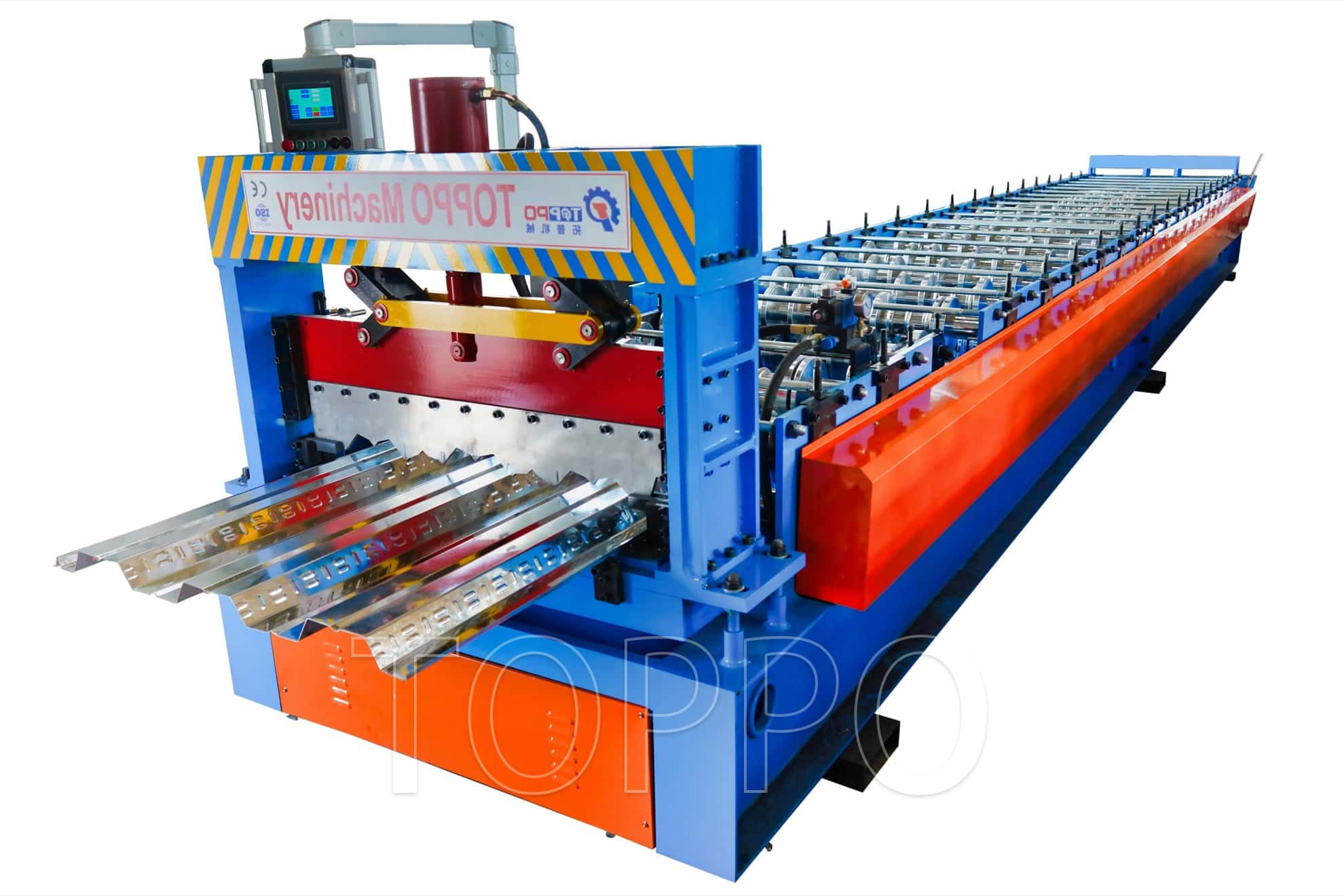
Double layer color steelroll forming machineproducing IBR and corrugated sheets
alt:IBRdouble layerroll forming machineproducing two profiles