9 Crucial Factors to Consider When Selecting a Premium Standing Seam Roll Forming Machine
Choosing the right equipment is one of the most important decisions for roofing manufacturers. A high-quality standing seam roof panel roll forming machine can significantly improve production efficiency, ensure consistent panel quality, and reduce operational costs. However, many buyers overlook key technical factors when evaluating machines. This article highlights nine crucial factors, including practical implementation steps, common mistakes, and real-world case examples.
1. Roller Precision and Surface Treatment
The roller system determines the final panel accuracy.
Implementation steps:
Use high-hardness steel rollers
Apply chrome coating for durability
Ensure precise CNC machining
Common mistake: Choosing low-quality rollers that wear quickly.
2. Advanced Automation System
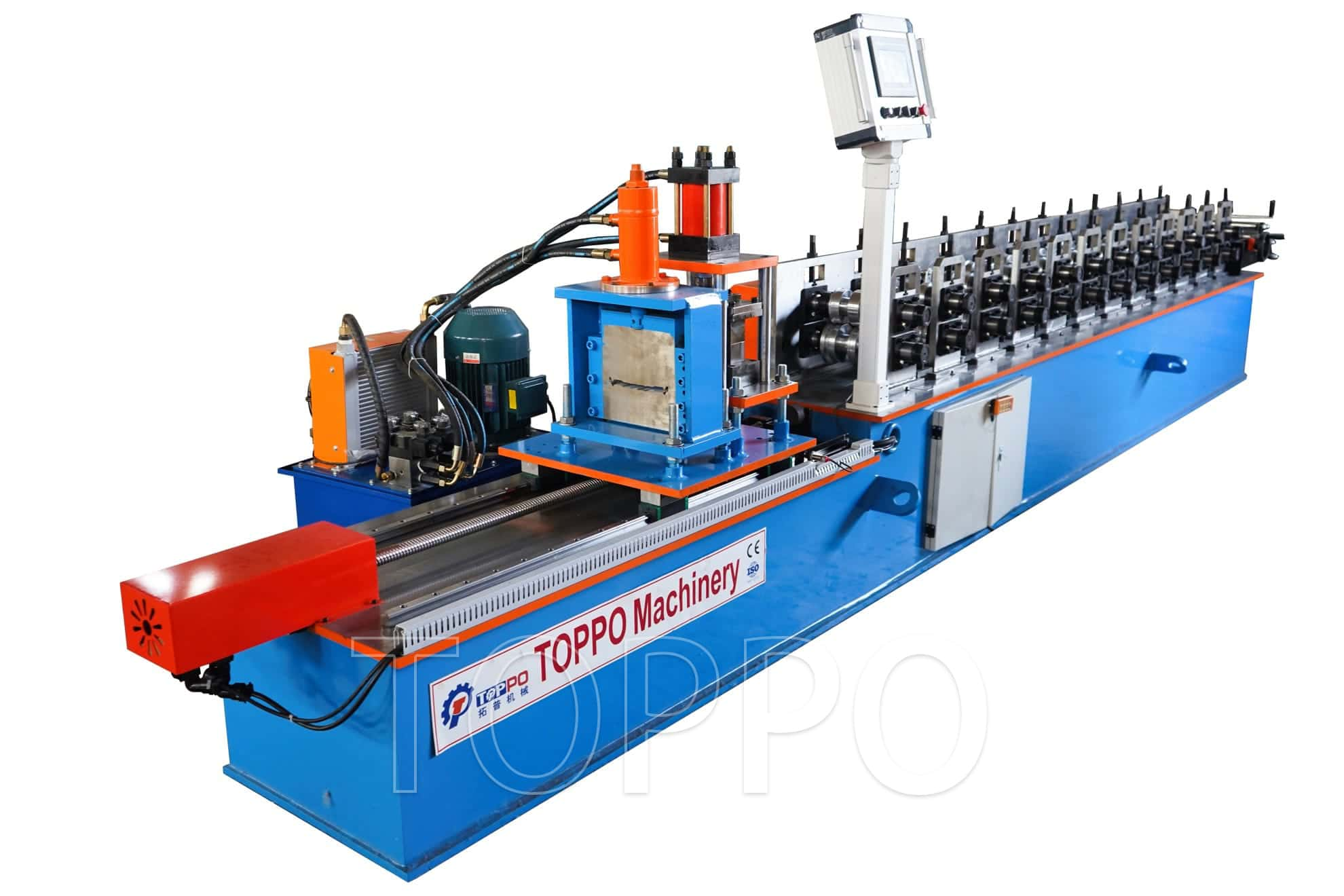
A modern standing seam roof panel roll forming machine should include PLC automation for stable performance.
Steps:
Select touchscreen control panels
Enable automatic length and quantity control
Integrate fault detection systems
3. Cutting Precision and Reliability
Accurate cutting minimizes waste and ensures uniform panels.
Implementation:
Use servo or hydraulic cutting systems
Calibrate cutting settings regularly
Perform test runs before production
Common error: Ignoring calibration, leading to inconsistent results.
4. Material Compatibility
A versatile roof panel making machine should handle various materials such as galvanized steel and aluminum.
5. Adjustable Production Speed
Flexible speed control helps balance efficiency and quality.
Steps:
Choose variable speed systems
Adjust speed based on material thickness
Monitor production consistency
Case example: A factory improved output by 22% after optimizing speed settings.
6. Structural Strength and Stability
A strong frame ensures long-term reliability. A durable standing seam roll forming machine reduces vibration and improves accuracy.
Common mistake: Selecting lightweight machines.
7. Ease of Operation and Maintenance
A user-friendly roof panel making machine improves productivity and reduces downtime.
Implementation steps:
Use intuitive control interfaces
Provide operator training
Ensure easy access for maintenance
8. Safety Features and Protection Systems
A reliable standing seam roll forming machine should include emergency stop systems and protective covers.
Common mistake: Ignoring safety features.
9. After-Sales Service and Support
Reliable supplier support ensures long-term performance.
Steps:
Case study: A company reduced downtime by 37% after switching suppliers.
Conclusion
Selecting a high-quality standing seam machine requires careful evaluation of precision, automation, durability, and service support. A well-designed standing seam roof panel roll forming machine can significantly improve production efficiency and reduce operational risks. By focusing on these crucial factors and avoiding common mistakes, manufacturers can achieve long-term success.
Tags: standing seam roof panel roll forming machine, roof panel making machine, standing seam roll forming machine, standing seam machine selection, roll forming equipment, roofing solutions
READ MORE: