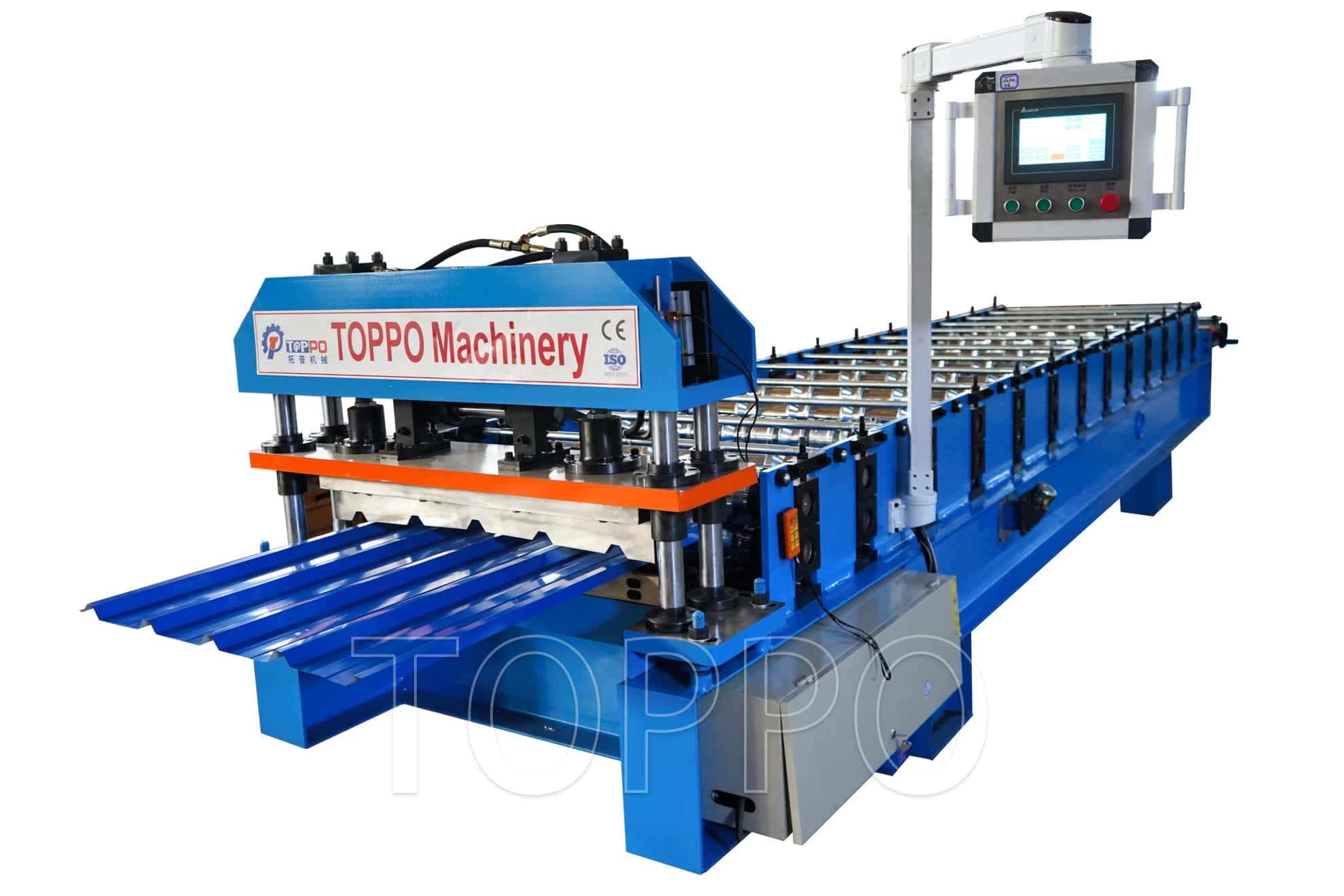
- Trapezoidal Machine
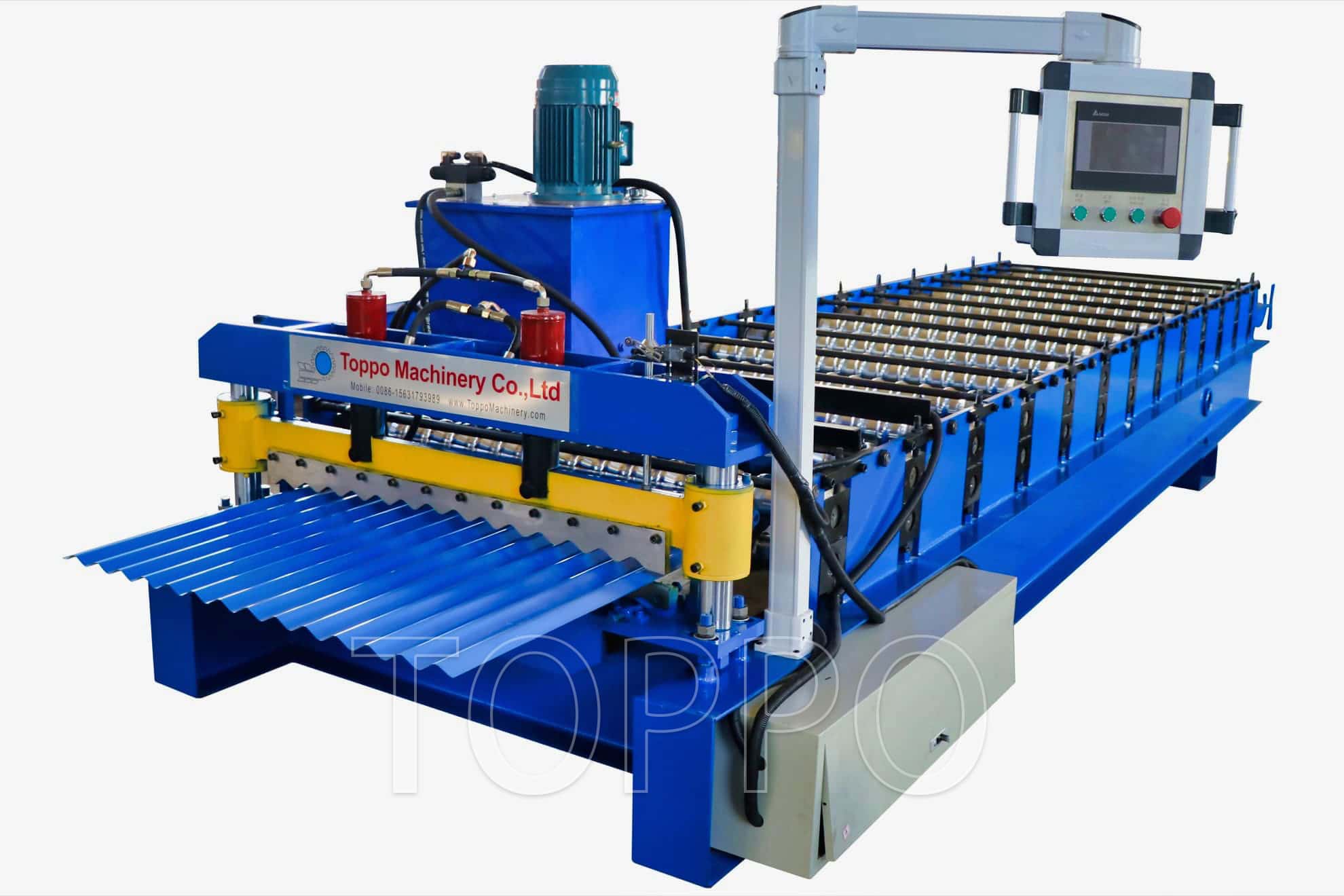
- Corrugated Machine
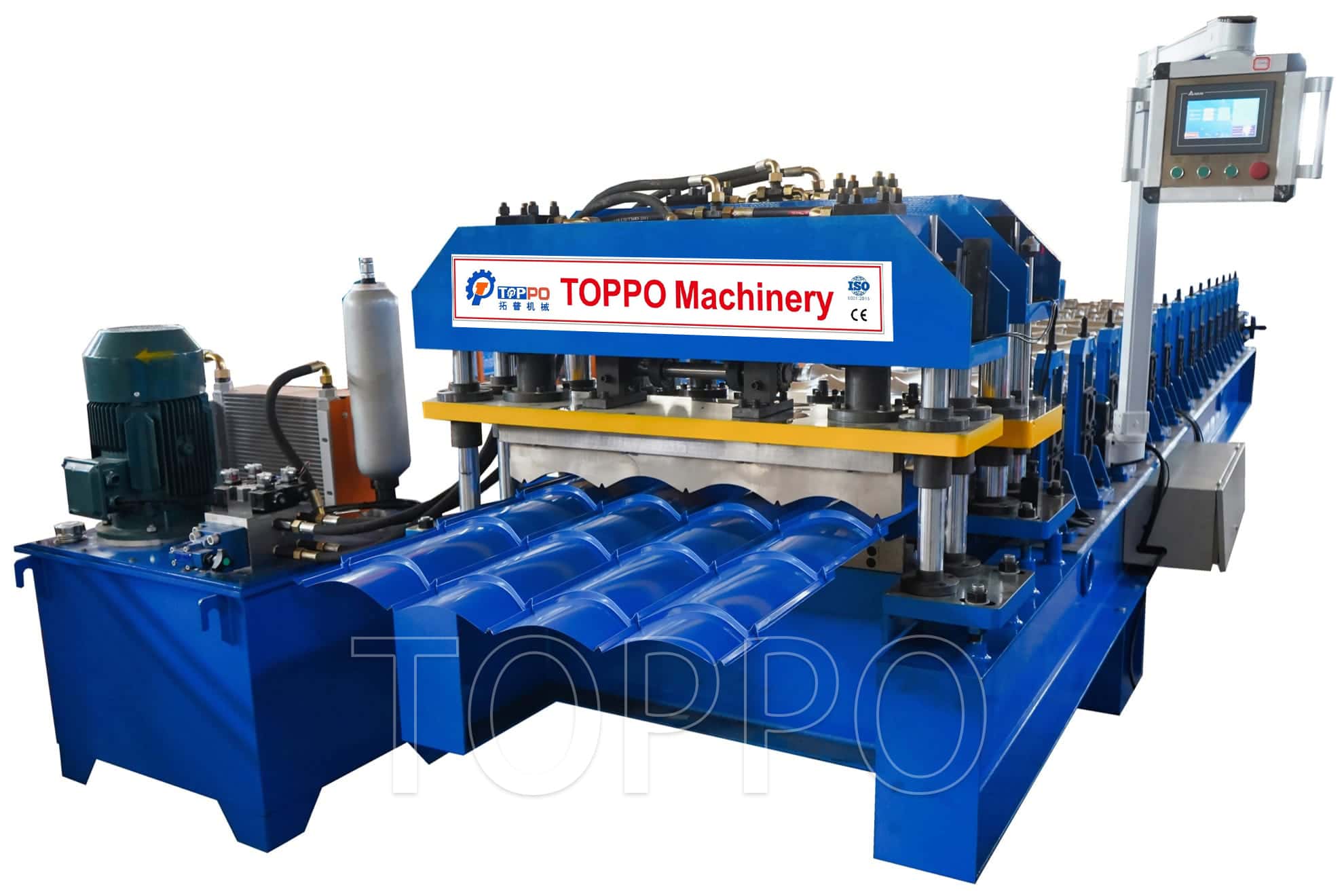
- Glazed Tile Machine
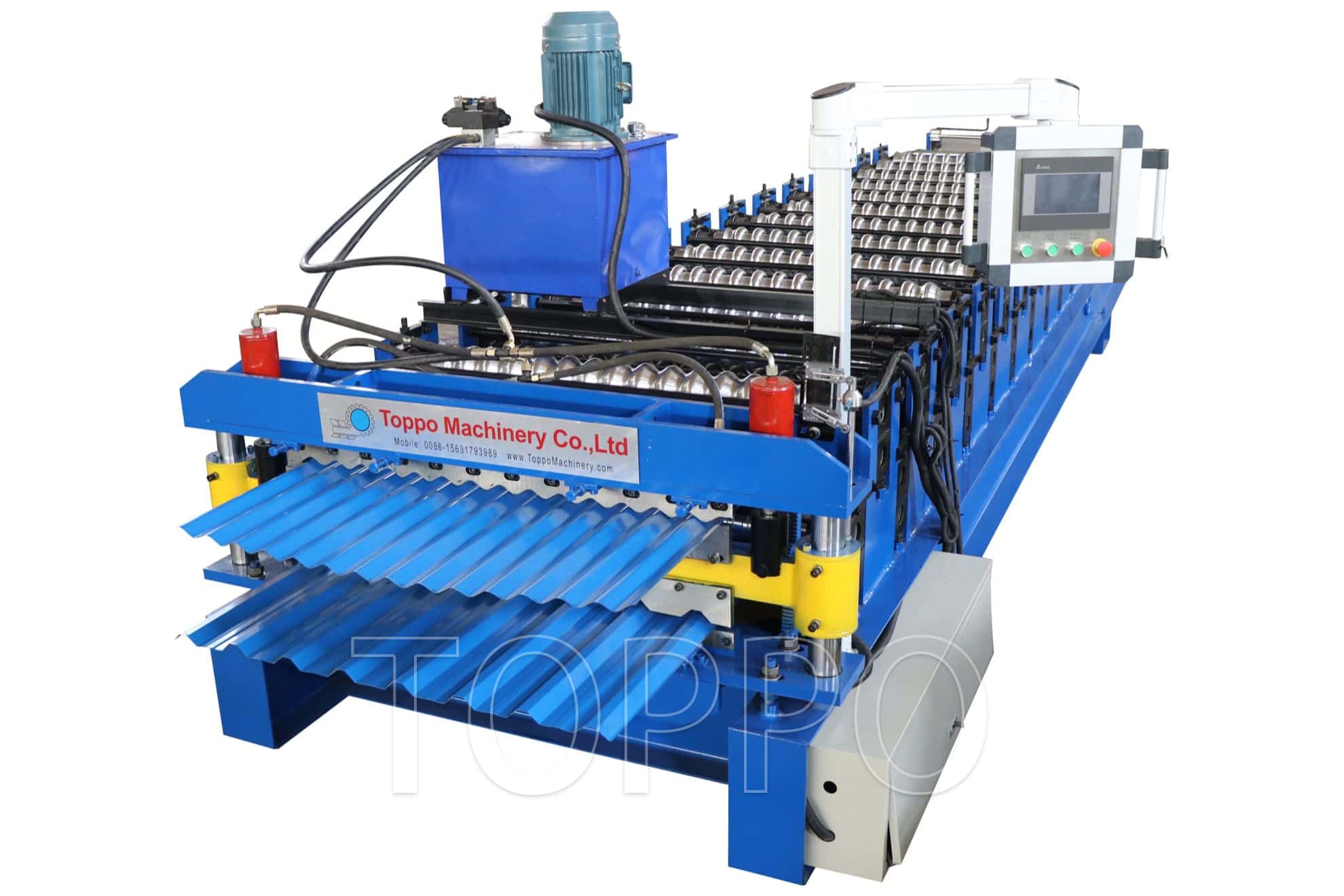
- Double Layer Machine
- CZU Purlin Machine
- Ridge Cap Machine
- Floor Decking Machine
- Rolling Door Machine
- Fence Machine
- Embossing Machine
- Standing Seam Machine
- Cut To Length And Slitting Line
- Guard Rail Machine
- Decoiler And Stacker
- Stud And Track Machine
- Gutter And DownPipe
- Curving Machine
- Cladding Panel Machine
- Corollary Equipment
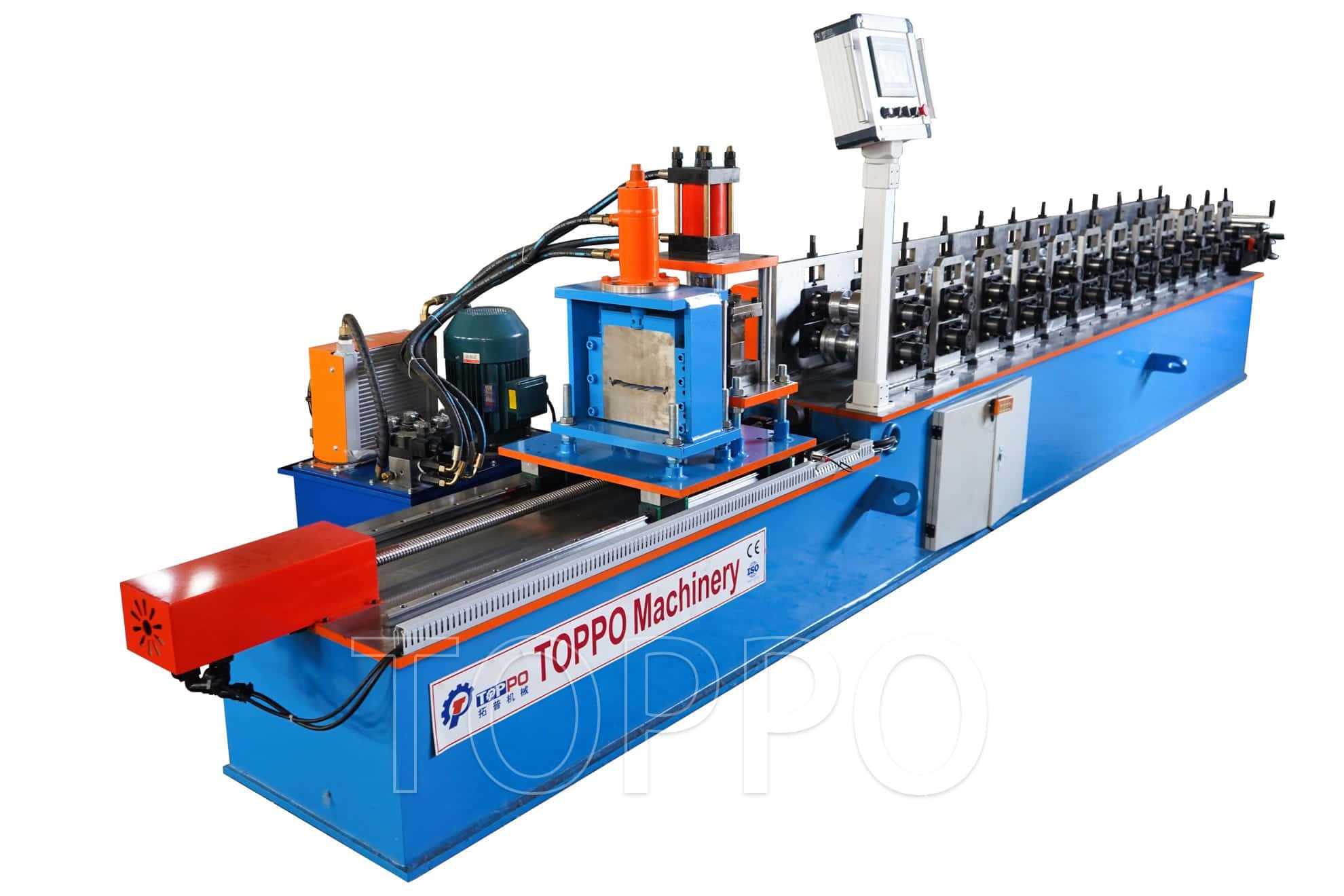
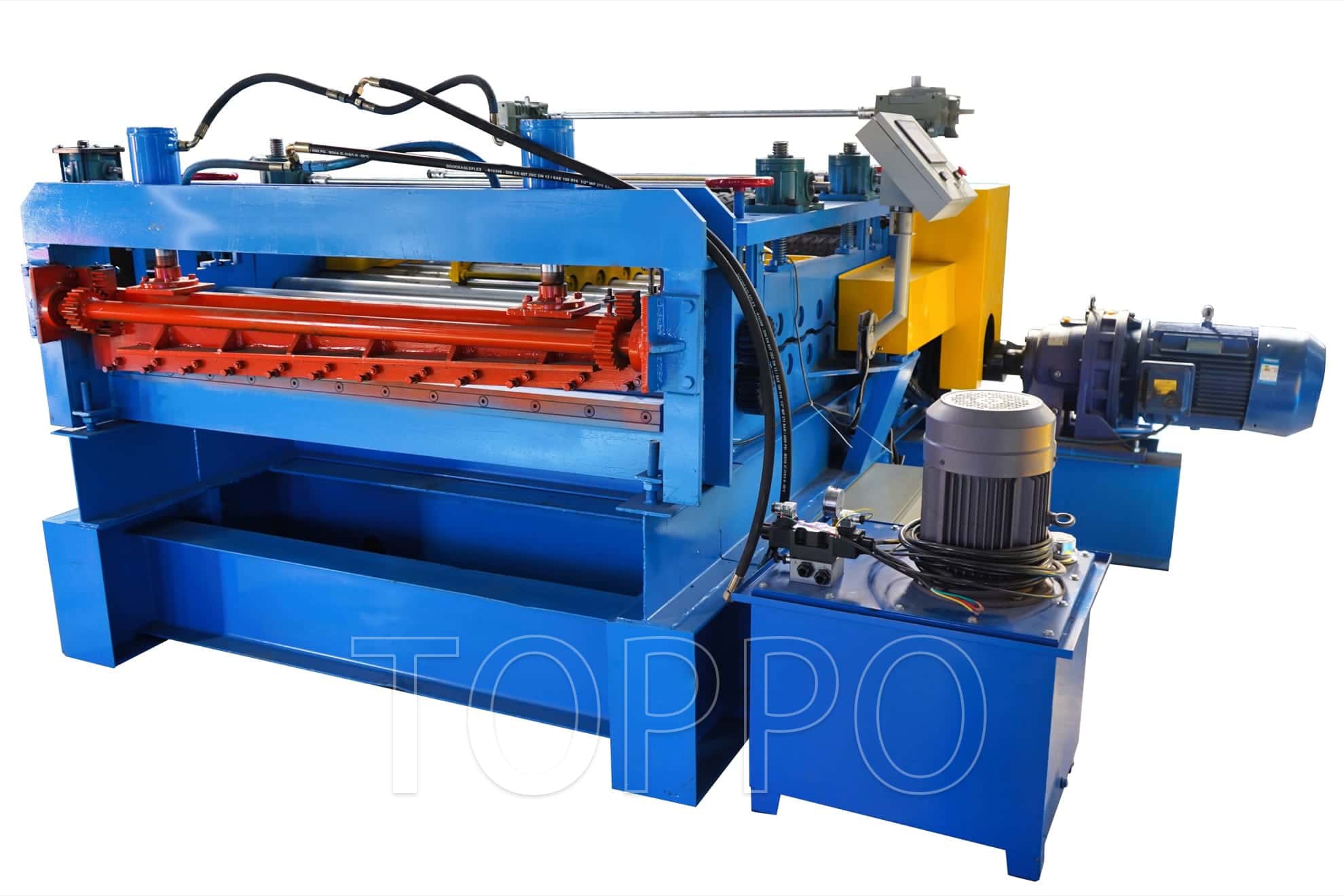
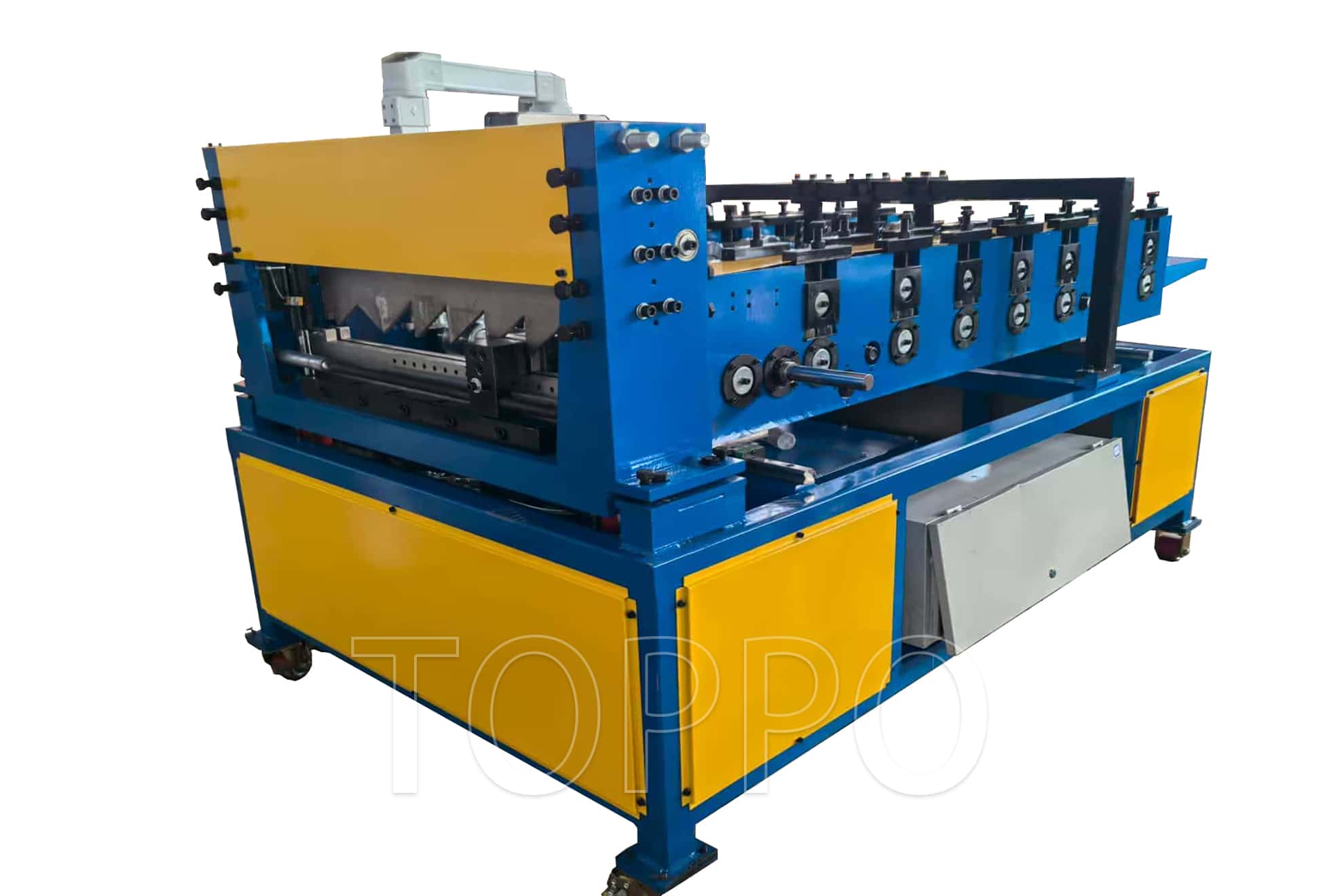
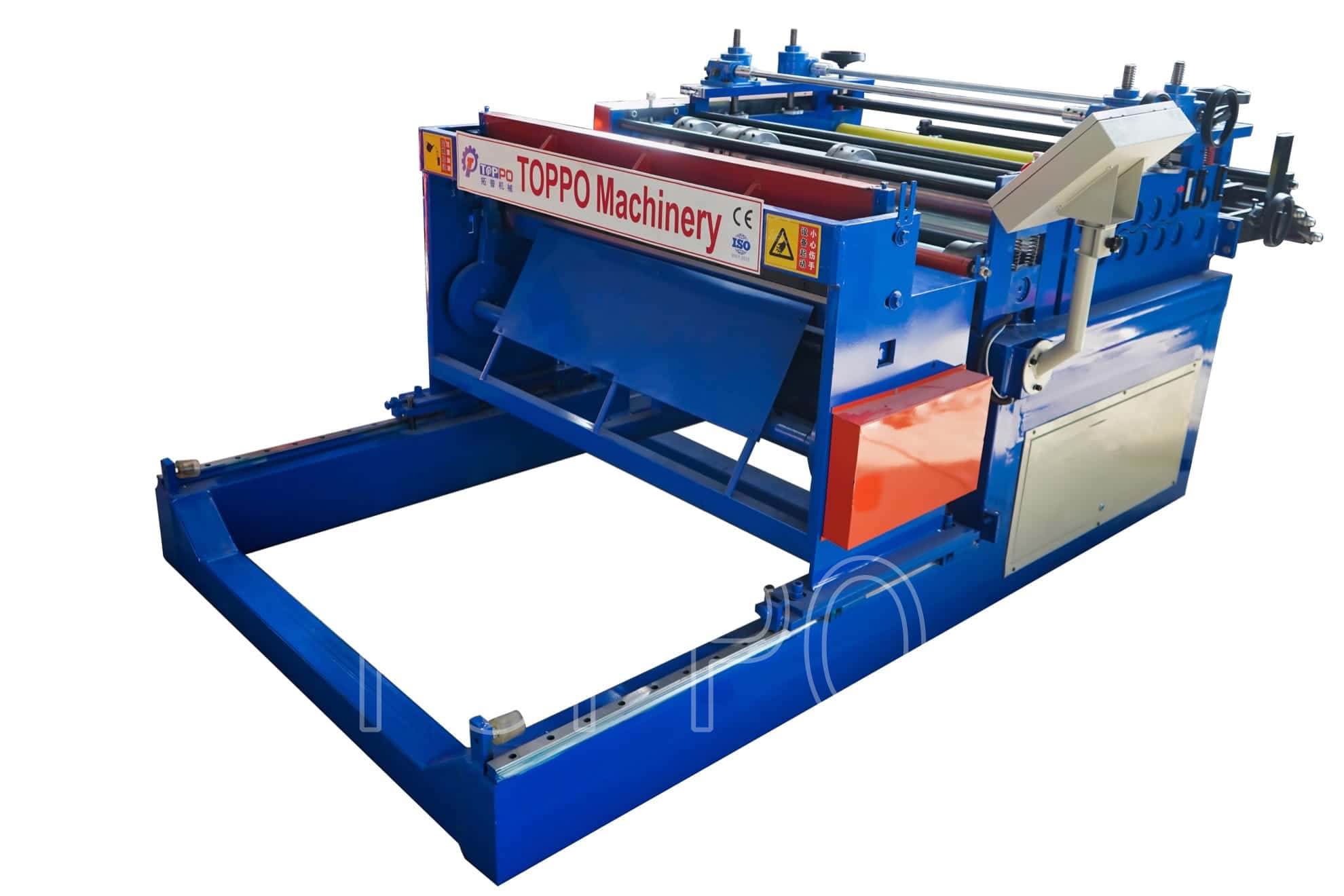


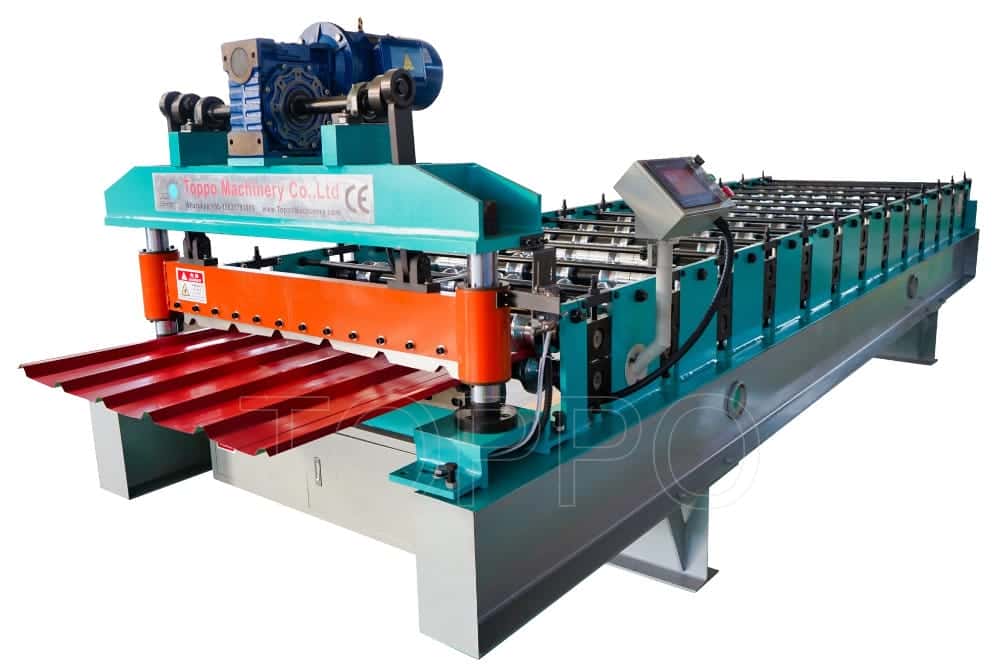
Advanced Production Troubleshooting Methods for Roofing Roll Forming Equipment
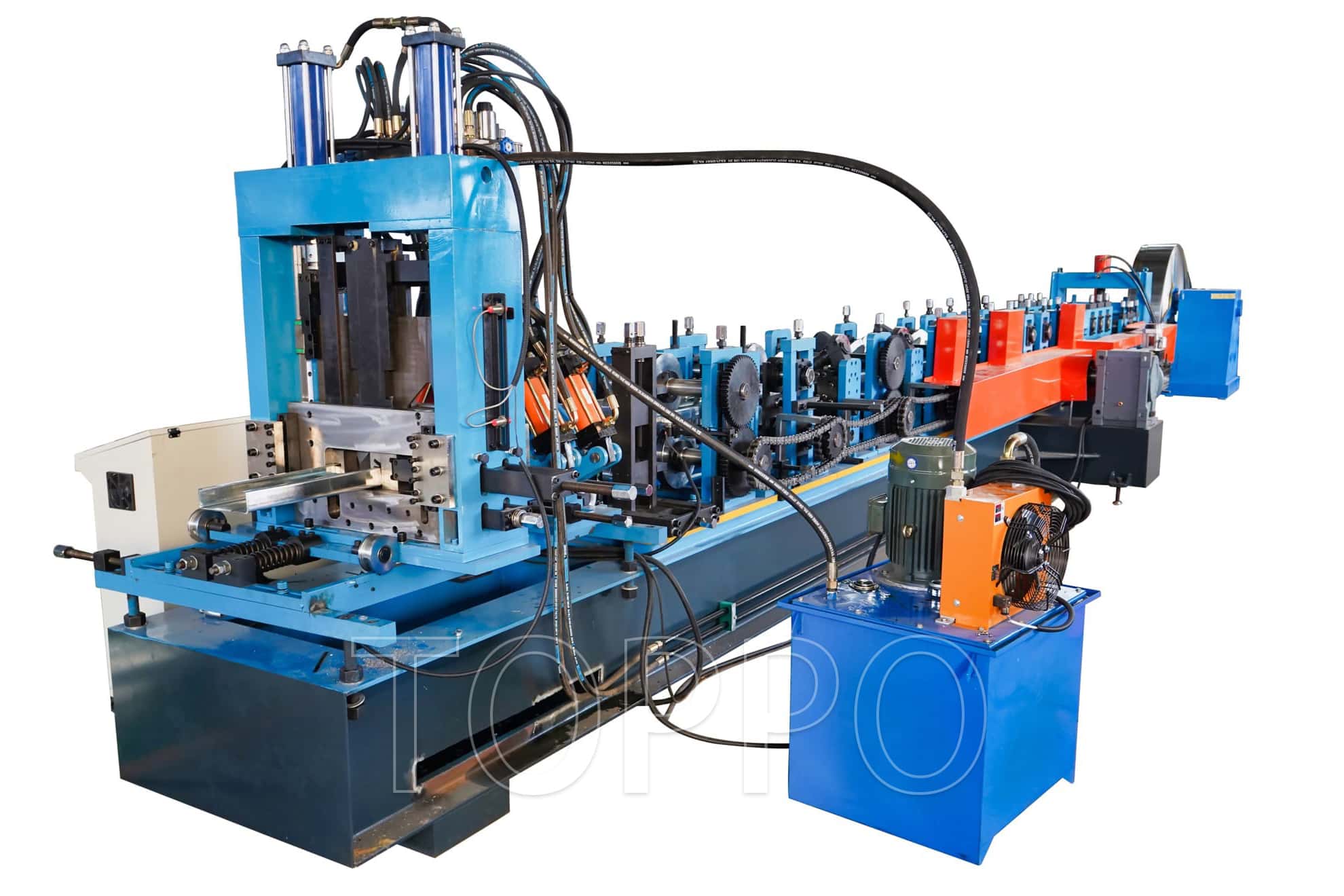
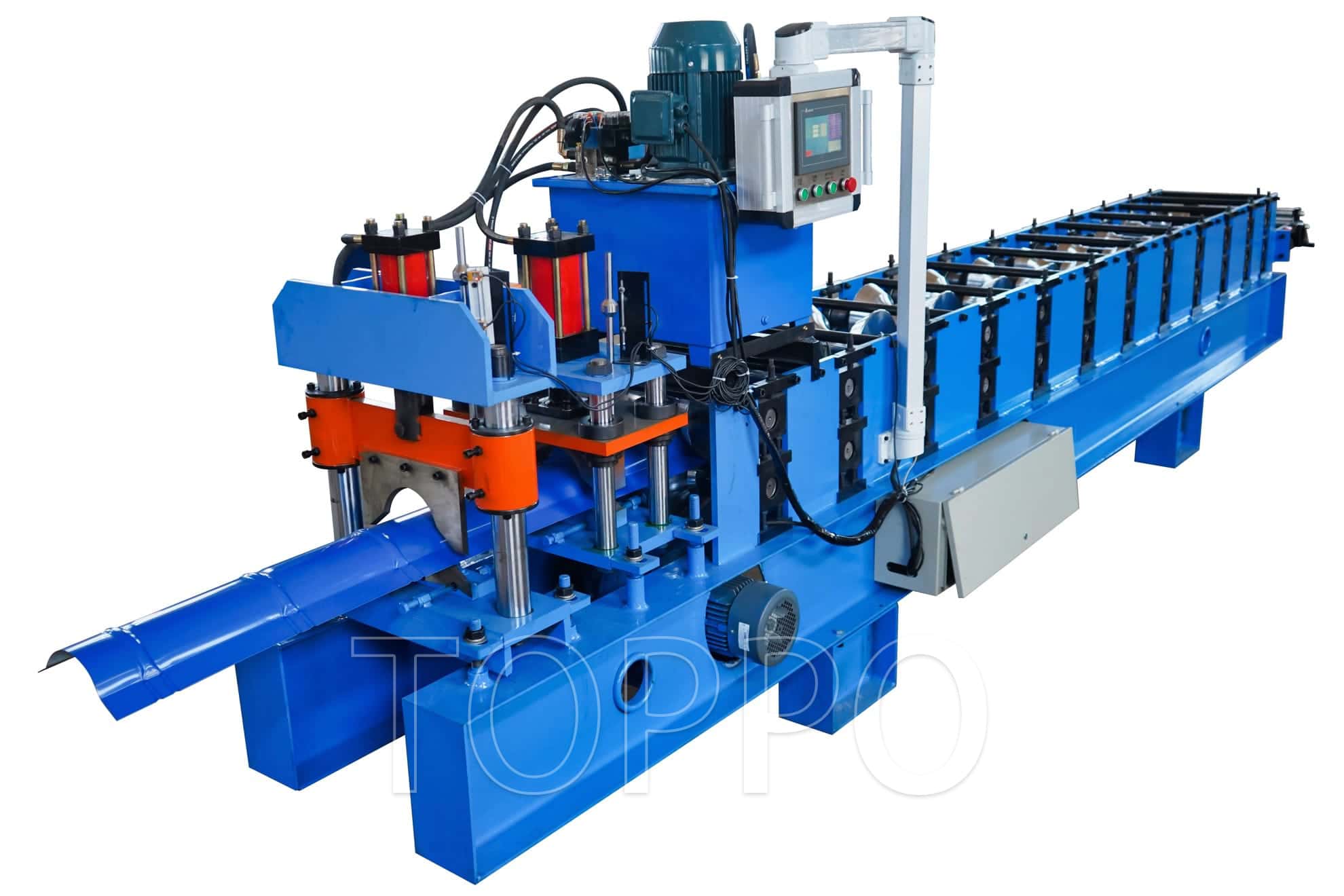
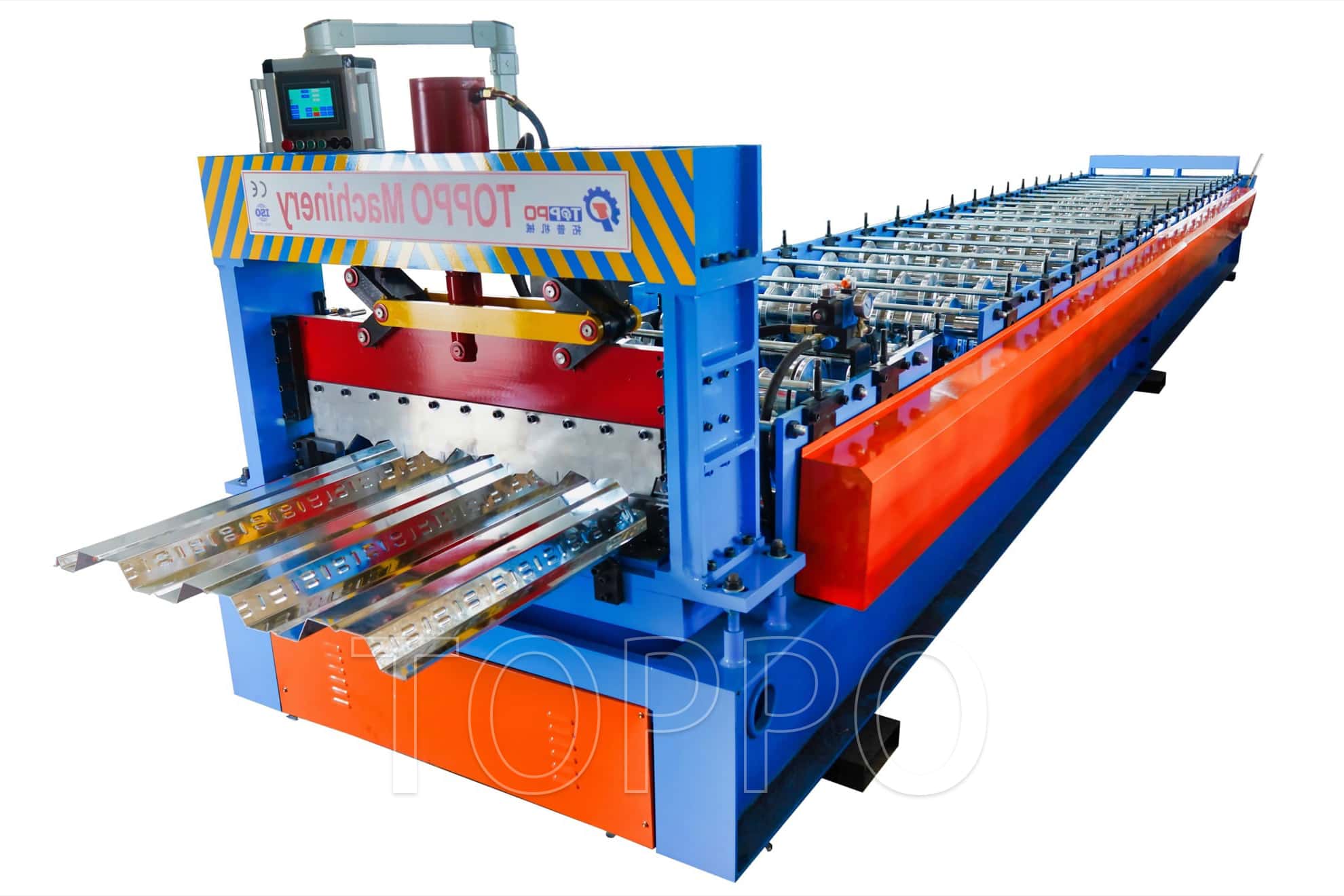
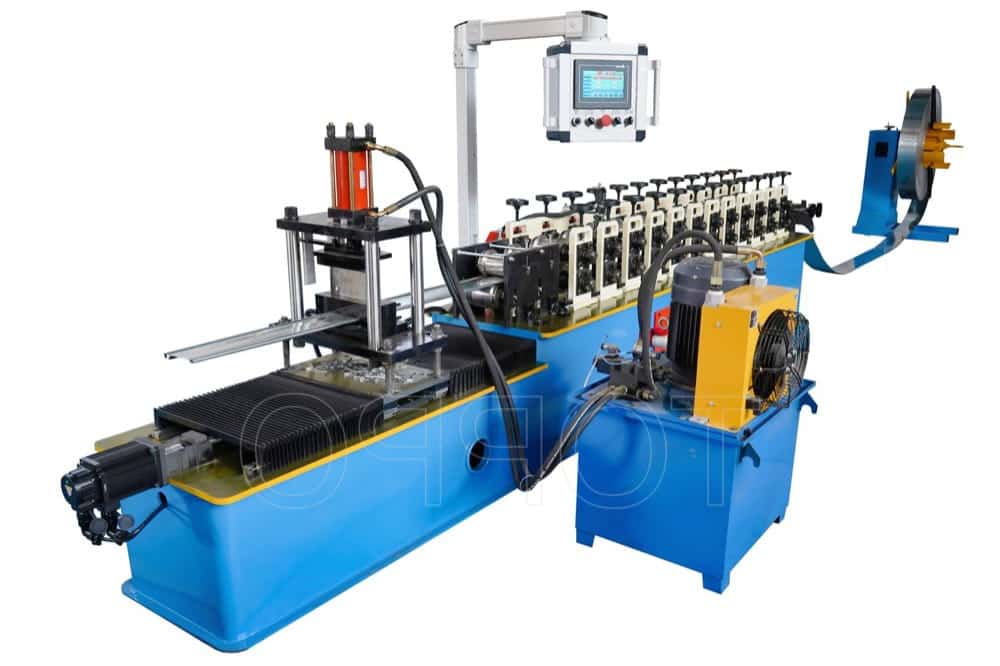
Roll forming machines are essential production systems in modern roofing sheet manufacturing factories. These machines operate continuously under demanding industrial conditions and are expected to maintain stable product quality with minimal downtime. However, many factories continue to experience machine failures caused by roller misalignment, feeding instability, hydraulic system problems, electrical failures, and poor maintenance management.
Factories operating under the high output production 3kw metal roofing panel making machine factory production model especially require disciplined maintenance and troubleshooting procedures because high-speed manufacturing environments place continuous stress on shafts, rollers, hydraulic systems, transmission assemblies, and electrical automation systems. Without proper technical management, machine instability can quickly reduce production efficiency and increase manufacturing costs.
This article explains practical implementation procedures, operational precautions, common troubleshooting mistakes, and actual factory production cases that help manufacturers improve machine reliability and long-term production performance.
Step 1: Solve Feeding System Instability Problems
Feeding instability is one of the most common problems in roofing sheet manufacturing. Unstable feeding frequently causes panel width variation, edge deformation, inaccurate dimensions, and excessive material waste.
Operators should inspect feeding guides, decoiler systems, and entry rollers every day. Loose guide assemblies often create sideways material movement during high-speed production.
One common operational mistake occurs when technicians focus only on roller adjustment while ignoring feeding alignment problems. In many situations, unstable feeding systems are the real cause of roofing sheet defects.
In one practical workshop case, a manufacturer producing corrugated roofing sheets experienced repeated dimensional inconsistencies during export production. Engineers later discovered that prolonged machine vibration had loosened the feeding guide support brackets. After recalibration and reinforcement, production quality improved significantly.
A professional roofing panel making machine factory normally establishes detailed feeding system inspection procedures to maintain accurate material alignment.
Step 2: Correct Roller Alignment Problems
Incorrect roller alignment is another major problem in roofing production lines. Poor alignment frequently causes roofing sheet deformation, edge cracking, scratches, and unstable panel dimensions.
Operators should inspect roller gaps regularly and verify alignment using precision measurement tools. One of the most common troubleshooting mistakes is excessive roller pressure. Technicians sometimes tighten roller gaps too aggressively while attempting to improve roofing sheet precision.
Unfortunately, excessive pressure often creates scratches, abnormal material stress, and accelerated roller wear. Gradual adjustment procedures should always be followed during machine calibration.
The high output production 3kw metal roofing panel making machine factory environment especially requires accurate roller calibration because high-speed production magnifies even small alignment problems rapidly.
Step 3: Troubleshoot Hydraulic System Failures
Hydraulic systems strongly influence roofing sheet cutting accuracy and machine stability. Common hydraulic problems include unstable pressure, inaccurate cutting length, oil contamination, overheating, and blade wear.
Operators should inspect hydraulic oil quality regularly and replace contaminated oil immediately. Dirty hydraulic oil frequently damages valves and reduces cutting precision.
Blade maintenance is equally important. Worn cutting blades create rough roofing sheet edges and inconsistent dimensions, leading to customer complaints and increased material waste.
In one actual factory case, a roofing equipment manufacturer experienced serious cutting inaccuracies because blade replacement was delayed for several months. After installing new blades and recalibrating the encoder system, cutting precision improved immediately.
Step 4: Resolve Electrical Automation Problems
Electrical automation systems are extremely important for modern roofing production. PLC controllers, motors, sensors, and frequency converters must operate reliably to maintain stable manufacturing conditions.
Electrical cabinets should remain clean and dry at all times. Dust accumulation and loose wiring terminals frequently cause machine shutdown and unstable parameter control.
Voltage fluctuations are another major operational risk. Installing voltage stabilizers and emergency protection systems helps protect sensitive electronic components and reduce unexpected downtime.
Factories should also back up PLC programs regularly. Losing production parameters during electrical failure may create significant production losses.
Step 5: Improve Lubrication Management
Lubrication management is one of the most important maintenance requirements for any roll forming machine. Bearings, transmission chains, gearboxes, and shaft systems all require proper lubrication to reduce friction and prevent overheating.
Factories should establish detailed lubrication schedules according to machine operating hours and production intensity. Insufficient lubrication frequently causes abnormal machine noise, excessive roller wear, and premature bearing failure.
Many factories only repair equipment after serious failures occur. However, preventive lubrication management significantly reduces long-term repair expenses and production downtime.
Step 6: Reduce Machine Vibration and Structural Stress
Abnormal machine vibration frequently creates production instability and accelerates mechanical wear. Loose bolts, weak foundations, shaft imbalance, and frame instability are common causes of vibration problems.
Operators should inspect machine foundations, support structures, and shaft stability regularly. Ignoring vibration problems often leads to roller damage, feeding instability, and electrical system failures.
One factory operating a high-speed roofing production line ignored vibration problems for several weeks because production targets were extremely high. Eventually, severe shaft wear caused unexpected machine shutdown and expensive repair costs.
Step 7: Improve Operator Training and Preventive Maintenance
Even advanced roofing machinery cannot maintain stable production without skilled operators. Many machine failures occur because workers ignore operational procedures or make unauthorized machine adjustments.
Training systems should include startup procedures, lubrication schedules, troubleshooting methods, roller adjustment standards, hydraulic inspection methods, and safety management.
A properly maintained roll forming machine can provide excellent long-term production performance when supported by disciplined preventive maintenance planning and professional technical management.
Common Troubleshooting Mistakes to Avoid
Ignoring daily inspection procedures
Overtightening roller gaps
Ignoring hydraulic oil contamination
Skipping feeding system inspections
Allowing untrained operators to modify settings
Neglecting electrical cabinet cleaning
Ignoring abnormal machine vibration
These operational mistakes frequently create unstable production, excessive downtime, and increased operating costs.
Conclusion
Effective troubleshooting for roofing production equipment requires disciplined management, preventive planning, and professional technical operation. Proper lubrication, accurate roller calibration, stable feeding systems, hydraulic maintenance, and electrical protection all contribute to long-term production stability.
A professionally maintained roll forming machine can provide stable roofing sheet quality, excellent production efficiency, and reliable long-term operation. Manufacturers who focus on troubleshooting discipline and preventive maintenance can reduce downtime, improve customer satisfaction, and strengthen competitiveness in the roofing manufacturing industry.
SEO Tags: roofing panel making machine factory, roll forming machine, high output production 3kw metal roofing panel making machine factory, common roll forming machine problems and solutions, industrial roofing machinery, roofing production equipment, roofing sheet manufacturing solutions
READ MORE:
- Efficient Failure Prevention Methods for Roofing Roll Forming Manufacturing Systems
- Industrial Troubleshooting Techniques for Roofing Sheet Roll Forming Production Lines
- Advanced Maintenance Solutions for Industrial Roofing Roll Forming Machine Failures
- Practical Industrial Solutions for Roofing Roll Forming Equipment Failures