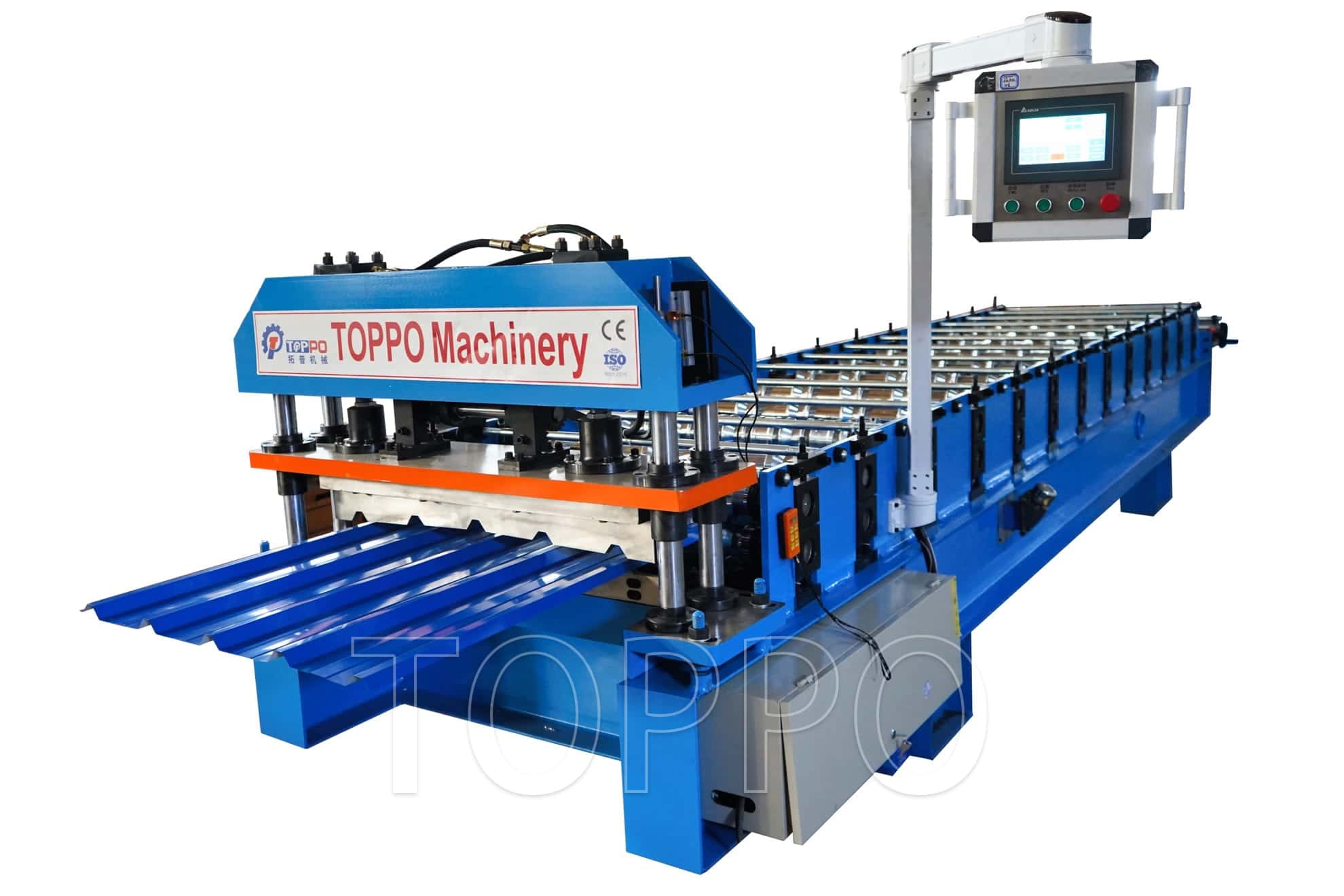
- Trapezoidal Machine
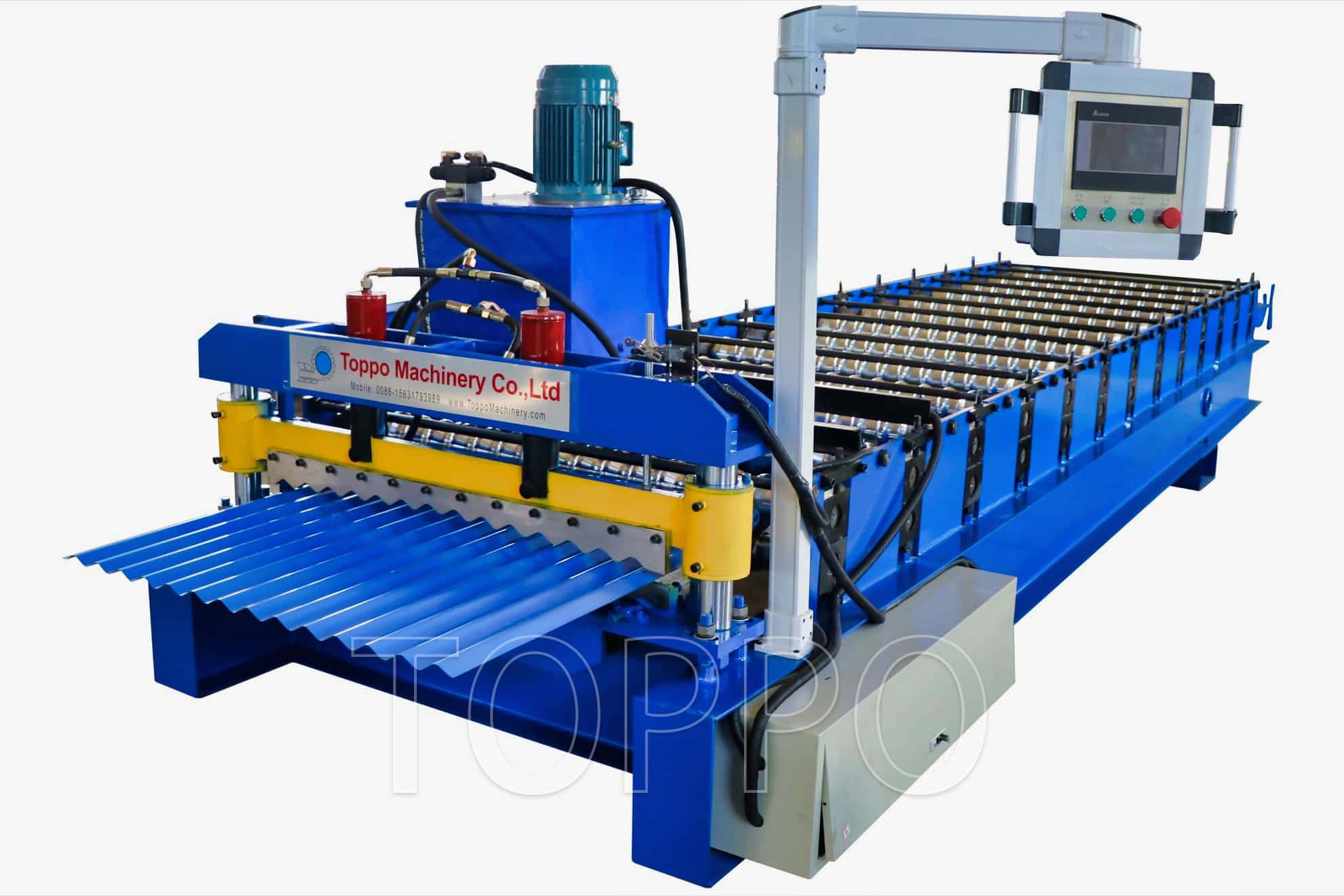
- Corrugated Machine
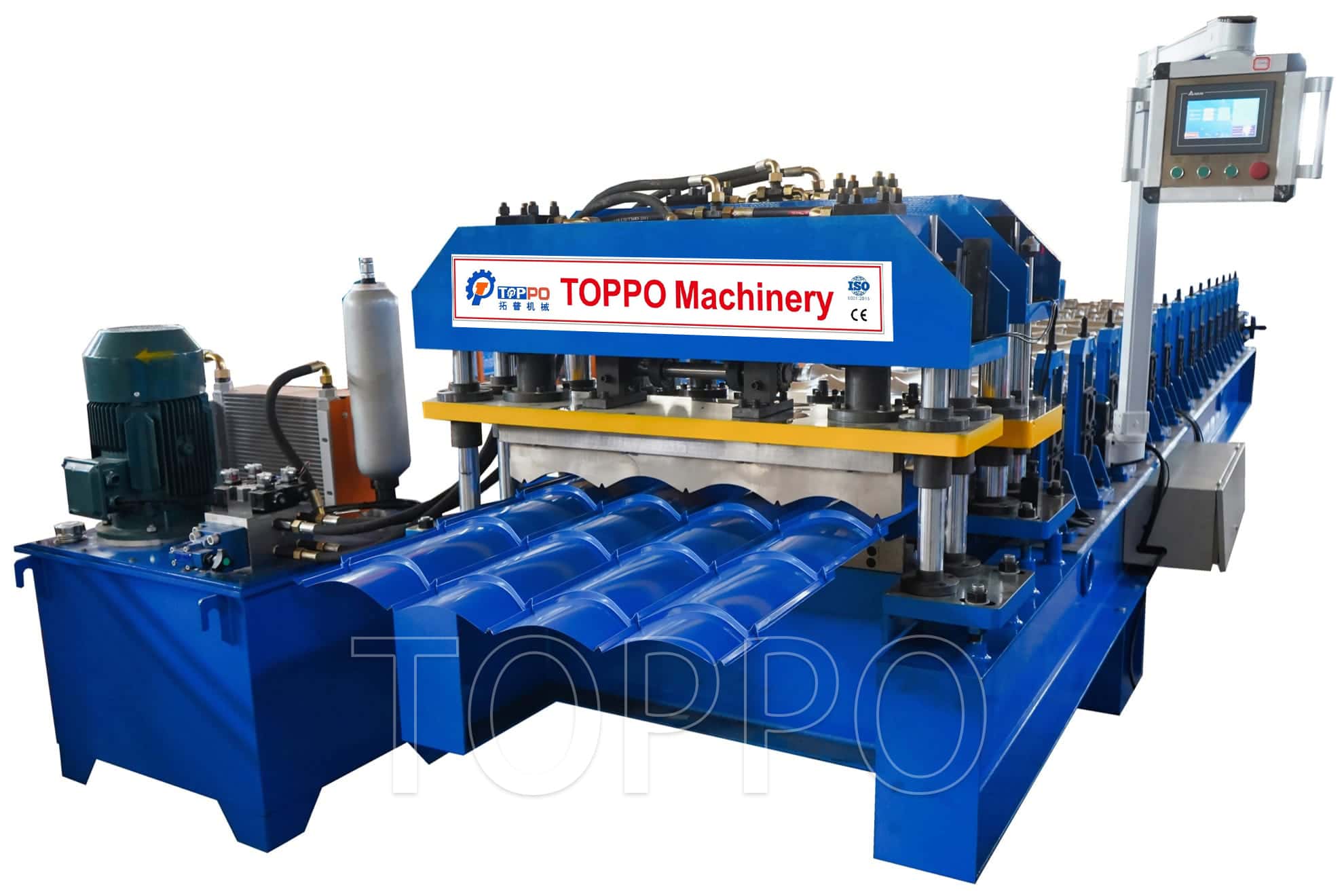
- Glazed Tile Machine
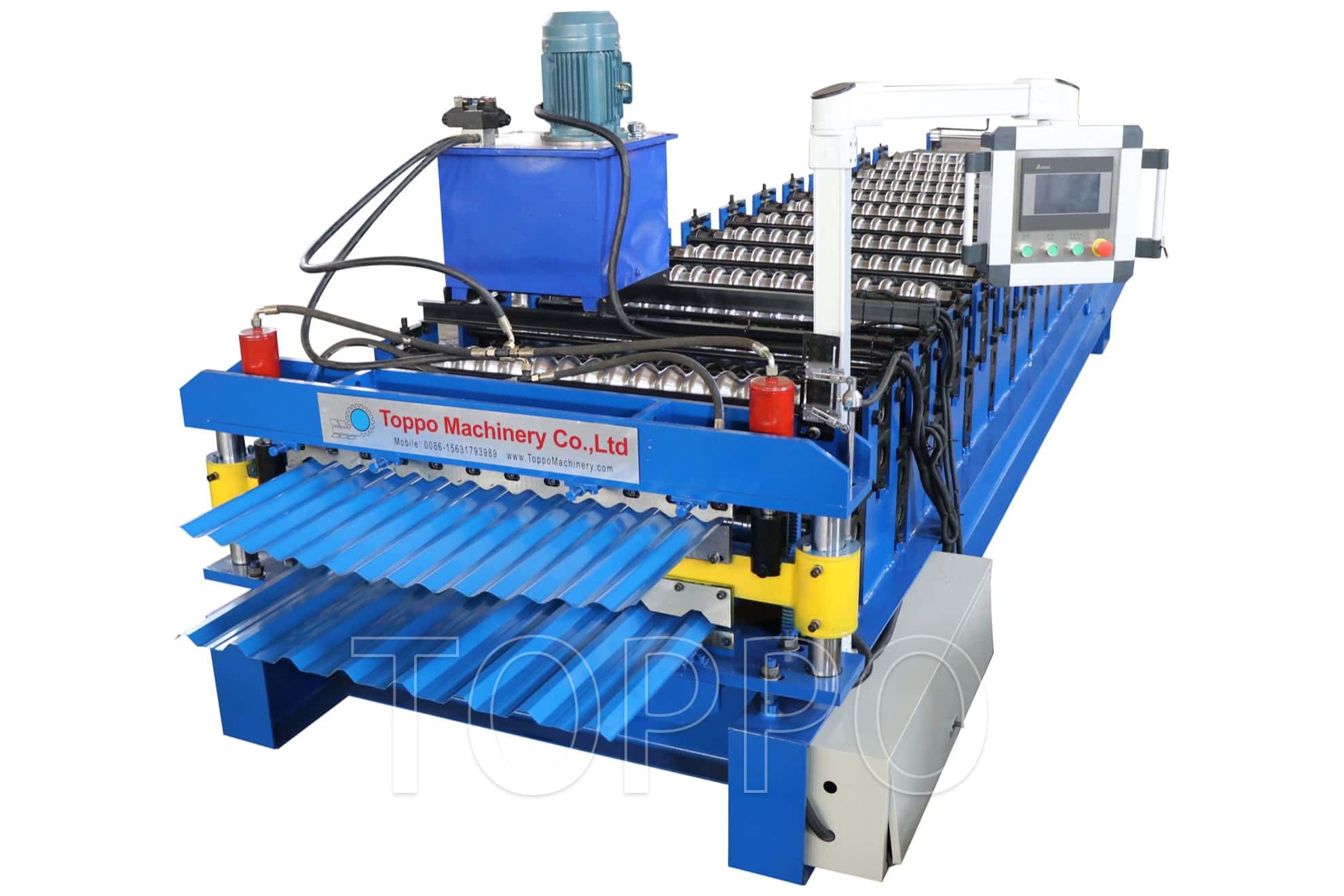
- Double Layer Machine
- CZU Purlin Machine
- Ridge Cap Machine
- Floor Decking Machine
- Rolling Door Machine
- Fence Machine
- Embossing Machine
- Standing Seam Machine
- Cut To Length And Slitting Line
- Guard Rail Machine
- Decoiler And Stacker
- Stud And Track Machine
- Gutter And DownPipe
- Curving Machine
- Cladding Panel Machine
- Corollary Equipment


How Roofing Sheet Distributors Can Evaluate a Roll Forming Investment Without Underestimating Production Risk
Roofing sheet distributors often reach a point where trading alone starts to feel limiting. Delivery delays from outside suppliers, inconsistent lengths, changing customer specifications, and price pressure can all make in-house production look attractive. On the surface, purchasing a roofing sheet making machine appears to offer a direct route to stronger margins and better service. But the real decision is more demanding. Manufacturing changes the company’s responsibilities completely. Instead of managing inventory and customer relationships alone, the distributor must now control raw materials, machine condition, operator skill, finished quality, maintenance schedules, and production planning at the same time.
That is why a distributor should not judge the investment by machine cost and output speed alone. The more important question is whether the business has the demand stability, technical readiness, and operating discipline required to convert machinery into reliable output. A roofing sheet making machine becomes a profitable tool only when the surrounding system is designed to support it. Otherwise, the machine can become a source of scrap, service failures, and customer complaints.
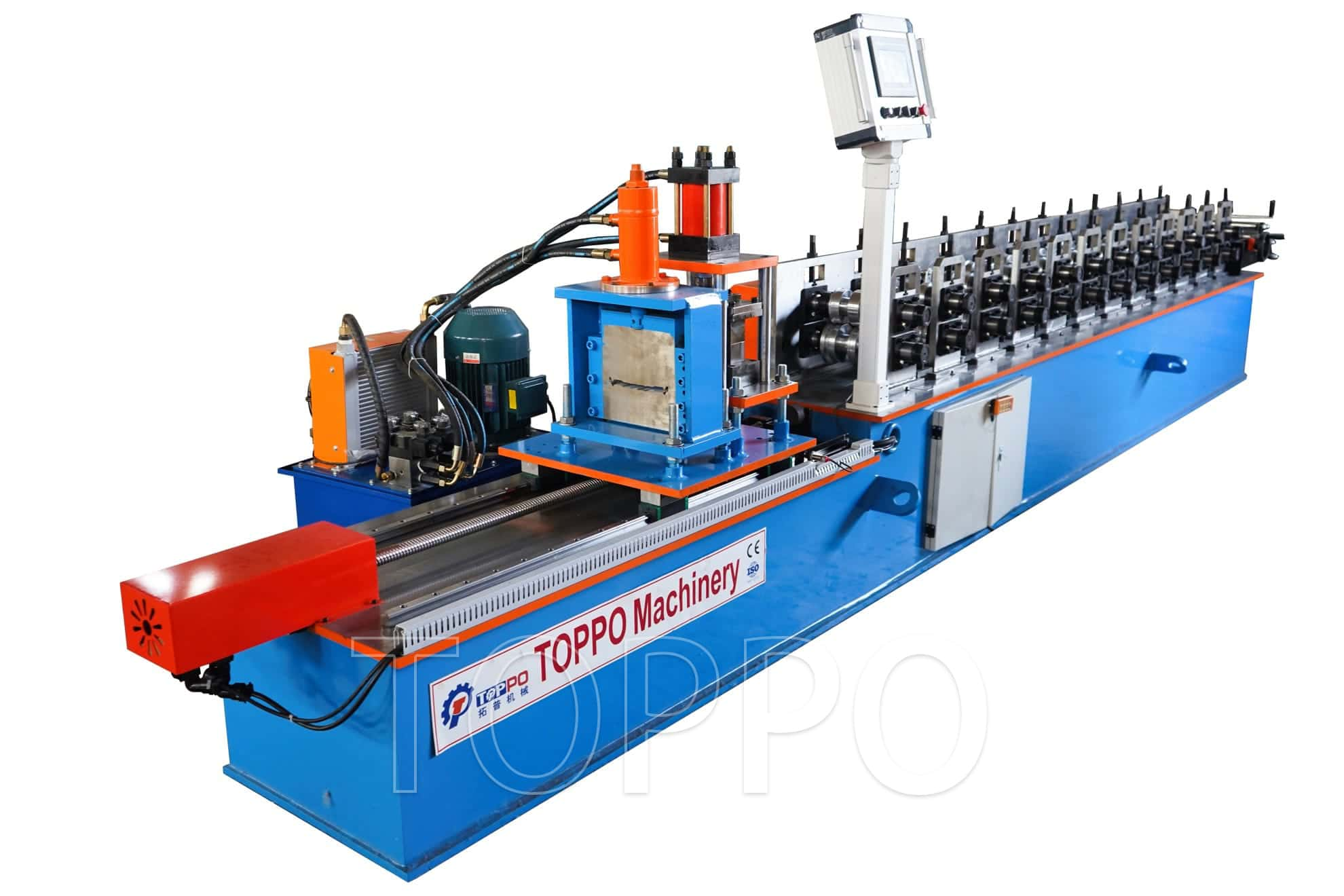
The challenge grows when painted products are part of the plan. A Color Coated sheet machine must preserve coating appearance and corrosion-protection performance while also maintaining profile accuracy. That means production quality is judged in two ways: the panel must be dimensionally correct and visually acceptable. A PrePainted Color Coated Sheet metal cold roofing sheet making machine therefore requires more than forming power. It requires controlled guiding, high-quality roller surfaces, clean contact points, and disciplined handling from entry to discharge.
Step 1: Compare outsourcing economics with in-house production economics
The first step is to build a true cost comparison. Many distributors assume manufacturing will automatically improve profit because they can avoid third-party margin. In practice, internal production adds labor, utilities, machine depreciation, spare parts, hydraulic oil, packaging labor, coil inventory, quality losses, and downtime risk. The right analysis should compare current outsourced supply costs with realistic internal cost per meter or per ton.
This model should also include utilization assumptions. A roofing sheet making machine may look economical at high throughput but much less attractive if weekly volume is inconsistent. Distributors should calculate best-case, normal-case, and weak-demand scenarios before committing. A strong investment decision is based on sustainable operating conditions, not optimistic projections.
Step 2: Understand product mix and technical complexity
Not every roofing distributor sells a simple standard profile. Some markets demand multiple widths, thicknesses, coating systems, or length variations. Others require excellent visual finish because panels are installed in customer-facing environments. These differences matter because the production line must fit the business model. A Color Coated sheet machine designed for stable coated-sheet handling may be essential if the distributor’s customer base expects premium painted products. On the other hand, a basic line chosen only for low purchase price may create costly appearance defects that erase the expected savings.
Material trials are critical at this stage. A PrePainted Color Coated Sheet metal cold roofing sheet making machine should be validated using the same or similar coils that the distributor plans to source regularly. The line must prove it can handle actual substrate hardness, coating thickness, and strip condition without causing scratches or profile instability.
Step 3: Prepare the site and workflow before delivery
Equipment cannot be evaluated in isolation from the working environment. The distributor should map the whole process from coil unloading to finished bundle shipment. That includes warehouse space, coil storage rules, crane or forklift access, decoiler loading safety, scrap collection, finished panel stacking, and packaging flow. If the physical layout is poor, even a good line will suffer from delays, handling damage, and avoidable safety risks.
The business should also define how orders will be scheduled. Will the line run stock production for common lengths, or will it operate as a custom-make service center? That decision affects batching, setup frequency, manpower planning, and how the roofing sheet making machine contributes to customer service performance.
Step 4: Build capability through training and commissioning
One of the most important implementation steps is structured training. Operators should learn how strip centering affects profile symmetry, how roller contamination can mark the sheet, how blade wear changes cut quality, and how speed influences output stability. Maintenance personnel should understand lubrication schedules, chain tension, hydraulic inspection, sensor cleaning, encoder checks, and spare-parts planning.
Commissioning should be staged. Start with mechanical alignment and safety validation. Then run low-speed strip feeding, followed by trial production and cut-to-length verification. Measure cover width, pitch, straightness, diagonal accuracy, and cut tolerance. A Color Coated sheet machine should also be judged by surface quality under strong lighting because fine scratches and coating stress lines may not be obvious during casual inspection.
This is also where a PrePainted Color Coated Sheet metal cold roofing sheet making machine must prove that it can preserve finish quality throughout the forming process. If surface damage appears during low-speed trials, the issue should be solved before the line is pushed to higher output.
Step 5: Put operational precautions in place from day one
The first precaution is incoming coil inspection. Thickness variation, edge burrs, camber, poor flatness, and weak coating adhesion can all trigger downstream quality issues. The second precaution is cleaning discipline. Debris on rollers, guides, or stacking areas can quickly damage valuable painted material. The third precaution is parameter recording. Every stable production run should generate a documented recipe covering line speed, guide settings, cut length, and any product-specific corrections.
The fourth precaution is preventive maintenance. A roofing sheet making machine can drift out of tolerance slowly through roller wear, blade dulling, sensor inaccuracy, or hydraulic instability. Without routine inspection, defects may reach the customer before the plant recognizes the problem. The fifth precaution is realistic ramp-up. Distributors new to manufacturing should keep a hybrid supply strategy at the beginning so they can still fulfill urgent customer demand while their in-house process becomes stable.
Why the right distributors can benefit greatly from this move
When planned carefully, a roll forming investment can strengthen a distributor’s market position significantly. A capable roofing sheet making machine can reduce dependence on third-party lead times, support fast customization, and improve consistency for key accounts. A well-designed Color Coated sheet machine can help win customers who care about visual quality as much as price. And a robust PrePainted Color Coated Sheet metal cold roofing sheet making machine can open higher-value opportunities where coated-finish performance is a decisive factor.
The distributors who benefit most are not the ones who buy the fastest line or the cheapest line. They are the ones who understand their market, test real materials, prepare their site, train their people, and build quality control into every stage. In that context, manufacturing is not just an expansion project. It becomes a disciplined competitive upgrade that can create better service, better control, and better long-term resilience.
READ MORE: