Understanding Roofing Profiles Popular in South America
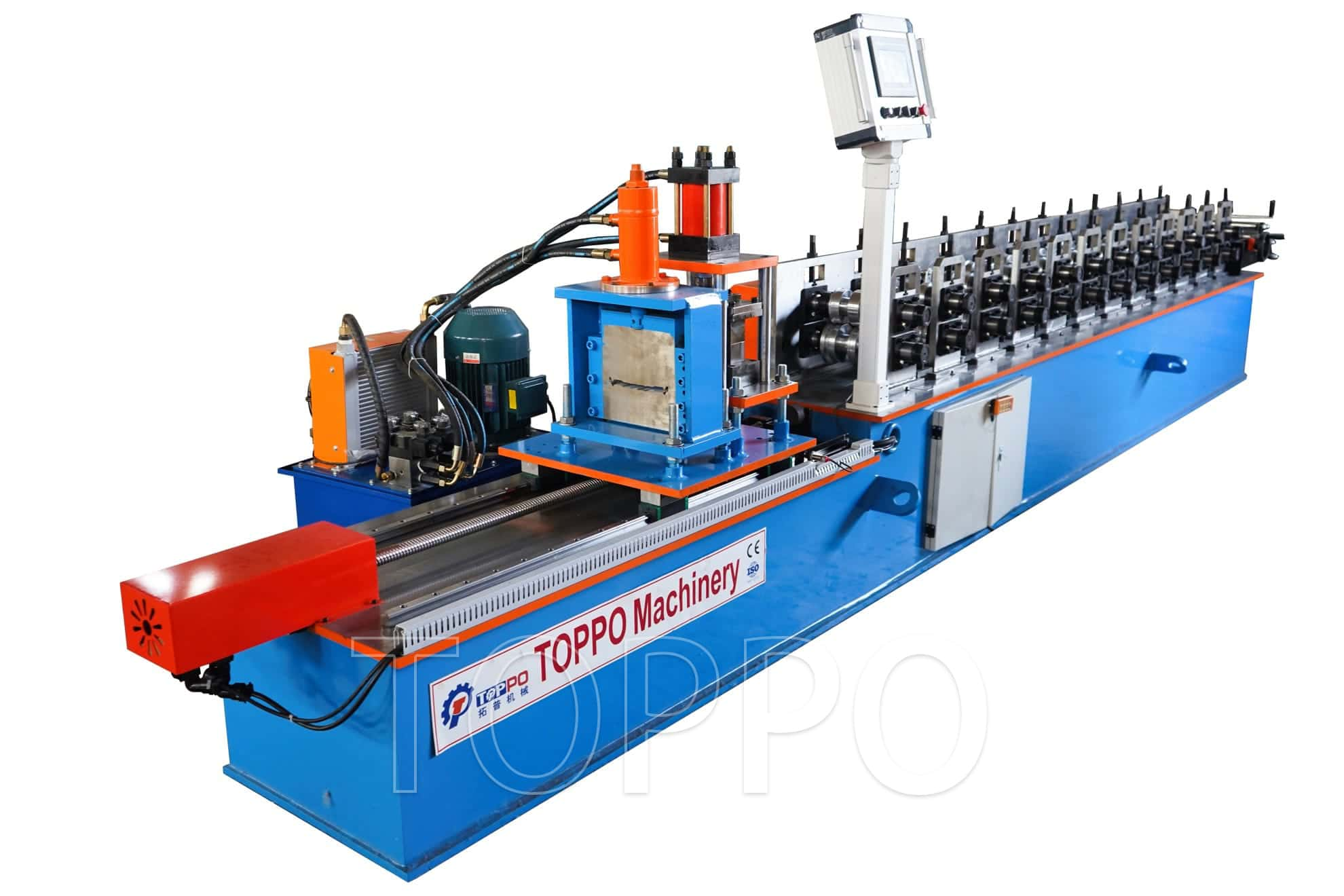
South America is one of the fastest growing construction markets in the world. Countries such as Brazil, Chile, Peru, and Colombia are investing heavily in housing, infrastructure, and industrial development. Roofing materials play a critical role in these projects because roofs must withstand heavy rainfall, strong sunlight, and varying climate conditions. As a result, manufacturers across the region rely on modern production equipment such as the trapezoidal roof tile making machine to produce strong and durable roofing sheets.
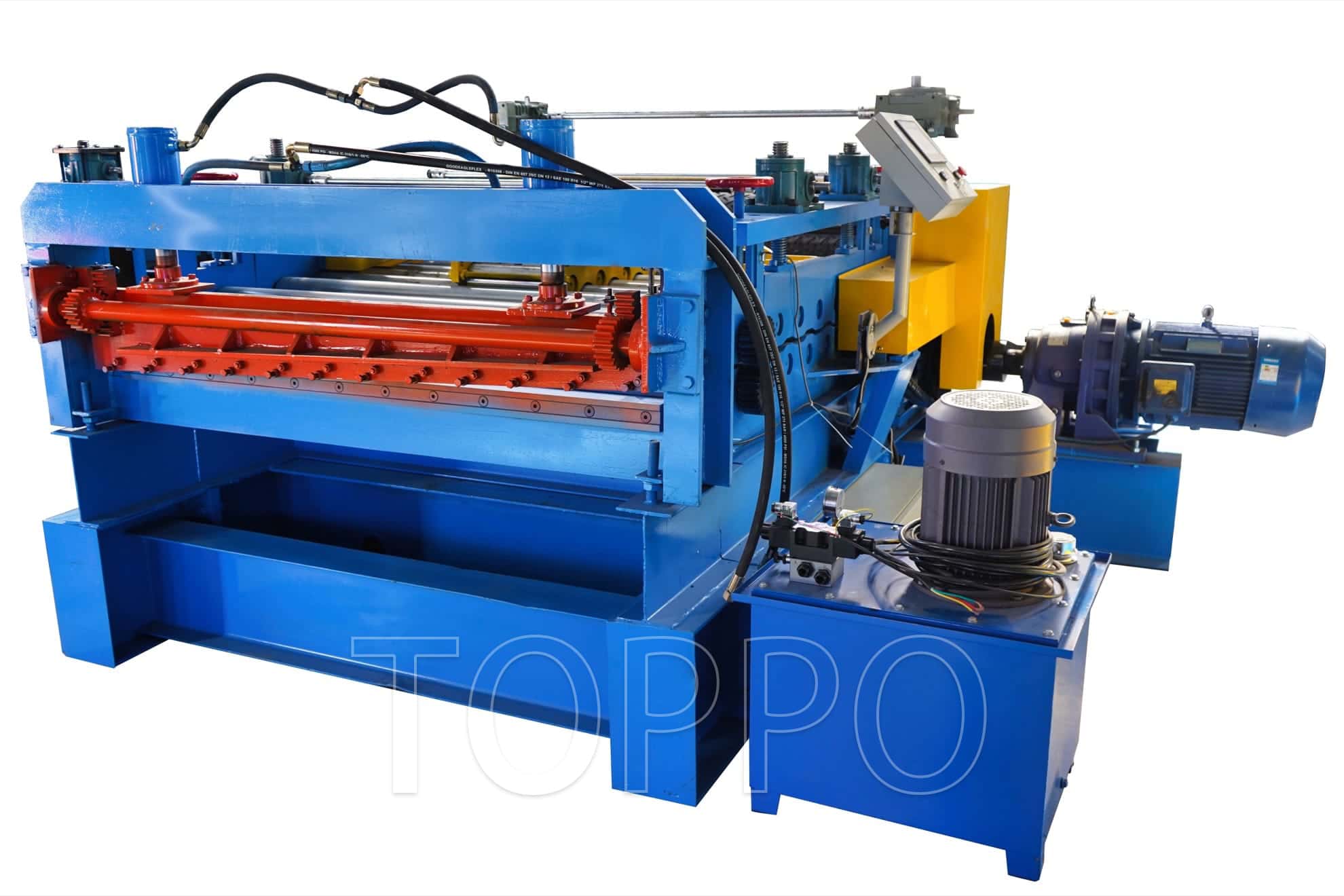
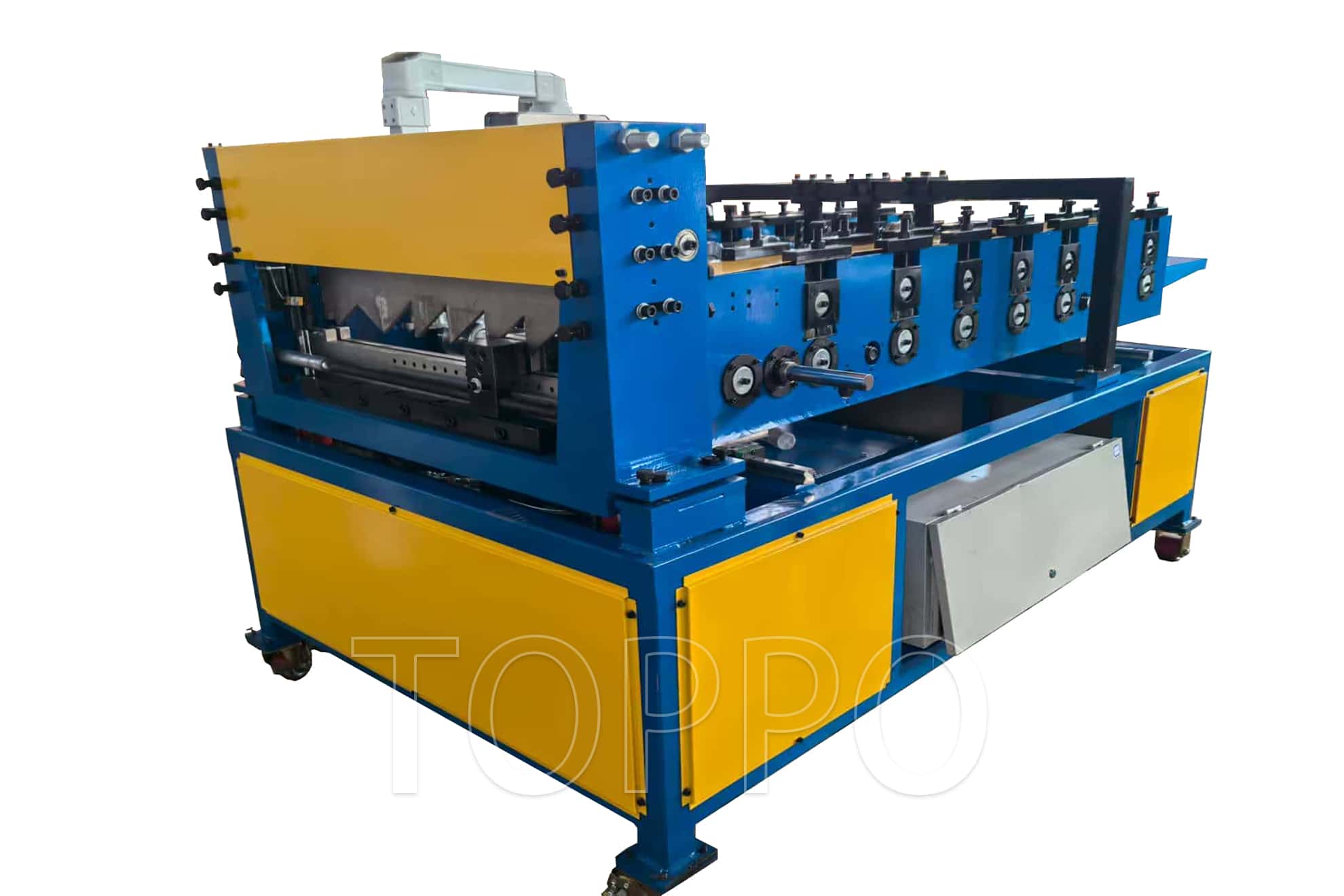
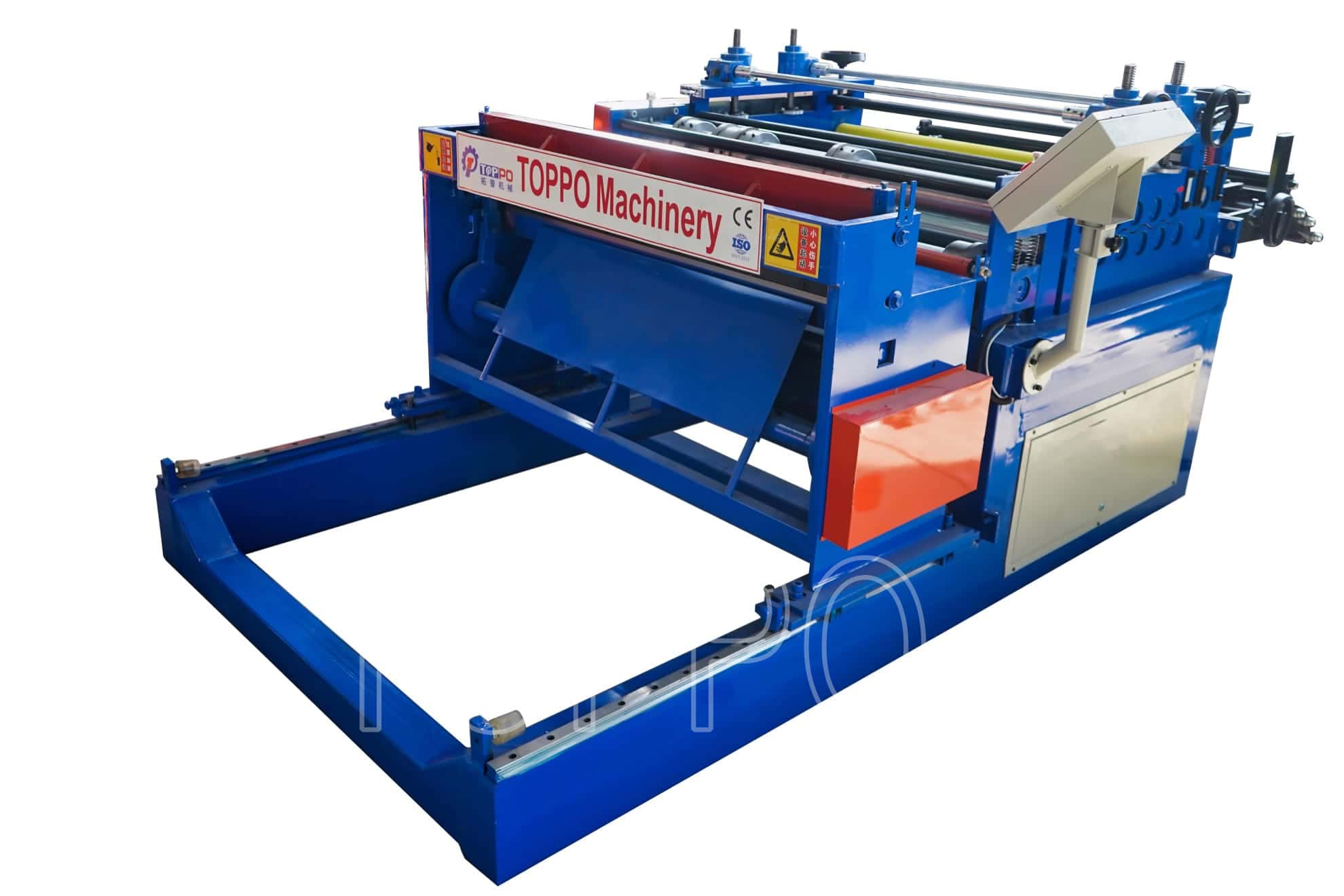
Metal roofing profiles are widely used because they are lightweight, corrosion resistant, and easy to install. With advanced machinery such as a tile roll formingmaking machine, manufacturers can produce roofing panels efficiently while maintaining consistent quality.
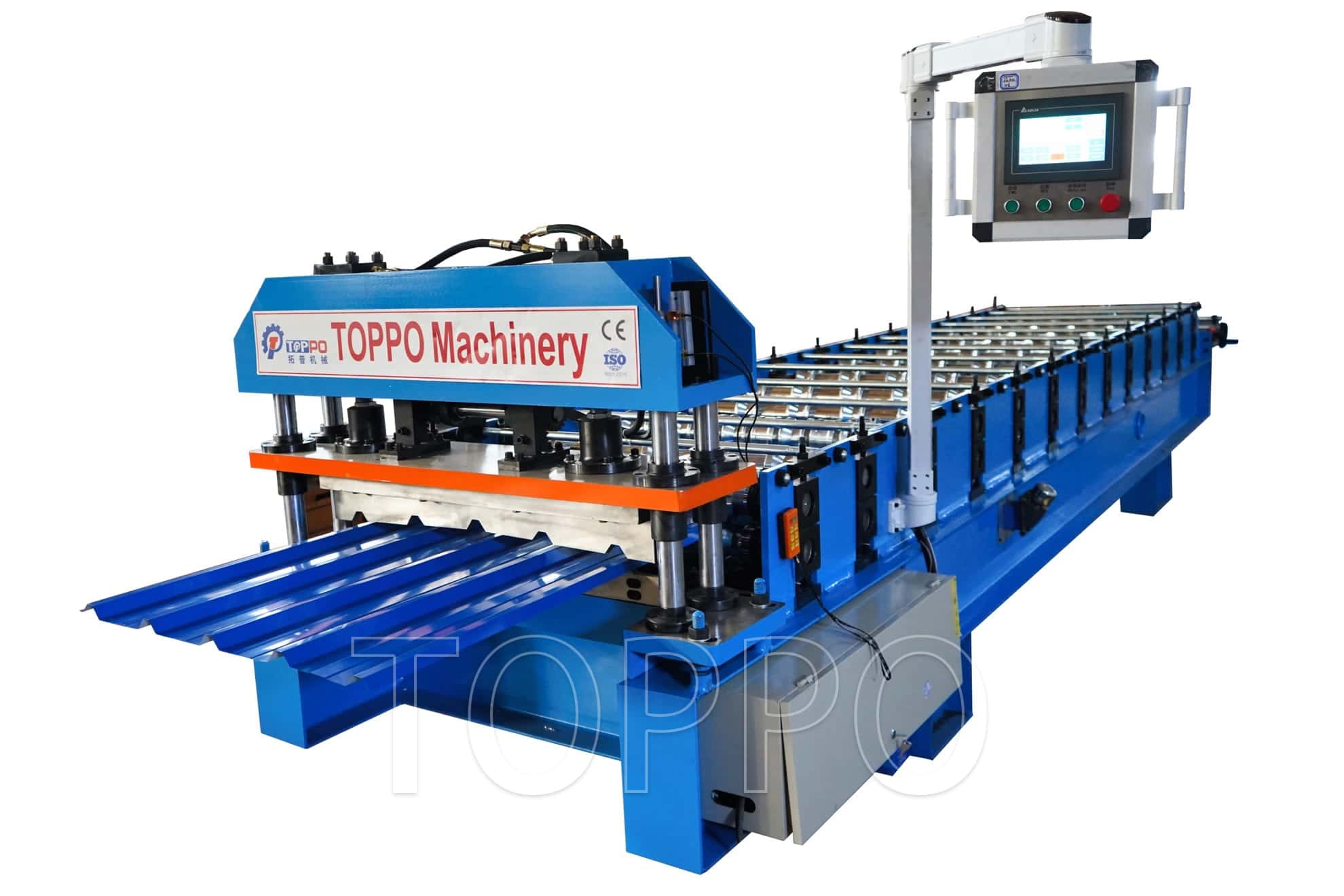
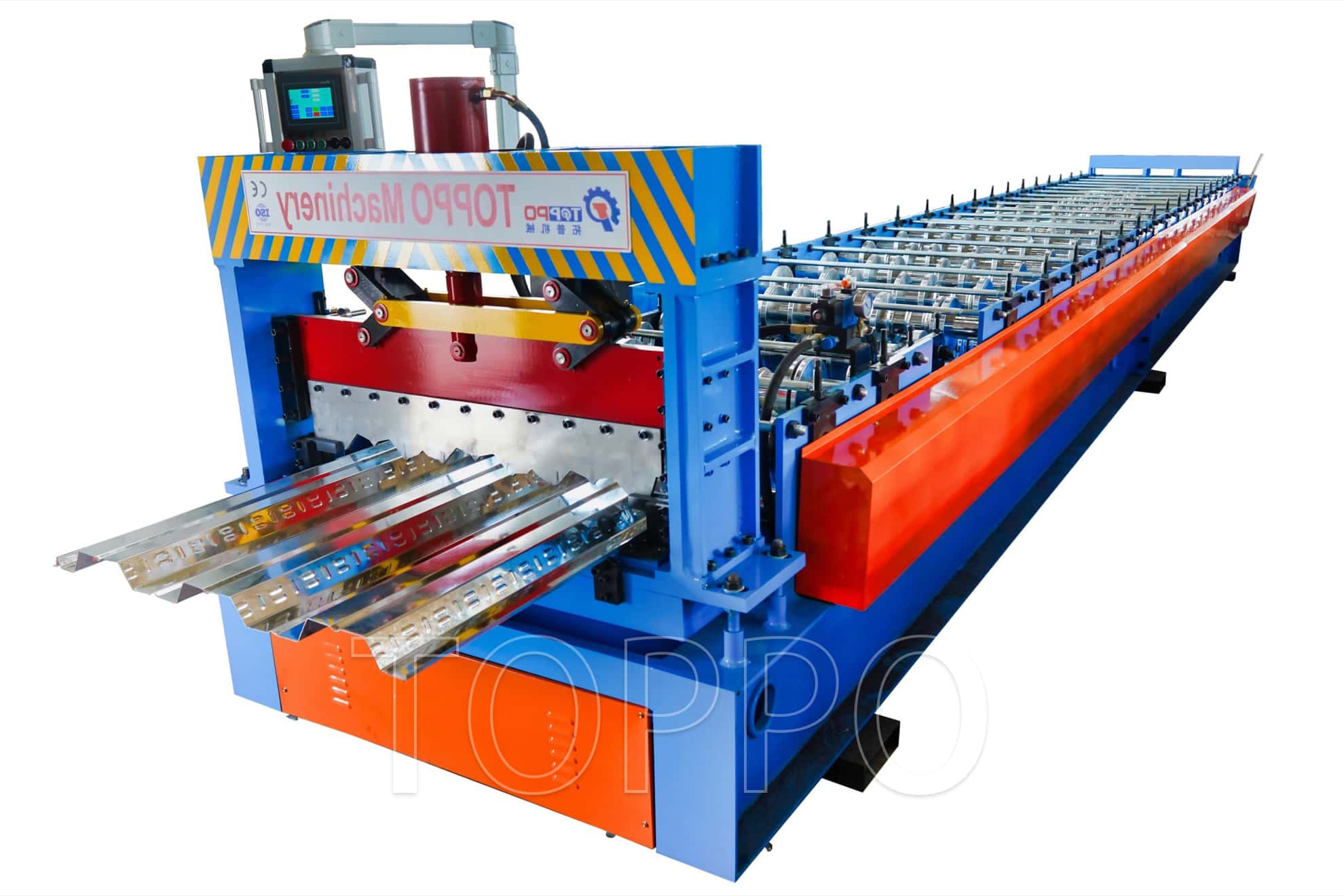
Another essential machine used in roofing production is the trapezoidal roll forming machine, which produces structural roofing sheets commonly used in commercial and industrial buildings.
Corrugated Roofing Profiles
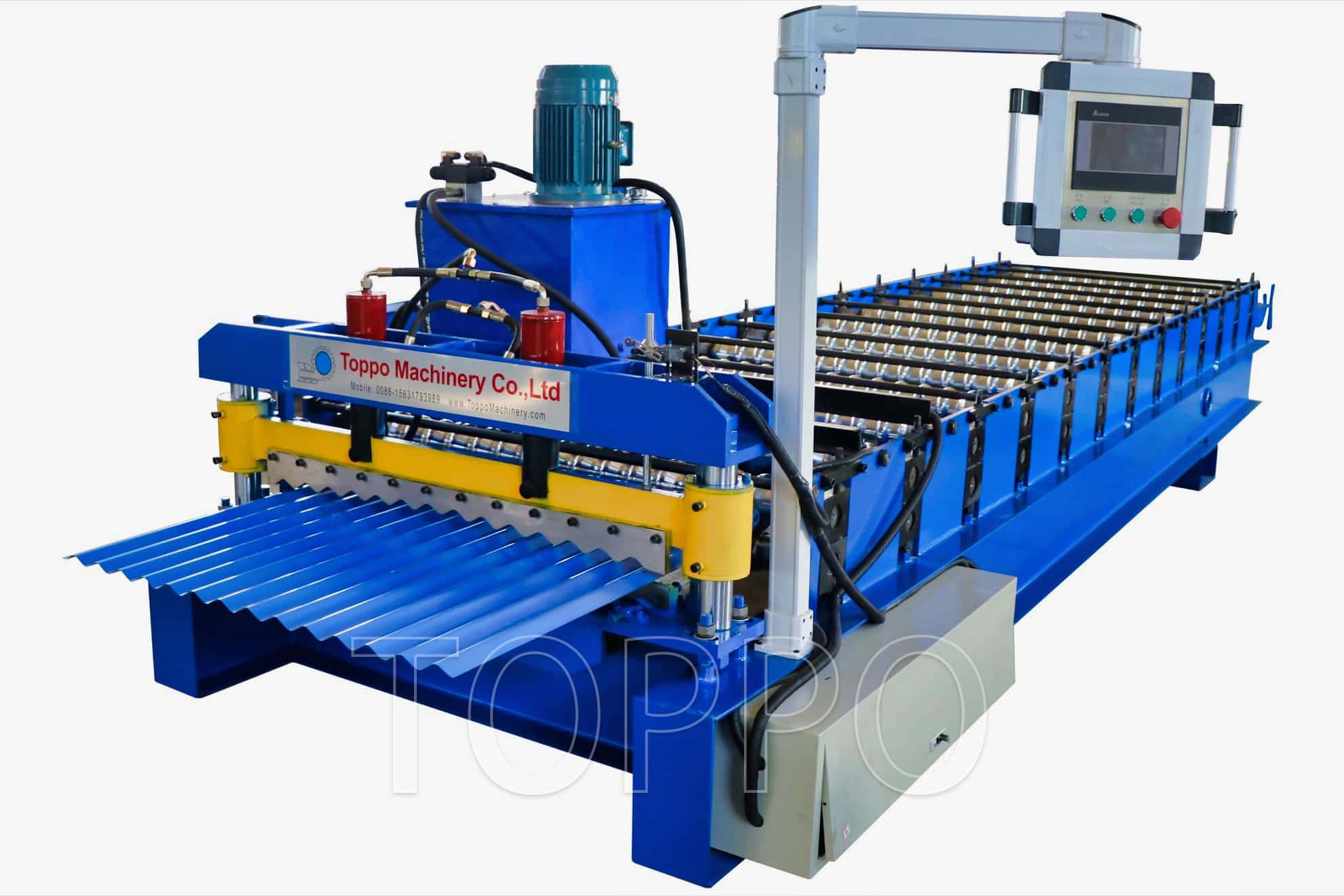
Corrugated roofing sheets are one of the most traditional and widely used roofing materials in South America. Their wave‑like shape provides excellent structural strength while allowing water to flow easily off the roof.
Manufacturers often produce these profiles using a tile roll formingmaking machine because the roll forming process ensures consistent wave patterns and high production efficiency.
Corrugated sheets are commonly used for residential houses, agricultural buildings, and small commercial structures.
Trapezoidal Roofing Profiles
Trapezoidal roofing sheets are extremely popular in modern construction because of their strong load‑bearing capacity. These profiles feature sharp angles and flat surfaces that improve structural performance.
Factories use a trapezoidal roll forming machine to manufacture these roofing sheets from steel coils. The machine gradually shapes the metal through a series of rollers until the final trapezoidal profile is formed.
Many manufacturers also invest in a trapezoidal roof tile making machine to increase production capacity and supply roofing panels for large infrastructure projects.
Tile‑Style Roofing Profiles
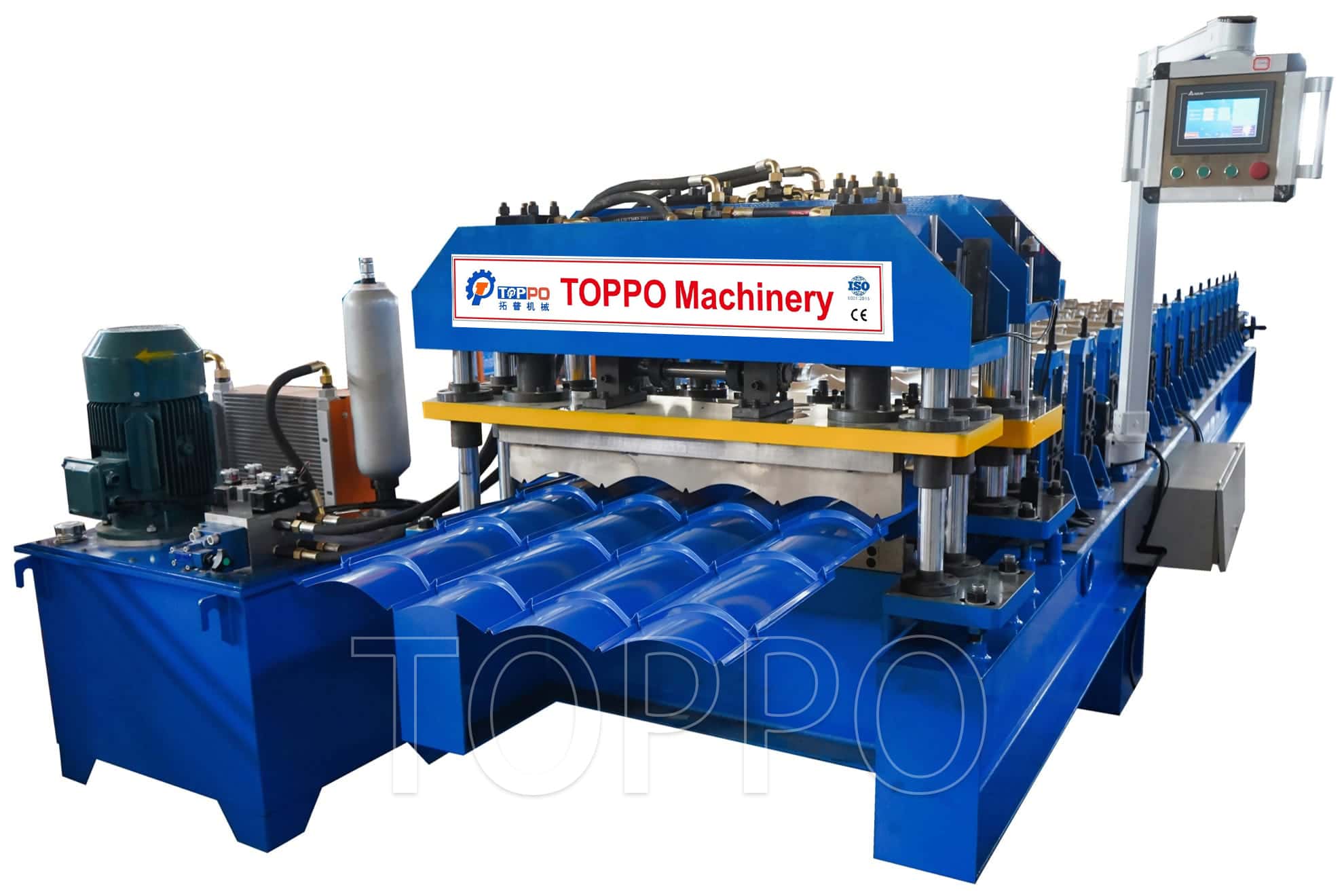
Tile‑style metal roofing sheets are designed to imitate traditional clay roof tiles while offering the durability of metal. These profiles are popular in residential housing across South America.
A modern tile roll formingmaking machine allows manufacturers to produce decorative tile patterns that combine aesthetic appeal with strong structural performance.
Using a tile roll formingmaking machine also improves manufacturing efficiency and reduces material waste.
Industrial Roofing Systems
Industrial buildings such as warehouses and factories require roofing materials that can cover large areas while maintaining structural stability. Trapezoidal roofing panels are commonly used for these applications.
Manufacturers rely on a trapezoidal roll forming machine to produce heavy‑duty roofing sheets that can support large spans.
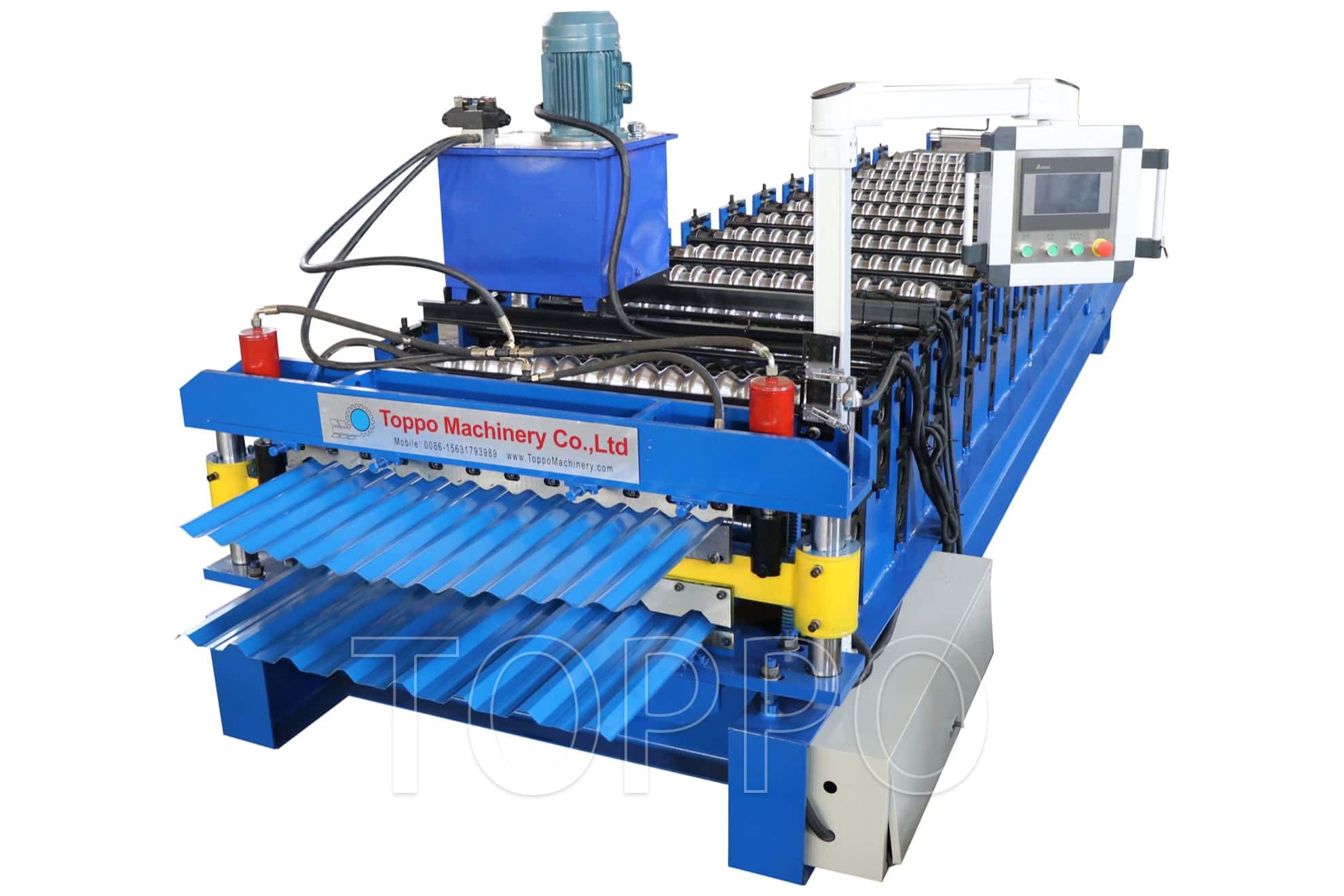
Many factories integrate a trapezoidal roll forming machine with a trapezoidal roof tile making machine to increase production flexibility and serve different construction sectors.
Conclusion
The roofing industry in South America continues to expand as construction demand grows across the region. Different roofing profiles are used for residential, agricultural, and industrial projects, each requiring specialized manufacturing equipment.
By investing in advanced machinery such as the trapezoidal roof tile making machine, the tile roll formingmaking machine, and the trapezoidal roll forming machine, manufacturers can produce high‑quality roofing sheets that meet the needs of modern construction projects.
READ MORE: