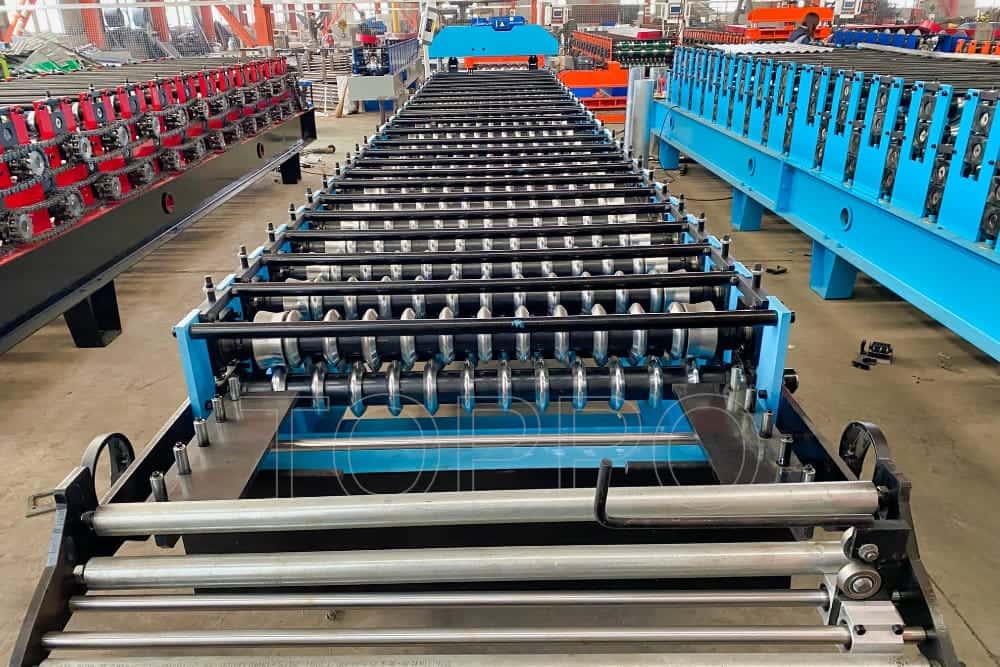
Manual vs. Automatic Roof Roll Forming Machines: A Comprehensive Comparison
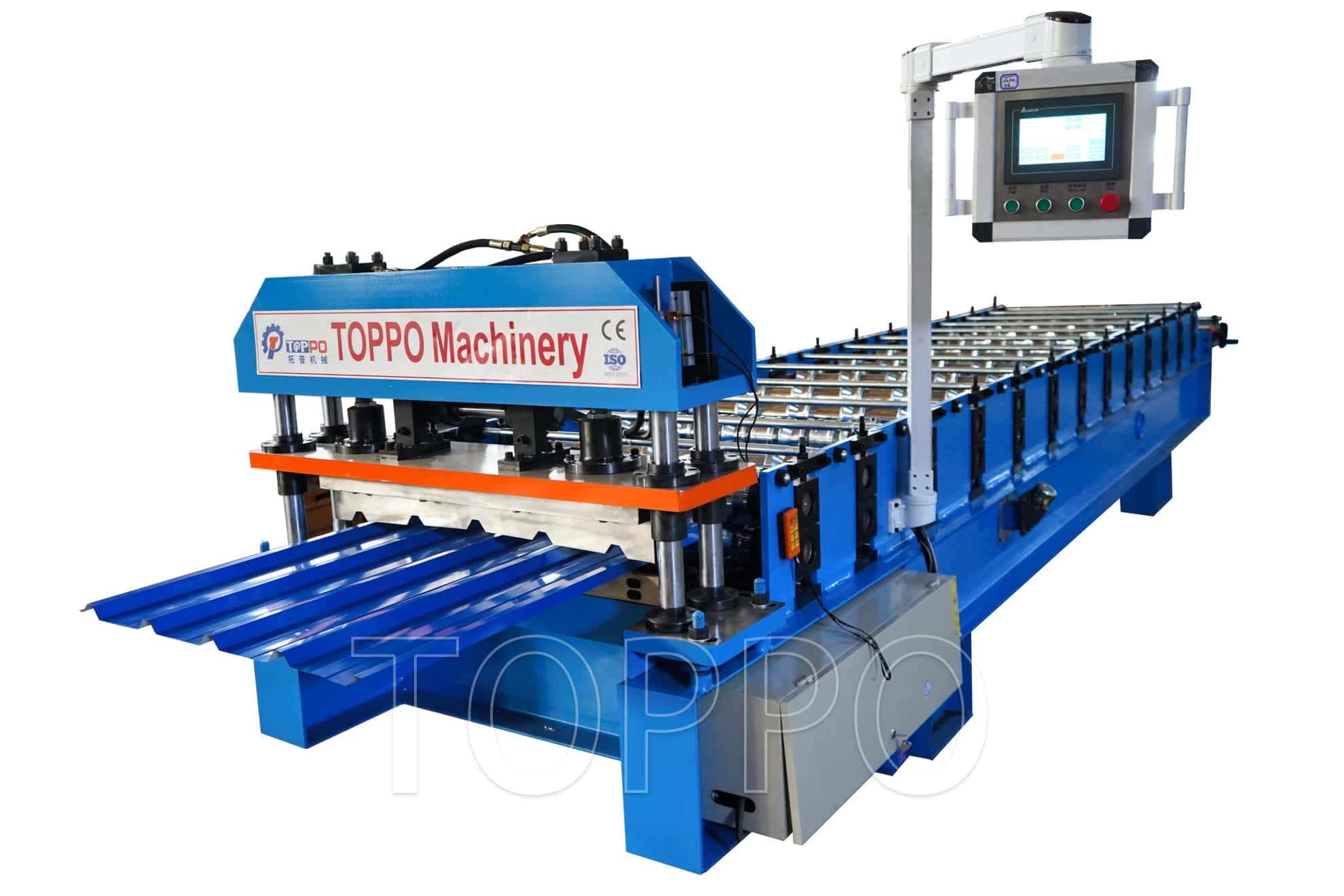
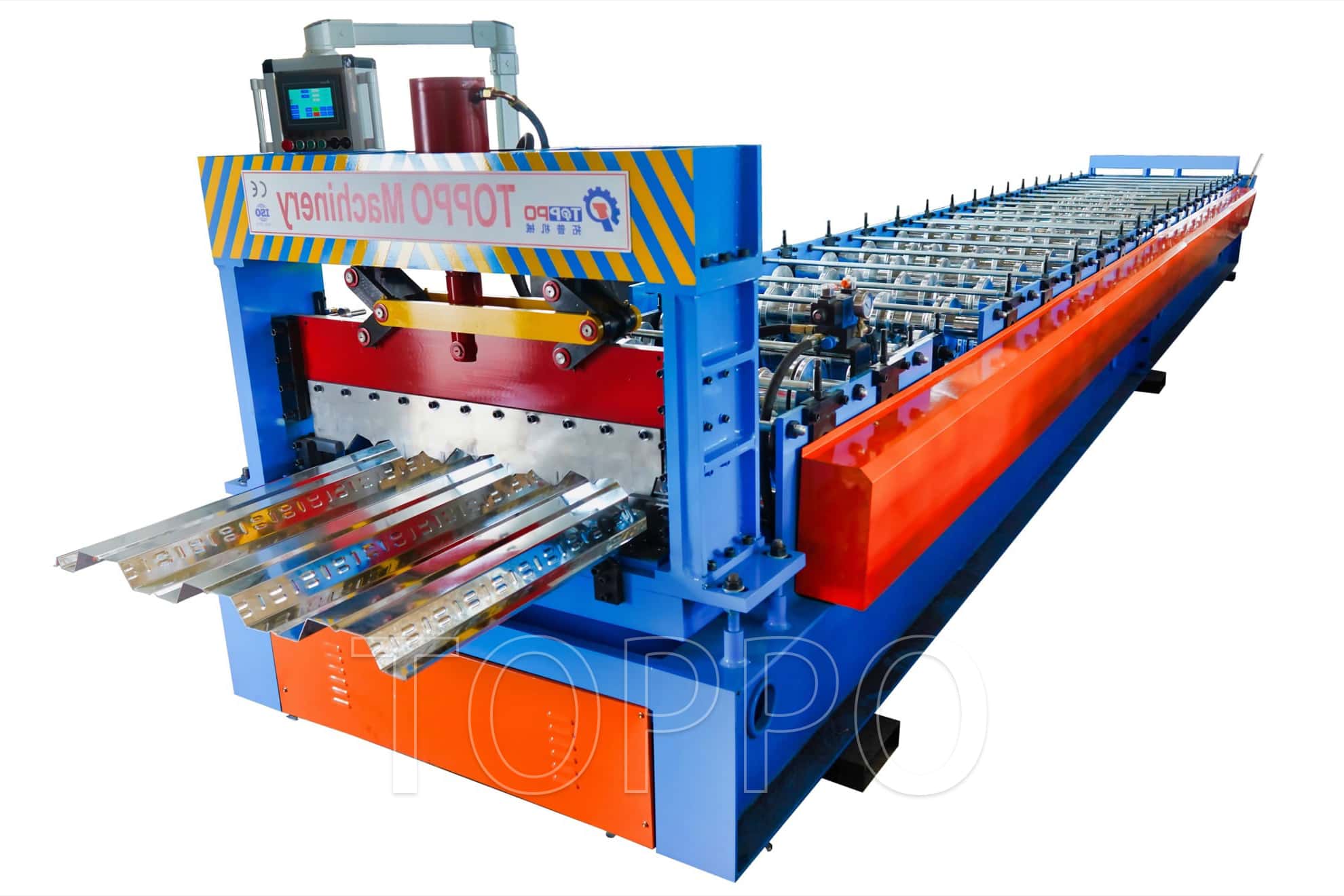
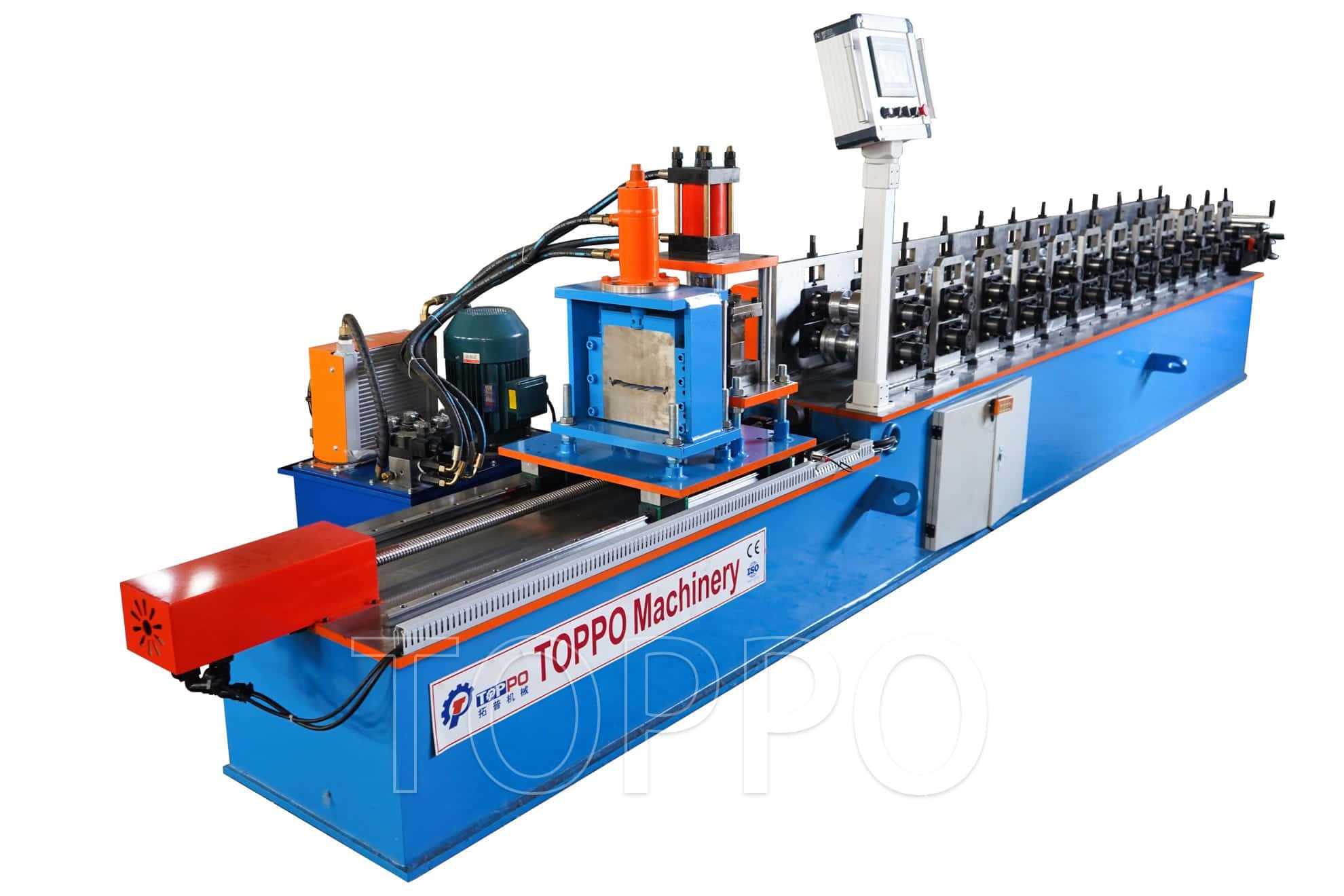
In the construction industry, the type of roofing machine used can have a profound impact on both the efficiency and quality of a project. The Tr4 color steel metal roof trapezoidal roll forming machine has become a favorite among contractors. In this article, we will examine the primary differences between manual and automatic roof roll forming machines, highlighting their respective advantages, common pitfalls, and tips for optimal performance.
1. Level of Automation
The most significant difference between manual and automatic machines is the level of automation. Manual machines require constant input from the operator, who must monitor and adjust settings during the process. In contrast, automatic trapezoidal roll forming machines, such as the Tr4 color steel metal roof trapezoidal roll forming machine, are designed to carry out tasks automatically, requiring minimal human intervention.
2. Production Speed
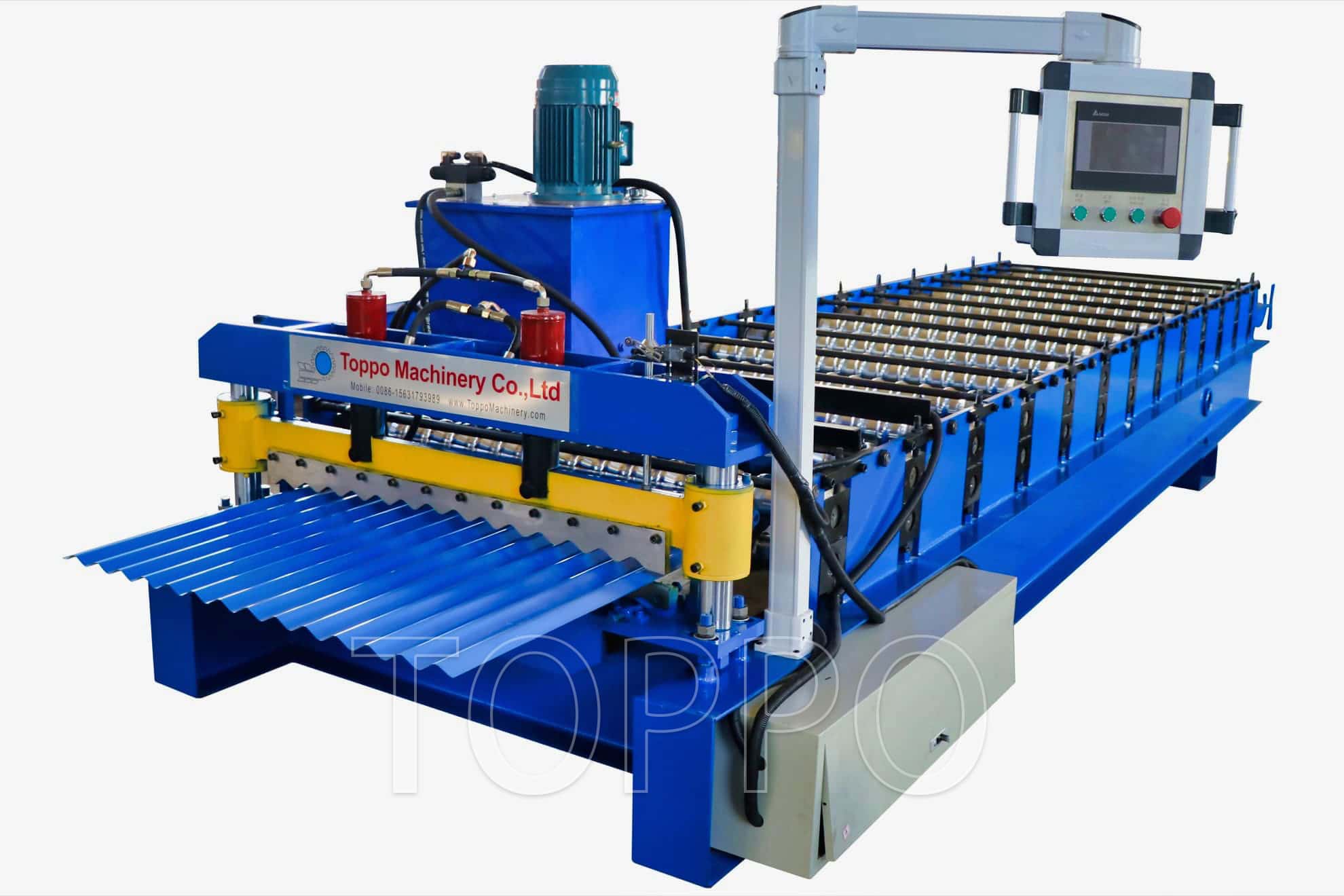
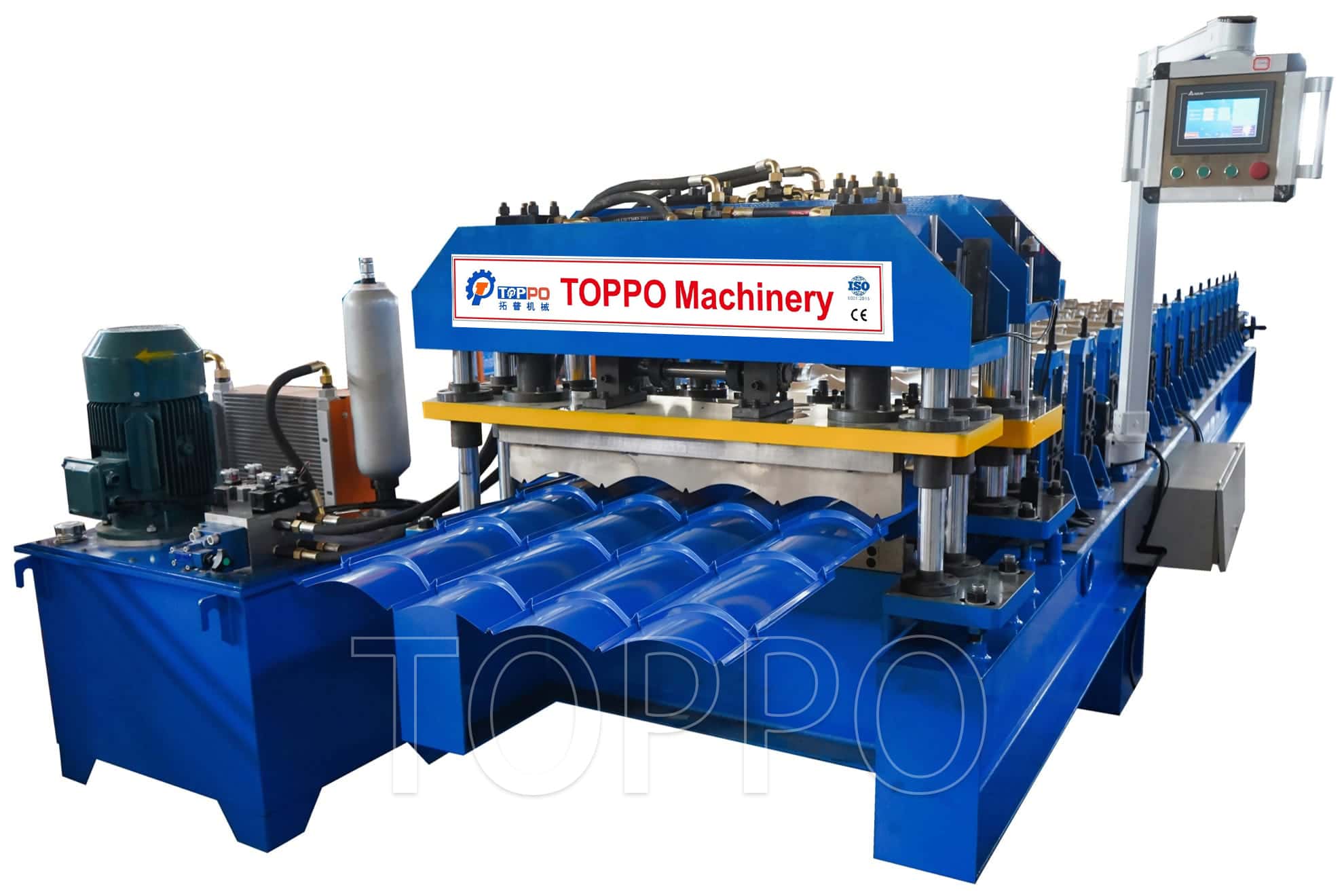
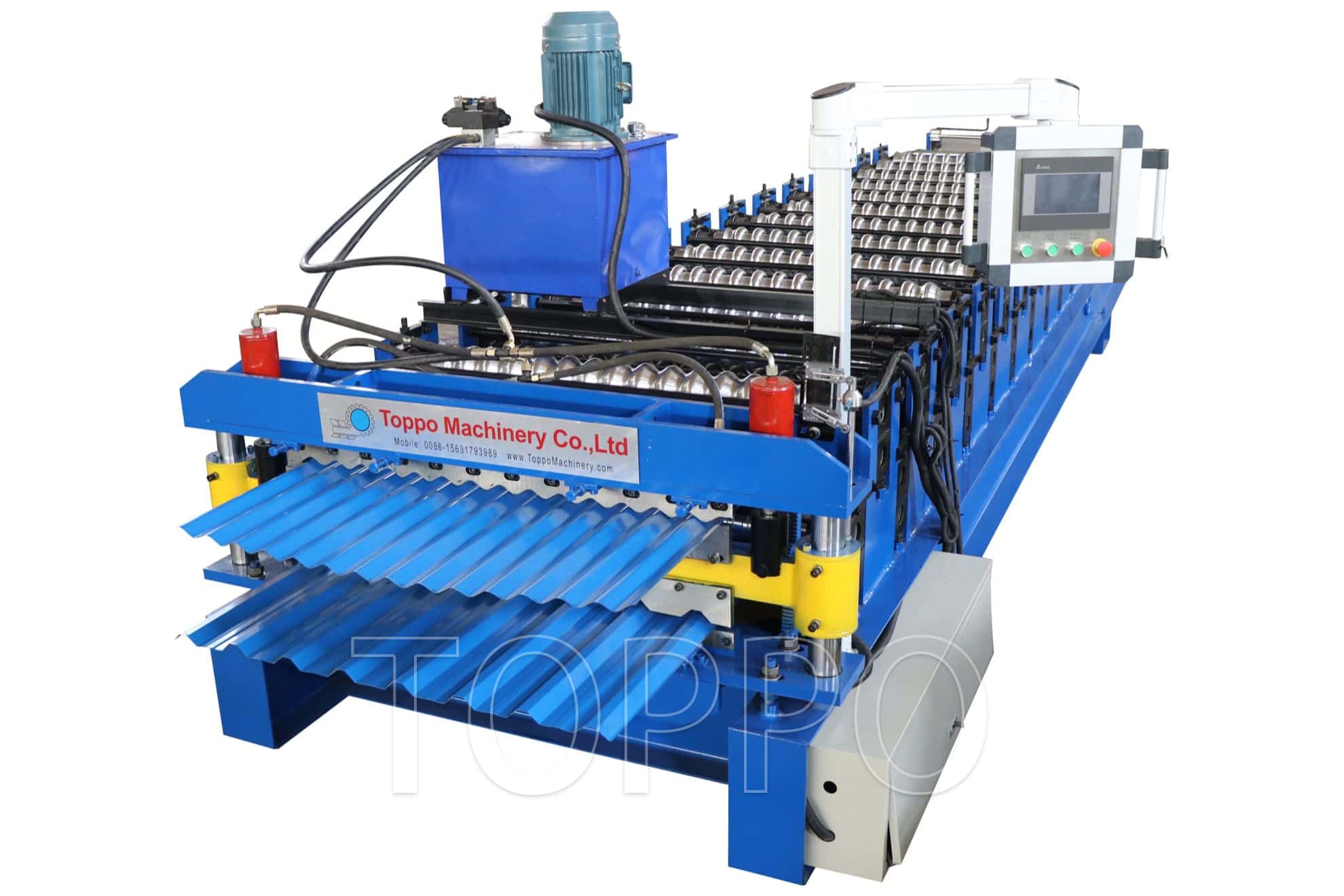
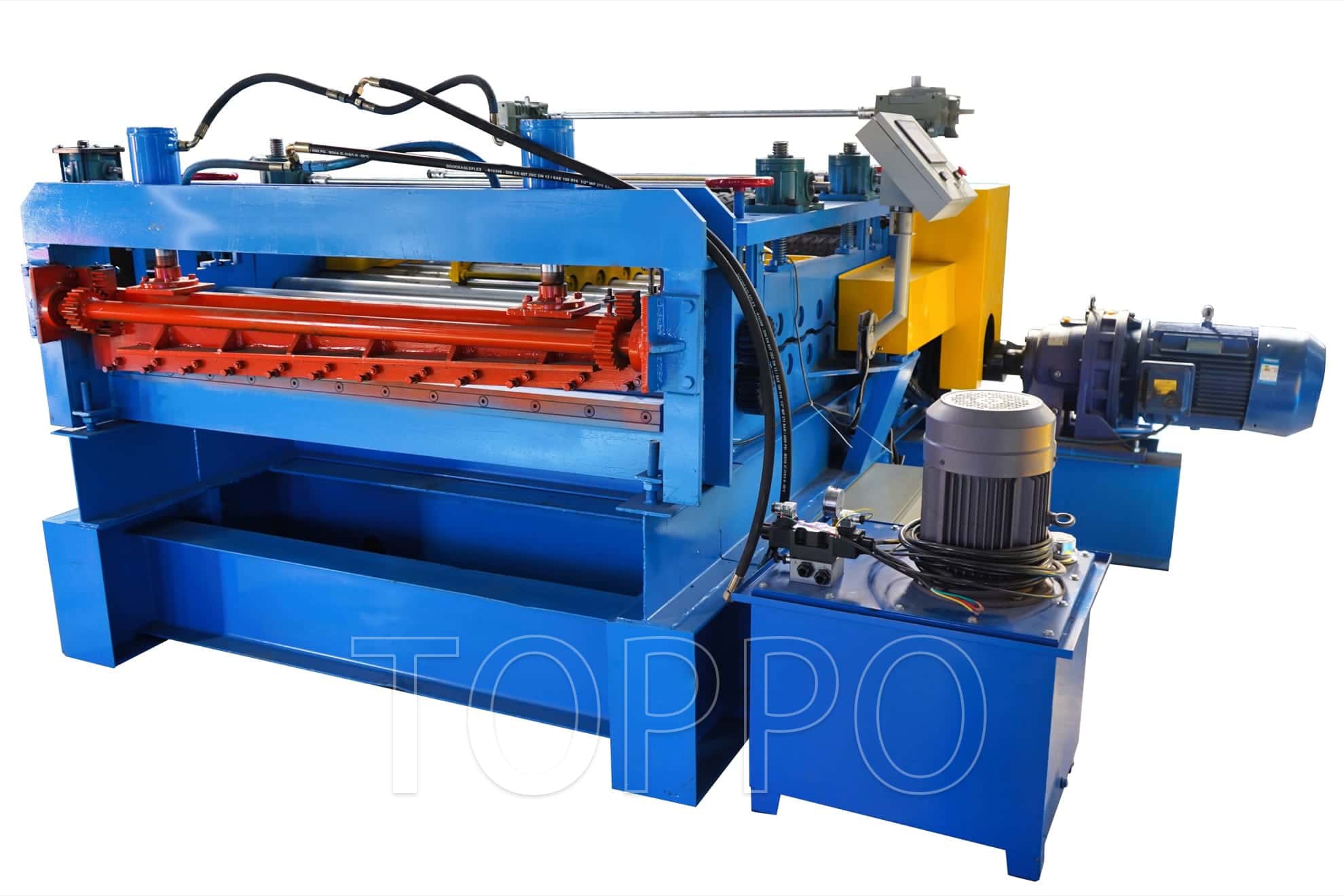
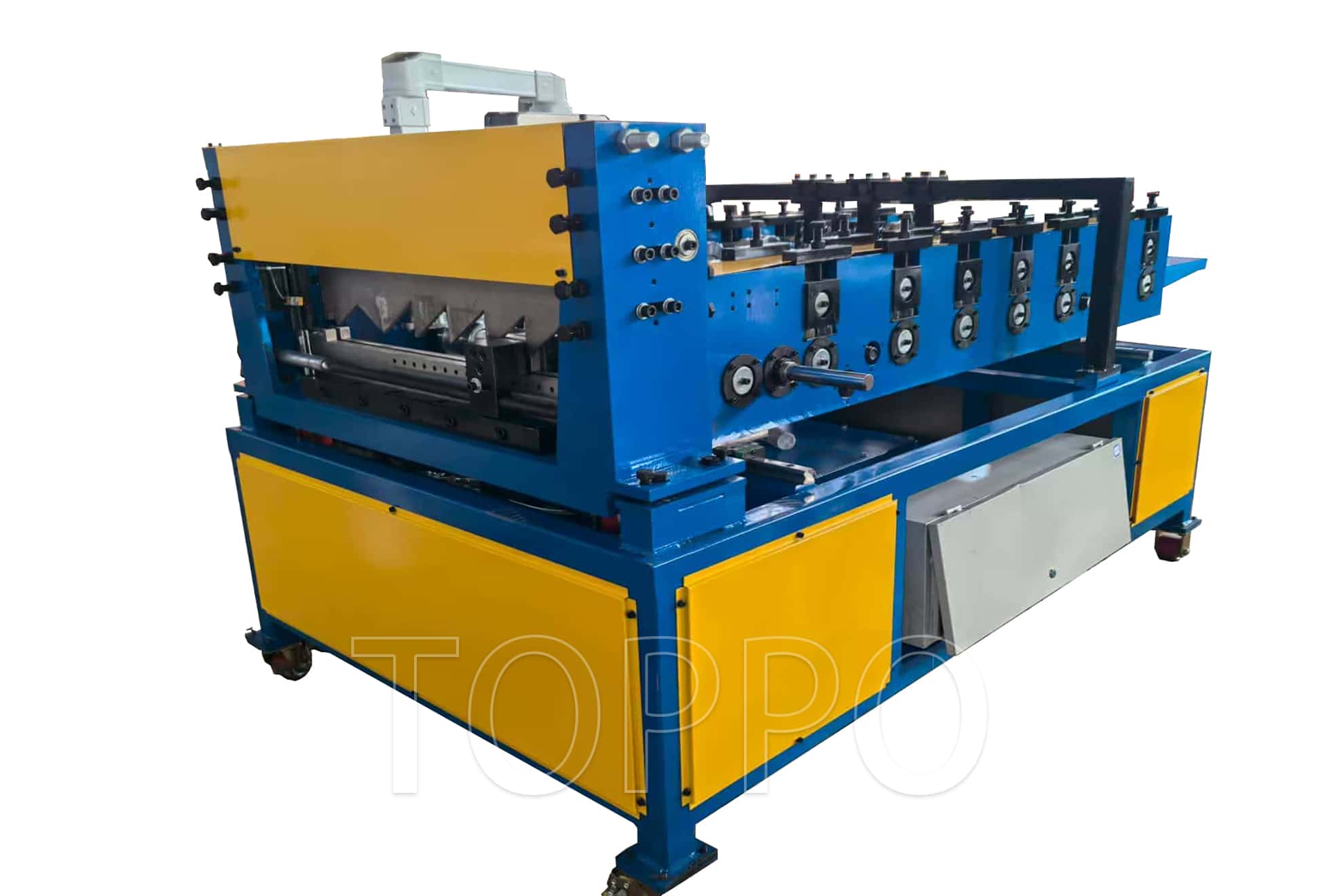
One of the major advantages of automatic machines is their ability to run continuously without needing frequent stops for adjustments. This results in faster production times and more consistent results. A roof panel making machine, for example, can operate at a higher speed, producing more roof panels in less time compared to a manual machine.
3. Accuracy and Quality Control
Automatic machines offer superior precision when compared to manual ones. The Tr4 color steel metal roof trapezoidal roll forming machine ensures uniformity in the roof panels produced, maintaining consistent thickness and alignment. Manual machines, however, often suffer from human errors, resulting in inconsistent panel quality.
Common Errors to Watch Out For
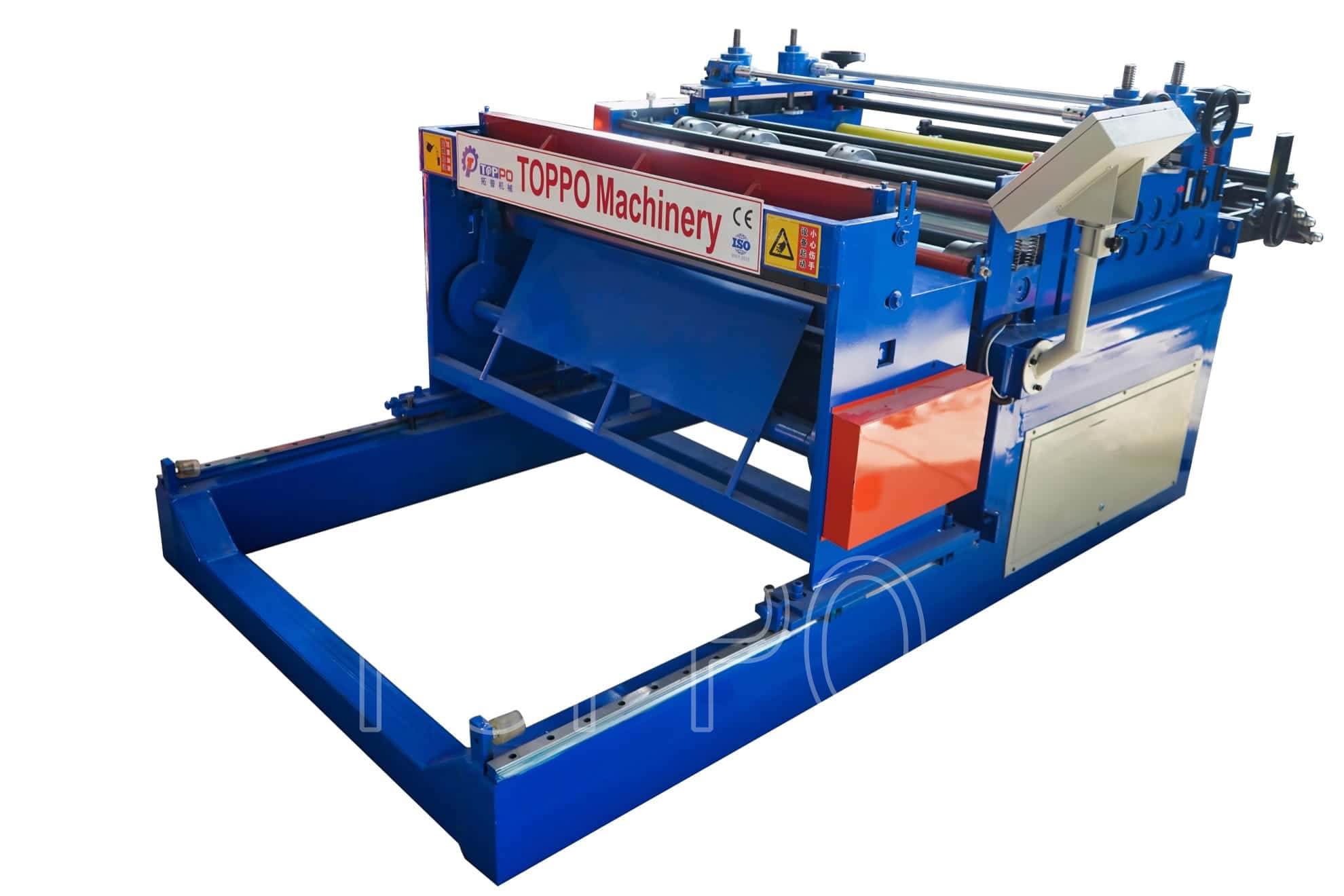
With manual machines, one common error is incorrect material feeding, which can lead to misaligned or poorly shaped roof panels. This can be avoided by carefully feeding materials and double-checking alignment before starting the process. For automatic machines, the main issues typically arise from improper machine calibration or failure to adjust settings for the material being used. Operators should regularly check and recalibrate the machine to avoid defects.
Tips for Successful Machine Operation
To ensure the smooth operation of the roof panel making machine, always keep the equipment clean and well-maintained. Regular maintenance, including lubrication and checking for wear and tear, will help prevent breakdowns. It’s also essential to follow the manufacturer’s guidelines for machine settings and feeding speeds, especially when switching between different types of roofing materials.
Case Study: Transitioning from Manual to Automatic
A roofing company recently upgraded from a manual to an automatic trapezoidal roll forming machine. The transition resulted in significant improvements in production efficiency. The new machine produced roof panels faster, with greater precision and fewer errors. As a result, the company was able to take on more projects and deliver higher-quality results in less time.
Conclusion
While both manual and automatic roof roll forming machines have their places in roofing operations, automatic machines, such as the Tr4 color steel metal roof trapezoidal roll forming machine, offer a clear advantage when it comes to speed, consistency, and efficiency. Understanding the key differences and how to avoid common mistakes can help operators maximize the potential of their roof panel making machine and improve overall production quality.
READ MORE: