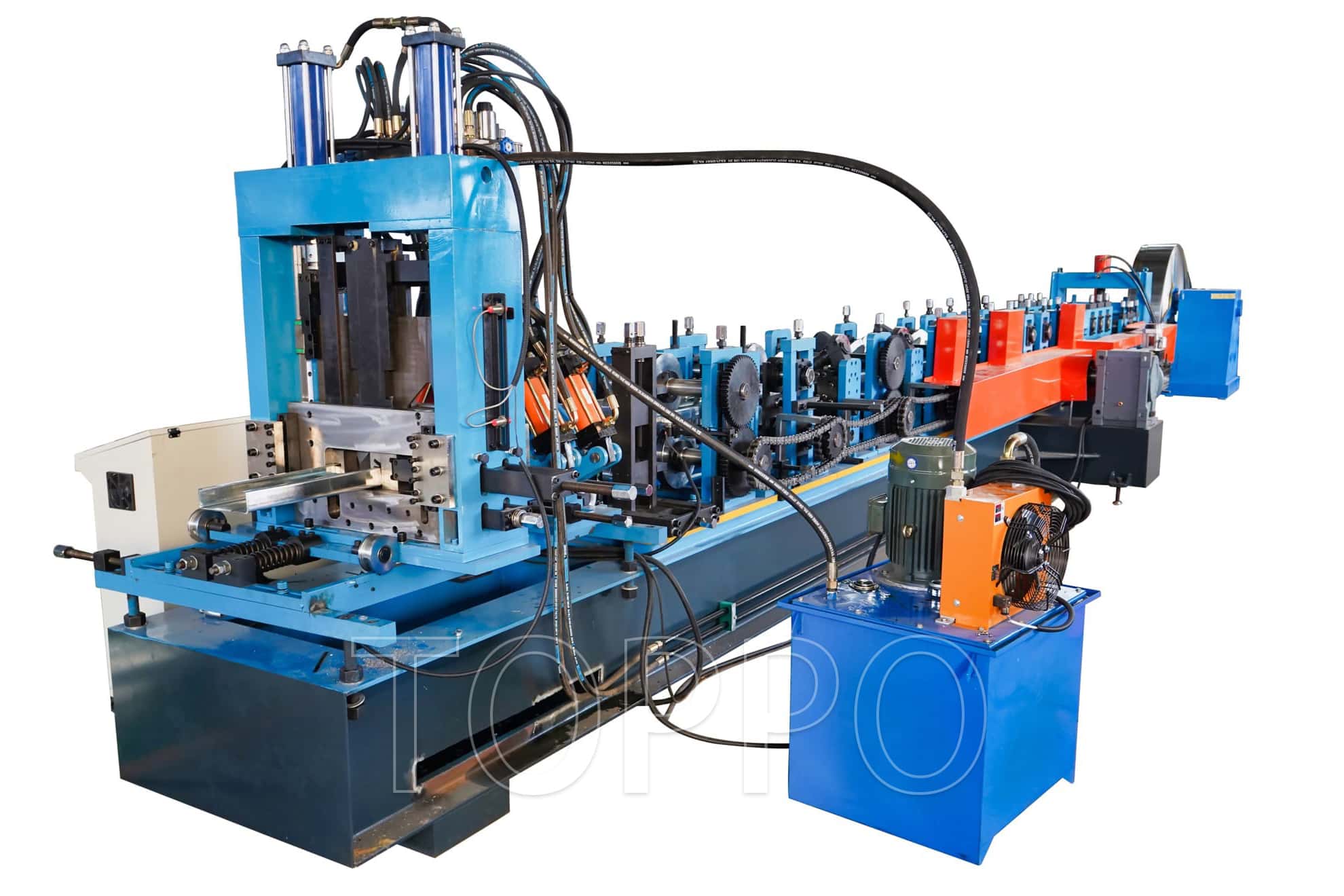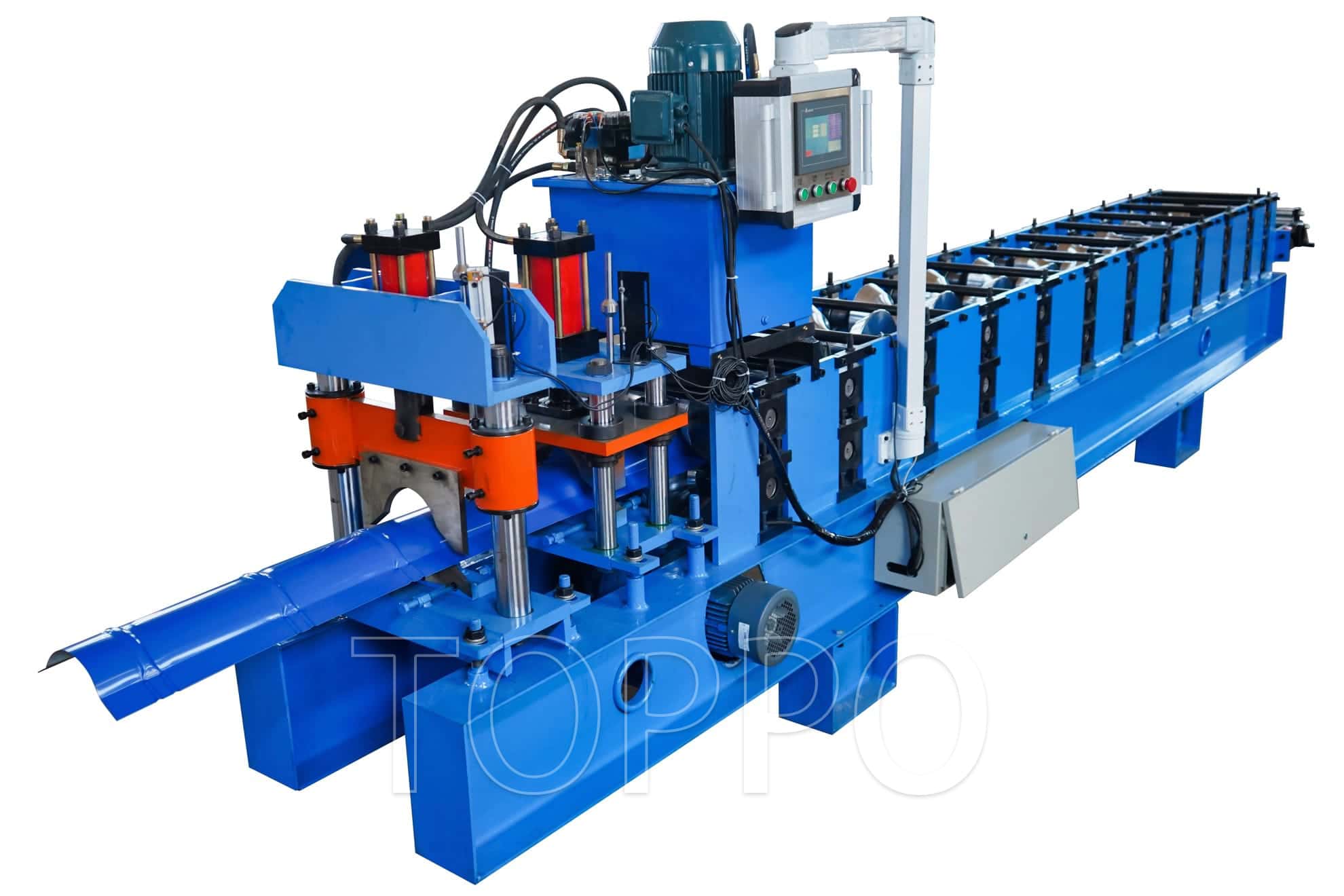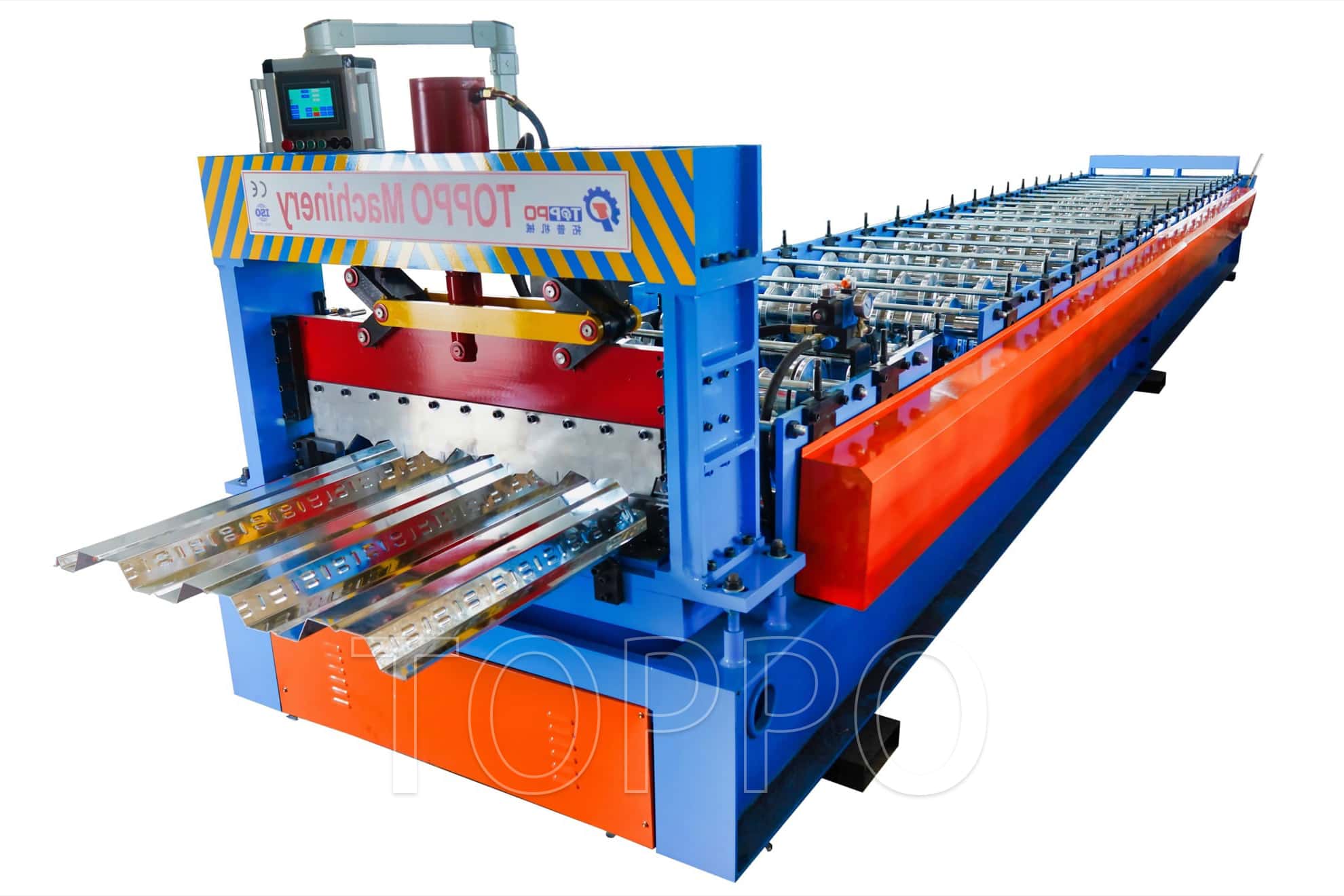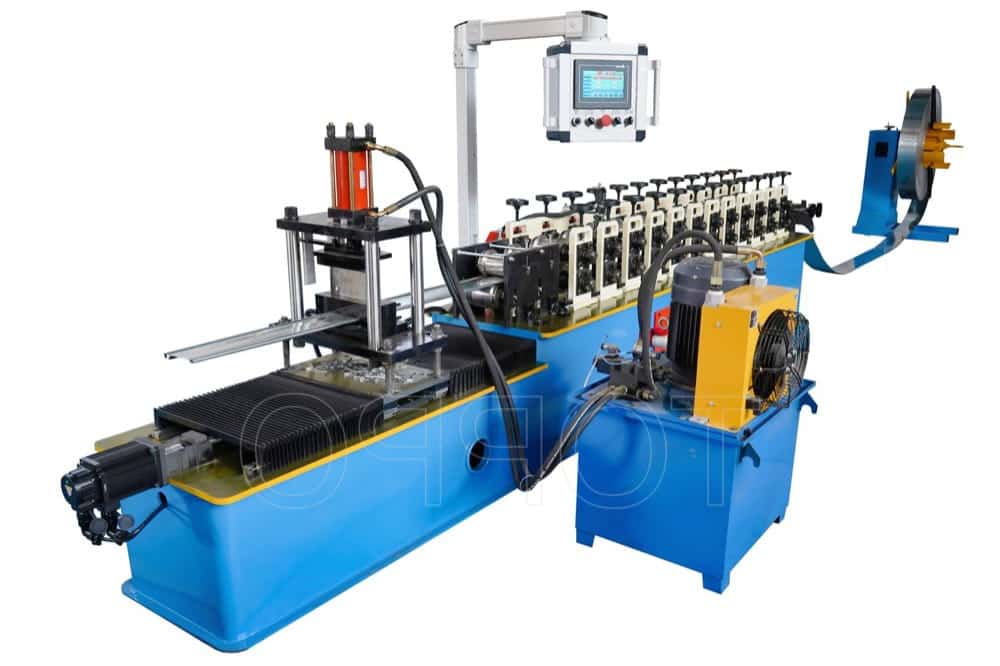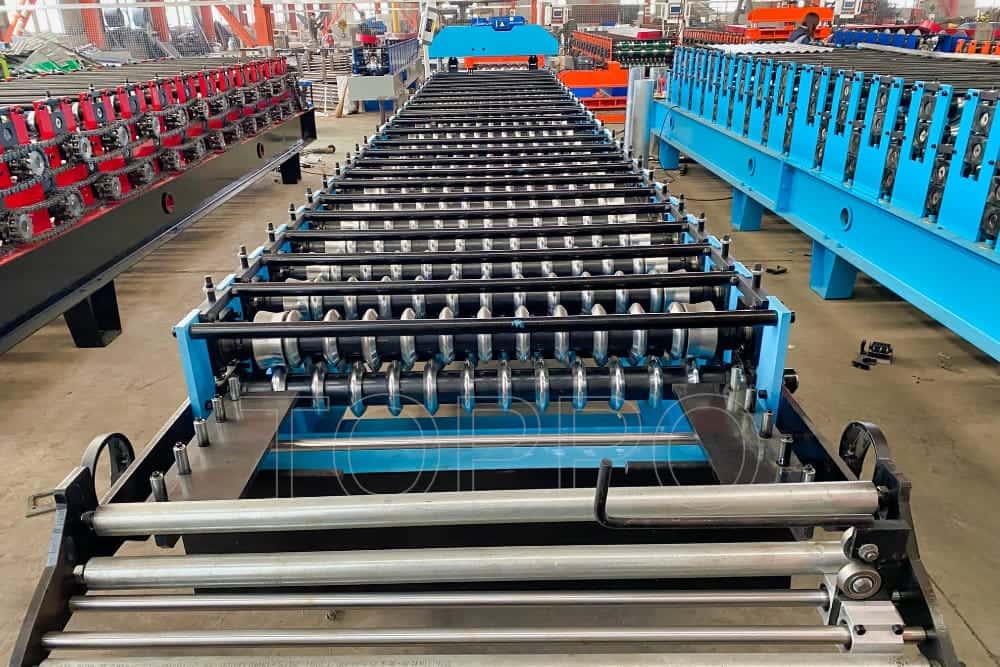
The Key Differences Between Manual and Automatic Roof Roll Forming Machines
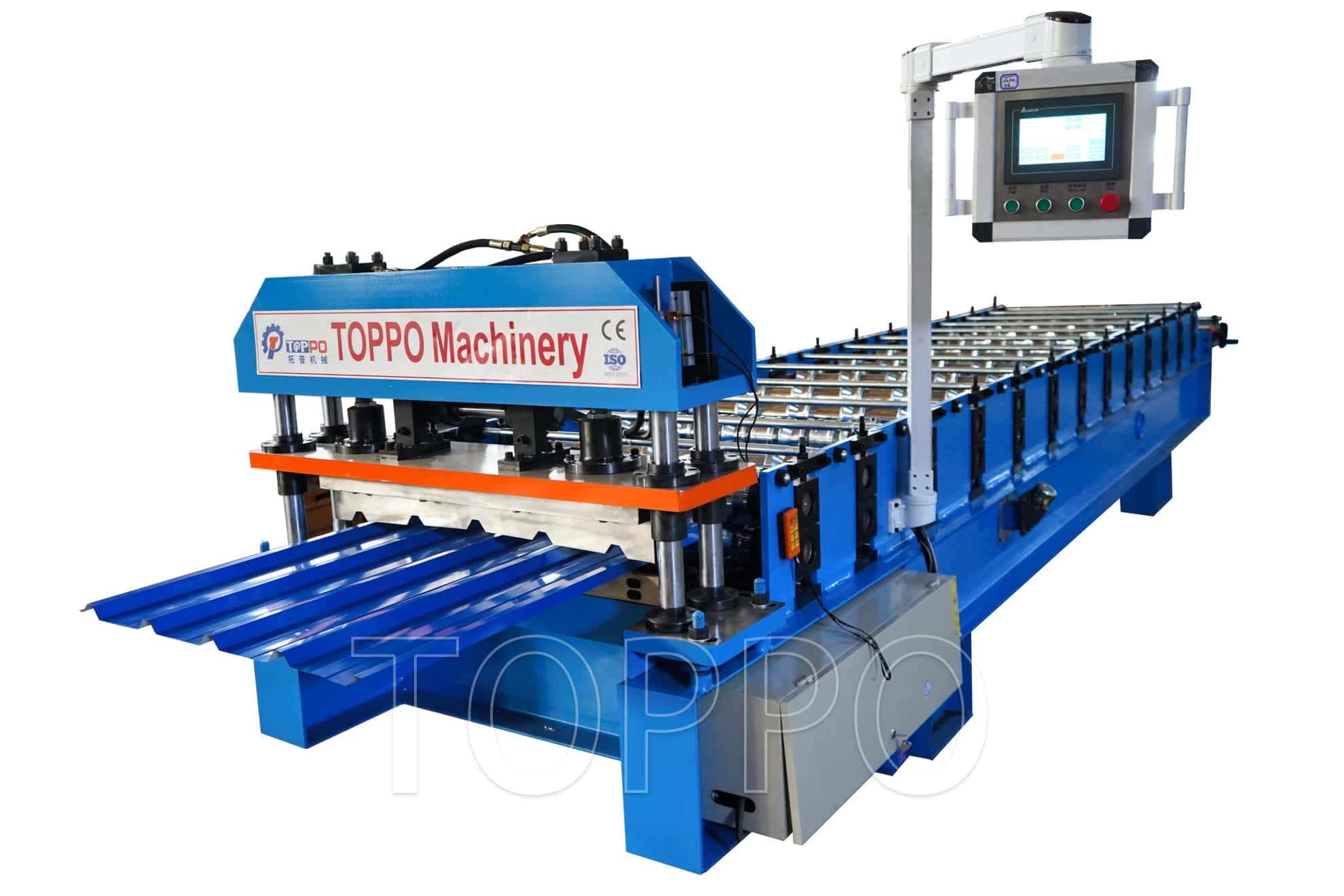
The roofing industry has seen tremendous advancements in machinery, and understanding the differences between manual and automatic roll forming machines is essential for contractors. In this article, we will explore the distinctions between these two types of machines, focusing on the Tr4 color steel metal roof trapezoidal roll forming machine, and offer practical advice on maximizing machine efficiency.
1. Machine Control and Operation
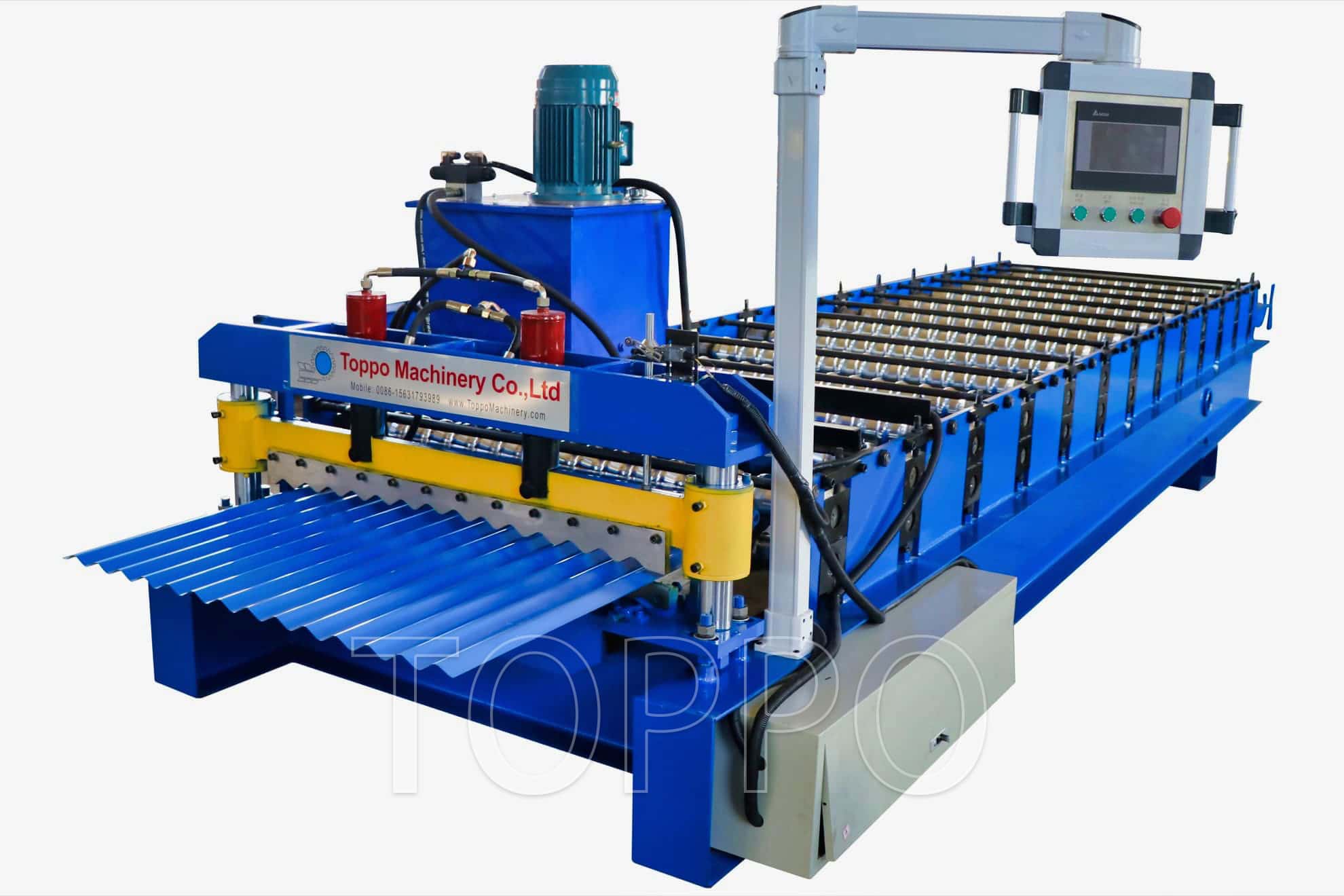
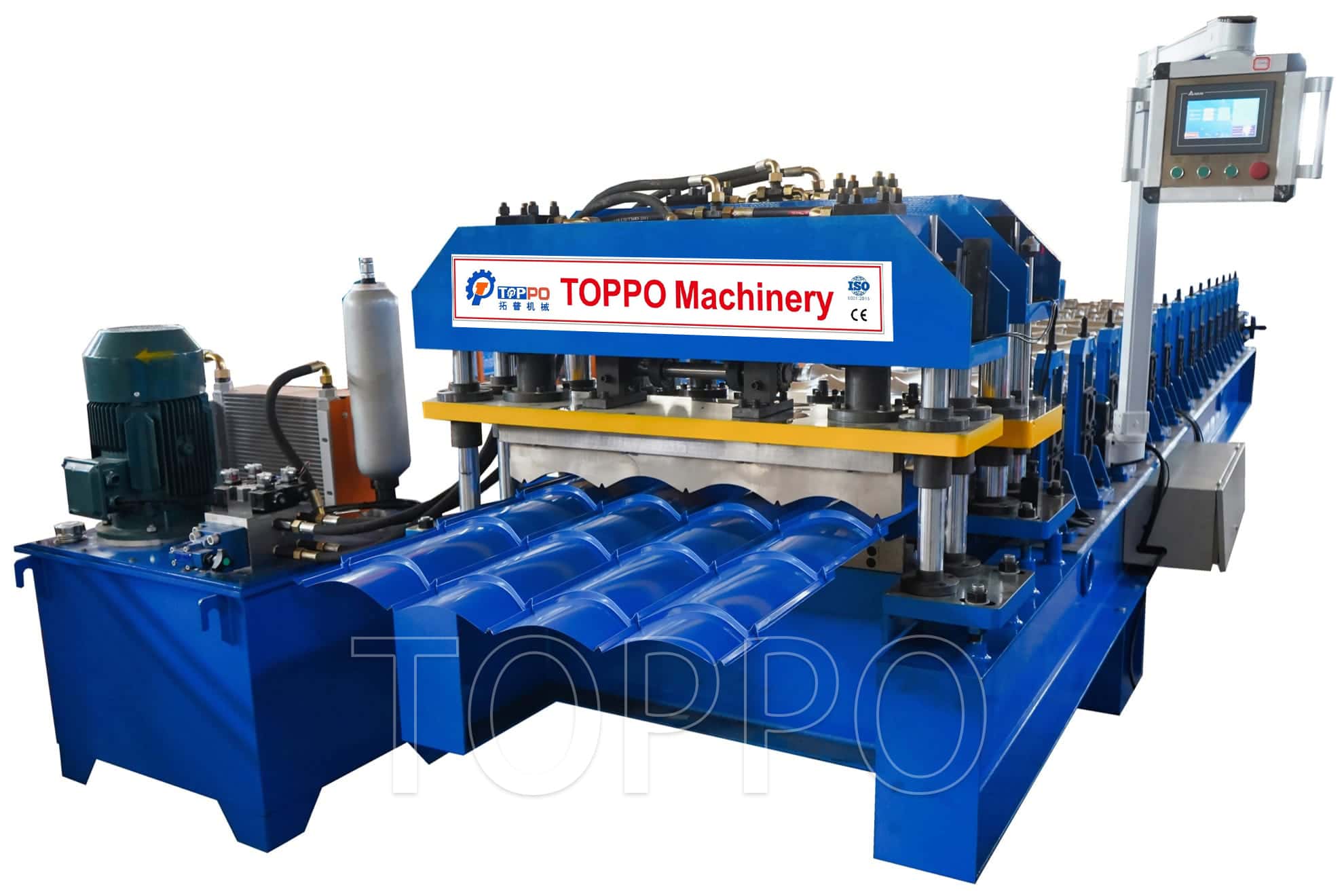
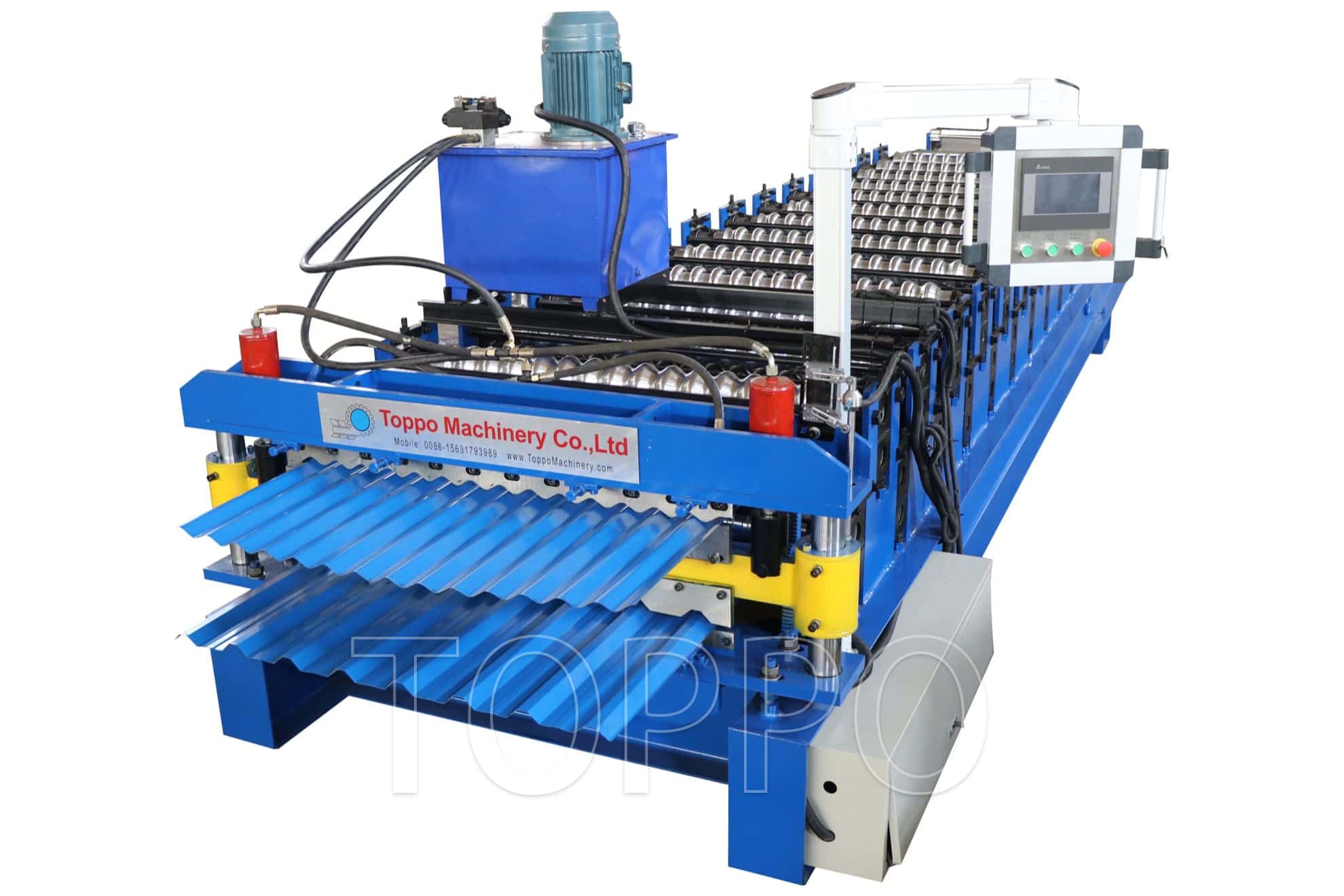
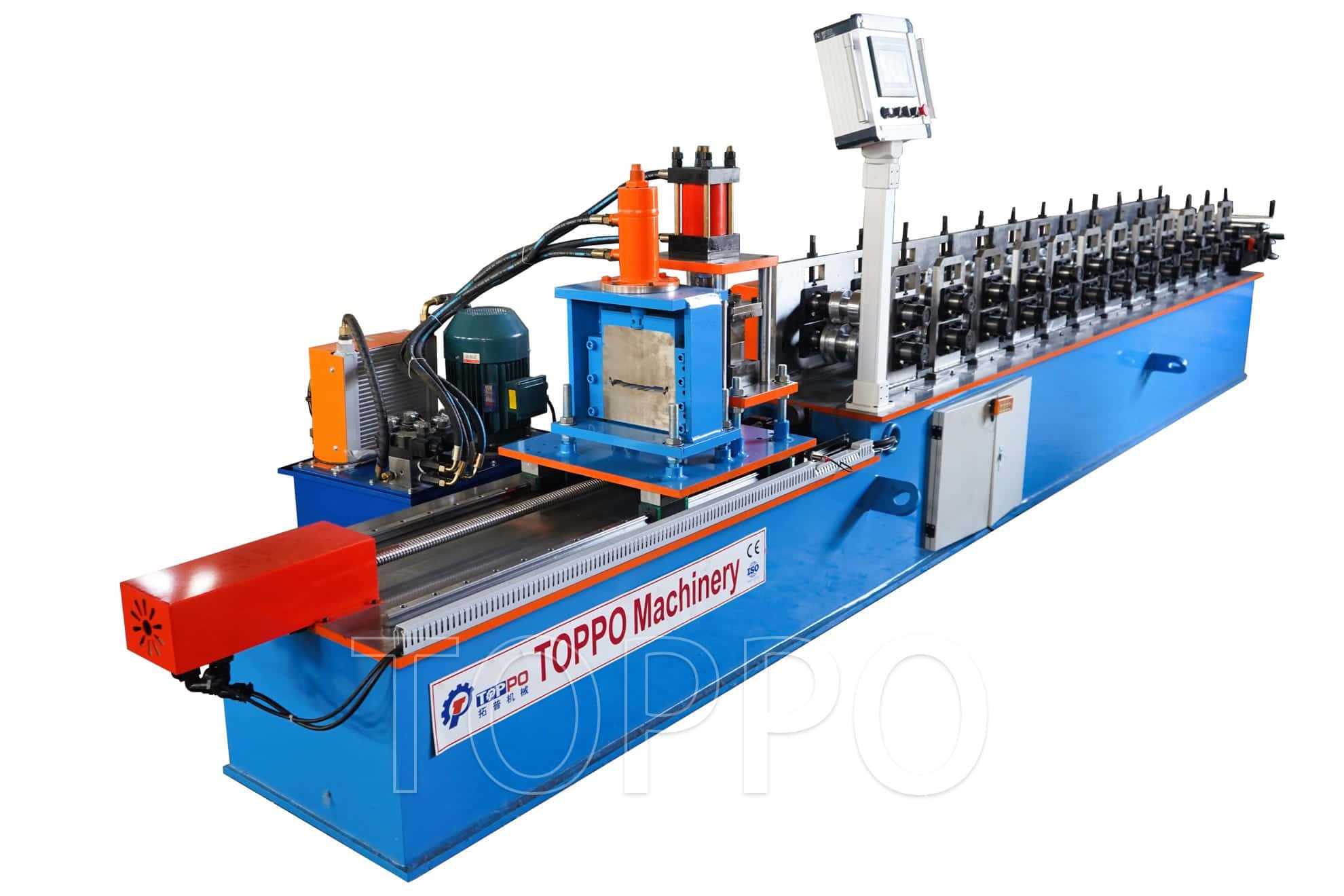
The primary difference between manual and automatic roof roll forming machines is the level of control required by the operator. Manual machines demand more input from the operator, including constant adjustments to settings and material feeding. On the other hand, automatic trapezoidal roll forming machines, such as the Tr4 color steel metal roof trapezoidal roll forming machine, reduce the need for manual intervention by automating key processes, thereby increasing efficiency.
2. Production Speed and Output
When it comes to speed, automatic machines outperform manual ones. The roof panel making machine can operate continuously, producing a higher volume of panels in a shorter amount of time. This is particularly important for large-scale projects where time and output are critical. Automatic machines reduce downtime and ensure faster production without sacrificing quality.
3. Consistency in Panel Quality
Another significant advantage of automatic machines is their ability to maintain consistent panel quality. The Tr4 color steel metal roof trapezoidal roll forming machine ensures that each roof panel is produced to the exact specifications, offering uniform thickness and shape. Manual machines are more prone to human error, which can result in uneven panels and wasted materials.
Practical Tips for Operators
To make the most of your roof panel making machine, ensure that it is properly calibrated and maintained. Regularly check machine settings and ensure that the materials being used are suitable for the machine. When switching between different types of materials, make the necessary adjustments to avoid issues with panel alignment or thickness.
Common Issues and How to Troubleshoot
One common problem with manual machines is poor material alignment, leading to misaligned panels. To avoid this, always double-check the material’s positioning before starting the process. Automatic machines may face issues like incorrect speed settings or failure to maintain consistent machine calibration, leading to defects. Make sure to follow a strict maintenance schedule and consult the manual for calibration procedures.
Real-World Application
A roofing company that transitioned from a manual to an automatic trapezoidal roll forming machine reported significant improvements in both production speed and panel quality. The automatic machine allowed them to complete more projects within a shorter timeframe, all while maintaining the high-quality standards their clients expected.
Conclusion
Choosing between manual and automatic roof roll forming machines depends on the scope of the project and the desired level of automation. While both types of machines are useful, the Tr4 color steel metal roof trapezoidal roll forming machine offers numerous benefits, including faster production speeds, higher consistency, and less manual intervention. By understanding the key differences and using proper troubleshooting techniques, operators can optimize the performance of their machines and achieve superior results.
READ MORE: