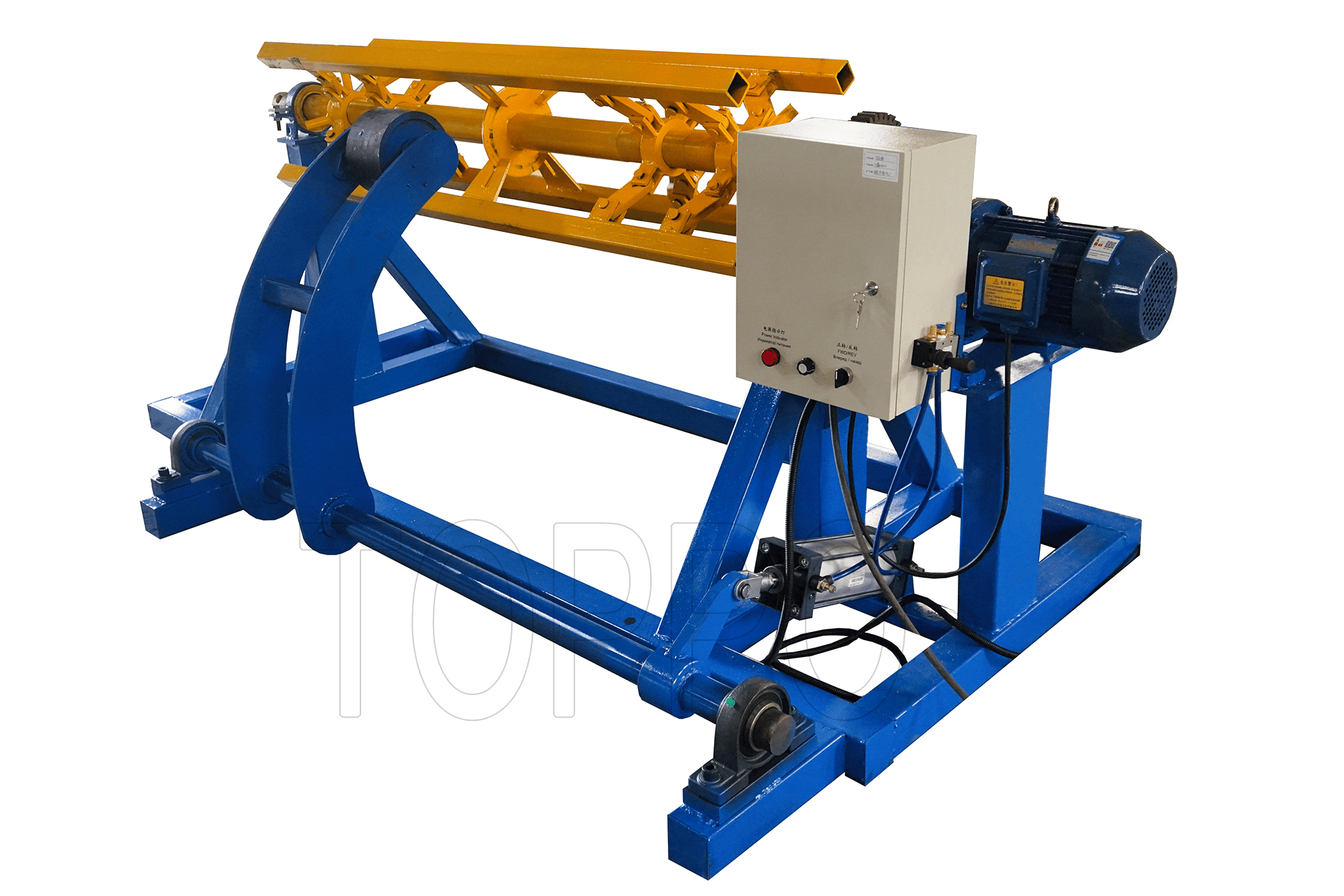
Comparing Manual and Automatic Roof Roll Forming Machines: Which is Better?
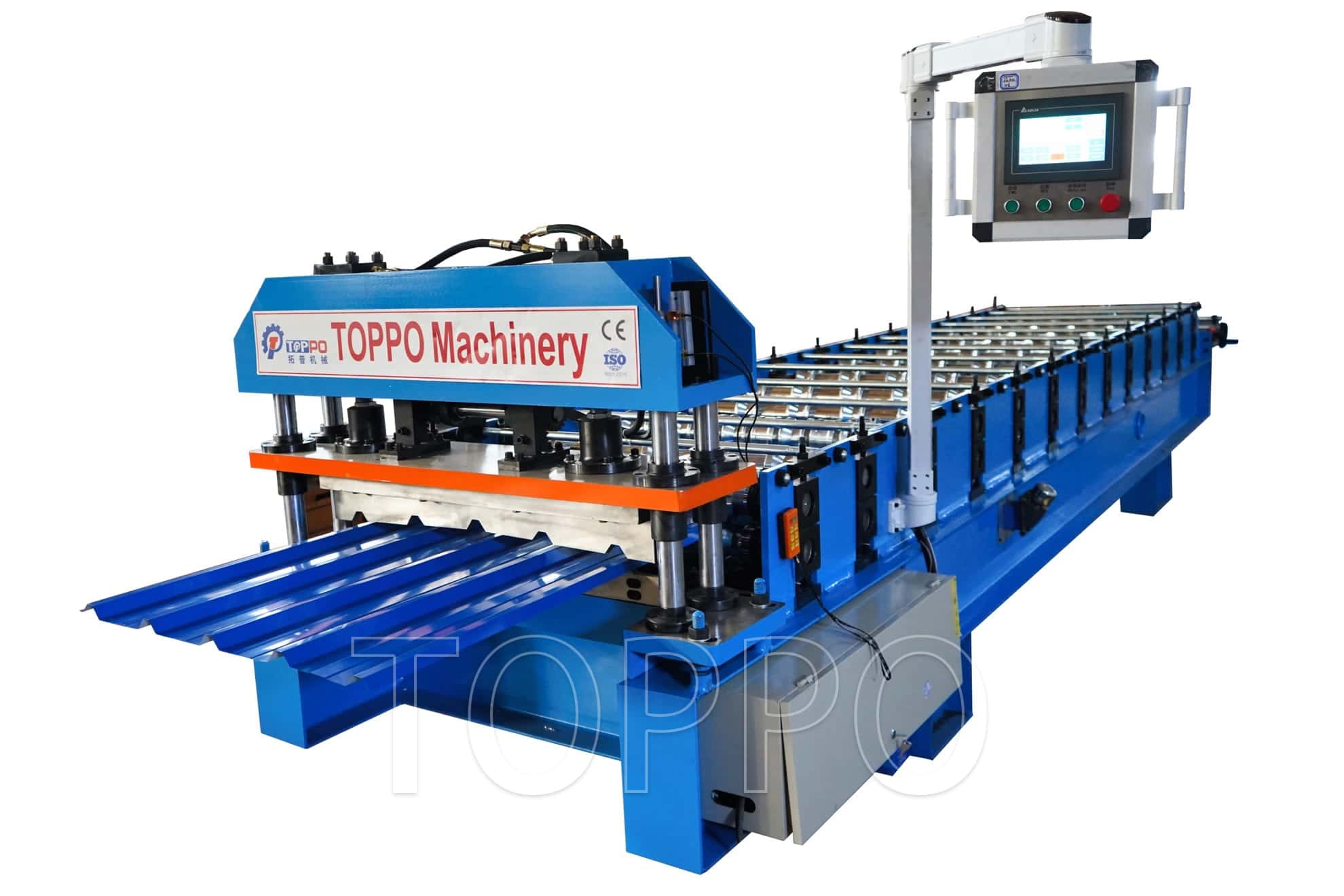
As roofing materials evolve, the demand for high-quality, durable, and precisely formed panels continues to grow. Roof roll forming machines play a pivotal role in this process. Among the many options available, the Tr4 color steel metal roof trapezoidal roll forming machine stands out. In this article, we will compare manual and automatic roof roll forming machines, focusing on their key differences and providing practical tips for maximizing their efficiency.
1. Manual vs. Automatic Operation
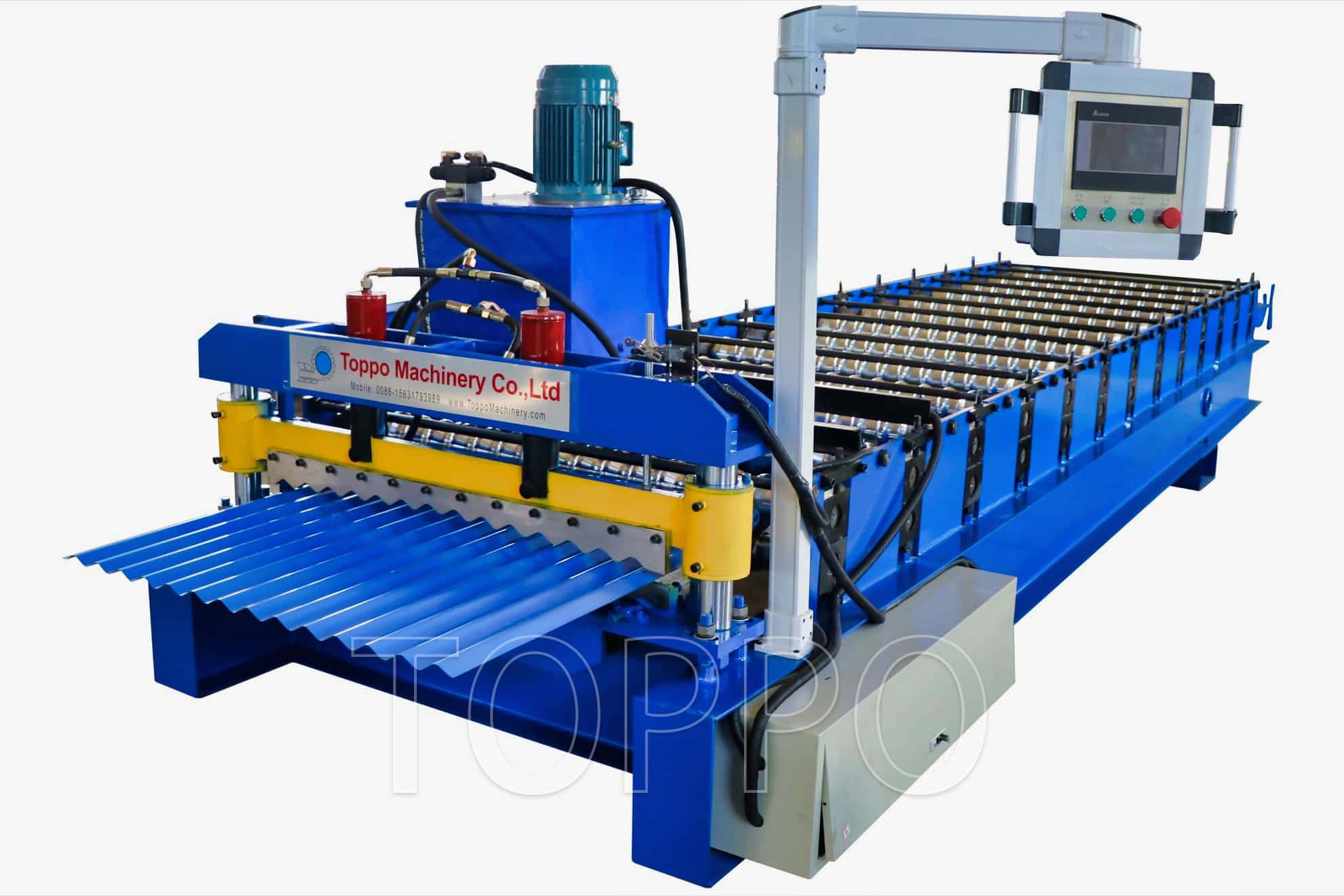
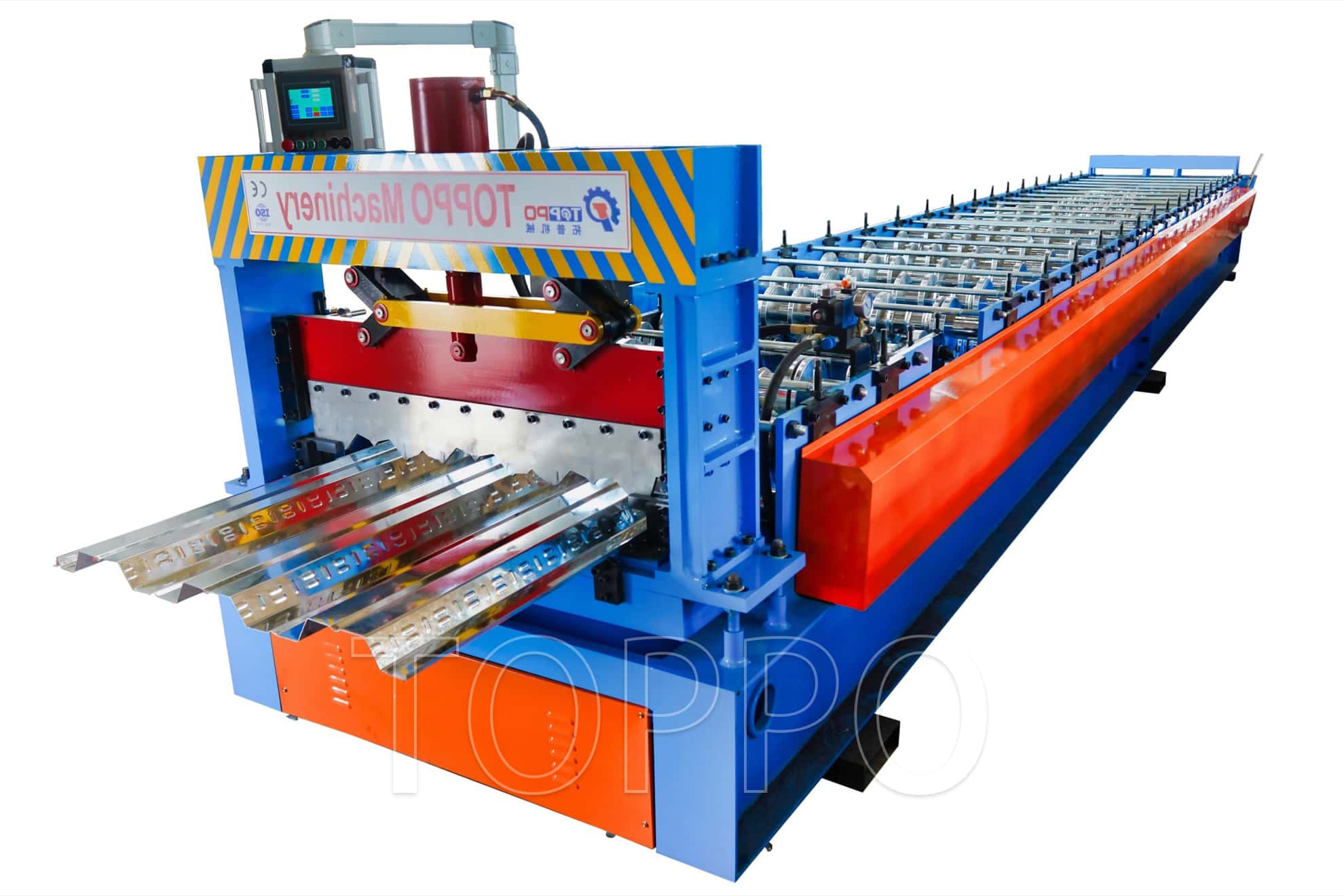
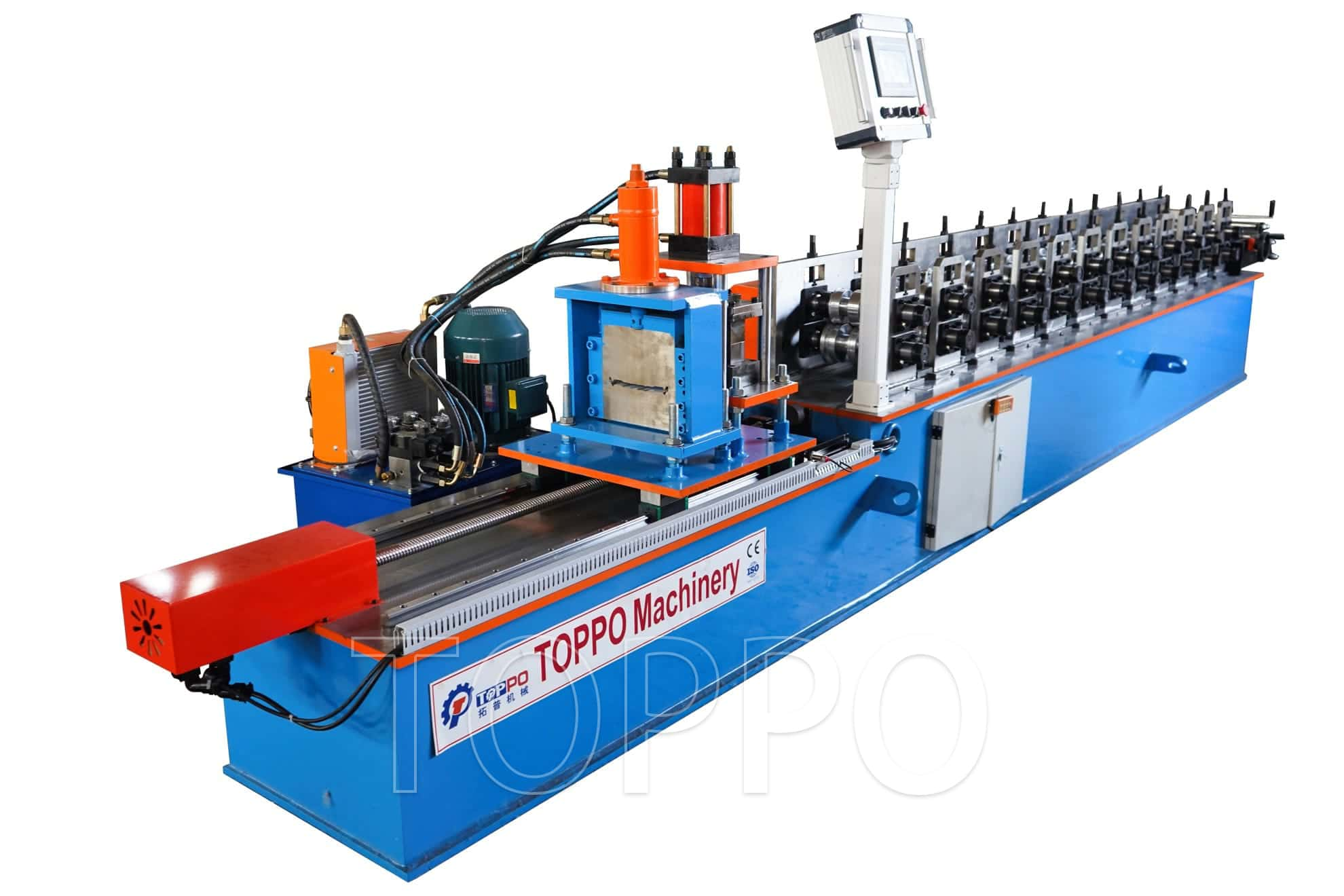
The fundamental difference between manual and automatic machines lies in the level of operator involvement. Manual machines require operators to adjust settings and feed materials, making them more labor-intensive. Automatic trapezoidal roll forming machines, like the Tr4 color steel metal roof trapezoidal roll forming machine, automate the entire process, minimizing the need for manual intervention and improving efficiency.
2. Speed and Efficiency
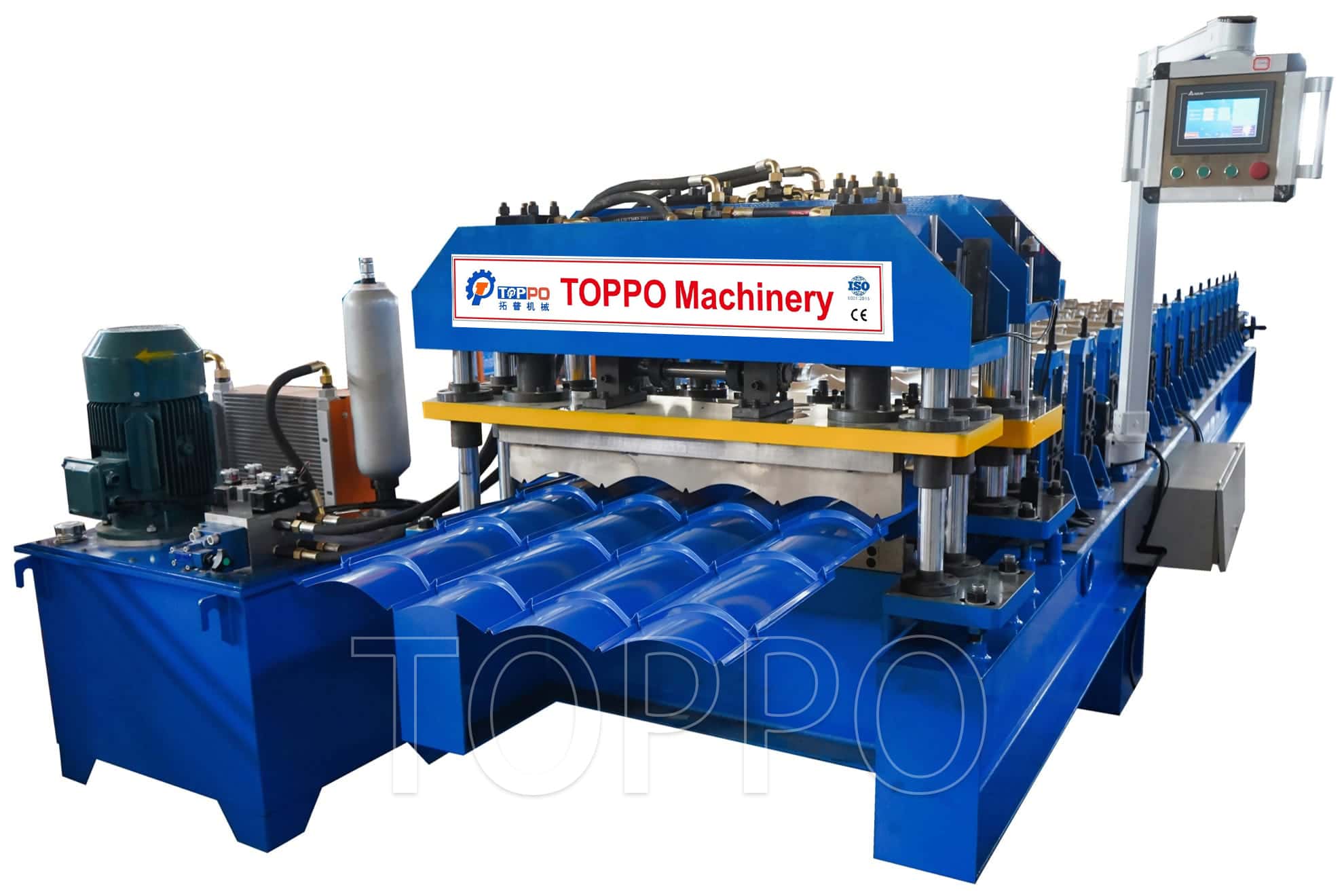
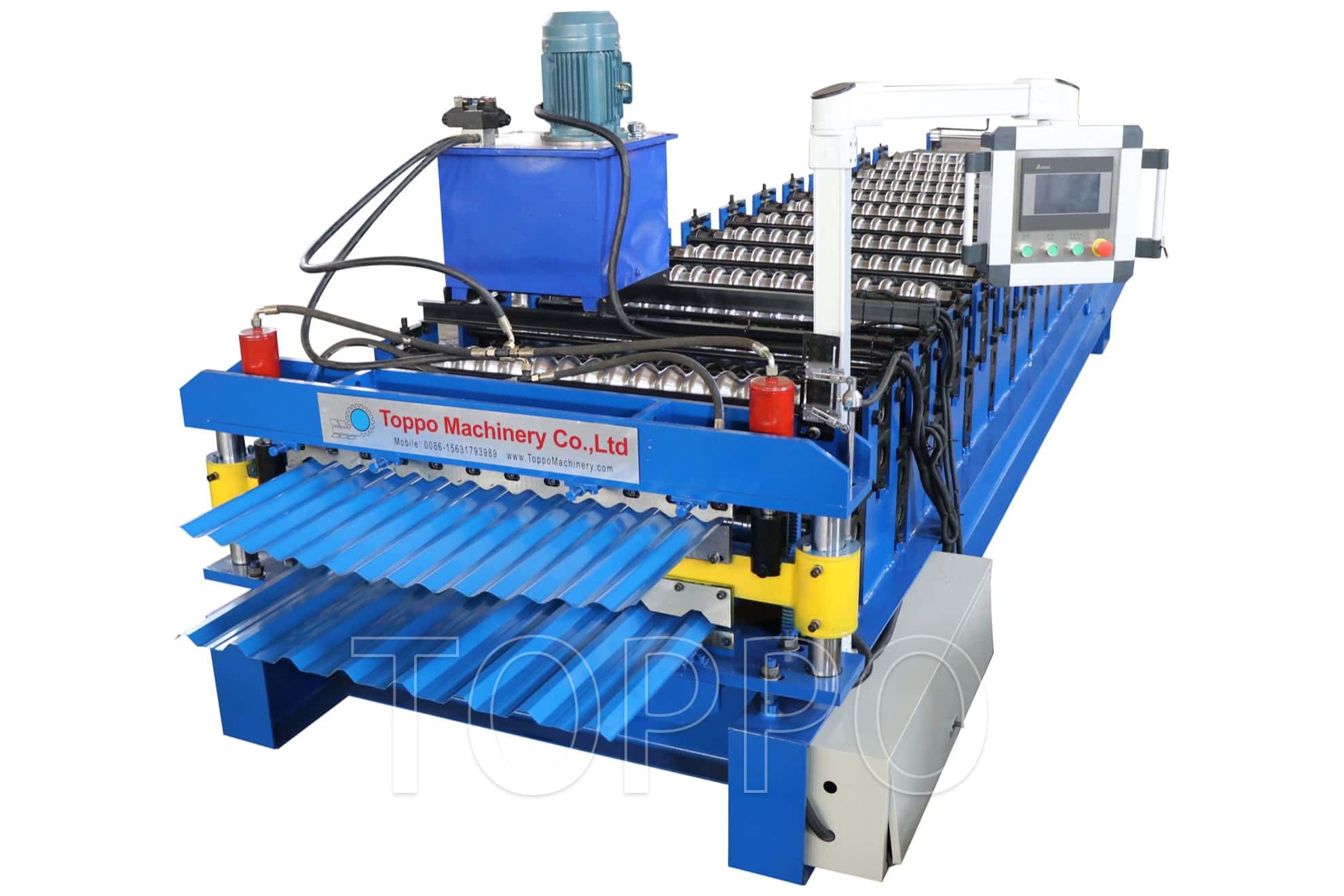
Automatic machines have the upper hand when it comes to speed. The roof panel making machine can operate continuously, producing panels at a much faster rate than manual machines. This results in higher productivity, especially for large projects that require numerous panels in a short amount of time. The automatic machine also experiences less downtime, which further increases its efficiency.
3. Consistent Quality and Precision
One of the key advantages of automatic roof roll forming machines is their ability to produce consistently high-quality panels. The Tr4 color steel metal roof trapezoidal roll forming machine ensures uniform thickness and alignment for each panel. Manual machines, however, often suffer from inconsistencies due to human error, which can lead to variations in the finished product.
Common Mistakes to Avoid
With manual machines, one common mistake is improper alignment of the material, which can result in misshapen or misaligned roof panels. Always double-check the alignment before starting the machine to prevent this issue. For automatic machines, calibration errors or improper settings can cause defects. Ensure regular machine calibration and maintenance to avoid such problems.
Tips for Maximizing Efficiency
To get the most out of your roof panel making machine, make sure it is regularly maintained and calibrated. Follow the manufacturer’s guidelines to ensure the settings are optimized for the materials being used. Proper material handling and loading techniques can also help prevent issues during production.
Real-World Example: A Shift from Manual to Automatic
A roofing company recently made the transition from using manual to automatic trapezoidal roll forming machines. The result was a remarkable improvement in both the speed and quality of their production. With the automatic machine, the company was able to produce panels faster, with fewer errors and greater precision, allowing them to complete more projects on time.
Conclusion
Both manual and automatic roof roll forming machines have their uses, but for businesses looking to increase efficiency and precision, the Tr4 color steel metal roof trapezoidal roll forming machine offers clear advantages. By understanding the key differences between the two types of machines and following best practices, operators can improve their workflow and produce high-quality roof panels more efficiently.
READ MORE: