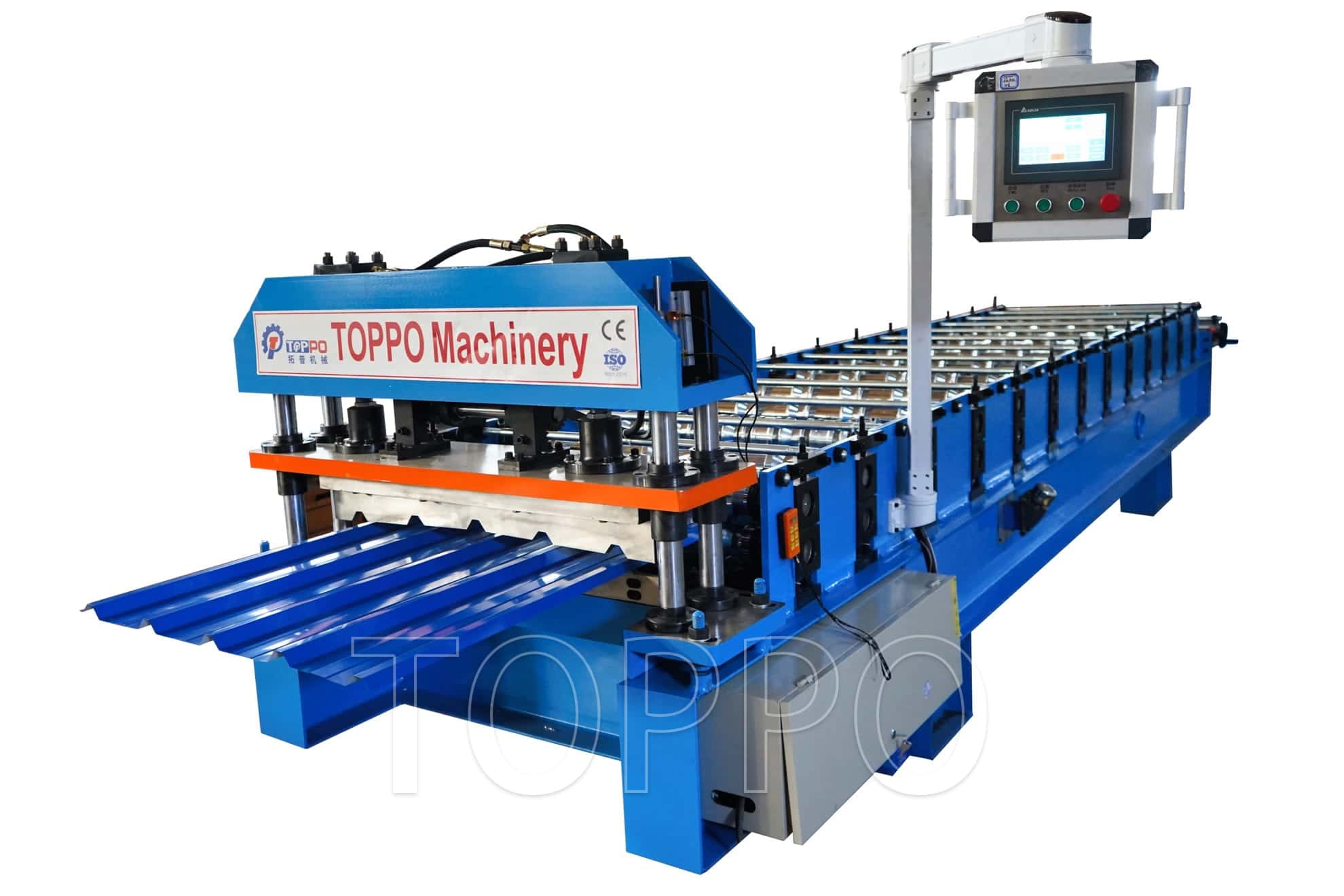
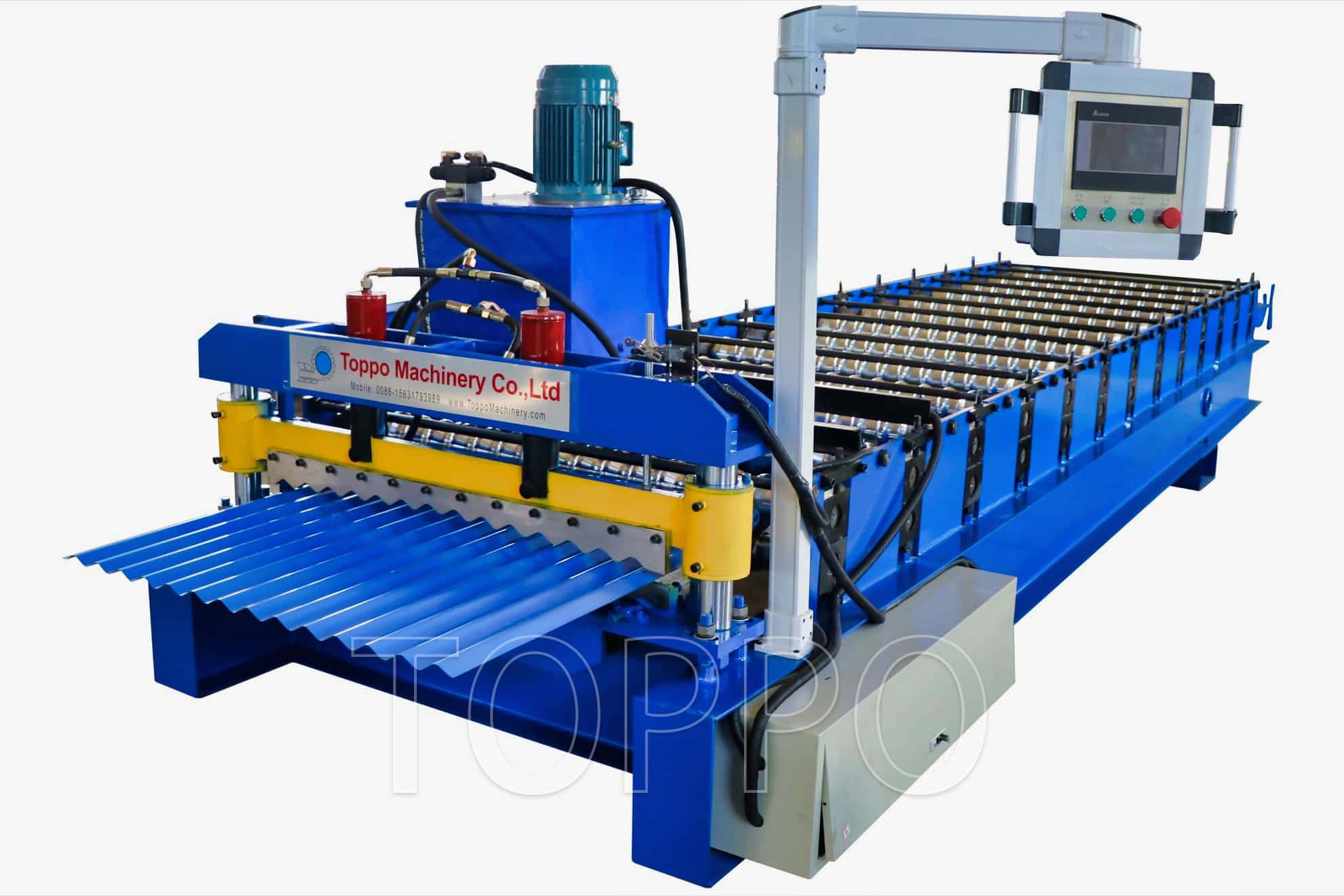
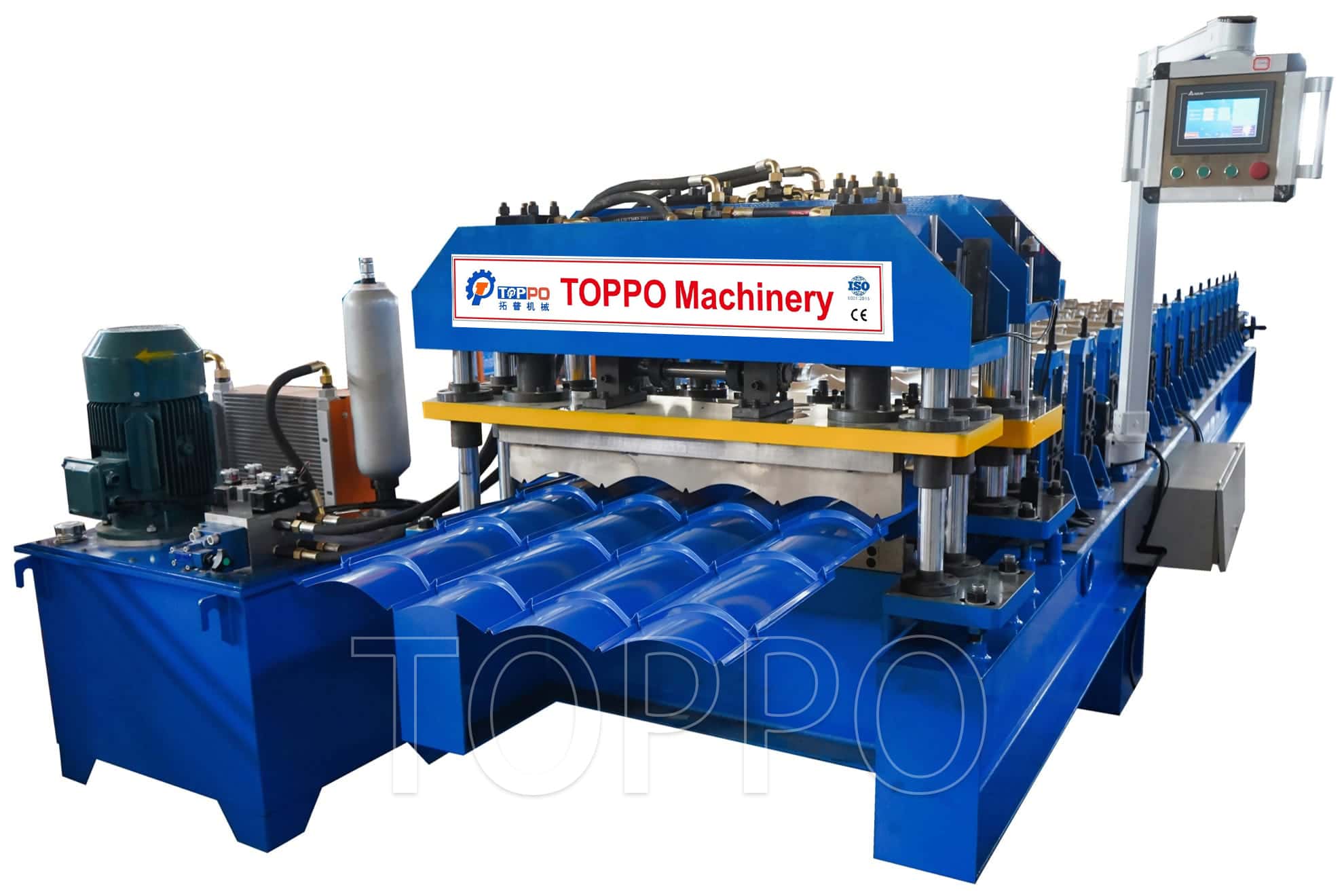
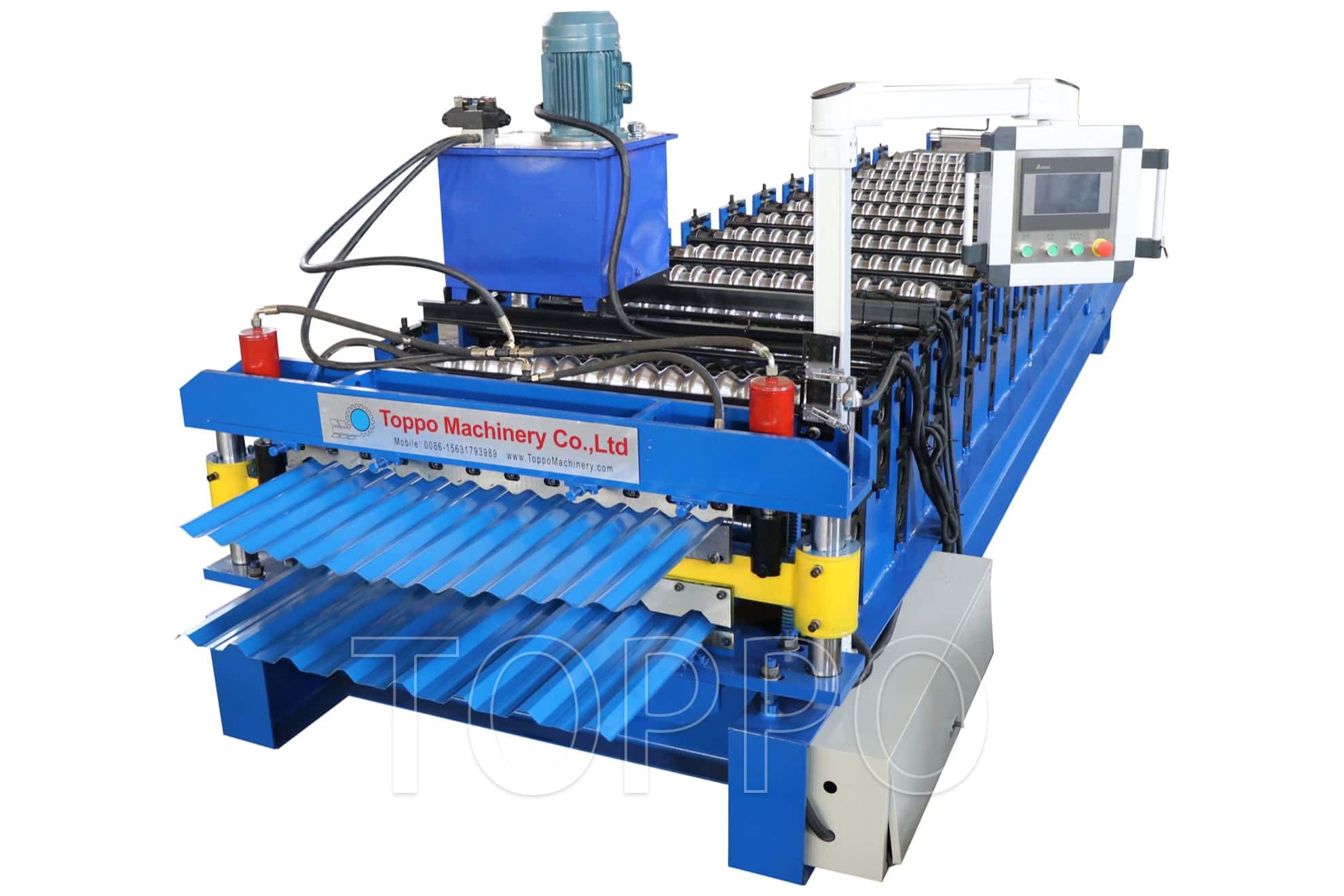
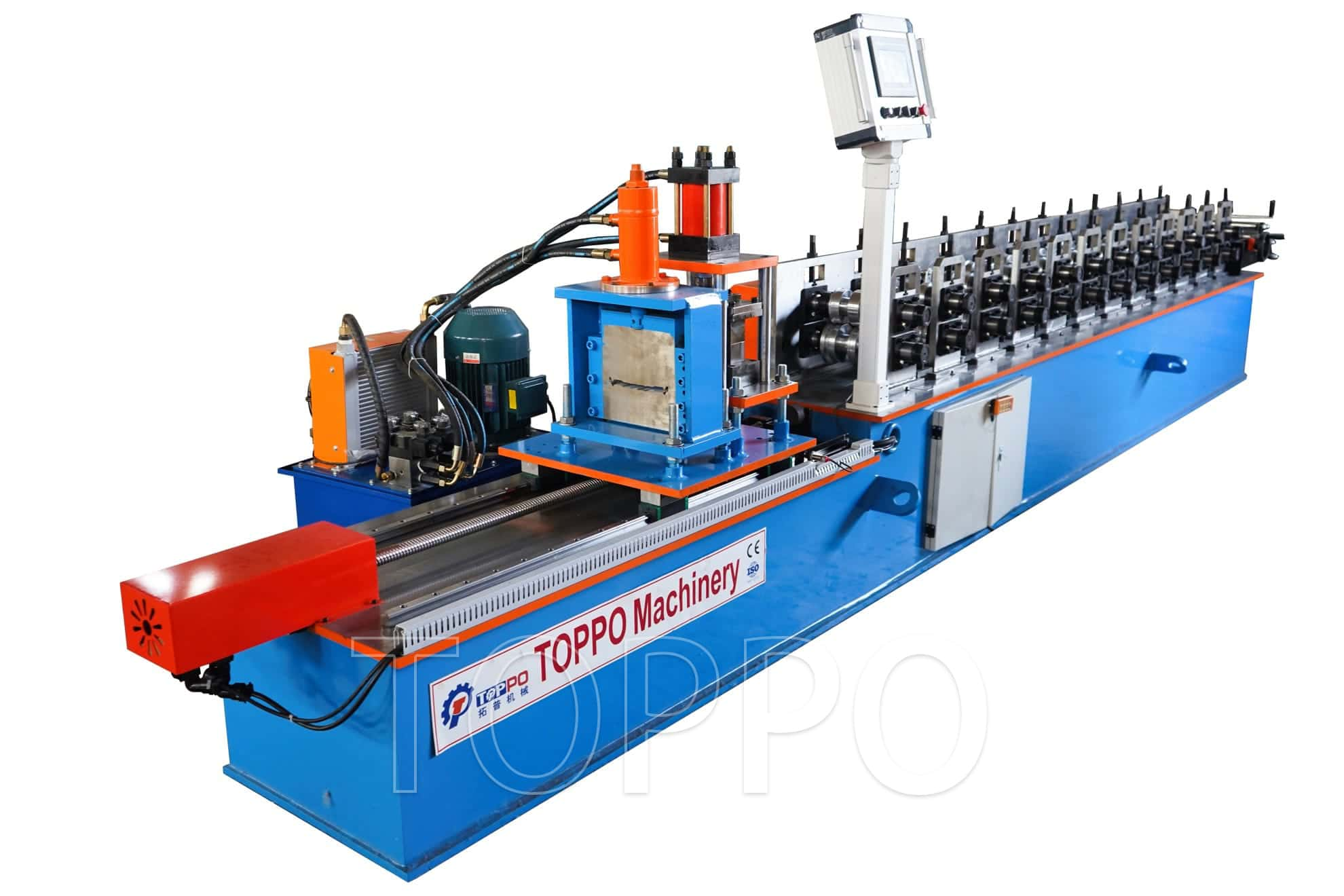
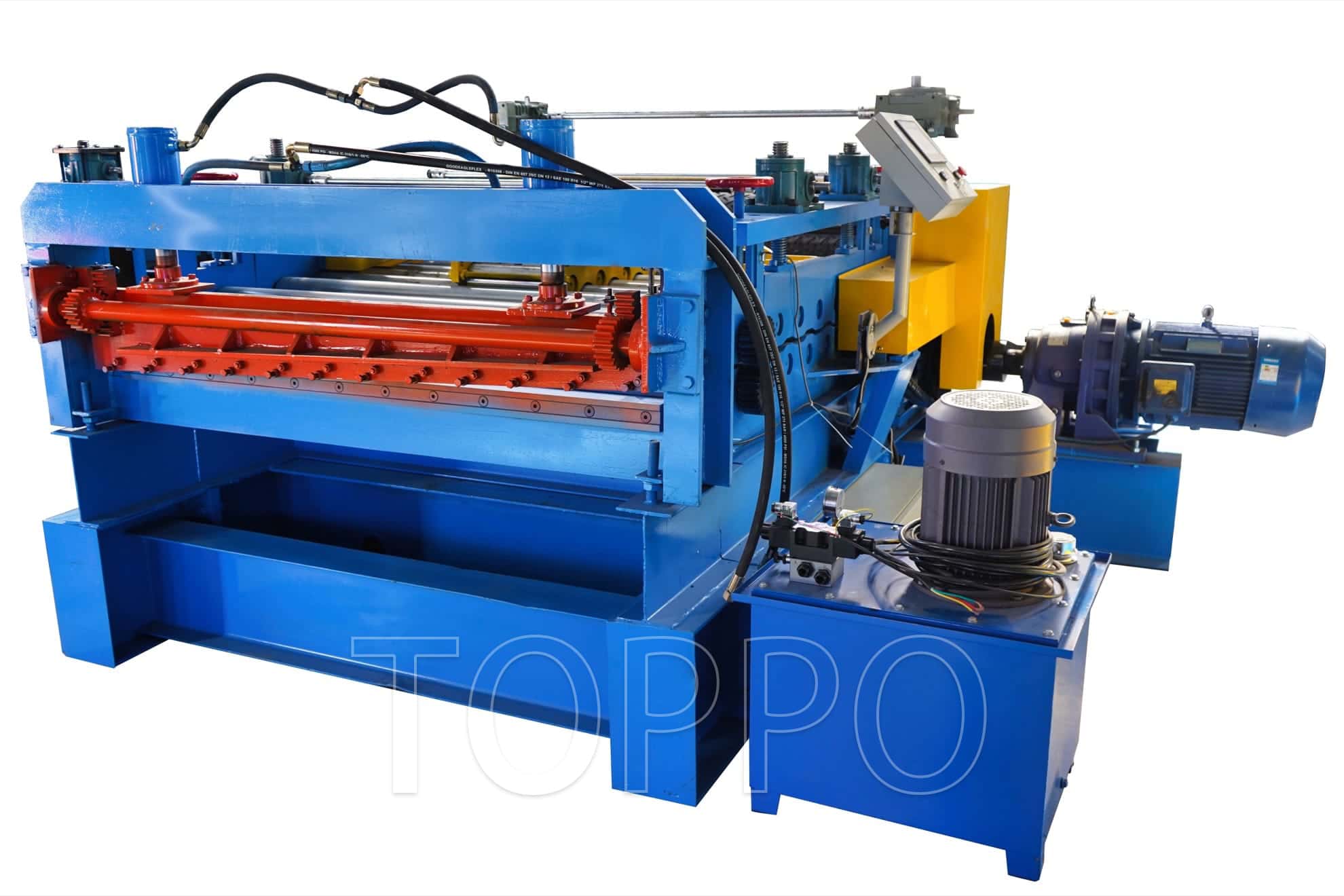
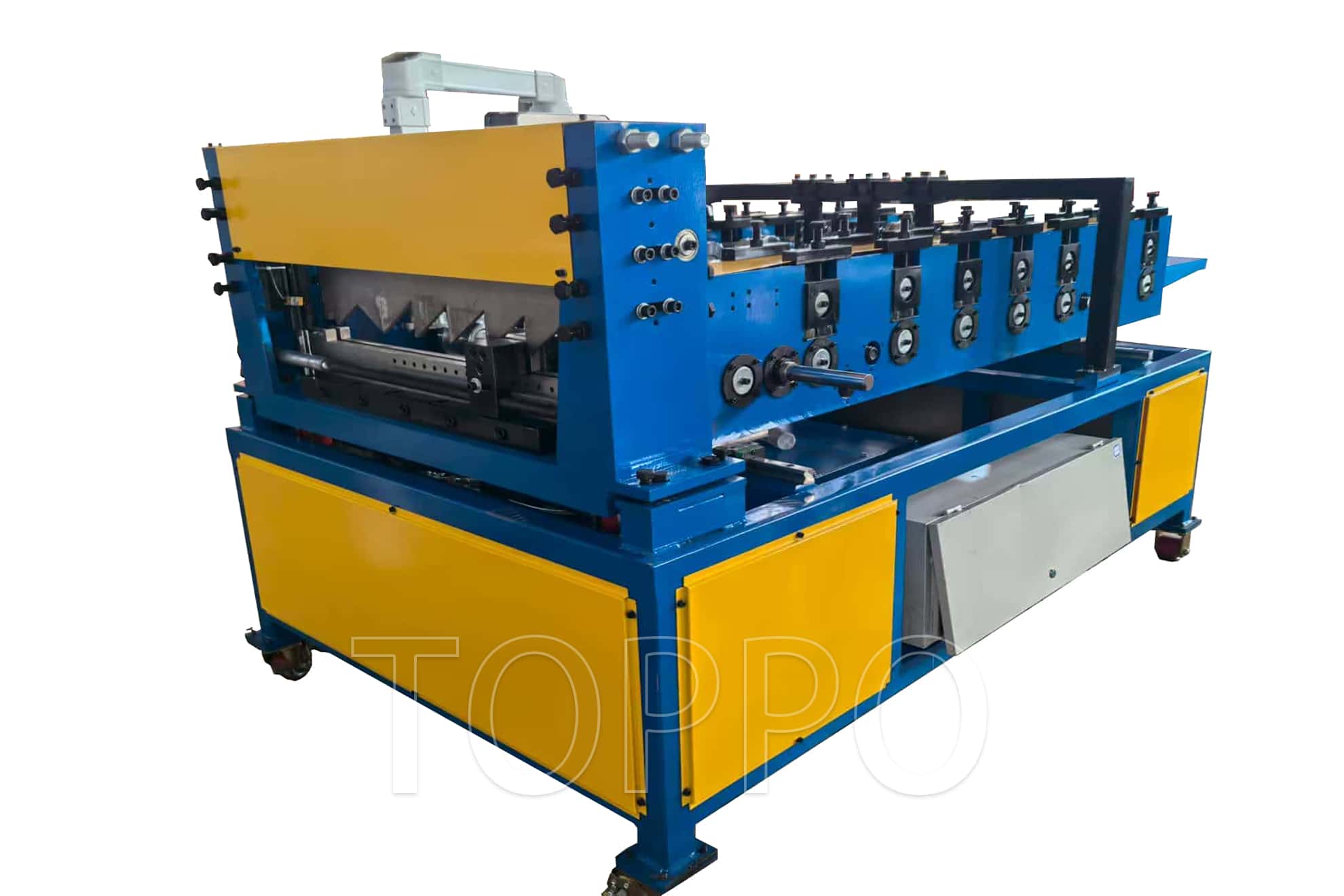
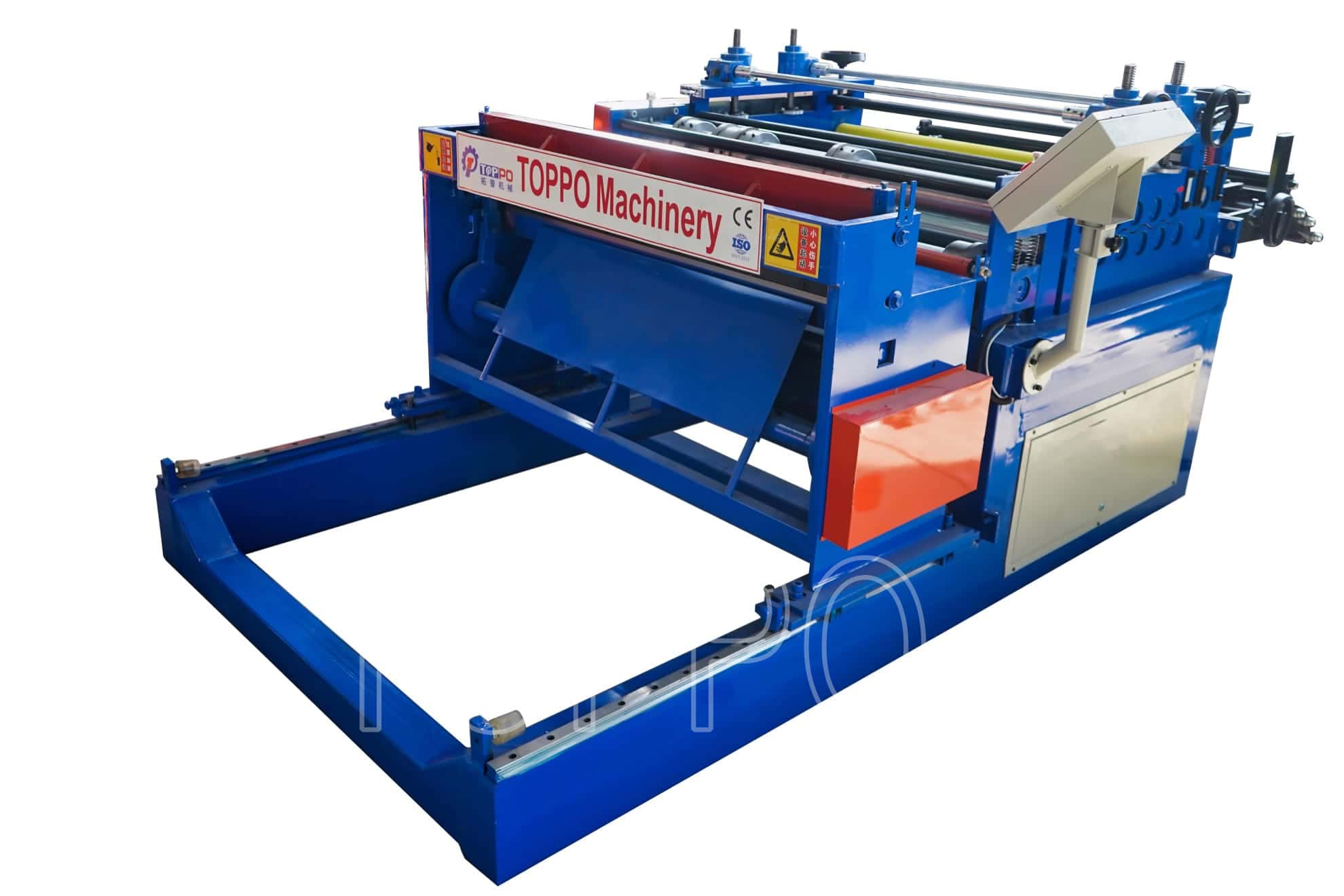
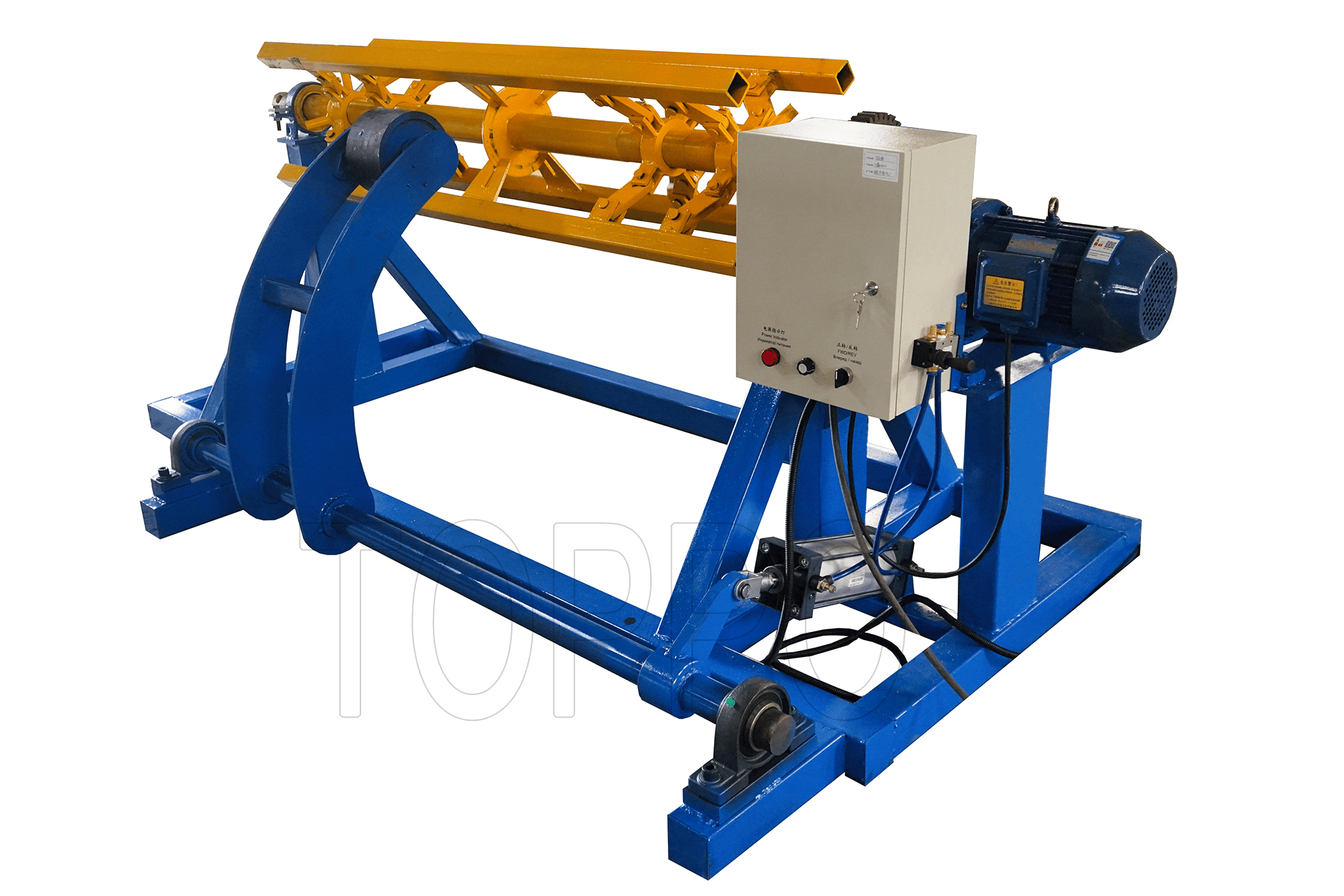
Minimizing material waste during the roofing sheet production process is not only a sustainable approach but also an essential factor for reducing production costs. In this article, we’ll explore five practical techniques that can help achieve this goal when working with high-speed hydraulic roof sheet panel 1000mm glazed tile roll forming machines. Additionally, we will highlight common mistakes and offer practical case studies to further clarify the steps involved.
1. Optimize Machine Settings
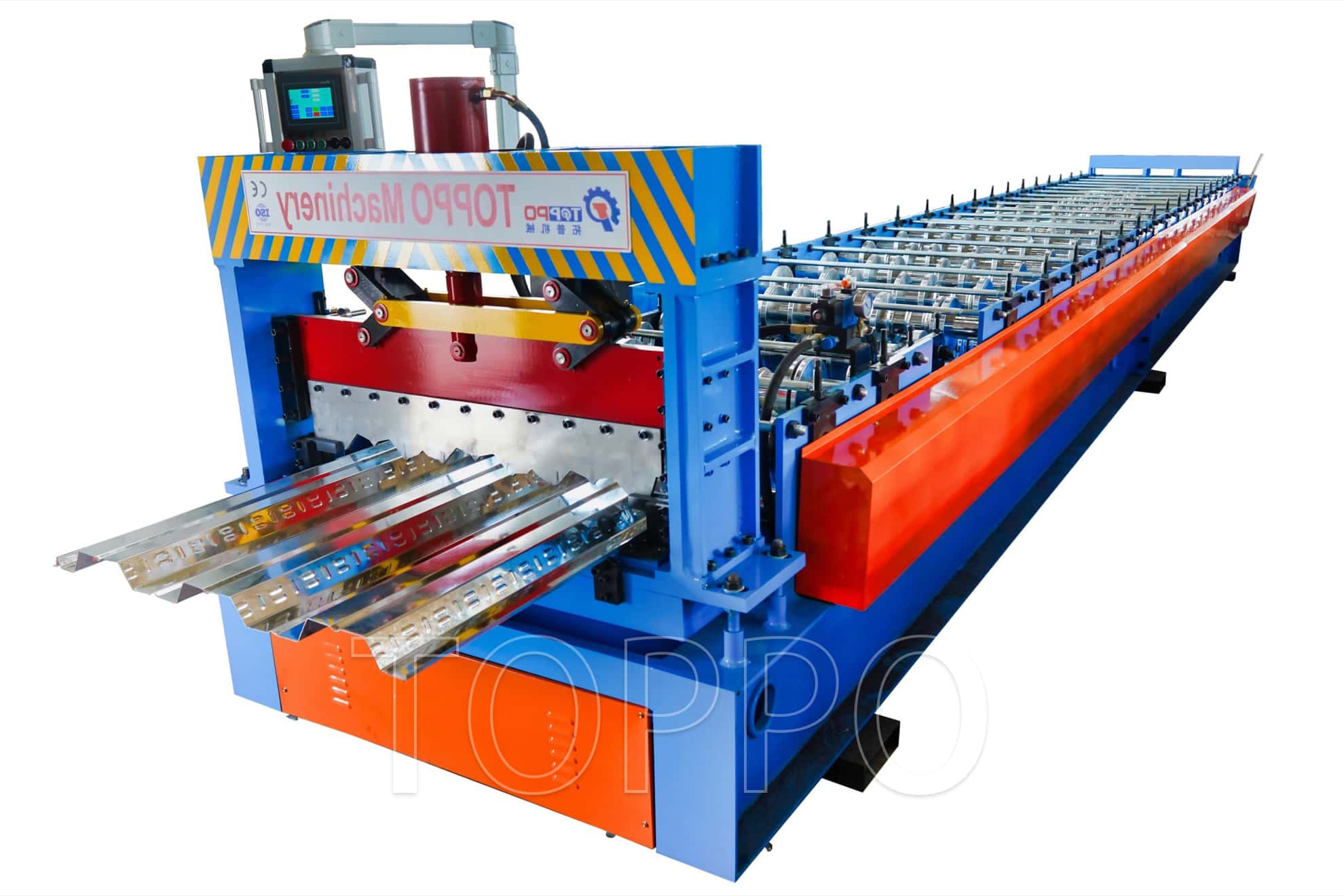
One of the first steps in reducing material waste is ensuring the high-speed hydraulic roof sheet panel 1000mm glazed tile roll forming machine is set up correctly. Incorrect machine settings can lead to inconsistencies in the size and shape of the roof panels, which will ultimately result in excess scrap material. Carefully calibrating the machine according to the specifications of the roofing material will ensure efficient material usage.
It’s essential to regularly check the machine settings to avoid errors caused by wear and tear or operator mistakes. In particular, the gap between the rollers should be adjusted correctly, as incorrect spacing can cause deformities in the roofing sheets.
2. Use High-Quality Raw Materials
Using low-quality materials can lead to high waste during the roofing sheet production process. High-quality raw materials ensure the durability and consistency of the finished product, which minimizes the need for rework and reduces scrap material. Moreover, high-quality materials improve the overall efficiency of the roof panel making machine, resulting in less downtime and waste.
For example, when working with a glazed tile roll forming machine, using the right thickness of metal sheets is critical. Sheets that are too thin may not perform well during the forming process, causing unnecessary scrap, while sheets that are too thick can create production inefficiencies.
3. Precise Cutting Techniques
Cutting is one of the stages in roof sheet production where material waste can be minimized significantly. Implementing precise cutting techniques ensures that each sheet is cut to the required length without excess material left behind. When using a glazed tile making machine, it’s crucial to ensure that the cutting blades are sharp and properly aligned to reduce any unnecessary material wastage.
One common mistake during cutting is not accounting for the kerf (the width of the material removed by the cutting blade). Always factor this into the cutting process to avoid overcutting or undercutting the roofing panels.
4. Consistent Quality Control
Another effective method for minimizing waste is maintaining a rigorous quality control process throughout the roofing sheet production line. By inspecting the panels produced by the roof panel making machine at various stages, you can identify defects early in the process and prevent faulty panels from being incorporated into the production batch.
Quality control checks should be performed regularly to ensure the end product meets the required standards, minimizing the likelihood of rejection due to defects that could result in additional waste.
5. Recycle Scrap Material
While it’s essential to minimize material waste, it’s equally important to recycle the scrap material that inevitably accumulates during the production process. The scrap metal can often be melted down and reused in the production of new roofing sheets, which helps reduce the need for additional raw materials.
Many roofing manufacturers have begun implementing recycling programs that allow them to reuse scrap material from the roof panel making machine, which not only reduces waste but also helps lower production costs. The key is ensuring that the scrap material is properly sorted and processed before it’s reused to maintain product quality.
In conclusion, minimizing material waste in roofing sheet production requires a combination of precision, high-quality materials, and regular maintenance. By implementing these five practical techniques, such as optimizing machine settings, using high-quality materials, and recycling scrap, manufacturers can improve both their production efficiency and environmental footprint.