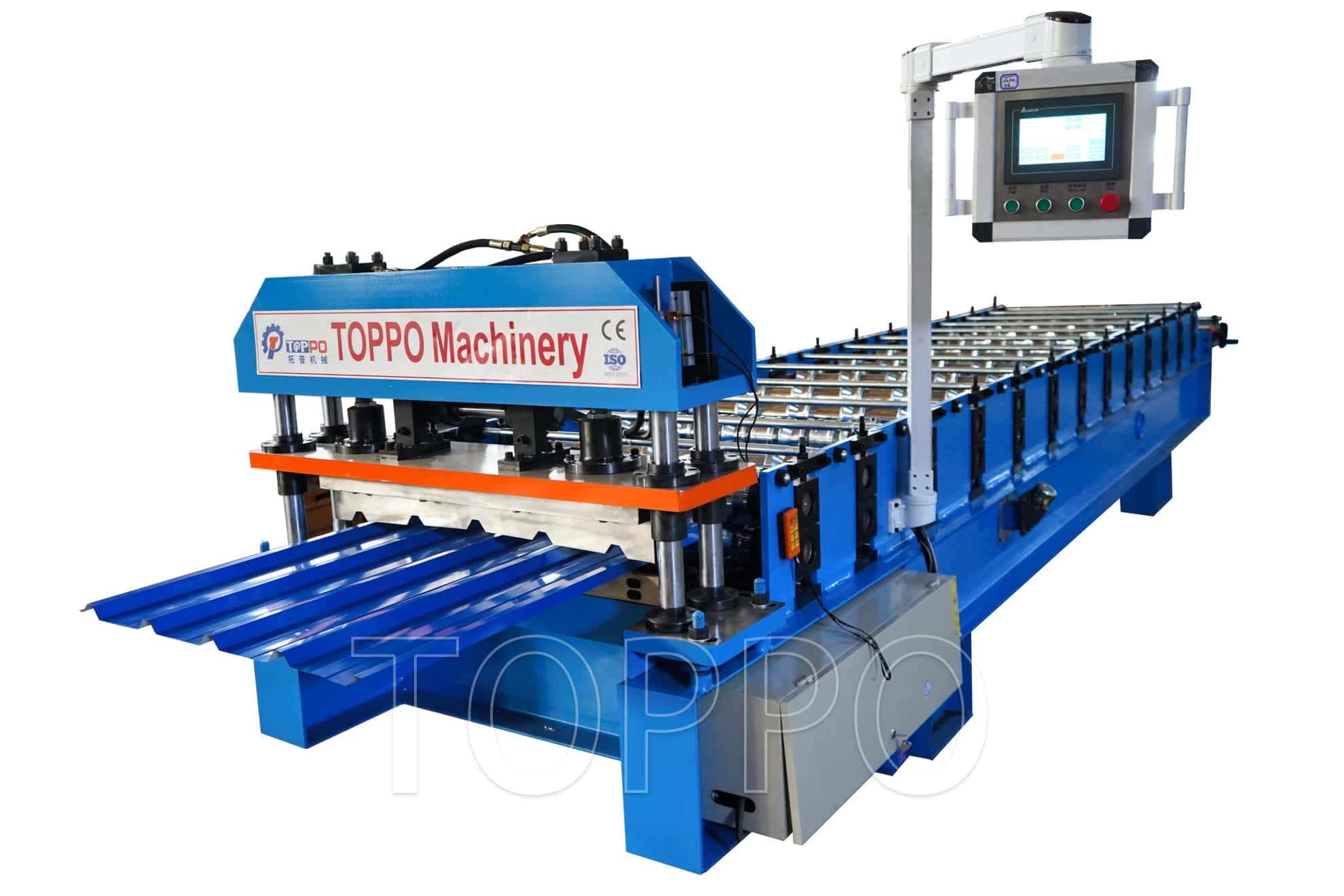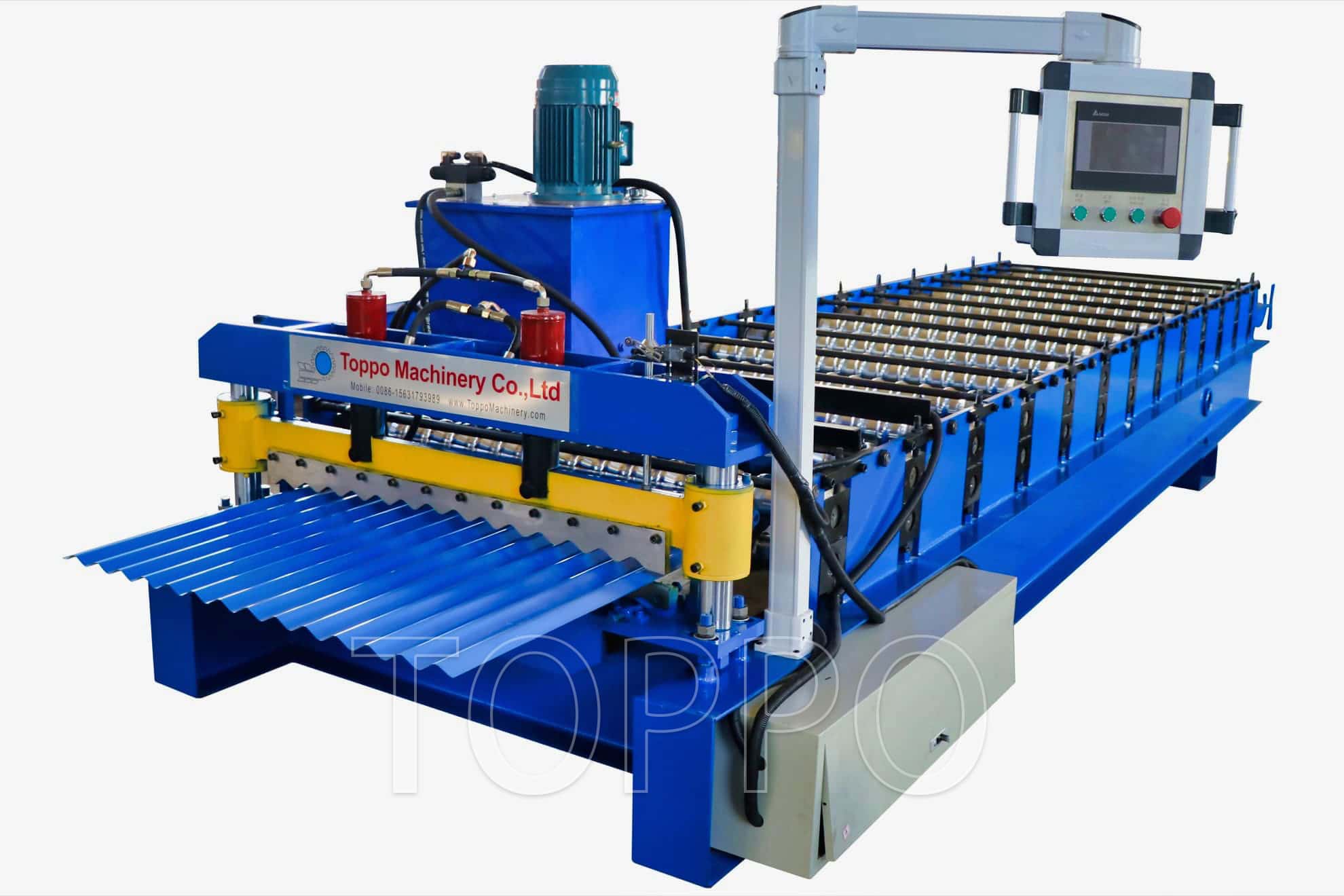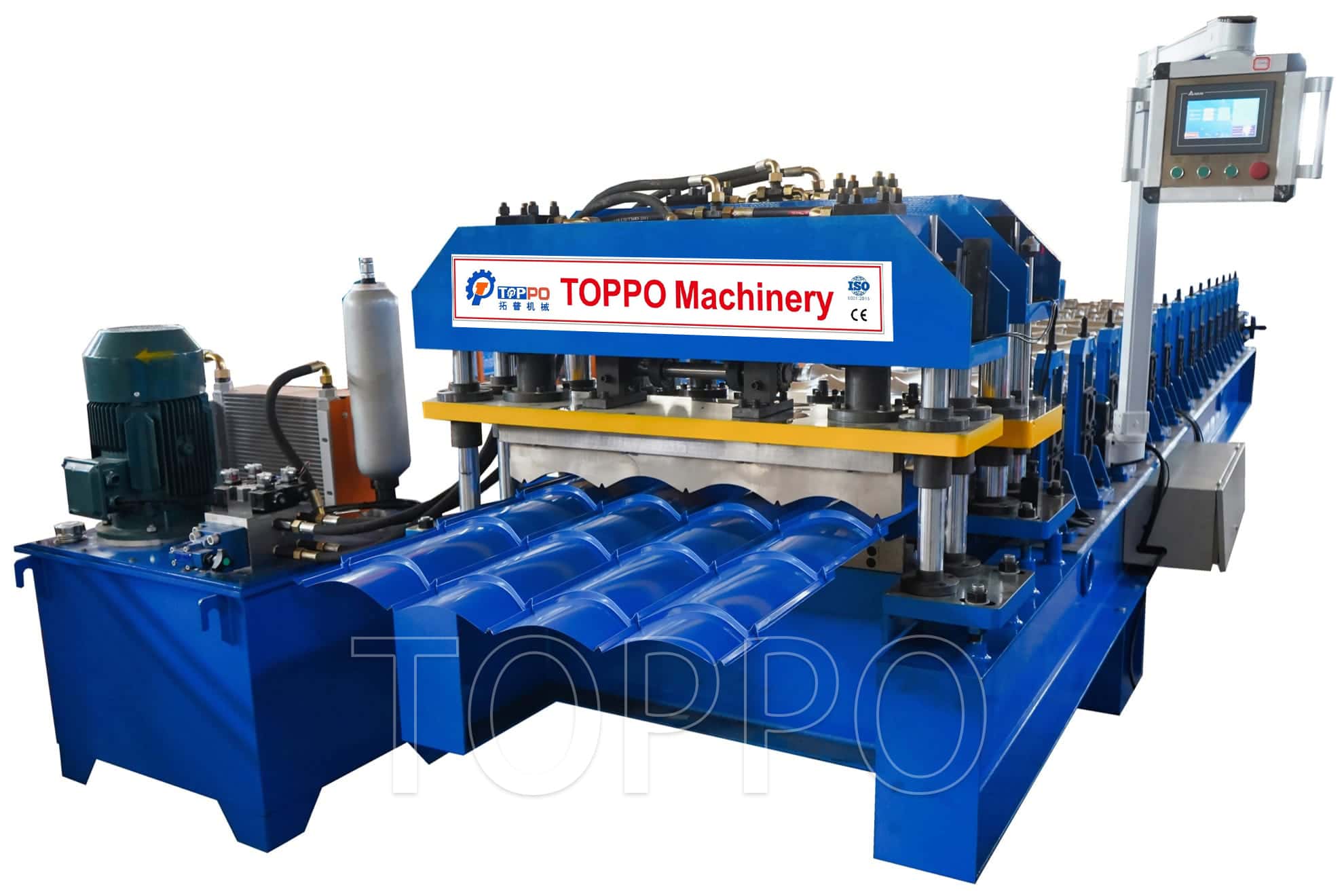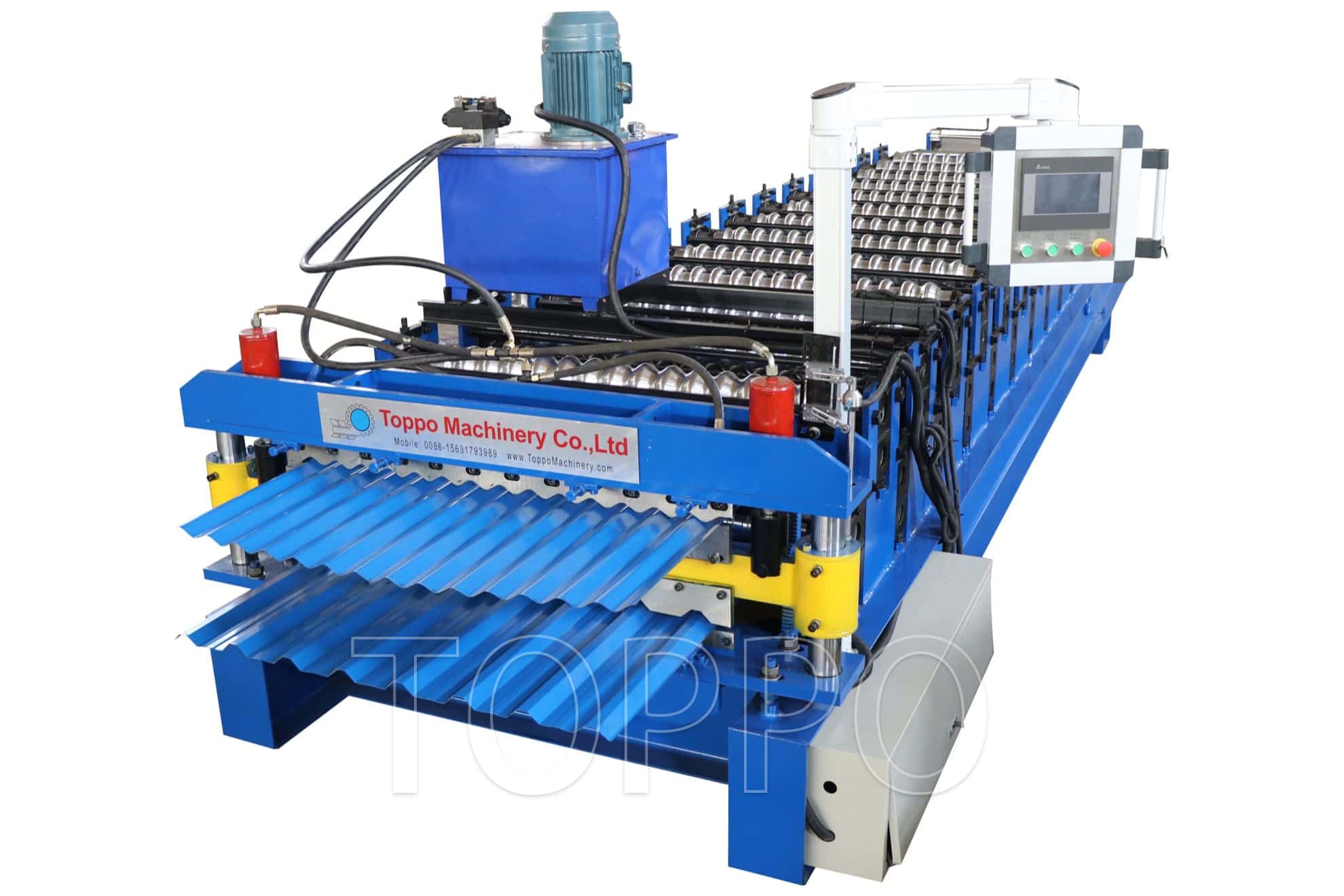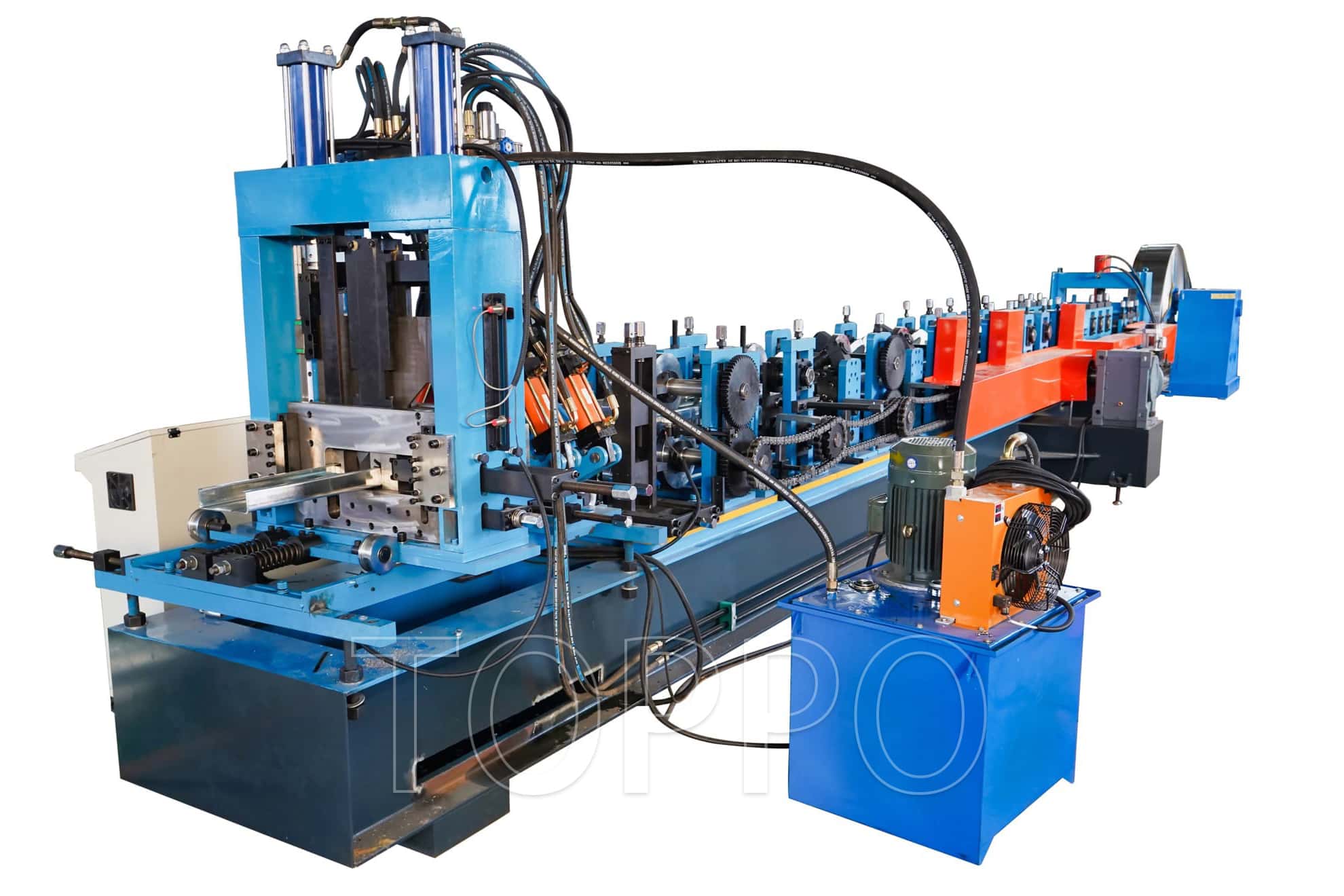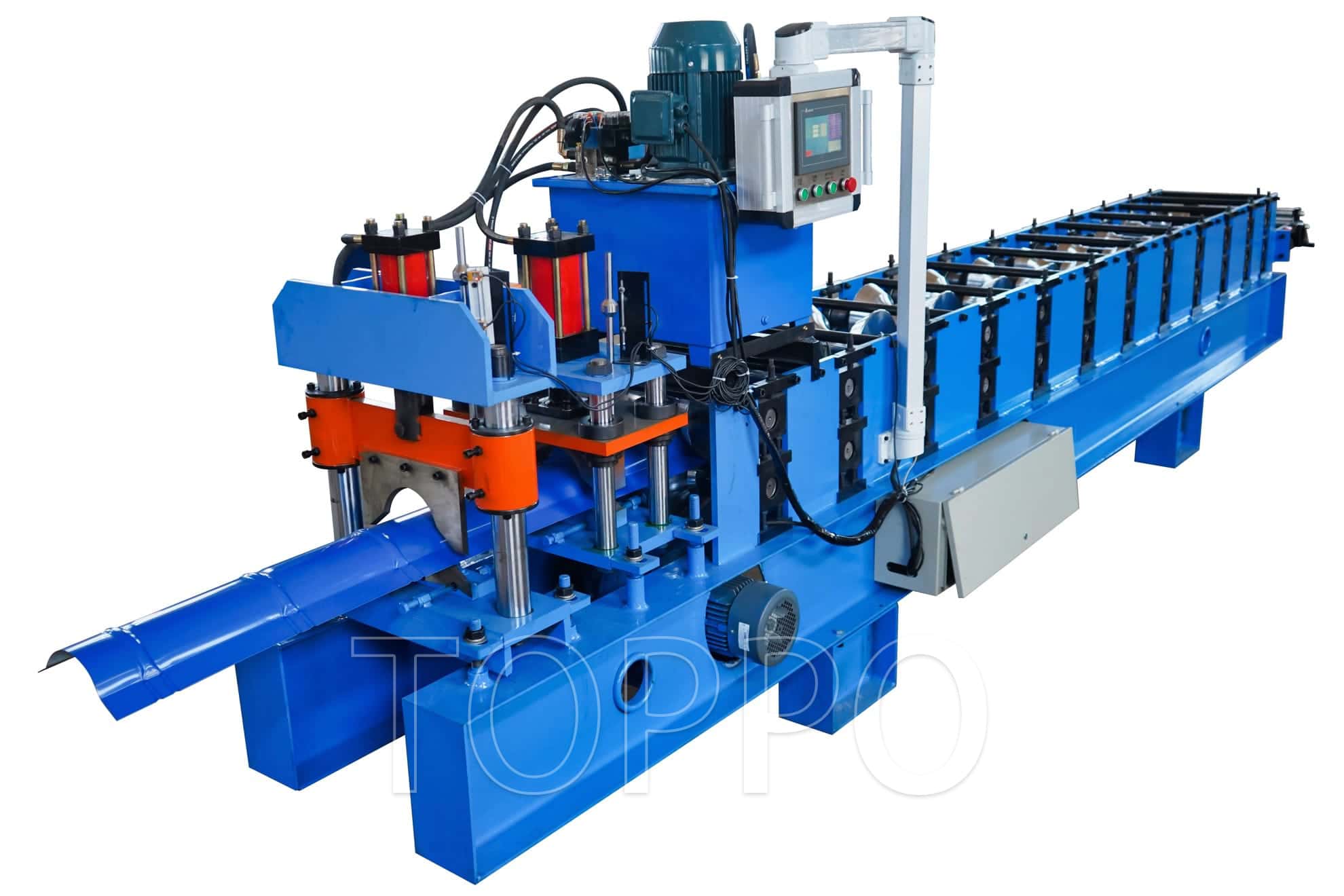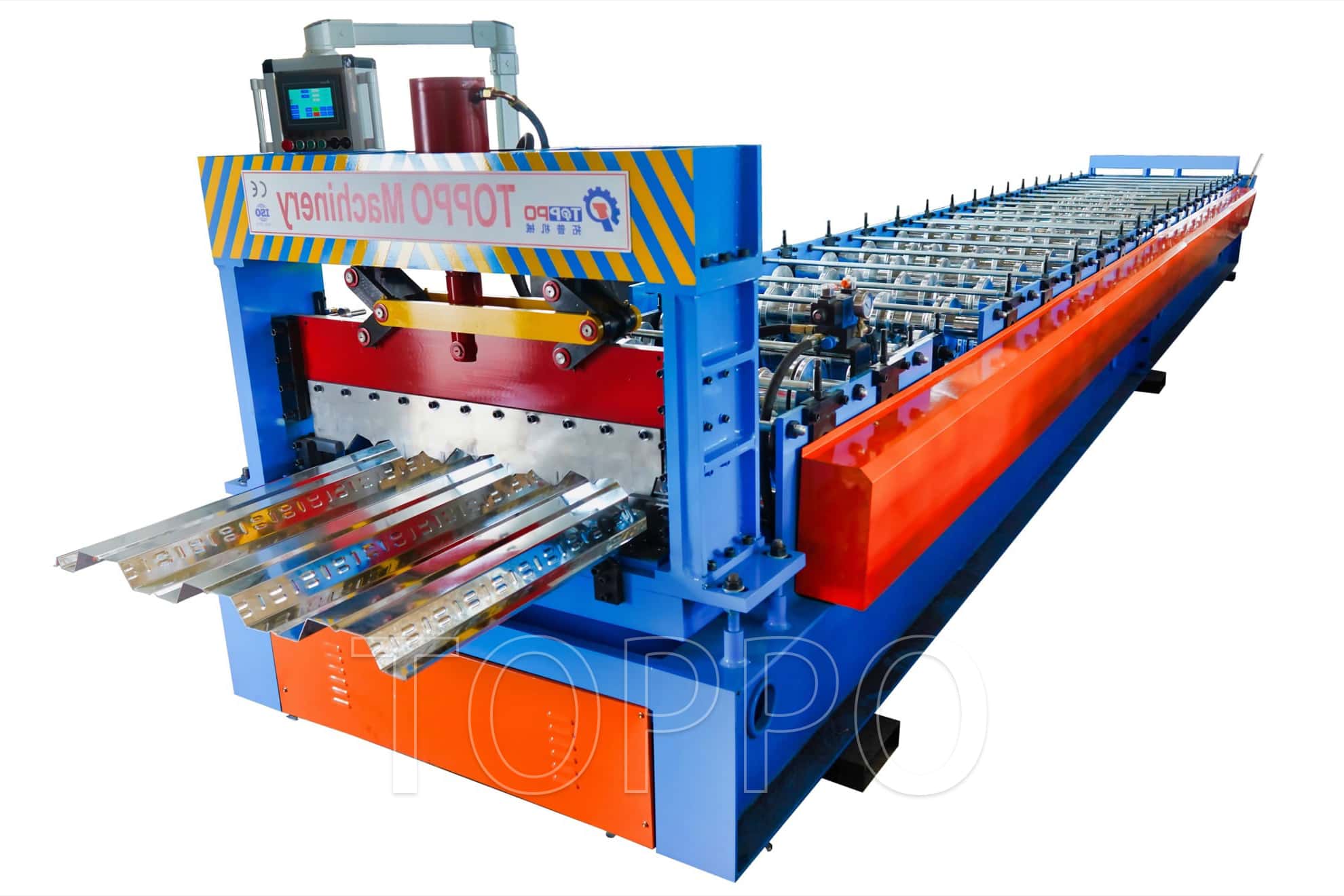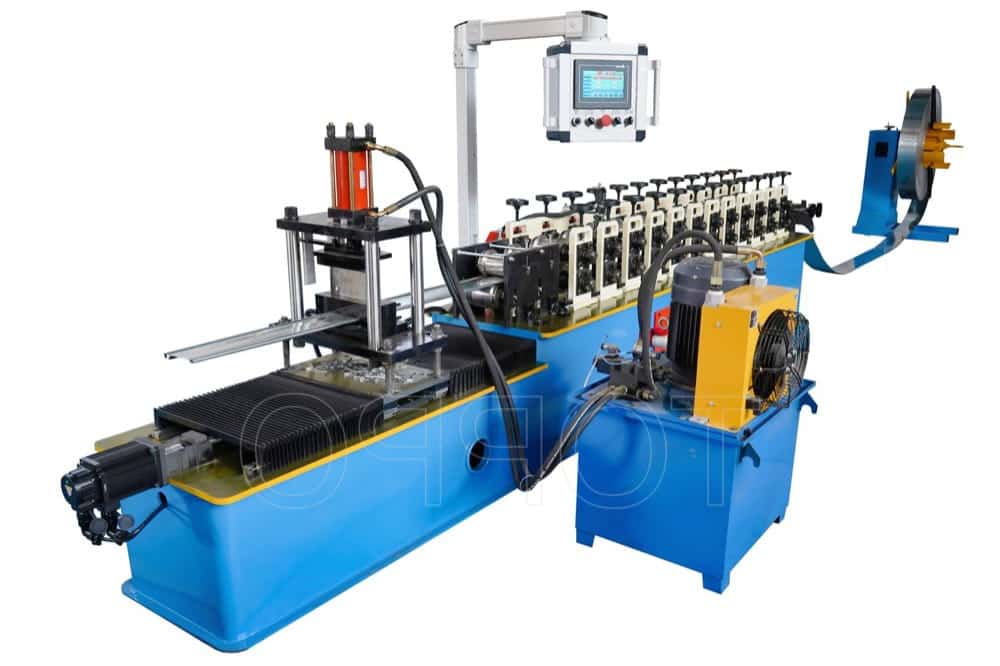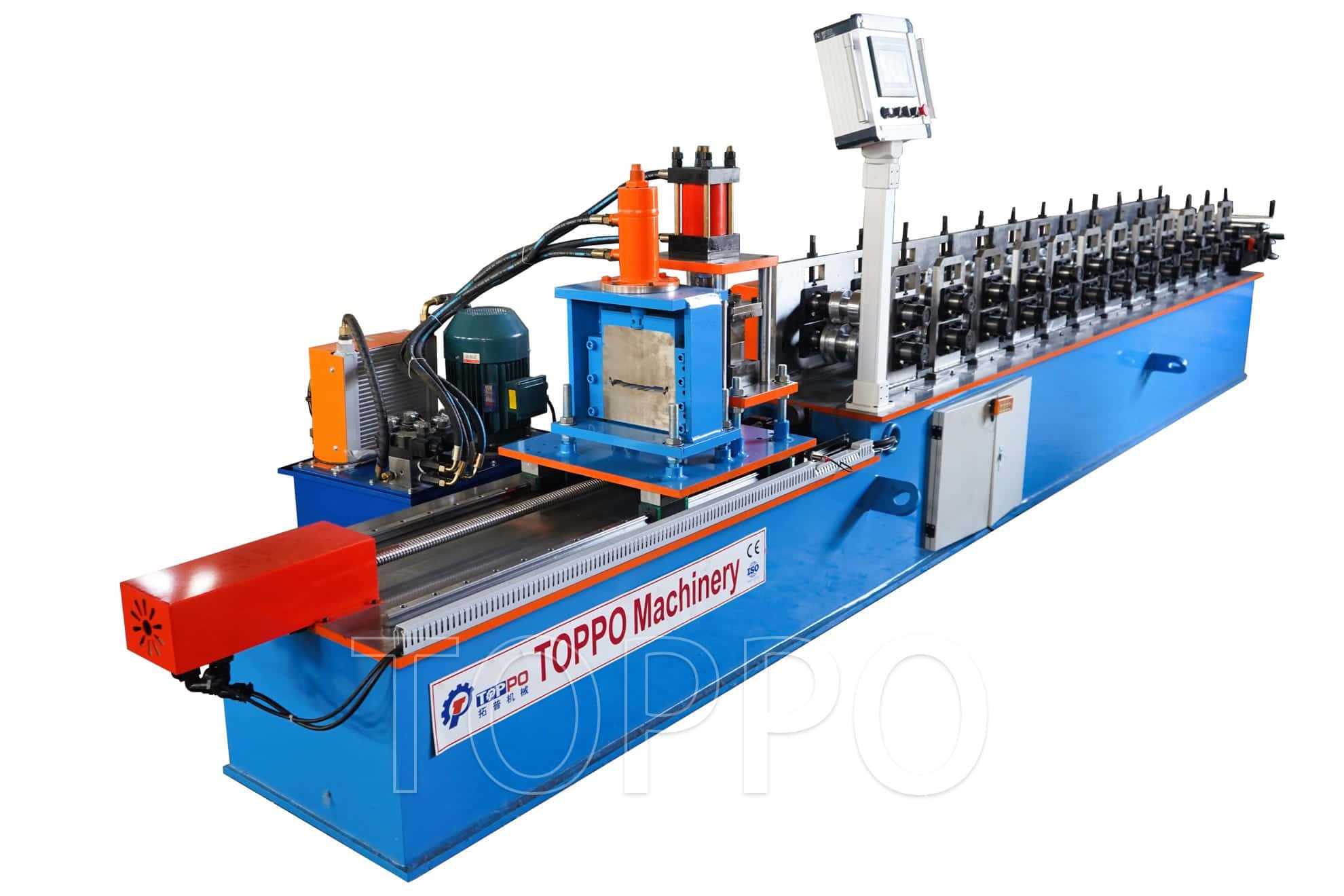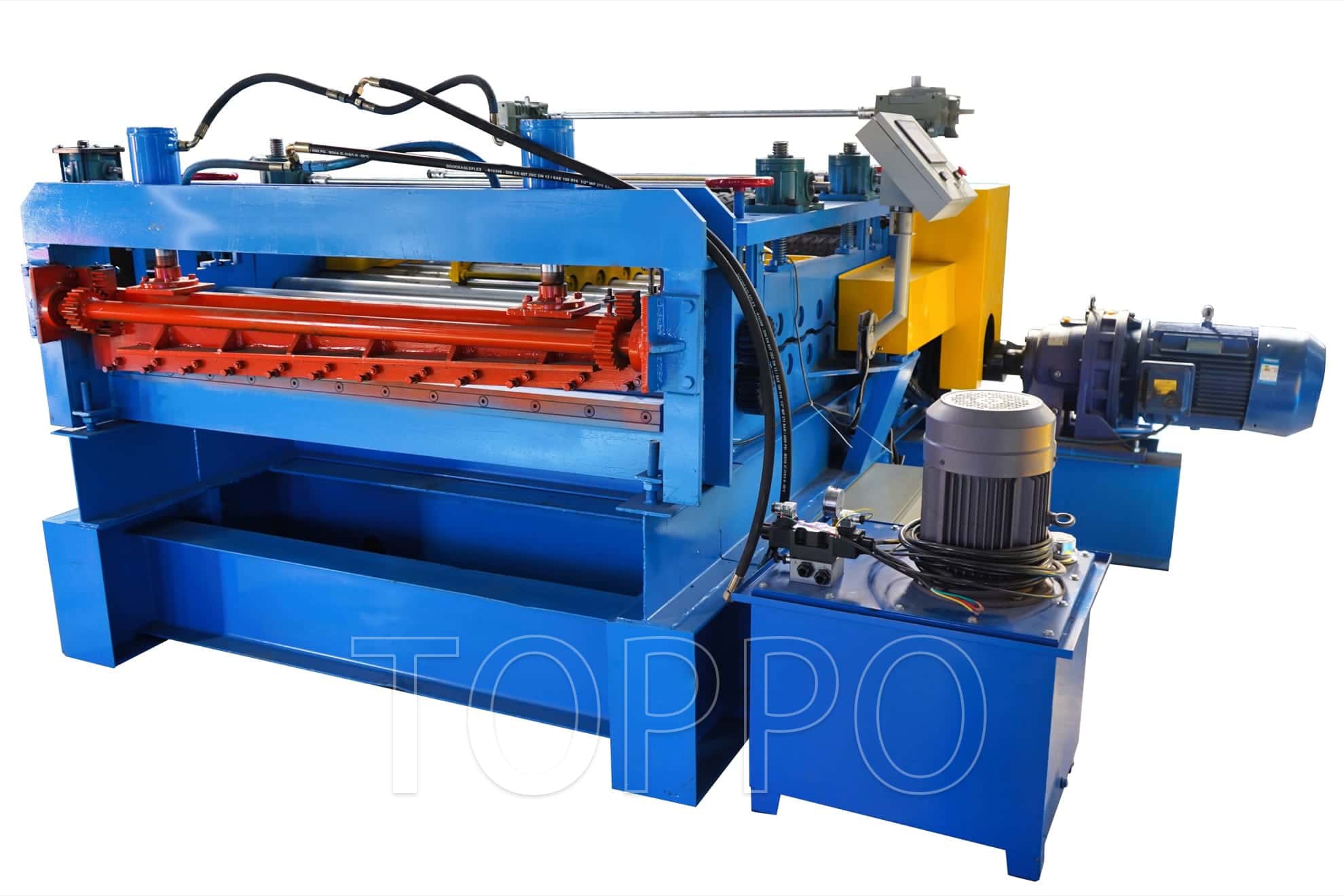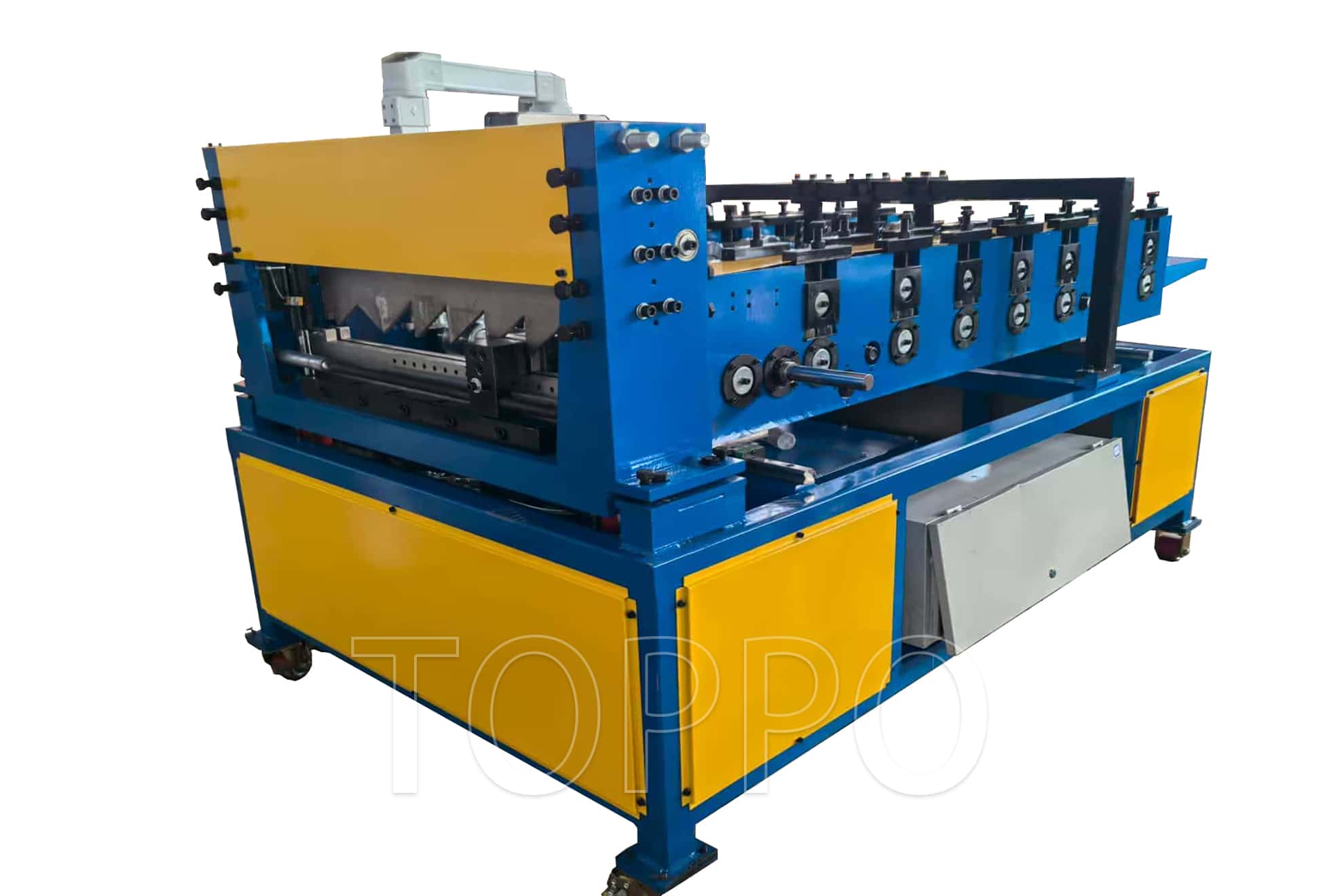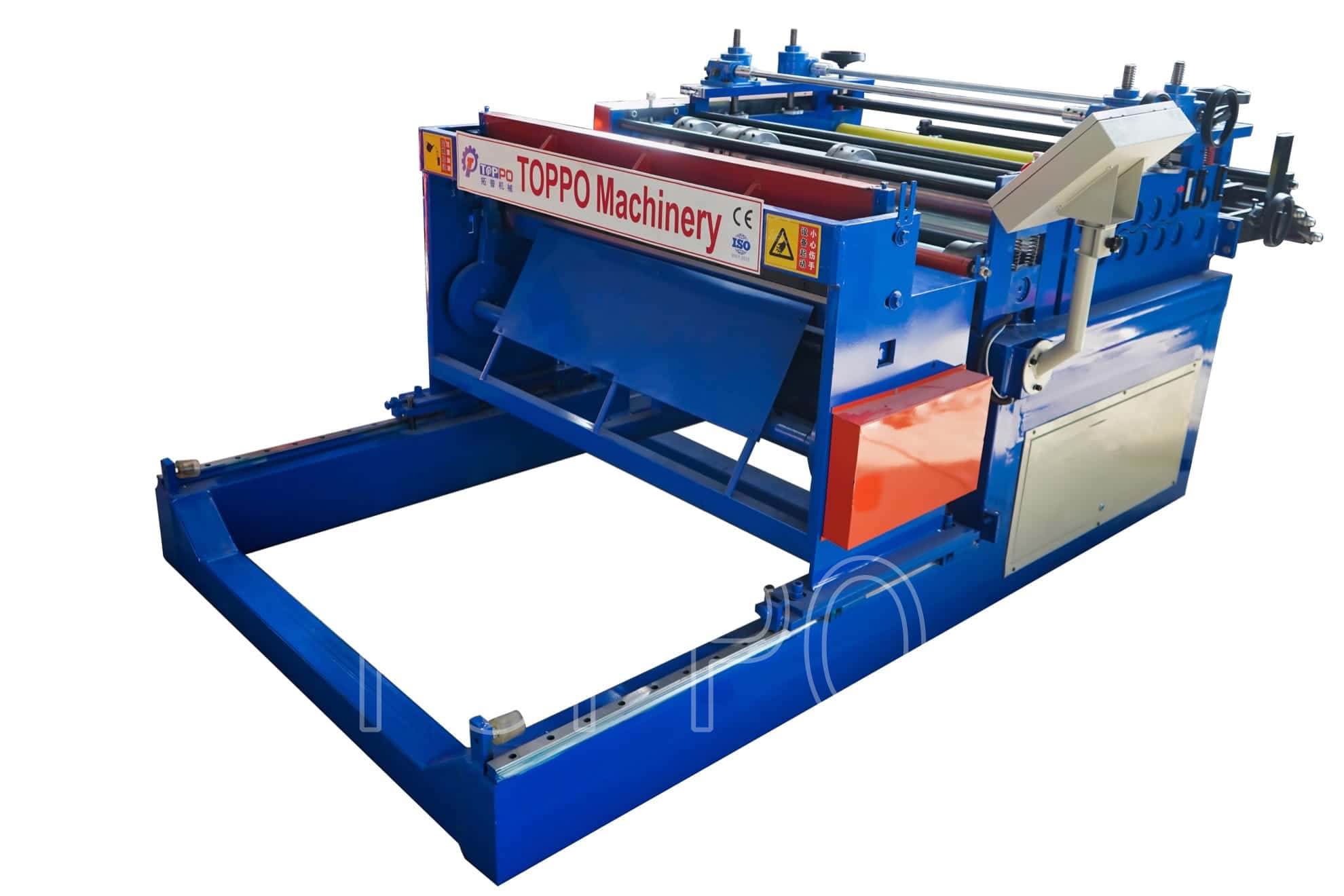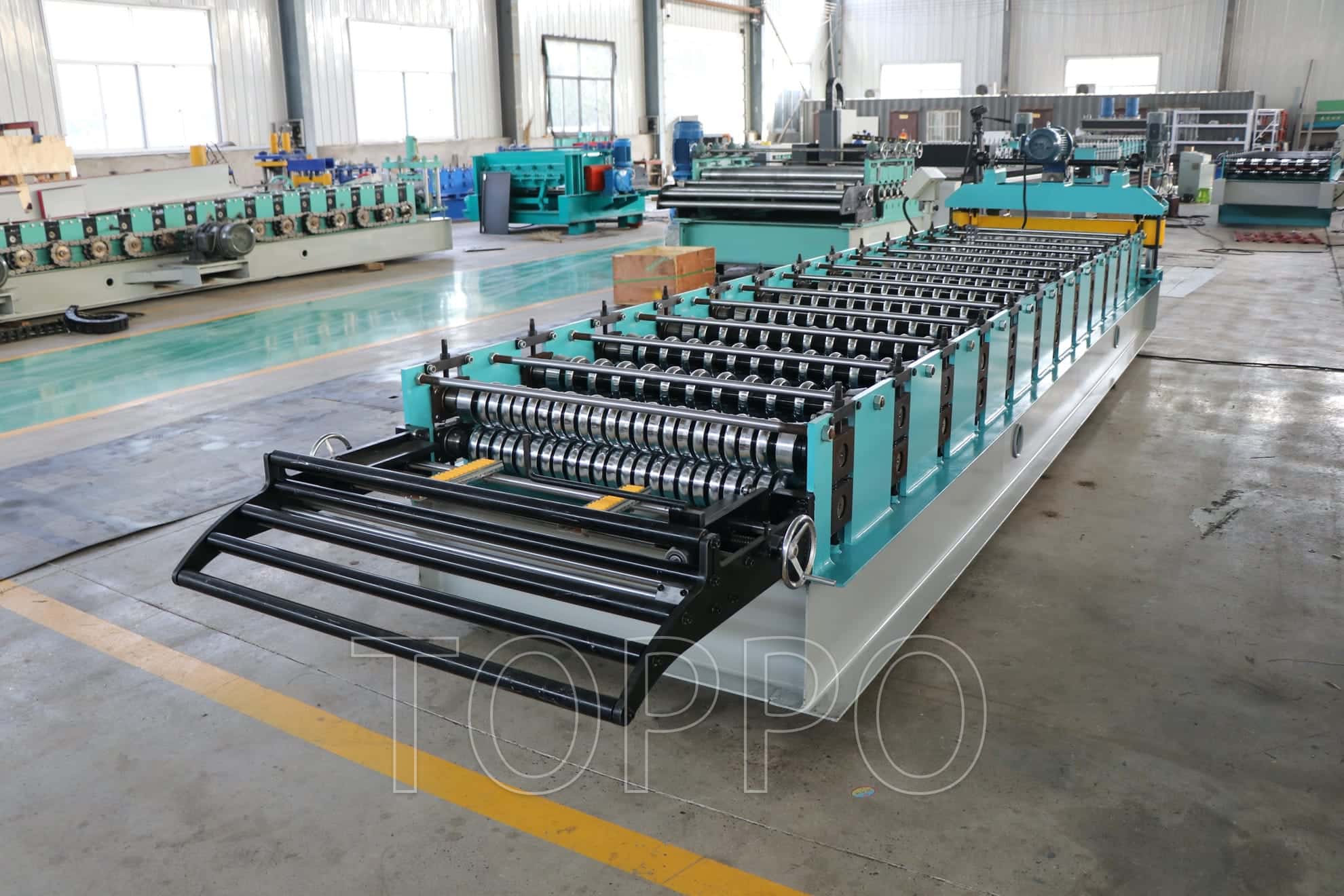
In the highly competitive roofing sheet production industry, efficiency and material optimization are essential for maintaining both profitability and sustainability. Manufacturers can significantly improve their operations by minimizing material waste and maximizing output through the use of advanced roll forming techniques and equipment. In this article, we will explore the key strategies that can help achieve these goals using machines like the high-speed hydraulic roof sheet panel 1000mm glazed tile roll forming machine.
1. Leveraging the High-Speed Hydraulic Roof Sheet Panel 1000mm Glazed Tile Roll Forming Machine
The high-speed hydraulic roof sheet panel 1000mm glazed tile roll forming machine is one of the most advanced machines available in the roofing sheet production industry. This machine is capable of producing large volumes of roofing panels at high speeds while maintaining precision and consistency.
To maximize output and minimize waste, it is essential to optimize the settings of the roll forming machine. Operators should carefully adjust the machine speed, pressure, and roller spacing to match the type of material being used. Furthermore, it’s critical to ensure the machine is running smoothly to avoid unnecessary downtime and production delays.
2. Precise Material Handling with the Roof Panel Making Machine
Efficient material handling is another crucial factor in optimizing roofing sheet production. When using the roof panel making machine, operators must ensure that the raw material is fed into the machine correctly to avoid material misalignment or damage. Proper material handling reduces the risk of production errors, which can lead to waste.
Regular checks of the feeding mechanism and adjustments to the material guides can ensure that the material flows smoothly through the machine without disruptions. This simple step helps in reducing material waste, ensuring that every piece of material is used efficiently.
3. Quality Control and Monitoring
Implementing a stringent quality control system is key to minimizing waste during the roofing sheet production process. By performing regular inspections and monitoring the production line closely, manufacturers can catch defects early and avoid producing defective panels that would otherwise be wasted.
Automated inspection systems can be utilized to detect subtle issues in the roofing panels, such as dimensional inaccuracies, surface defects, and incorrect coatings. Identifying these issues early allows for quick adjustments to the machine settings and prevents the need to scrap large quantities of product.
4. Efficient Material Selection for the Glazed Tile Roll Forming Machine
The material selection process plays a significant role in ensuring the success of the roofing sheet production. When working with the glazed tile roll forming machine, operators must carefully choose the right material thickness and quality to avoid production inefficiencies.
Materials that are too thin or too thick can lead to issues with forming accuracy, causing material waste. Choosing the right material also ensures the durability and quality of the final product, which reduces the likelihood of defects and the need for rework.
5. Implementing Recycling and Waste Reduction Practices
Recycling and waste reduction practices are essential for achieving sustainability in roofing sheet production. While some level of material waste is inevitable, manufacturers can significantly reduce it by recycling scrap material. The scrap material generated during the roll forming process can be reprocessed and reused in the production of new panels, helping reduce reliance on new raw materials and reducing overall production costs.
For example, metal scrap from the glazed tile making machine can be melted down and reintroduced into the production process. This not only reduces material costs but also improves the overall environmental footprint of the roofing sheet manufacturing process.
In conclusion, optimizing roofing sheet production involves a combination of precise machine settings, careful material handling, rigorous quality control, and effective recycling practices. By implementing these strategies, manufacturers can achieve both higher production output and lower material waste, leading to greater efficiency and cost savings.
READ MORE: