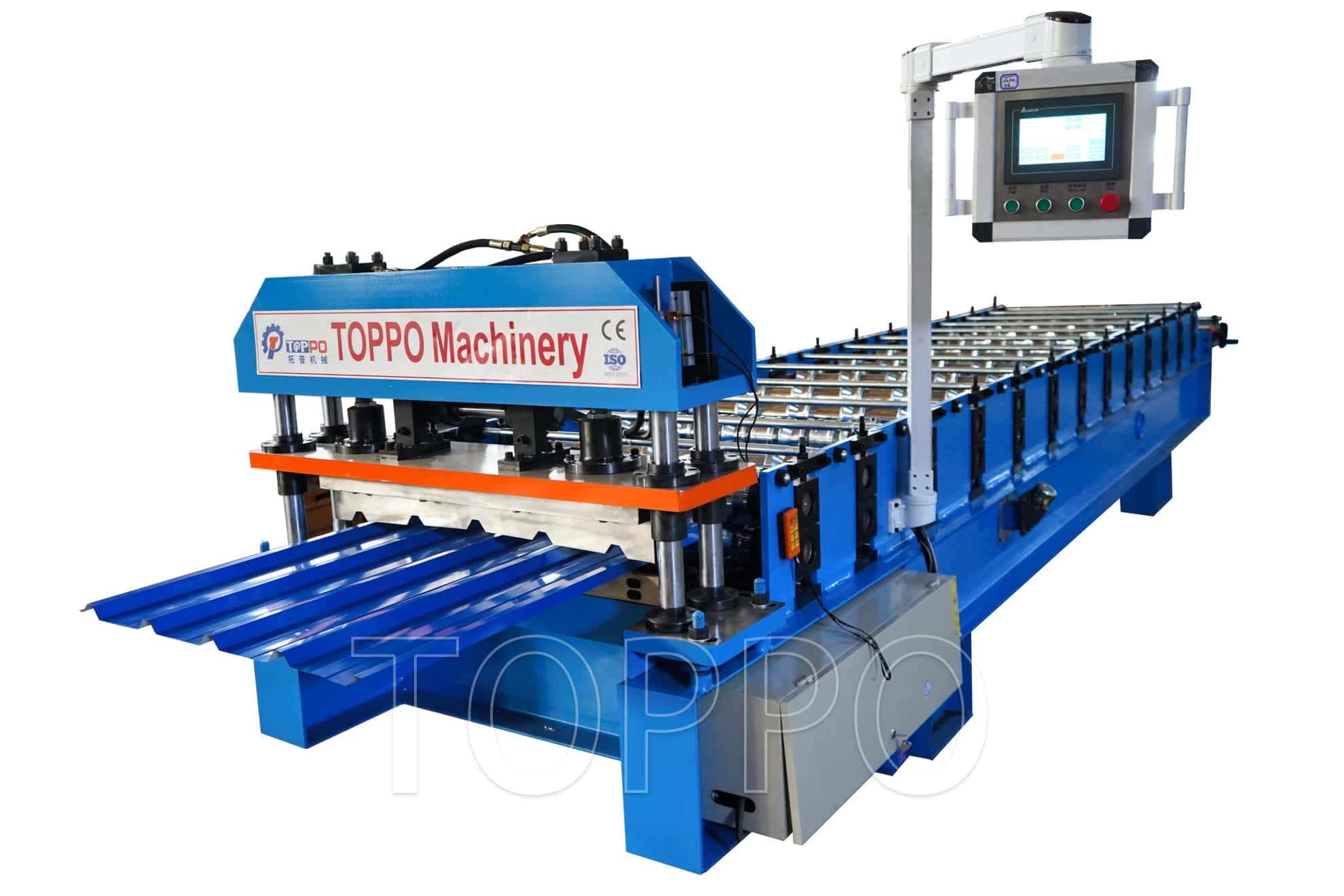
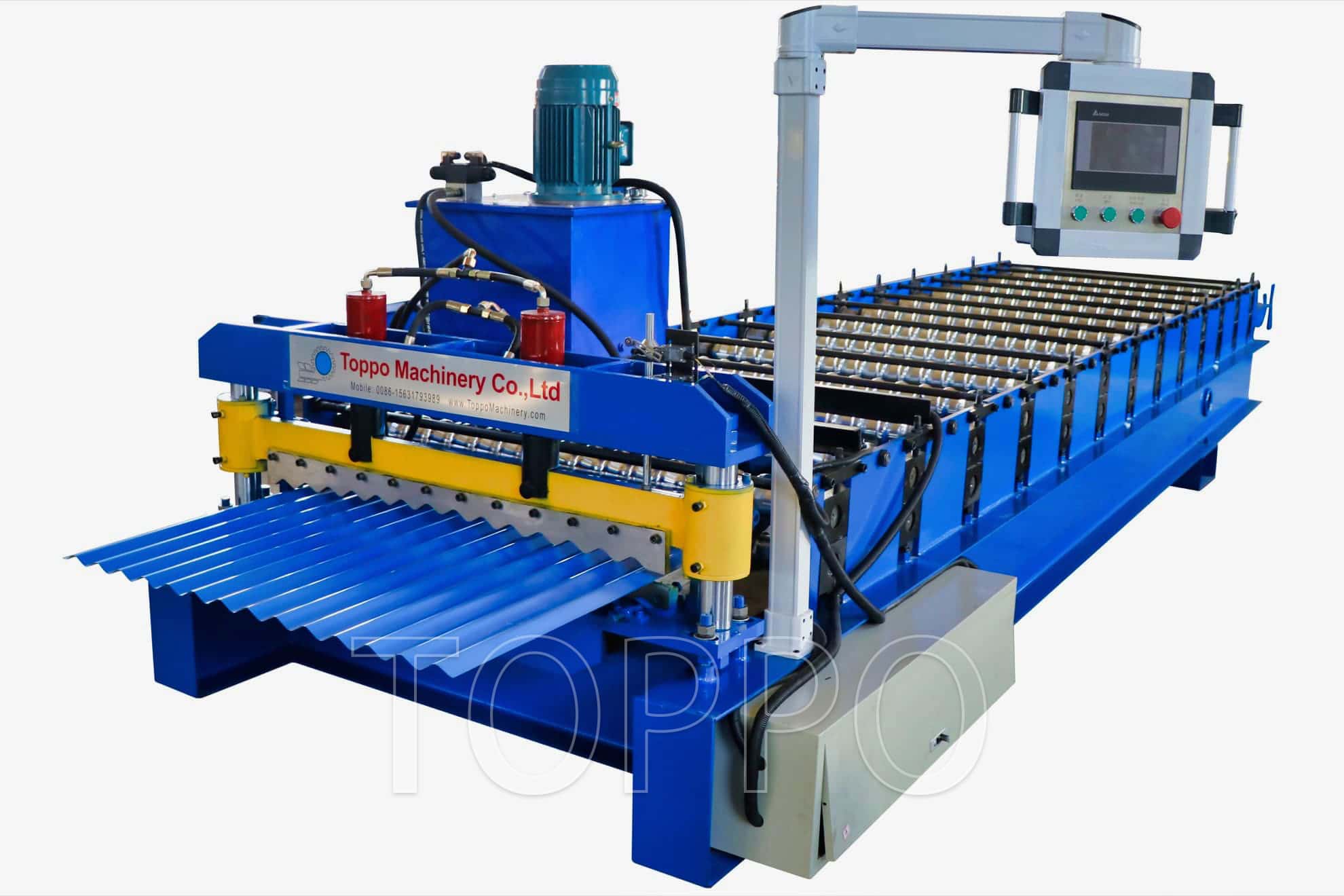
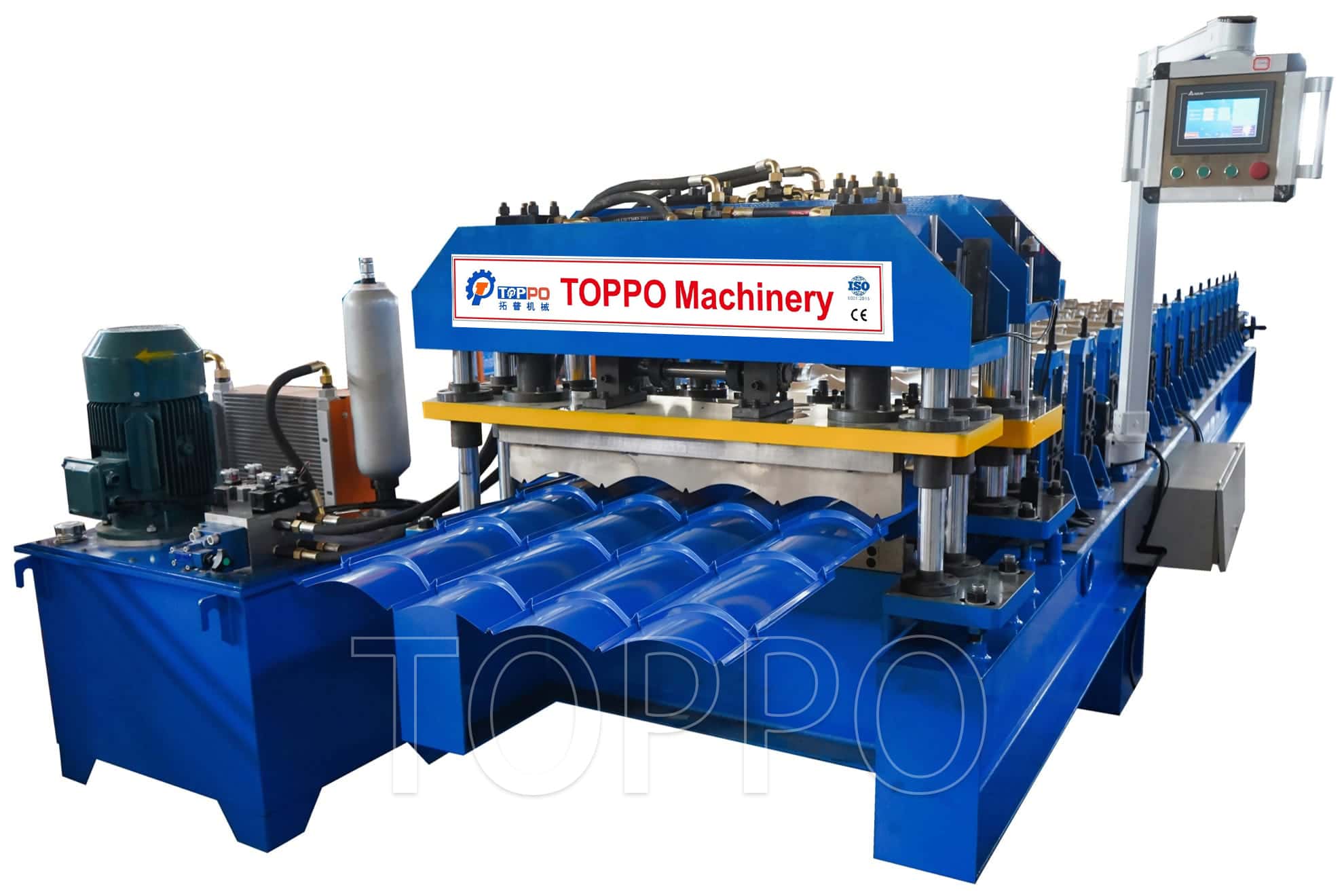
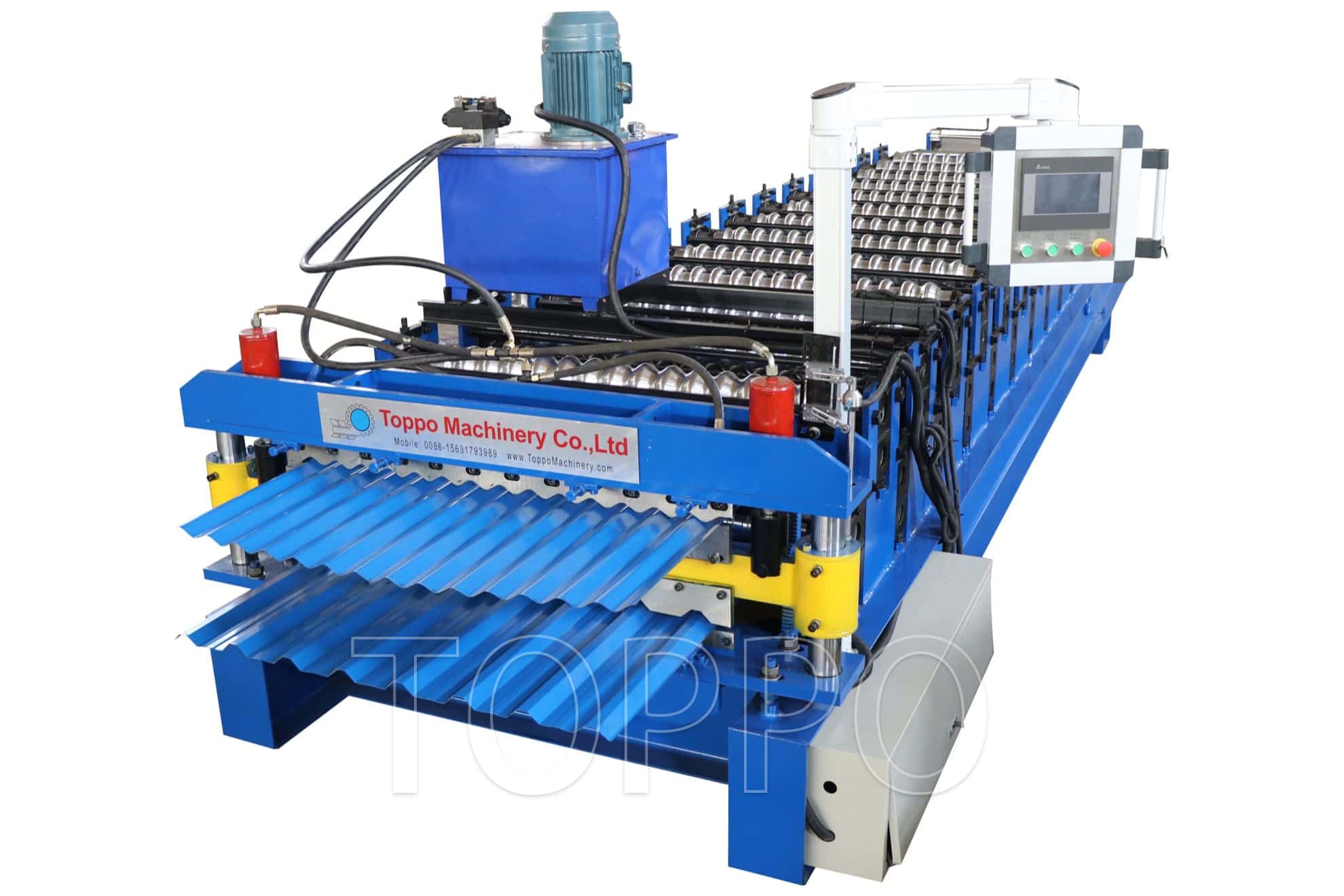
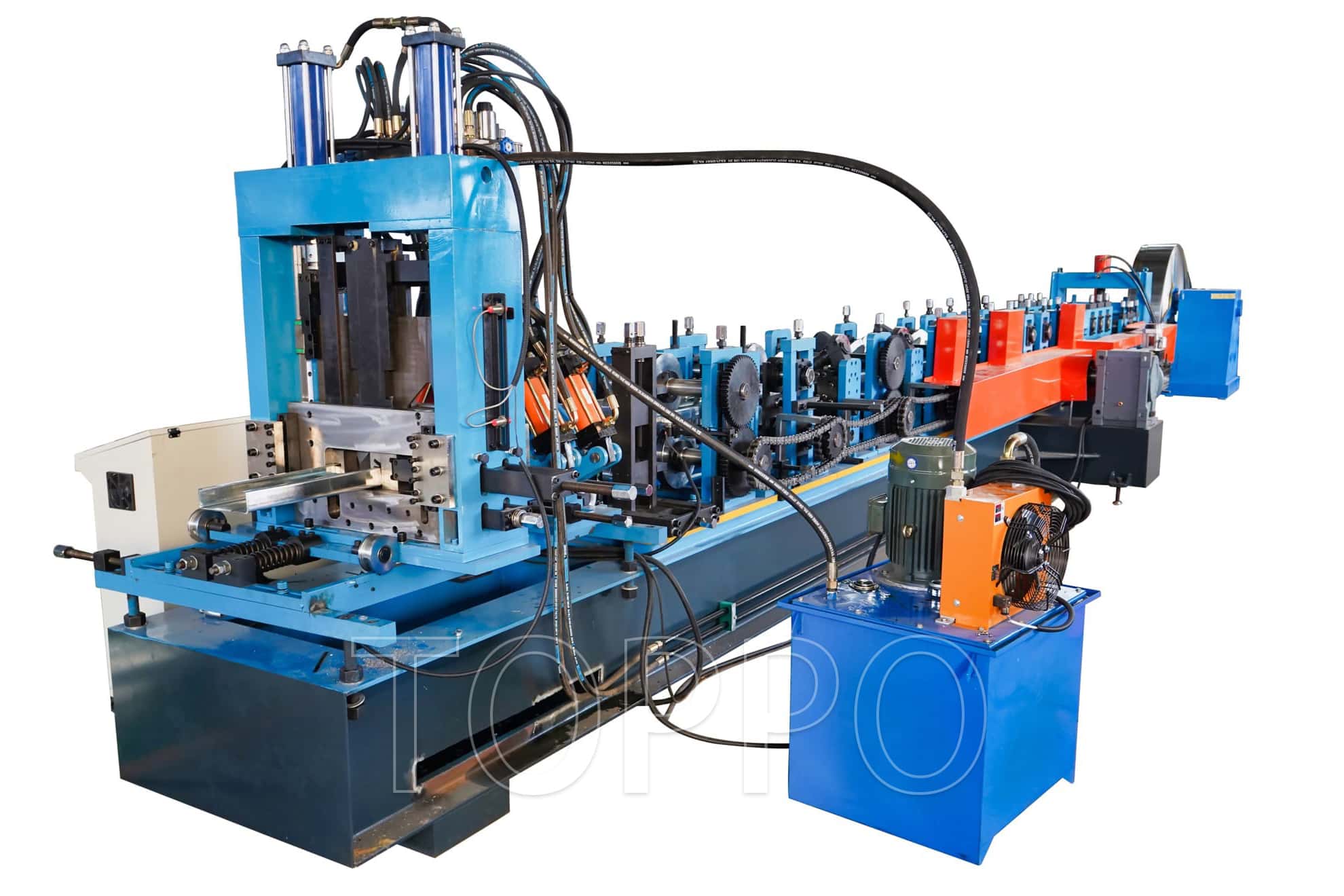
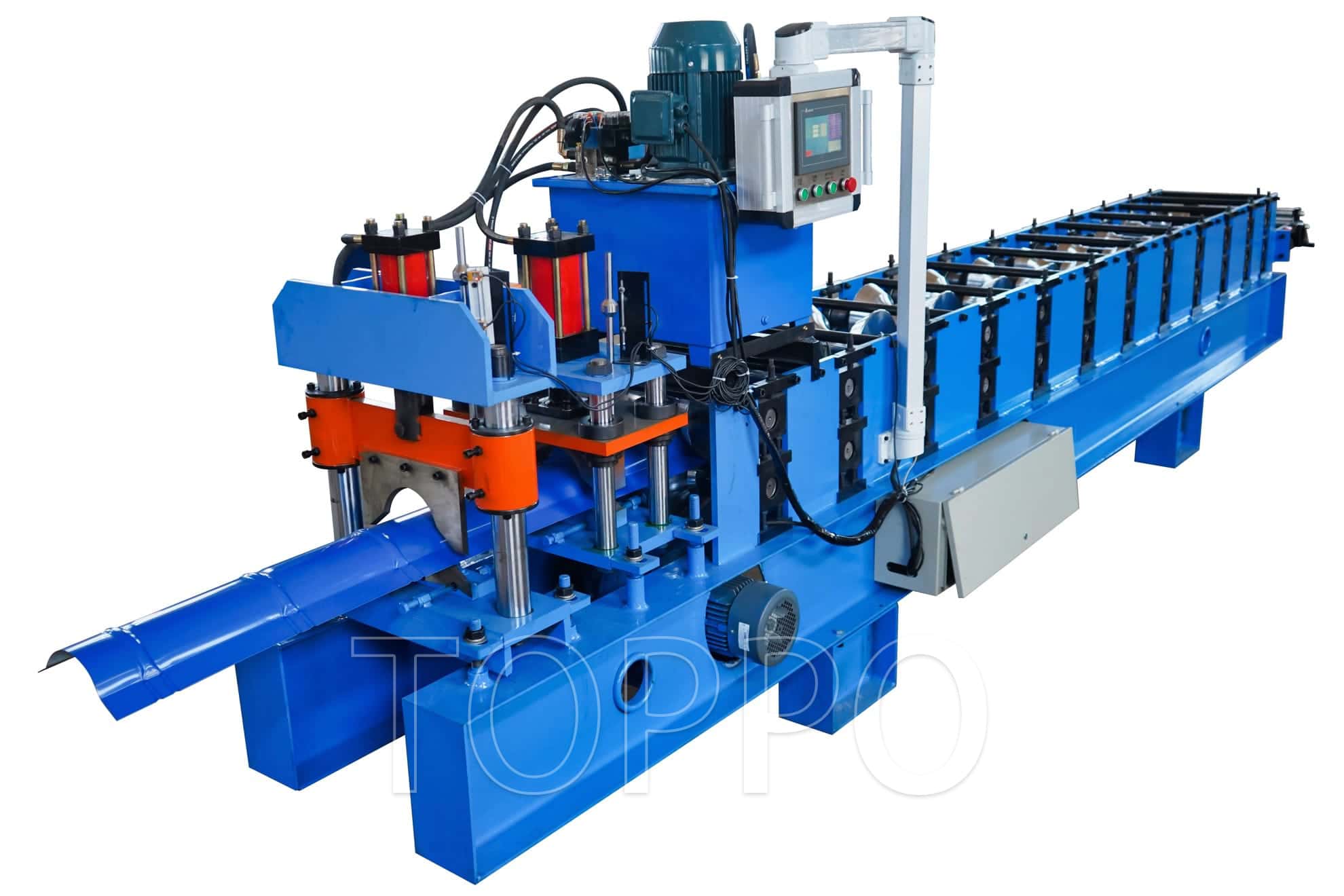
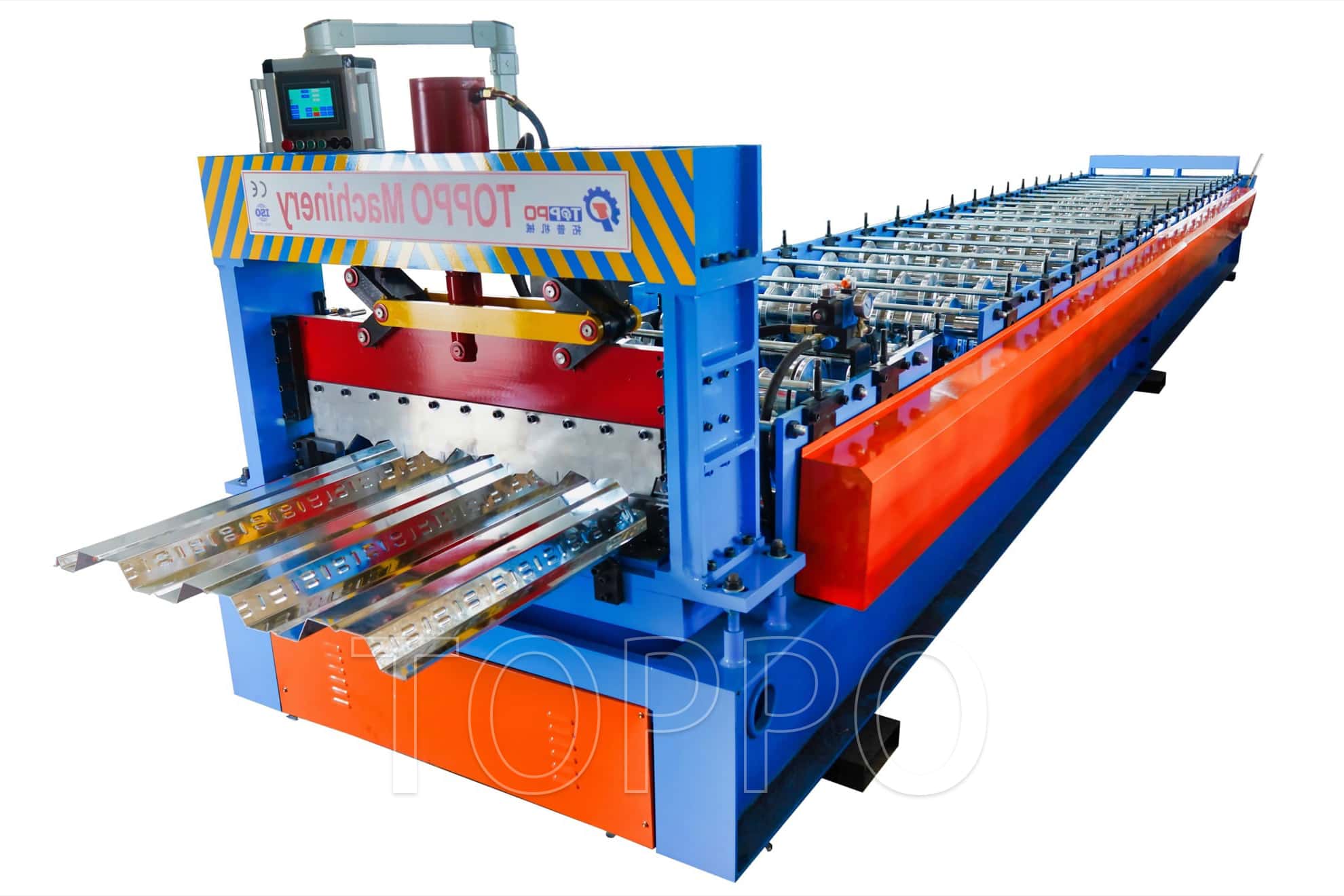
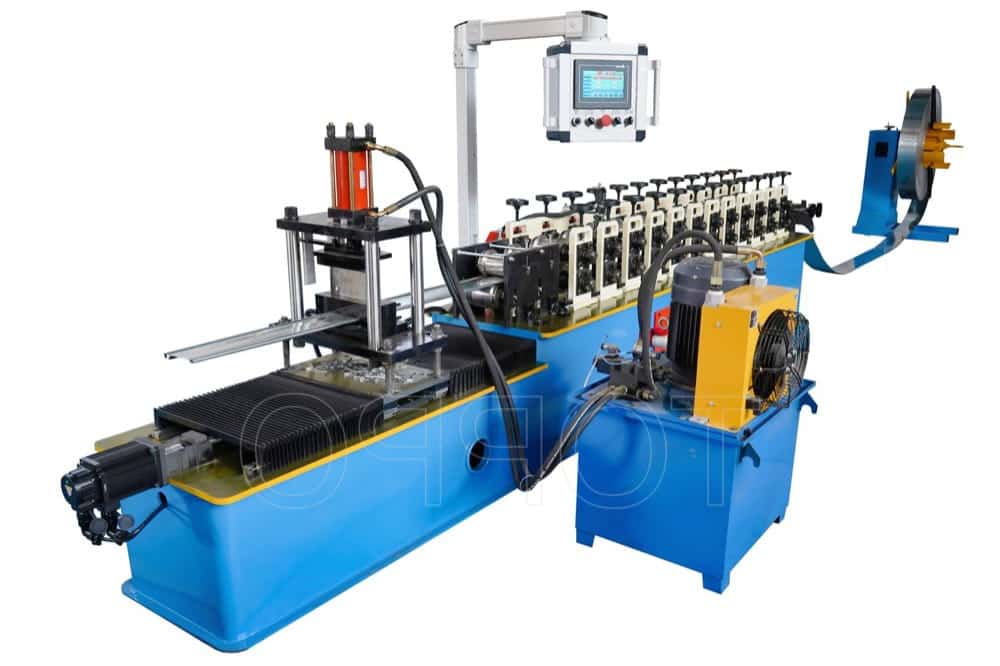
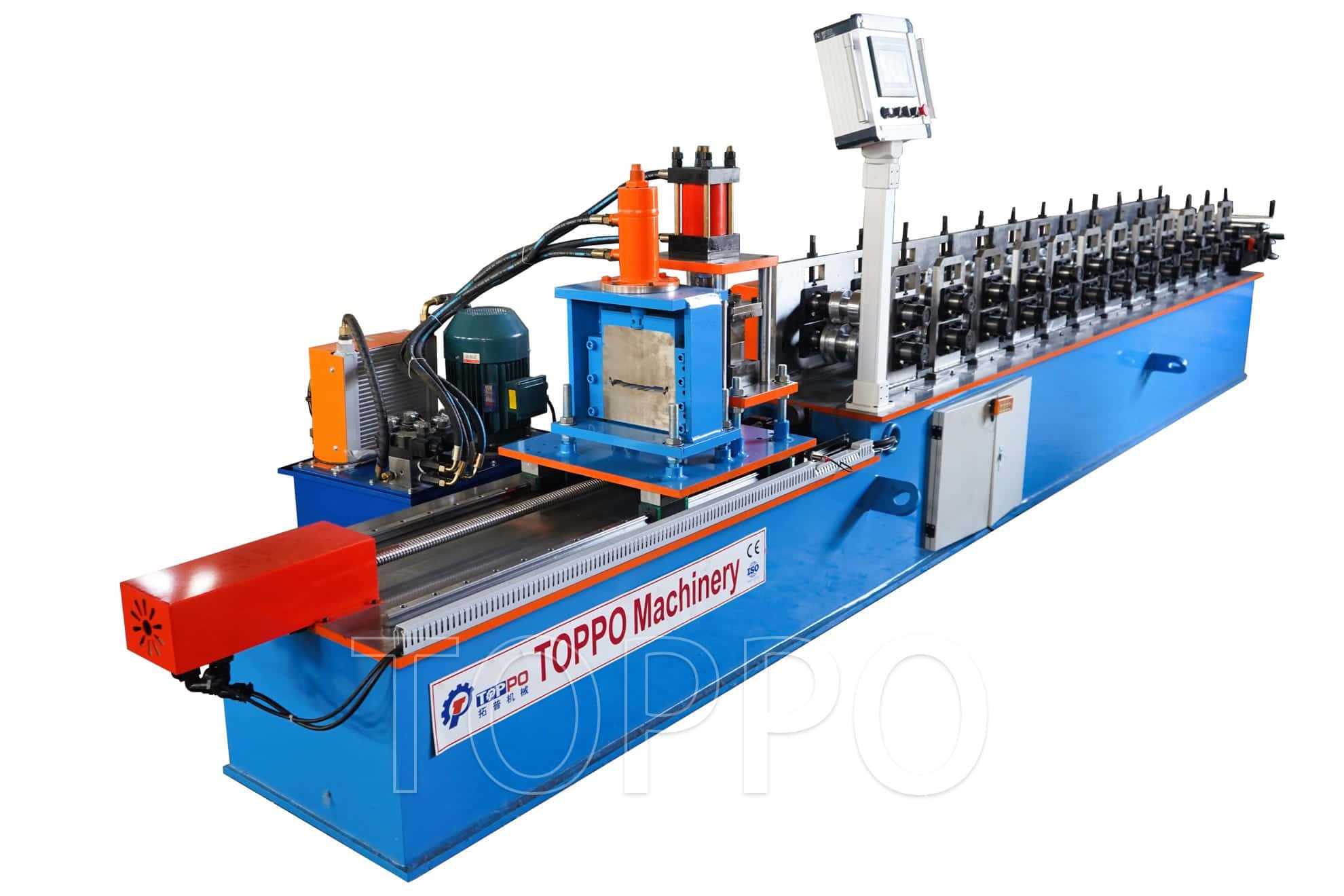
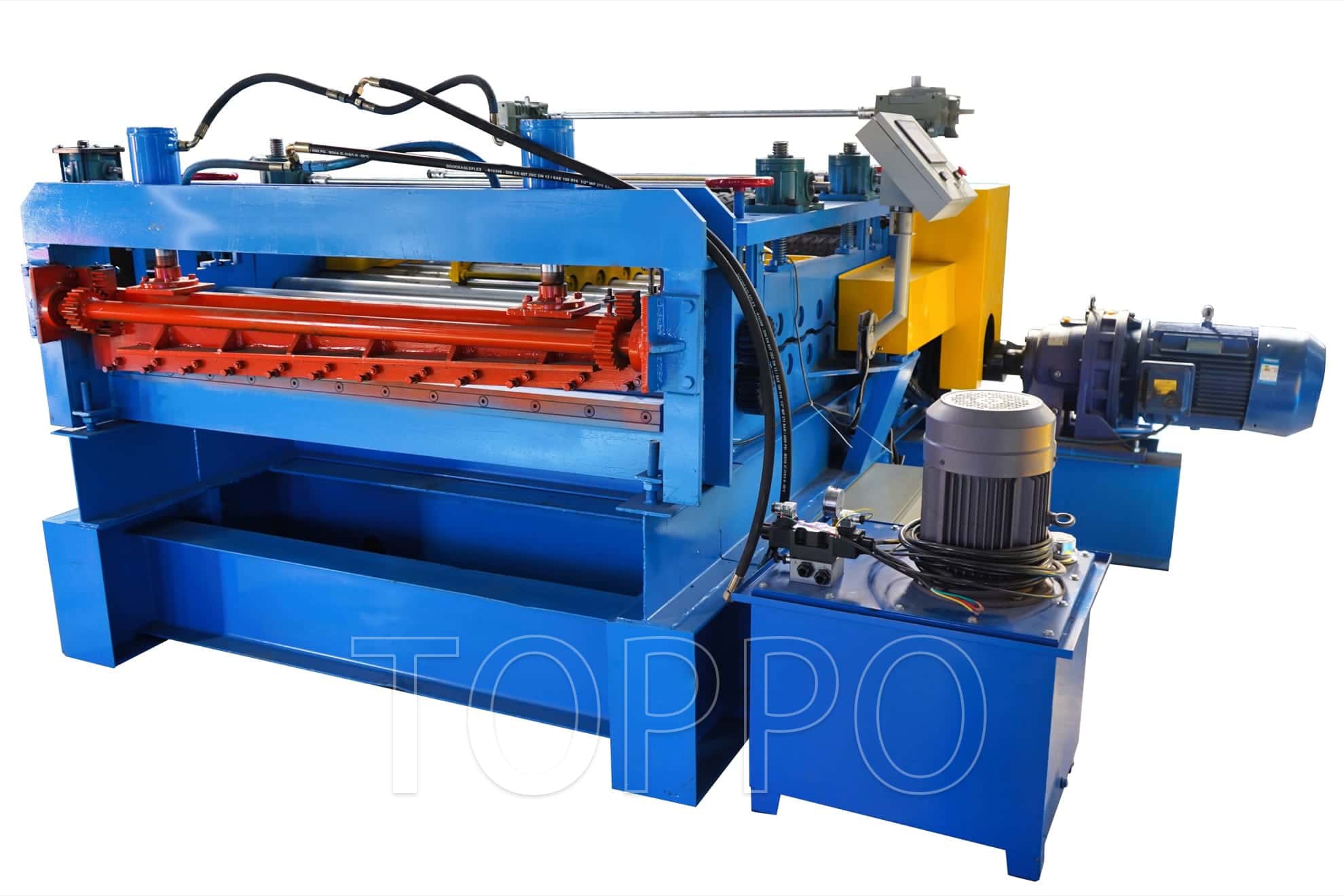
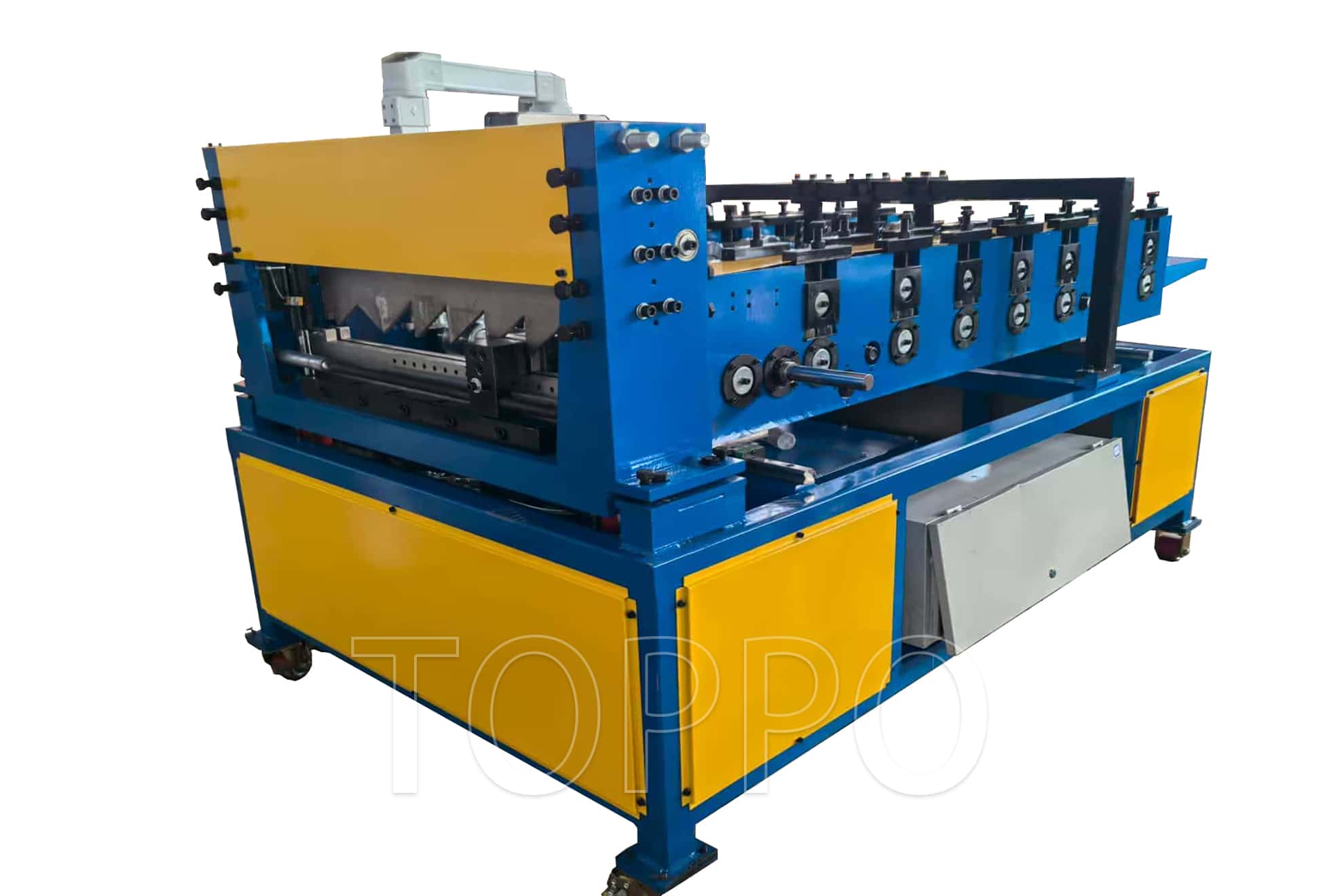
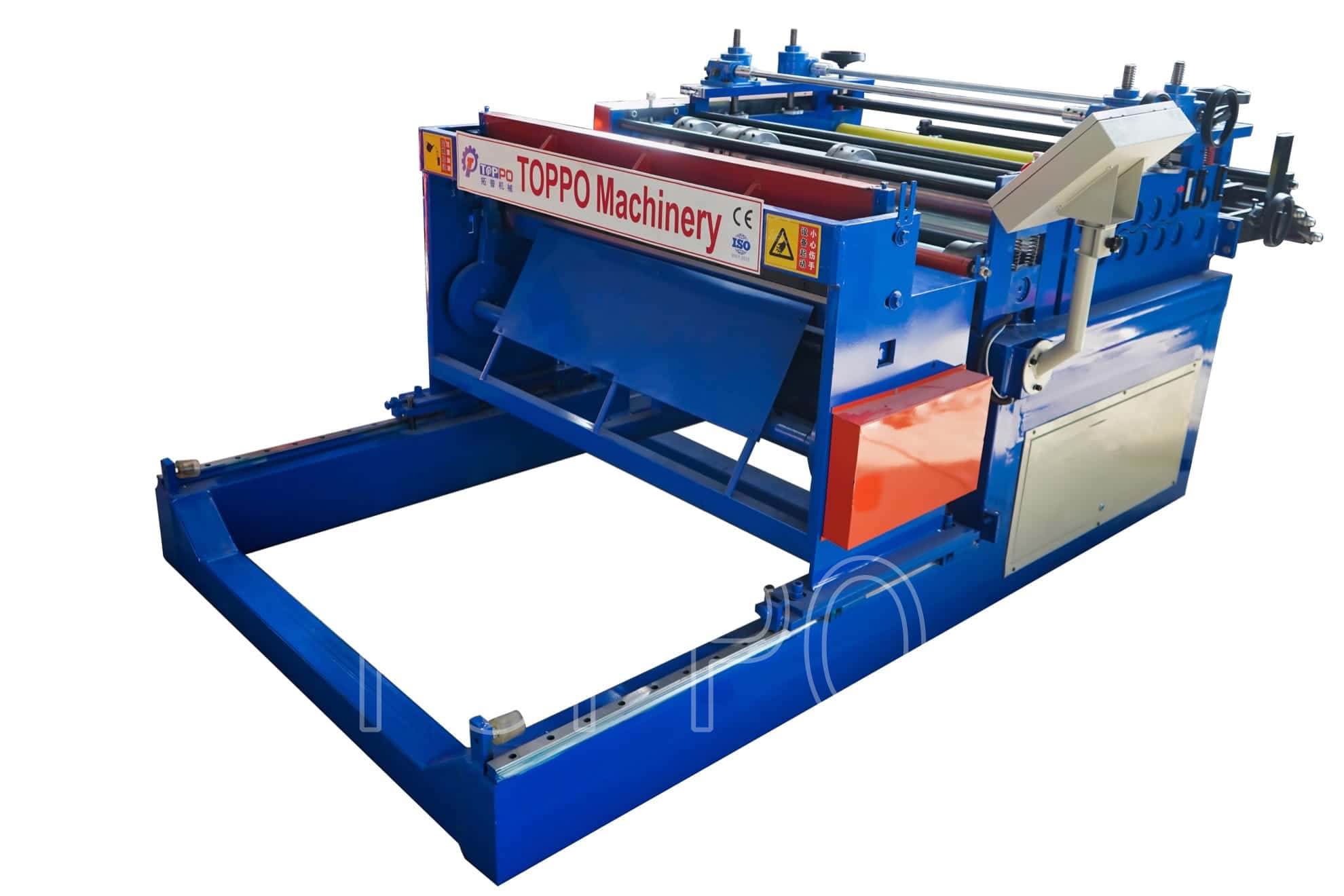
Specialized roofing projects require more than standard production capacity. Manufacturers need flexible, reliable equipment capable of handling varying material specifications while maintaining consistent quality and efficiency.
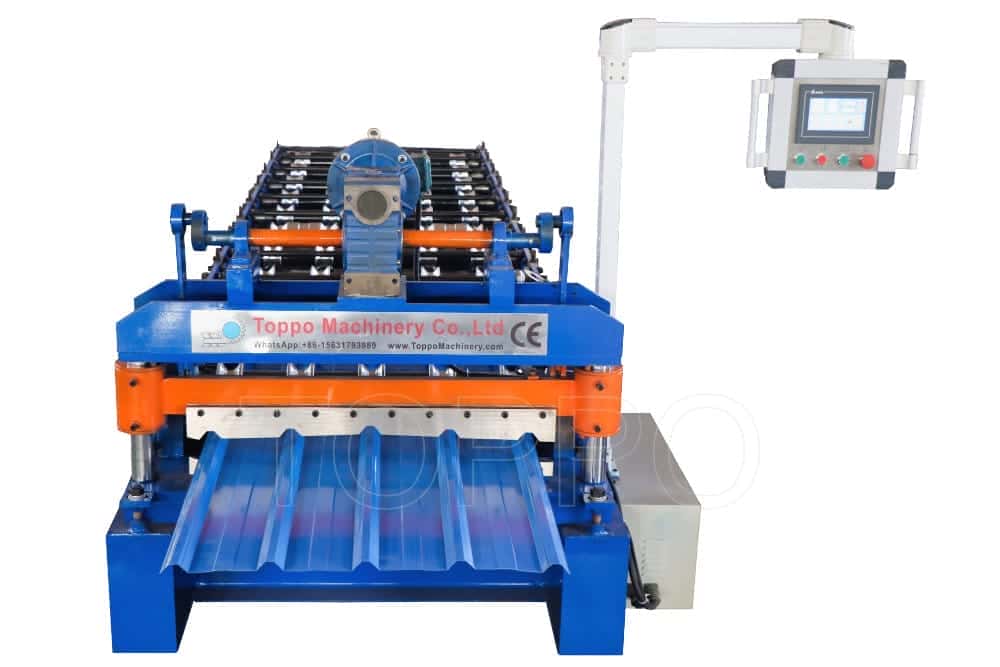
Roofing Roll Forming Machine for Specialized Roofing Projects
For specialized roofing projects, the most important factor is production flexibility without sacrificing consistency. Whether the application involves industrial facilities, custom architectural designs, transportation infrastructure, or region-specific roofing requirements, manufacturers need a roofing roll forming machine capable of maintaining stable quality across different materials and profiles. In real factory environments, long-term profitability is usually determined by production reliability, material adaptability, and operating efficiency rather than maximum production speed alone.
Manufacturers operating an Aluminum Roofing Sheet Roll Forming Machine or a Color Steel Roofing Sheet Roll Forming Machine often encounter projects requiring different material thicknesses, coating systems, and profile geometries. Equipment that adapts quickly to these requirements helps reduce downtime while maintaining product quality and delivery schedules.
Specialized Roofing Project Production Comparison
| Production Factor | Flexible Manufacturing System | Limited Adaptability System |
|---|
| Profile Customization | Efficient adjustments | Longer setup periods |
| Production Consistency | Stable quality output | Higher variation risk |
| Maintenance Planning | Predictable servicing | Unexpected downtime |
| ROI Performance | Stronger long-term return | Extended payback cycle |
In practice, specialized roofing production depends heavily on machine stability. Reliable hydraulic systems, accurate cutting mechanisms, and dependable PLC controls help maintain dimensional accuracy during long production runs. Durable rollers and quality motor brands further support consistent output while reducing maintenance requirements. Efficient profile changeovers are especially valuable when manufacturers process multiple roofing designs within the same production schedule.
Experienced buyers also evaluate transportation and installation efficiency before investing. Equipment designed for container shipment and streamlined commissioning often reaches production readiness faster, improving project economics. Material compatibility across different galvanized steel thicknesses further enhances production flexibility and resource utilization.
Ultimately, a roofing roll forming machine for specialized roofing projects should combine reliability, adaptability, and operational efficiency. When machine capability aligns with project requirements, manufacturers can consistently deliver high-quality roofing products while improving productivity, controlling operating costs, and achieving a stronger return on investment.
READ MORE: