Top 5 Challenges Roofing Sheet Manufacturers Face in Developing Countries
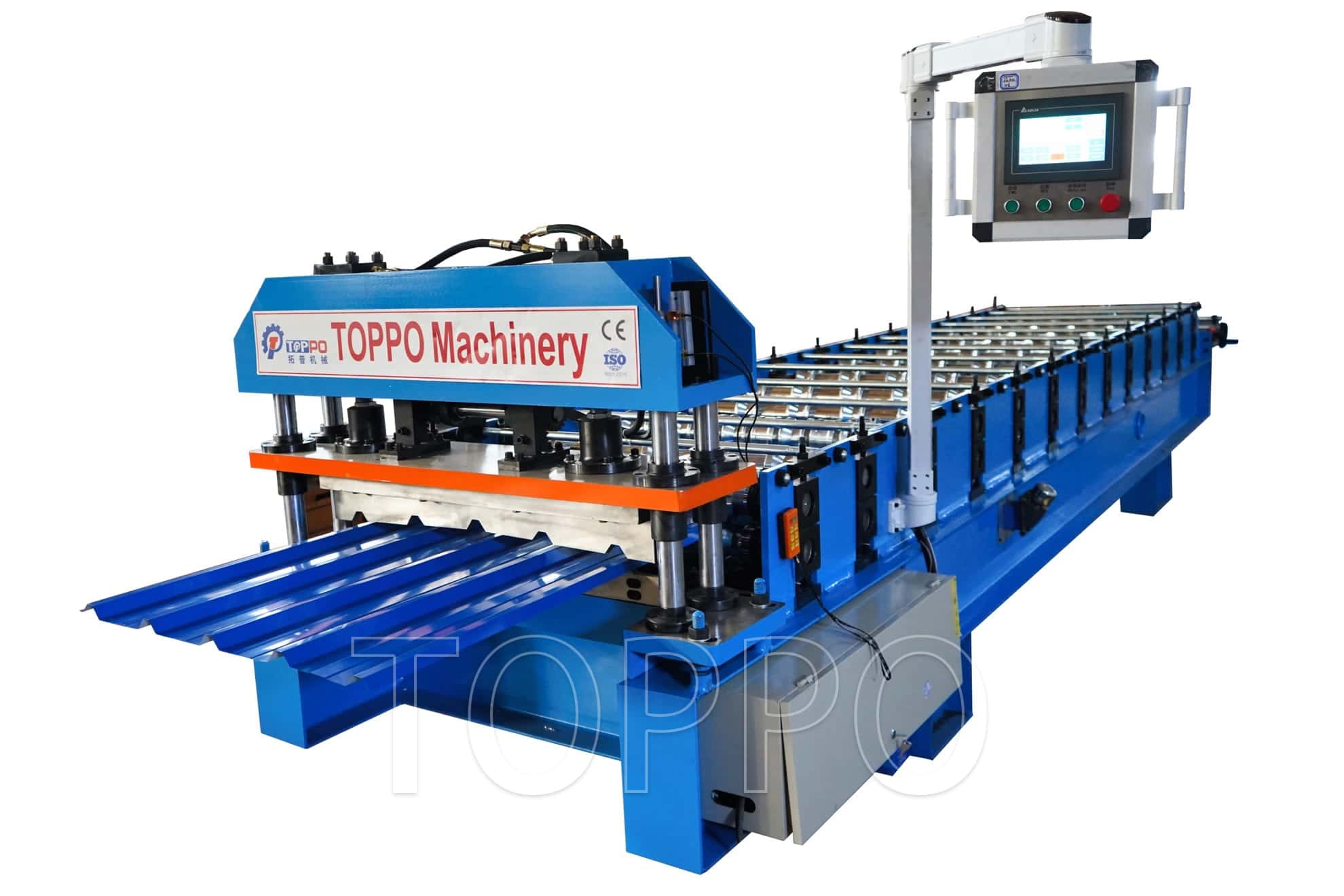
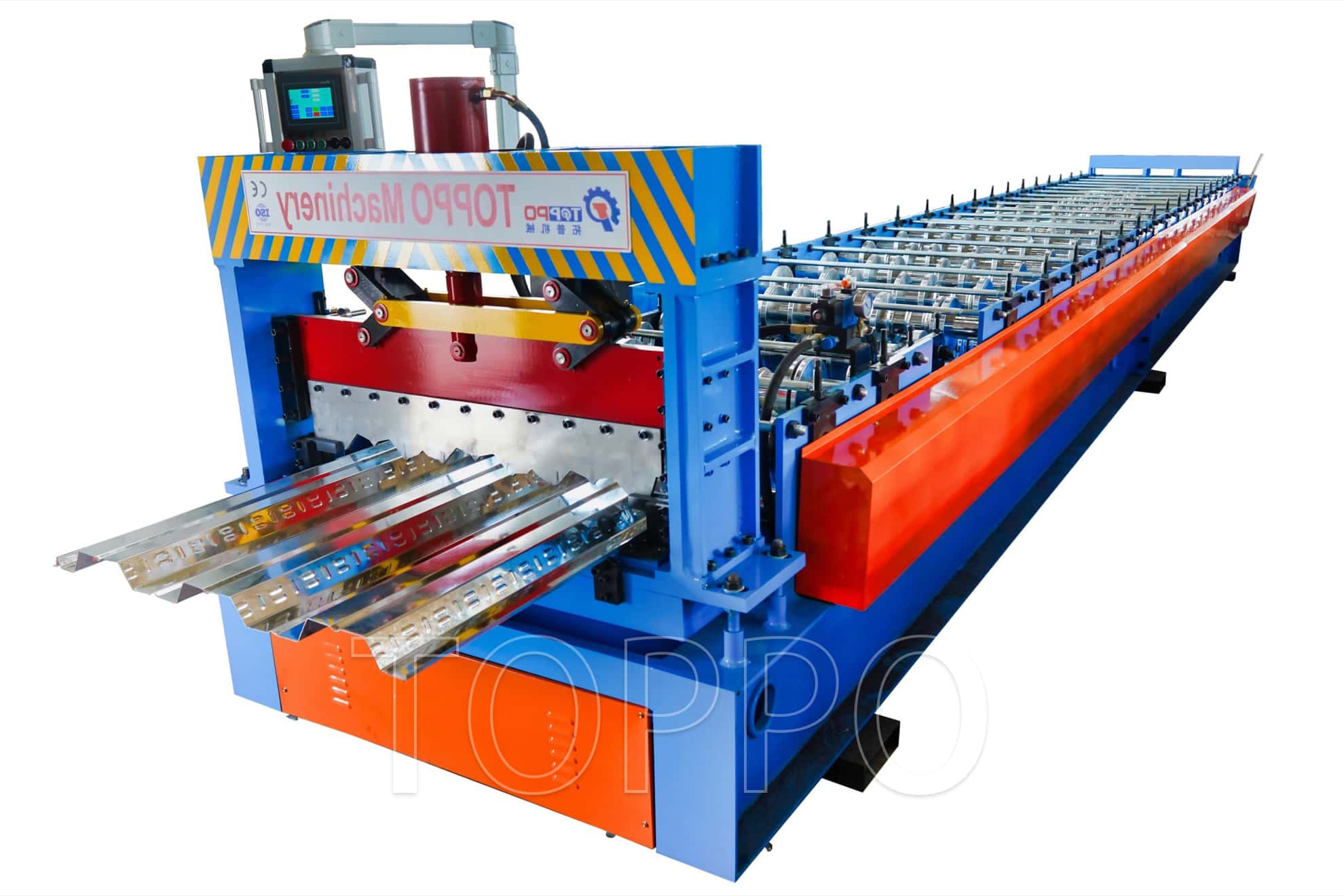
Roofing sheet manufacturing in developing countries presents unique challenges due to various factors such as limited infrastructure, inconsistent quality of raw materials, labor issues, and technology limitations. For manufacturers in these regions, addressing these hurdles is crucial for ensuring product quality and business success. This article will delve into the top five challenges, their impact on operations, and strategies to overcome them, particularly focusing on machinery like the Tr4 color steel metal roof trapezoidal roll forming machine and roof panel making machine.
1. Limited Access to Advanced Technology
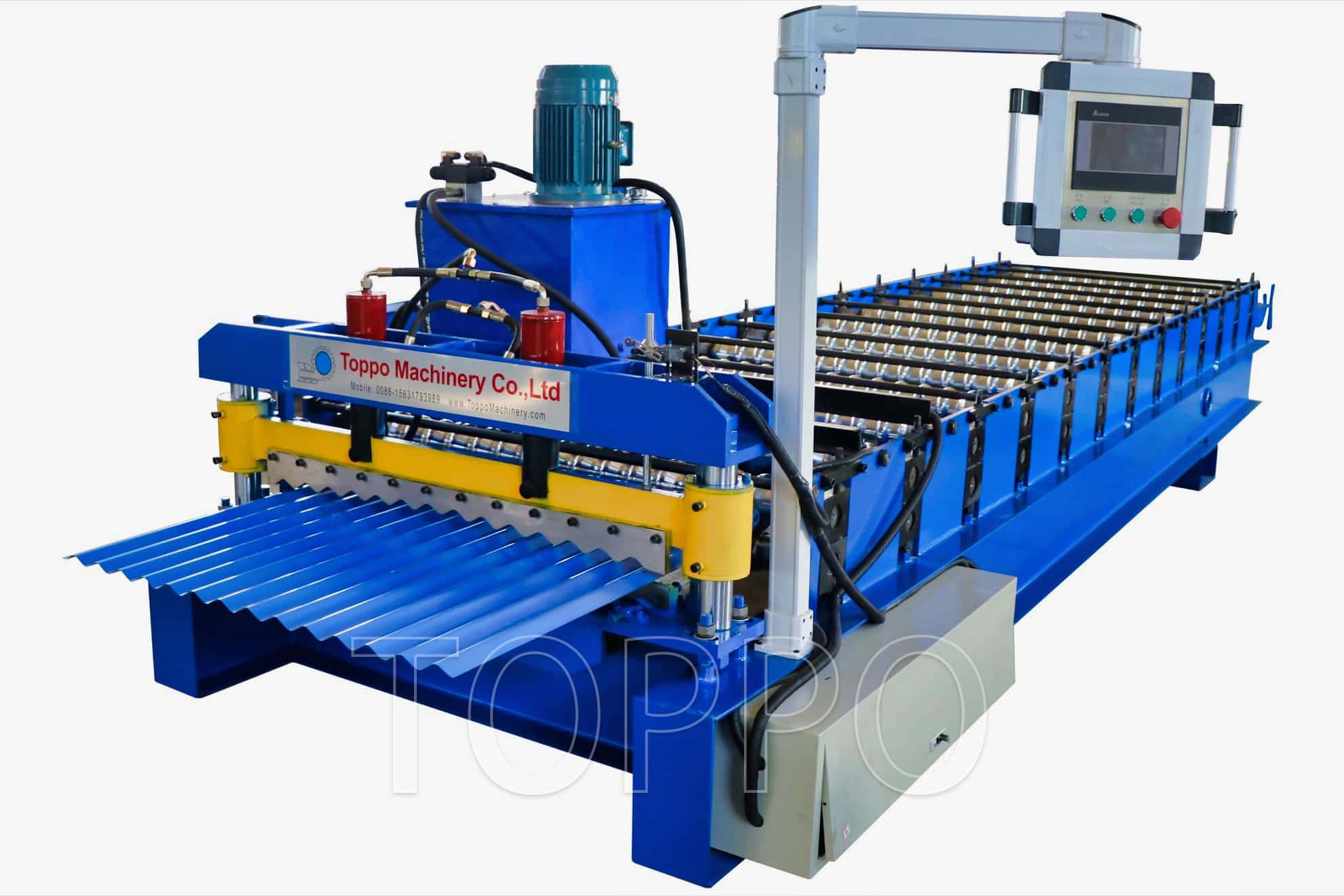
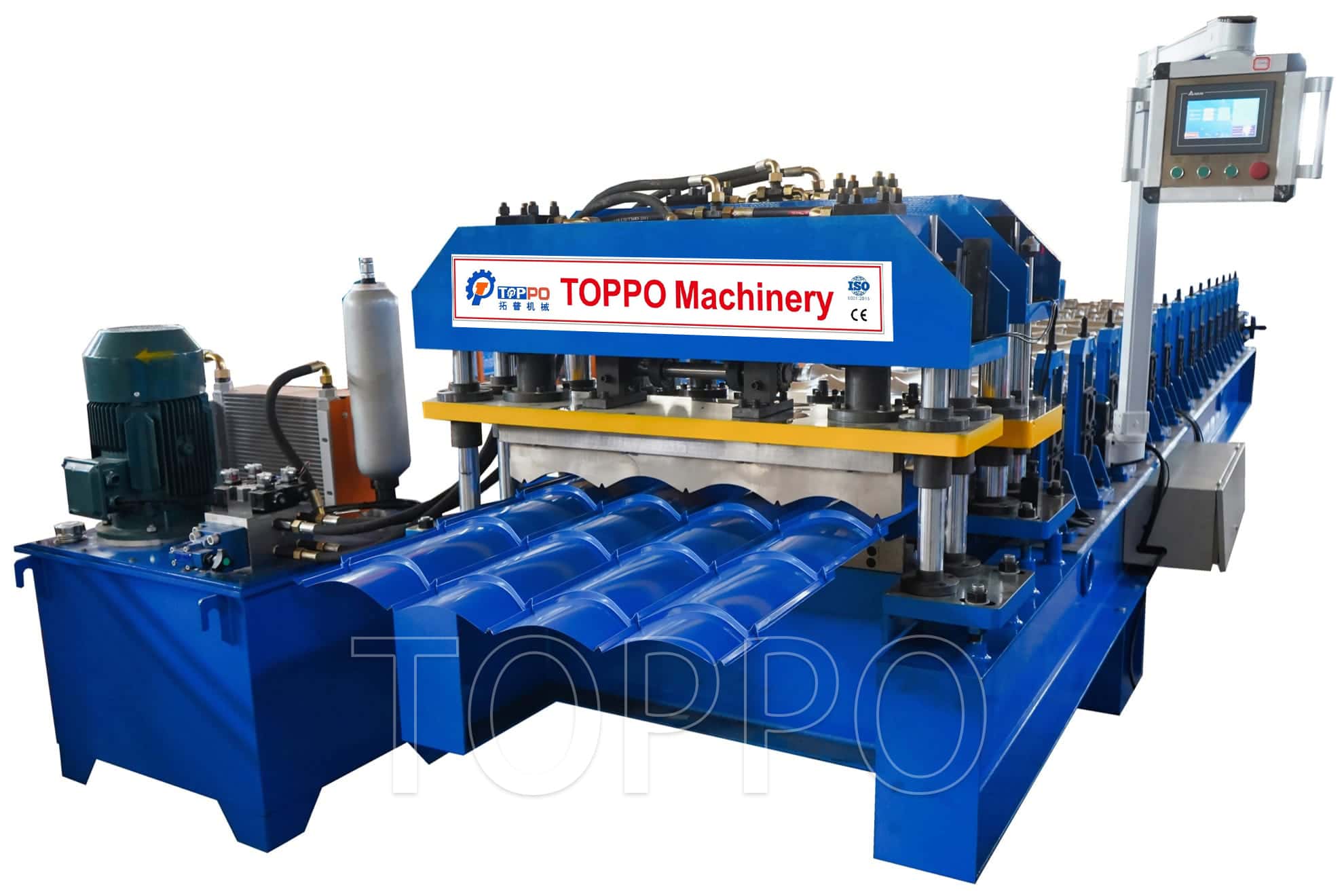
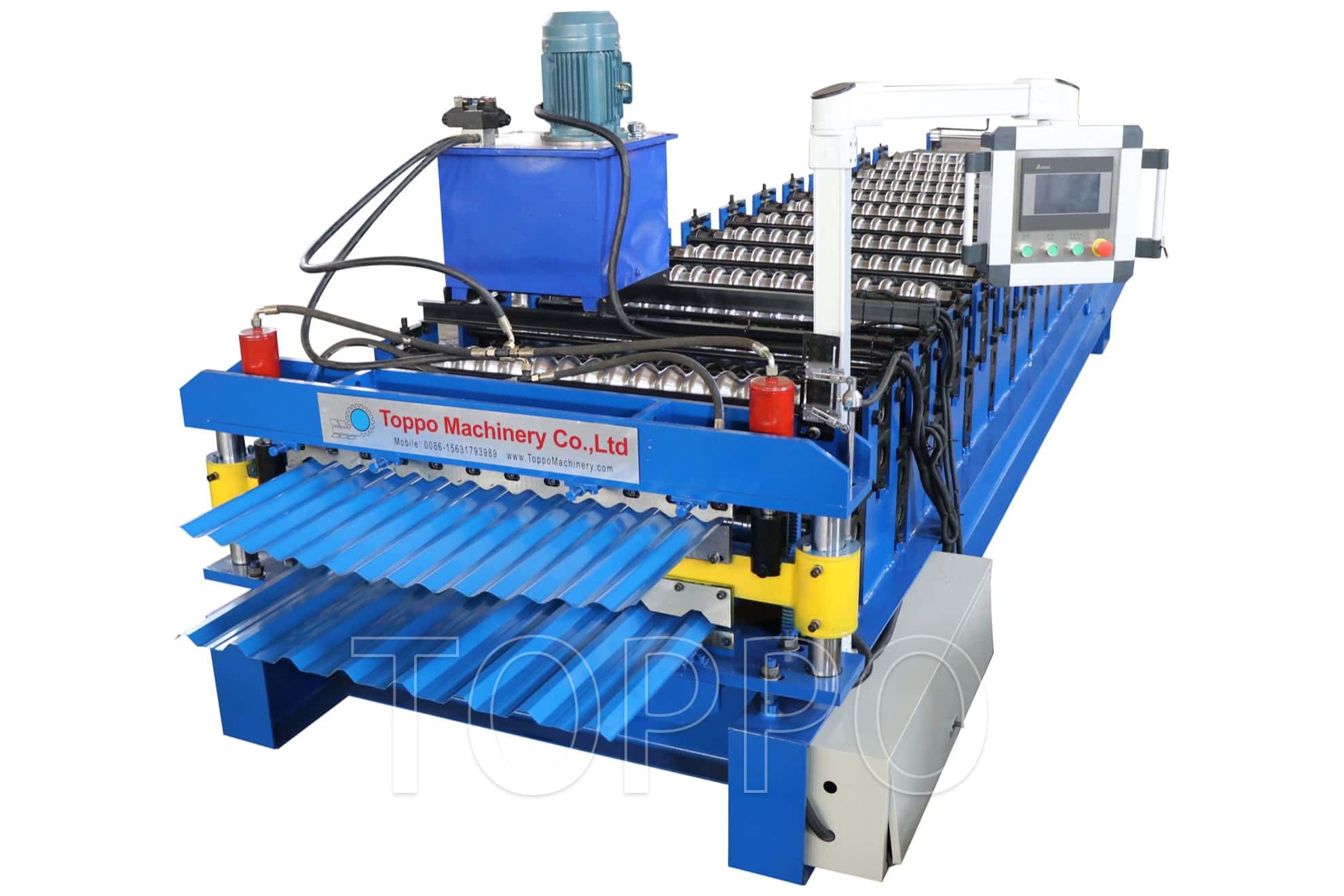
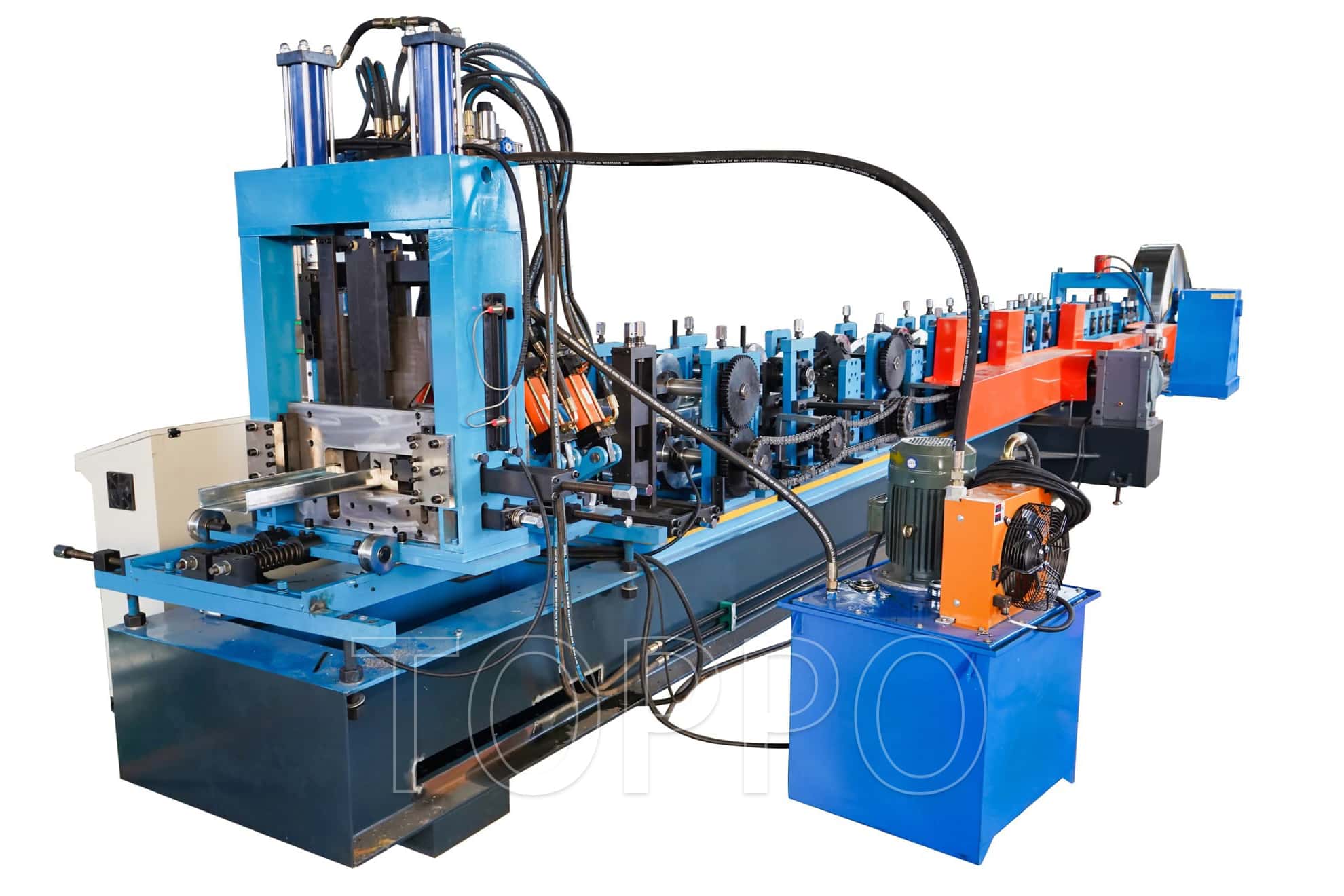
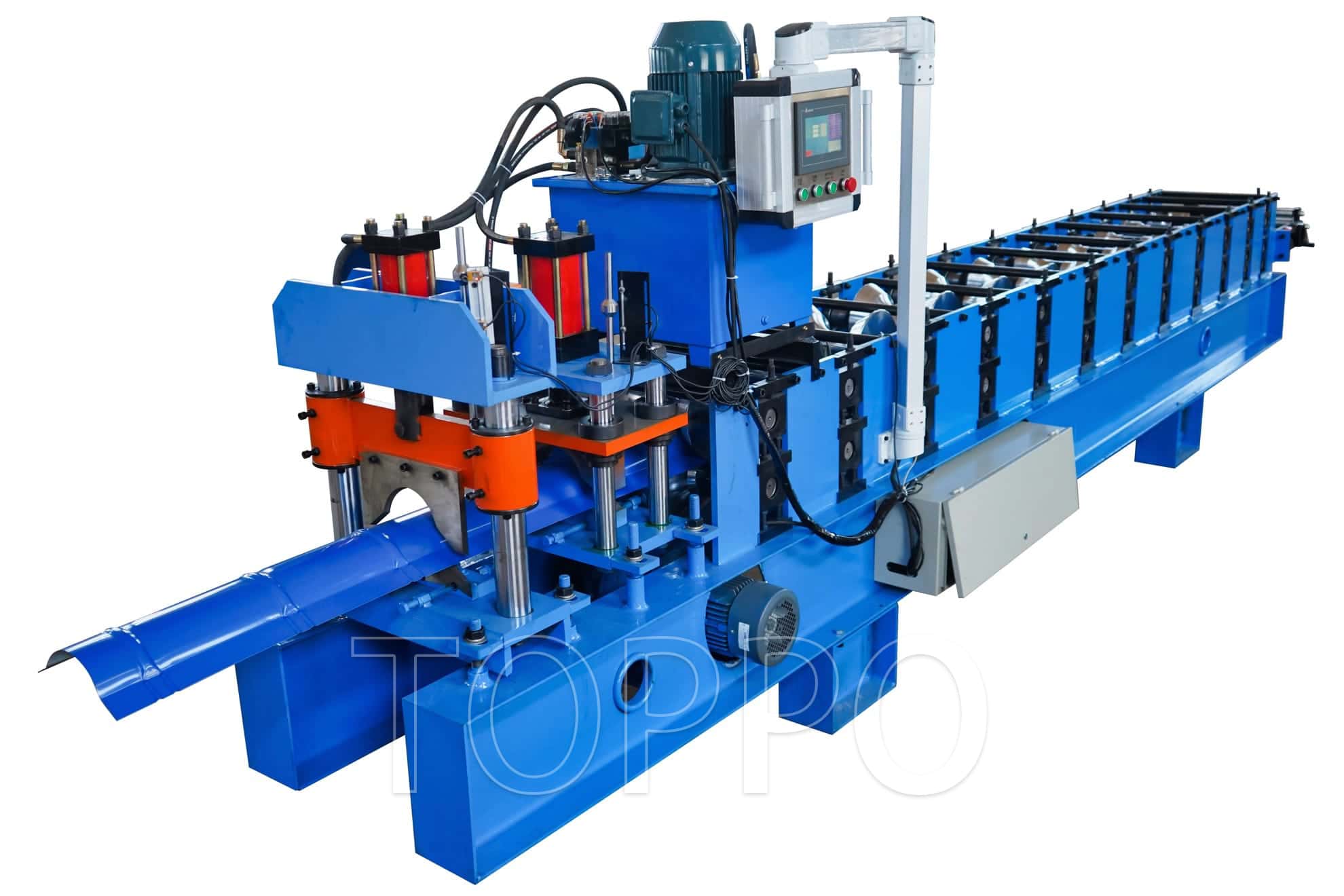
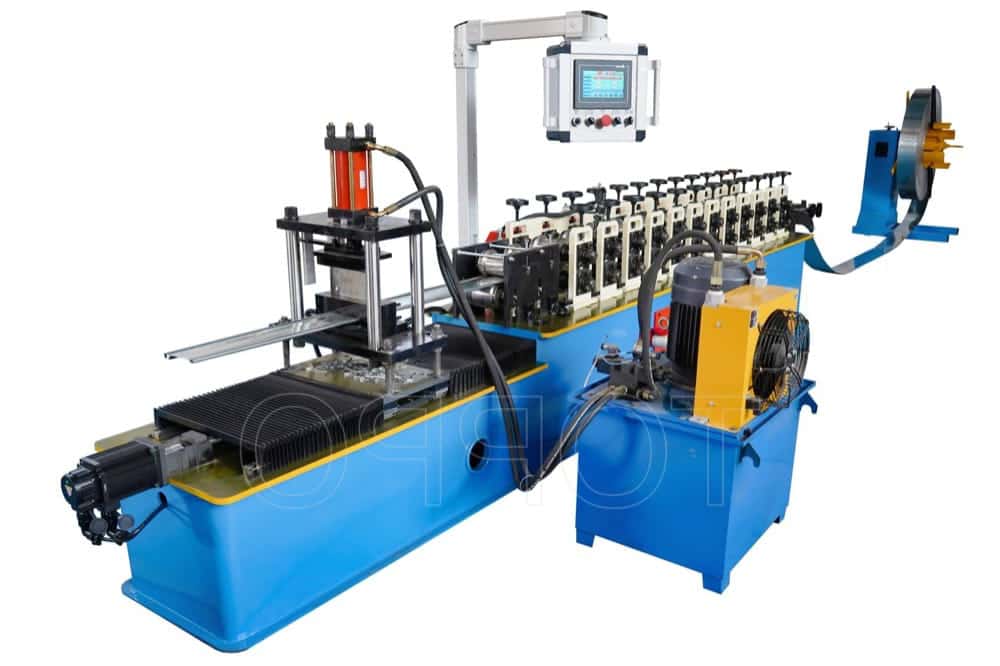
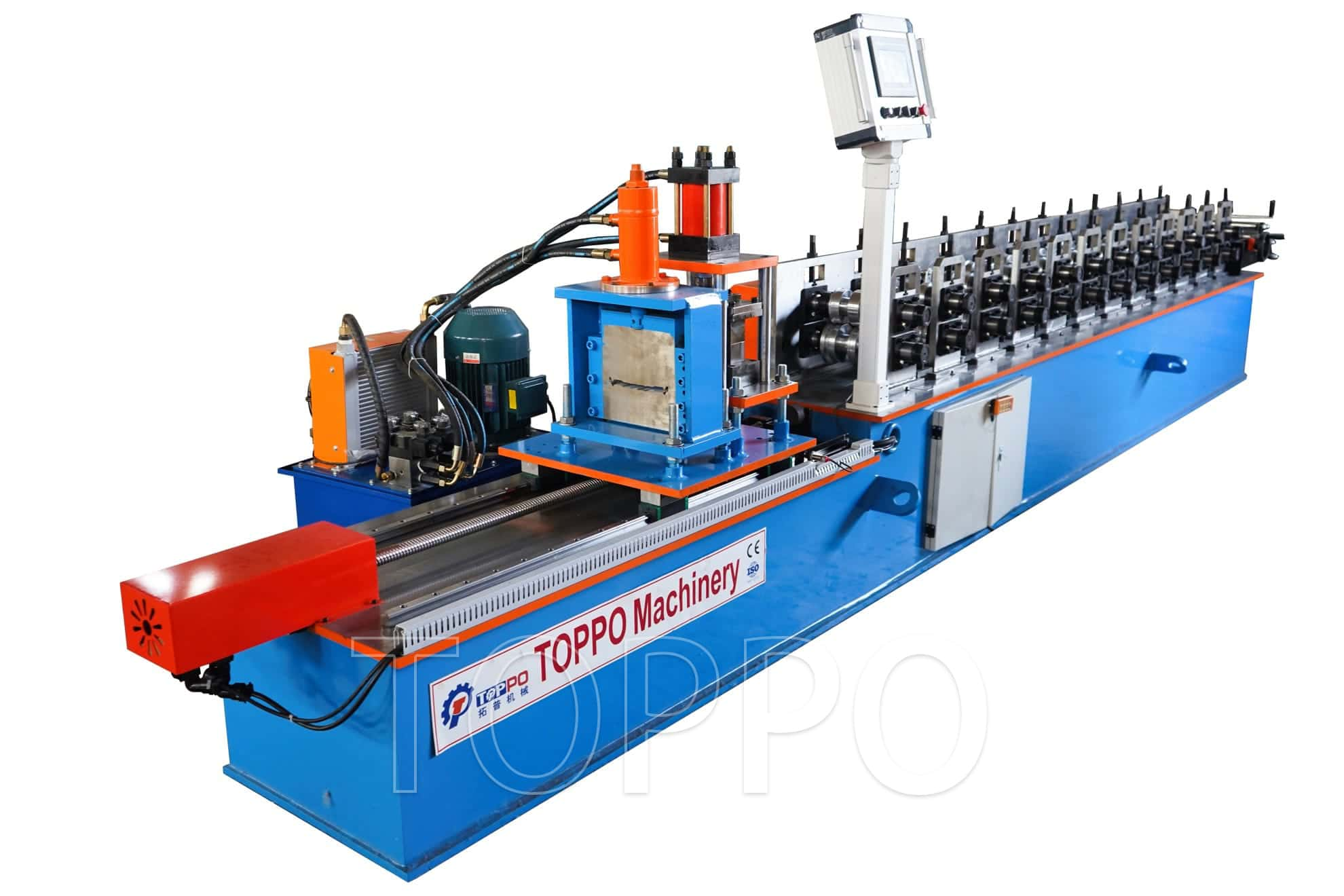
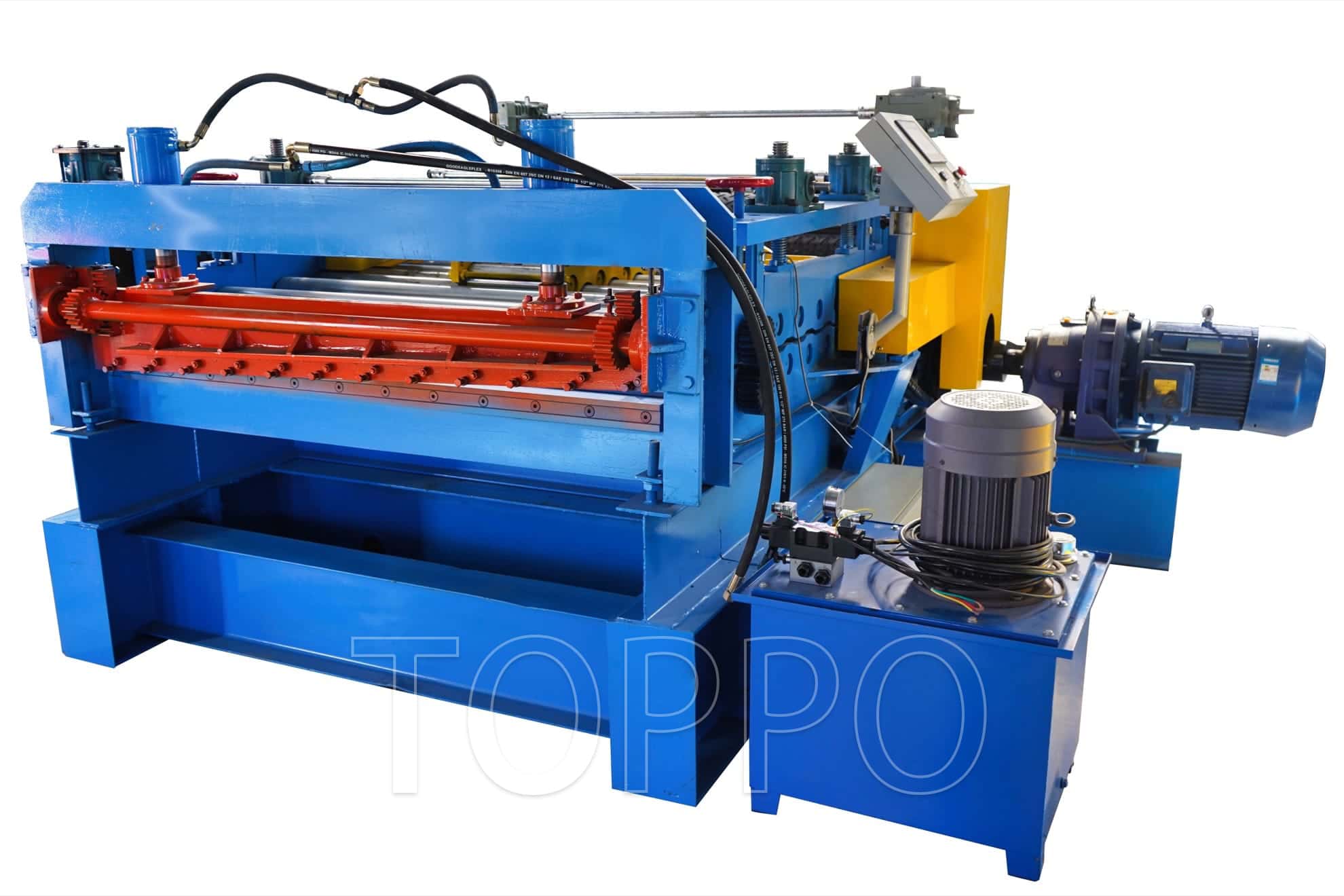
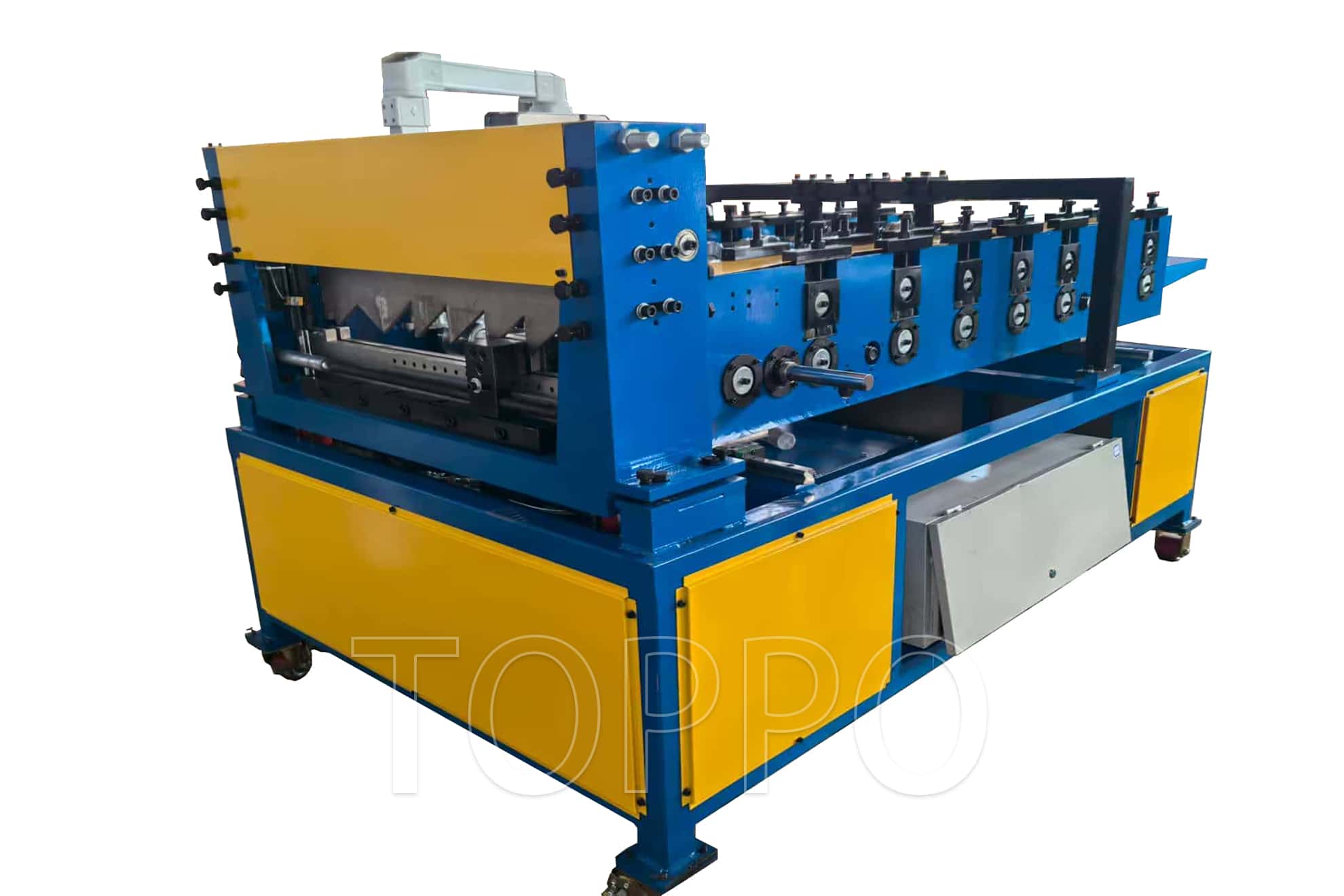
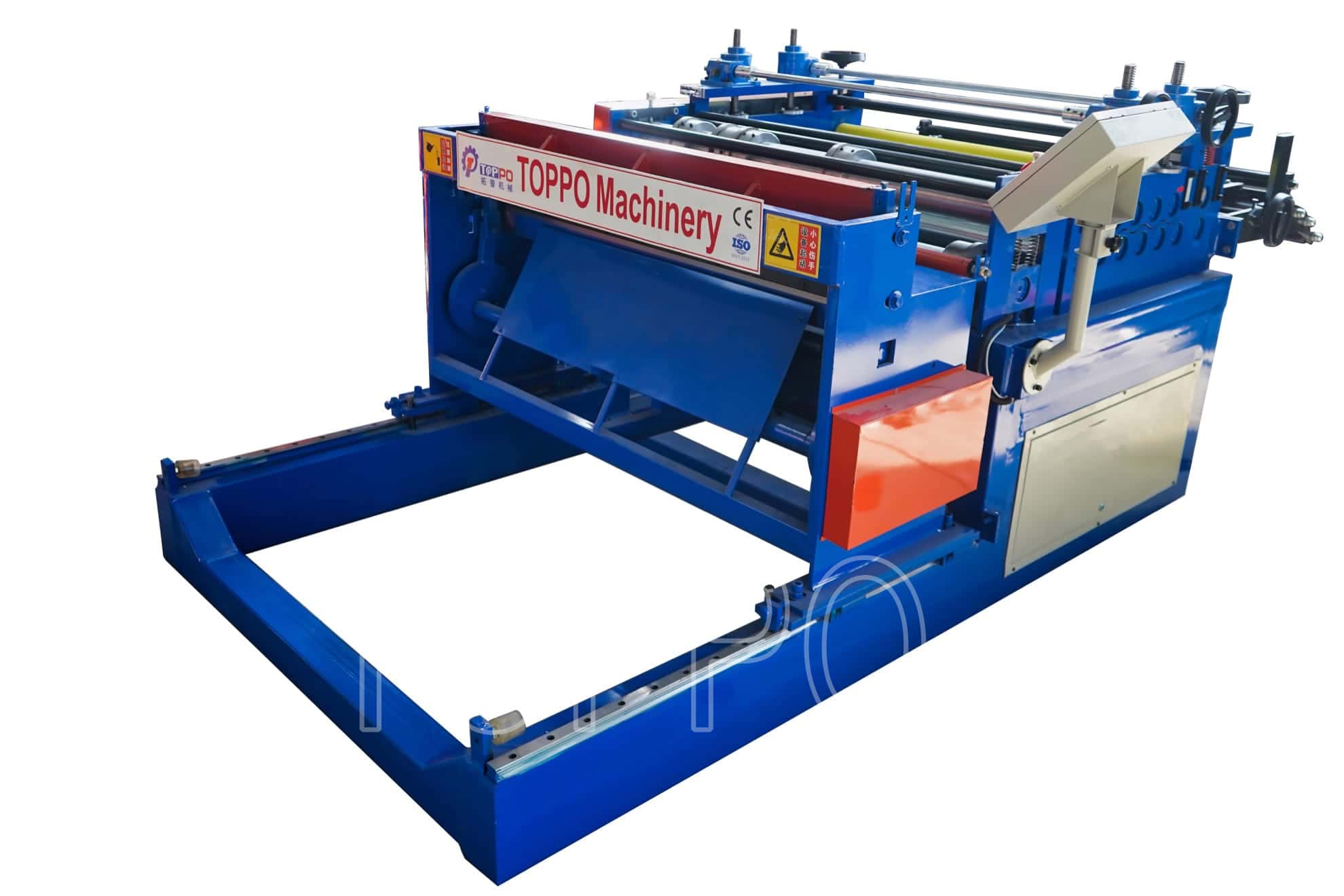
One of the most significant challenges faced by roofing sheet manufacturers in developing countries is the lack of access to advanced machinery. Trapezoidal roll forming machines are essential for creating high-quality roofing sheets, but many manufacturers rely on outdated or inefficient equipment. This impacts productivity, product quality, and profitability. To overcome this, manufacturers should invest in modern roof panel making machines that offer precision, speed, and durability, enabling them to meet increasing market demands and maintain competitive pricing.
2. Inconsistent Raw Material Quality
The quality of raw materials used in the production of roofing sheets plays a critical role in determining the final product’s durability and performance. However, in many developing countries, access to high-quality raw materials is inconsistent. The result is roofing sheets that may warp, rust, or fail under extreme weather conditions. Manufacturers should establish strong relationships with reliable suppliers and invest in quality control systems to ensure that materials like color-coated steel meet international standards.
3. Labor Shortages and Skills Gaps
Another challenge for roofing sheet manufacturers is the shortage of skilled labor. In developing countries, technical training and education in manufacturing processes can be limited. Operators of machines like the Trapezoidal roll forming machine and other machinery need specialized training to ensure they are working efficiently and safely. Manufacturers can address this by offering on-the-job training programs, partnering with local educational institutions, or investing in overseas technical expertise to raise the skill levels of their workforce.
4. Financial Constraints and Limited Access to Capital
Many roofing sheet manufacturers in developing countries struggle with securing financing for their operations. Without sufficient capital, they are unable to invest in advanced machinery like the roof panel making machine or upgrade existing production lines. To mitigate this challenge, manufacturers can seek alternative funding sources such as government subsidies, international grants, or partnerships with foreign investors who have a vested interest in the region's infrastructure development.
5. Regulatory and Environmental Challenges
Regulatory issues related to manufacturing standards and environmental compliance can pose significant barriers to the roofing sheet manufacturing industry. In many developing countries, regulations may be either non-existent or poorly enforced, leading to a wide variation in product quality. To address this, manufacturers must adhere to both local and international quality standards. They should implement strict internal controls and invest in testing facilities to ensure their products meet market requirements. Furthermore, adhering to environmental standards can help improve sustainability and reduce waste in the production process.
Conclusion: By understanding and addressing the challenges faced by roofing sheet manufacturers, businesses in developing countries can improve their operations and become more competitive in the global market. Investing in advanced machinery, such as the Tr4 color steel metal roof trapezoidal roll forming machine and roof panel making machine, while focusing on quality control, labor training, and financial stability, can provide significant advantages in overcoming these obstacles. With the right strategies, manufacturers can turn challenges into opportunities for growth and success.
READ MORE: