How to Troubleshoot Common Roll Forming Machine Problems
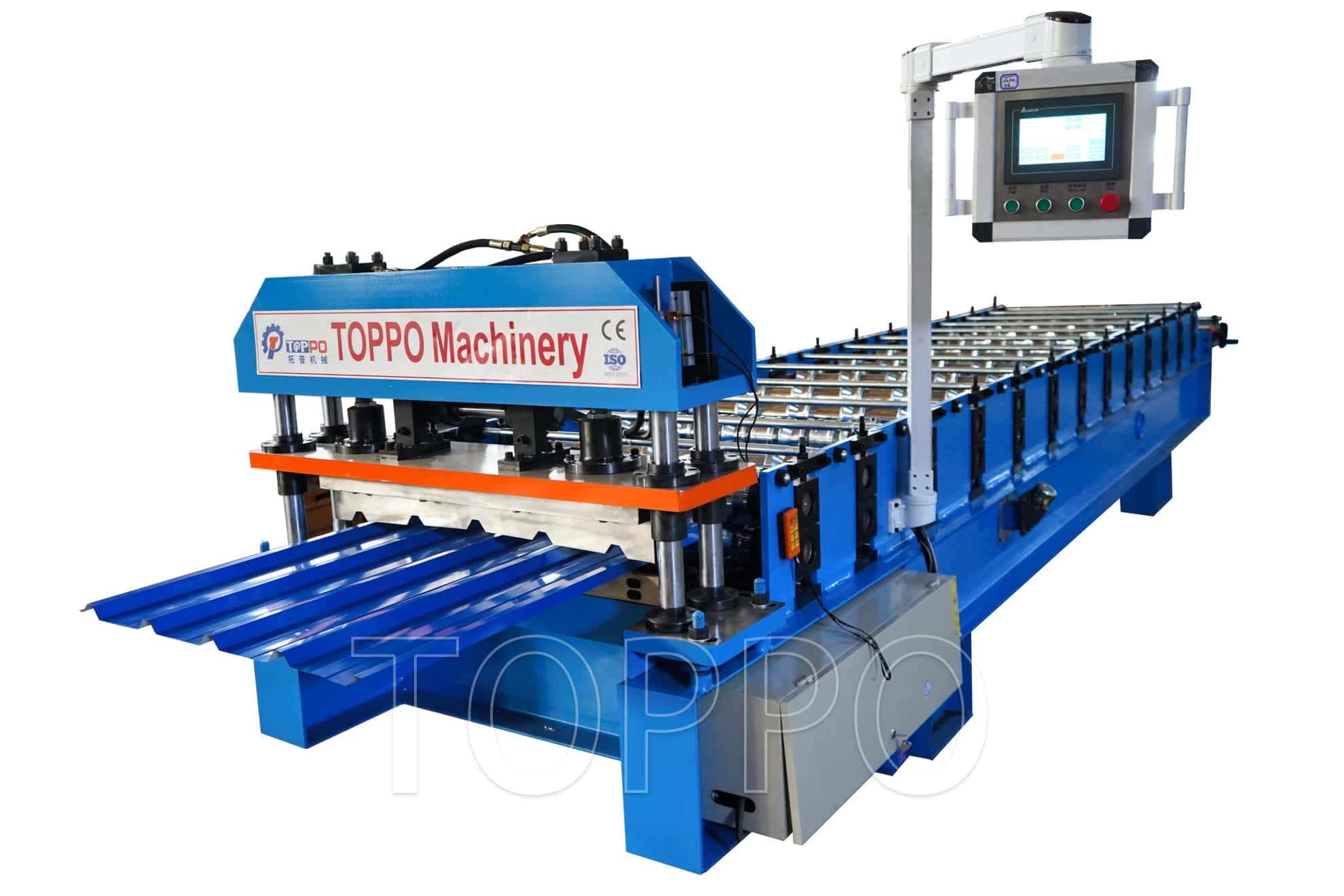
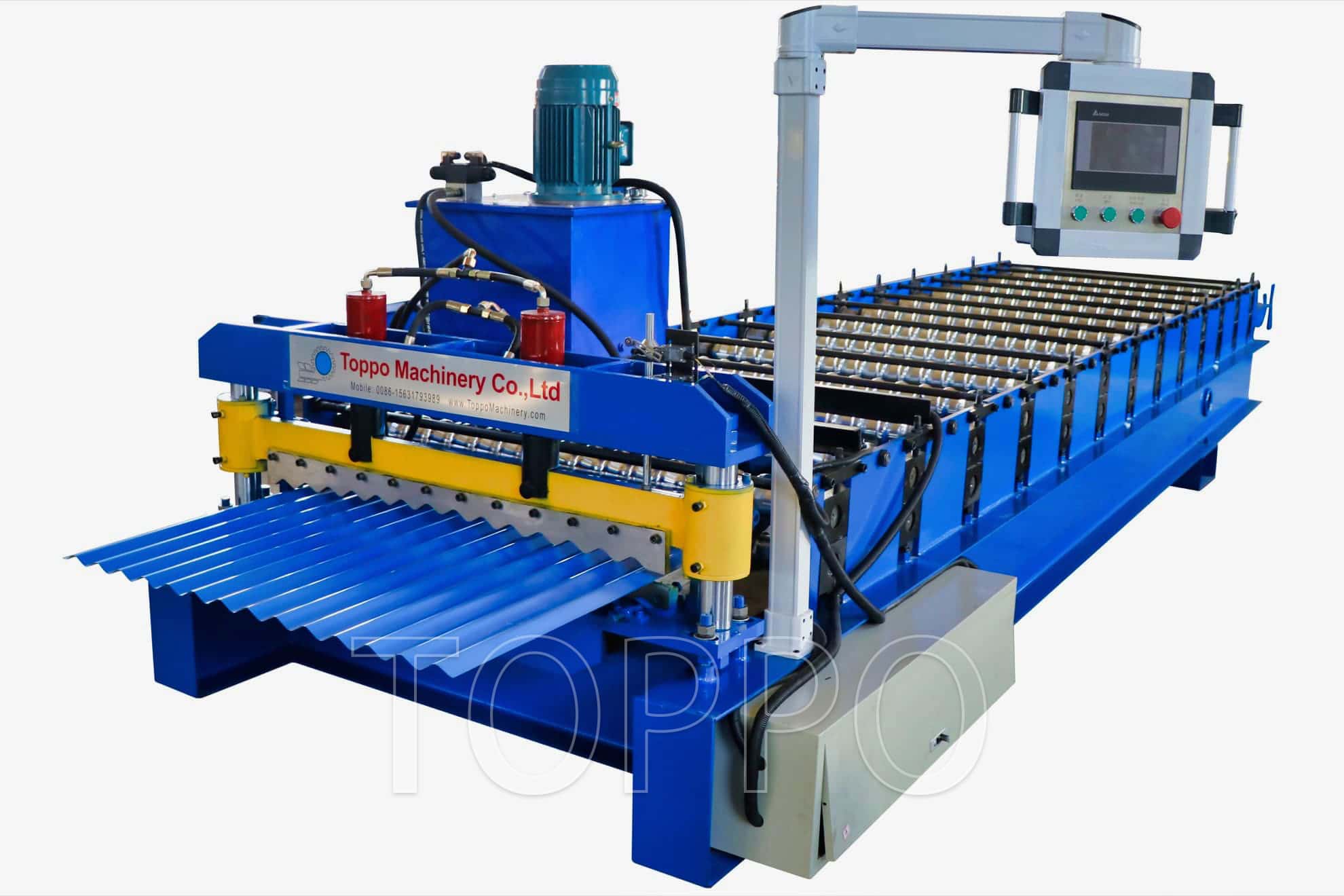
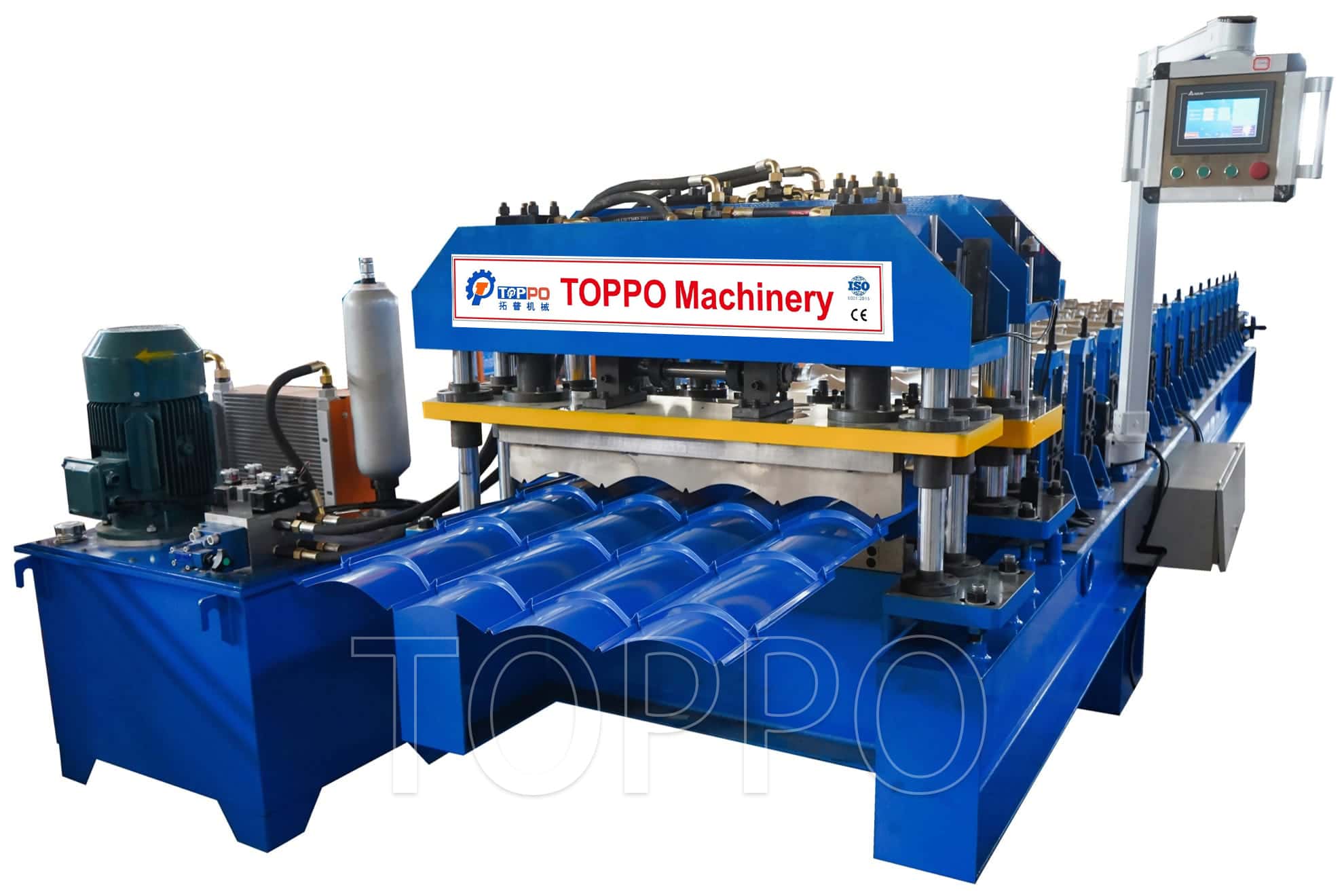
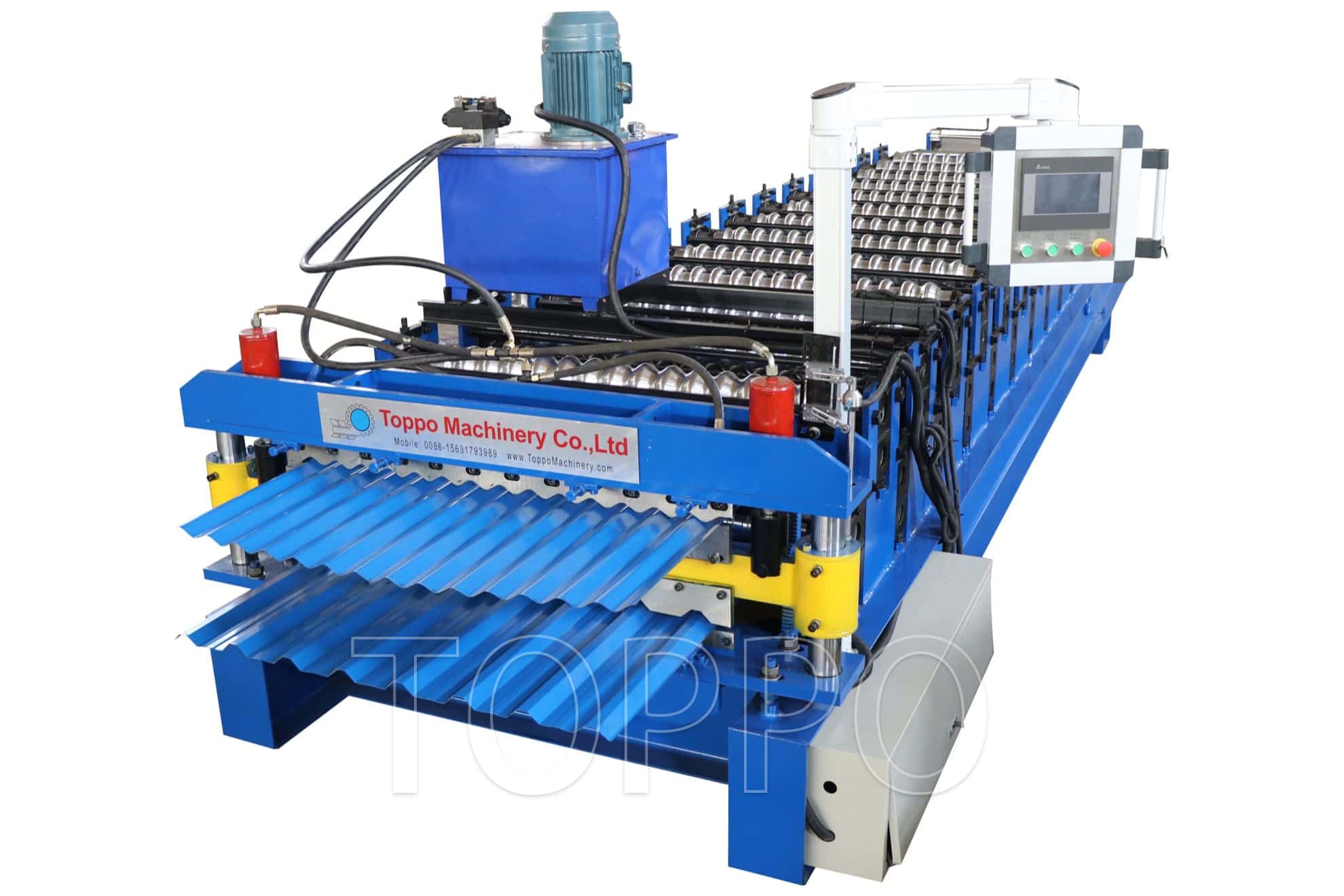
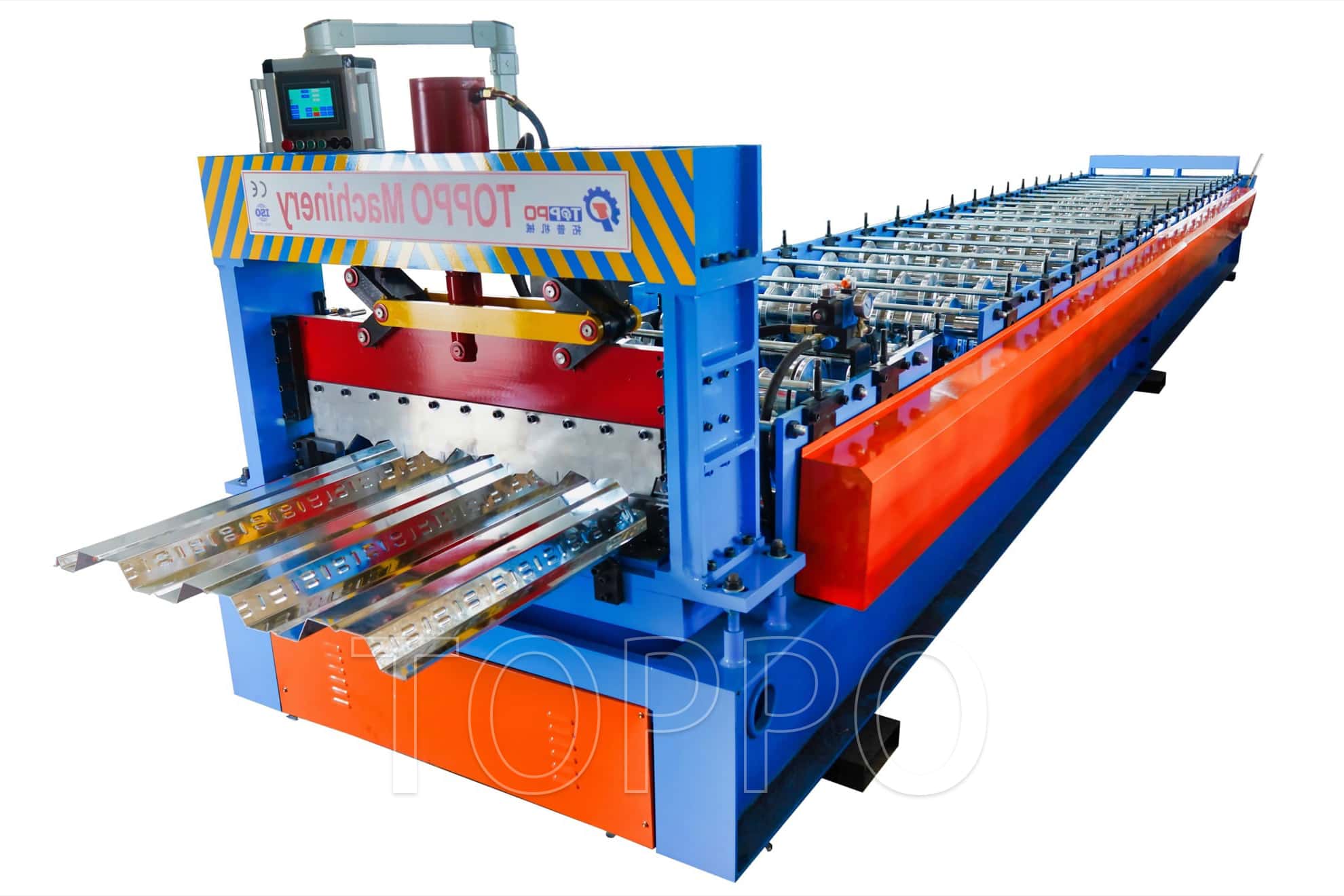
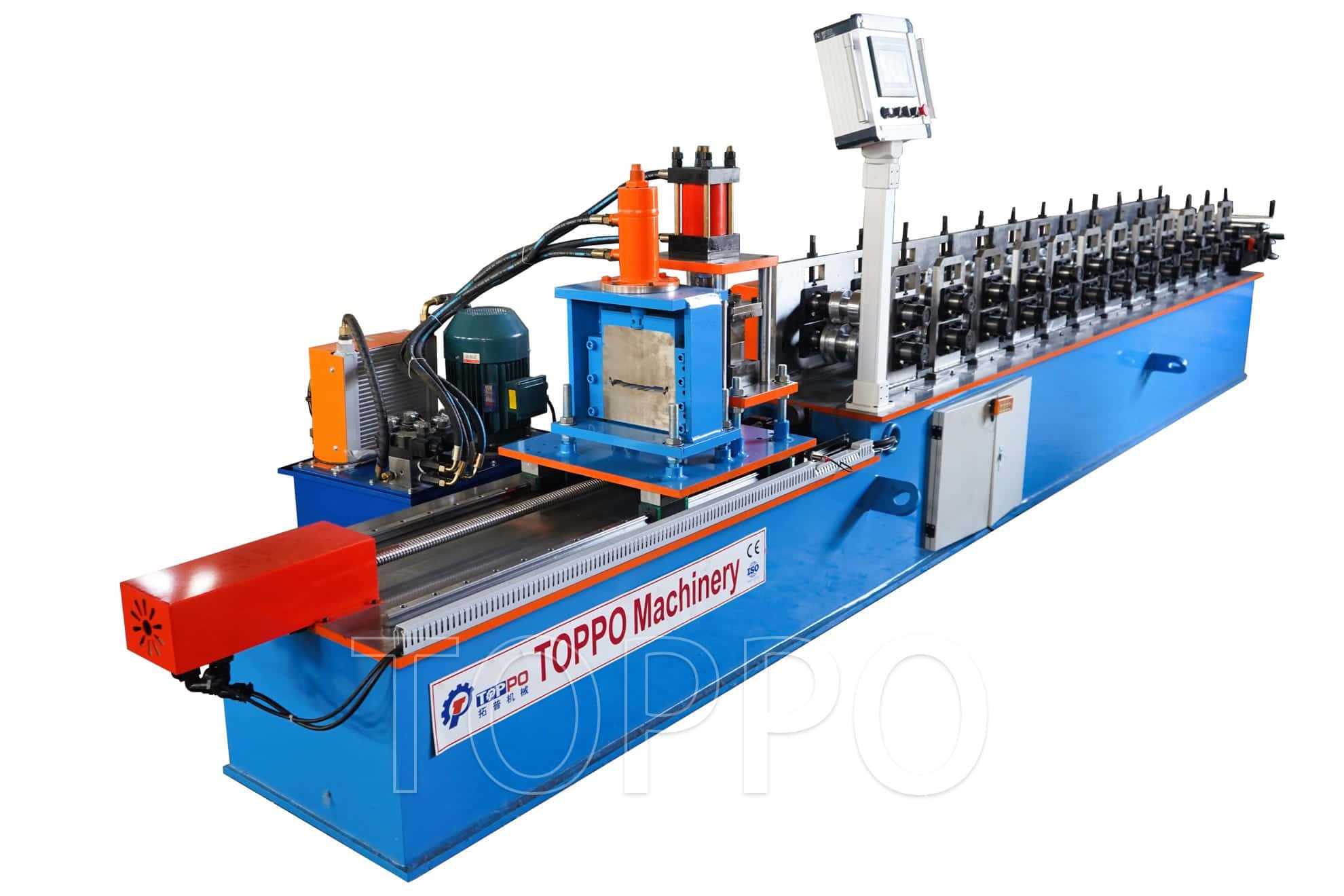
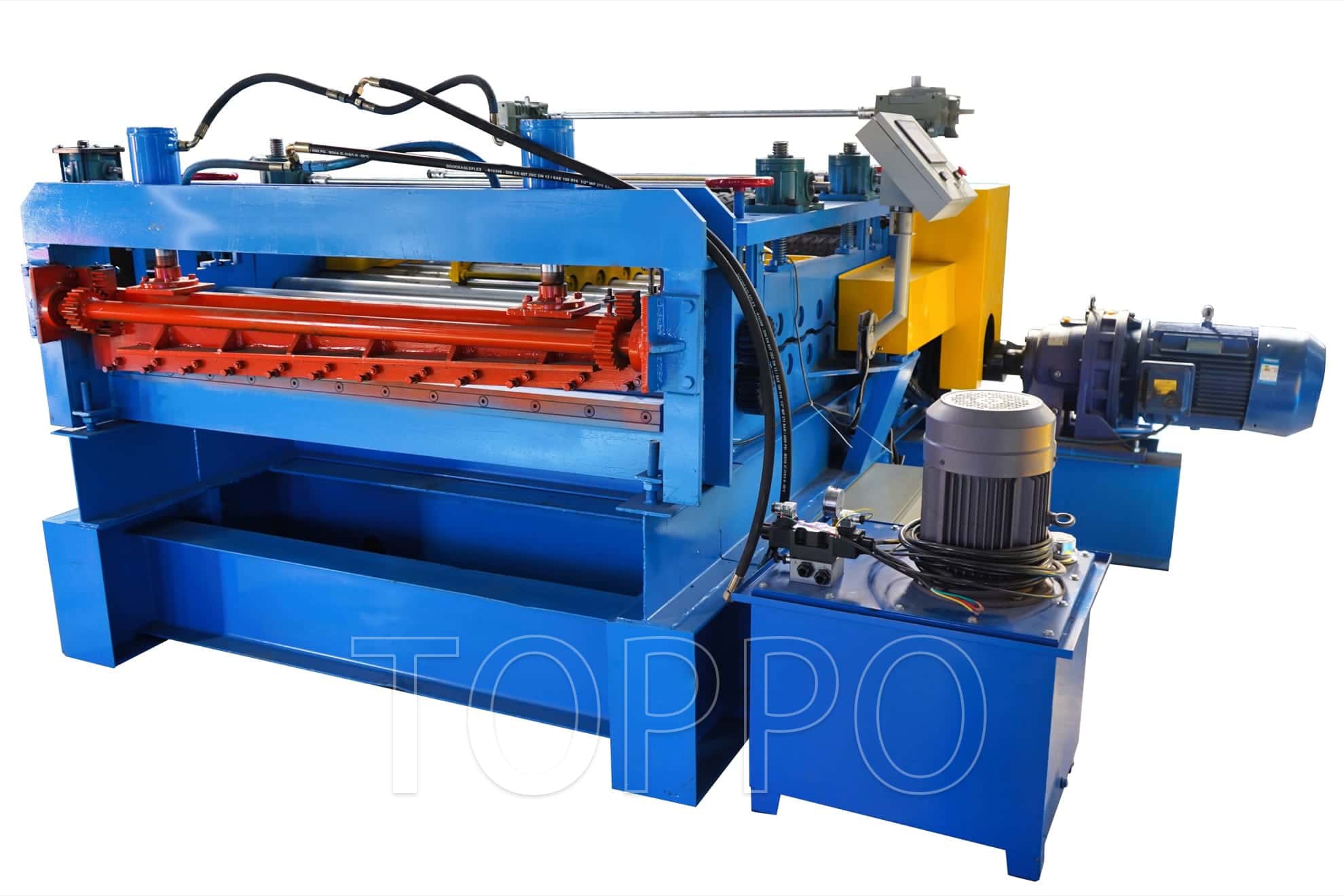
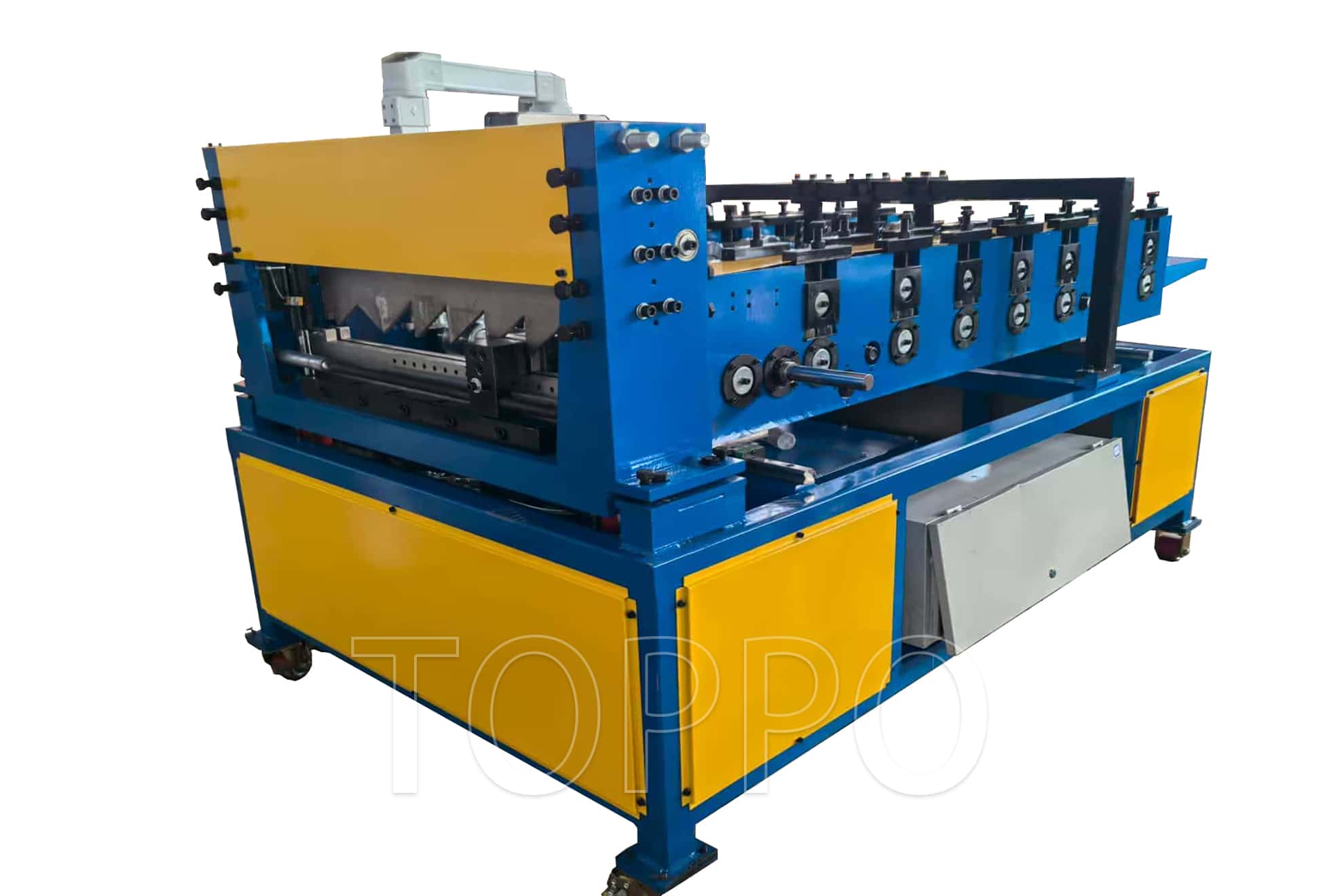
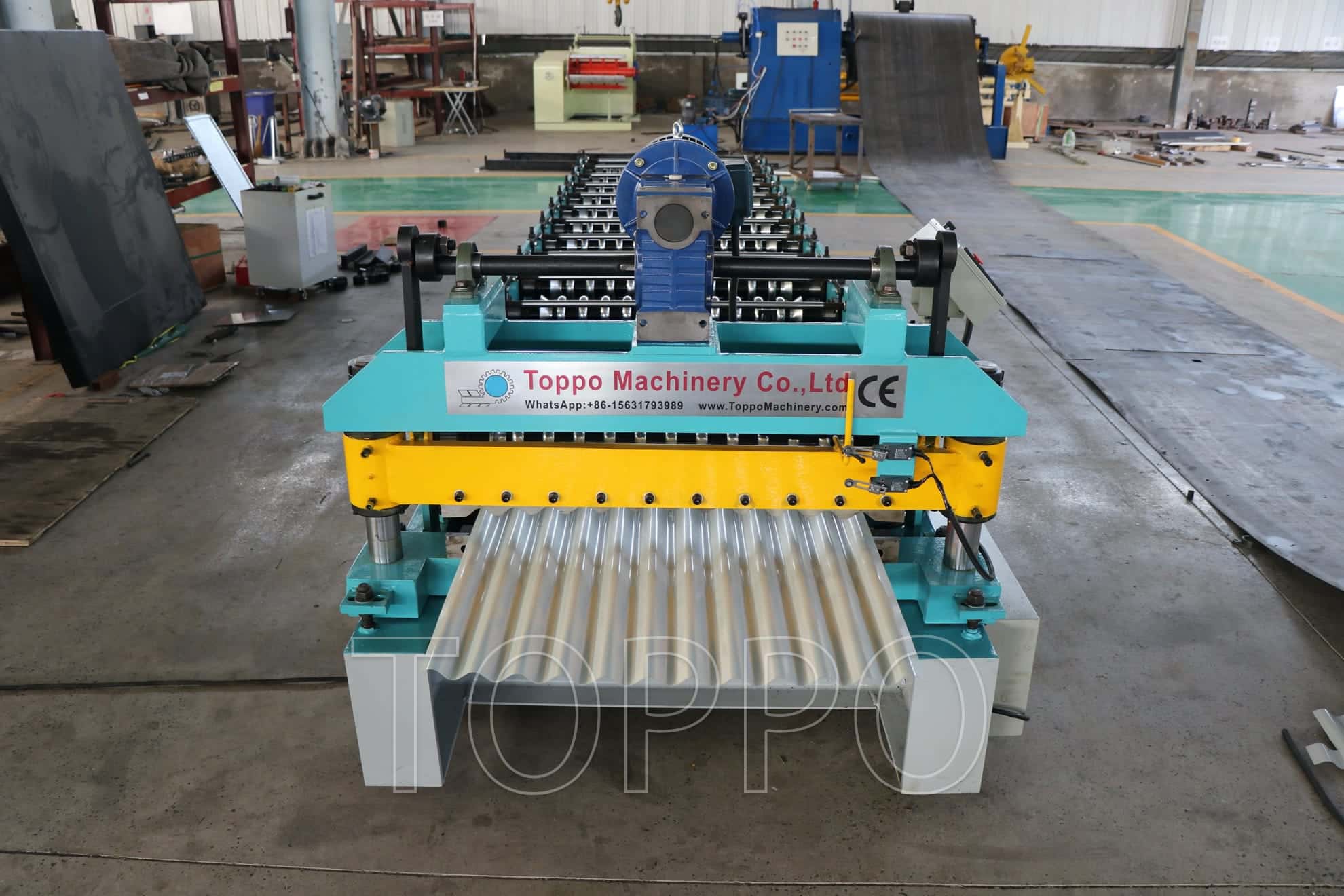
Roll forming machines are critical in the production of roofing sheets and panels, but like any machinery, they can encounter issues that disrupt production. Common problems include material feed issues, calibration errors, overheating, and product quality inconsistencies. In this article, we will explore these problems and provide practical troubleshooting tips, focusing on machines like the Tr4 color steel metal roof trapezoidal roll forming machine and roof panel making machine.
1. Material Feed Problems
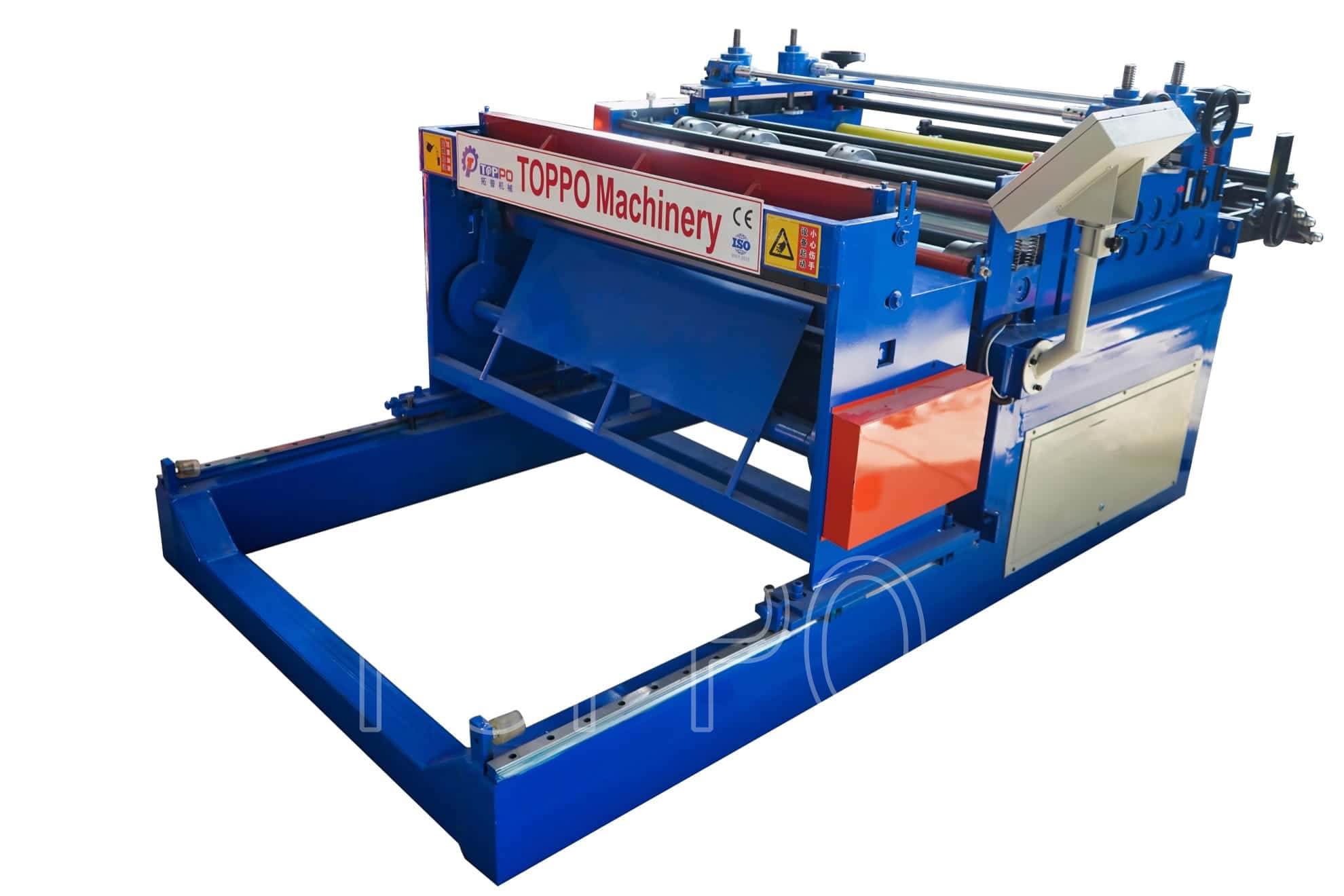
Material feed issues can lead to misaligned or defective roofing sheets, especially in advanced machines like the roof panel making machine. These problems often arise due to poor-quality materials or improper setup.
Solution: To fix material feed issues, ensure that the raw materials are of consistent quality and are properly aligned before entering the machine. The feed system should be regularly checked for blockages or wear. Additionally, consider implementing automated feeding systems to maintain a smooth and consistent material flow.
2. Calibration Errors
Incorrect machine calibration is a common issue that can result in roofing sheets that do not meet the desired specifications, causing increased scrap and product inconsistency. For machines like the Trapezoidal roll forming machine, small calibration errors can cause significant issues in product quality.
Solution: Calibration should be checked regularly before and during production runs. Operators should be trained to make necessary adjustments to settings and perform routine checks to ensure that the machine is operating within desired parameters. Implementing automated calibration systems can further reduce human error.
3. Overheating
Overheating in roll forming machines can cause damage to components and lead to production stoppages. This is particularly problematic when using machines like the Trapezoidal roll forming machine, which are designed to run at high speeds.
Solution: Ensure the machine has proper lubrication and a functioning cooling system. Regular maintenance, including cleaning the cooling system and checking for any debris or blockages, is critical. If overheating persists, upgrading the cooling system may be necessary.
4. Poor Product Quality
Inconsistent product quality can arise from a variety of factors, including incorrect machine settings, worn-out parts, or poor raw materials. For machines like the roof panel making machine, these issues can significantly affect the finished roofing sheets.
Solution: Implement a strong quality control process at each stage of production. Regularly inspect the raw materials, check for proper machine calibration, and monitor production for any defects. Upgrading components such as dies and rollers, and ensuring that they are in good condition, can also help maintain high-quality output.
5. Worn-Out Components
Worn-out parts such as rollers, gears, or dies can cause a range of problems, including irregular shapes and poor product quality. These issues are common in high-speed machines like the Trapezoidal roll forming machine and the roof panel making machine, which have a lot of moving parts.
Solution: Implement a preventive maintenance schedule to regularly inspect and replace worn-out components. Keeping spare parts in stock can reduce downtime when replacements are needed. Operators should also be trained to detect early signs of wear and address them before they cause more significant issues.
6. Machine Jams
Machine jams are another common issue that can cause downtime and reduce productivity. These jams often occur when debris or improperly aligned material interferes with the machine's movement.
Solution: To prevent jams, ensure the machine’s feed system is free of debris and is operating smoothly. Check for any misalignments or blockages in the rollers or conveyor belts. Regularly clean the system and perform minor maintenance to keep everything functioning properly.
Conclusion
Roll forming machines, like the Tr4 color steel metal roof trapezoidal roll forming machine and roof panel making machine, are critical for the production of roofing sheets and panels. By troubleshooting common issues such as material feed problems, calibration errors, overheating, and poor product quality, manufacturers can ensure smooth and efficient operations. Regular maintenance, proper machine calibration, and implementing quality control processes are essential for maintaining high production standards and minimizing downtime.
READ MORE: