What Types of Steel Are Best for Roofing Sheets in Latin America’s Tropical Climate?
Latin America’s tropical climate presents unique challenges for roofing materials, with high humidity, heat, and frequent rainfall causing corrosion and wear on steel roofing sheets. The right choice of steel is crucial to ensure durability and resistance to these harsh conditions. This article explores the best types of steel for roofing sheets in tropical climates and provides a guide for manufacturers in selecting the ideal materials for their production needs.
Understanding the Tropical Climate Challenges
Latin American countries with tropical climates experience intense heat, high humidity, and heavy rainfall. These conditions can lead to rust, corrosion, and deterioration of roofing materials over time. Roofing sheets made of steel need to be carefully chosen to ensure long-term performance in such environments. The types of steel used must be resistant to moisture and able to withstand the effects of heat and humidity.
The Best Types of Steel for Roofing Sheets
1. Galvanized Steel: Galvanized steel is coated with a layer of zinc, which acts as a protective barrier against rust and corrosion. It is one of the most affordable and widely used materials for roofing sheets in tropical climates. However, in areas with high saltwater exposure, such as coastal regions, the zinc coating can wear off more quickly, leading to corrosion. It is essential to use galvanized steel with an extra thick coating in such areas.
2. Galvalume Steel: Galvalume steel is a combination of zinc and aluminum, offering superior resistance to corrosion compared to galvanized steel. The aluminum content enhances its durability, making it an ideal option for tropical climates with high humidity and rainfall. It also performs well in coastal regions due to its enhanced protection against saltwater exposure.
3. Stainless Steel: Stainless steel is the premium choice for roofing sheets in tropical climates. Its high chromium content makes it highly resistant to rust and corrosion, even in harsh conditions. While stainless steel is more expensive than galvanized or galvalume steel, its durability and minimal maintenance requirements make it a long-term investment.
Steps for Selecting Steel for Roofing Sheets
1. Assessing Environmental Conditions: The first step in selecting steel for roofing sheets is to evaluate the climate conditions in the region. Consider factors such as humidity levels, saltwater exposure, and rainfall intensity to determine the most suitable material.
2. Choosing the Right Steel: Once the climate conditions are understood, manufacturers should choose between galvanized, galvalume, or stainless steel. Galvalume steel is an excellent option for regions with high humidity, while stainless steel is ideal for coastal areas with significant salt exposure.
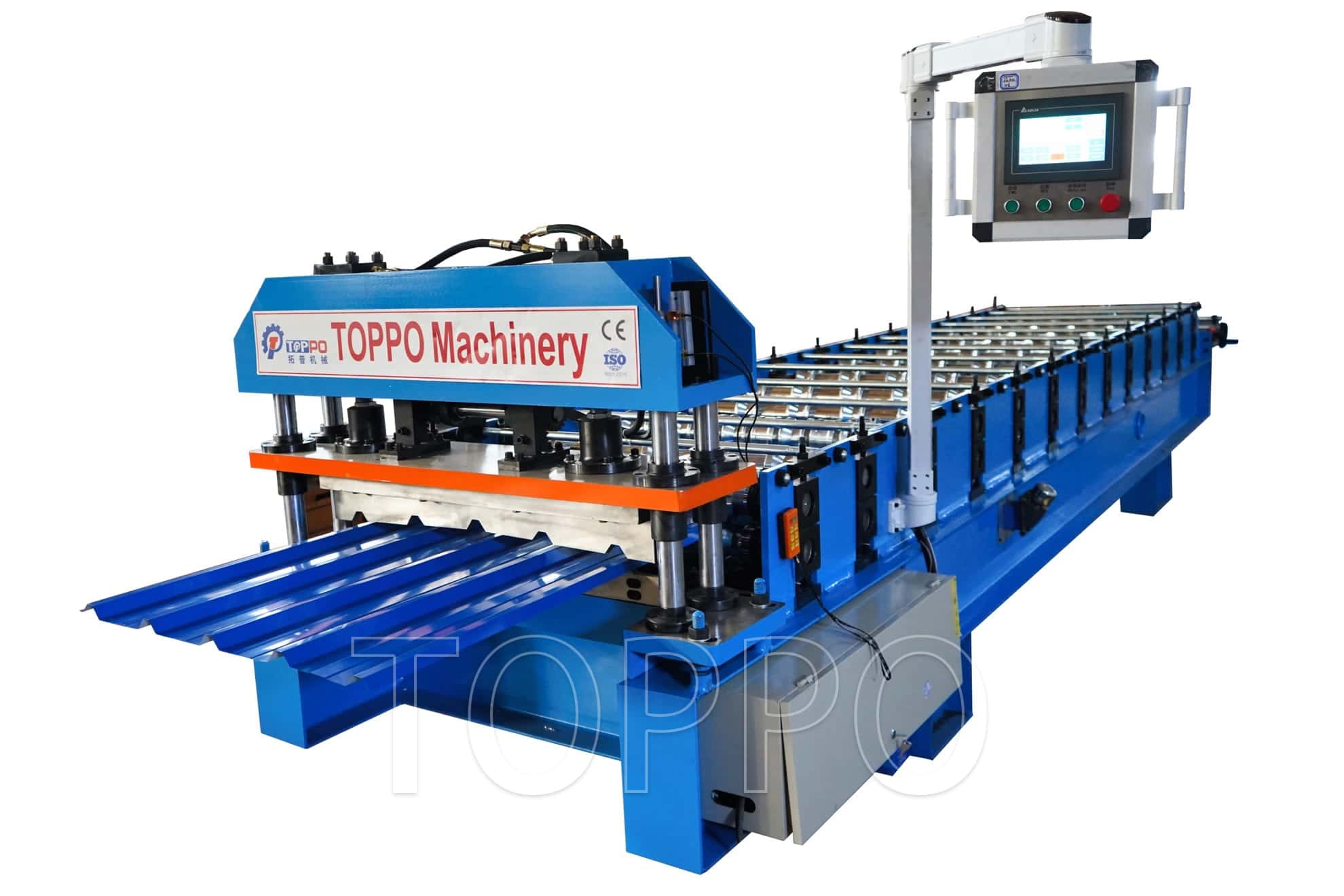
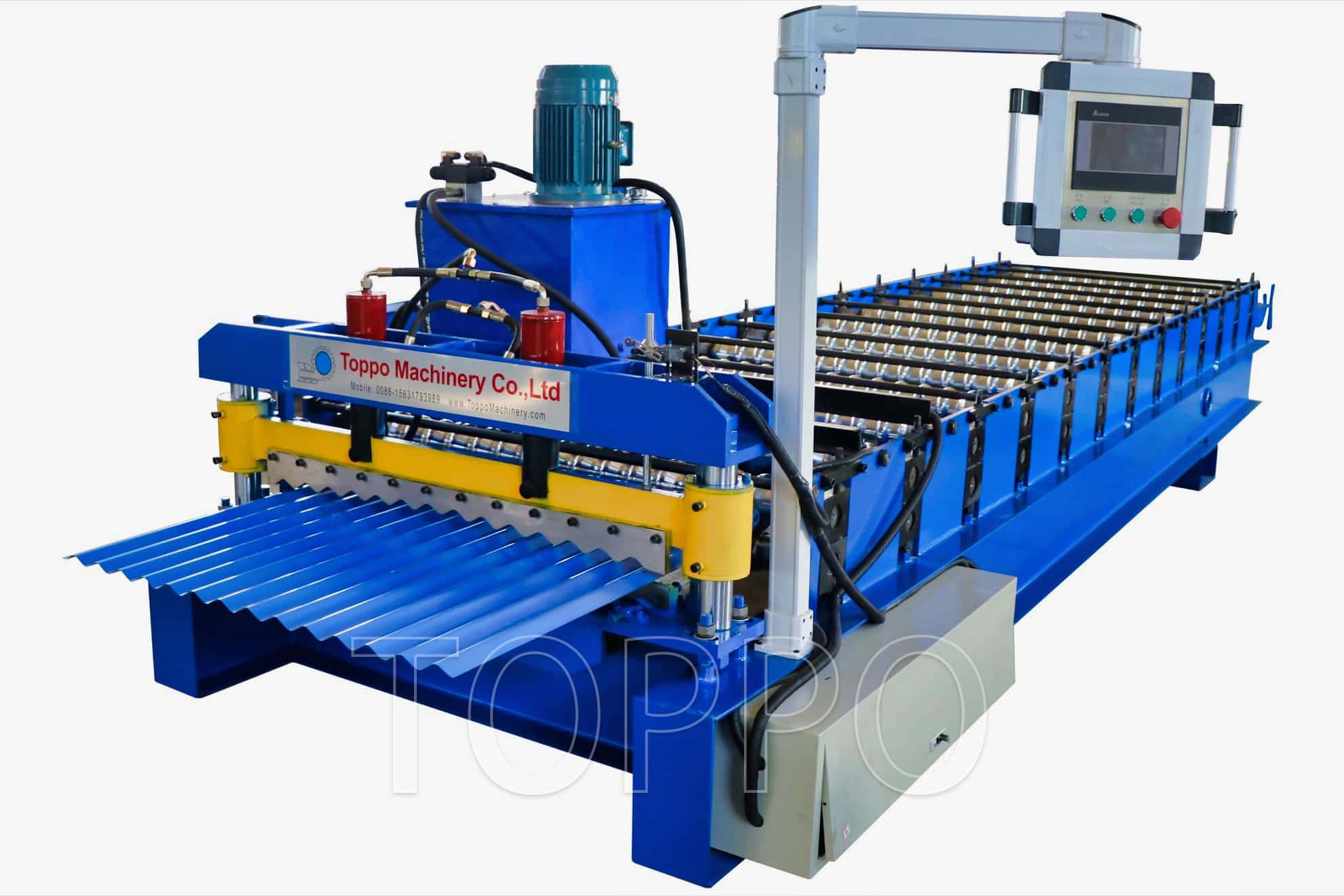
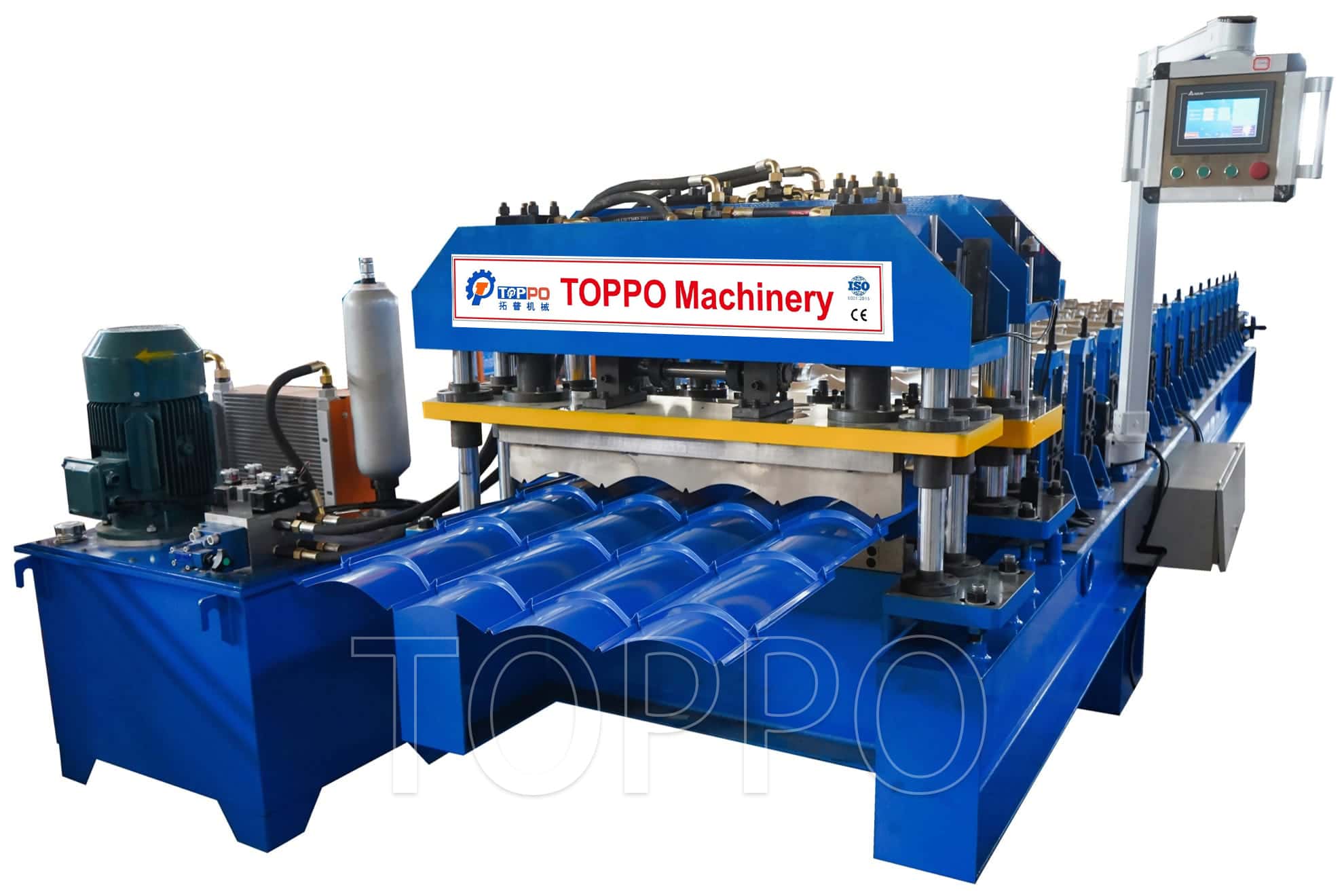
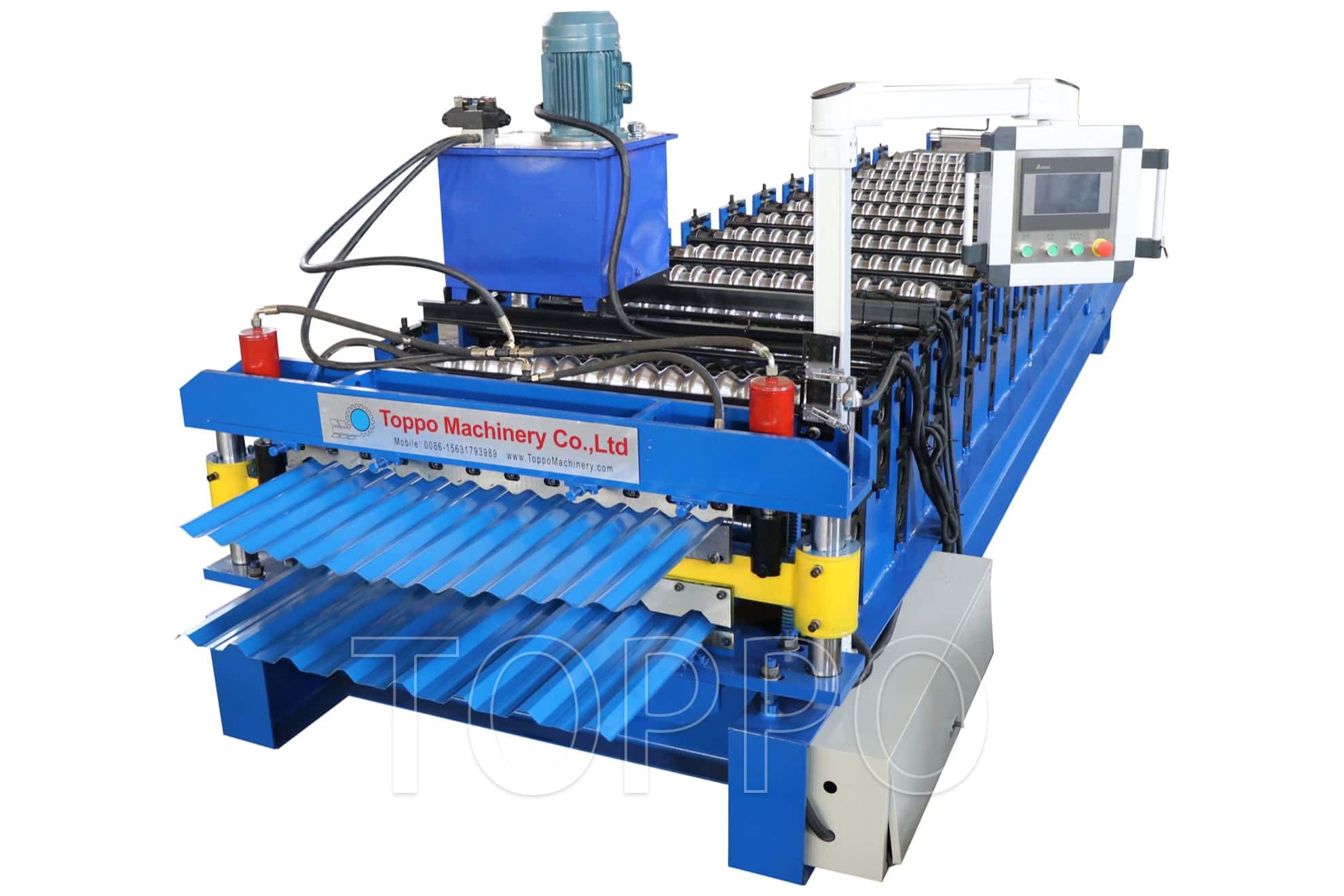
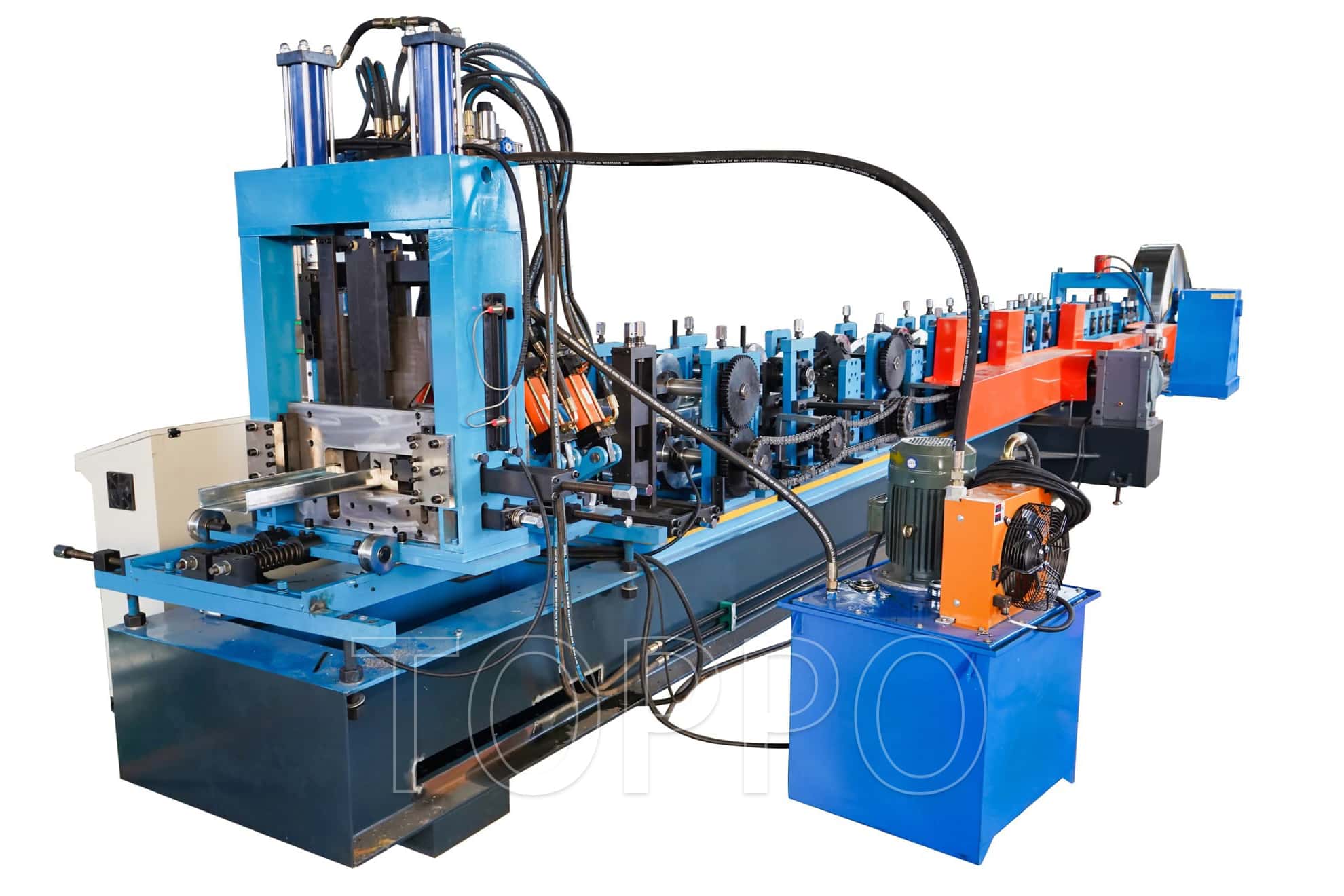
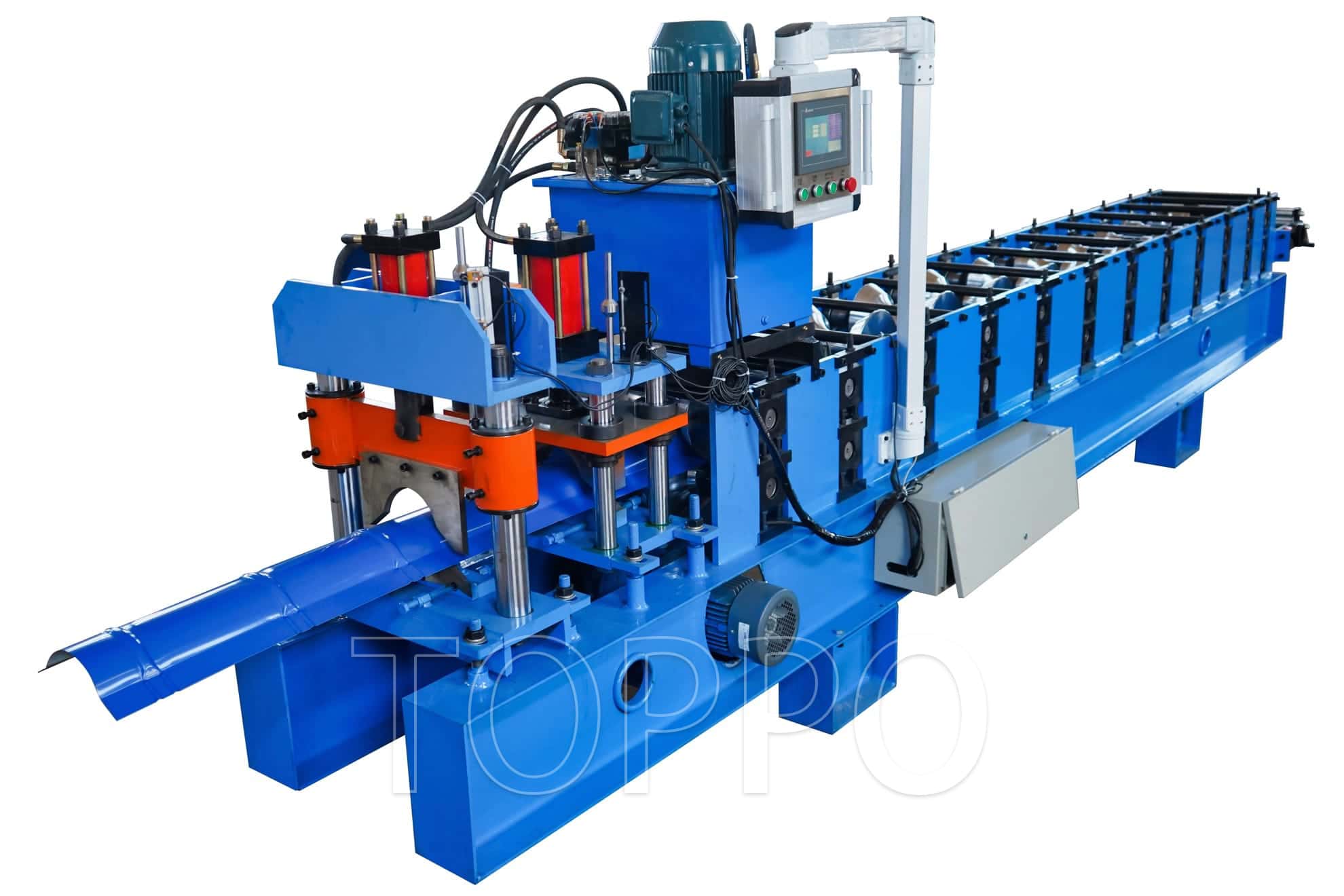
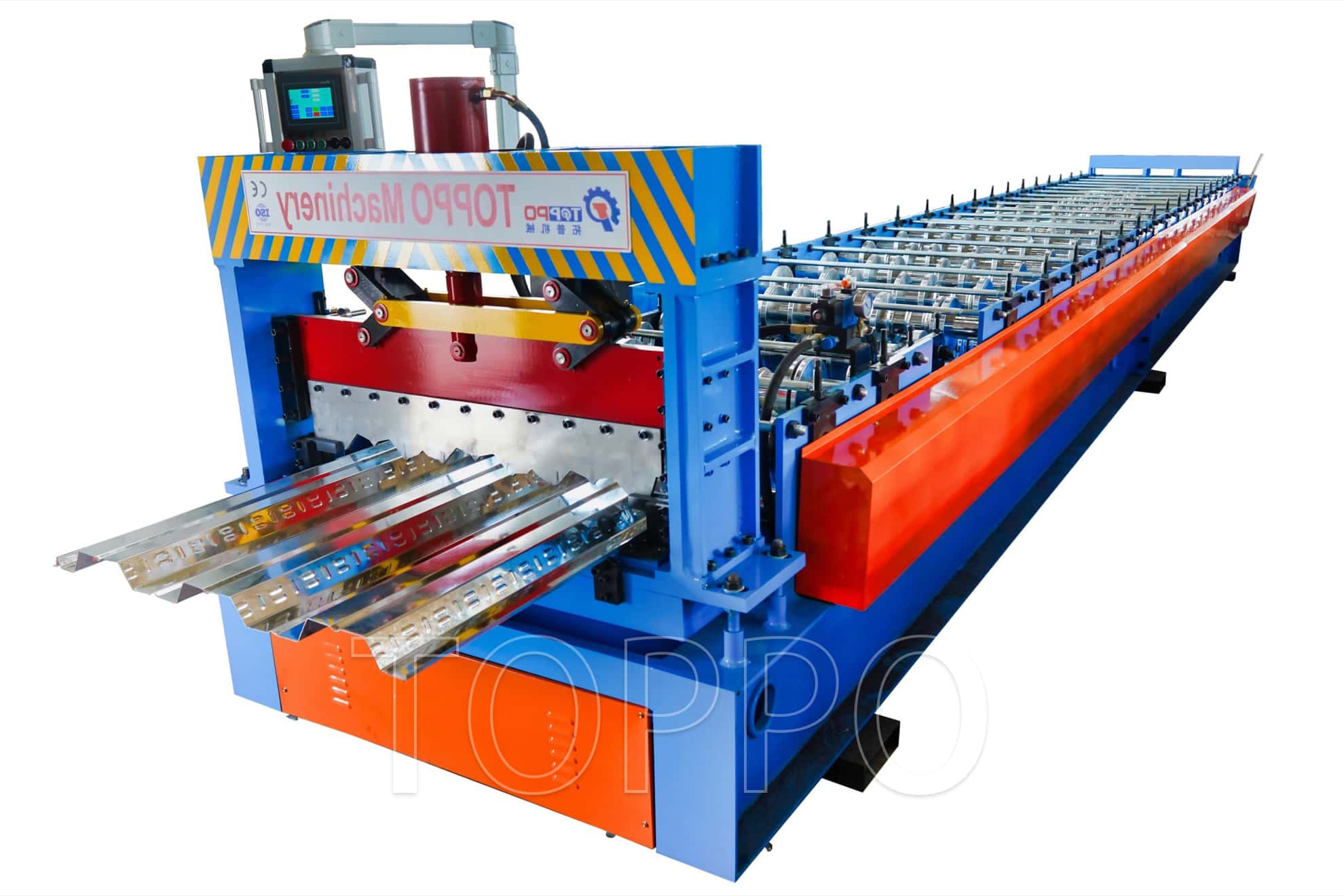
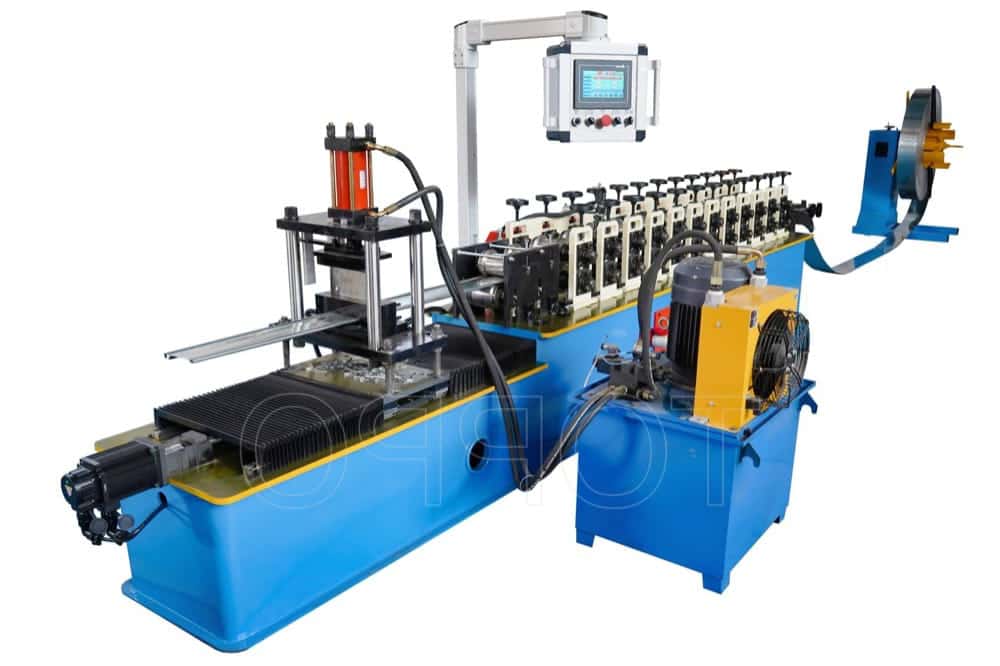
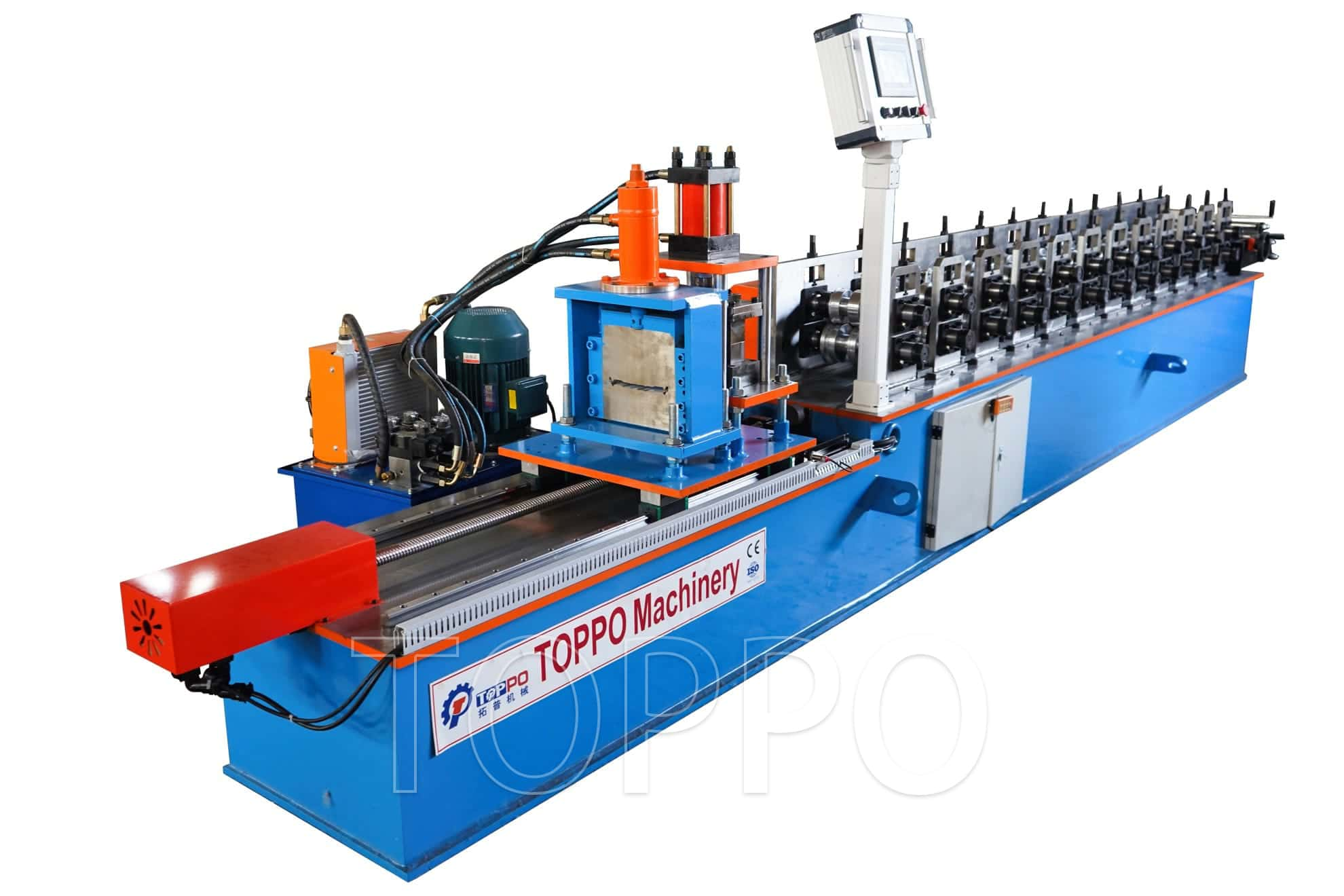
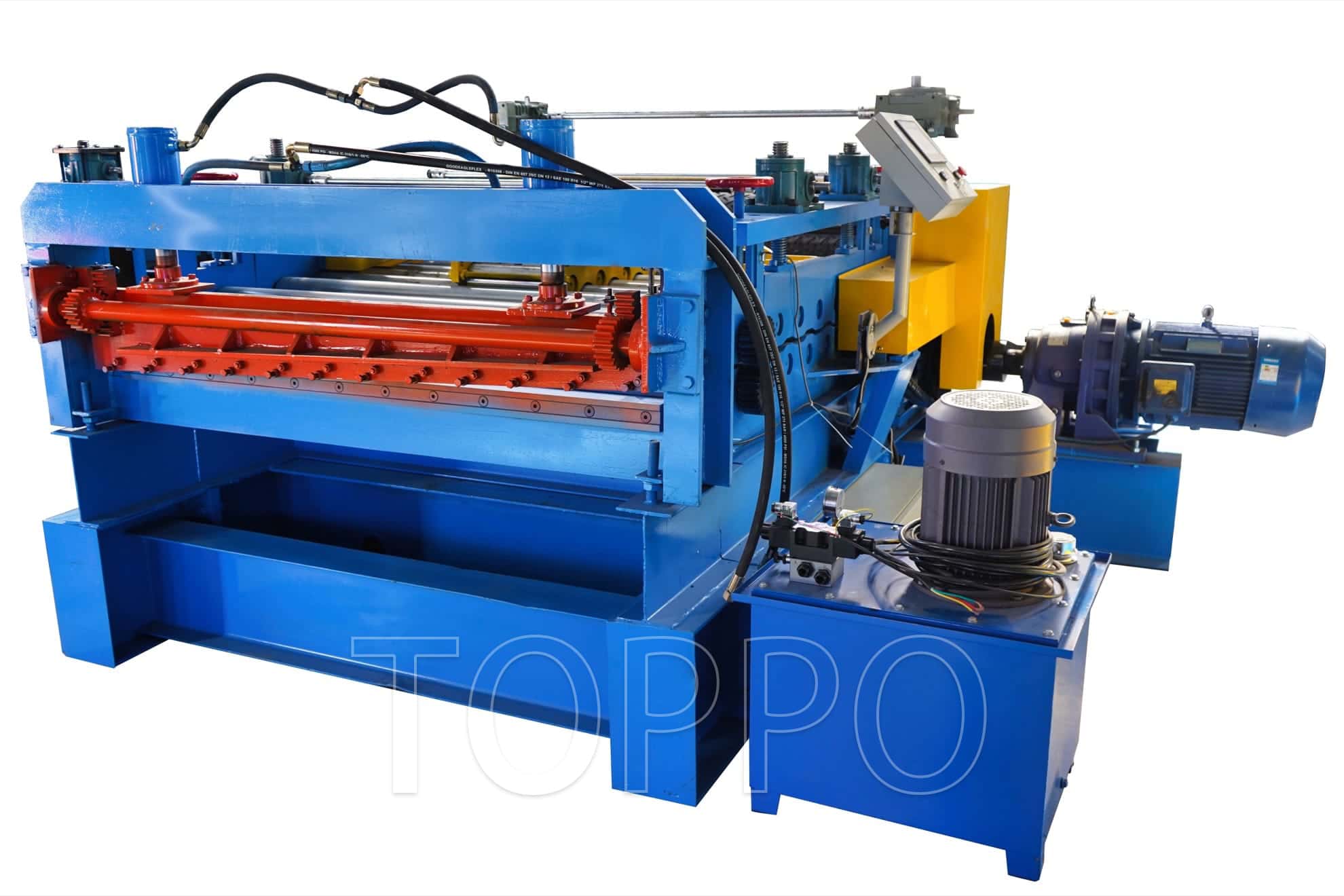
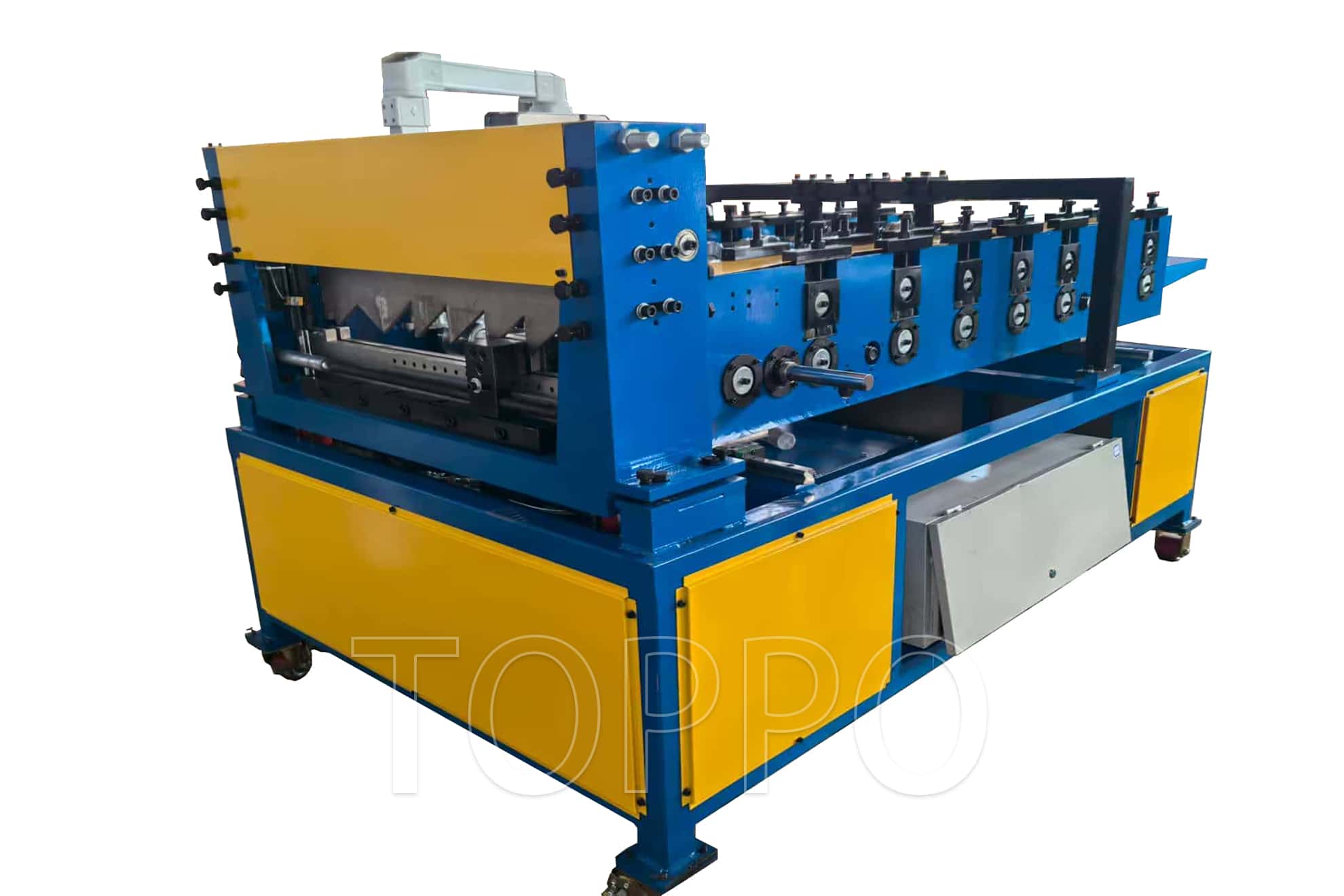
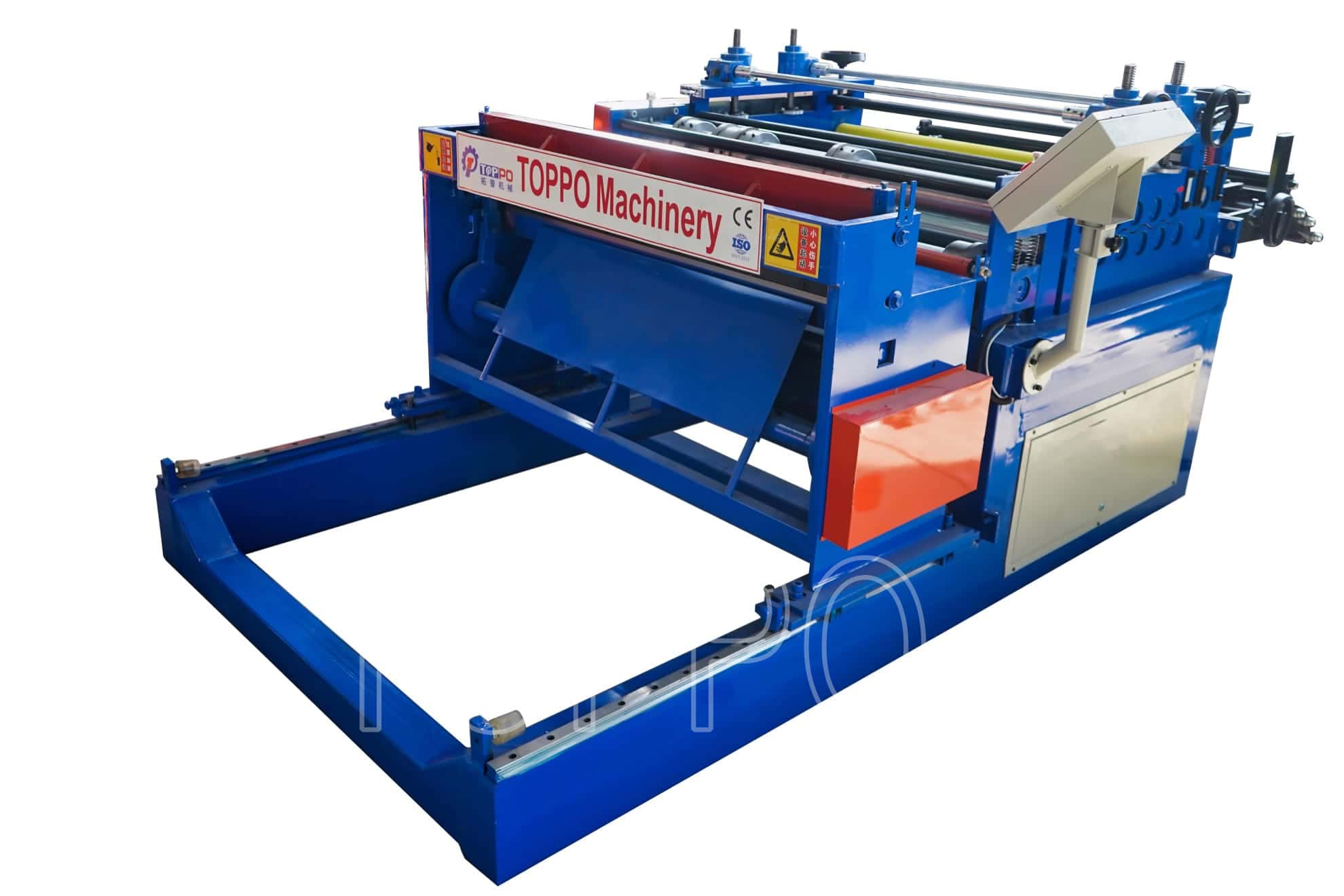
3. Choosing the Right Machinery: After selecting the steel, it is important to choose the correct machinery for production. The Roof Panel Making Machine is ideal for shaping and cutting steel sheets to the required specifications. This machine ensures precision and high efficiency in production. Additionally, the Corrugated Roll Forming Machine is used to shape steel sheets into corrugated profiles, providing the necessary strength and durability for roofing applications.
Common Mistakes in Steel Selection
A common mistake in selecting steel for roofing sheets is failing to account for the environmental conditions in the area. For example, using standard galvanized steel in coastal regions without an extra coating of zinc can result in faster corrosion. Manufacturers must carefully consider environmental factors such as humidity, saltwater exposure, and rainfall before selecting steel for roofing sheets.
Case Studies in Roofing Sheet Manufacturing
In one case study, a manufacturer in Brazil used galvanized steel for roofing sheets in a humid region. However, over time, the steel showed signs of corrosion due to the high humidity. The company switched to galvalume steel, which offered superior protection against rust and extended the lifespan of the roofing sheets.
In another case, a manufacturer in Mexico used stainless steel for roofing sheets in a coastal area. The stainless steel roofing sheets maintained their integrity and durability even after several years of exposure to saltwater, demonstrating the material’s exceptional resistance to corrosion.
Conclusion
Selecting the right steel for roofing sheets in Latin America’s tropical climate is essential for ensuring long-term performance and durability. Galvanized, galvalume, and stainless steel all offer unique advantages depending on the environmental conditions. By selecting the appropriate material and using advanced machinery like the Roof Panel Making Machine and Corrugated Roll Forming Machine, manufacturers can produce roofing sheets that are durable, cost-effective, and able to withstand the toughest tropical climates.
READ MORE: