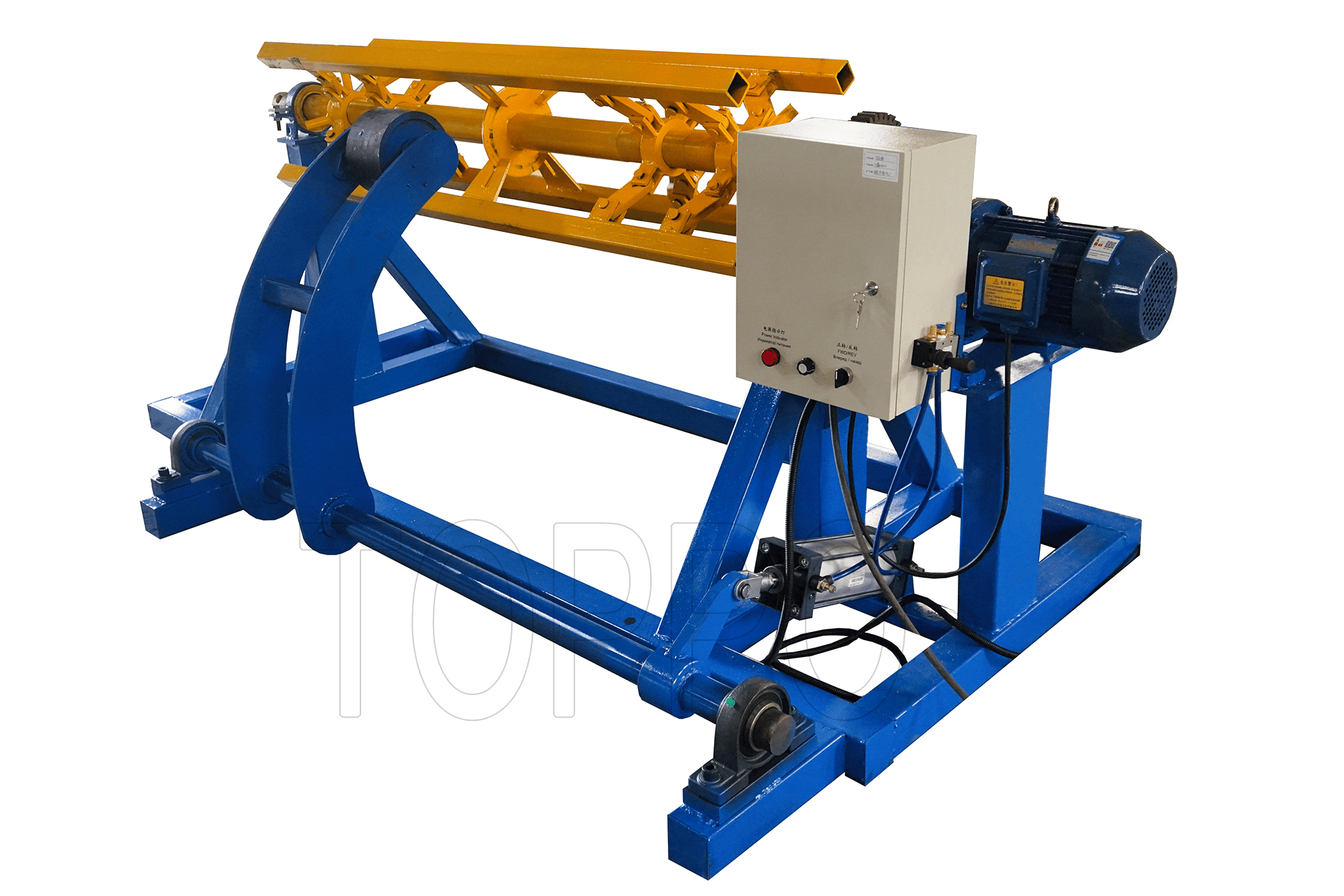
Why Roofing Sheet Manufacturers in Developing Countries Are Adopting More Energy-Efficient Machines
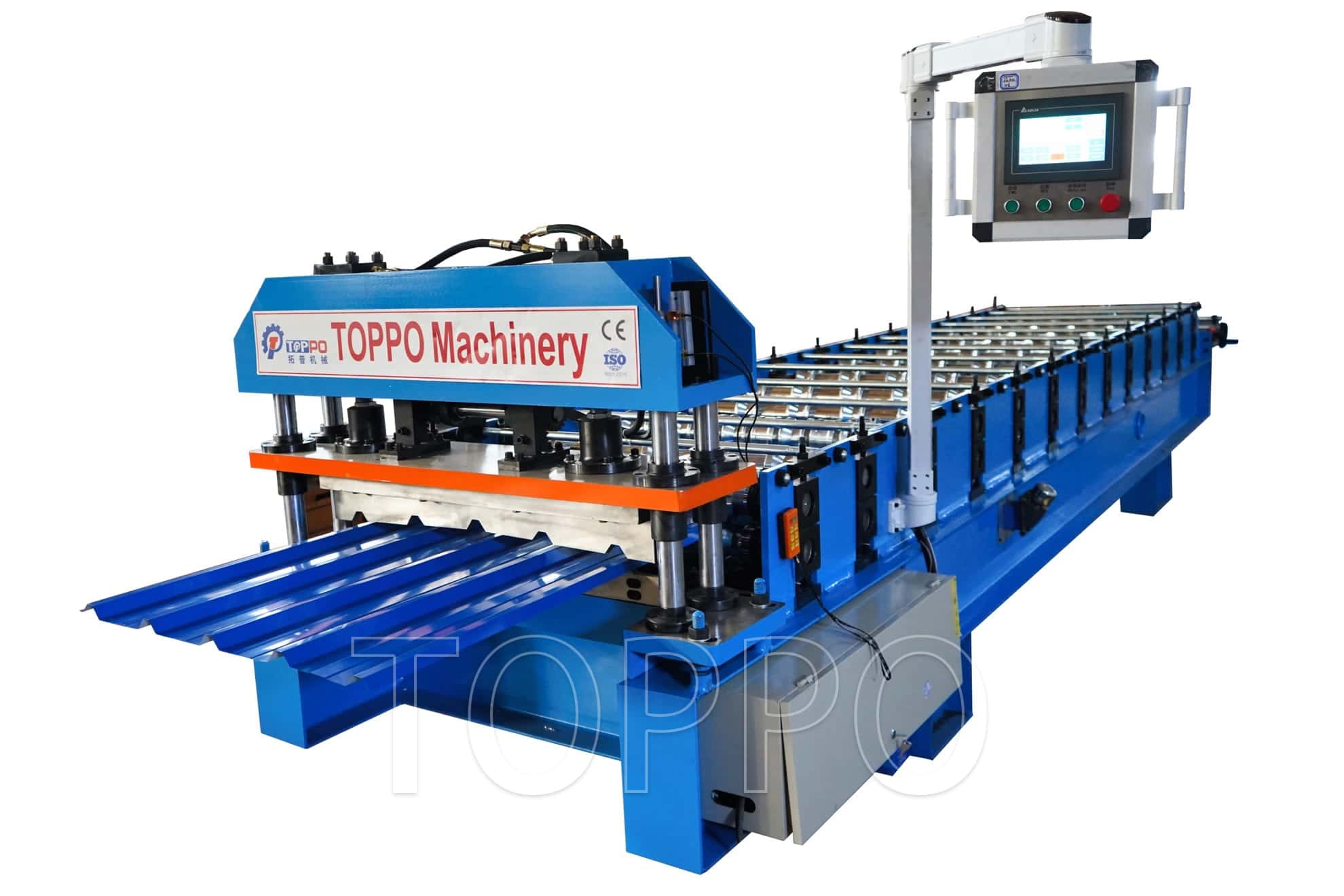
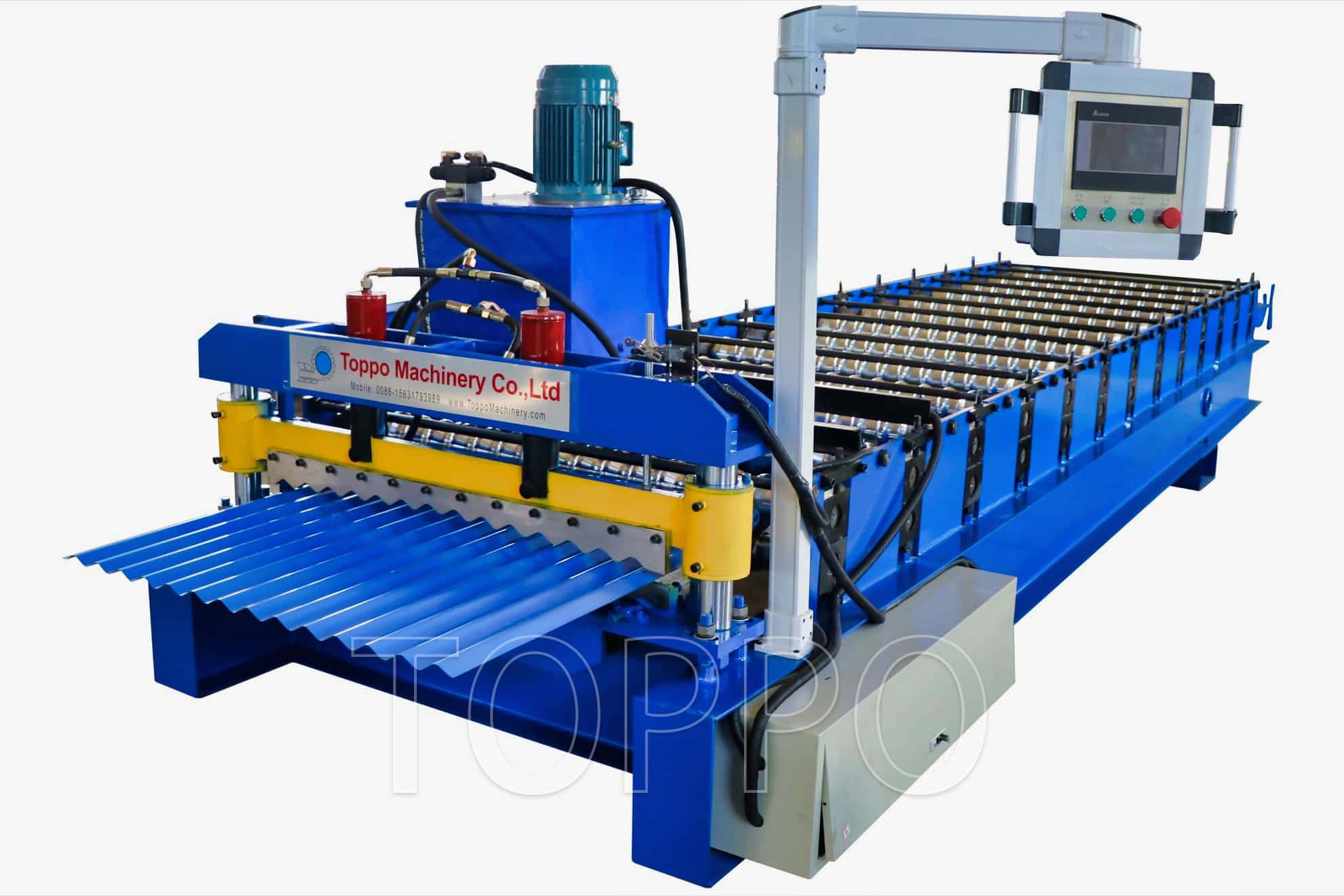
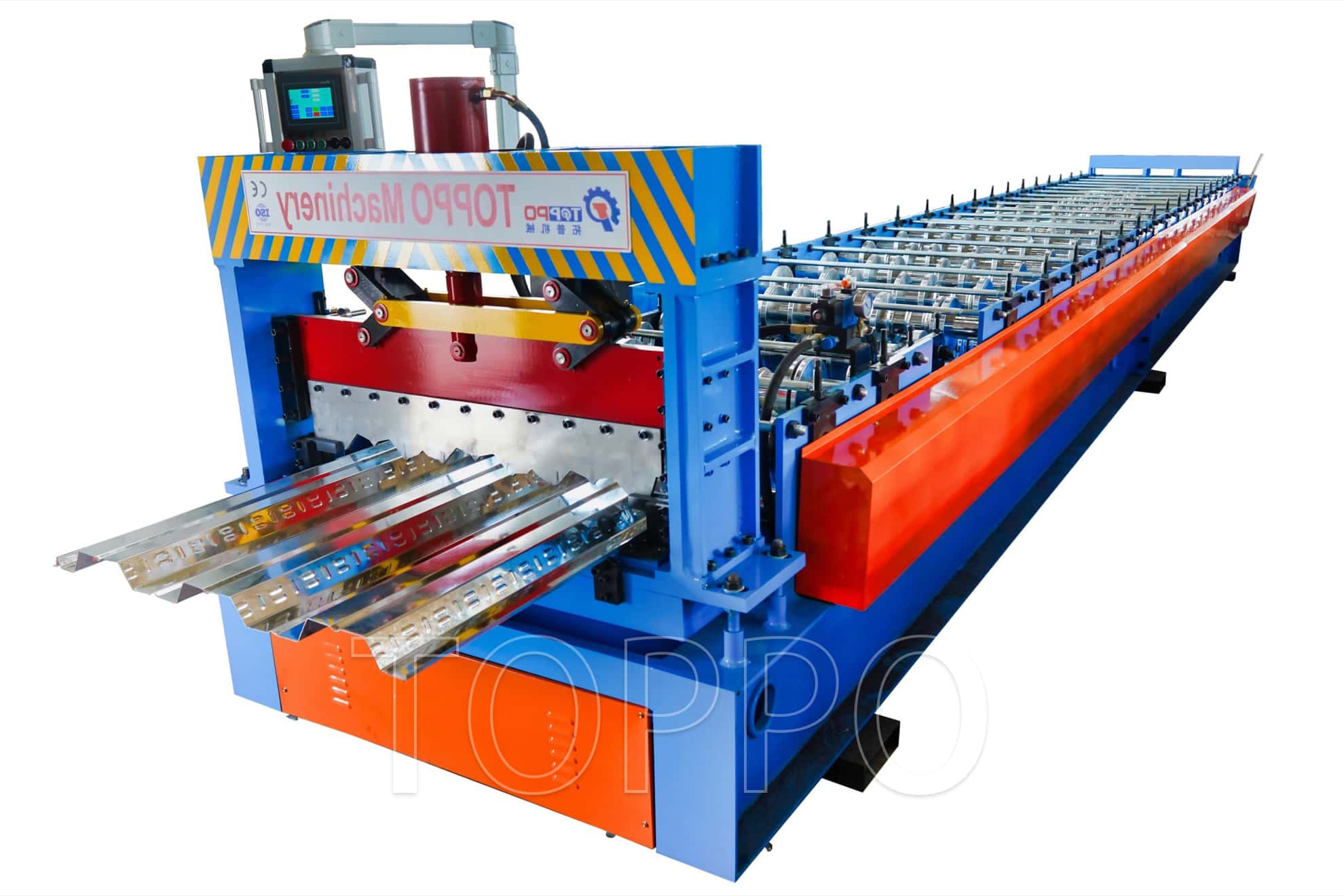
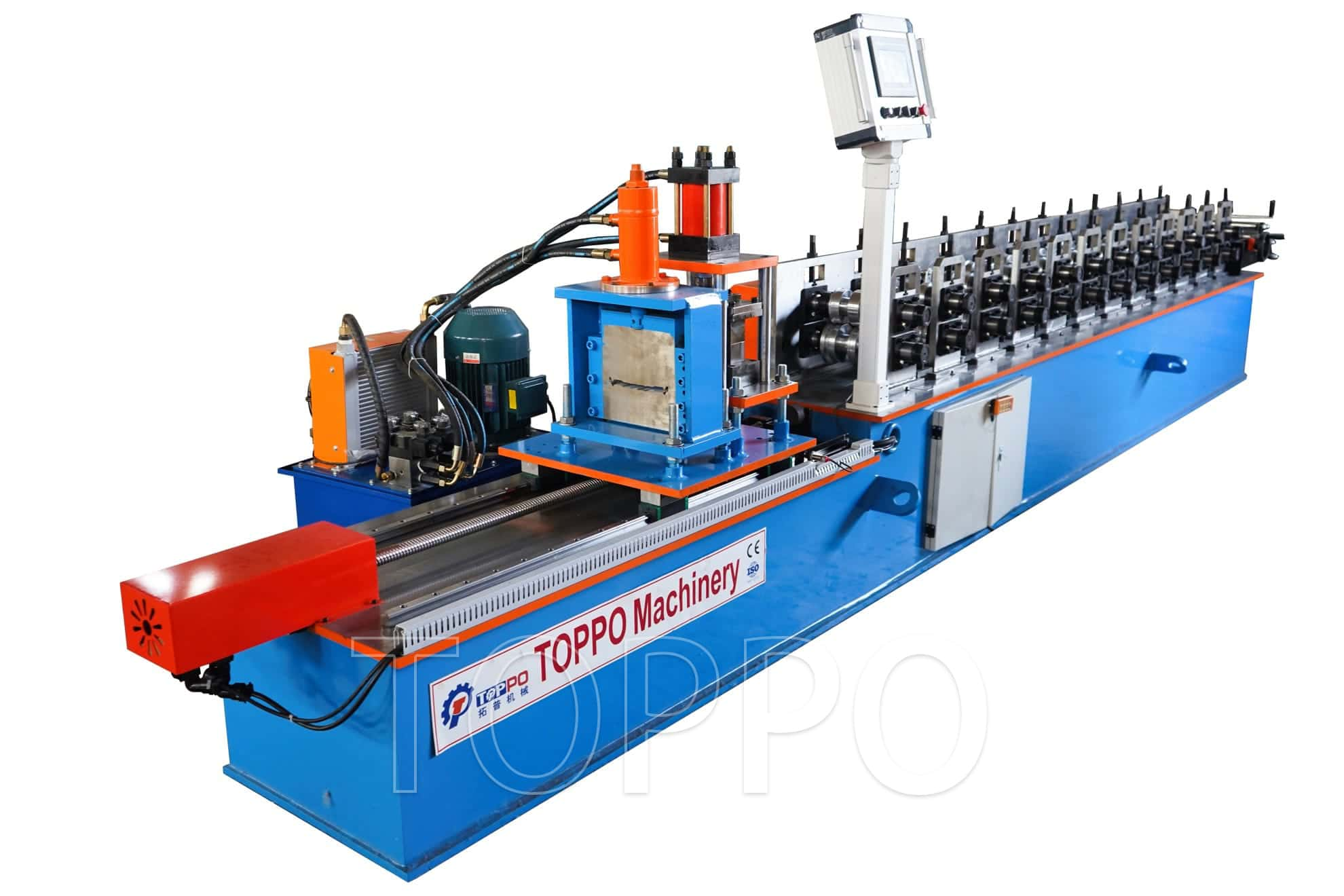
As the roofing industry evolves, manufacturers in developing countries are increasingly turning to energy-efficient machines to boost productivity and cut costs. Rising energy prices and environmental concerns are pushing businesses to seek sustainable solutions. This article examines the reasons behind this shift, key implementation steps, common pitfalls, and real-world examples, with a focus on modern technology like the Heavy-Duty 850 Roof and Wall Panel Sheet Corrugated Roof Roll Forming Machine.
The Drivers of Energy Efficiency
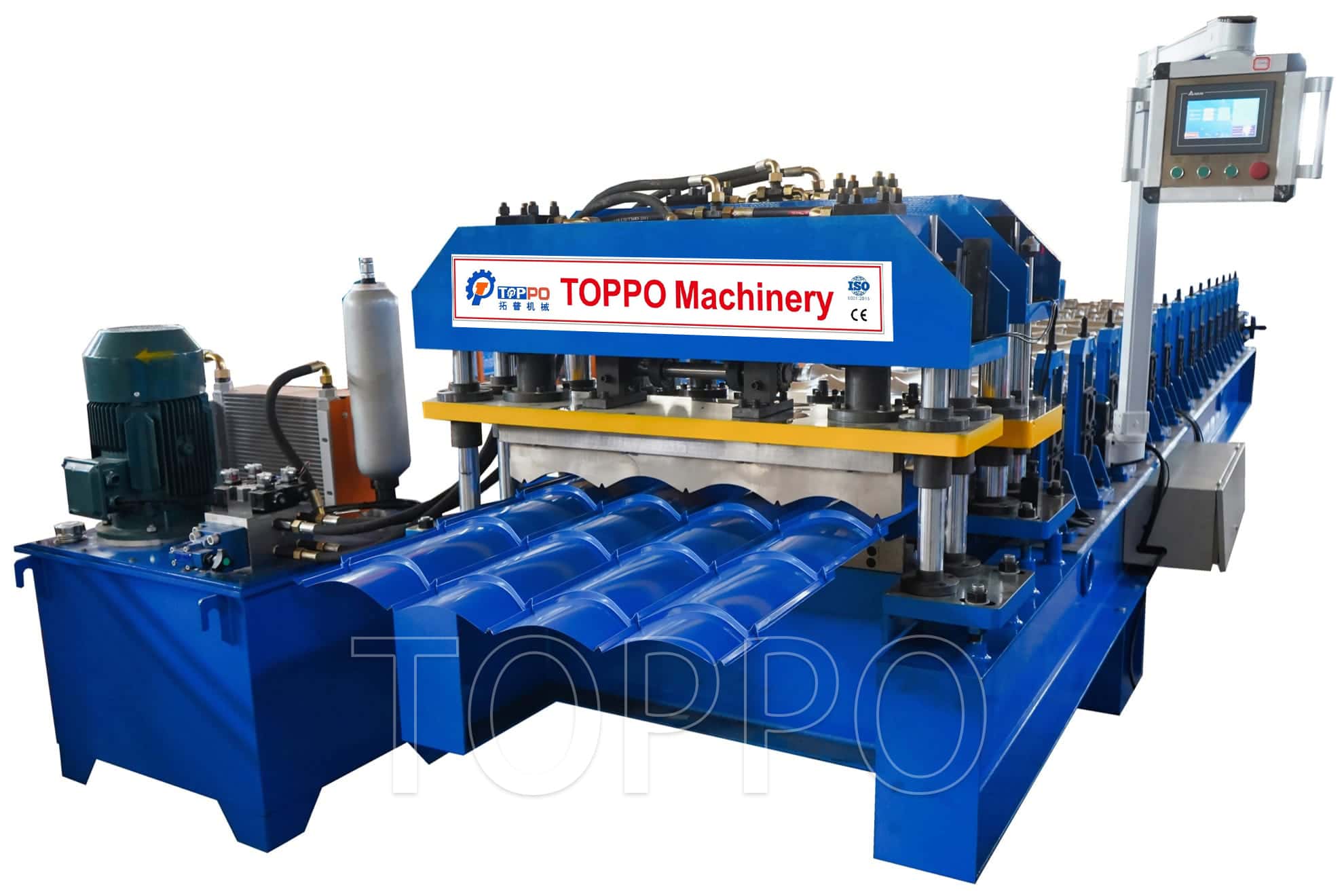
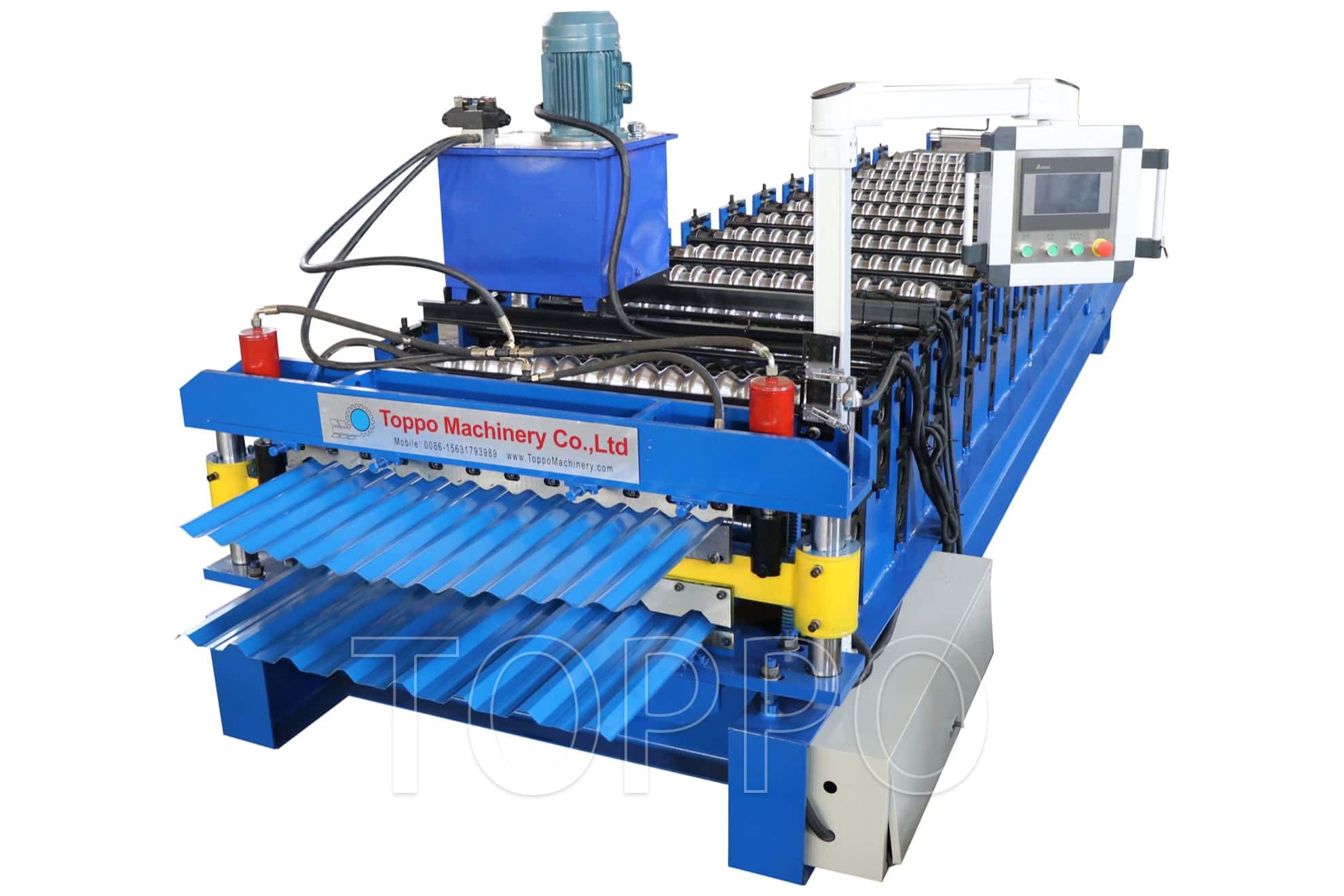
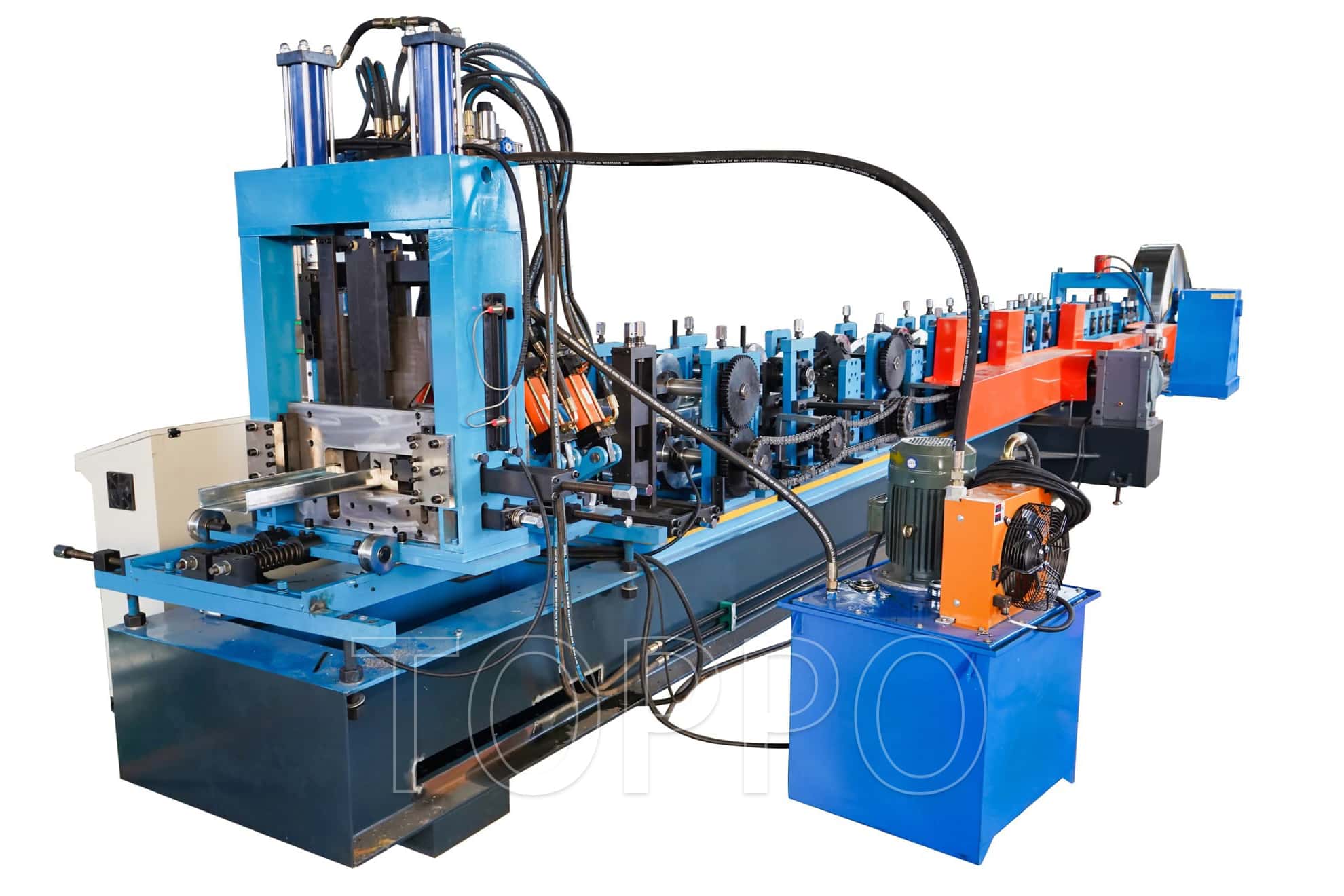
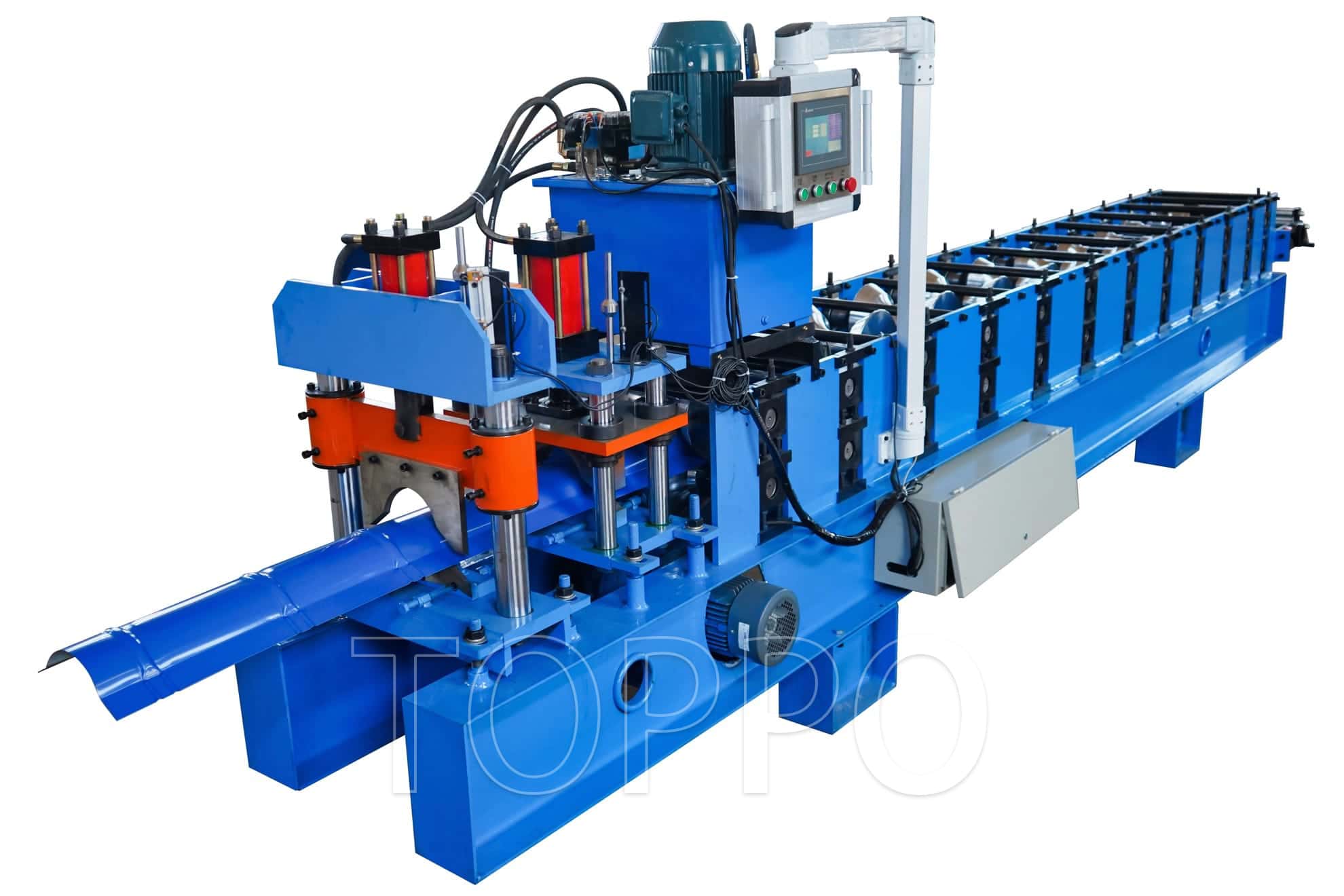
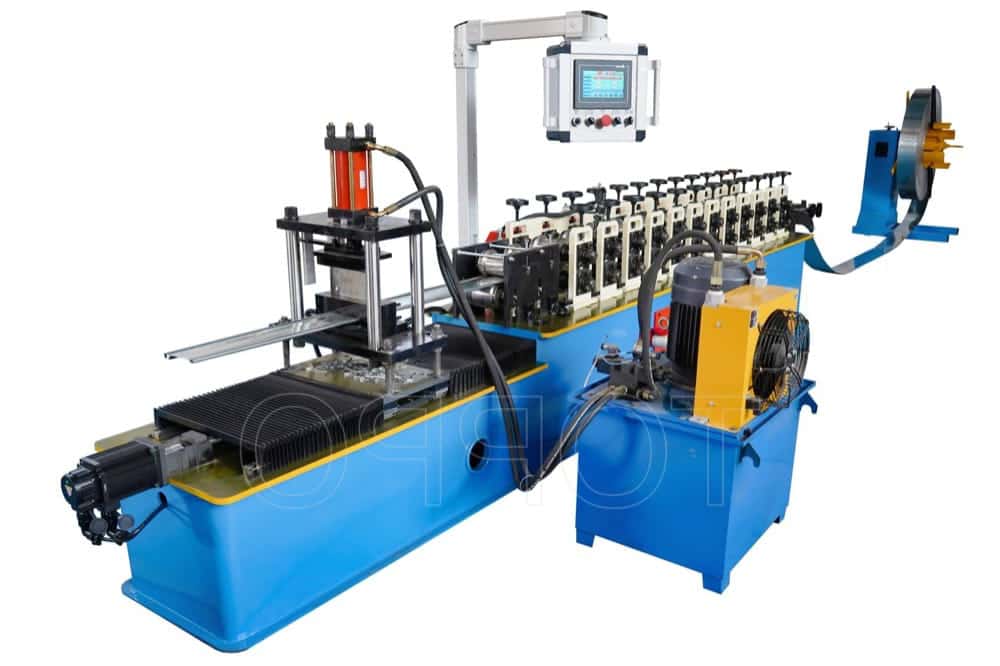
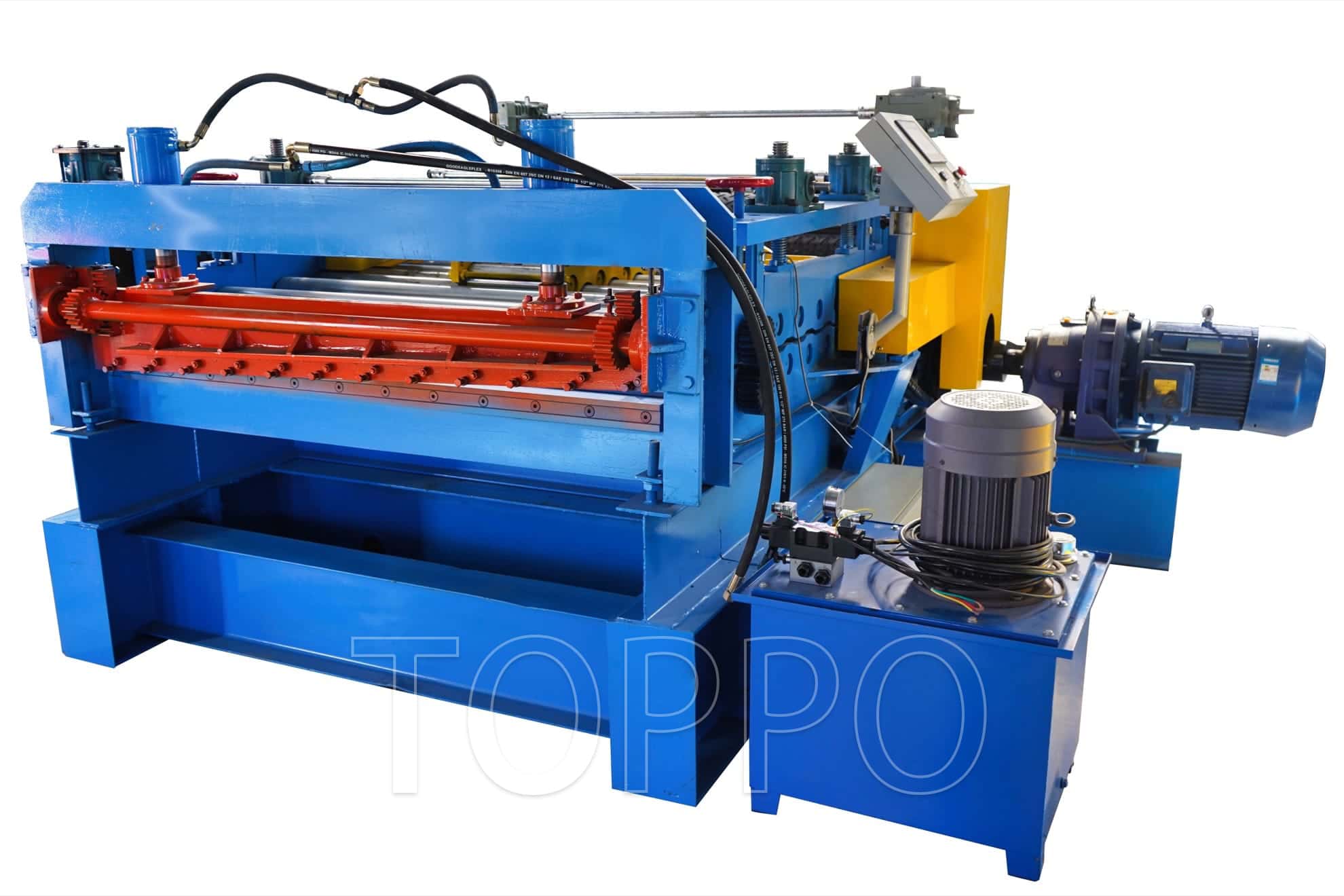
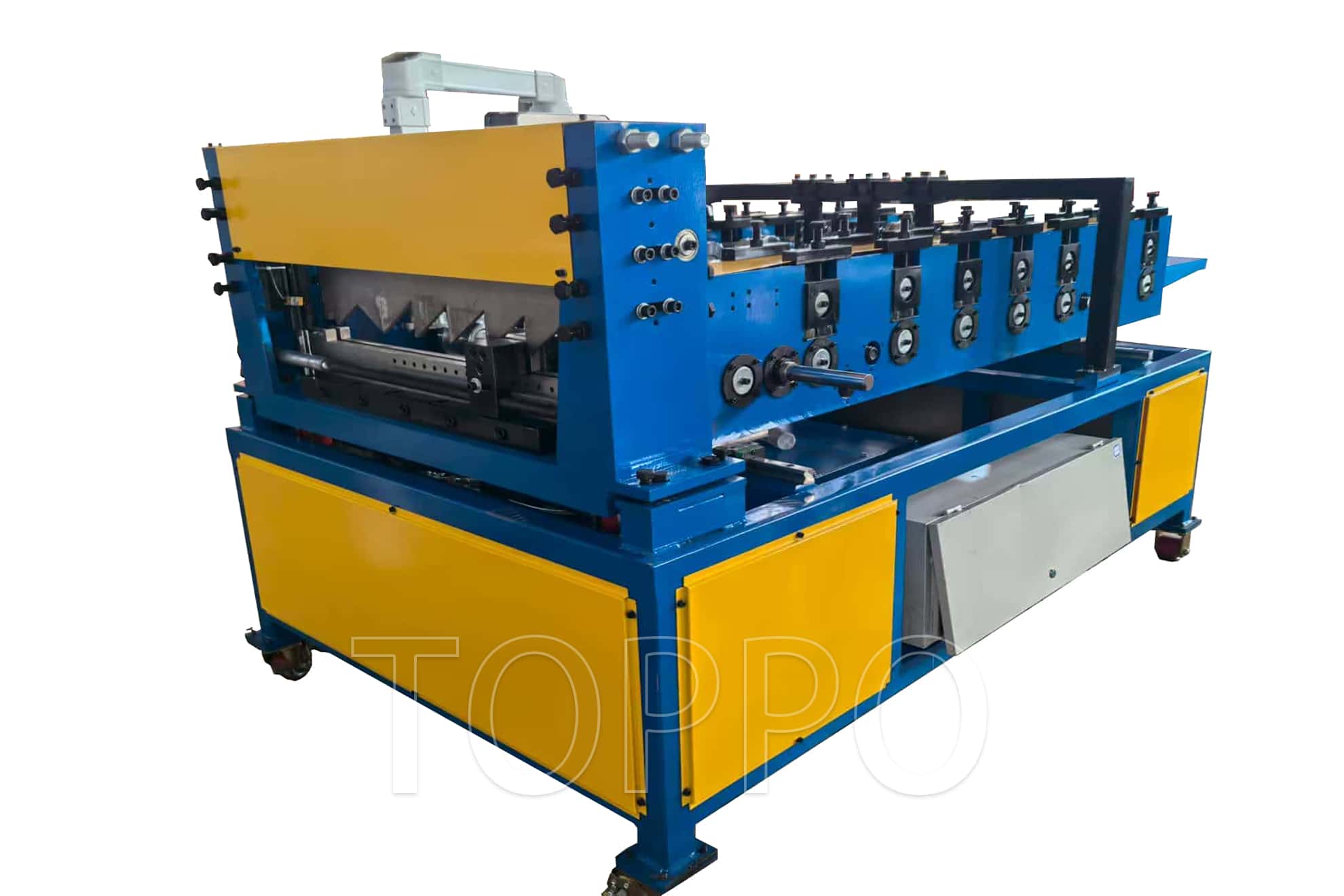
Energy costs are a significant portion of manufacturing overhead. In developing countries, unreliable power supplies and high electricity prices make efficiency even more critical. By investing in energy-efficient technology, manufacturers can reduce expenses, increase uptime, and improve competitiveness. Machines like the roof panel making machine and corrugated roll forming machine have evolved with features such as variable-speed drives, automatic shutdown modes, and low-friction components.
Key Steps to Implement Energy-Efficient Solutions
1. Audit Current Equipment: Manufacturers should start by assessing the energy consumption of their existing production lines. Identifying high-usage machines will help prioritize upgrades.
2. Select the Right Machines: Look for equipment—like the Heavy-Duty 850 Roof and Wall Panel Sheet Corrugated Roof Roll Forming Machine—that offers proven energy savings. Compare technical specifications, warranty coverage, and after-sales support before purchase.
3. Train Operators: Energy-efficient machines can only deliver full benefits if operators understand optimal settings, maintenance routines, and error prevention. Comprehensive training is essential for consistent savings.
4. Monitor and Adjust: Use monitoring tools to track energy consumption and machine performance. Make periodic adjustments to production schedules or machine settings to maximize efficiency.
Common Mistakes to Avoid
1. Underestimating Total Cost of Ownership: Focusing solely on purchase price, rather than considering long-term savings from reduced energy use, can lead to missed opportunities.
2. Skipping Staff Training: Even advanced machines can underperform if operators aren’t properly trained, leading to avoidable energy waste.
3. Ignoring Maintenance: Lack of preventive maintenance can offset gains from energy-efficient upgrades, causing higher energy bills and unplanned downtime.
Case Study: Results from Energy-Efficient Investments
A roofing sheet manufacturer in Southeast Asia replaced older lines with a modern corrugated roll forming machine and saw a 25% reduction in electricity usage. After extensive operator training, the plant also experienced fewer breakdowns and a notable increase in production capacity.
Another example from Africa involved adopting a roof panel making machine with energy-saving features. By tracking performance data and scheduling regular maintenance, the manufacturer achieved lower utility costs and improved output consistency.
Conclusion
Adopting energy-efficient machines is a smart move for roofing sheet manufacturers in developing countries, helping to control costs, reduce environmental impact, and ensure more reliable operations. By focusing on strategic upgrades—like the Heavy-Duty 850 Roof and Wall Panel Sheet Corrugated Roof Roll Forming Machine, roof panel making machine, and corrugated roll forming machine—and investing in operator training, manufacturers can realize lasting benefits in a rapidly changing marketplace.
READ MORE: