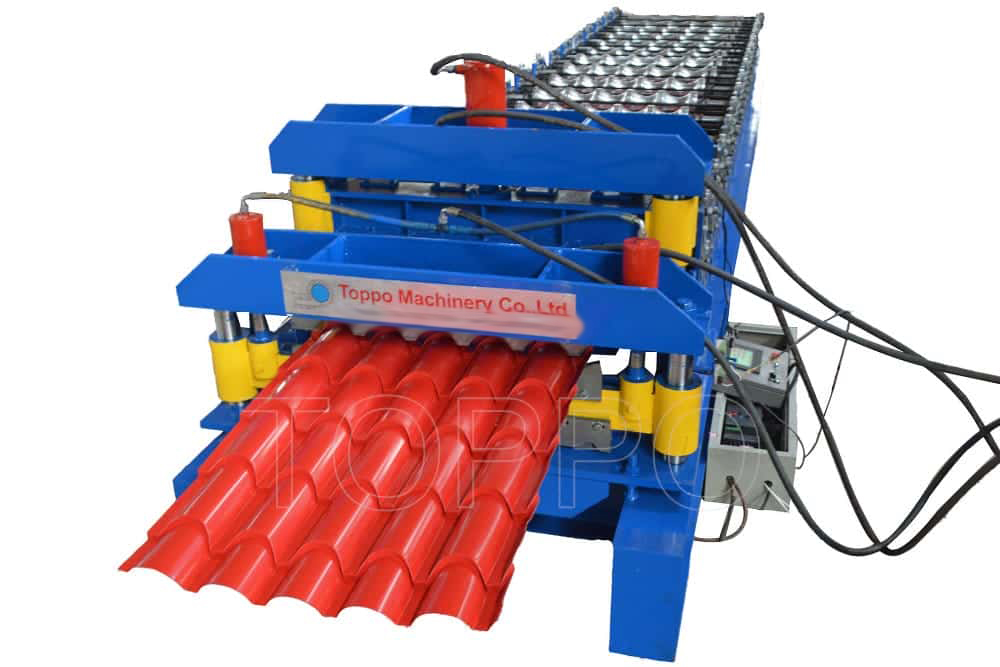
Critical Components of a Roofing Sheet Machine
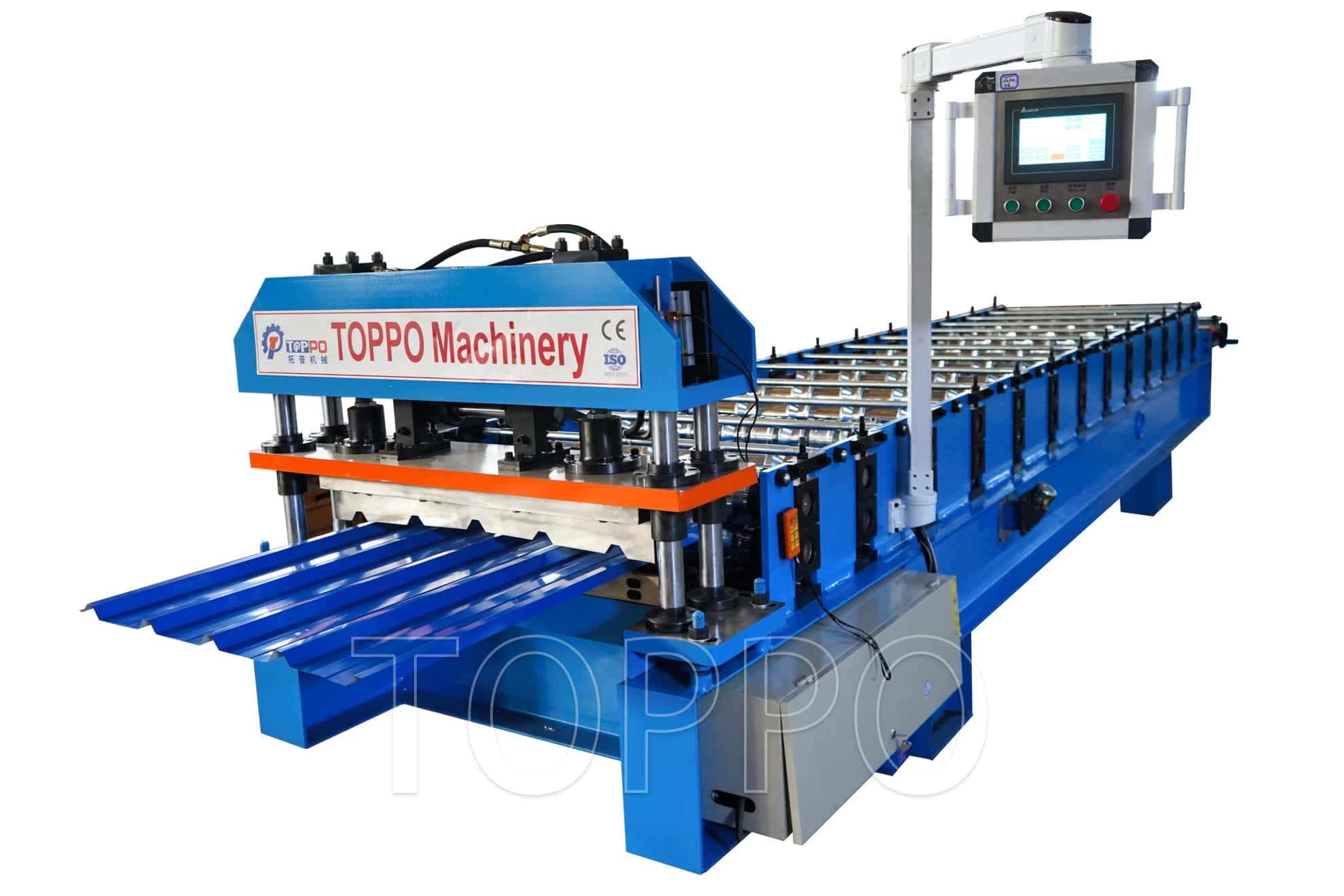
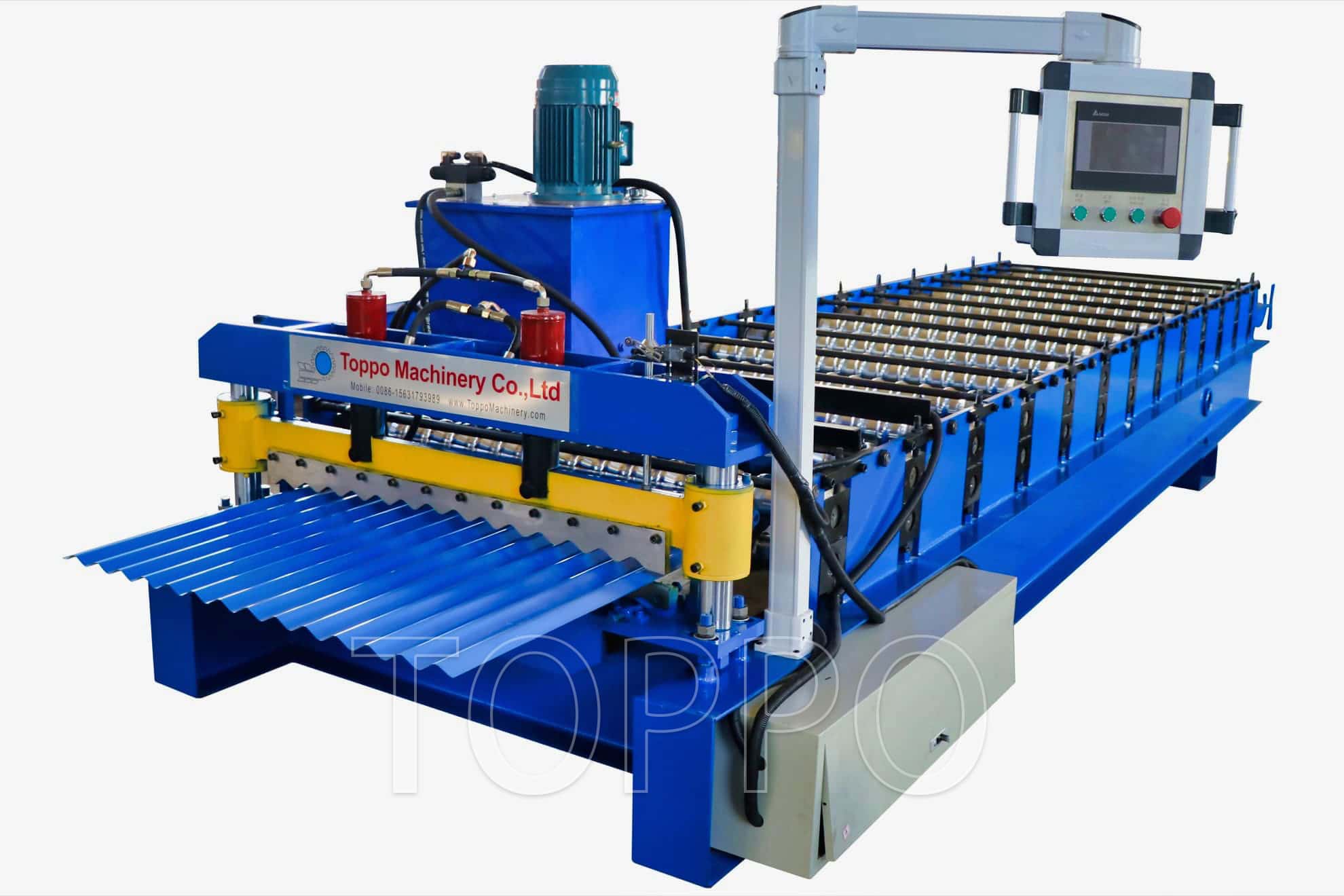
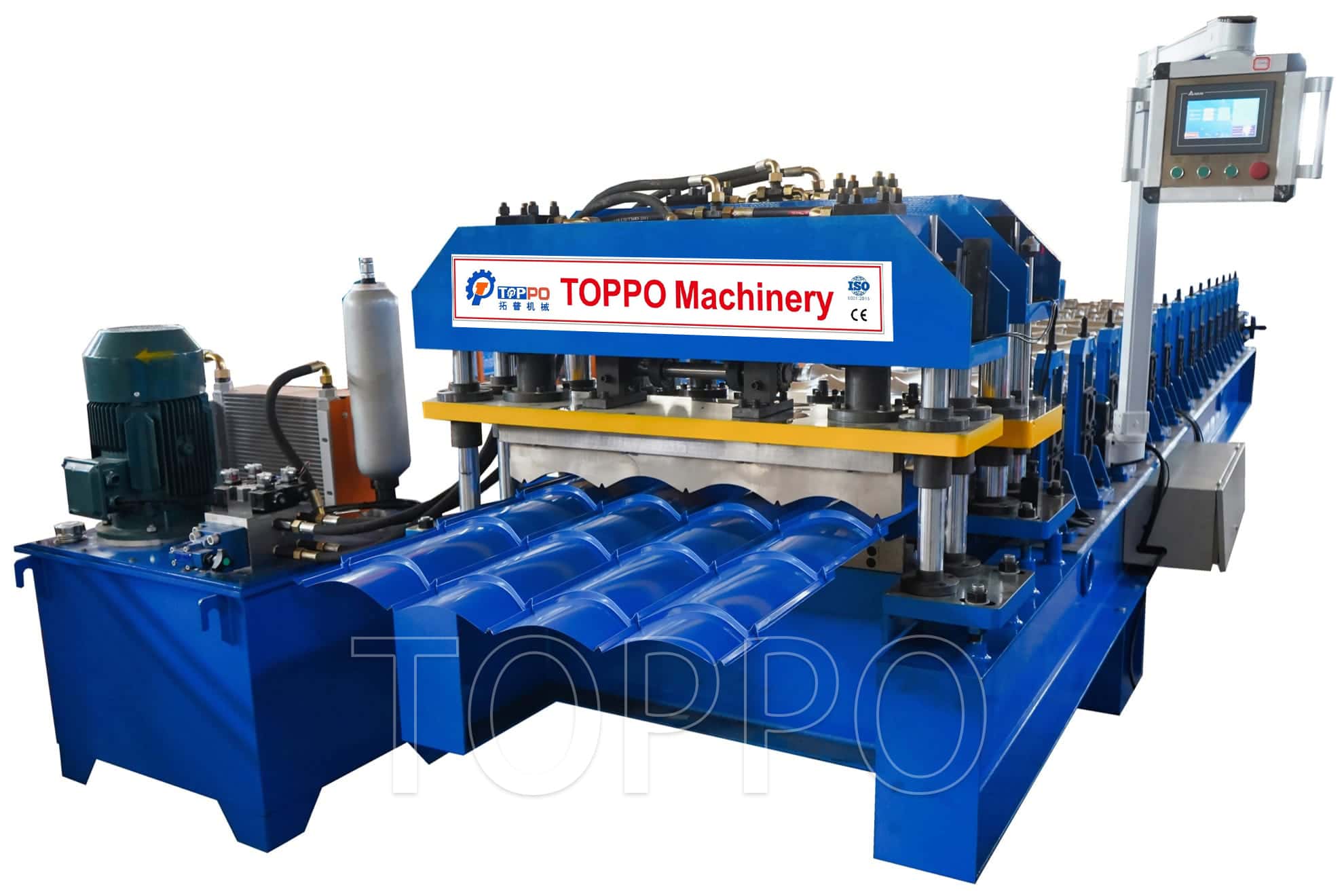
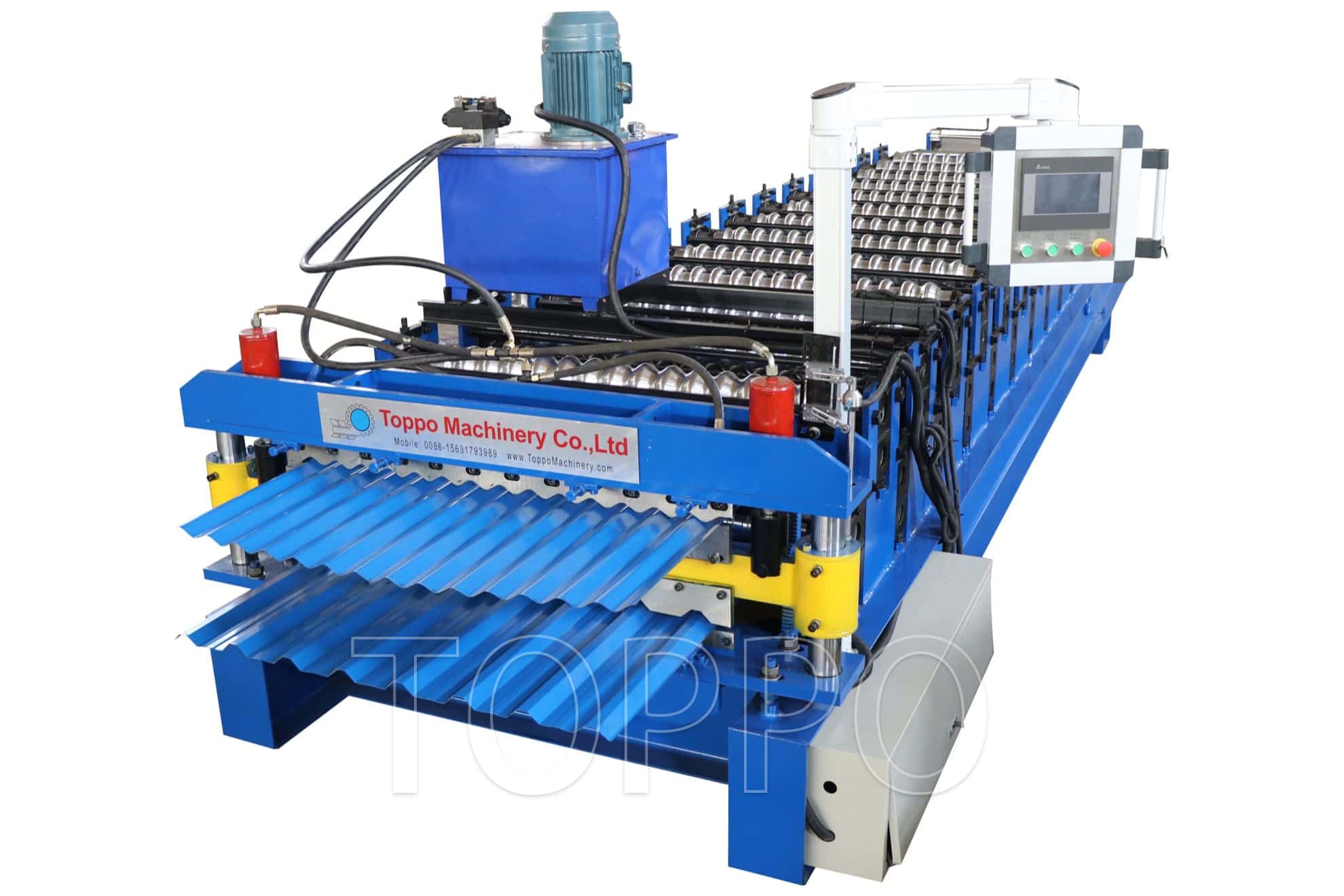
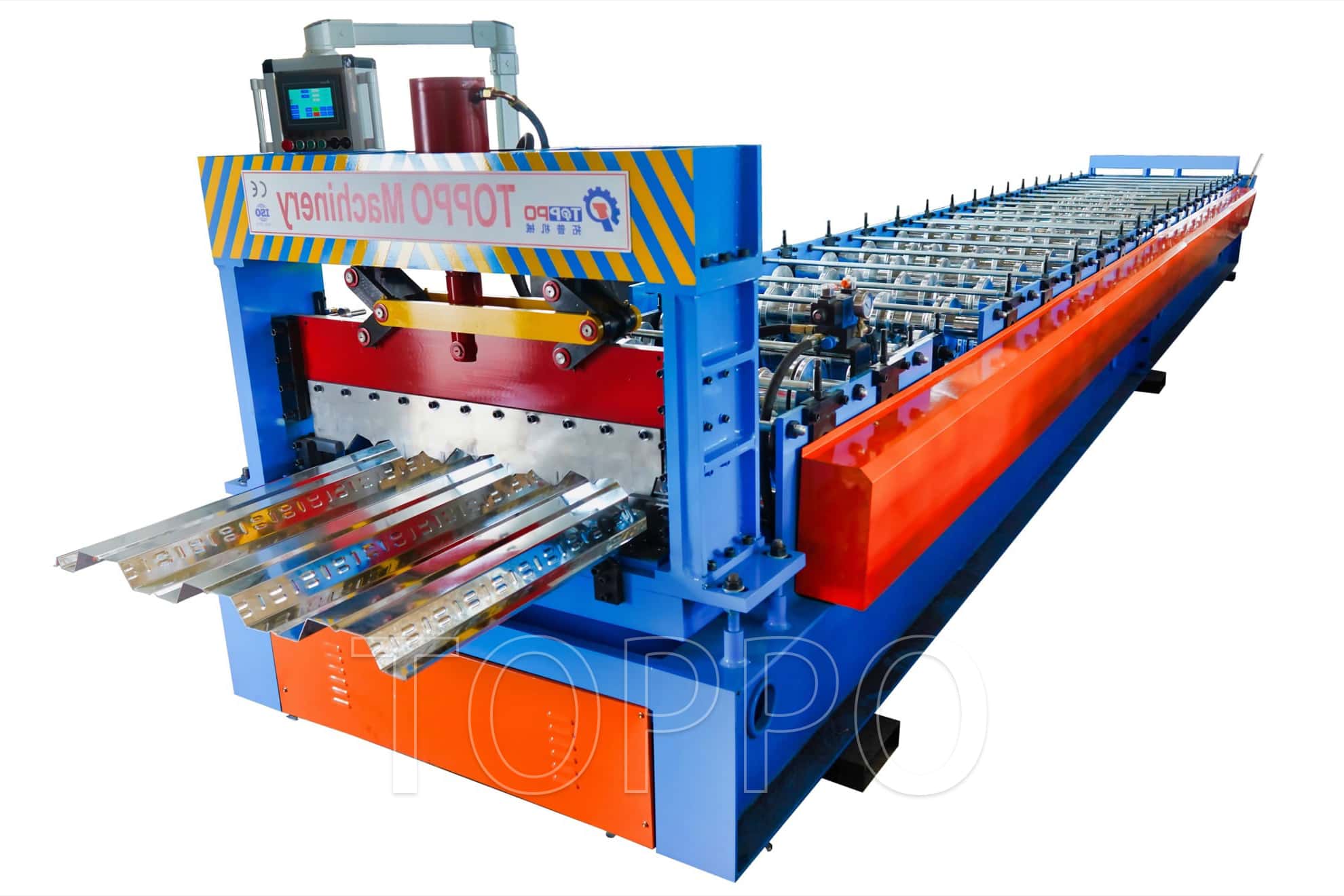
The 836 steel corrugated roll forming machine is one of the most important pieces of equipment used to create durable and high-quality roofing sheets. In this article, Amelia dives into the key components of these machines, offering valuable insights on setup, operation, and how to avoid common mistakes during machine use.
1. Rollers: The Heart of the Machine
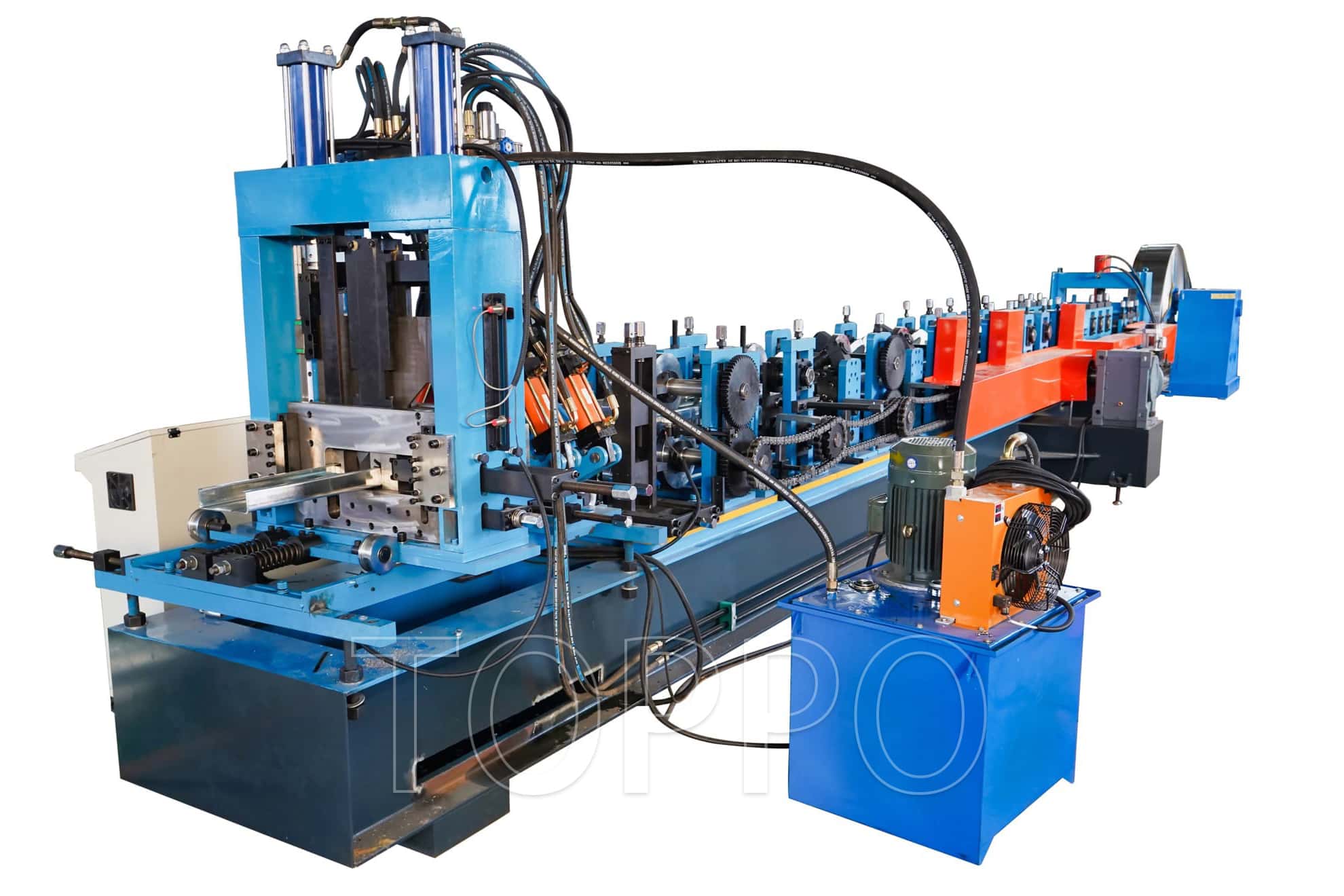
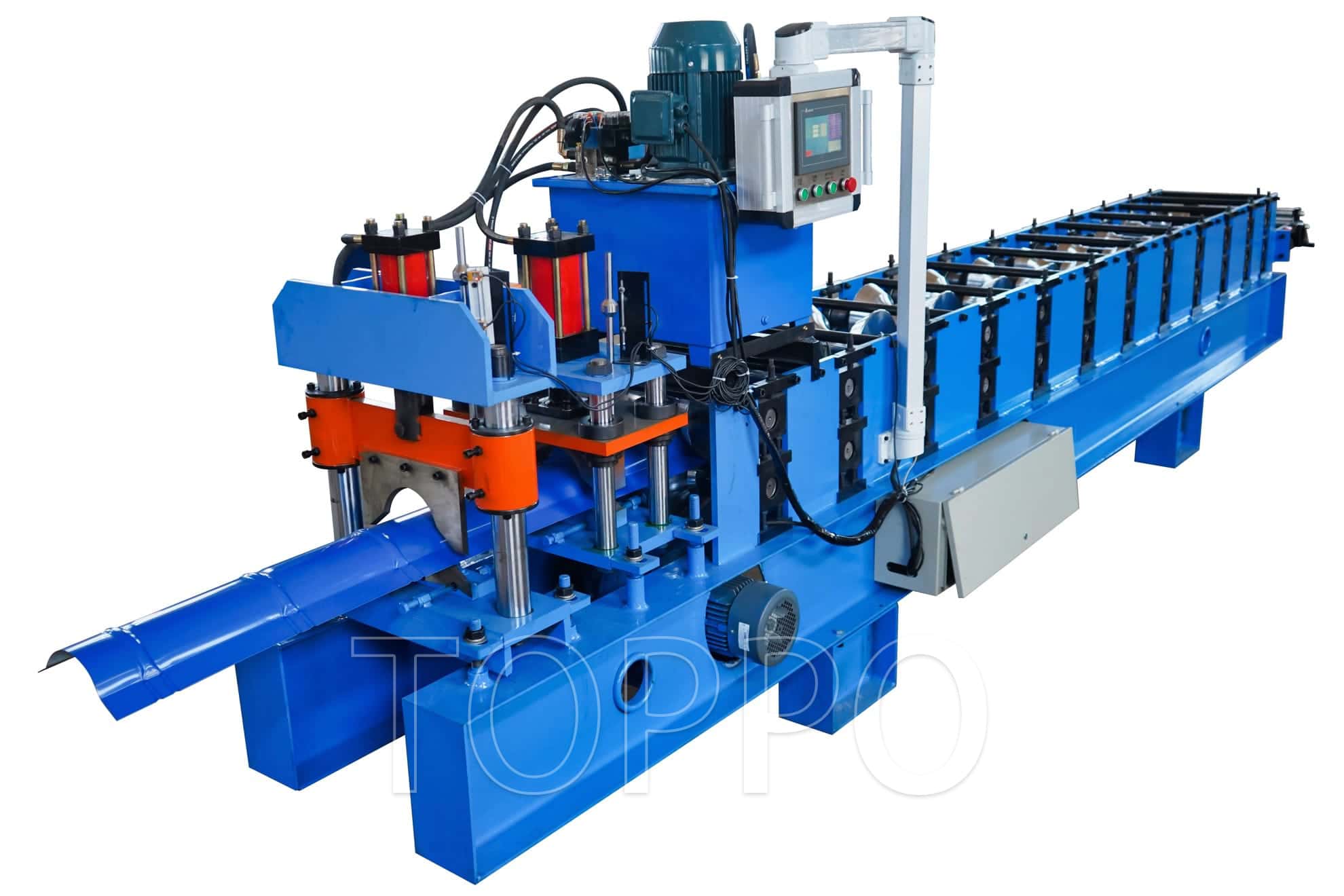
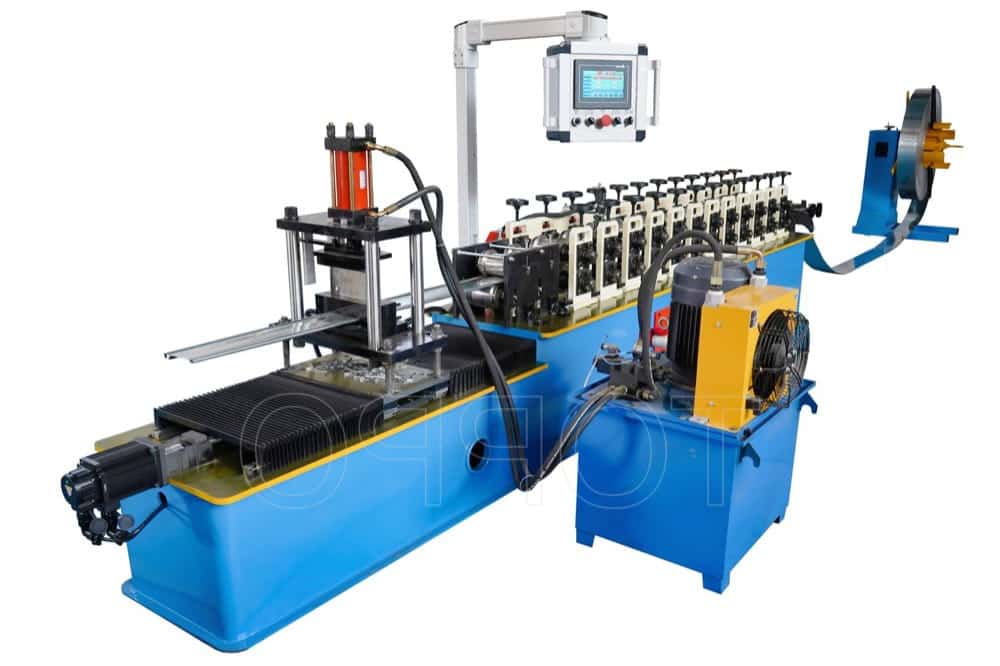
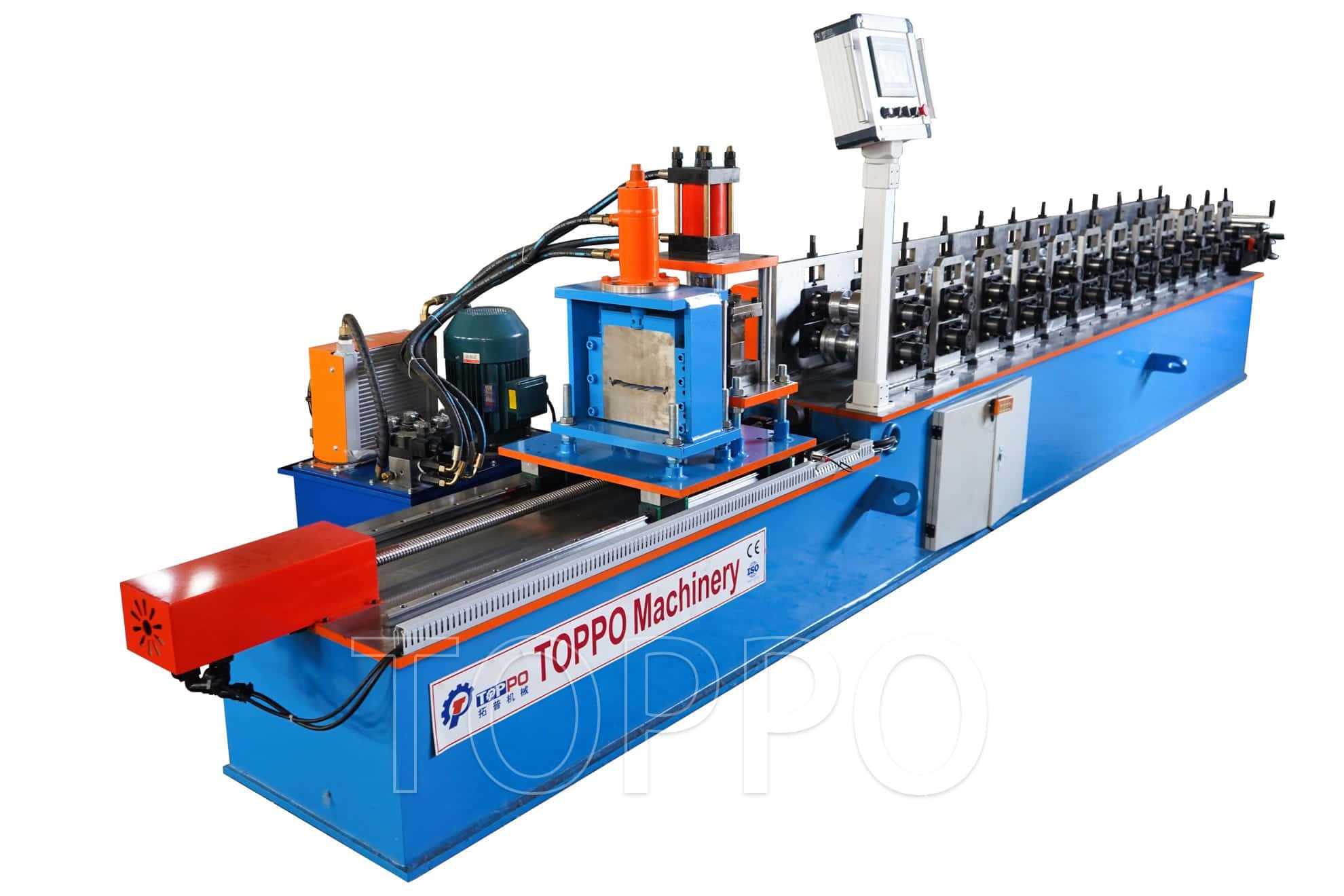
The rollers in a corrugated roll forming machine are responsible for shaping the metal sheets into the desired roofing profiles. These must be precise and durable to ensure consistent results. A well-maintained set of rollers will significantly impact the quality and longevity of the roofing sheets produced.
2. The Importance of the Frame
The frame of the machine provides the structural integrity that supports all other components. A solid, robust frame prevents misalignment and ensures the machine operates smoothly without wobbling, which could lead to defects in the final roofing sheets.
3. Feeding Mechanism
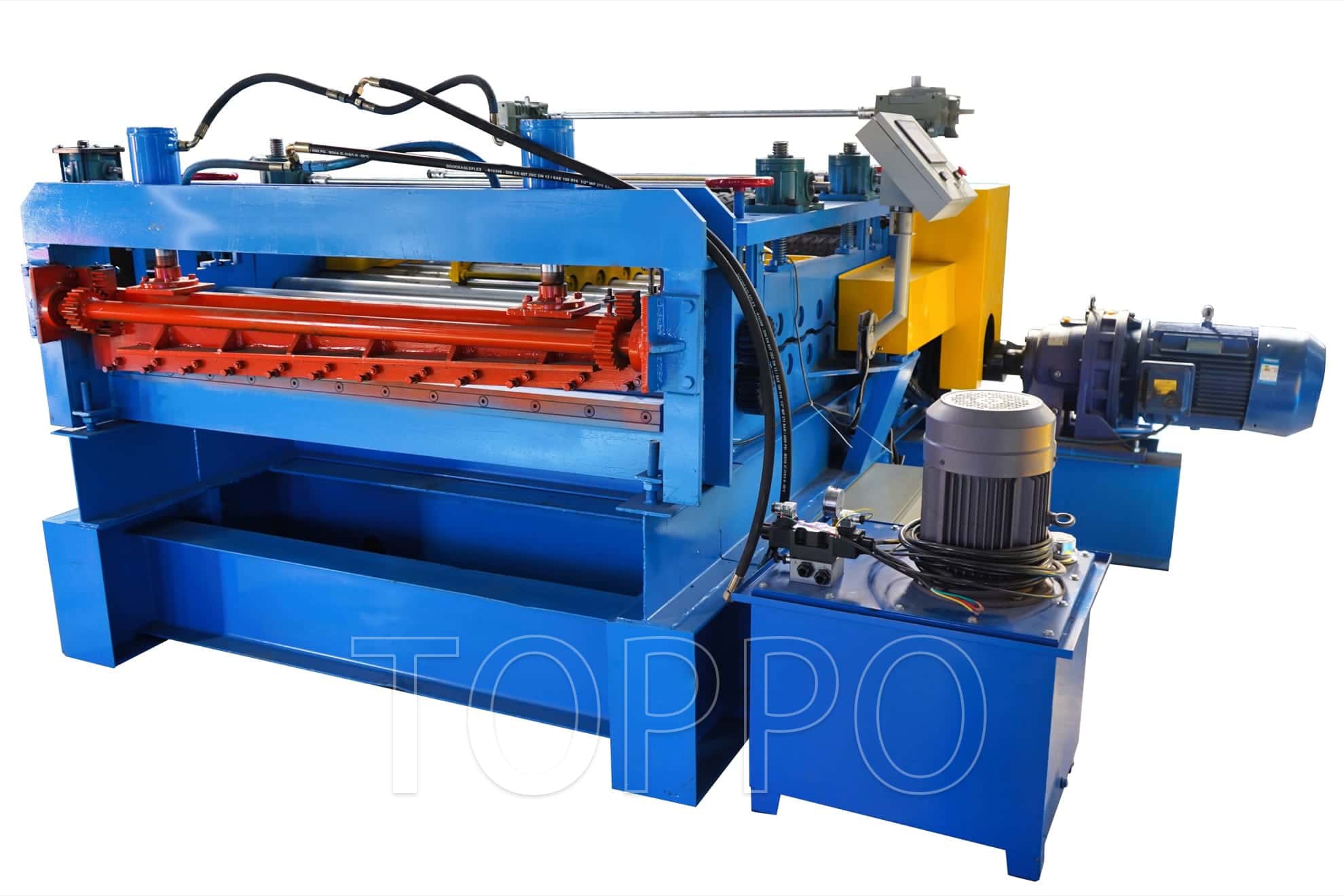
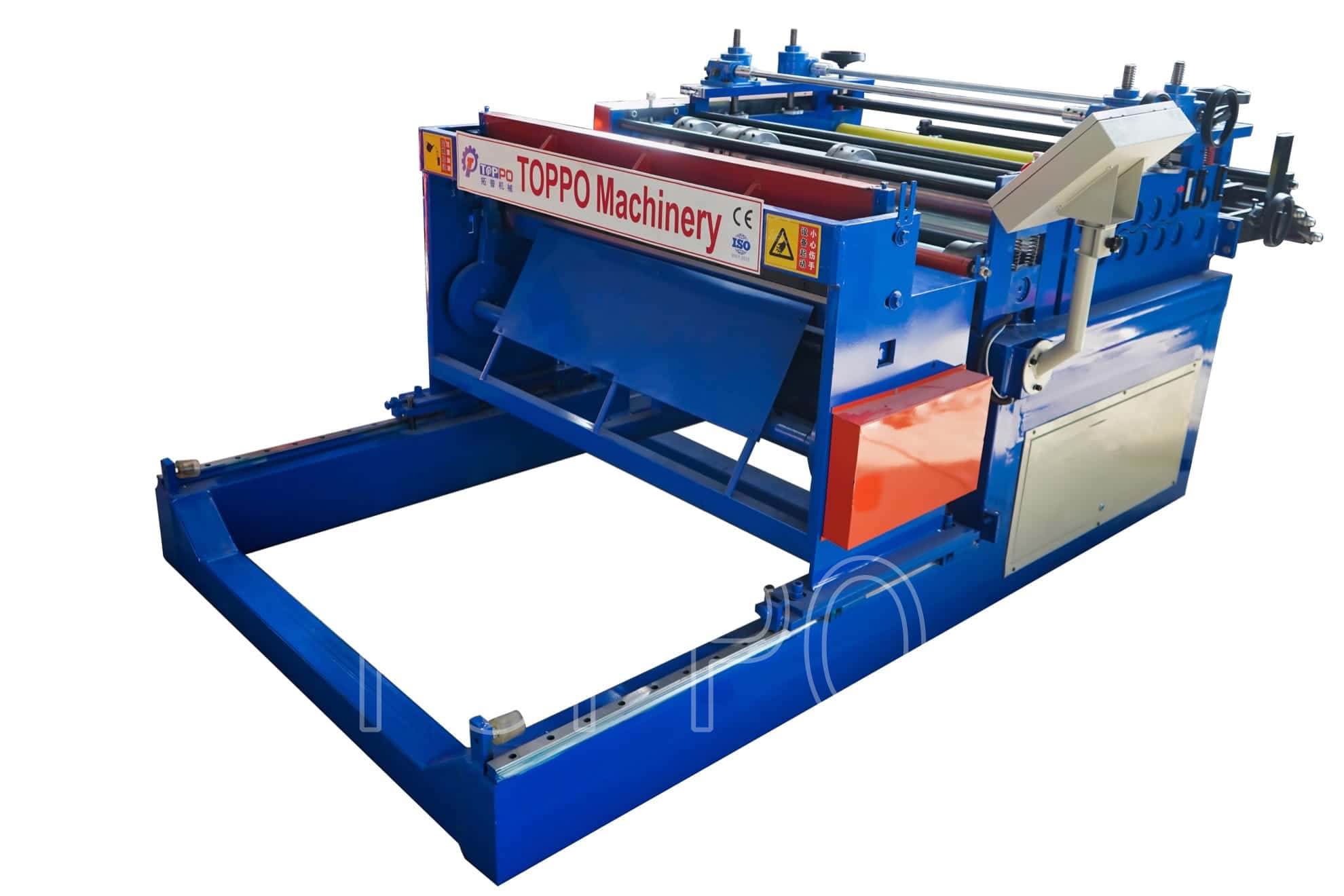
Another essential component is the feeding mechanism. It ensures that the metal sheets or coils enter the machine without misalignment or jamming. A malfunctioning feeding system can cause material waste and production delays. Proper setup and routine checks are critical for this part of the machine.
4. Cutting System
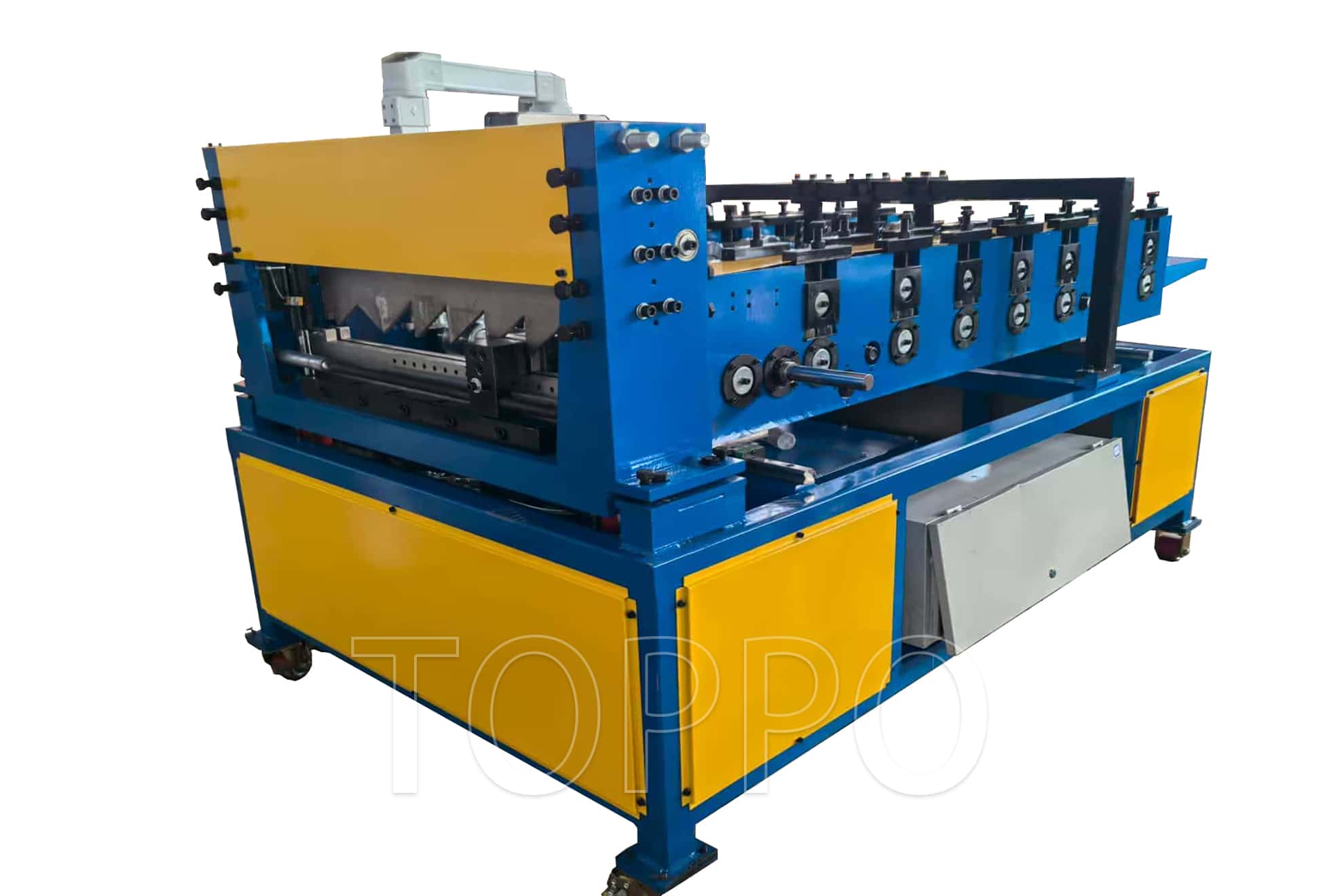
The cutting system is responsible for cutting the metal into the correct lengths after it has been shaped. Accuracy is key here; any deviation in length can result in wasted materials and products that do not meet industry standards. Ensuring the cutting system is properly calibrated will prevent such issues.
5. Control Systems
Modern roll forming machines are equipped with digital control systems that allow operators to adjust various settings such as speed, cutting precision, and length. A high-quality control system is essential for optimizing machine performance and ensuring that all production specifications are met.
6. Setup and Calibration Steps
After the machine is installed, proper calibration is essential. This includes checking the alignment of the rollers, verifying the material type and thickness, and adjusting the settings for the desired sheet profile. Ensuring proper calibration helps avoid defects and ensures smooth production.
7. Common Mistakes to Avoid
Operators must be aware of several common mistakes that can impact machine performance:
Incorrect Material Use: Always ensure the material used is compatible with the machine’s specifications. Using inappropriate materials can cause jams or defective sheets.
Failure to Perform Regular Maintenance: Neglecting machine maintenance leads to breakdowns and poor product quality. Scheduled inspections and part replacements are critical to maintaining optimal performance.
Improper Calibration: Incorrectly calibrated machines will produce defective roofing sheets. Regular checks and recalibration are essential for maintaining production standards.
8. Case Study: Success in South America
A factory in South America that used a roof panel making machine saw a significant increase in production efficiency after recalibrating their equipment and performing regular maintenance. With a clear understanding of the machine’s components and the steps involved, they were able to improve their product quality and reduce material waste.
9. Conclusion
In conclusion, understanding the key components of machines like the 836 steel corrugated roll forming machine is essential for ensuring high-quality production. Distributors and manufacturers must pay attention to proper setup, calibration, and maintenance to prevent errors, ensure efficiency, and meet industry standards for roofing sheets.
Author: Amelia
READ MORE: