How to Effectively Use a Corrugated Roll Forming Machine
In the roofing industry, machines like the corrugated roll forming machine and roof panel making machine play a pivotal role in ensuring smooth and efficient production. In this article, we’ll discuss the steps for using a corrugated roll forming machine, common mistakes to avoid, and how these machines contribute to the overall roofing sheet production process.
Understanding the Role of a Corrugated Roll Forming Machine
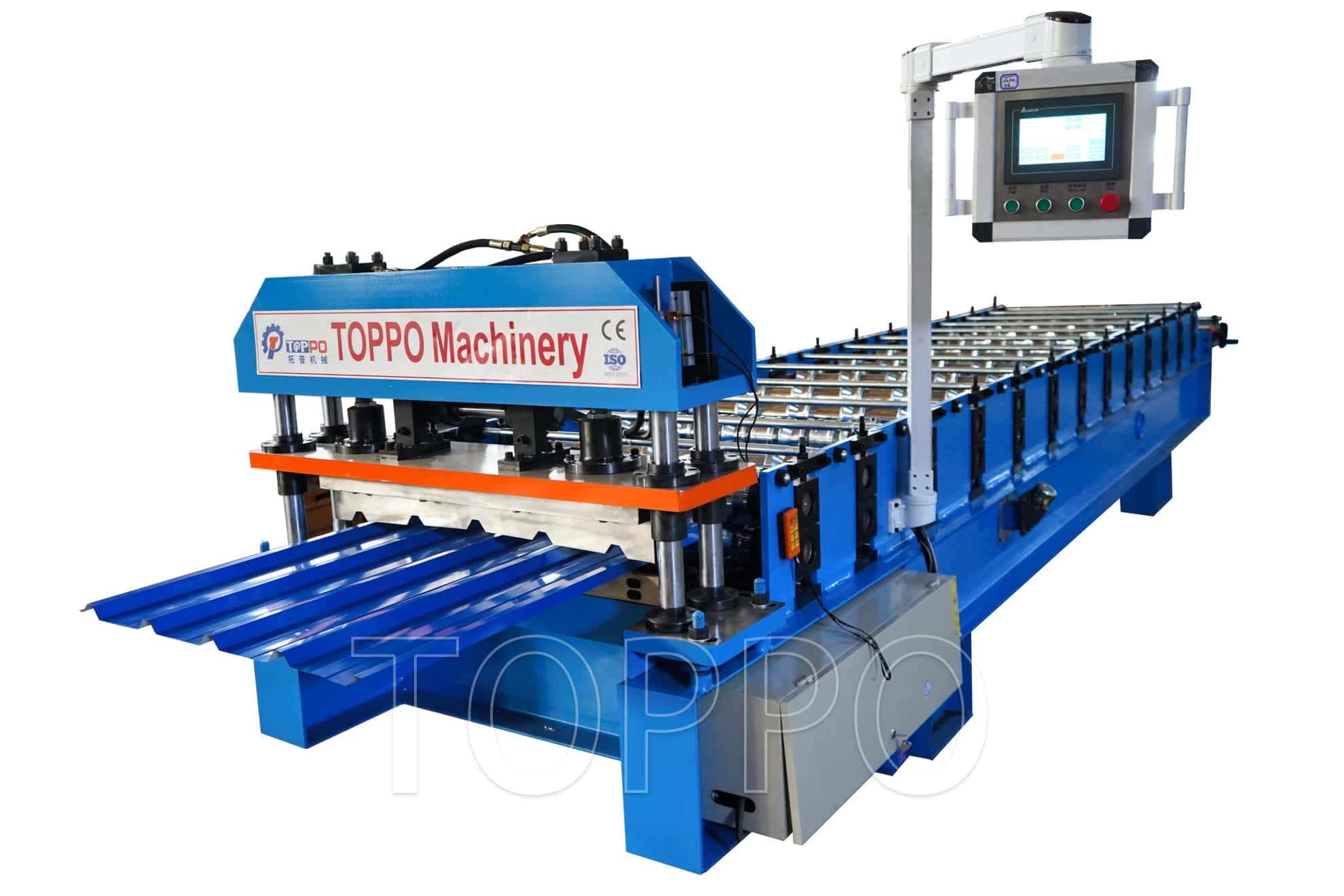
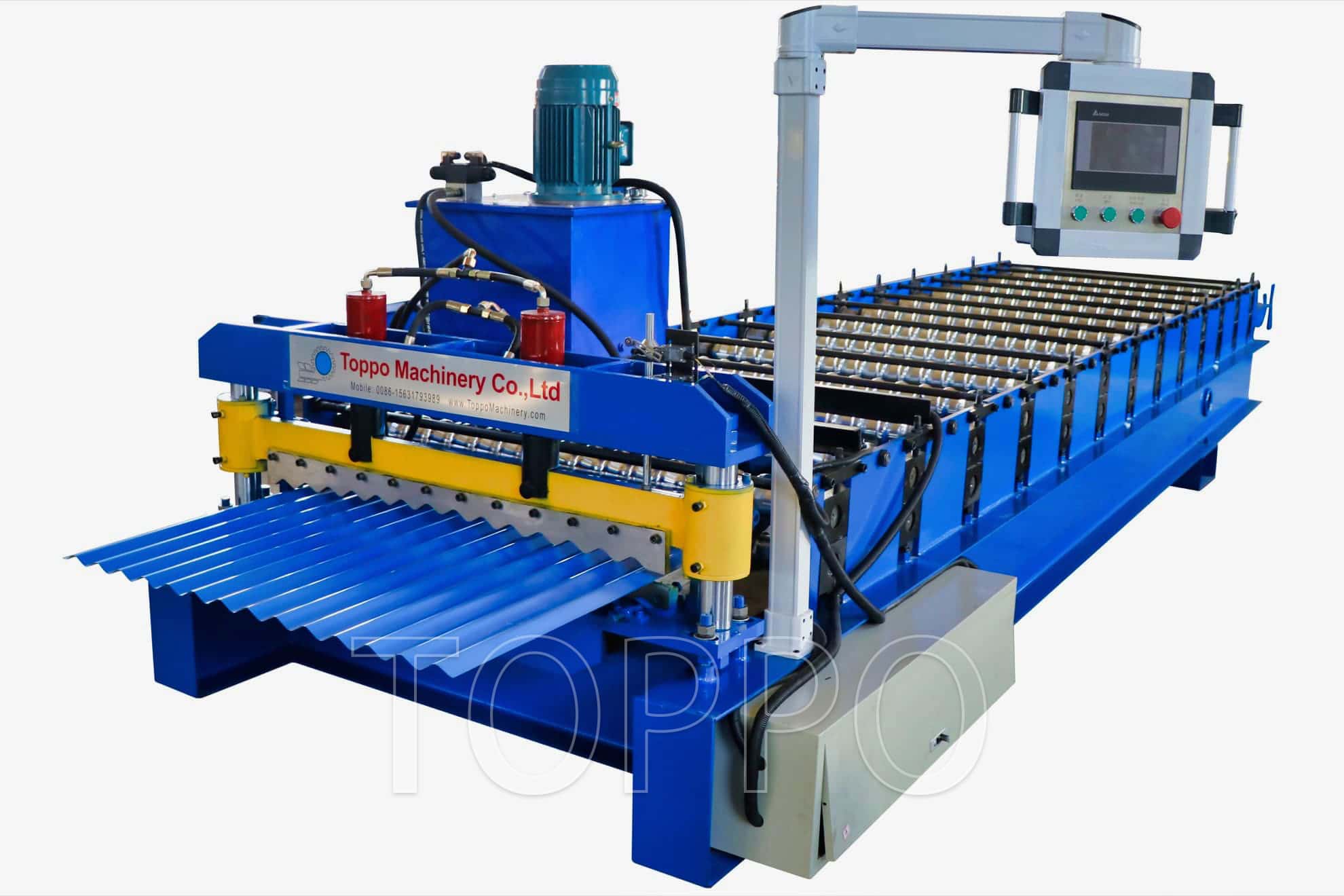
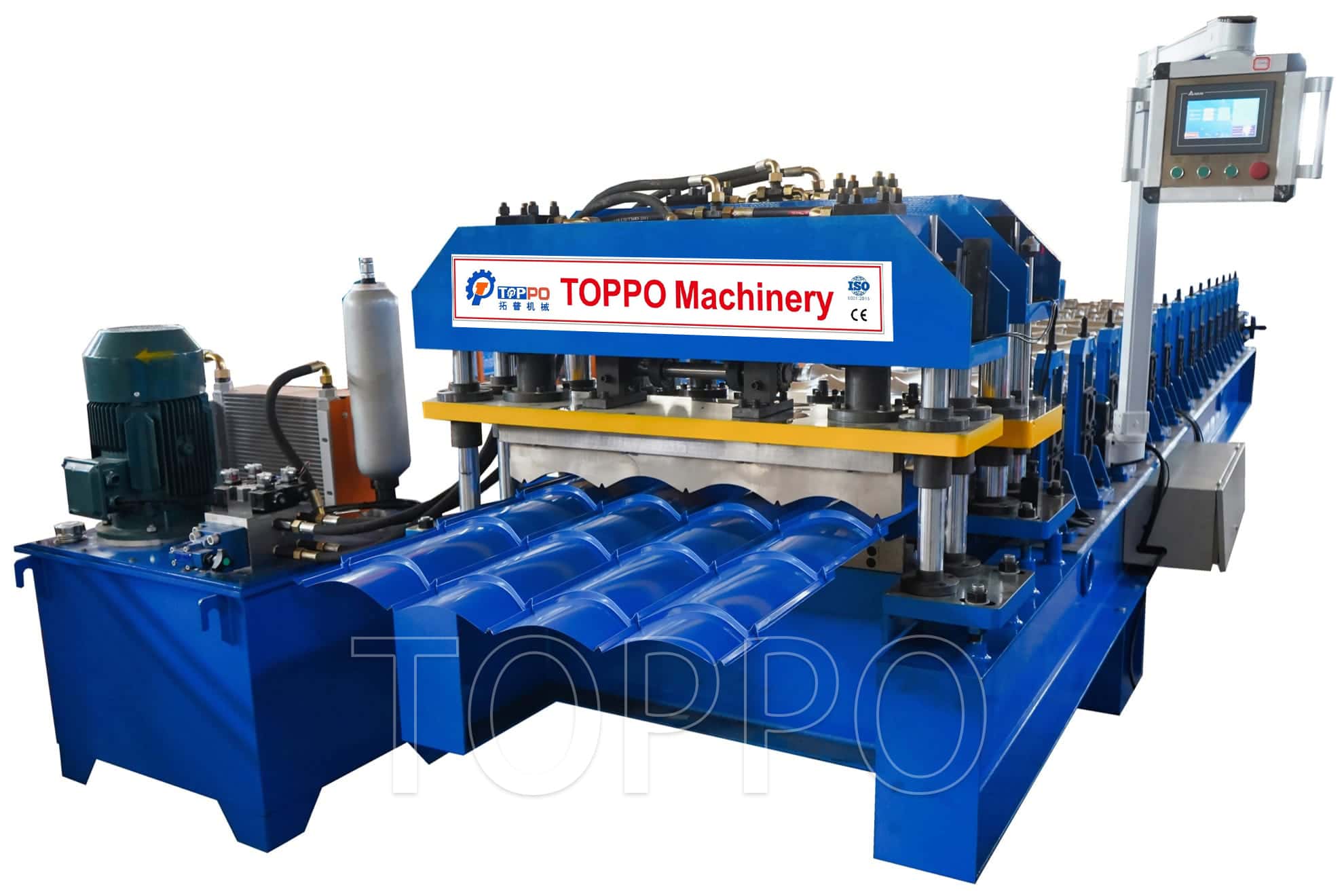
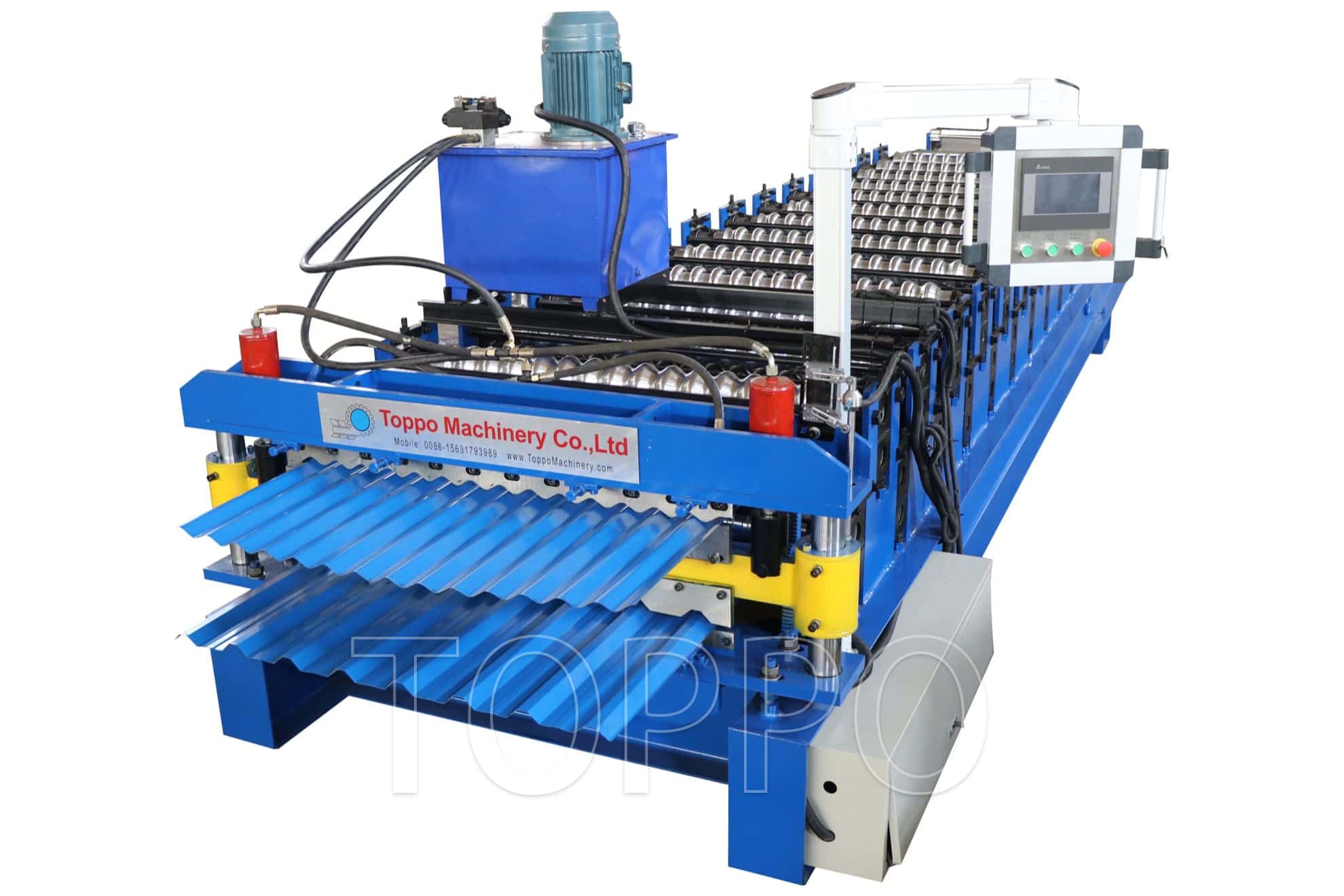
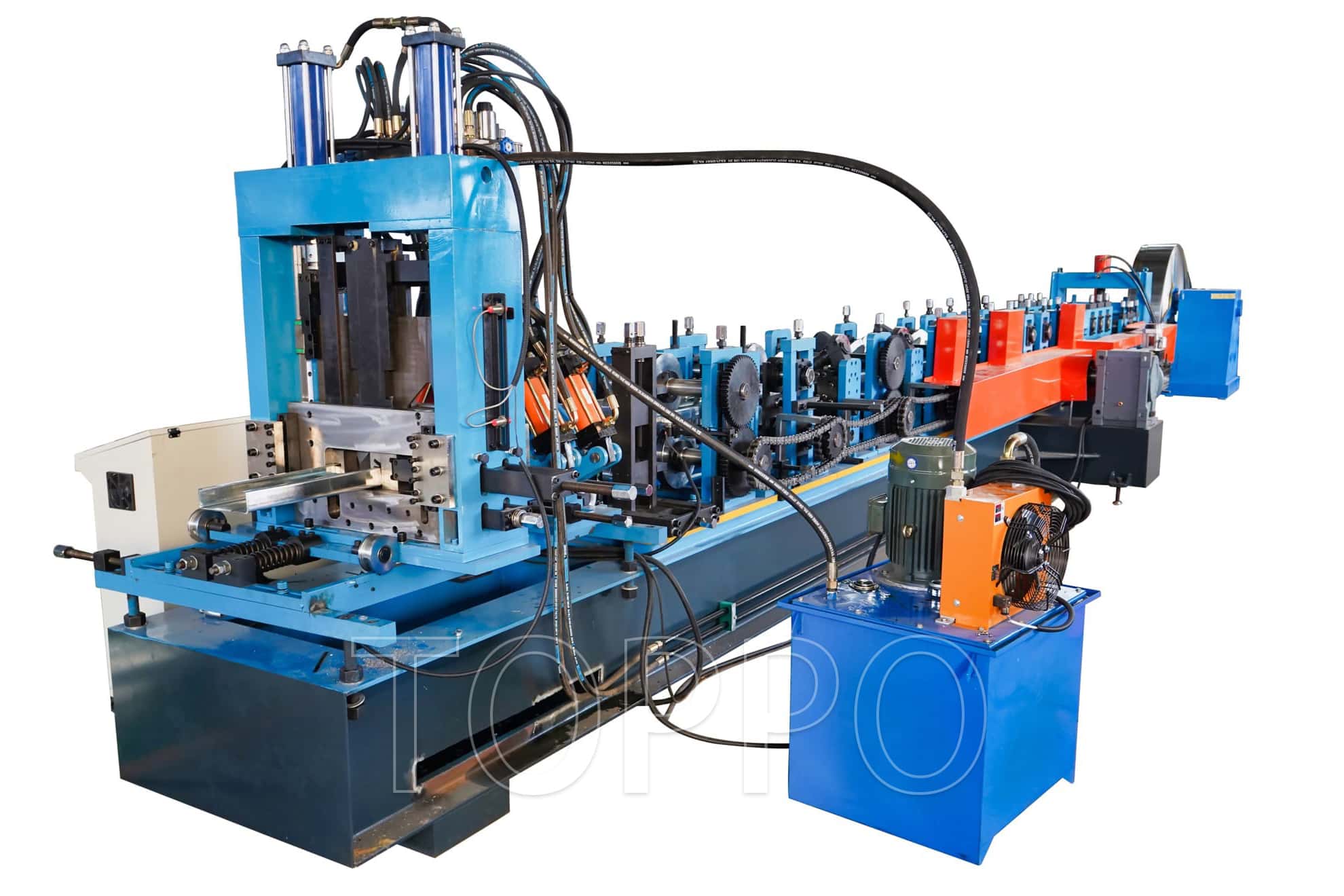
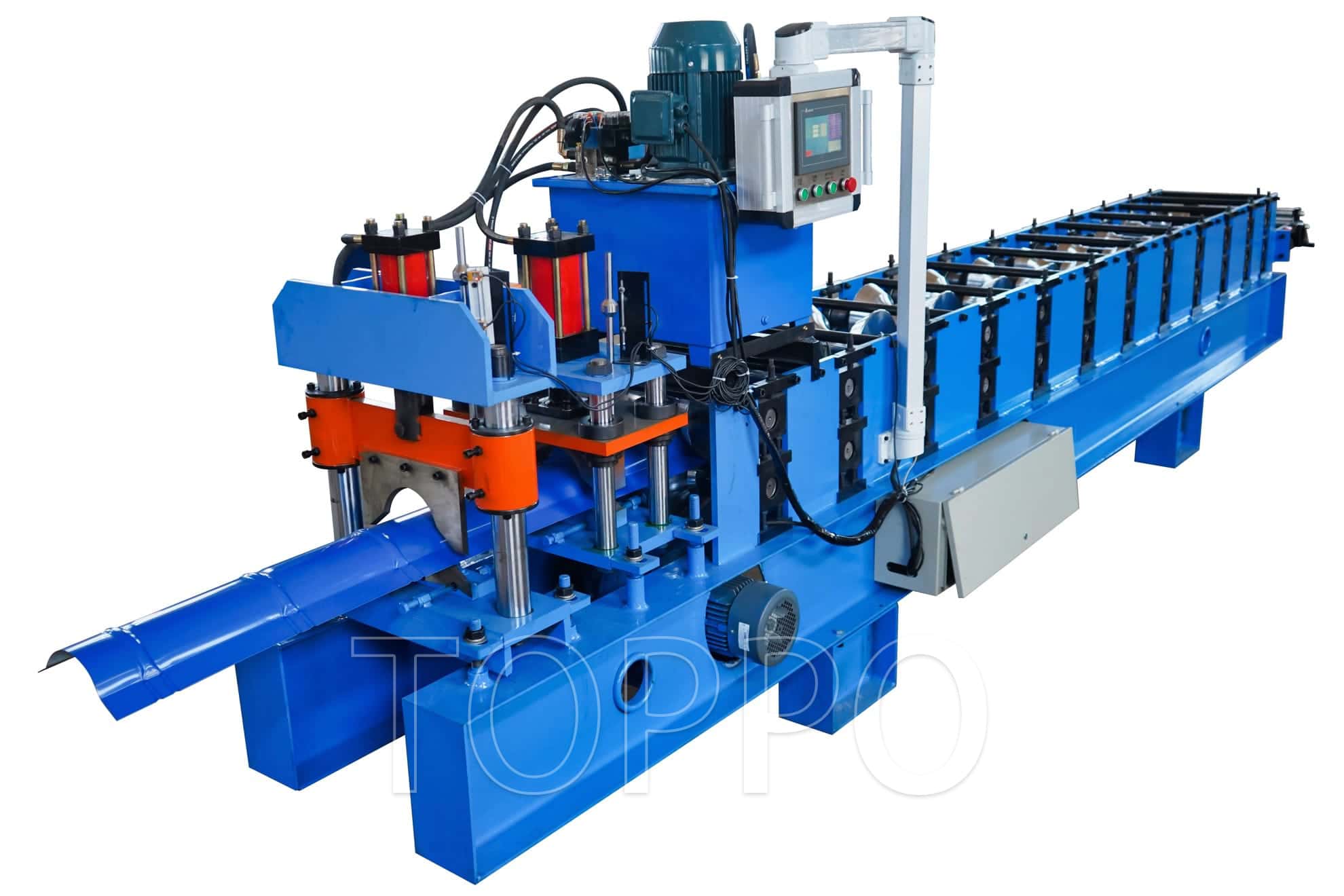
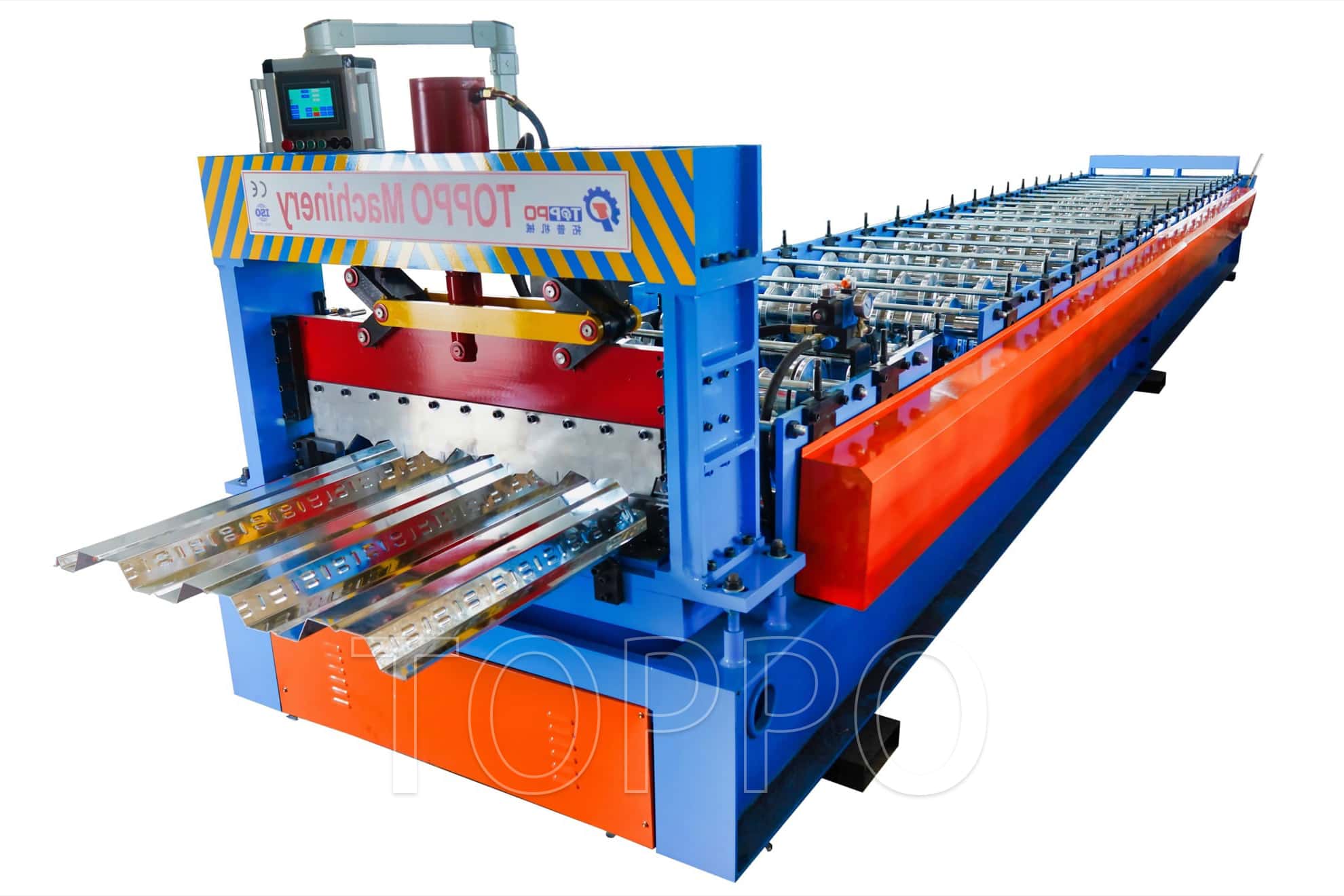
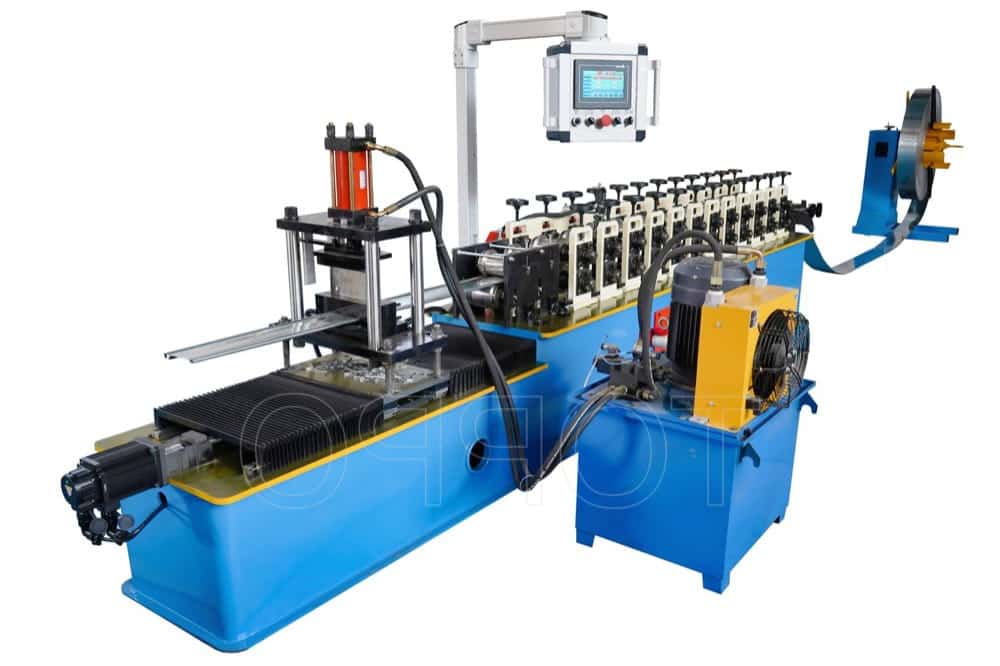
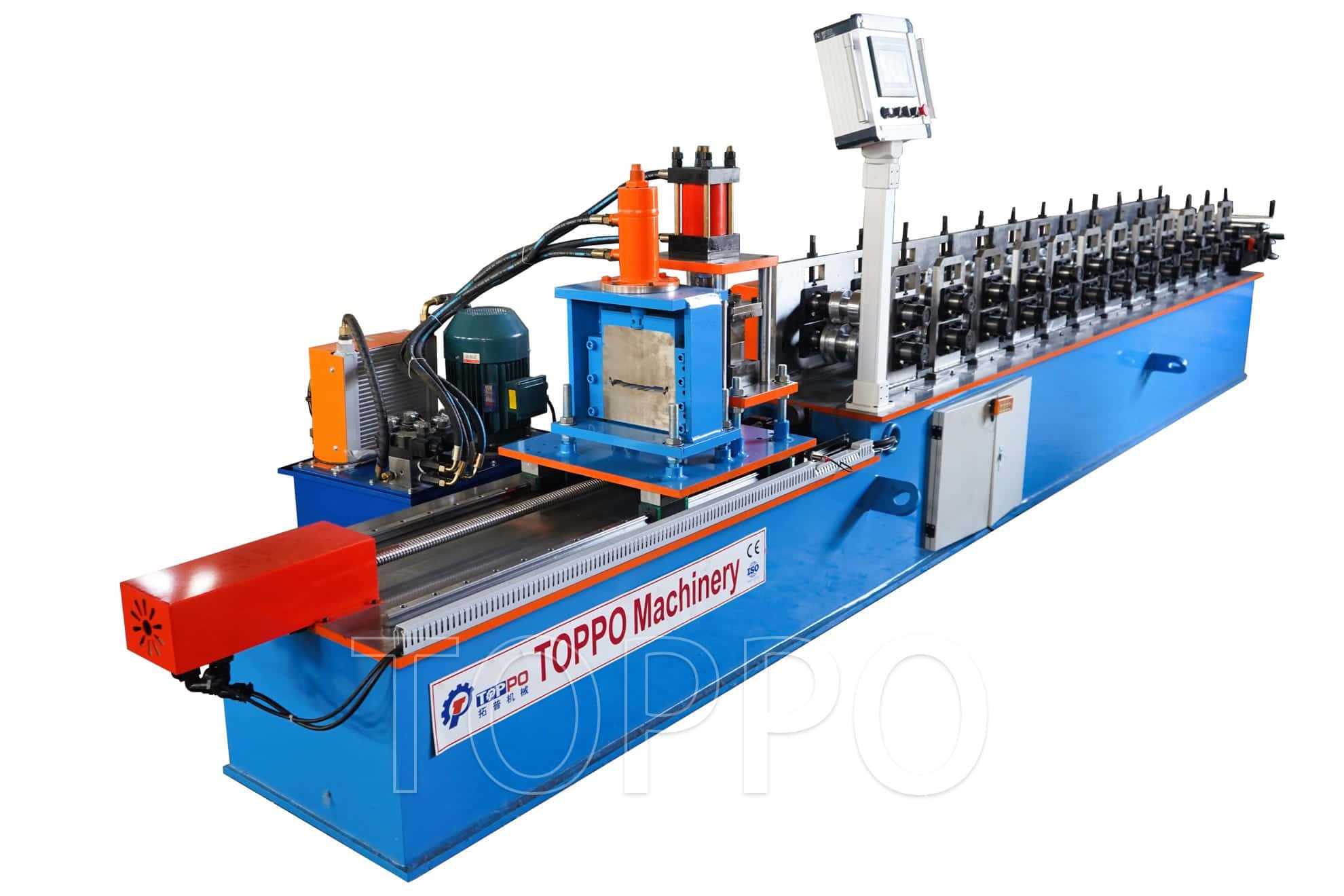
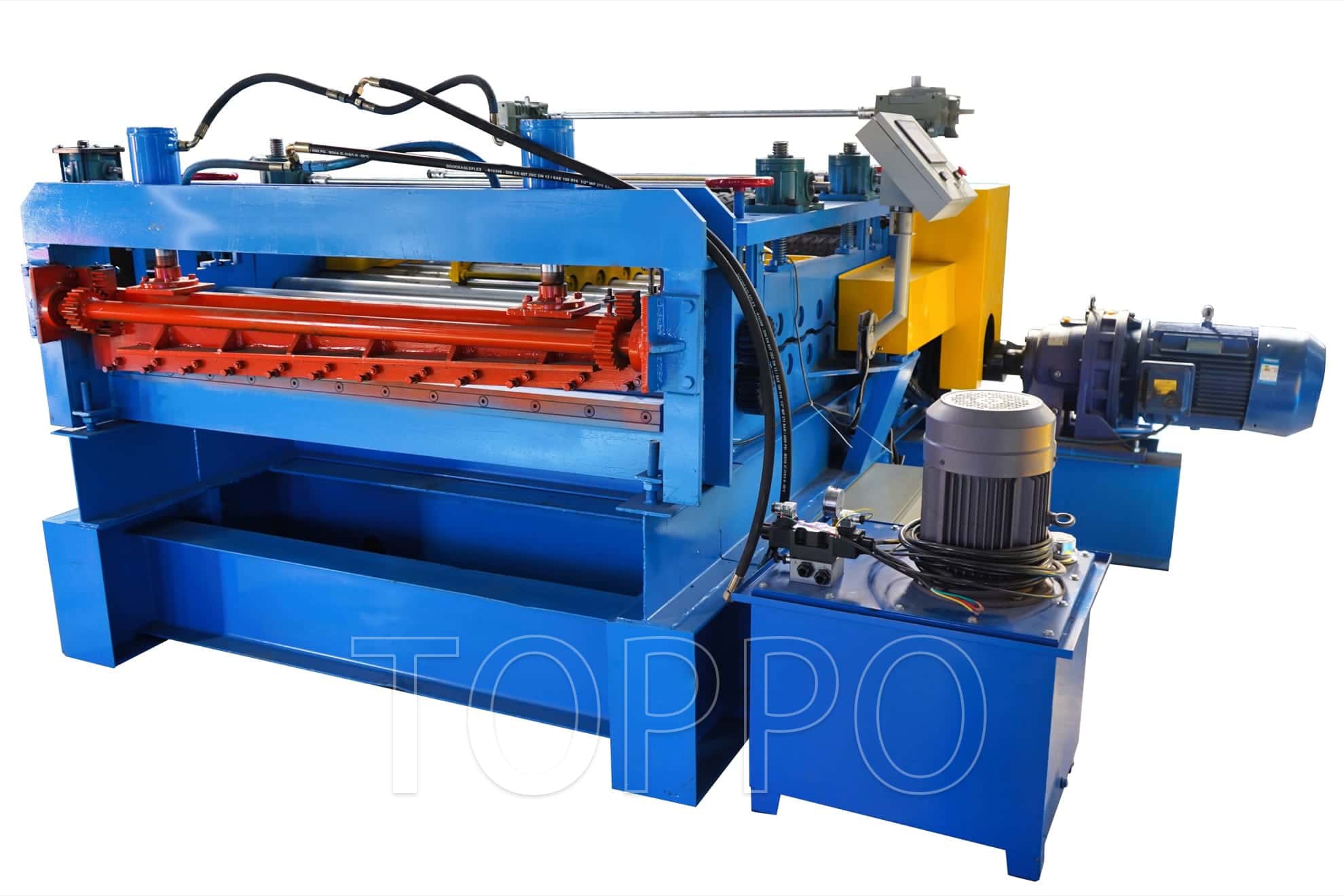
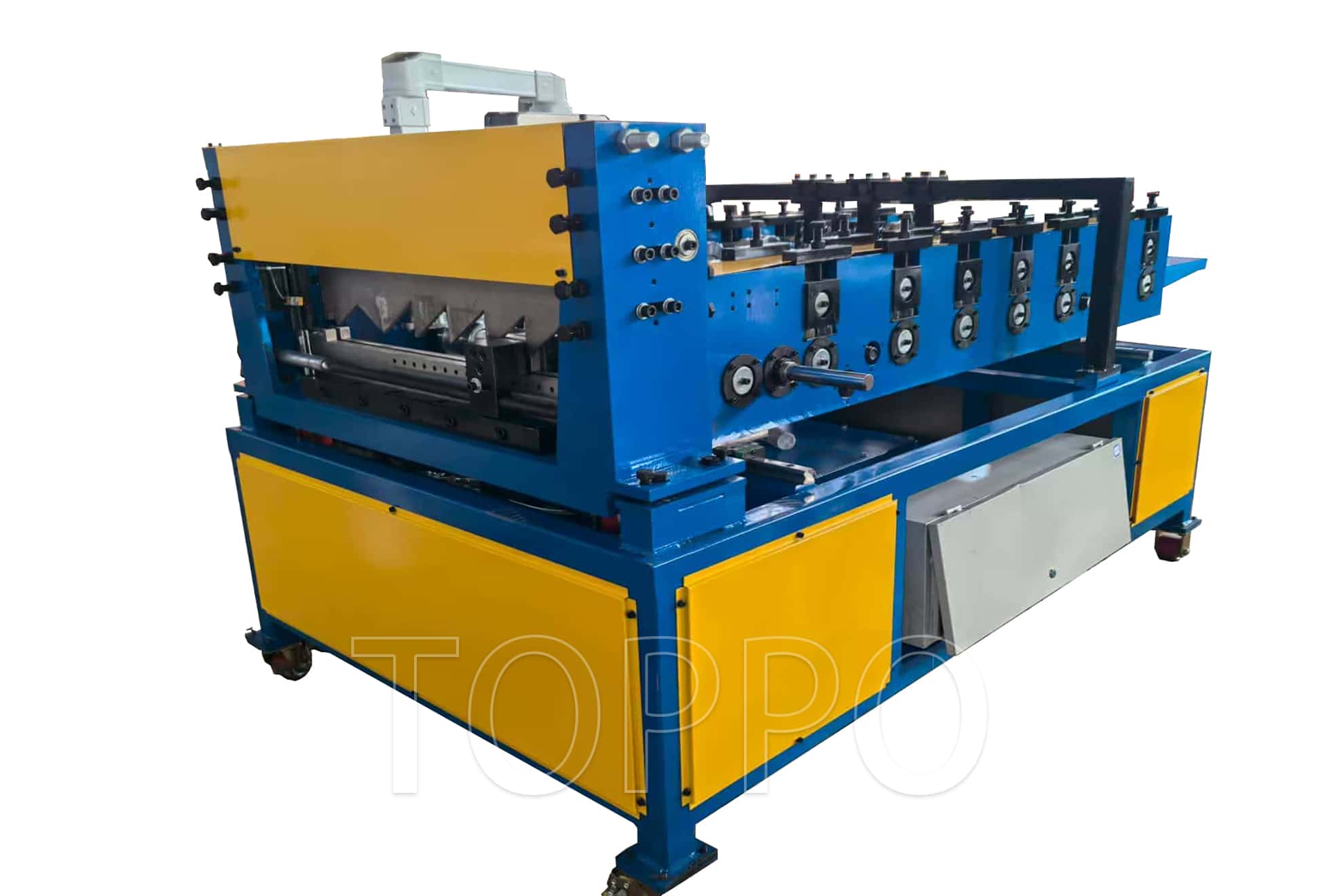
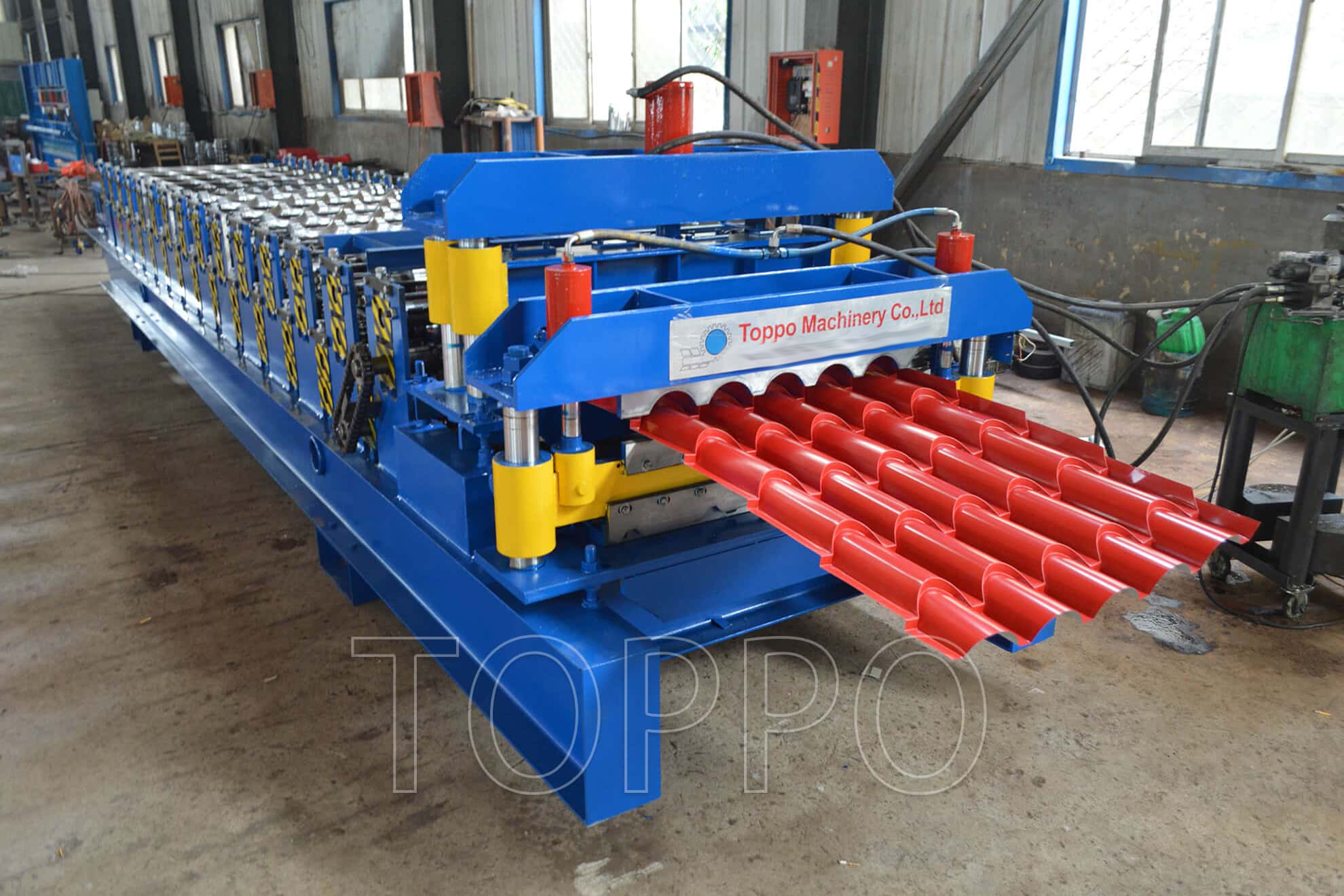
The corrugated roll forming machine is one of the most vital tools in a roofing production line. It’s designed to form sheets from metal coils into a corrugated shape, which is crucial for creating strong, weather-resistant roofing materials. The roof panel making machine is equally important, as it produces roof panels that are ready to be installed.
One of the best examples of a robust roofing machine is the 836 steel corrugated roll forming machine, which is known for its durability and ability to handle various steel grades.
Steps in Operating the Machines
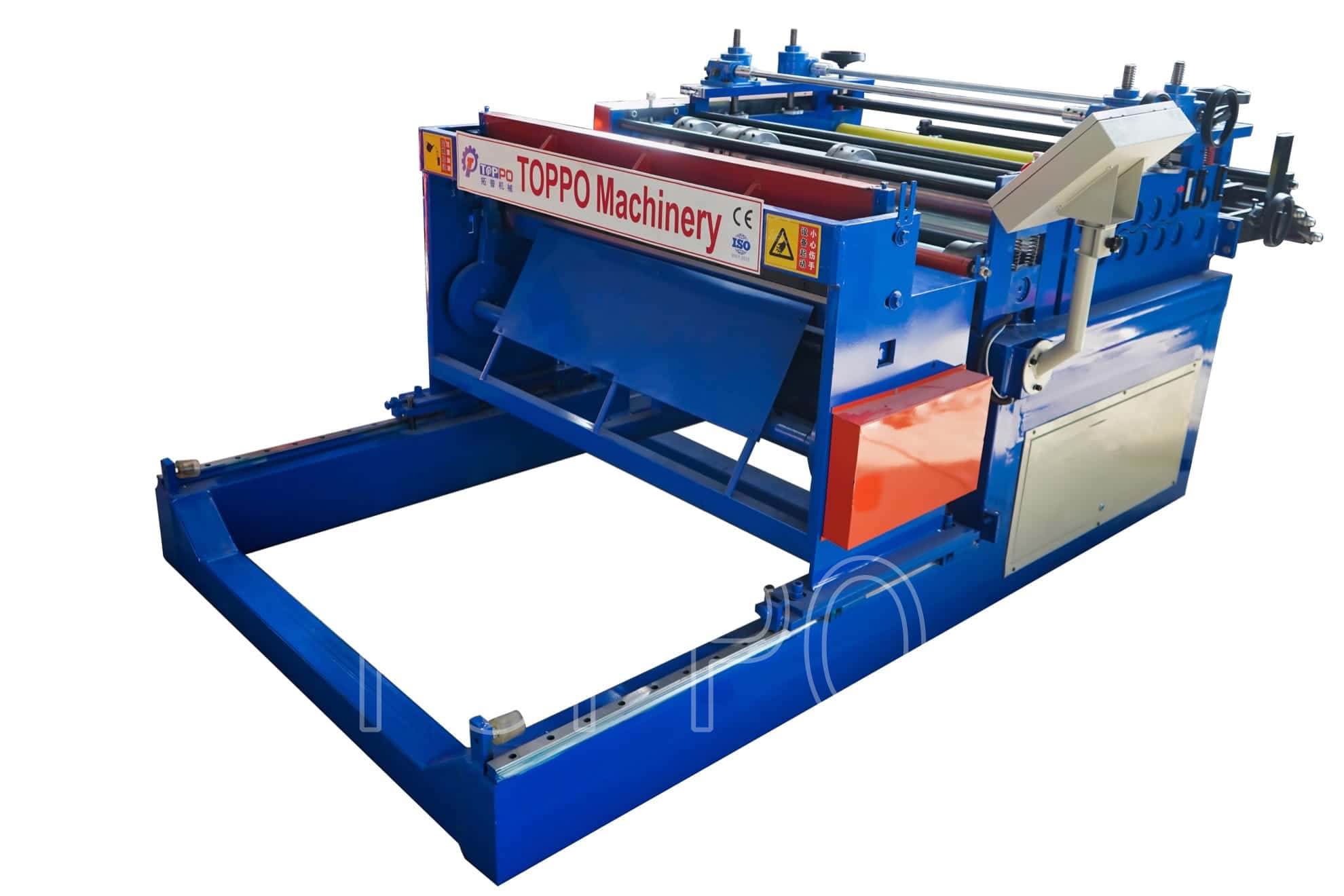
To operate these machines effectively, the first step is loading the metal coils. For the 836 steel corrugated roll forming machine, ensuring that the coils are properly aligned is critical to avoid skewed sheets. Adjusting the speed and pressure settings is also important to guarantee that the sheets form correctly without damaging the material.
Common Mistakes to Avoid
When using these machines, common mistakes include improper coil alignment, which can lead to uneven or defective sheets. Using coils of inconsistent quality is another issue that can affect the overall production output. Ensuring that the raw materials are up to standard is essential for consistent results.
Case Studies of Successful Applications
Many companies have benefited from using the 836 steel corrugated roll forming machine to increase production speed and reduce defects. For example, a manufacturer in Asia increased their production rate by 30% after implementing a new roof panel making machine and adjusting their machine settings.
Conclusion
In conclusion, a corrugated roll forming machine and roof panel making machine are both integral to producing high-quality roofing sheets. By following proper procedures, avoiding common mistakes, and learning from successful case studies, manufacturers can ensure high-quality production and increased efficiency.
READ MORE: