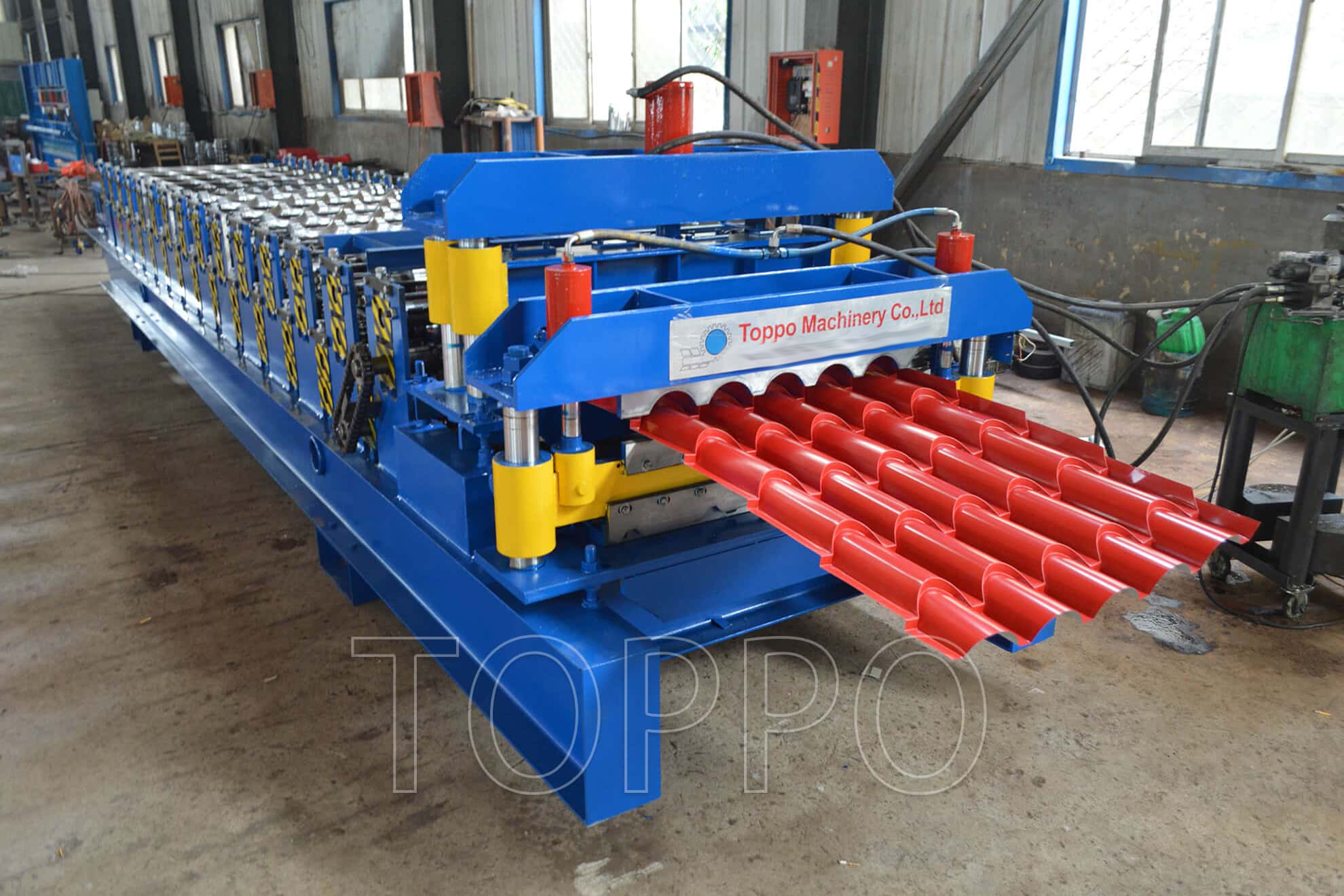
Why More Roofing Material Distributors Are Adding Roll Forming Machines to Their Business
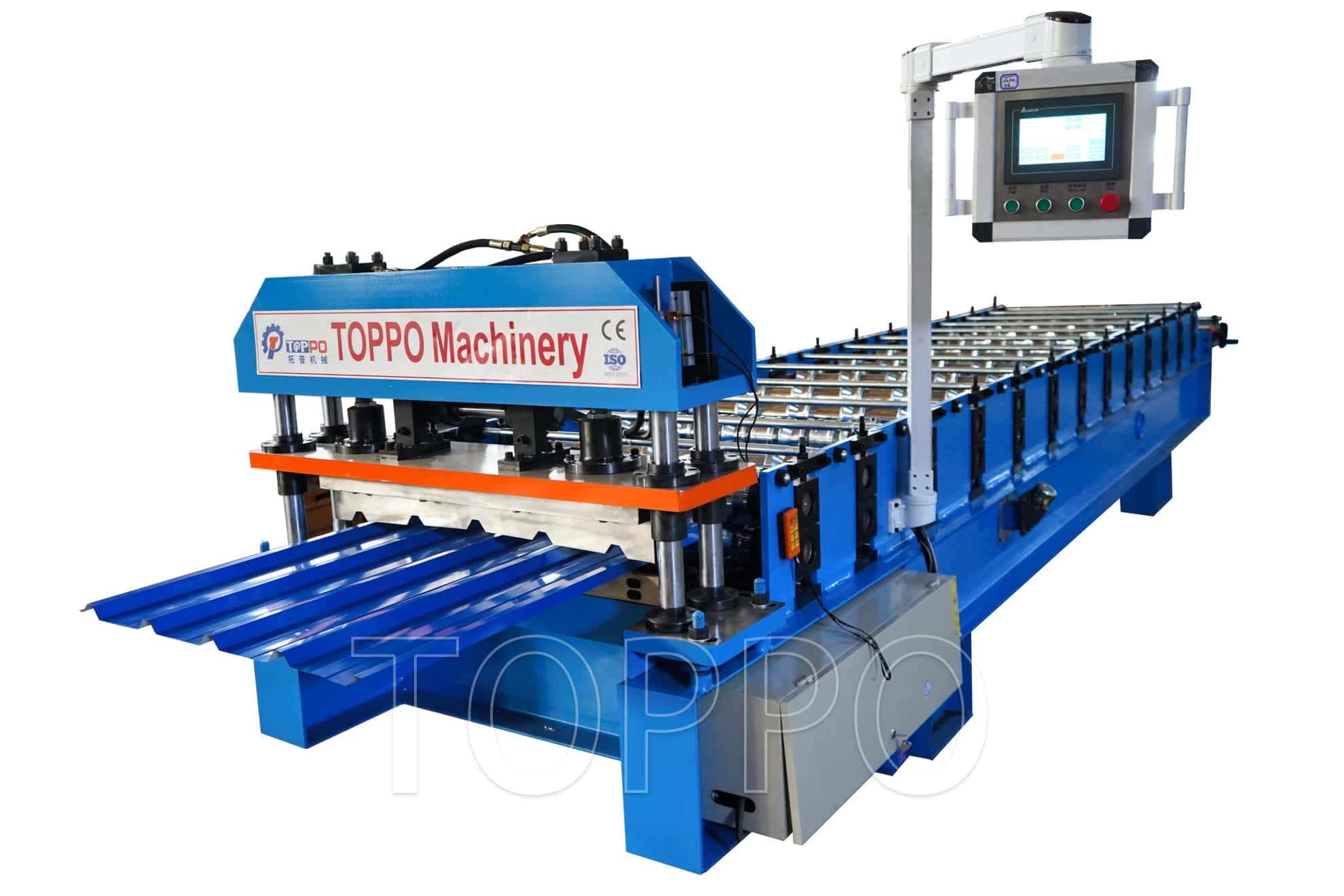
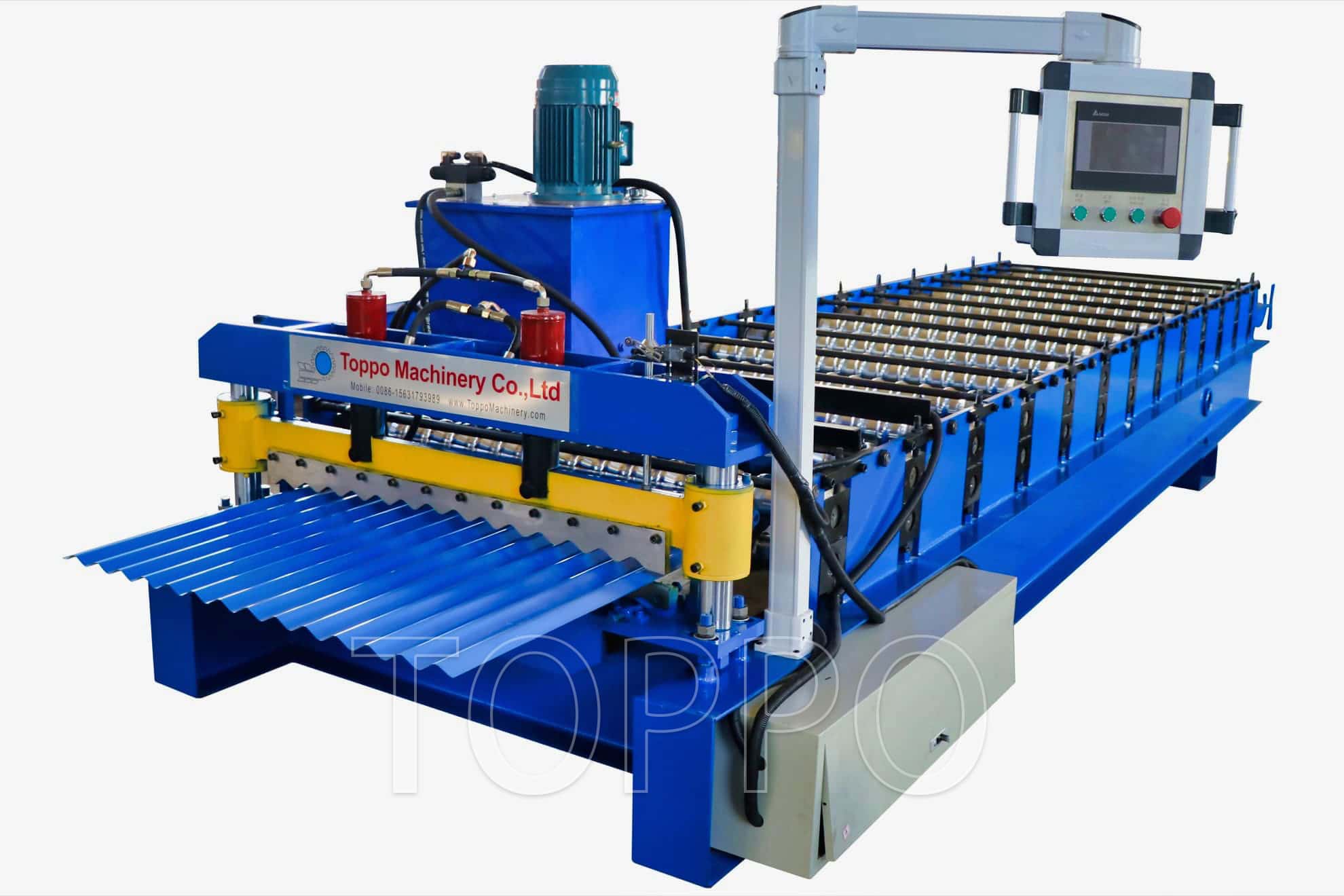
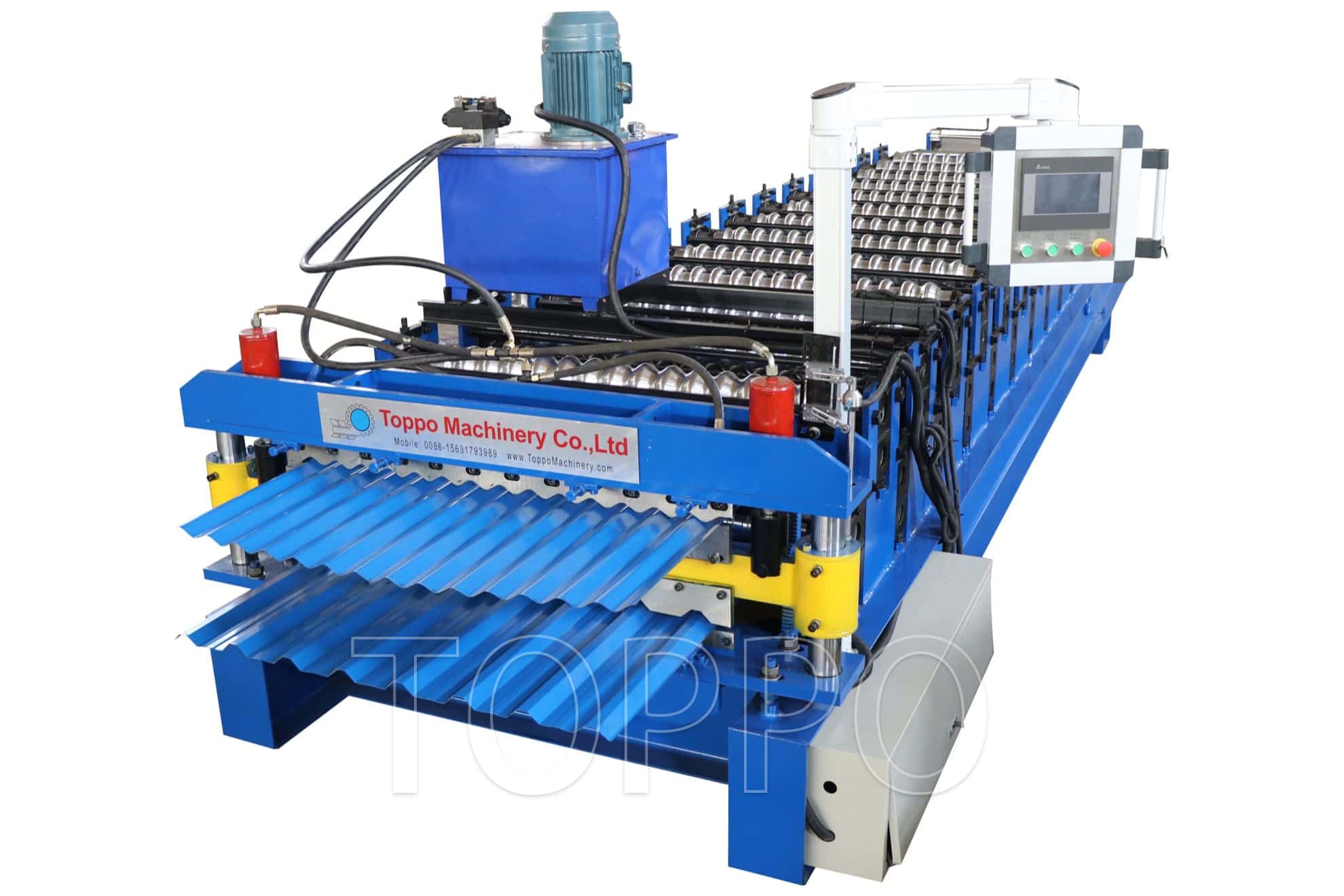
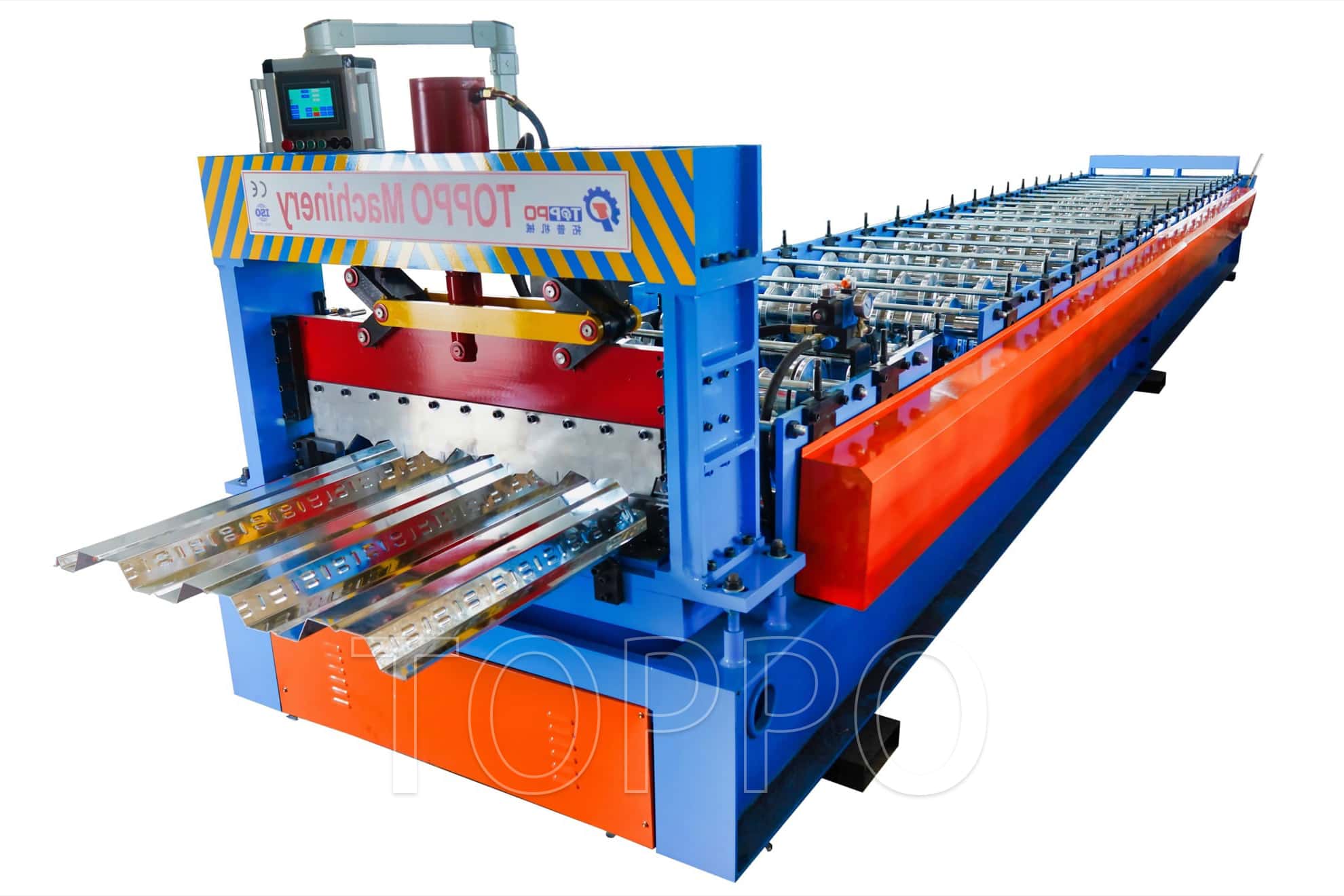
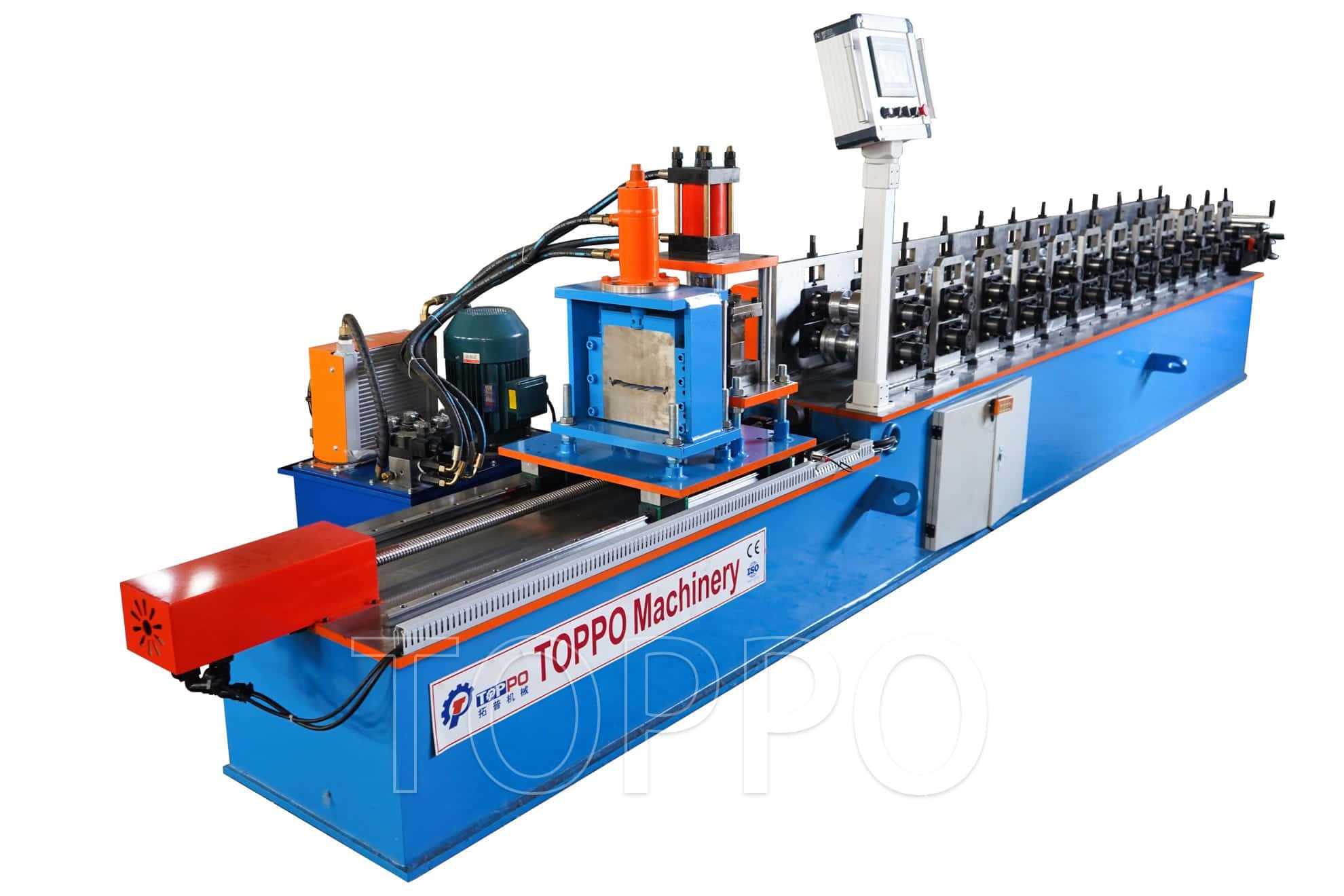
As the roofing materials market continues to grow, many distributors are looking for ways to stay competitive and meet the increasing demand for quality roofing products. One of the most strategic investments they are making is in roll forming machines, specifically the 836 steel corrugated roll forming machine. These machines allow distributors to produce high-quality roofing sheets on-site, offering both cost-effectiveness and the ability to meet customer demands more efficiently. In this article, we will explore why more roofing material distributors are adopting roll forming machines, the implementation steps involved, and common mistakes to avoid.
The Benefits of Adding Roll Forming Machines to a Roofing Material Business
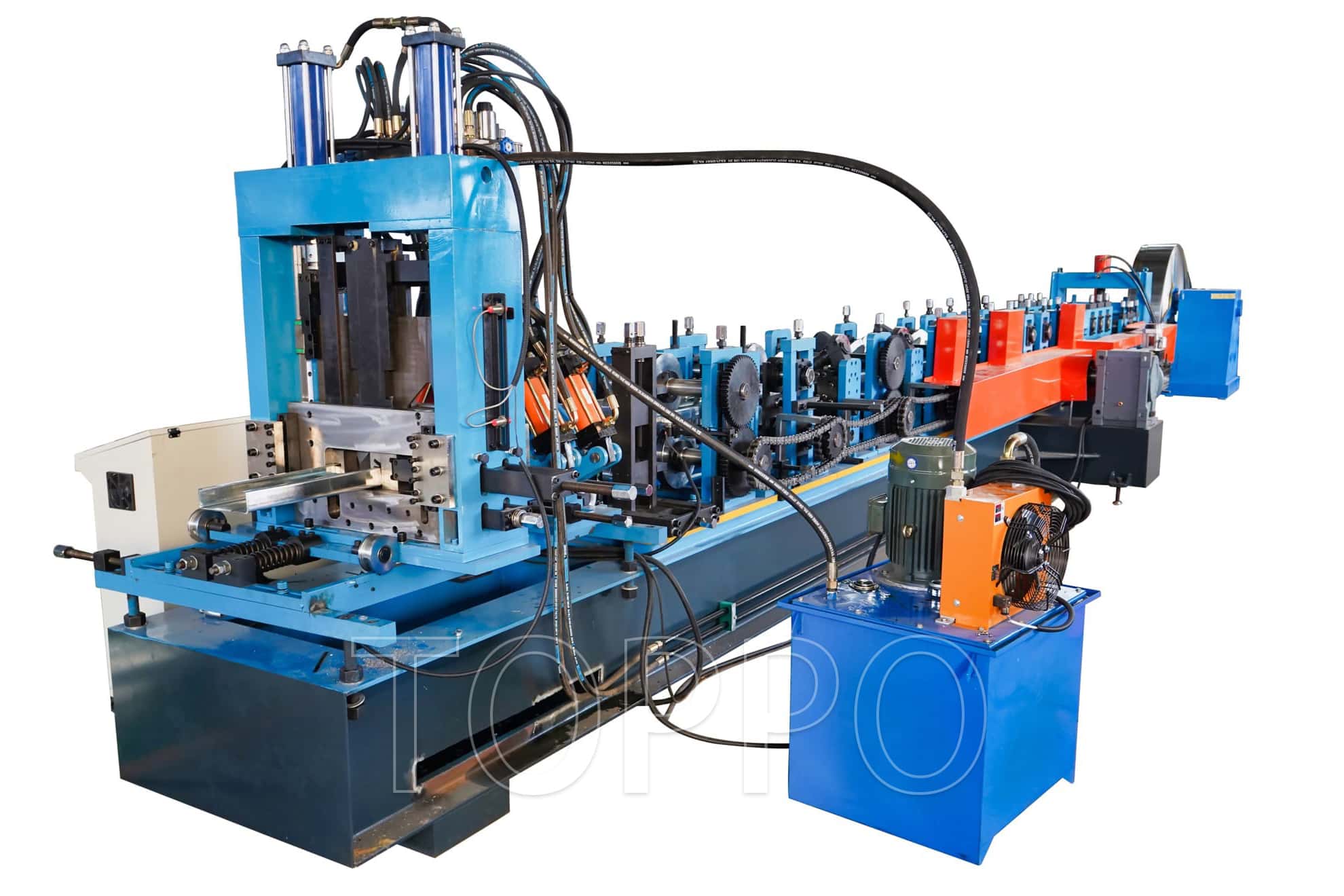
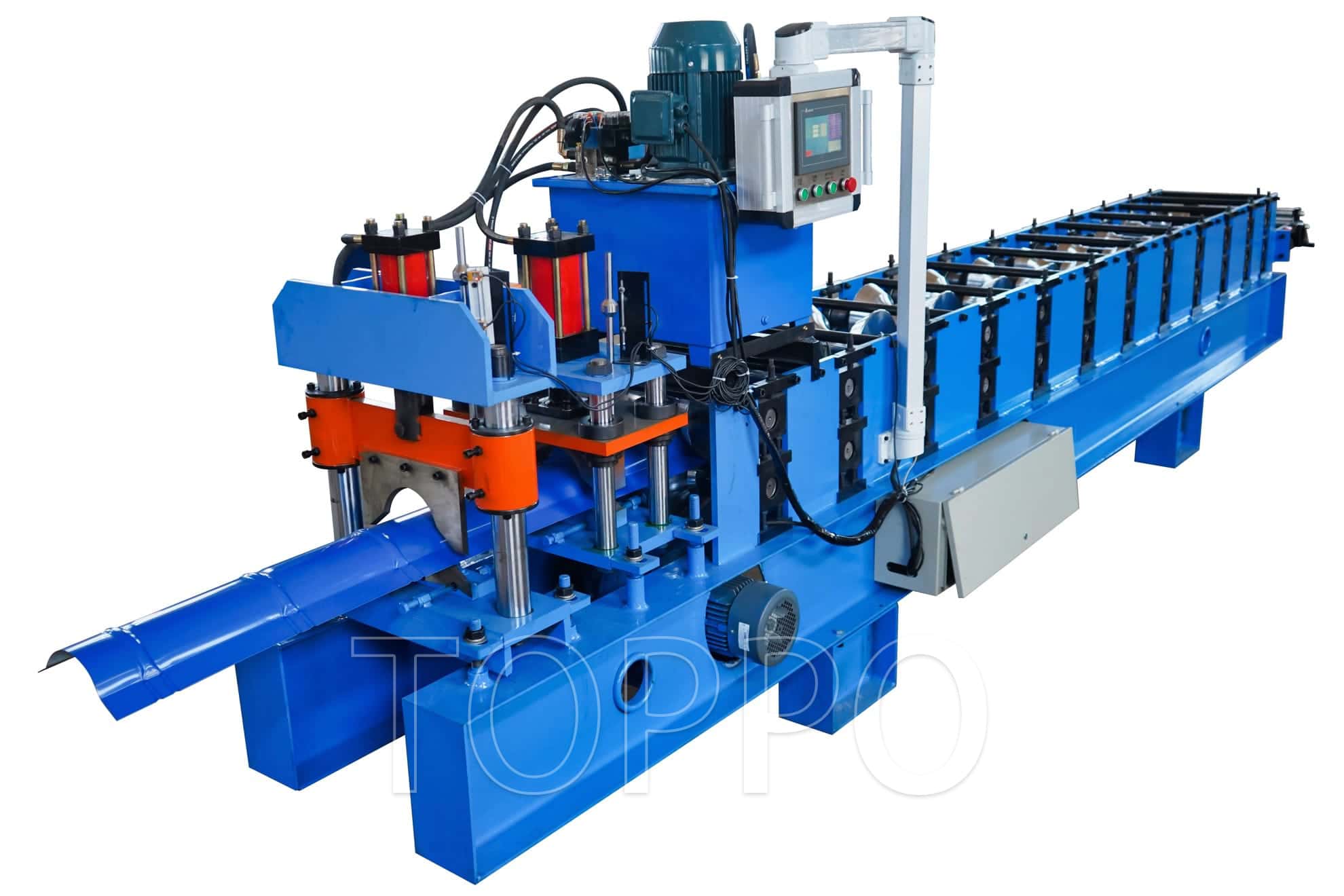
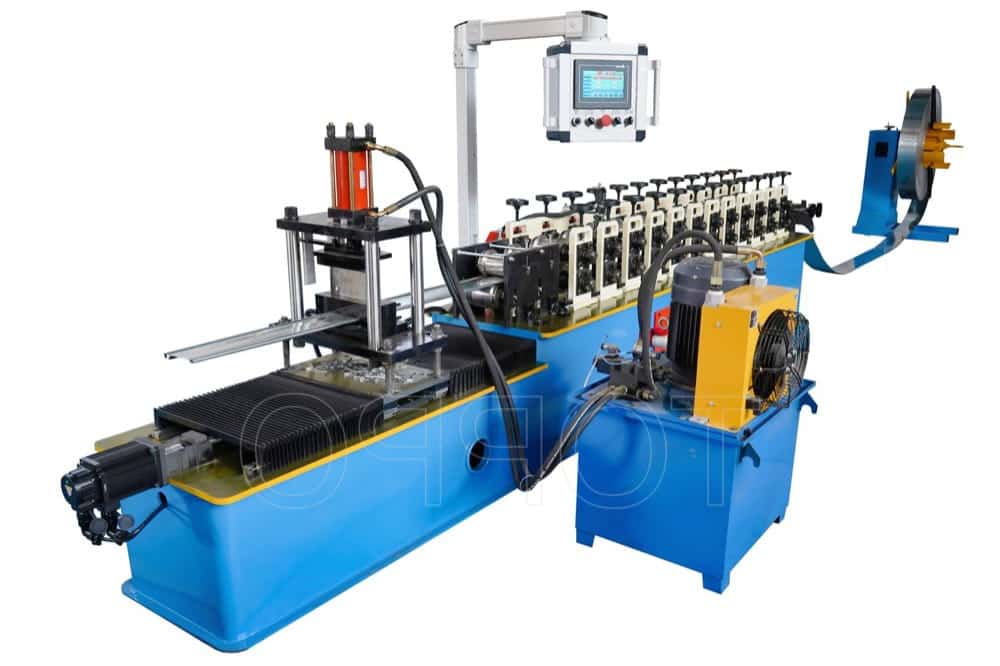
Roofing material distributors are increasingly turning to roll forming machines, like the corrugated roll forming machine and roof panel making machine, as they provide a reliable solution for producing high-quality roofing sheets in-house. One of the main benefits of this investment is the ability to produce roofing materials on-demand, reducing the need for inventory and increasing flexibility to meet customer specifications. The 836 steel corrugated roll forming machine is particularly useful for distributors who need to produce a variety of profiles and sizes, ensuring they can cater to diverse client needs.
Another key advantage is the cost-effectiveness. By producing their own roofing sheets, distributors can significantly reduce the cost of purchasing pre-manufactured materials from suppliers. This lowers the overall cost of goods sold (COGS), which can increase profit margins. Furthermore, distributors can ensure a more consistent and high-quality product, which enhances their reputation in the market.
Steps to Adding Roll Forming Machines to a Business
Adding roll forming machines to a roofing material distribution business requires careful planning and execution. Here are the steps distributors should follow:
Assess Production Needs: Determine the volume of roofing sheets required and the types of profiles needed. This will help in selecting the right machine, such as the 836 steel corrugated roll forming machine.
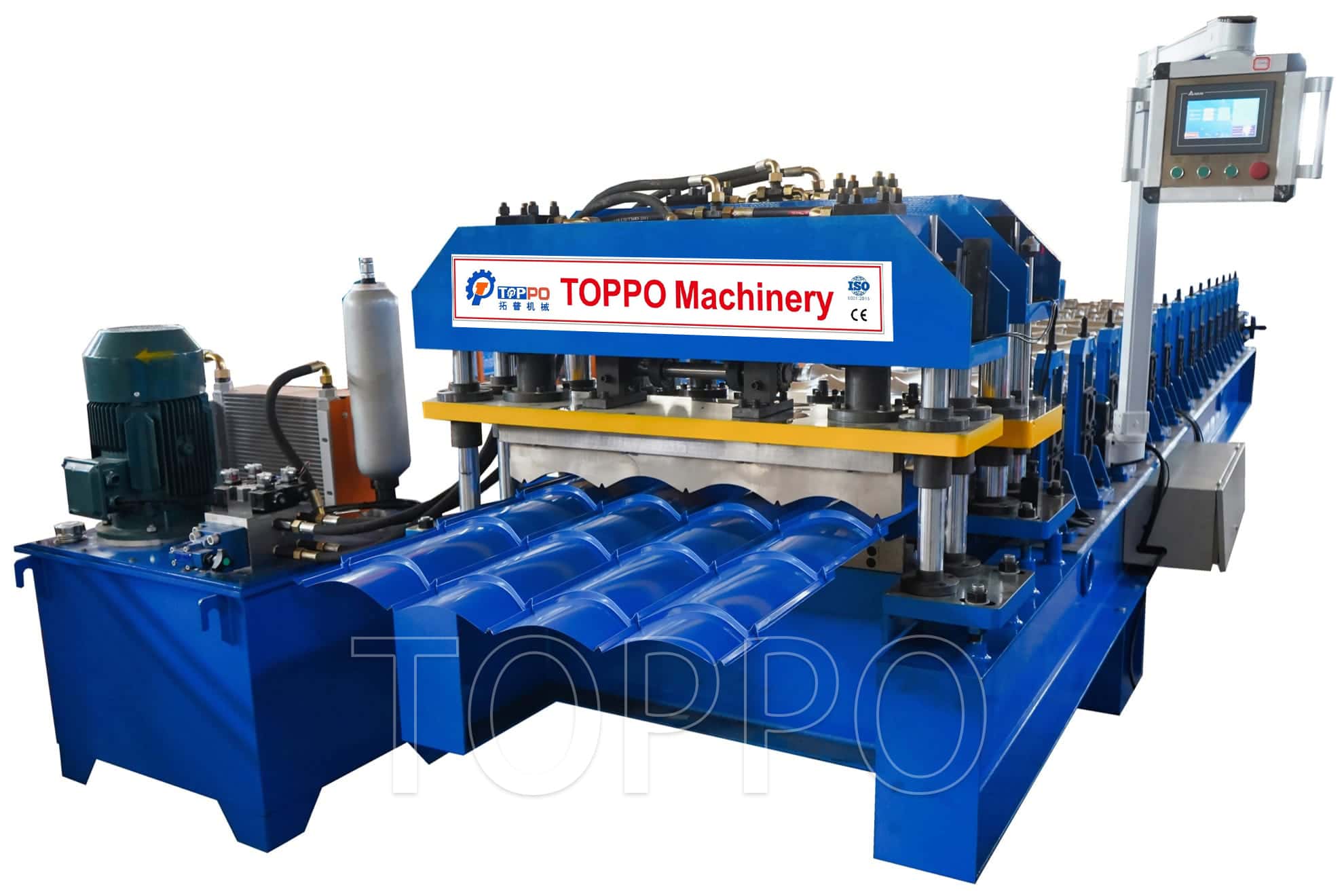
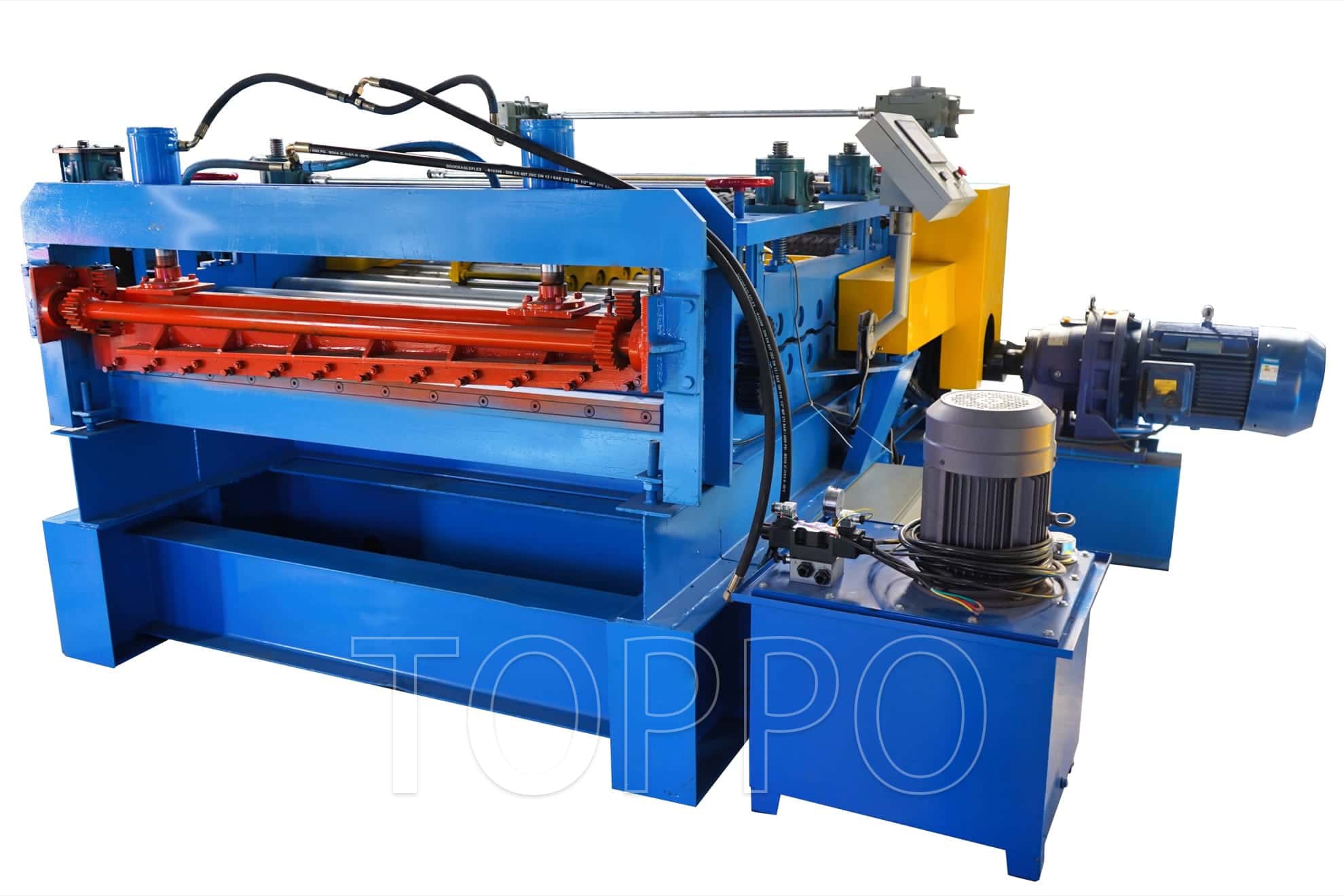
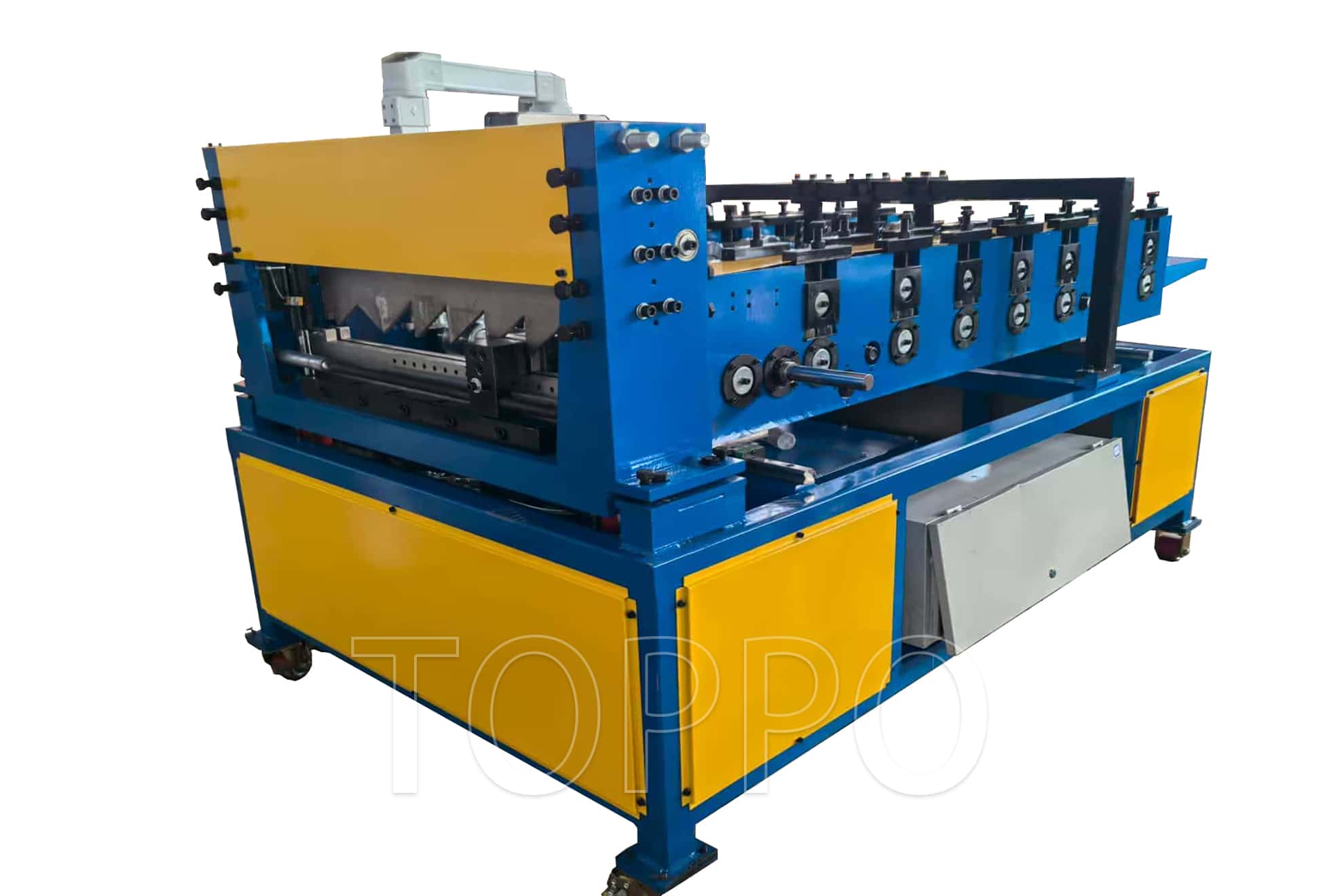
Machine Selection: Choose a machine that can handle the required steel grades and thicknesses. For instance, the roof panel making machine complements the roll forming machine to create finished roof panels that are ready for installation.
Space Planning: Ensure there is adequate space in the facility for the machine and raw materials. This includes planning for safe operation areas and efficient workflow.
Installation and Calibration: Have the machine professionally installed and calibrated to ensure it runs smoothly. This is crucial to avoid defects and to ensure the output meets customer specifications.
Operator Training: Properly train operators to use the machine effectively. This includes understanding machine settings, safety procedures, and how to maintain the equipment.
Maintenance Plan: Implement a regular maintenance schedule to ensure the machine operates optimally, minimizing downtime and repair costs.
Common Mistakes to Avoid
While adding roll forming machines to a business can provide numerous benefits, there are common mistakes that distributors must avoid:
Improper Machine Calibration: Incorrect settings for speed, pressure, or coil alignment can lead to defects in the final product. It is essential to calibrate the machine properly before starting production.
Neglecting Maintenance: Failing to perform regular maintenance can result in breakdowns and production delays. Set up a maintenance schedule to avoid costly repairs.
Using Low-Quality Materials: Using substandard raw materials can result in poor-quality roofing sheets that fail to meet industry standards. Always use high-quality steel coils to ensure durability and performance.
Lack of Proper Training: Without proper training, operators may misuse the machine, leading to defects and safety issues. Invest in operator training to ensure optimal performance.
Case Studies of Successful Implementations
Several distributors in the roofing materials industry have successfully integrated roll forming machines into their operations:
Brazil: A roofing material distributor in Brazil added the 836 steel corrugated roll forming machine to their facility, resulting in a 40% increase in production efficiency. The company was able to meet rising demand without the need for additional inventory, improving cash flow and profitability.
Argentina: In Argentina, a roofing material distributor integrated a roof panel making machine into their production line, enabling them to offer customized roof panels to customers. This move not only increased sales but also improved customer satisfaction due to faster turnaround times.
Conclusion
Adding roll forming machines like the 836 steel corrugated roll forming machine to a roofing material distribution business can provide significant advantages, including cost savings, improved product quality, and increased flexibility to meet customer needs. By following the correct implementation steps and avoiding common mistakes, distributors can enhance their operations and remain competitive in a rapidly growing market. With the right investment in technology and training, distributors can position themselves for long-term success in the roofing materials industry.
READ MORE: