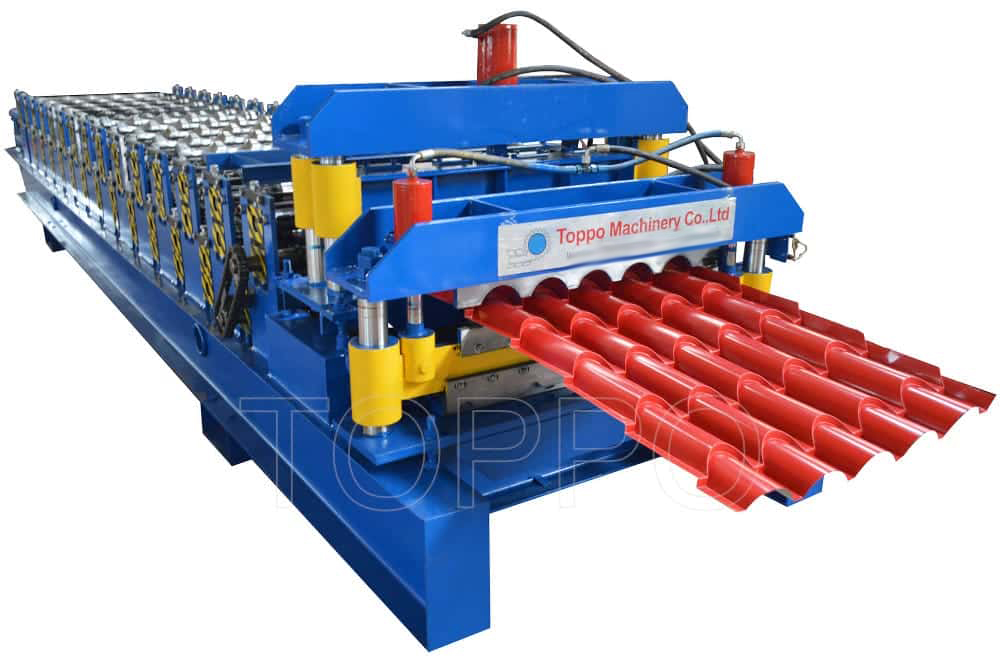
Boosting Production Efficiency in Roofing Sheet Manufacturing with Roll Forming Machines
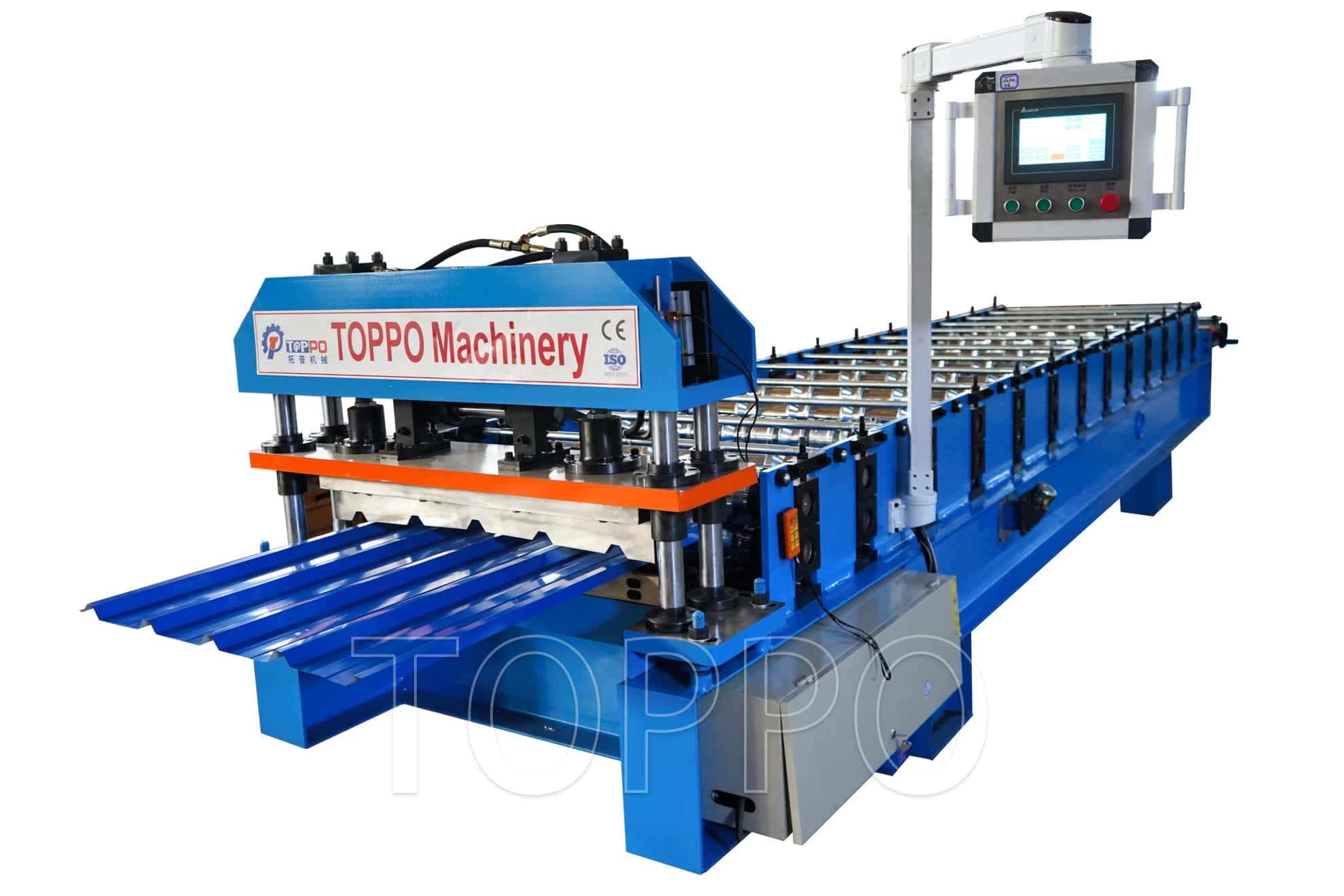
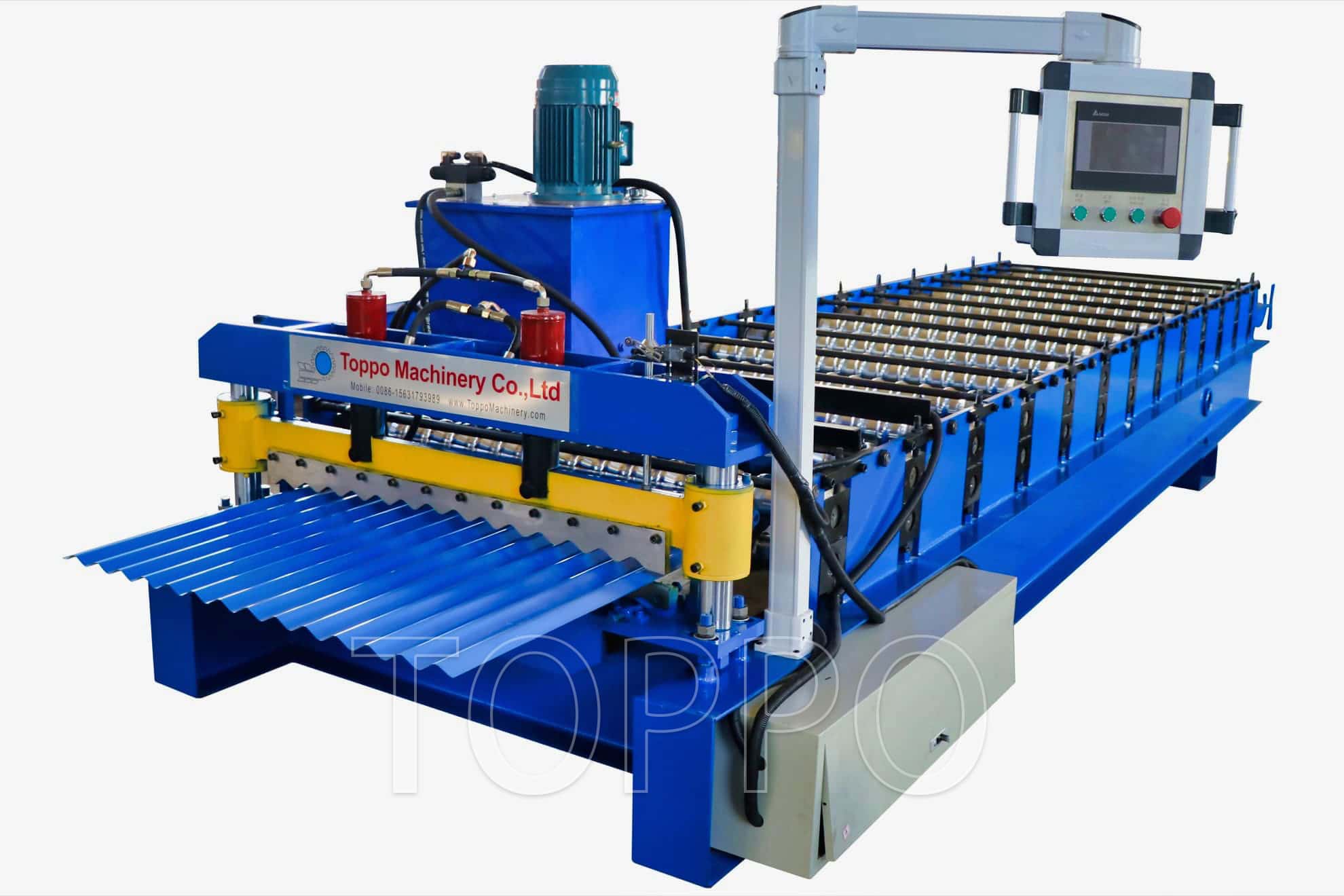
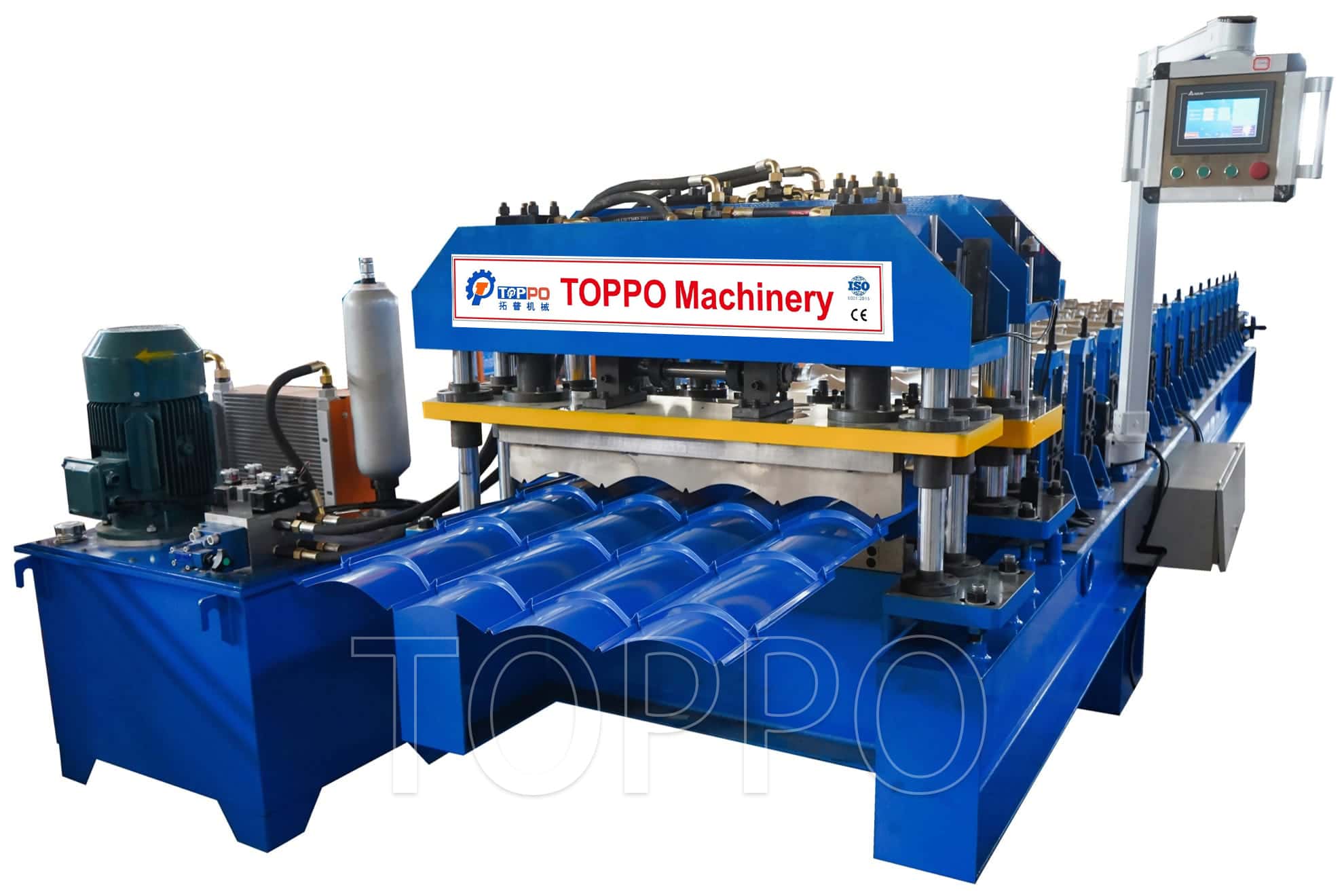
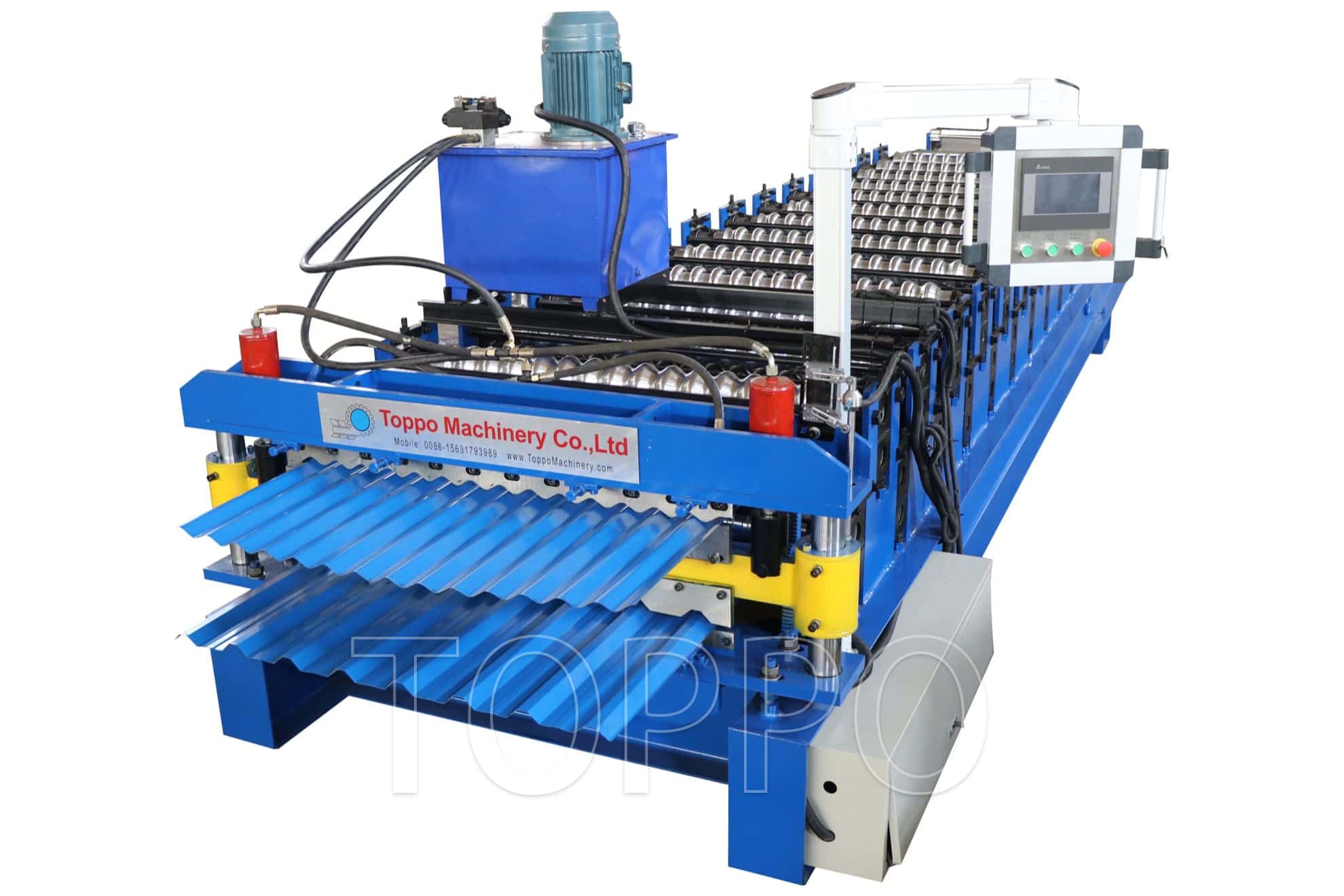
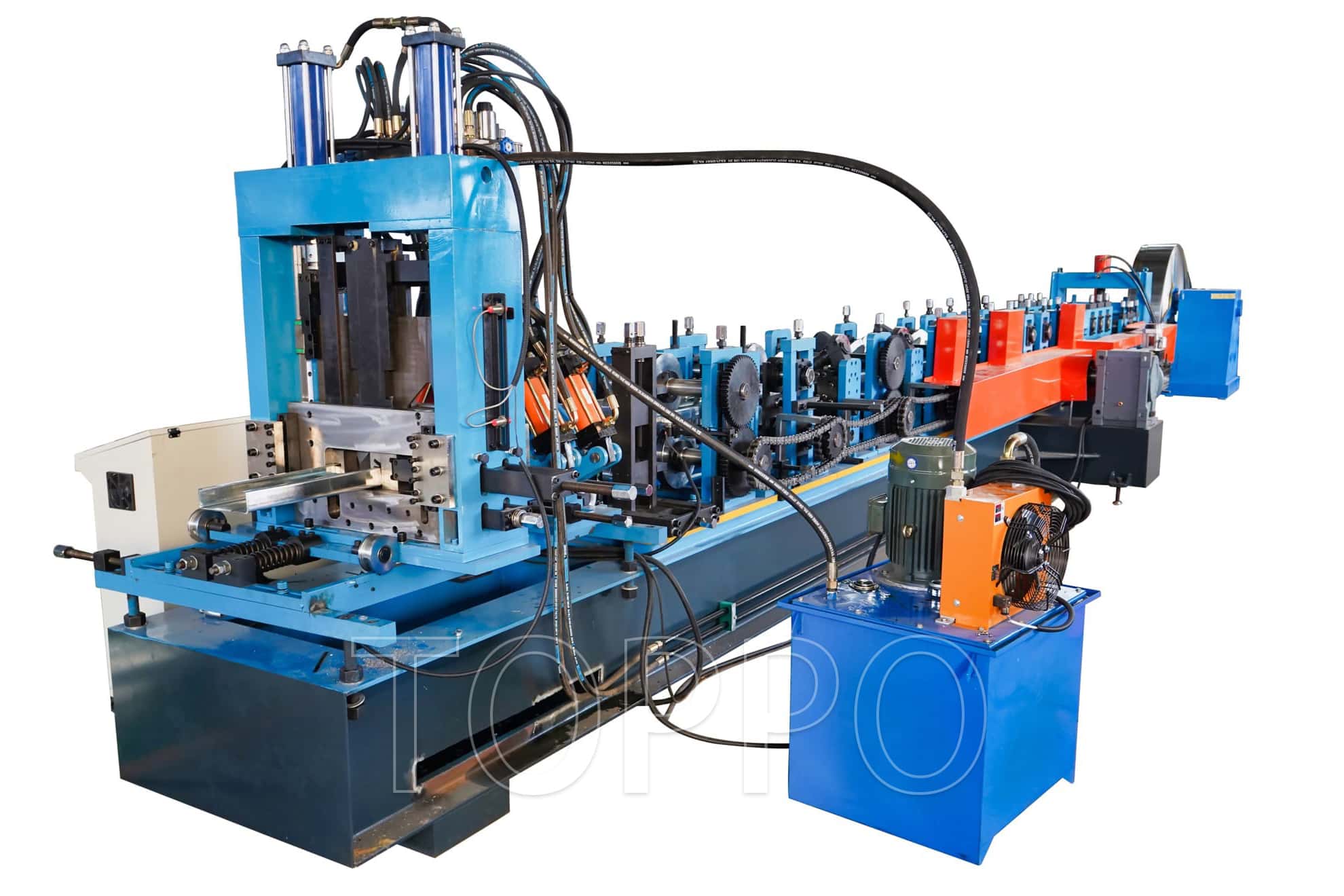
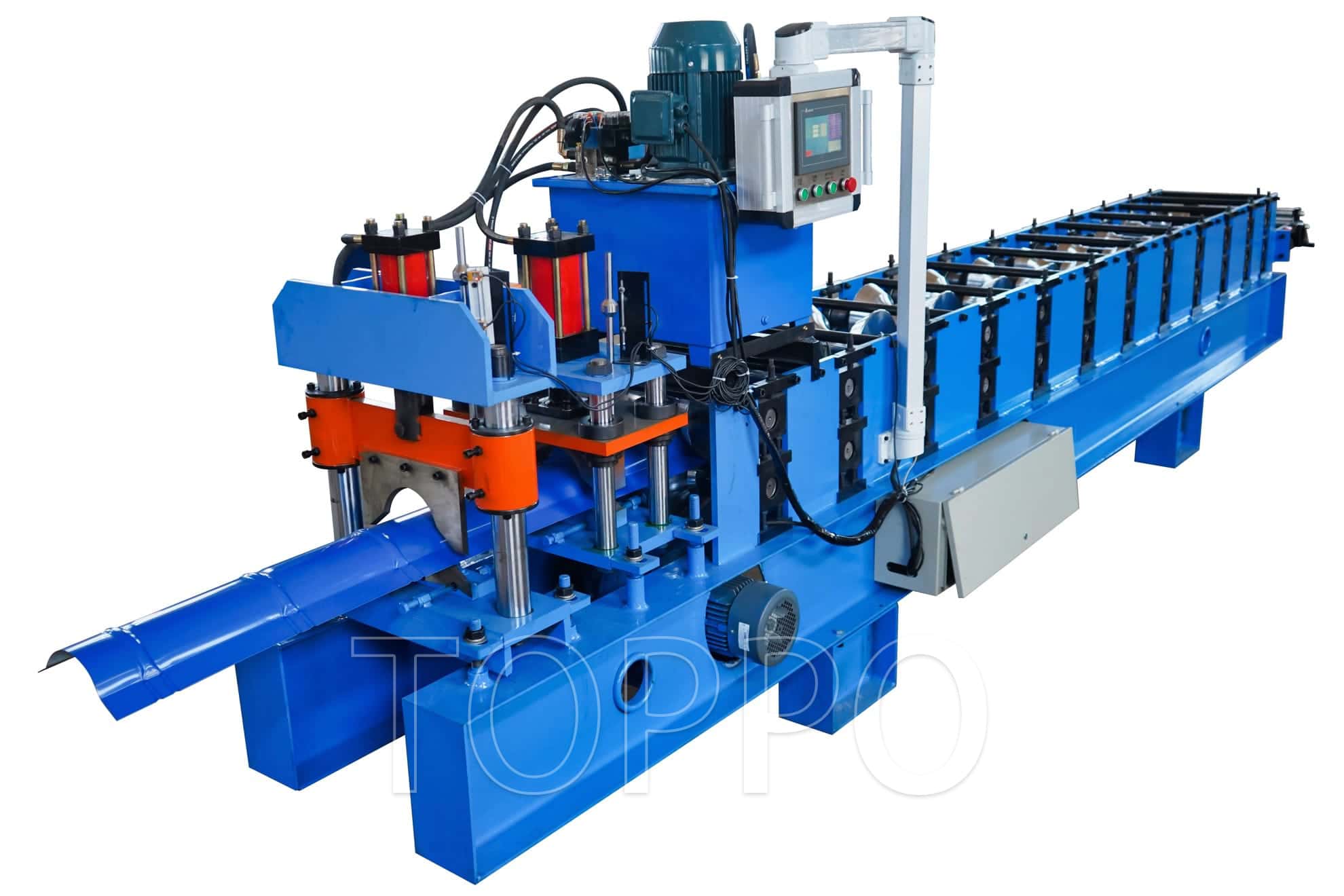
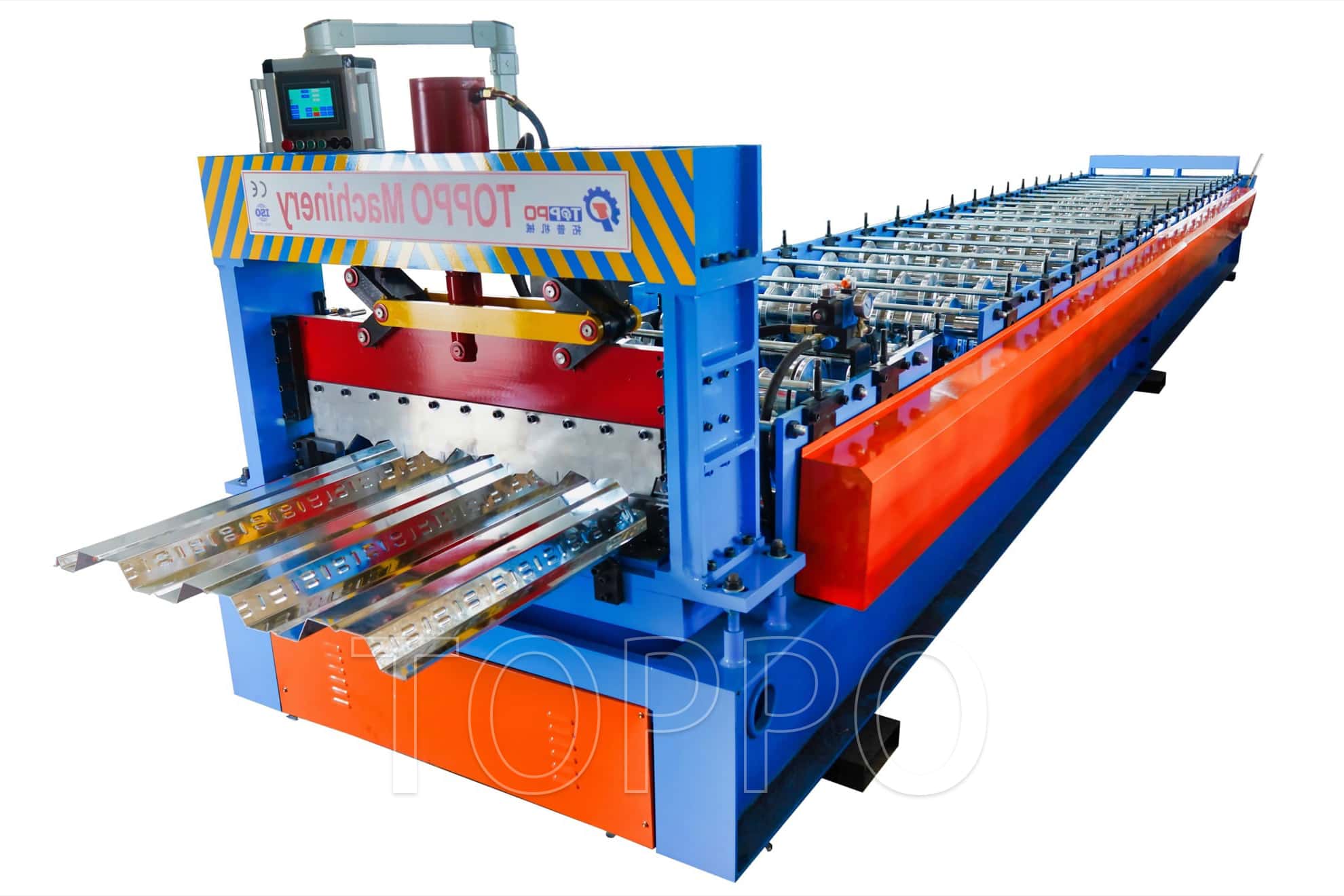
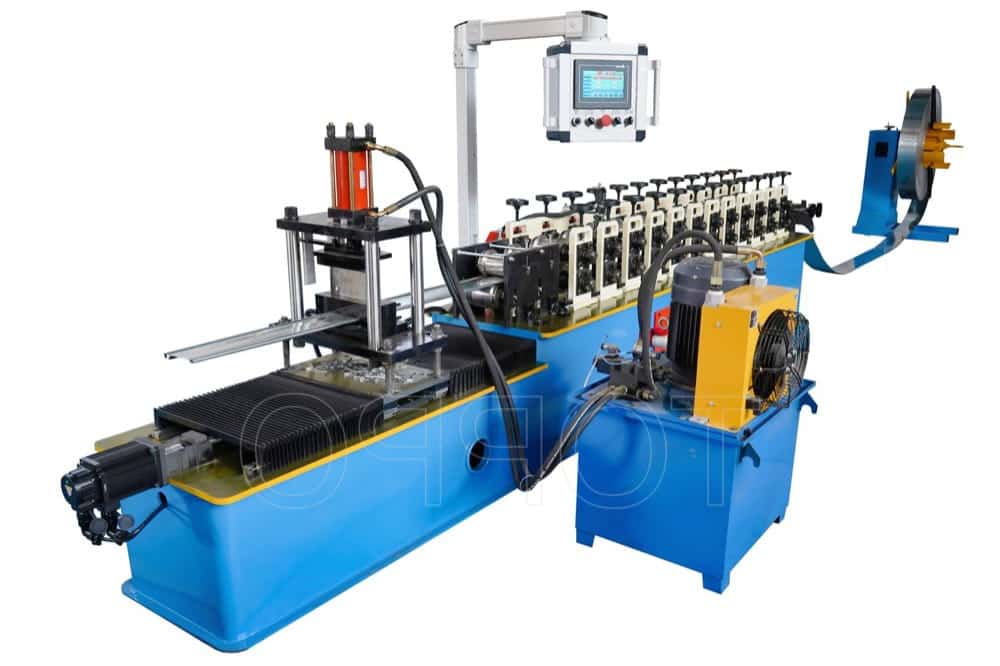
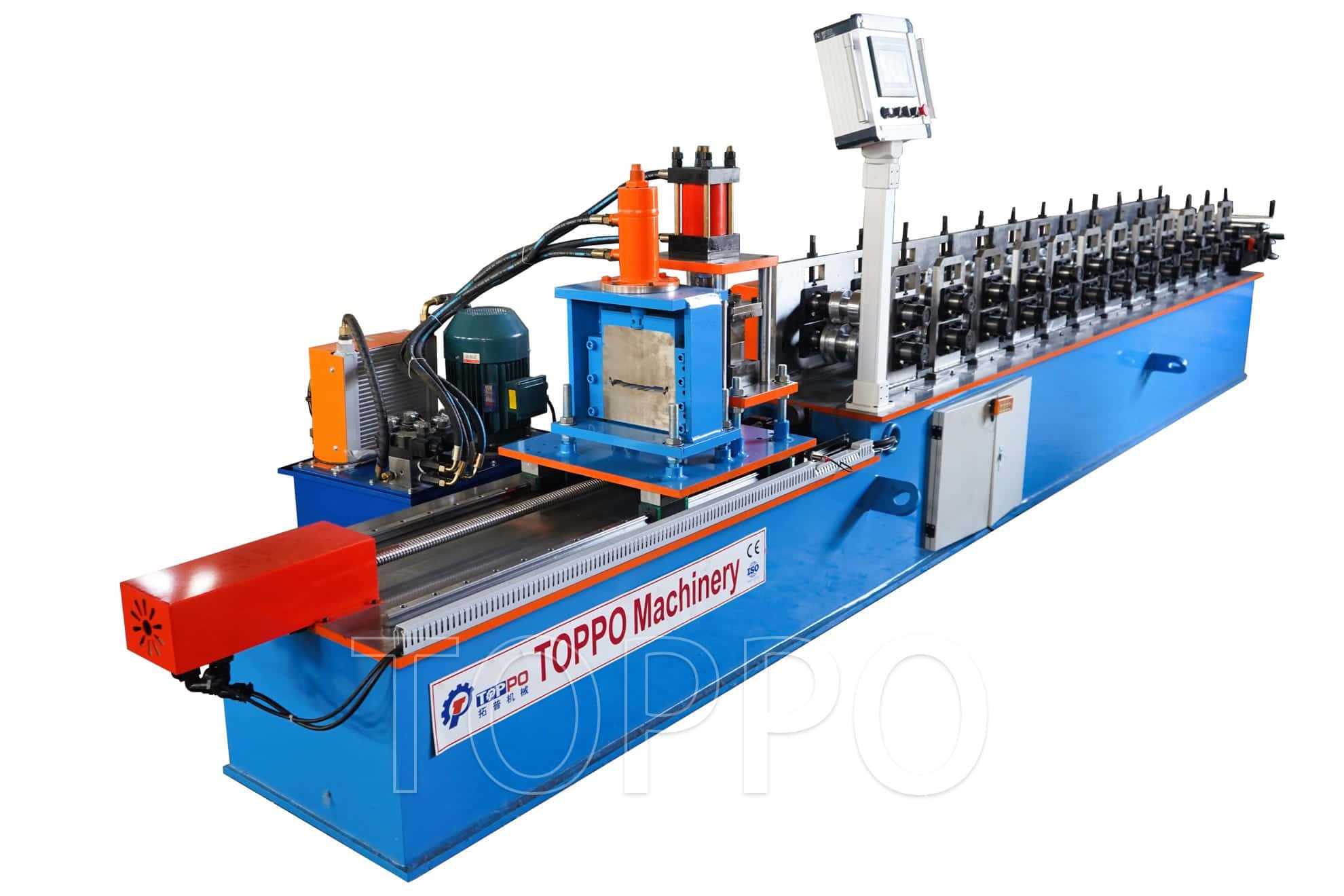
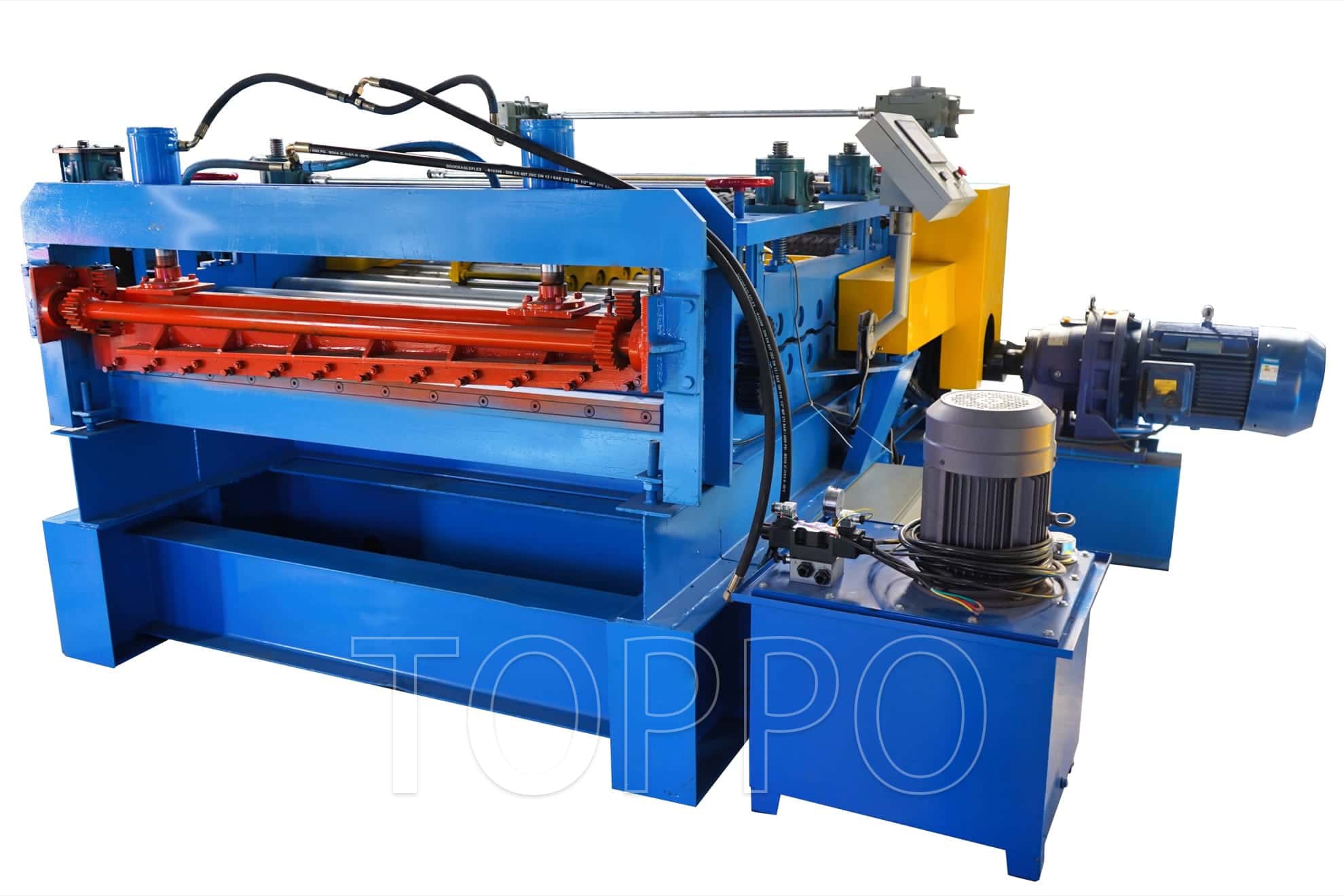
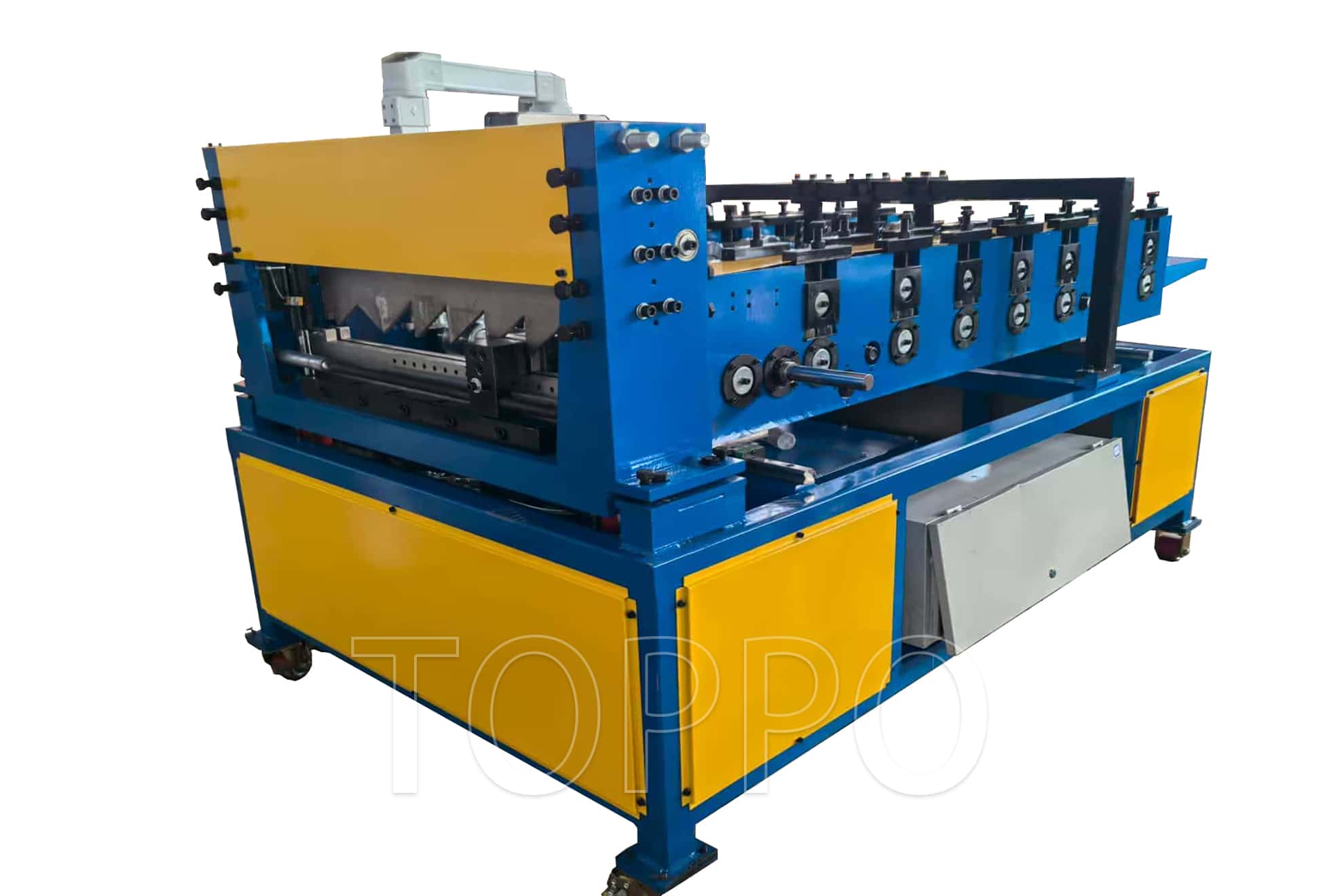
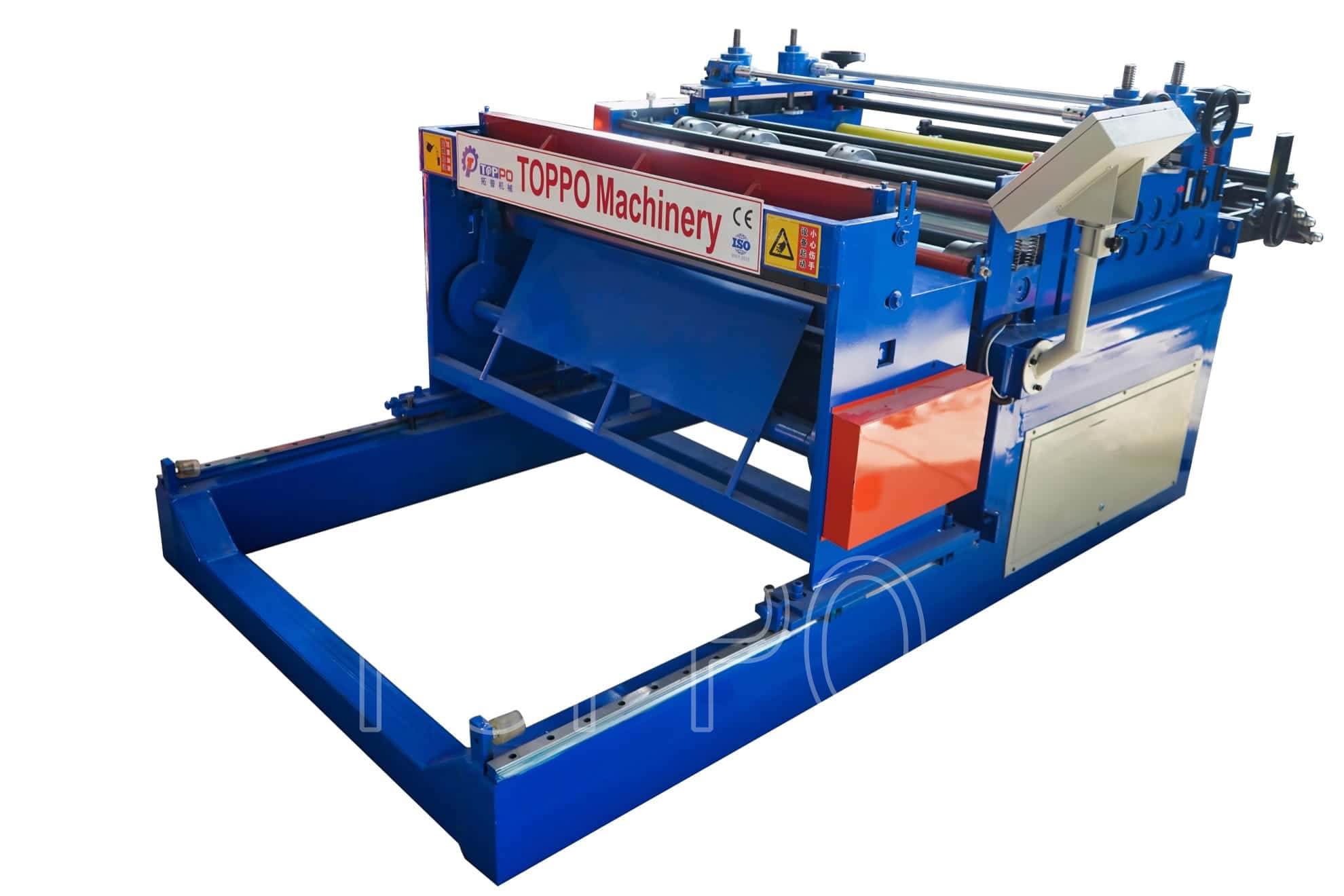
Roofing sheet manufacturers face a constant challenge to increase production capacity while ensuring high-quality output. Roll forming machines, such as the 836 steel corrugated roll forming machine, offer a solution to this challenge by enhancing production speed, precision, and consistency. In this article, we’ll explore three effective ways that manufacturers can leverage roll forming machines to increase production output, along with practical steps and strategies to implement these methods successfully.
1. Maximizing Machine Efficiency with Proper Calibration
One of the most effective ways to increase production output is by ensuring that roll forming machines are properly calibrated. The corrugated roll forming machine and the roof panel making machine must be calibrated regularly to ensure that the settings are optimized for high-speed production without compromising on quality. Improper calibration can lead to defective sheets, material waste, and unnecessary downtime.
Key calibration steps include:
Regular speed adjustments: Adjust the speed settings based on the type of material being processed and the required sheet profile.
Pressure and alignment checks: Ensure that the pressure and alignment settings are correct to prevent defects such as uneven sheet thickness or distorted profiles.
Test runs: Conduct regular test runs to verify that the machine is functioning at peak efficiency before full-scale production begins.
2. Streamlining Workflow and Material Handling
Efficient material handling is essential for increasing output. Even the most advanced roll forming machines cannot achieve their full potential if the workflow is disorganized or if materials are not handled efficiently. To maximize output, manufacturers need to implement automated material handling systems and optimize production layout.
Here are some key strategies:
Automate material feeding: Use automated systems to feed raw materials into the roll forming machine, reducing labor costs and speeding up the production process.
Optimize layout: Design the production facility so that materials flow smoothly from one machine to the next, minimizing transportation time and reducing delays.
Improve storage and accessibility: Properly store raw materials and ensure easy access to prevent delays caused by searching for materials.
3. Preventive Maintenance to Avoid Downtime
Downtime due to machine malfunctions can significantly reduce output and production efficiency. To avoid this, roofing sheet manufacturers should implement a preventive maintenance program for their roll forming machines, such as the 836 steel corrugated roll forming machine.
Key maintenance practices include:
Regular inspections: Schedule routine inspections to identify wear and tear and address any issues before they lead to machine breakdowns.
Lubrication and cleaning: Keep all moving parts properly lubricated and ensure that machines are cleaned regularly to prevent debris buildup and improve machine longevity.
Component replacement: Replace worn-out components like rollers, cutters, and bearings promptly to avoid production delays.
Common Mistakes to Avoid
While these strategies are effective for increasing production output, manufacturers must be aware of the common mistakes that can hinder their success:
Inaccurate machine calibration: Incorrect calibration settings can lead to defects, waste, and inefficiencies. Always double-check calibration settings before starting production.
Neglecting maintenance: Failing to maintain roll forming machines regularly can result in unexpected breakdowns and prolonged downtime.
Lack of training: Improperly trained operators may lead to inefficiencies, product defects, and safety hazards. Ensure that all operators receive adequate training.
Case Study of Success
A manufacturer in Portugal adopted the 836 steel corrugated roll forming machine and implemented the strategies outlined above. After optimizing machine settings, streamlining material handling, and implementing a preventive maintenance schedule, the company saw a 35% increase in production efficiency. The increase in output allowed them to meet growing demand and reduce lead times, ultimately improving customer satisfaction.
Conclusion
By optimizing roll forming machine settings, streamlining material handling, and implementing preventive maintenance, roofing sheet manufacturers can significantly increase their production output. Machines like the 836 steel corrugated roll forming machine are powerful tools for boosting efficiency, improving product quality, and staying competitive in the fast-paced roofing materials market. By avoiding common mistakes and following best practices, manufacturers can ensure that they achieve the best possible results from their roll forming machines.
READ MORE: