3 Production Methods Roofing Sheet Factories in South Africa Are Using Today
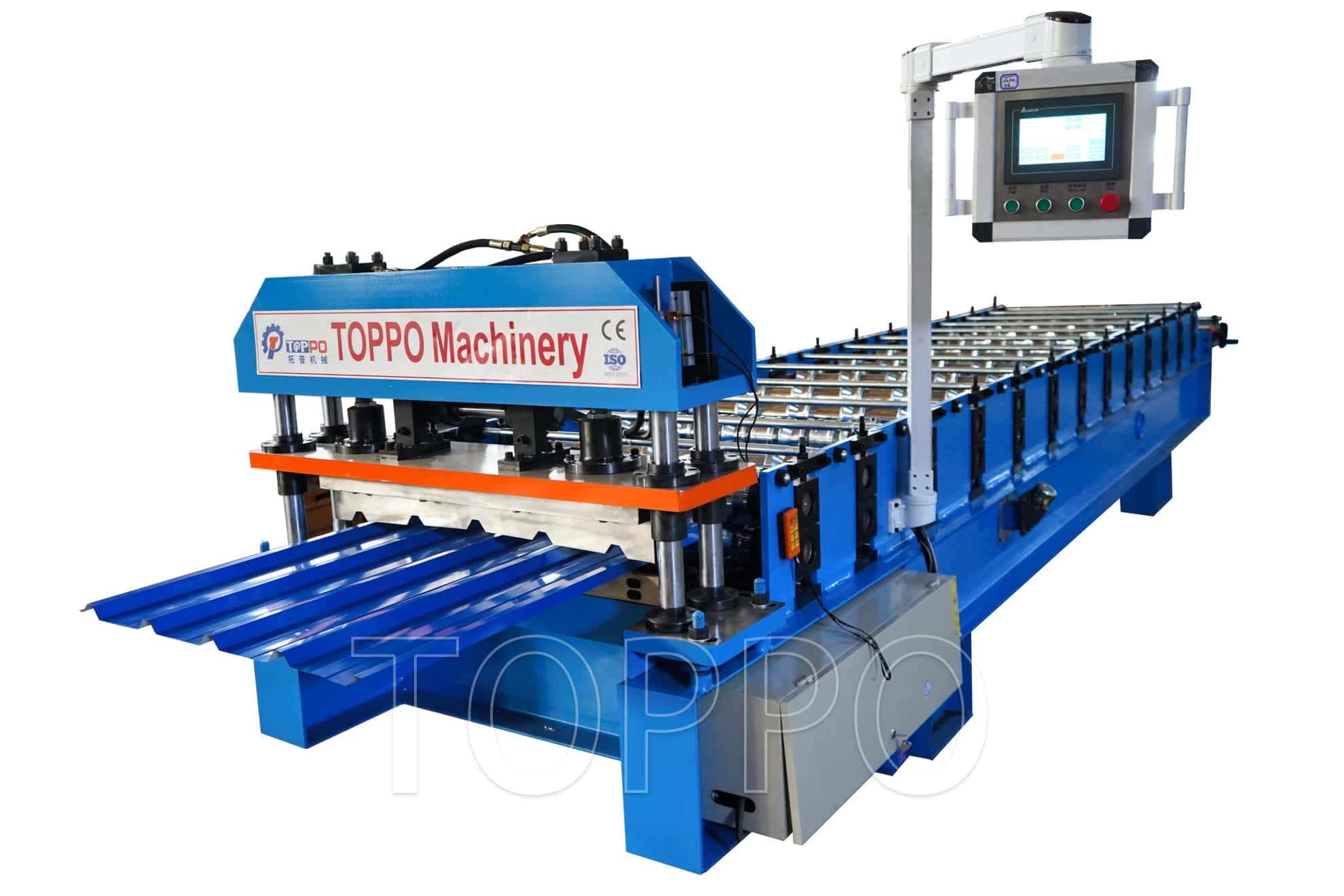
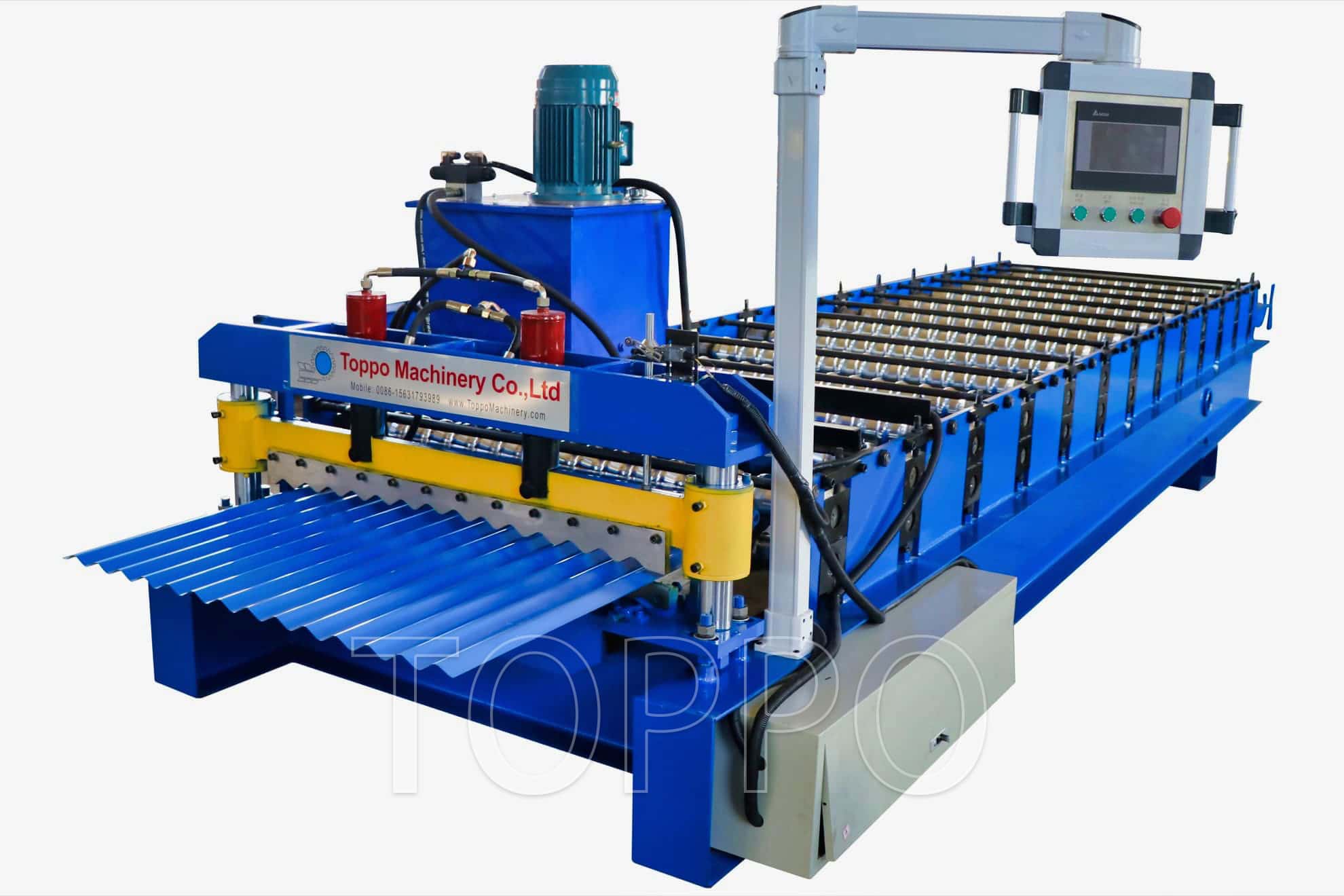
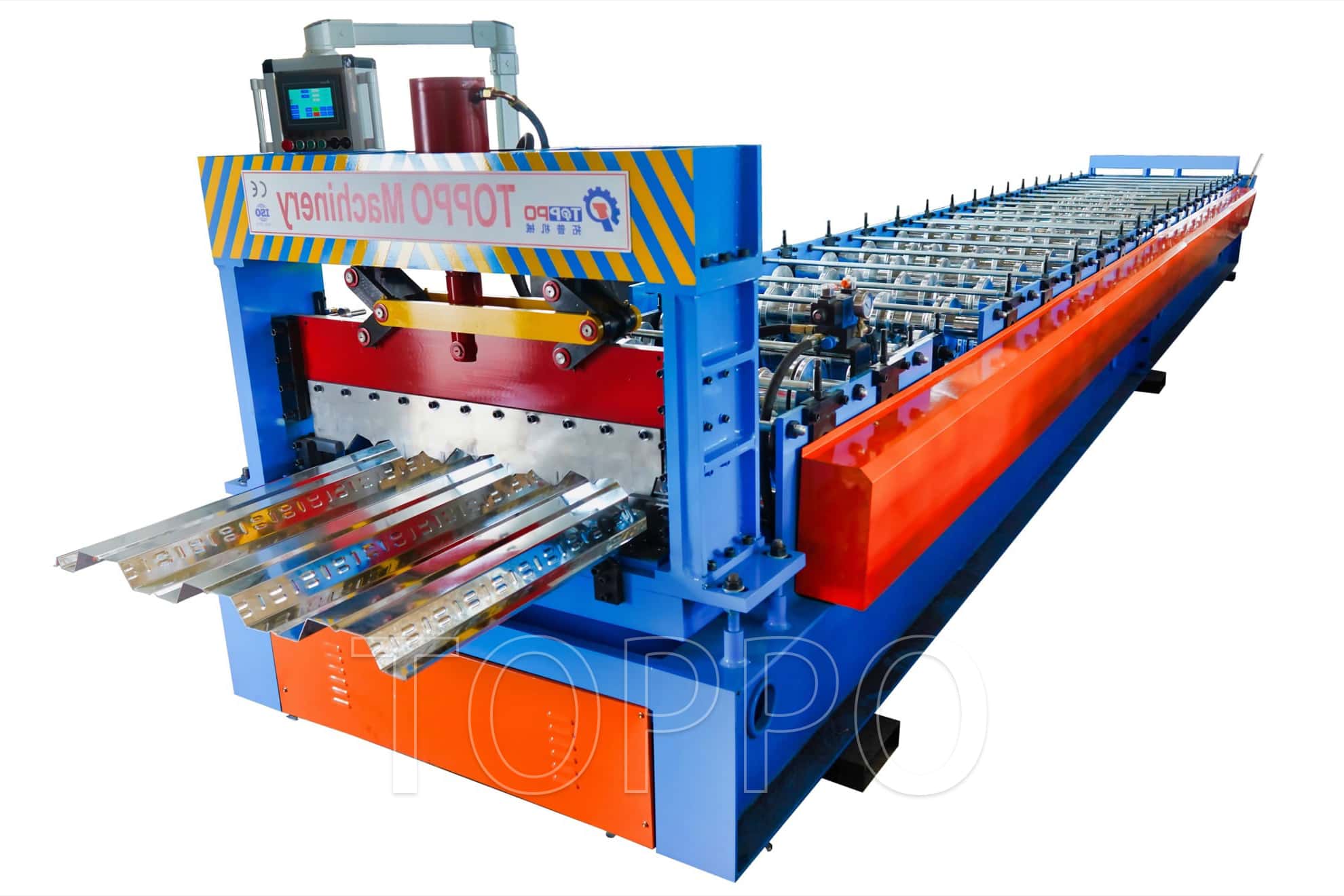
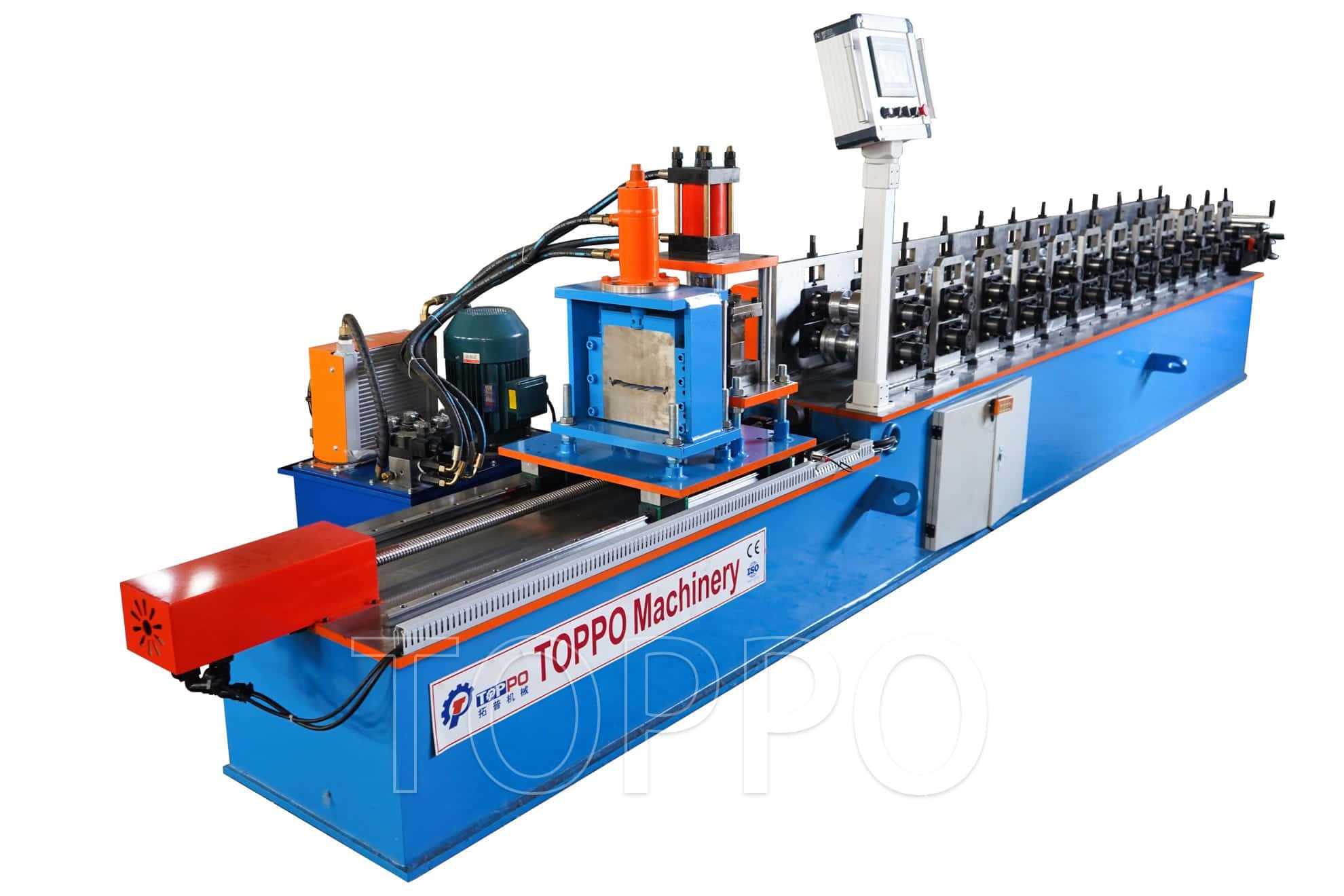
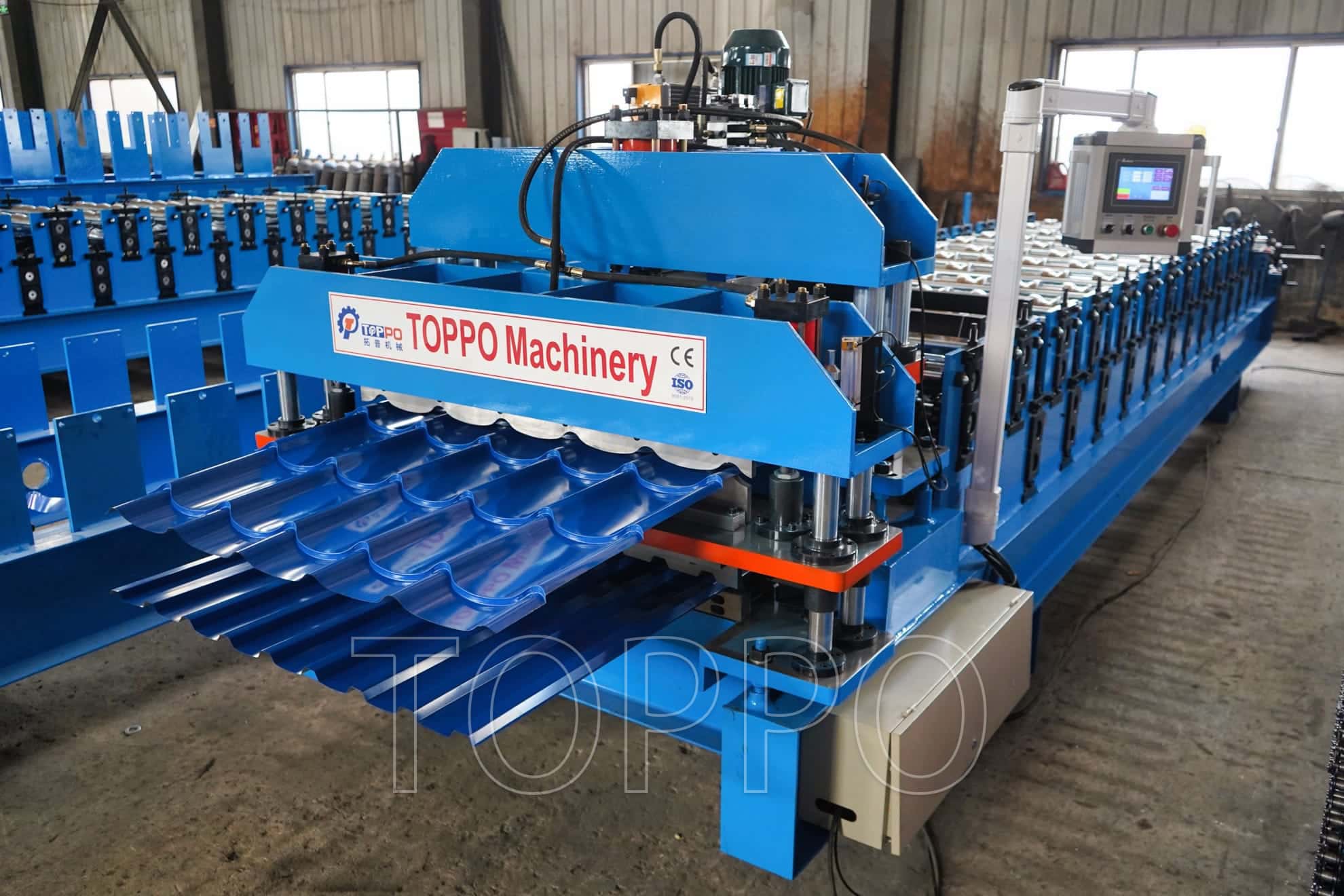
Roofing sheet manufacturers in South Africa are leveraging a mix of production techniques to meet rising demand while keeping quality and cost in check. With solutions like the 836 steel corrugated roll forming machine, factories are aligning equipment and processes for maximum efficiency.
1. Modular Production with Dedicated Zones
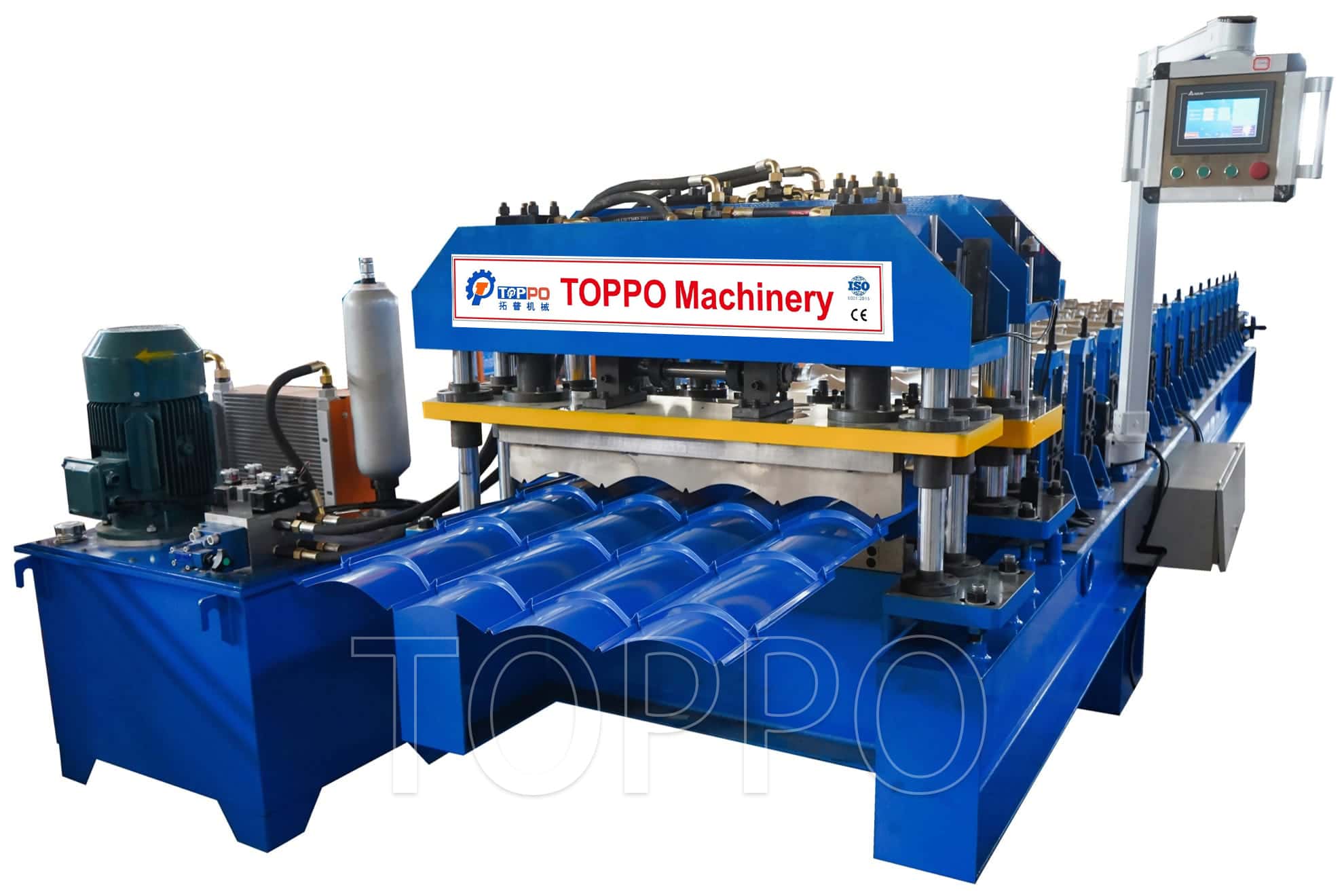
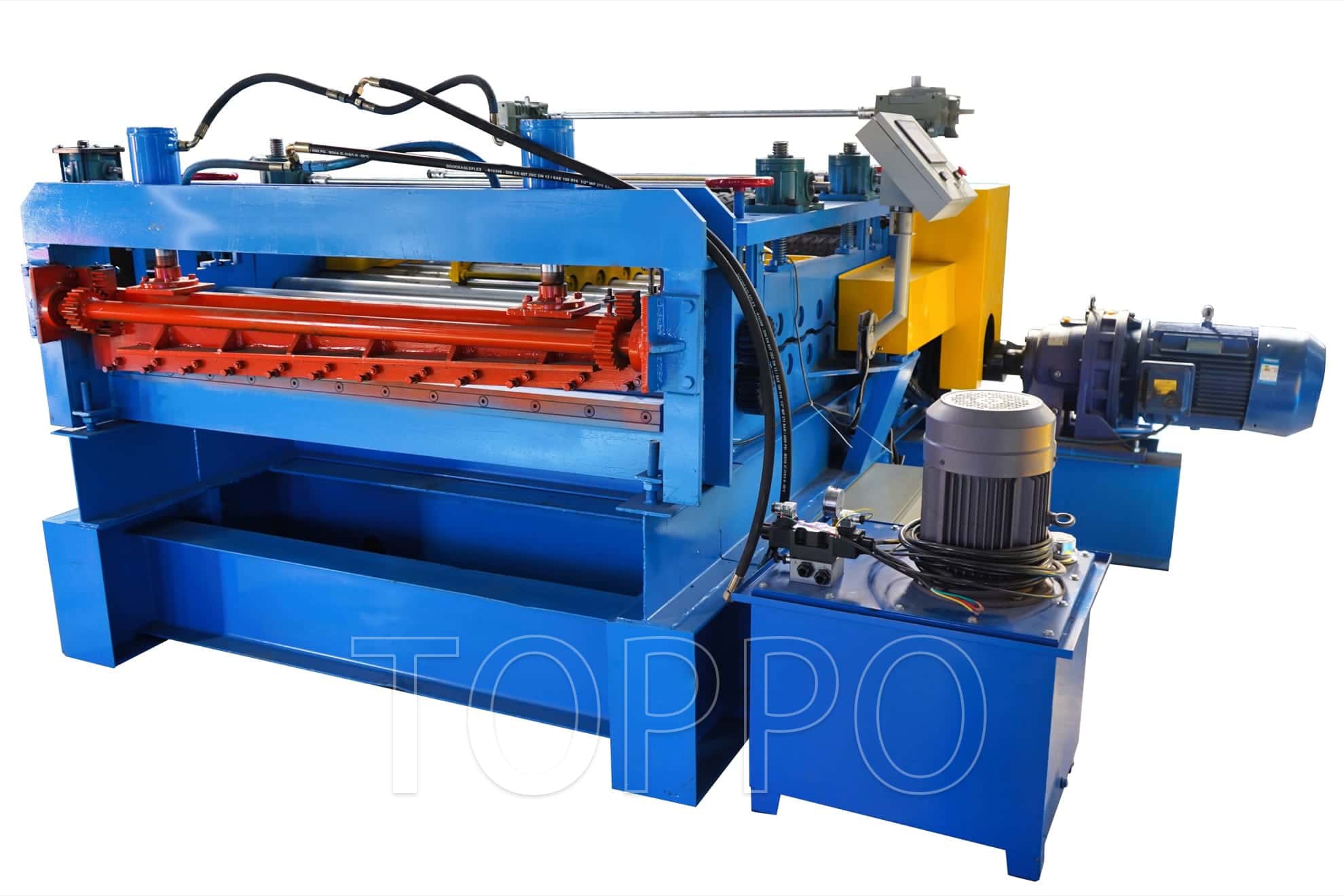
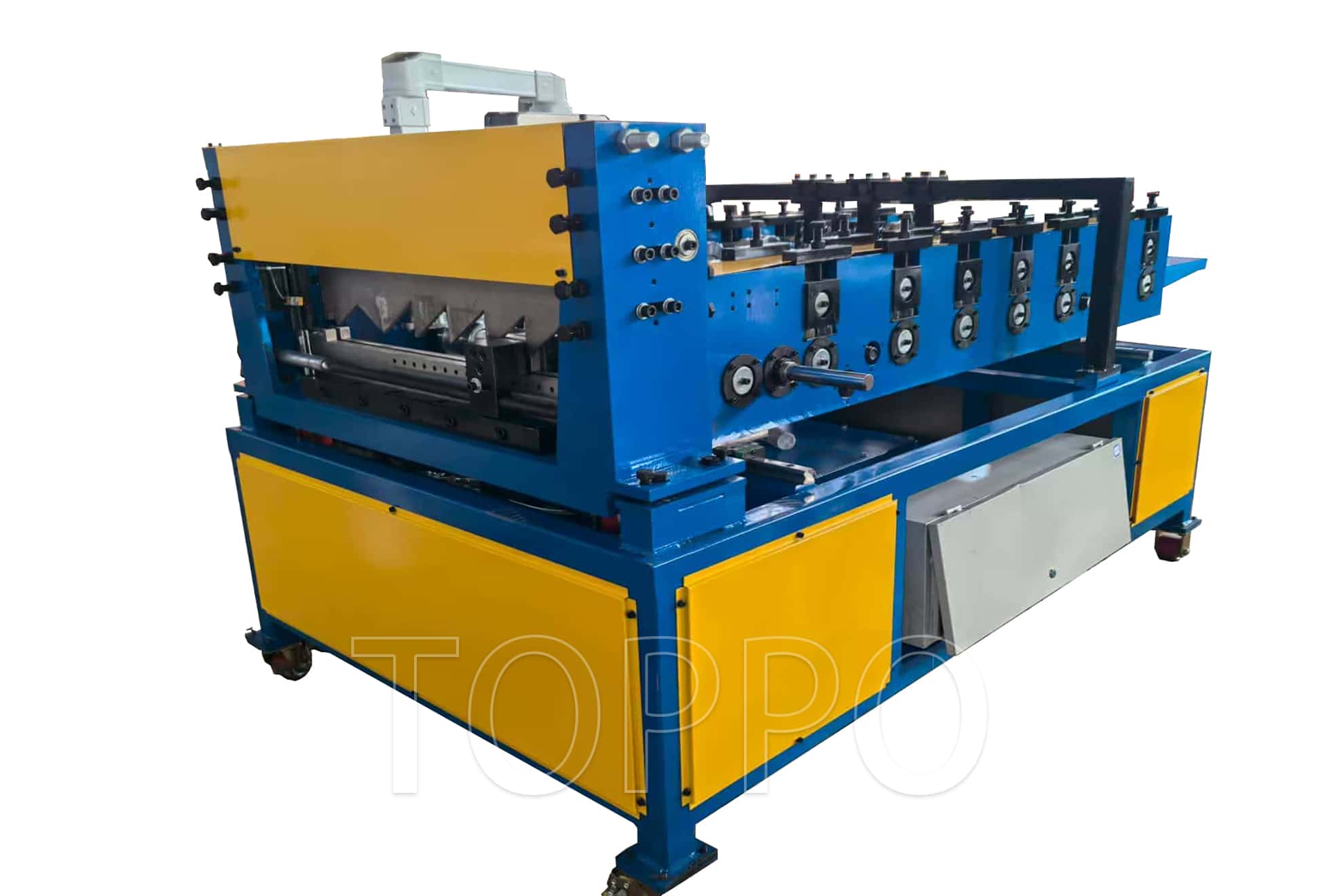
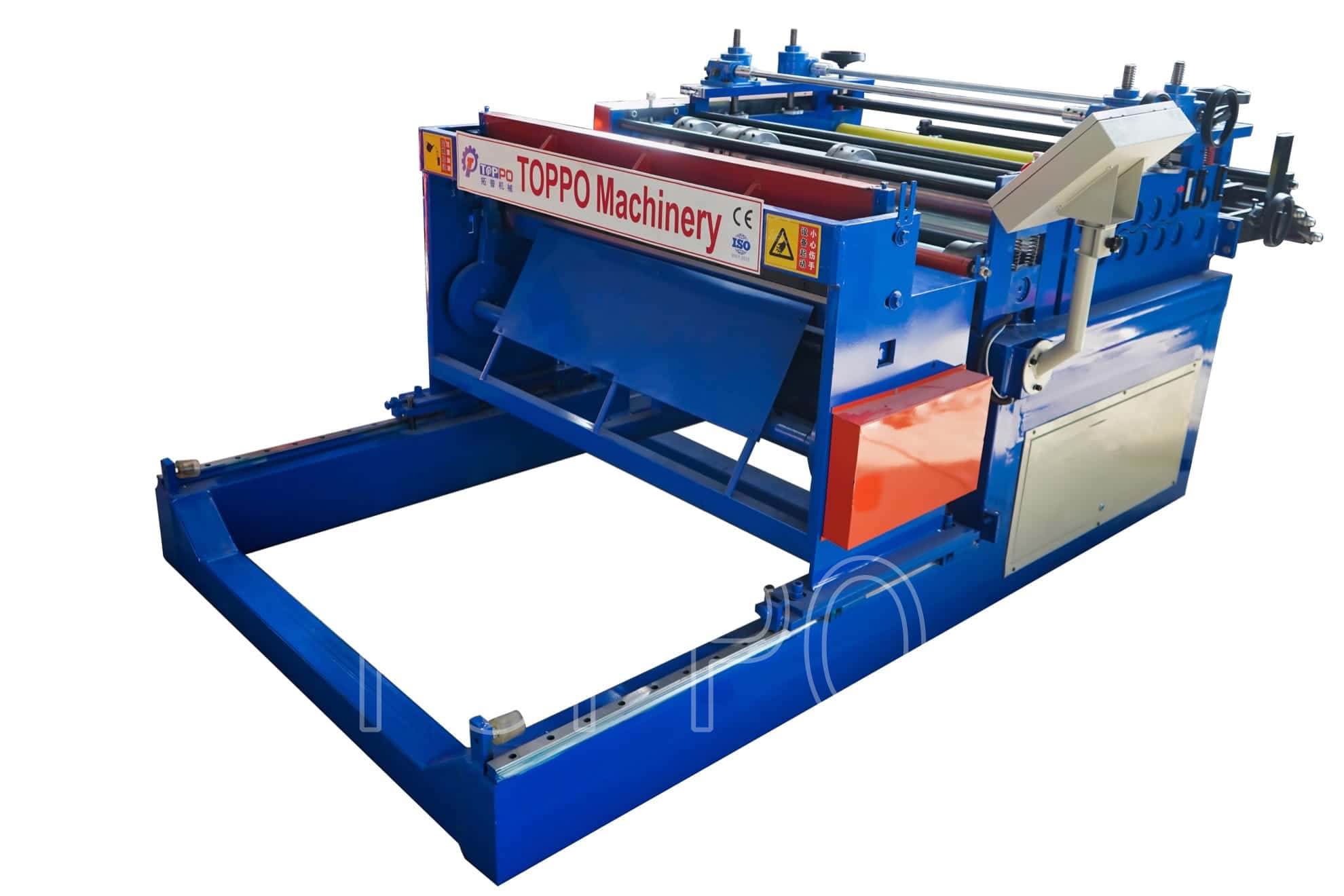
Factories divide tasks by process: coil loading, sheet forming, quality checks. This approach simplifies flow and isolates issues. A roof panel making machine operates in its own station, fully optimized for speed and alignment.
Challenges: Coordination between zones requires clear communication. Some delays arise if coil prep lags behind sheet forming.
2. Inline Integration of Cutting and Stacking
Advanced factories now combine cutting and stacking with the corrugated roll forming machine output. This eliminates manual handling, reducing labor and errors. Output goes directly into bundles, ready for dispatch.
Caution: Improper syncing between shear and roll former timing can cause jams or misaligned cuts.
3. Flexible Batch Production for Profile Changes
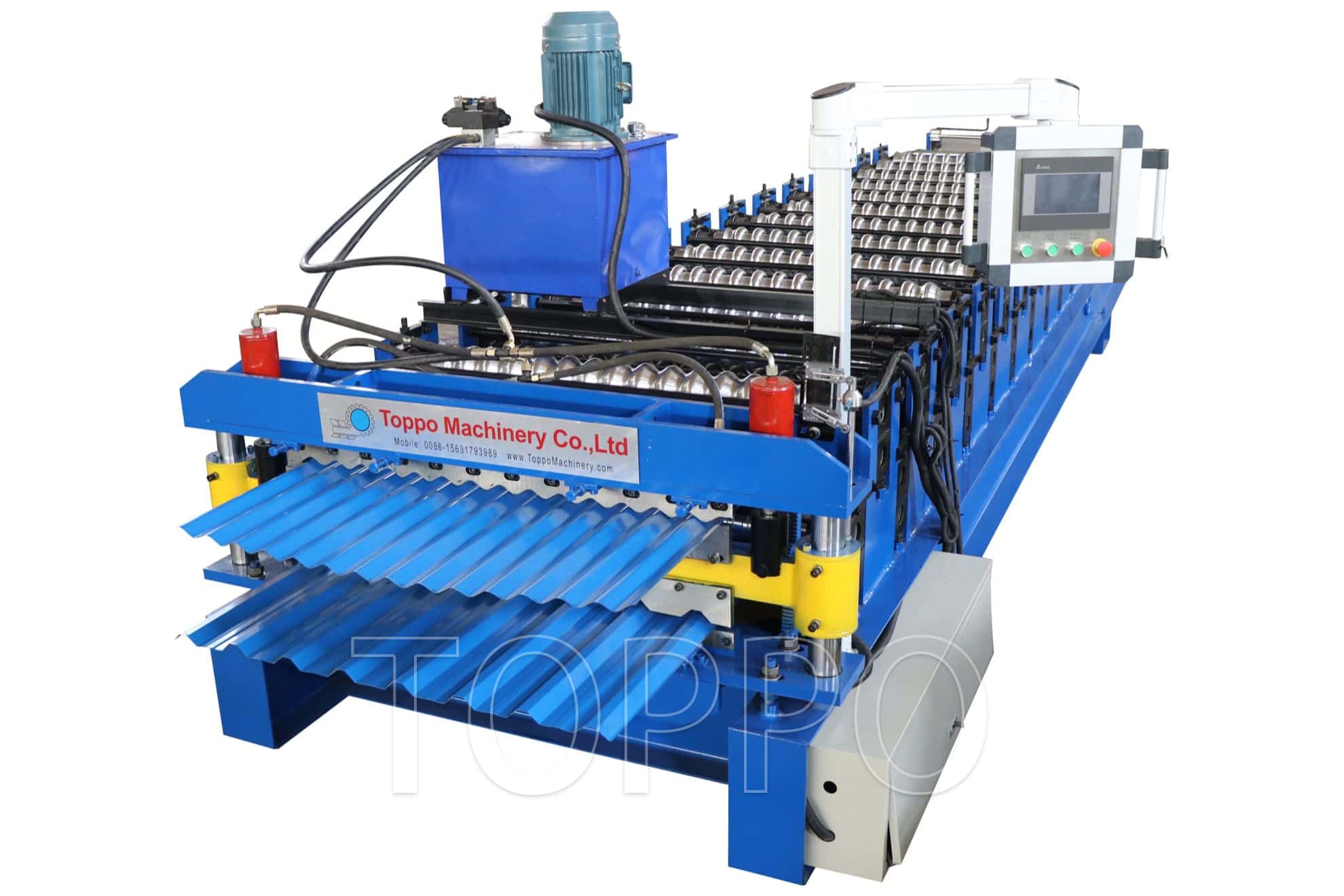
South African factories frequently switch between IBR and corrugated profiles. Using modular roll sets with quick-change mechanisms on the 836 steel corrugated roll forming machine reduces downtime between batches.
Tip: Train operators to inspect roll set tightness and lubricate before each switch. Missed steps can result in profile distortion or excess scrap.
Real-World Example: Durban
A facility in Durban adopted an inline cut-stack workflow with profile switch capability. Their cycle time per bundle dropped from 12 to 7 minutes within 2 months, cutting labor costs by 30%.
Conclusion
Roofing sheet production in South Africa is evolving quickly. Factories combining modular design, inline efficiency, and batch flexibility—especially with machines like the corrugated roll forming machine—are leading the way.
Tags:
836 steel corrugated roll forming machine, roof panel making machine, corrugated roll forming machine, South Africa roofing production, forming workflows, inline roofing automation
READ MORE: