On-Site Implementation Guide for Efficient Double Layer Roofing Sheet Roll Forming Production
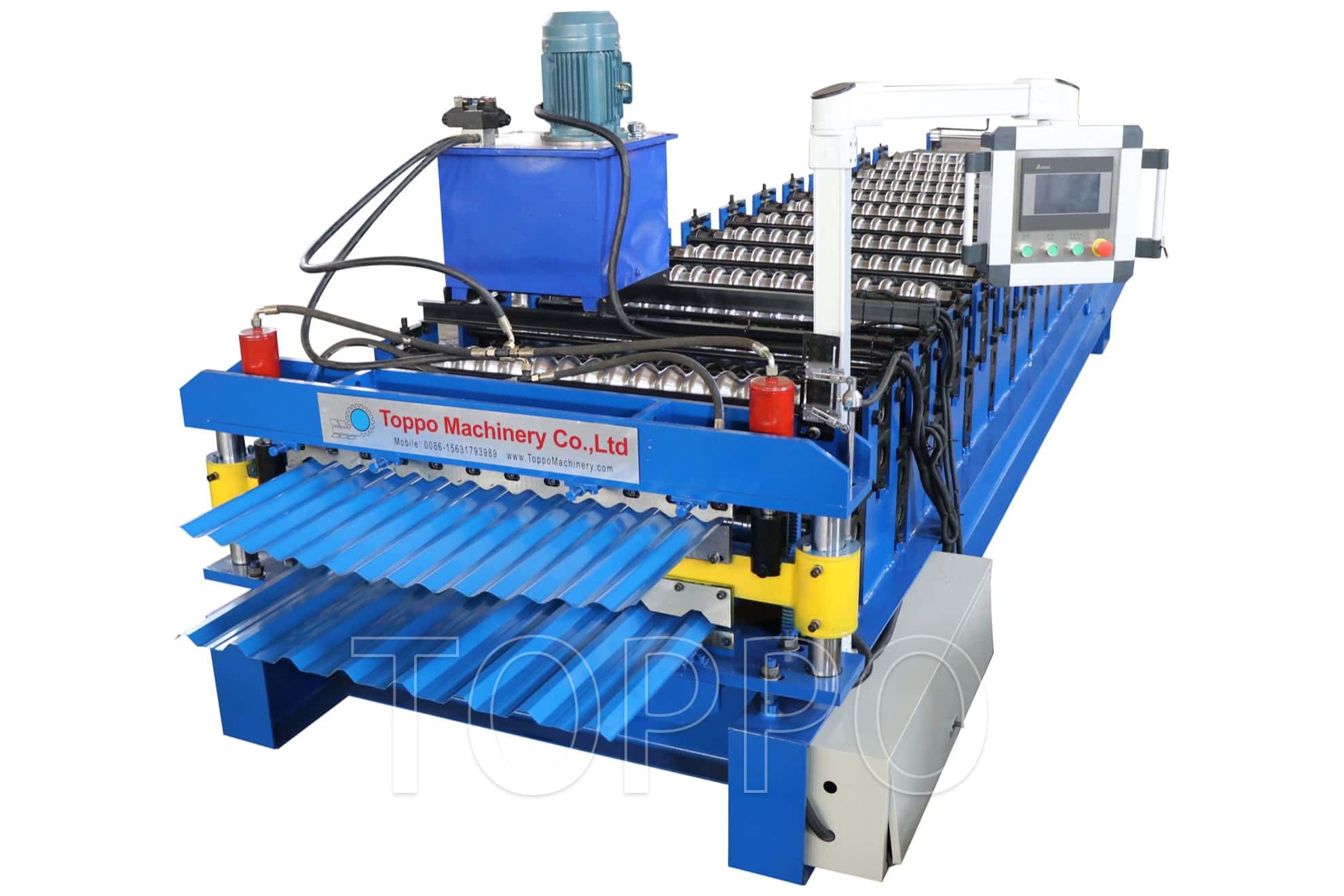
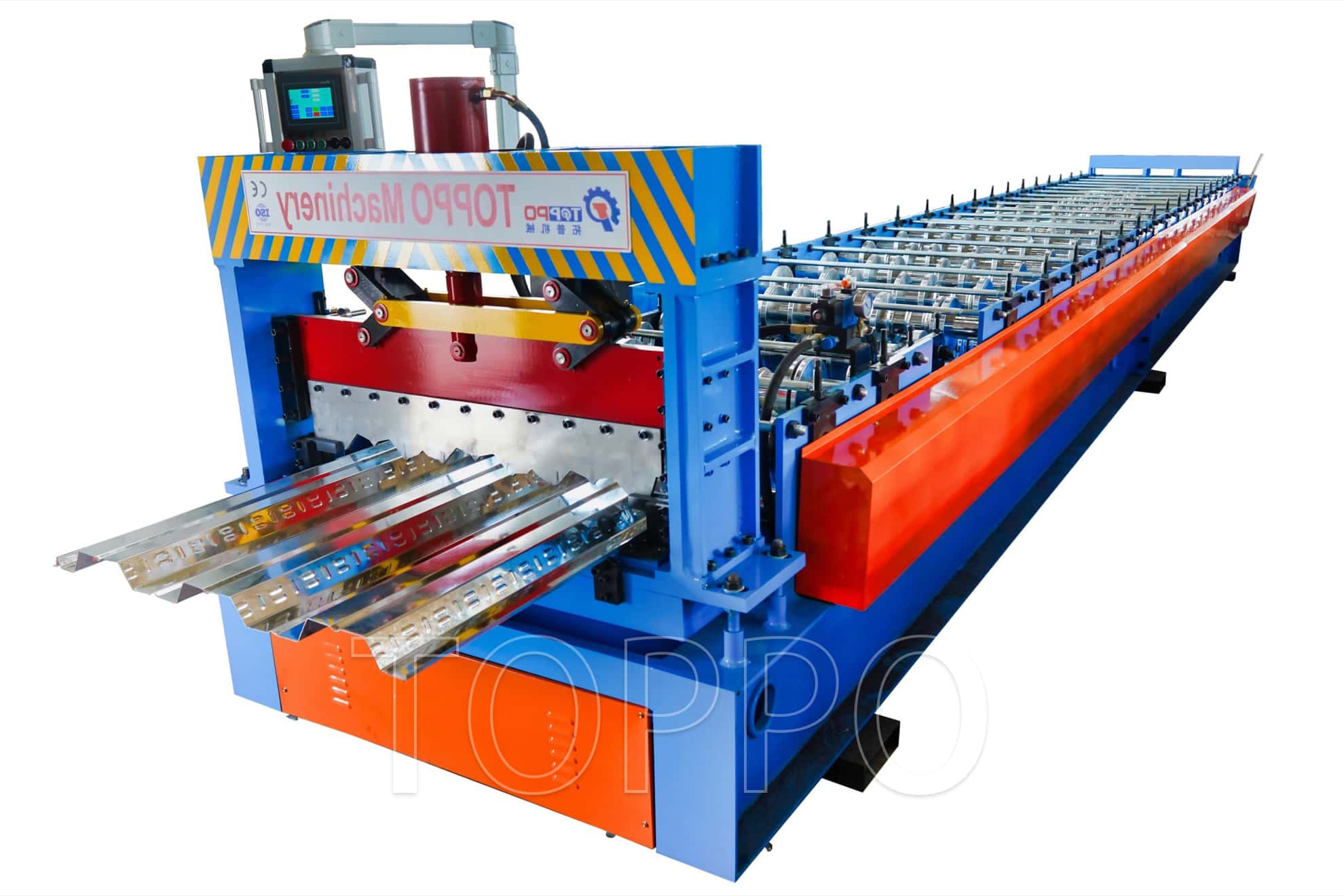
The double layer roofing sheet roll forming machine has become a preferred choice for roofing manufacturers that need flexible profile production without increasing workshop space or equipment quantity. While the mechanical design is reliable, many production issues originate from improper execution rather than machine defects. This article focuses on concrete implementation steps, important precautions, common mistakes, and real factory cases, providing practical guidance with strong on-site value.
Pre-Installation Assessment and Layout Planning
Before commissioning a double layer roofing sheet roll forming machine, factories should evaluate floor flatness, foundation strength, electrical stability, and hydraulic system capacity. One frequently overlooked issue is poor material flow planning, which later causes inefficiency in coil loading and finished panel stacking.
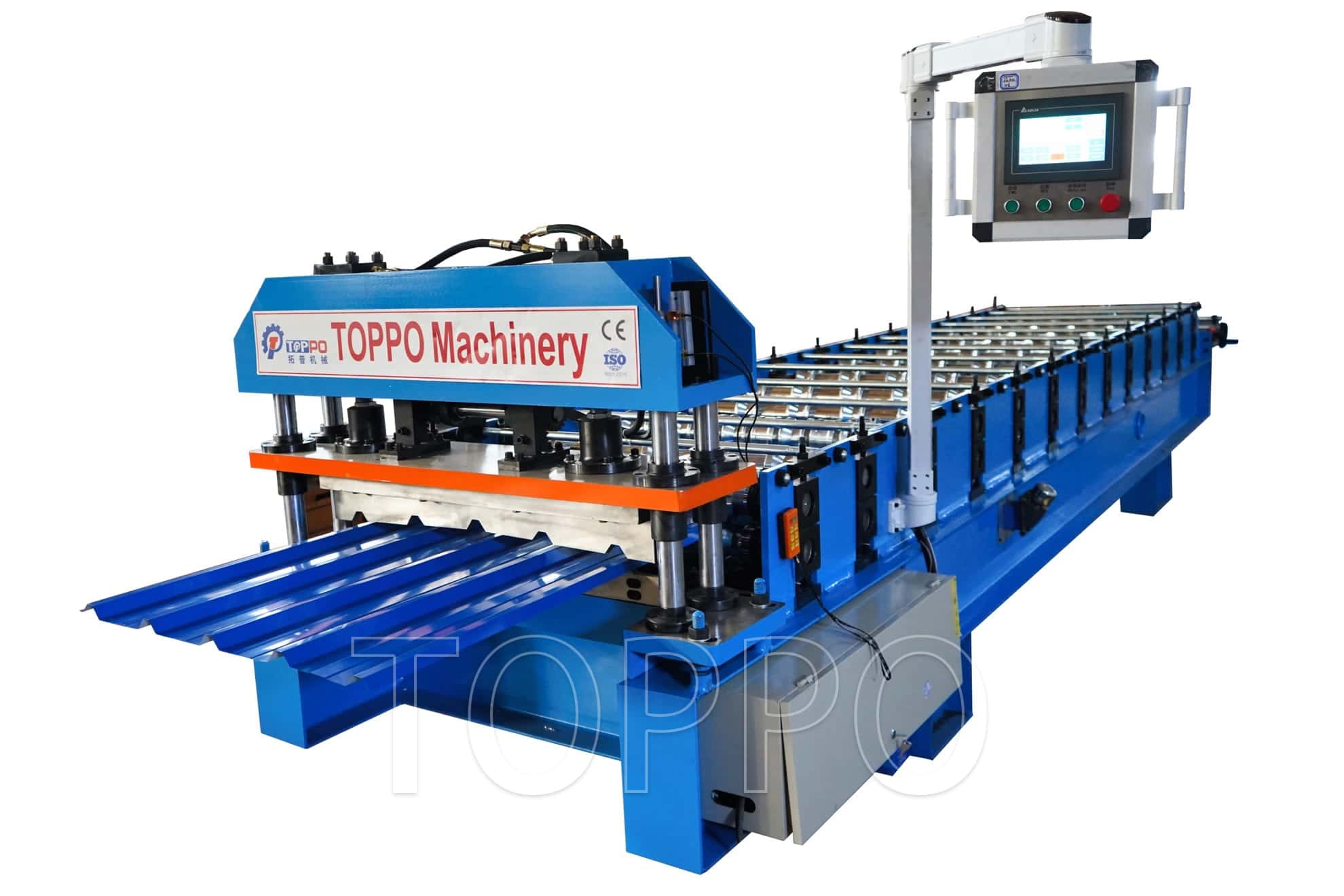
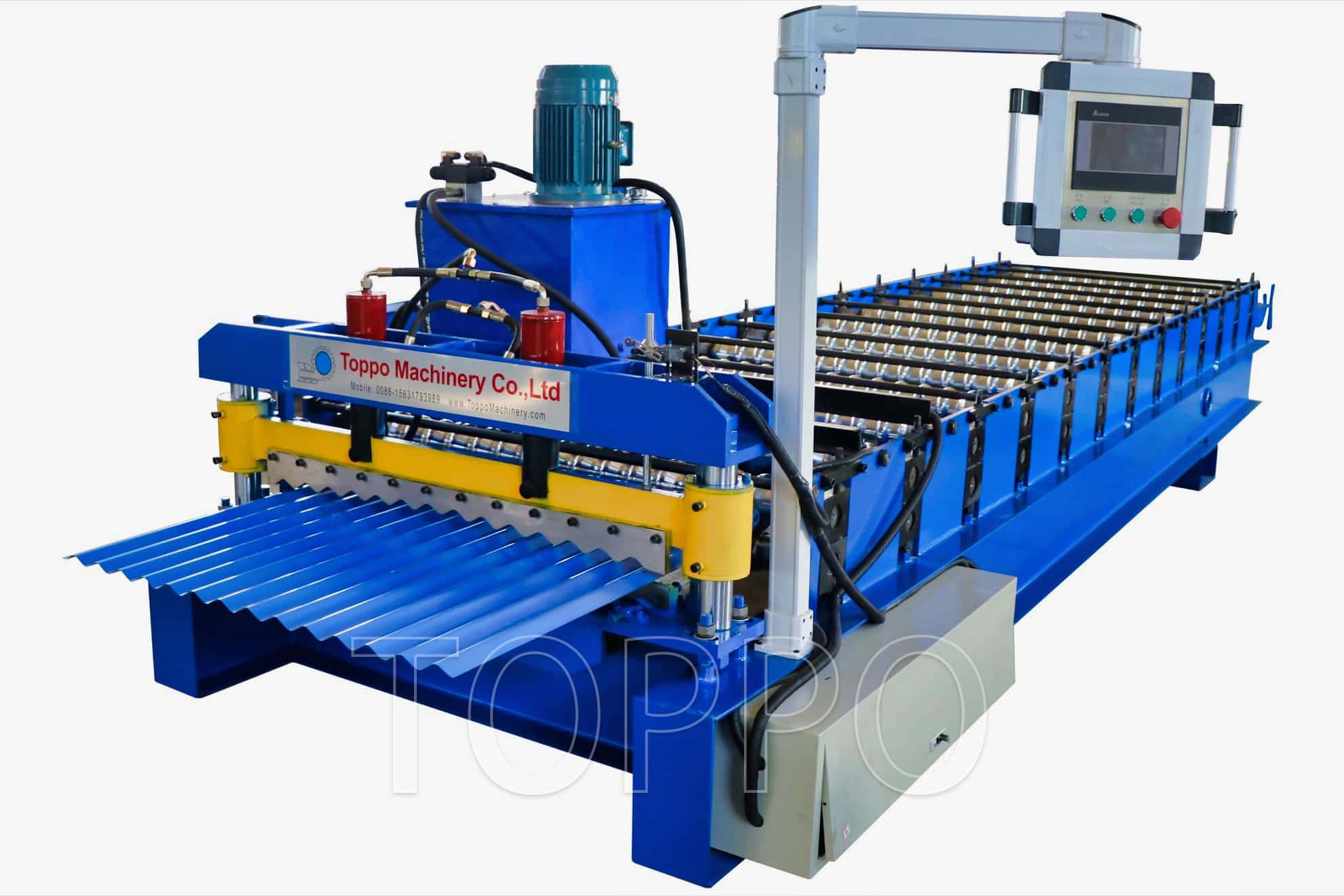
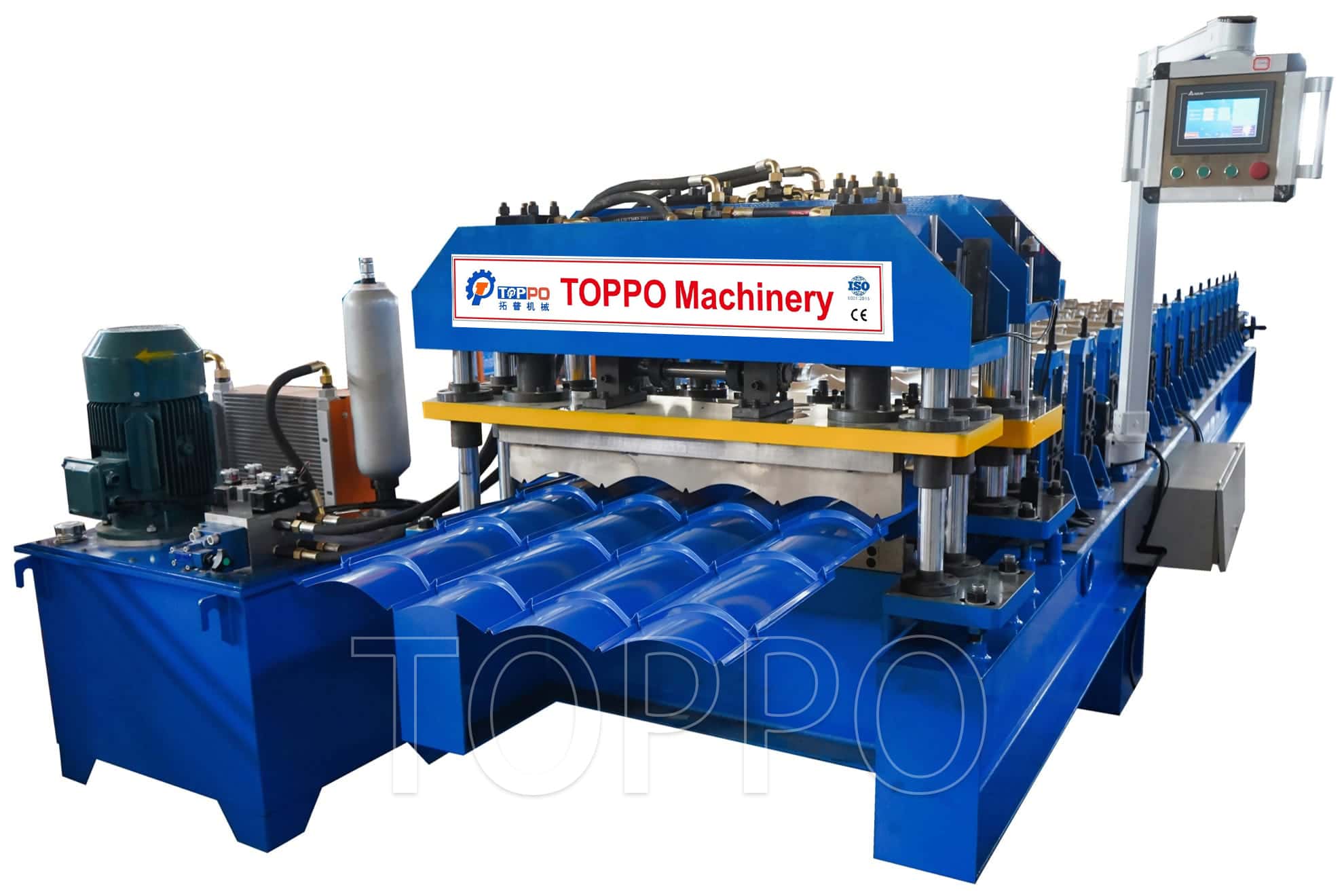
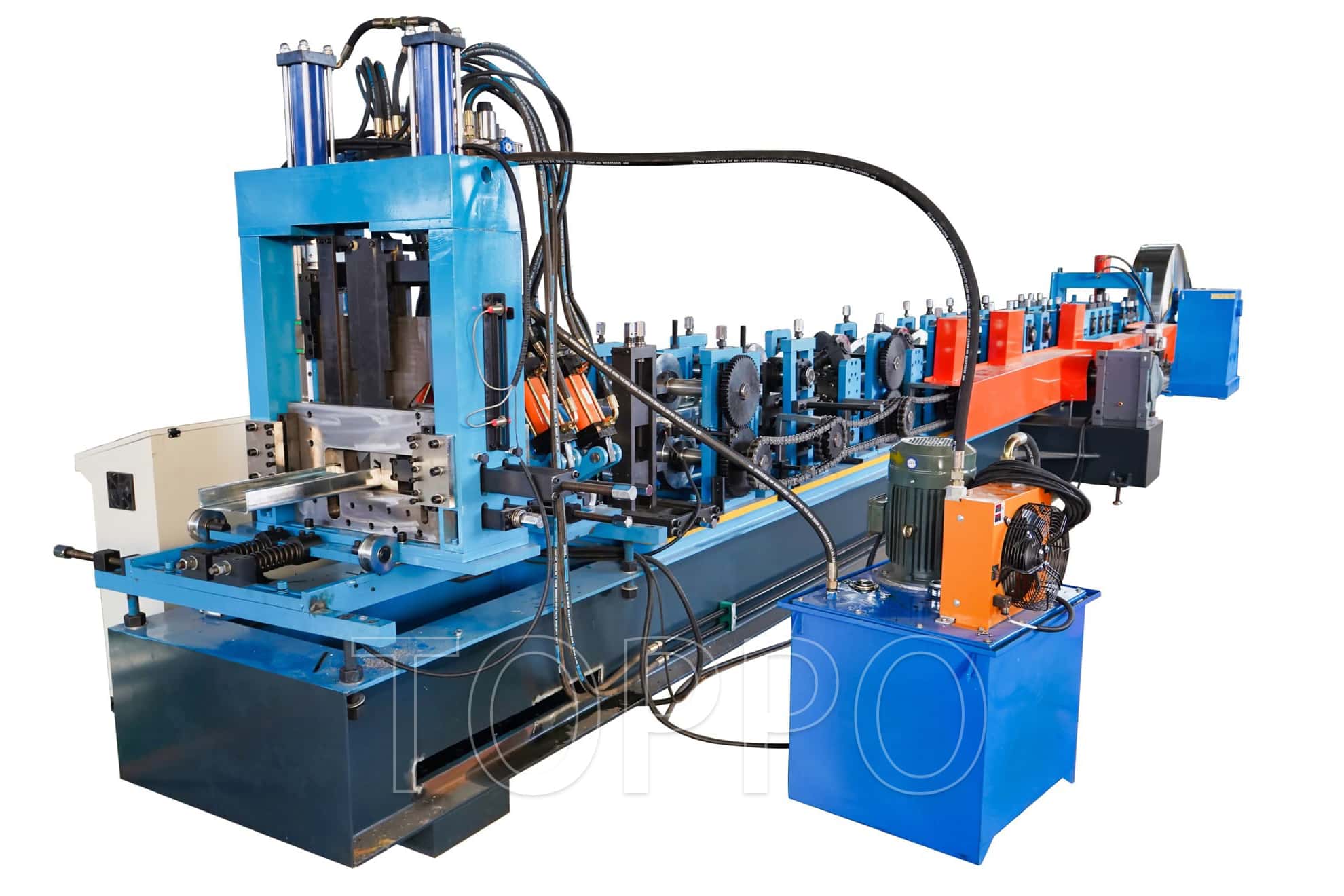
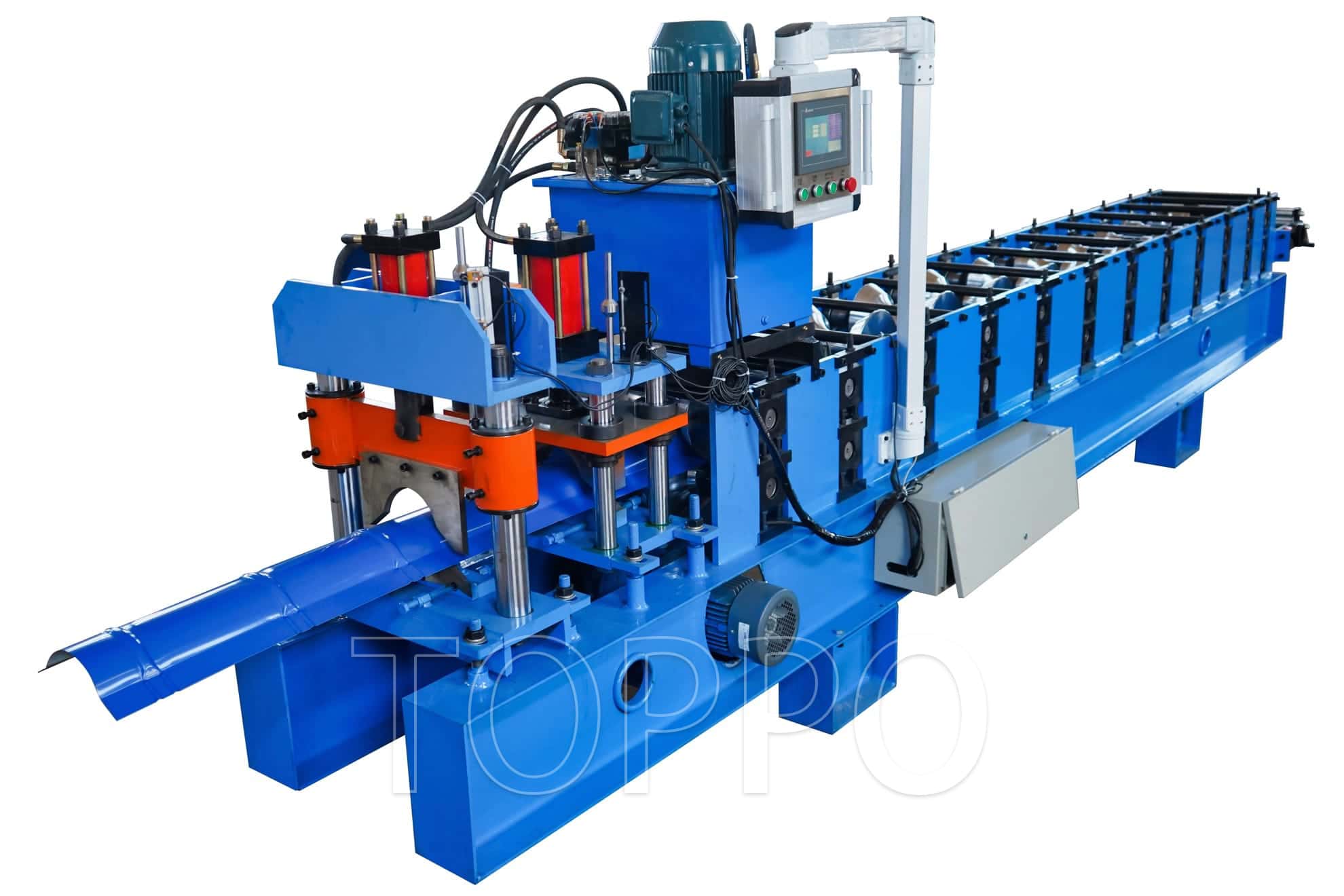
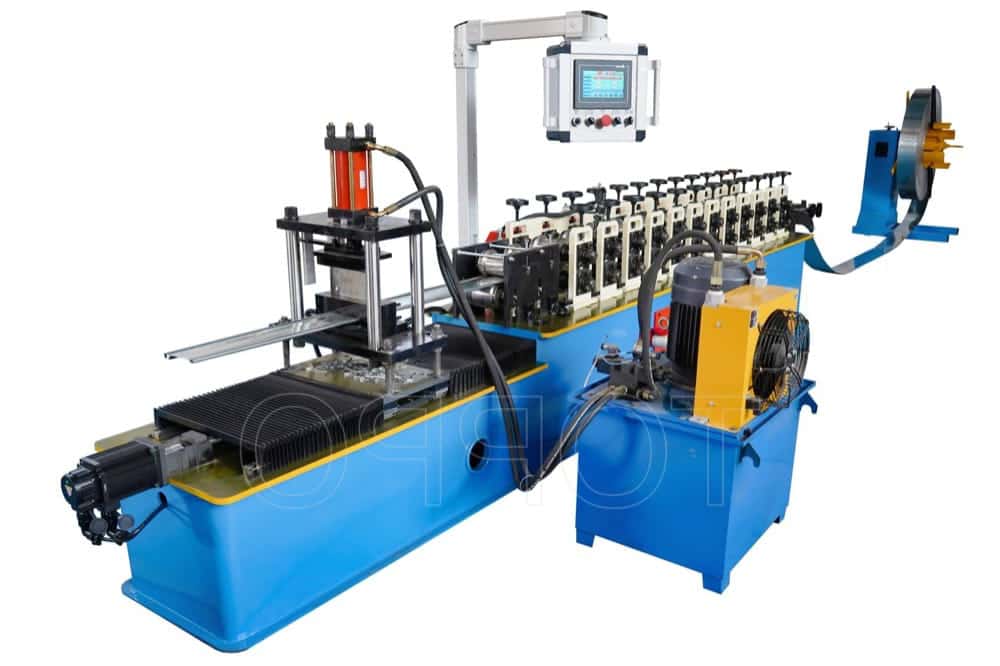
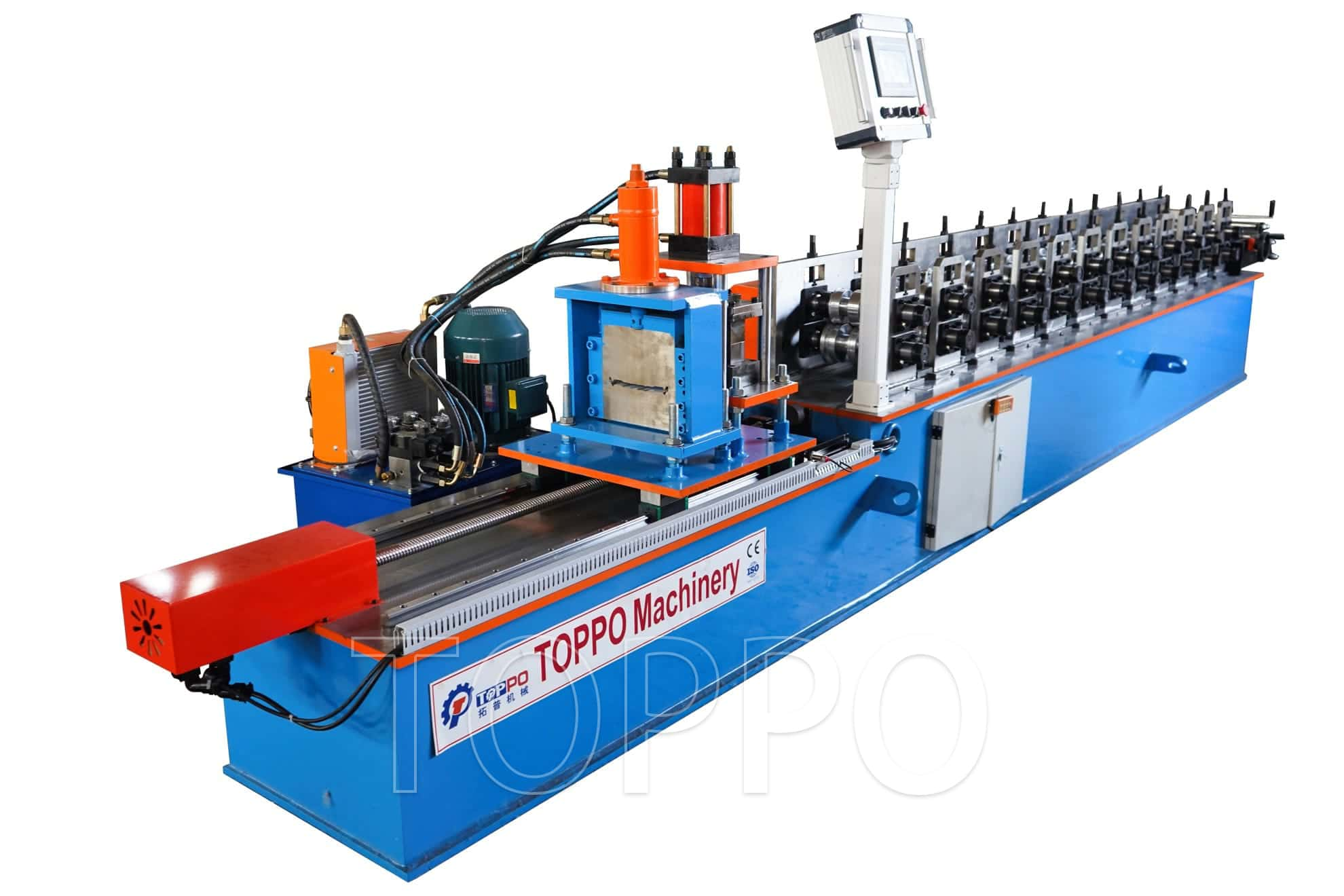
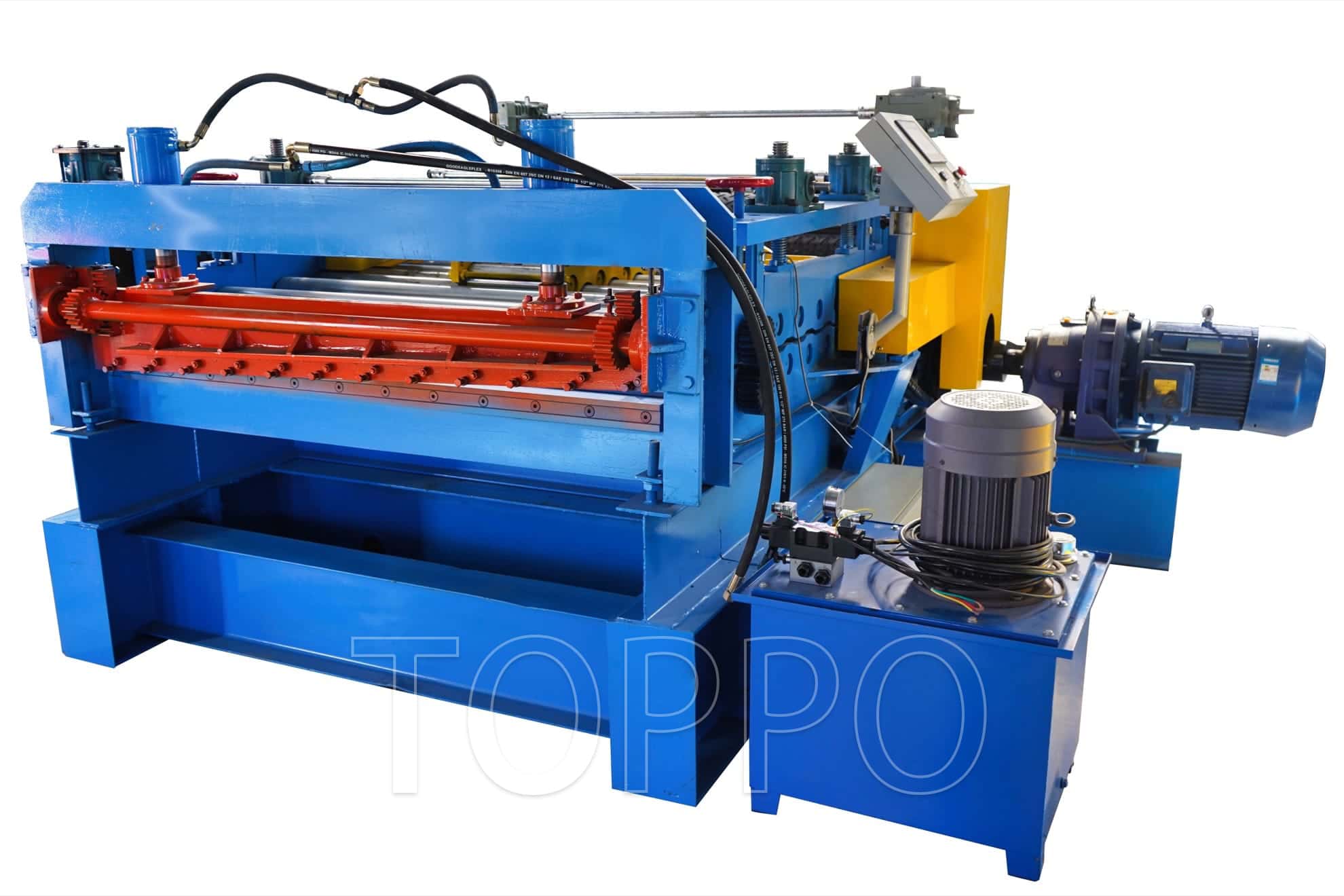
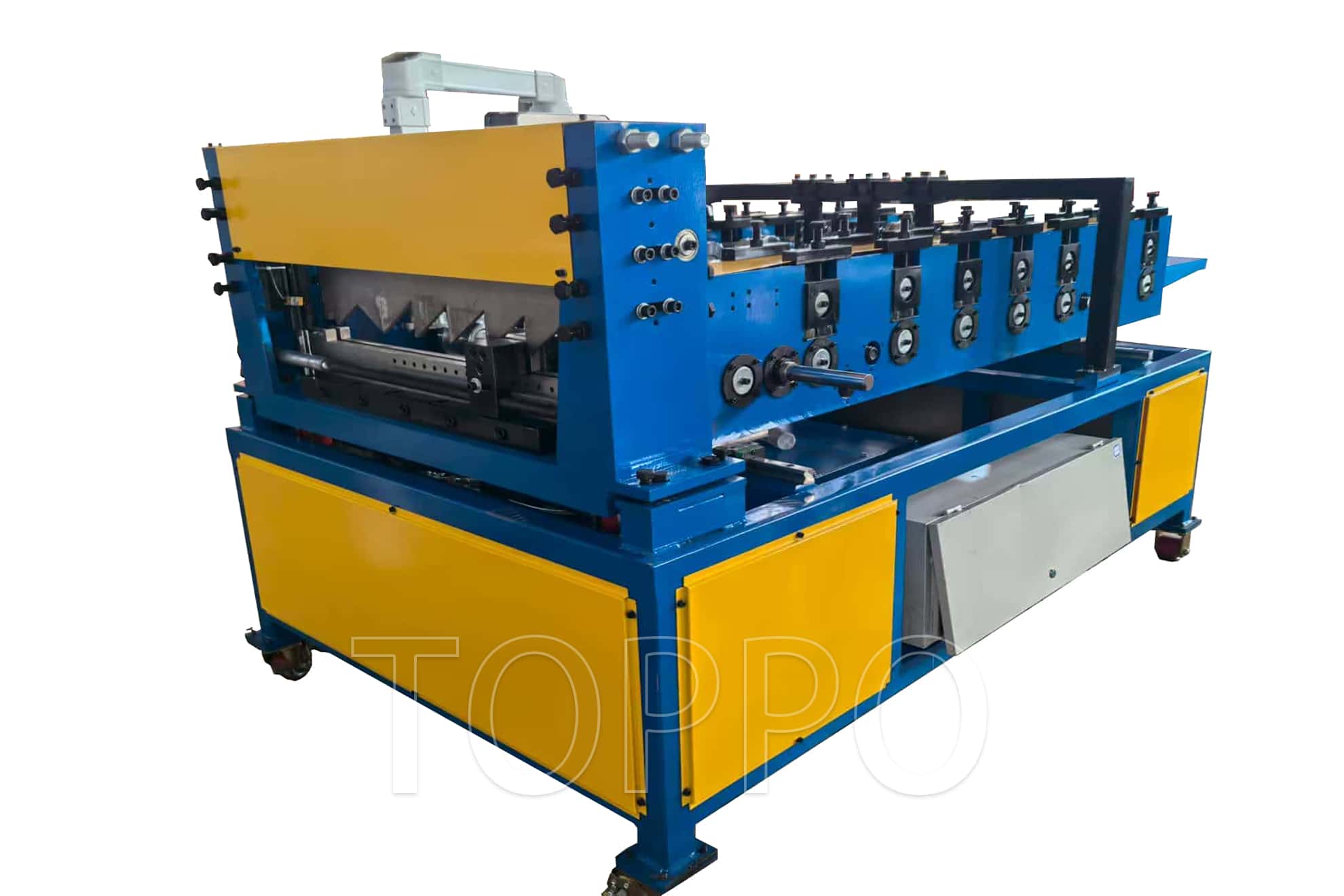
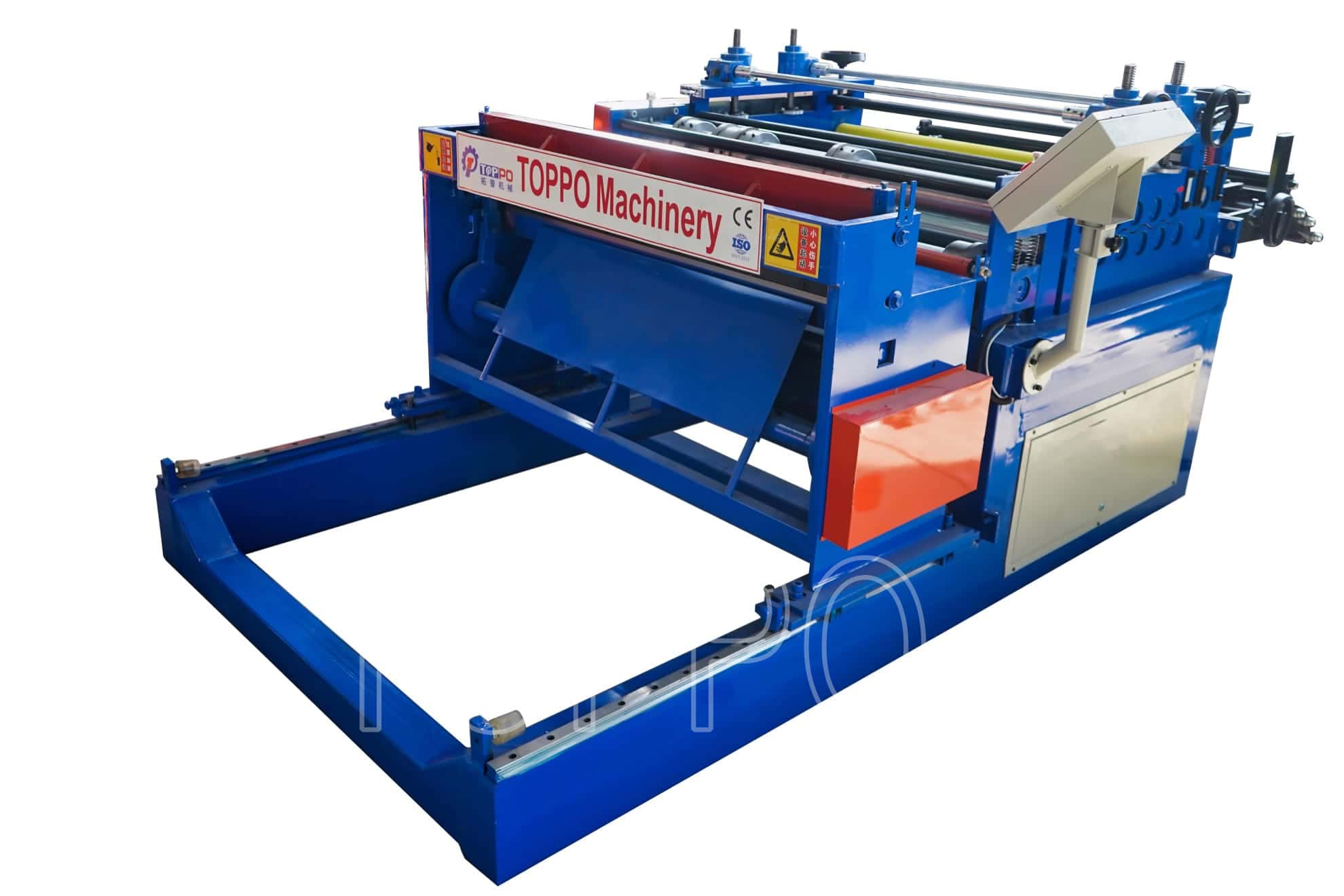
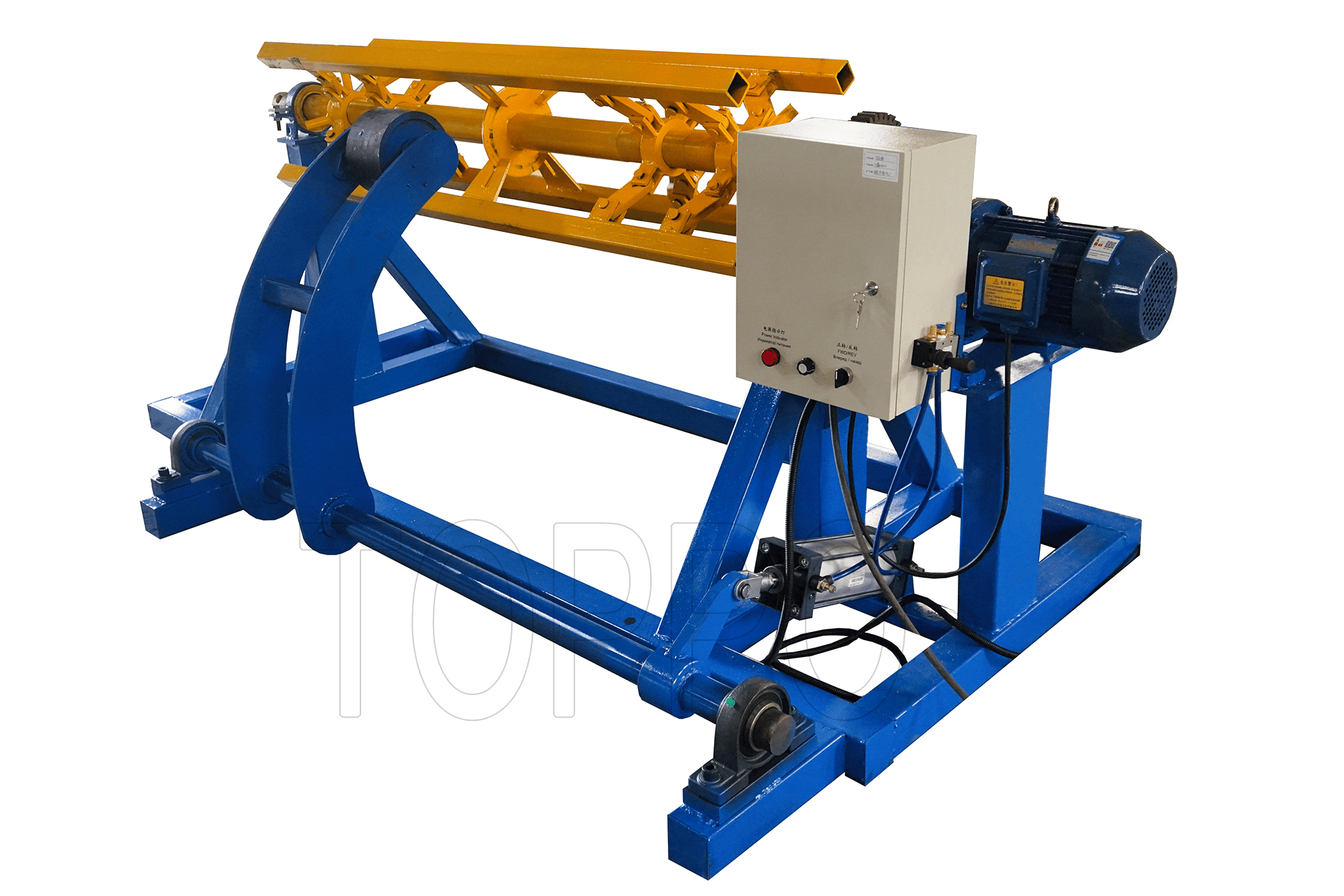
In most production environments, this equipment operates as the core of a complete roof panel making machine line, integrating decoiling, feeding, forming, cutting, and stacking processes. Proper coordination among these units is essential for stable output.
Concrete Implementation Steps
1. Installation and Alignment Control
Precise leveling of the machine base is critical for forming accuracy. Even small alignment errors can lead to uneven roller pressure, profile deformation, and accelerated component wear. Rushing installation to save time often results in long-term quality instability.
2. Control System Configuration
During initial setup of a double layer roll forming machine, forming speed, cutting length, and layer switching logic should be set conservatively. The inactive forming layer must be completely disengaged and mechanically locked to prevent vibration or surface damage. Dry testing without material is strongly recommended.
3. Trial Production and Process Stabilization
Trial runs should be carried out using actual production materials at gradually increasing speeds. Operators must closely monitor profile geometry, surface finish, and cutting accuracy. Adjustments made at this stage directly affect long-term mass production stability.
Key Operational Precautions
Maintain consistent coil feeding alignment.
Inspect rollers, bearings, and fasteners regularly.
Monitor hydraulic pressure and cutting blade wear.
These precautions help ensure reliable long-term operation of a double layer roll forming machine.
Common Mistakes and Preventive Actions
One common mistake is changing material thickness without recalibrating roller gaps. Another is allowing untrained operators to perform profile switching. Both errors often lead to surface defects, dimensional deviation, and increased scrap rates.
Real Factory Application Case
A South American roofing manufacturer replaced two conventional machines with one double-layer system. By integrating it into their existing roof panel making machine workflow, they improved order flexibility while reducing maintenance costs. Early-stage issues such as cutting length inconsistency were resolved through encoder recalibration and standardized operating procedures.
Maintenance and Continuous Improvement
Preventive maintenance is essential for stable output. Daily cleaning, weekly inspections, and scheduled calibration help extend equipment lifespan and maintain consistent product quality. Factories that follow structured maintenance routines experience fewer breakdowns and more predictable production results.
Conclusion
Stable and efficient production using a double layer roofing sheet roll forming machine depends on disciplined execution, careful operational control, and continuous operator training. Manufacturers who apply on-site implementation best practices can achieve higher productivity, reliable quality, and sustainable long-term performance.
Tags: Roofing roll forming production, metal panel manufacturing, industrial execution management
READ MORE: