Understanding the Working Process and Practical Operation of a Double Layer Roofing Roll Forming System
Author: Amelia
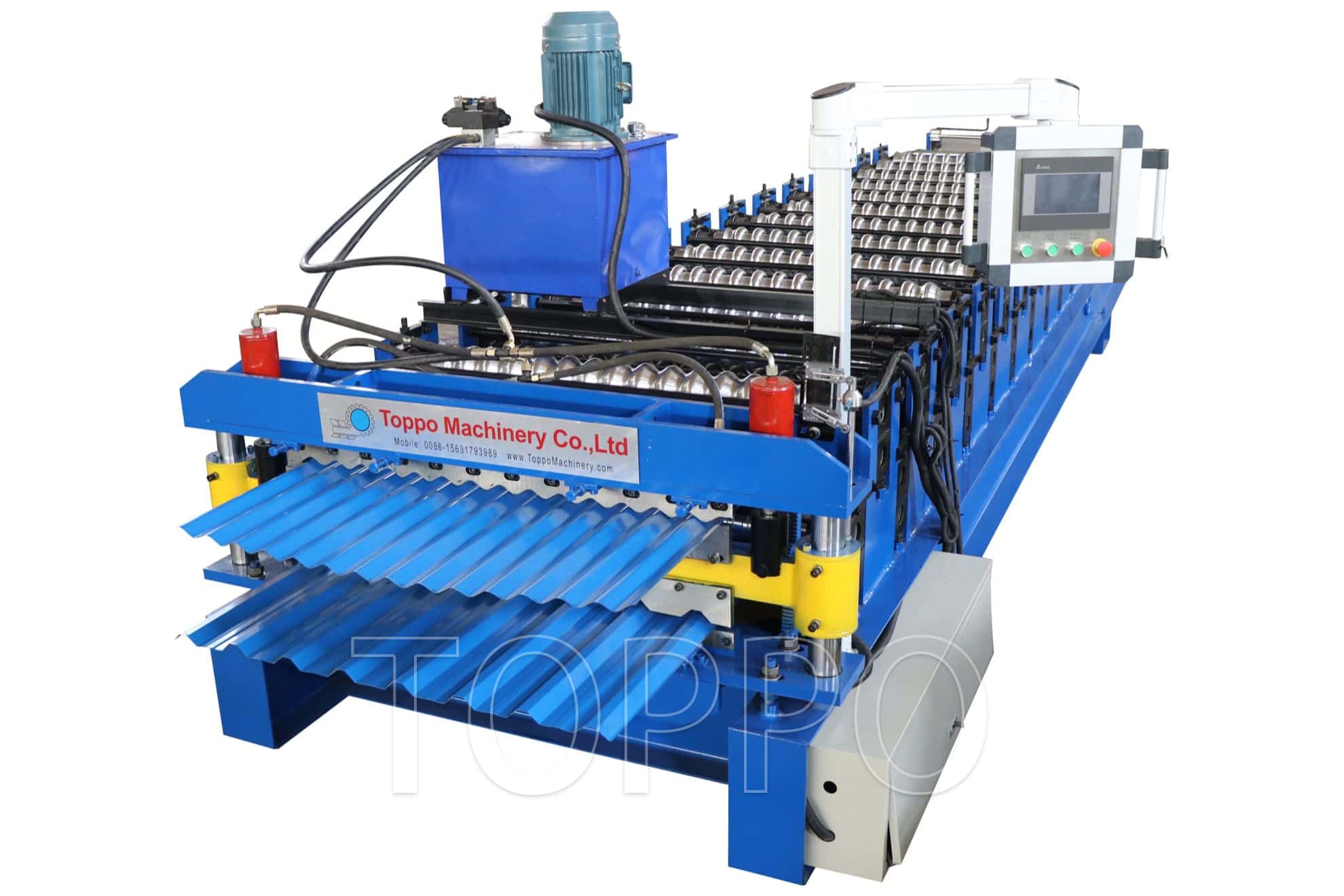
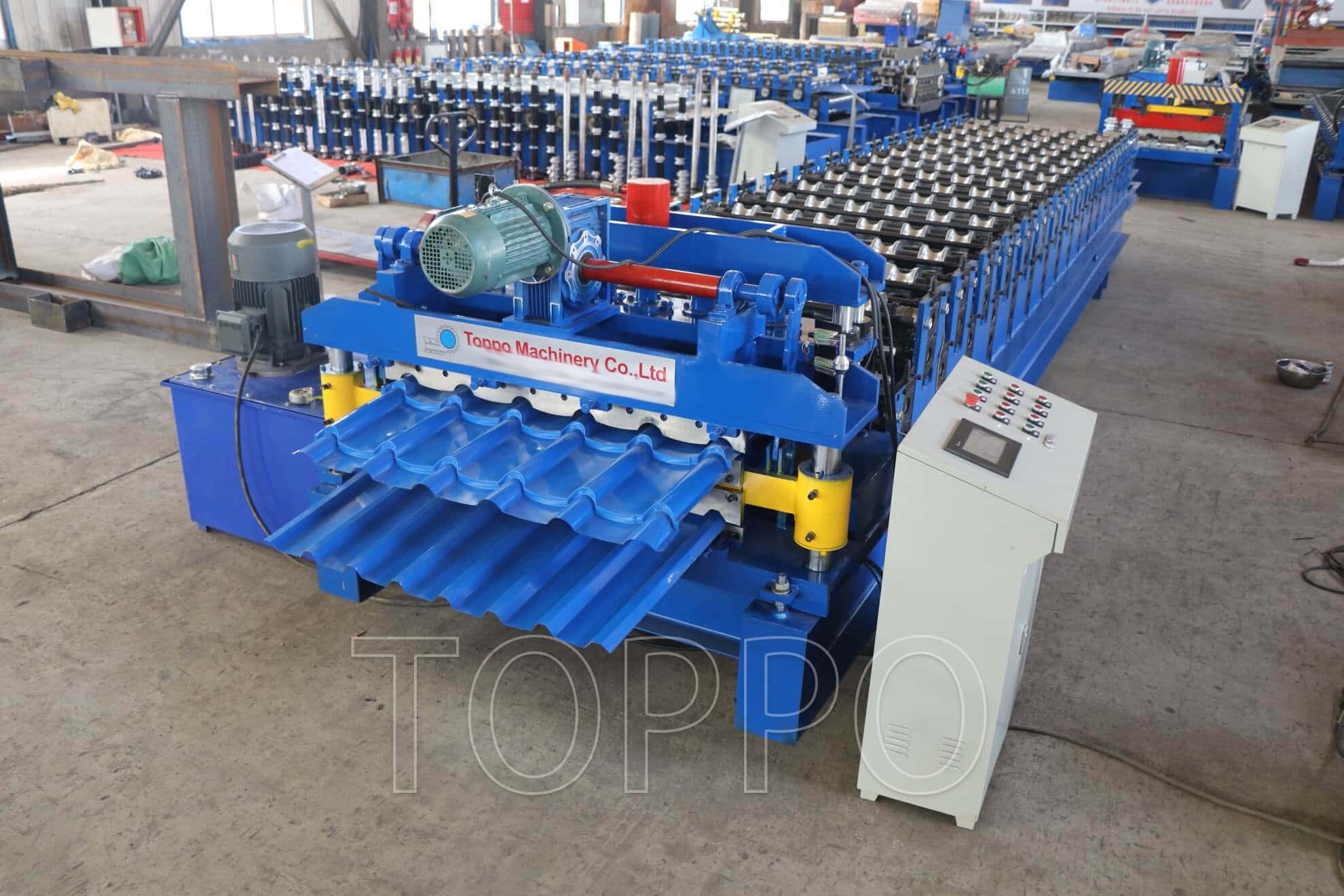
With increasing demand for diversified roofing profiles in modern construction, manufacturers are seeking flexible and cost-efficient production solutions. The double layer roofing sheet roll forming machine has become one of the most practical innovations in the metal forming industry. By integrating two different roofing panel profiles into one equipment frame, this system allows manufacturers to switch between products without purchasing two independent production lines.
A double layer roofing sheet roll forming machine is especially suitable for factories with limited floor space but high output requirements. It combines structural stability, intelligent PLC control, and hydraulic cutting precision into one compact unit. Compared with traditional single-layer equipment, it significantly reduces capital investment while maintaining productivity.
How the Machine Works
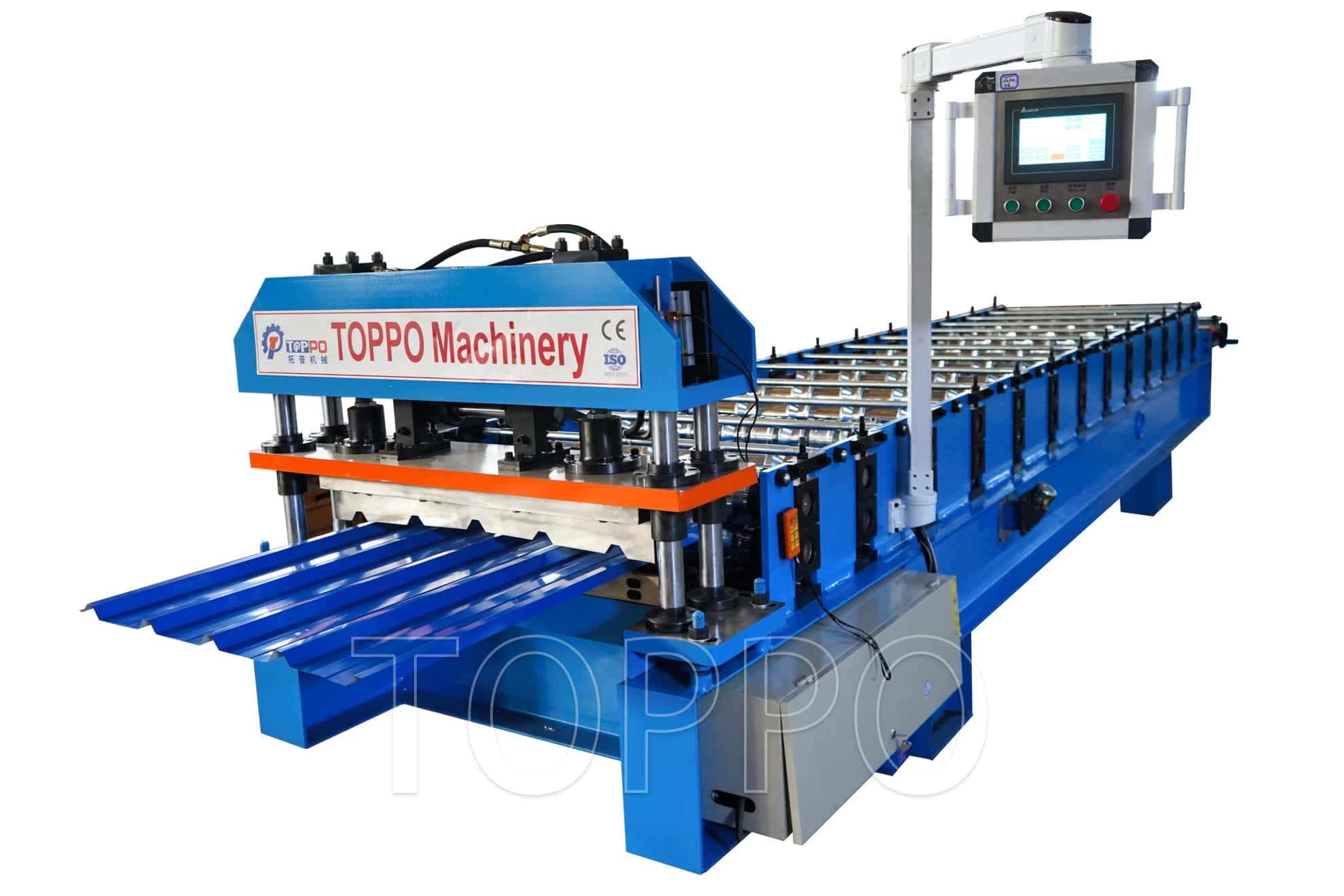
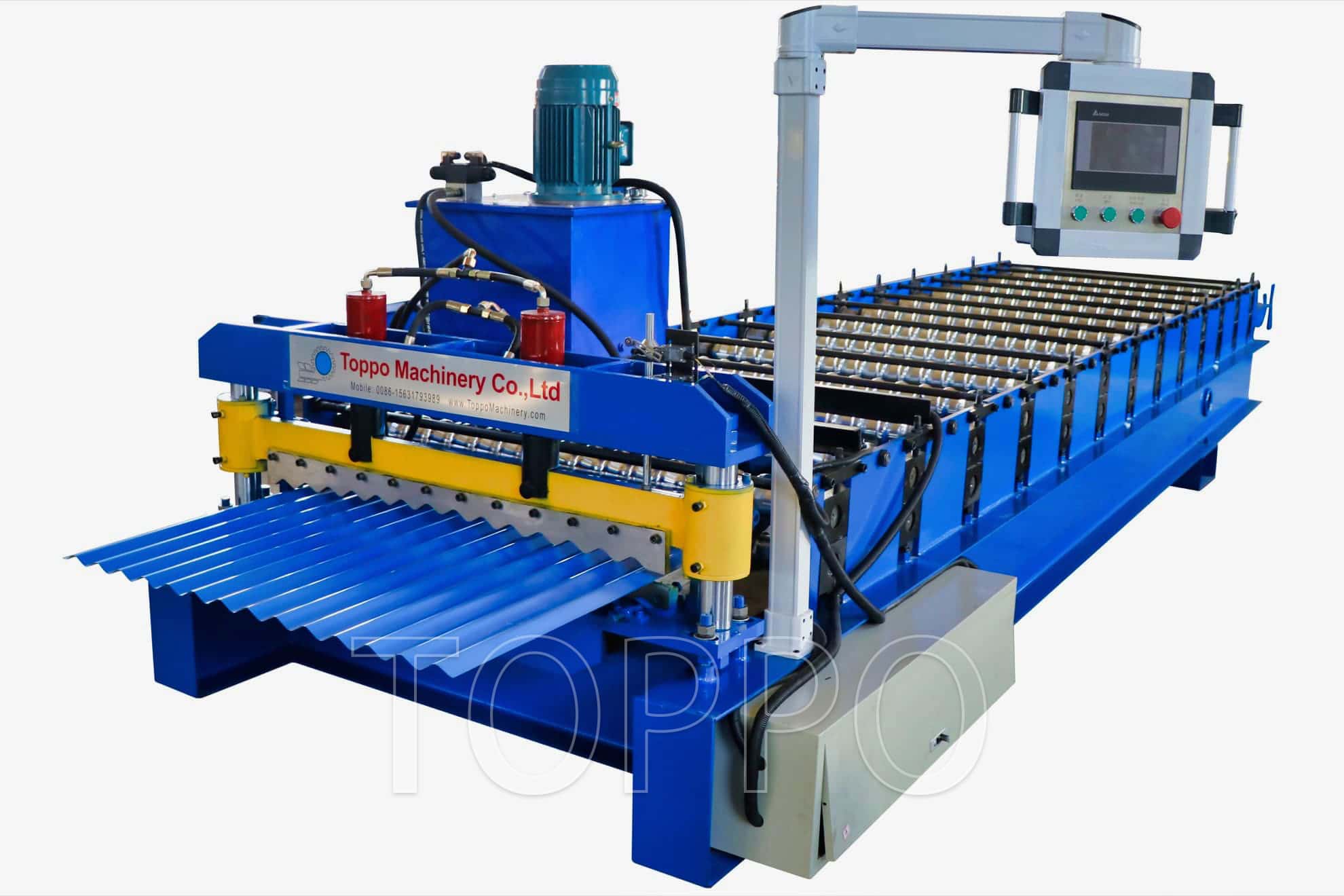
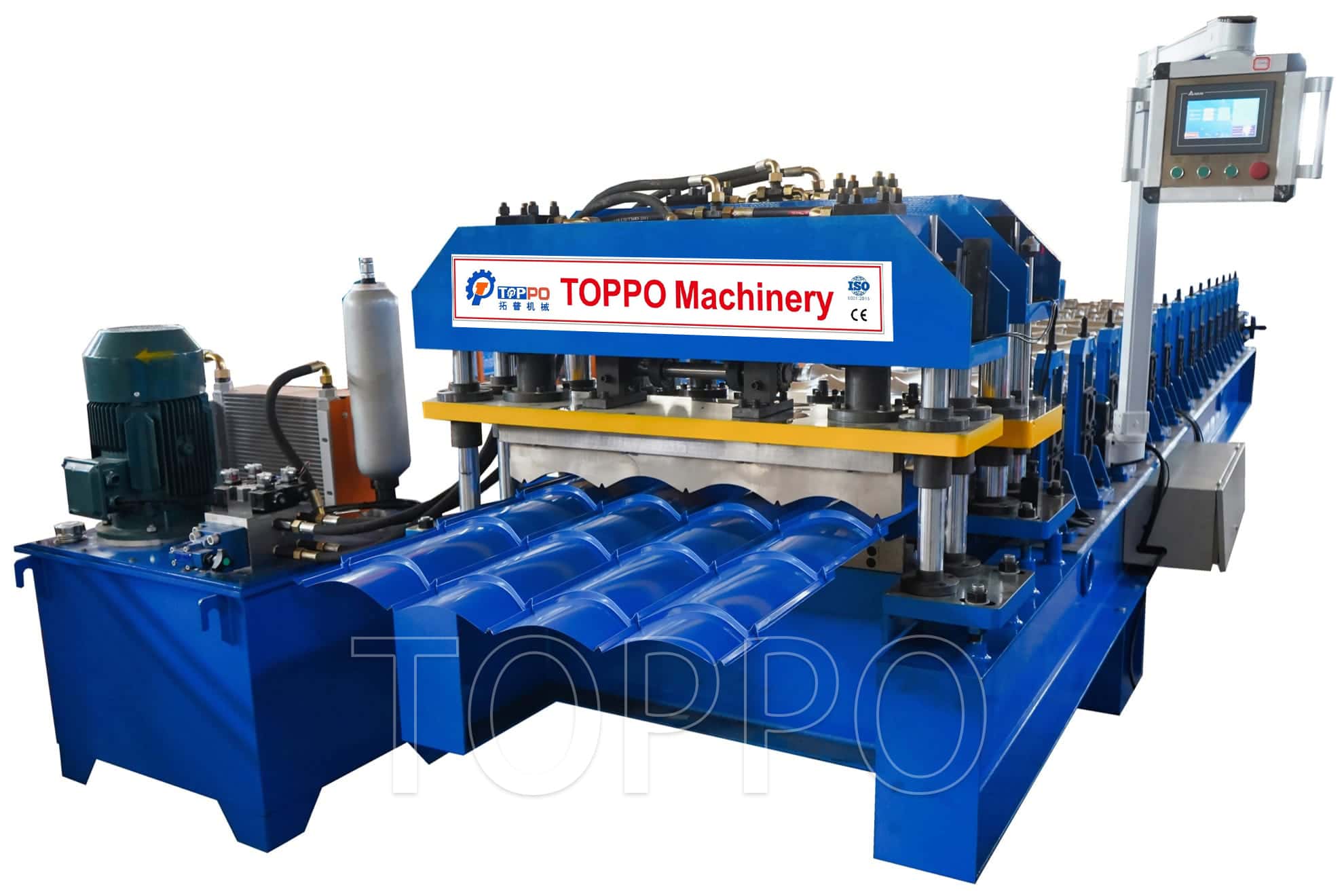
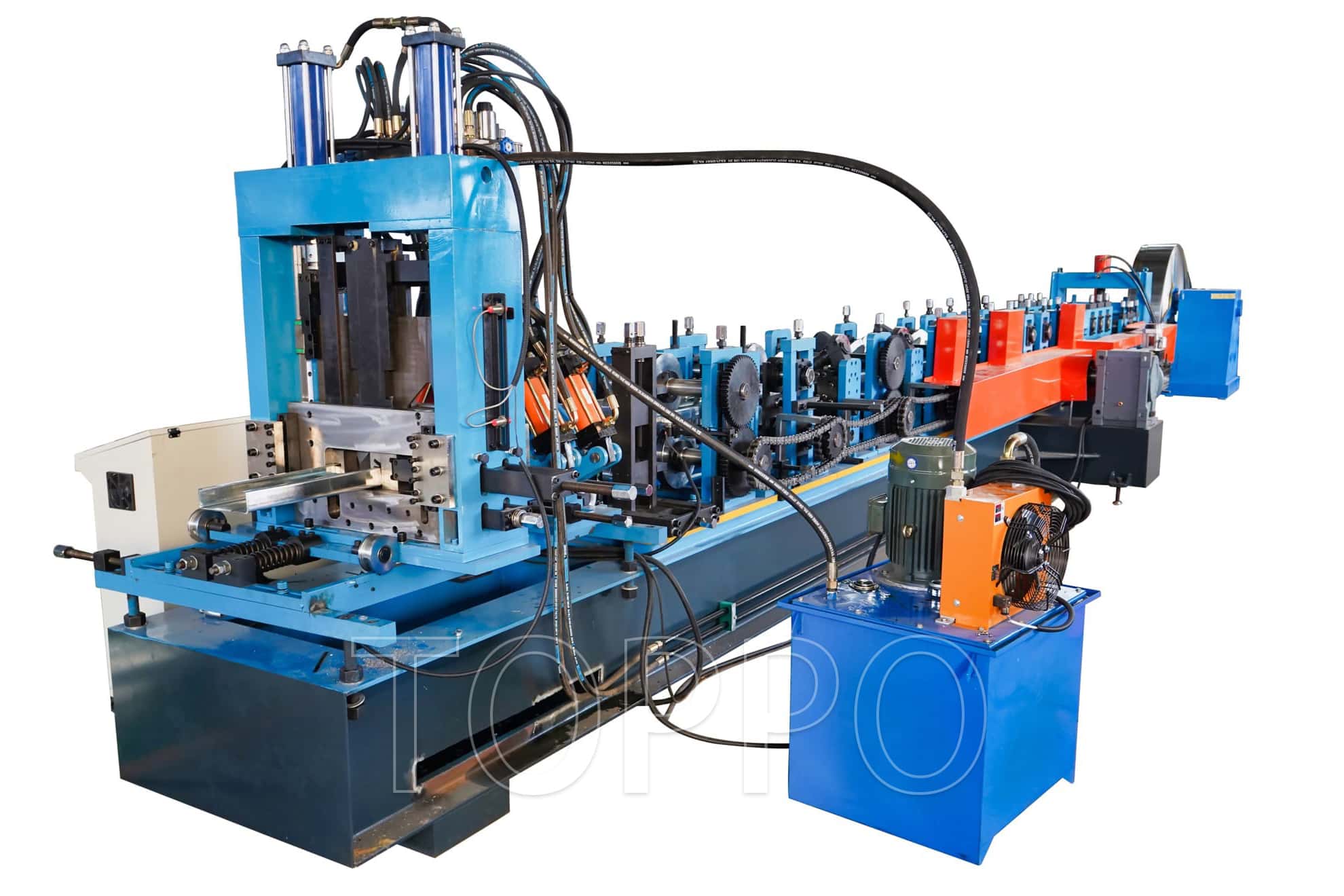
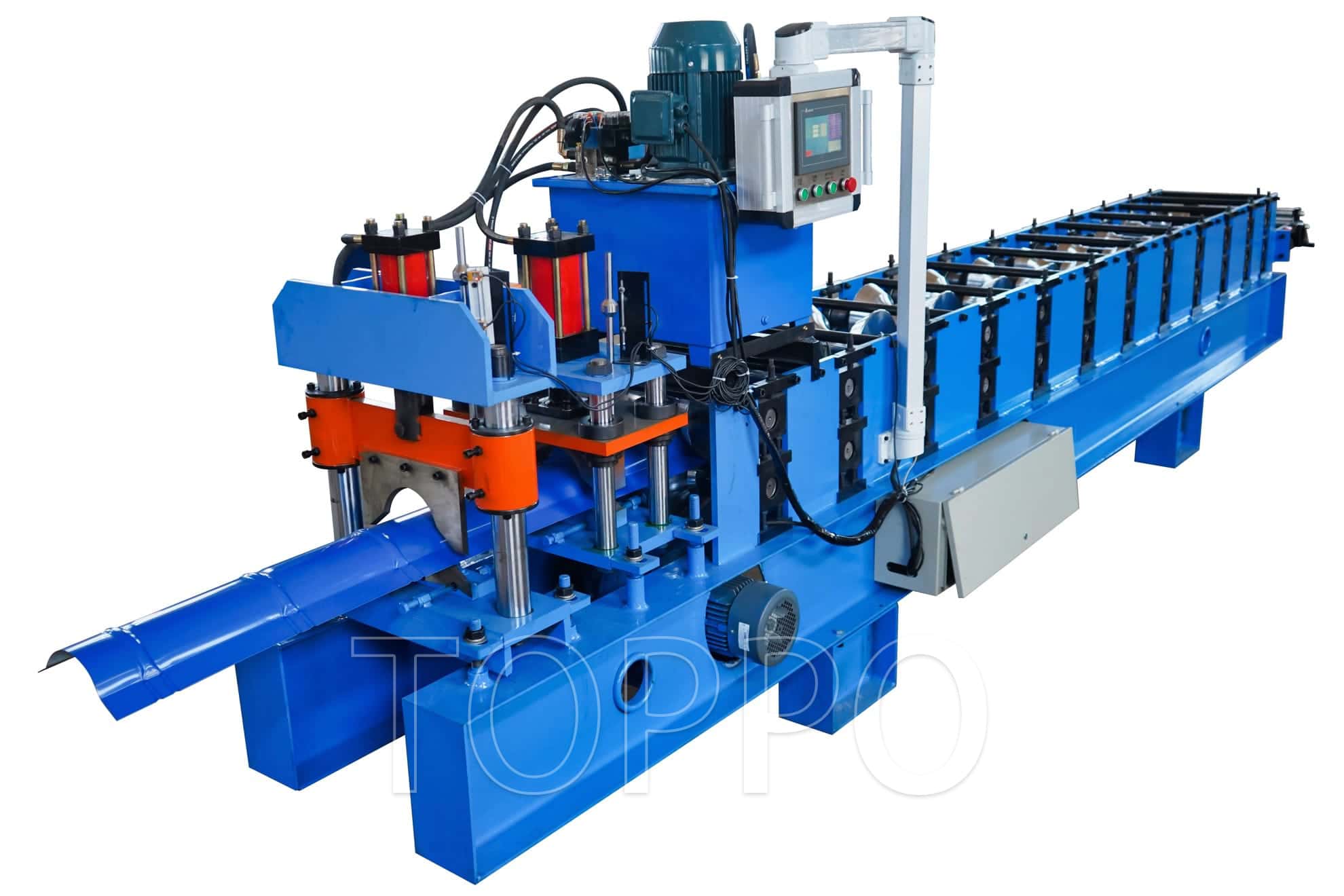
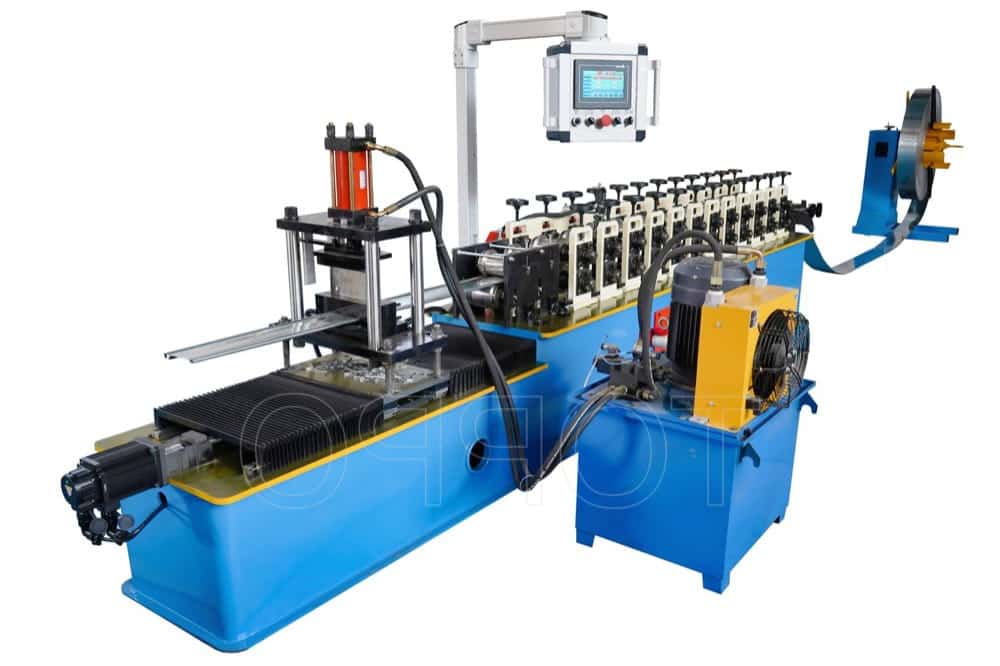
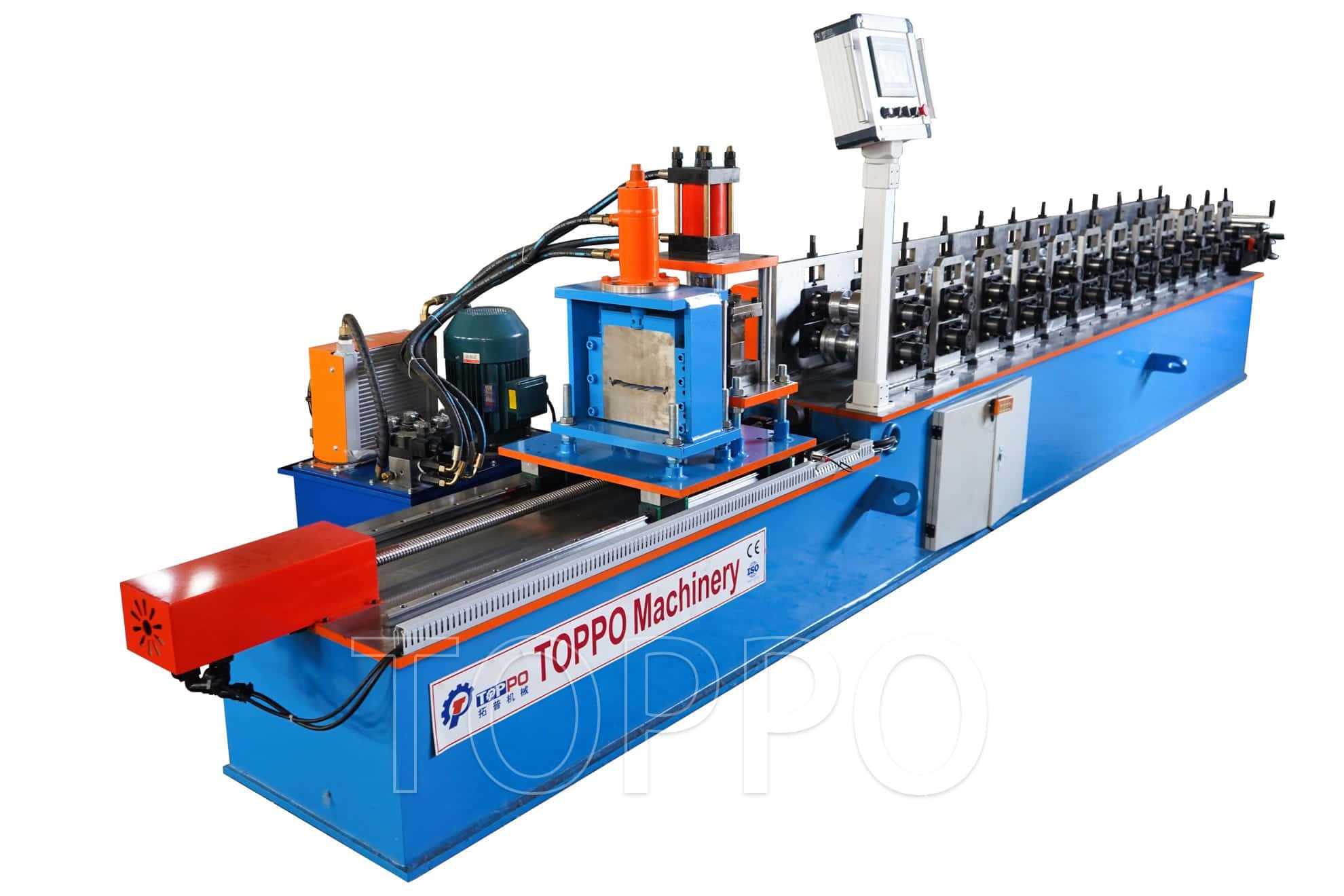
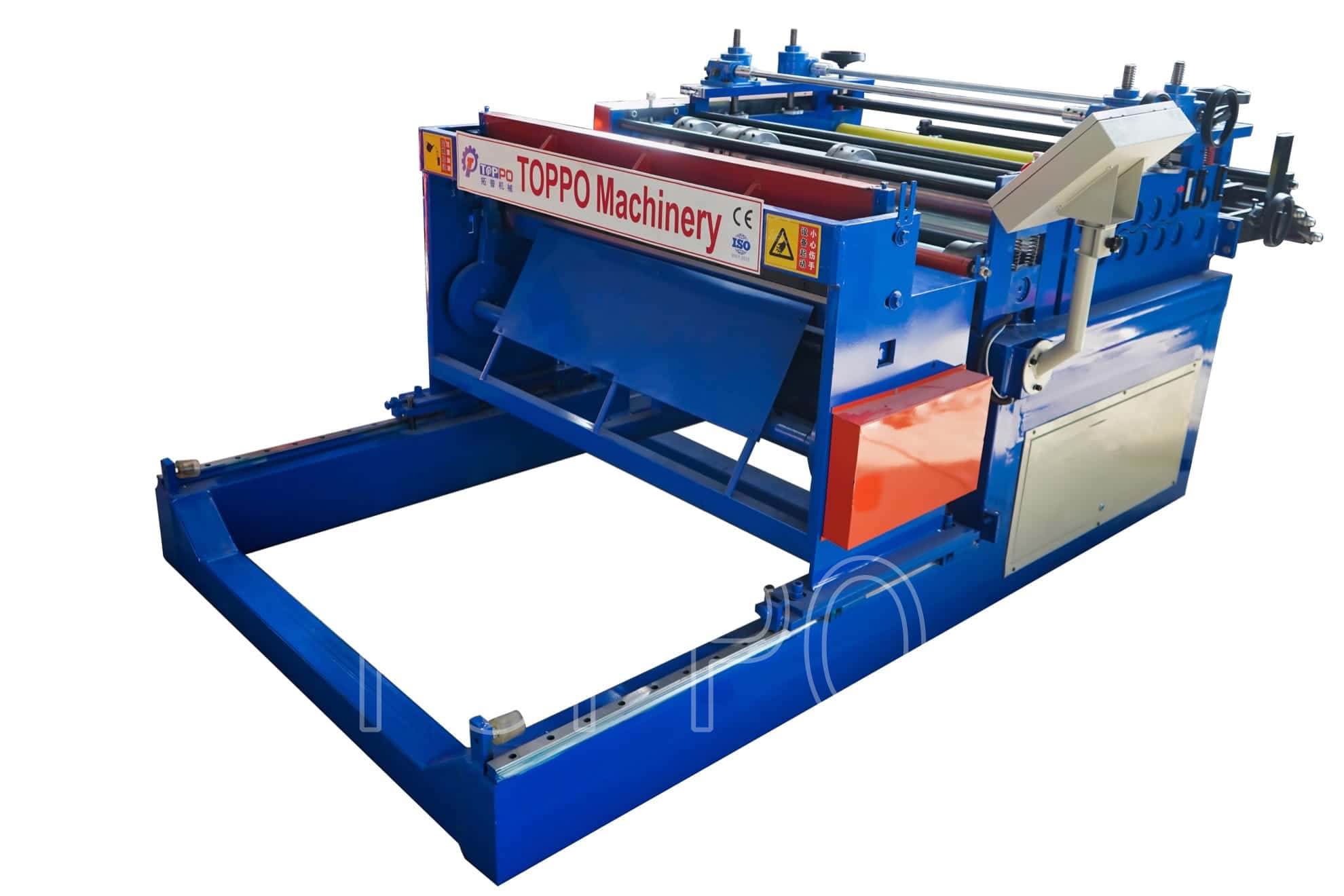
The working principle is based on continuous cold roll forming. Raw material such as galvanized steel coil or pre-painted steel coil is loaded onto a decoiler and fed into the forming system. Through a series of precisely aligned rollers, the flat sheet is gradually shaped into the required profile.
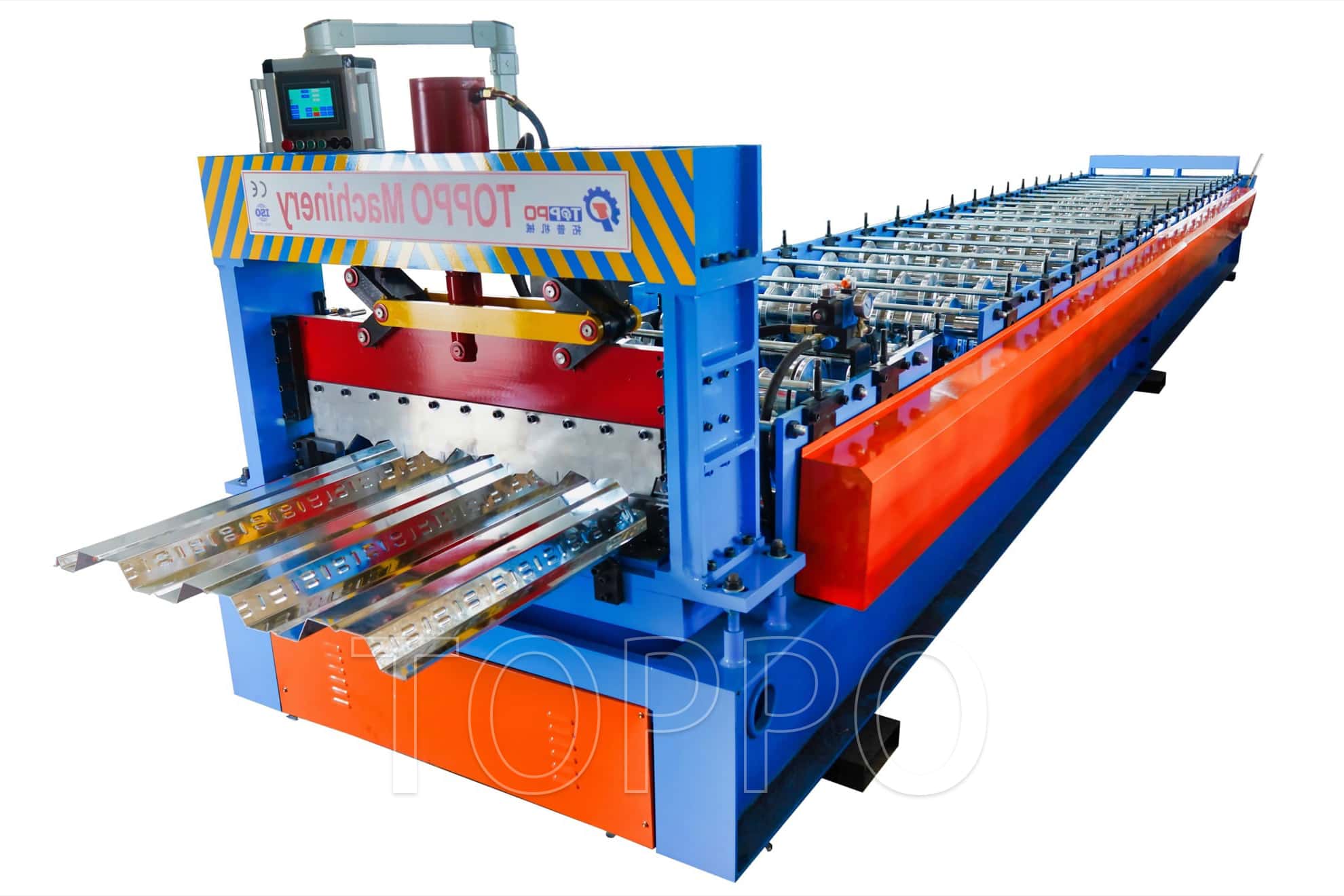
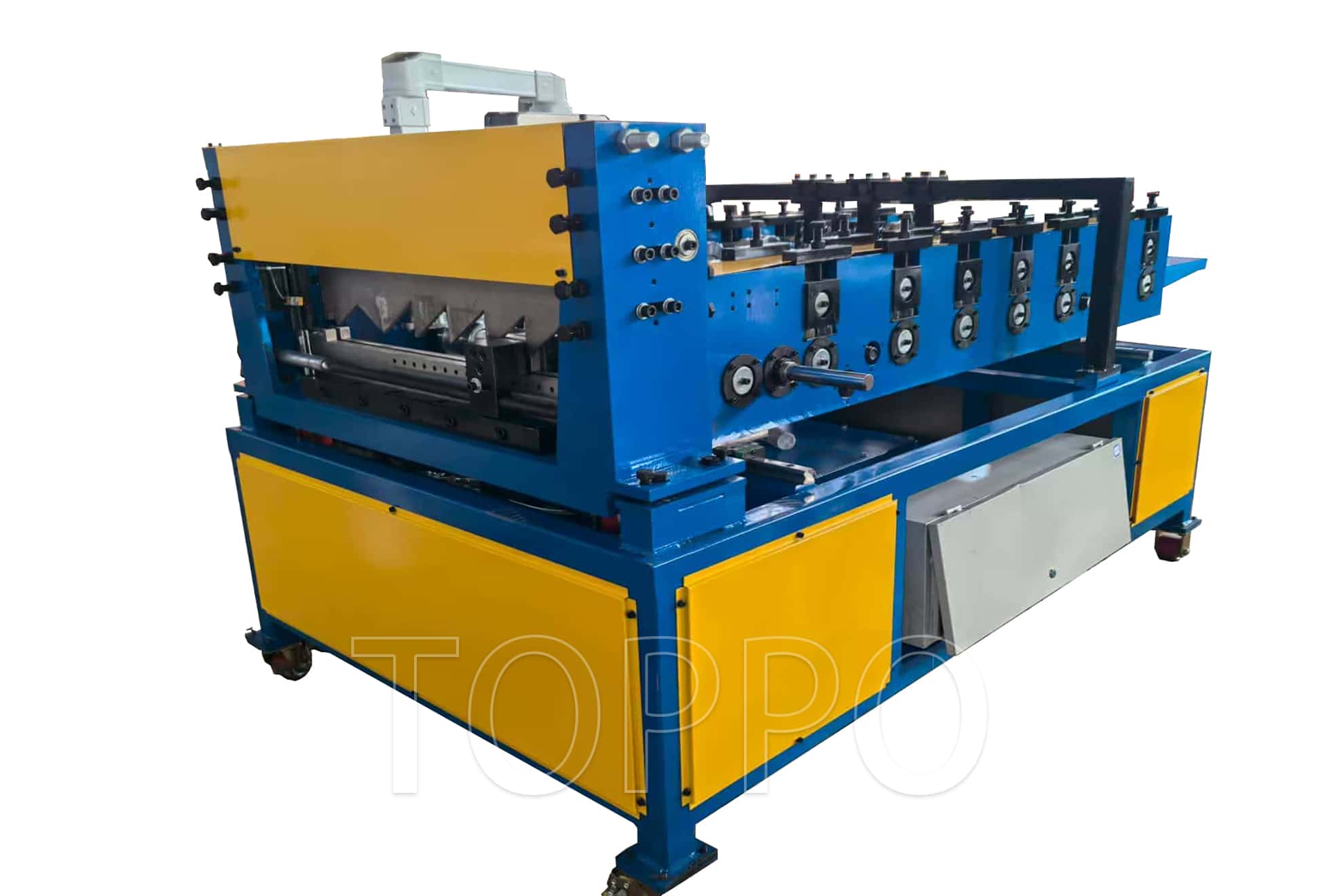
The core advantage of the double layer roll forming machine lies in its dual-layer structure. The upper and lower forming stations are installed within the same frame. Only one layer operates at a time, preventing mechanical interference. Operators select the required profile via the PLC control panel, and the system activates the corresponding roller set.
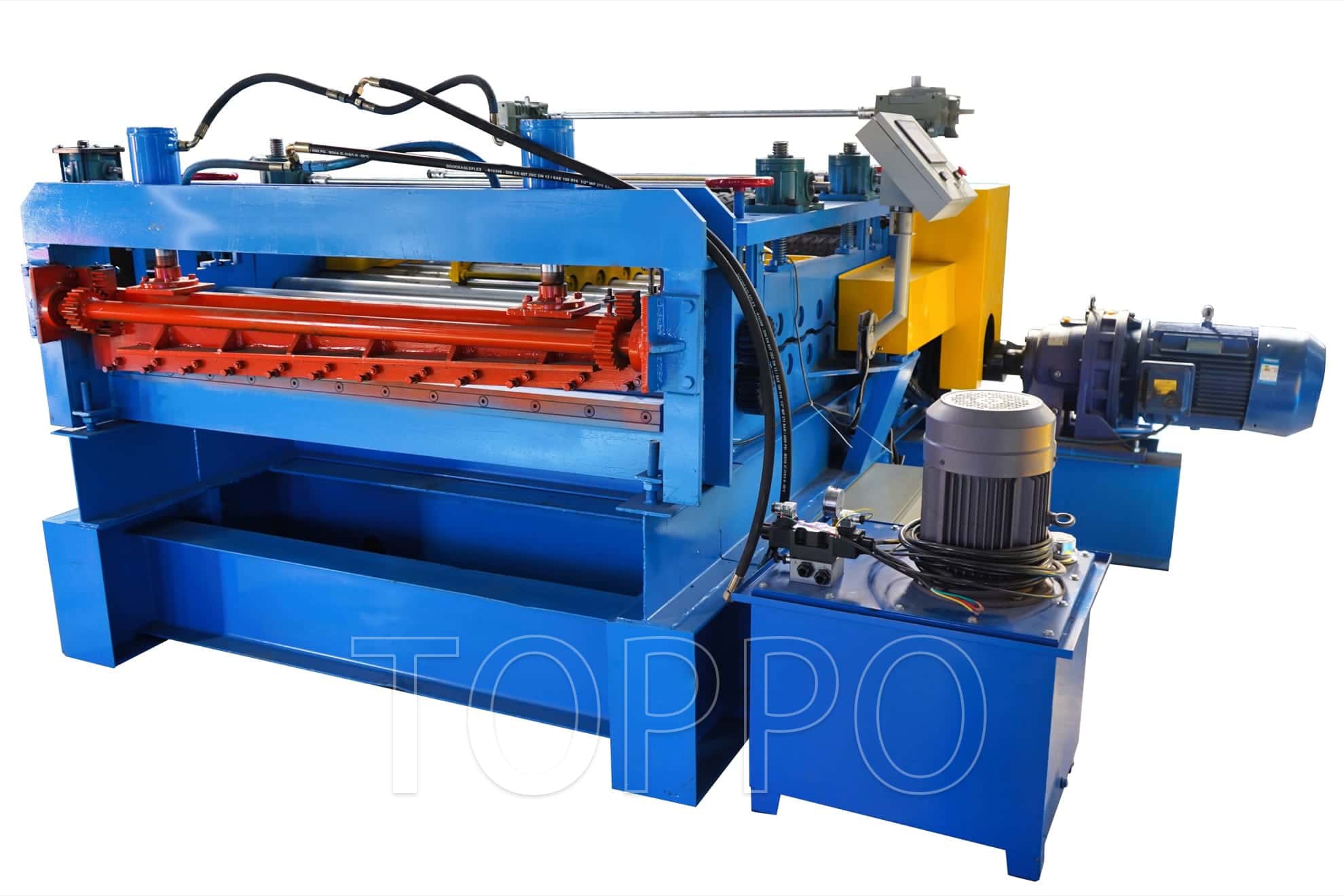
Integrated with advanced roof panel making machine technology, the equipment ensures consistent thickness control, accurate length cutting, and uniform wave geometry. After forming, a hydraulic cutting device trims the sheet according to preset dimensions before the finished panel moves to the receiving table.
Step-by-Step Implementation Guide
1. Site Preparation and Installation
Before installation, verify that the workshop floor is level and reinforced. Improper foundation alignment is one of the most common mistakes and can lead to vibration during operation. Anchor bolts must be tightened evenly, and the machine frame should be calibrated using precision leveling instruments.
2. Electrical System Configuration
Check the voltage compatibility and ensure stable power supply. Loose wiring or incorrect phase connection may damage the motor. Always test the emergency stop function before trial production.
3. Hydraulic System Inspection
Inspect hydraulic oil levels and confirm there is no leakage in pipelines. Many operational failures originate from insufficient hydraulic pressure, resulting in inaccurate cutting lengths.
4. Roller Calibration
When adjusting the rollers of the double layer roll forming machine, use feeler gauges to ensure consistent spacing. Even minor deviation can cause edge cracking or uneven wave height. Perform a slow-speed trial run to verify alignment before full production.
5. Trial Production and Parameter Optimization
Feed a short coil through the system at low speed. Measure panel width, effective coverage, and cutting accuracy. Fine-tune PLC parameters if necessary. This stage determines final product quality and should never be rushed.
Common Mistakes and How to Avoid Them
One critical error is attempting to switch profiles without completely stopping the machine. This may damage the transmission system. Another frequent issue is neglecting lubrication maintenance, which accelerates bearing wear and shortens machine lifespan.
Improper feeding angle is also a major concern. If the coil does not enter the forming rollers straight, surface scratches and dimensional deviation may occur. Operators must ensure proper alignment before startup.
Real Production Case
A roofing materials manufacturer in the Middle East upgraded from two single-layer systems to one double layer roofing sheet roll forming machine. Previously, they required four operators to manage separate machines. After consolidation, only two operators were needed.
Within six months, production efficiency increased by 35%, and electricity consumption dropped significantly. By optimizing the roof panel making machine calibration process and scheduling preventive maintenance, the company reduced material waste by nearly 10%.
Operational Precautions for Long-Term Stability
Never operate both forming layers simultaneously.
Regularly inspect chain tension and gearbox lubrication.
Keep control cabinets clean and moisture-free.
Train operators thoroughly on switching procedures.
The double layer roofing sheet roll forming machine represents a smart investment for manufacturers seeking flexible production capacity. When properly installed, calibrated, and maintained, a double layer roll forming machine can deliver stable performance for many years while supporting diverse market demands.
Related SEO Terms:
double layer roofing sheet roll forming machine, double layer roll forming machine, roof panel making machine, metal roofing production line, corrugated sheet forming equipment, trapezoidal panel roll former, industrial metal forming system, automatic roofing sheet machine, cold roll forming equipment, steel roof panel machine, high speed roll former, hydraulic cutting system, PLC control roll forming line, sheet metal profiling machine, roof tile forming equipment, galvanized sheet forming machine, PPGI roof sheet machine, metal building panel machine, construction material machinery, roofing manufacturing solution, coil fed roll forming machine, continuous roll forming system, precision roll forming line, two layer roll former, space saving roll forming machine, industrial roofing equipment, steel panel production line, automatic metal roof machine, profile switching roll former, dual level roll forming machine, roof sheet fabrication machine, metal sheet roll former, structural roofing machine, building material equipment, factory roofing panel machine, energy efficient roll forming line, heavy duty roll forming equipment, modern roofing machinery, roof panel forming technology, industrial sheet forming line
SEO Keywords: double layer roofing sheet roll forming machine, double layer roll forming machine, roof panel making machine, metal roofing production line, trapezoidal panel roll former, corrugated sheet forming equipment, industrial roofing equipment
READ MORE: