Operational Secrets of Double Layer Roofing Roll Forming Machines: From Installation to High-Efficiency Production
Author: Amelia
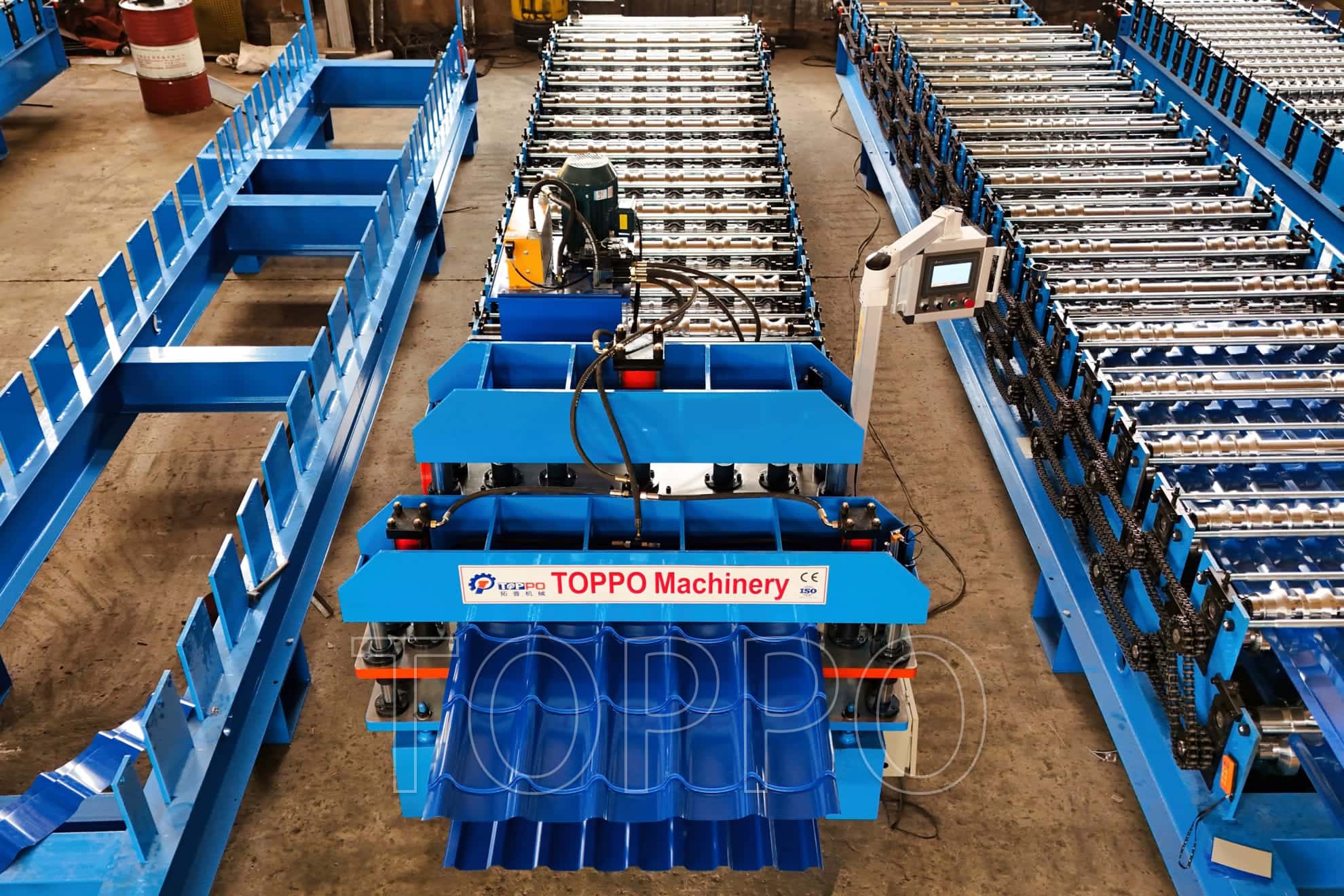
Manufacturers in the metal roofing industry constantly seek equipment that improves efficiency while controlling investment costs. The double layer roofing sheet roll forming machine has become a preferred solution because it integrates two different roofing profiles into one compact production system. Instead of purchasing two separate machines, factories can achieve dual production capability within a single frame structure.
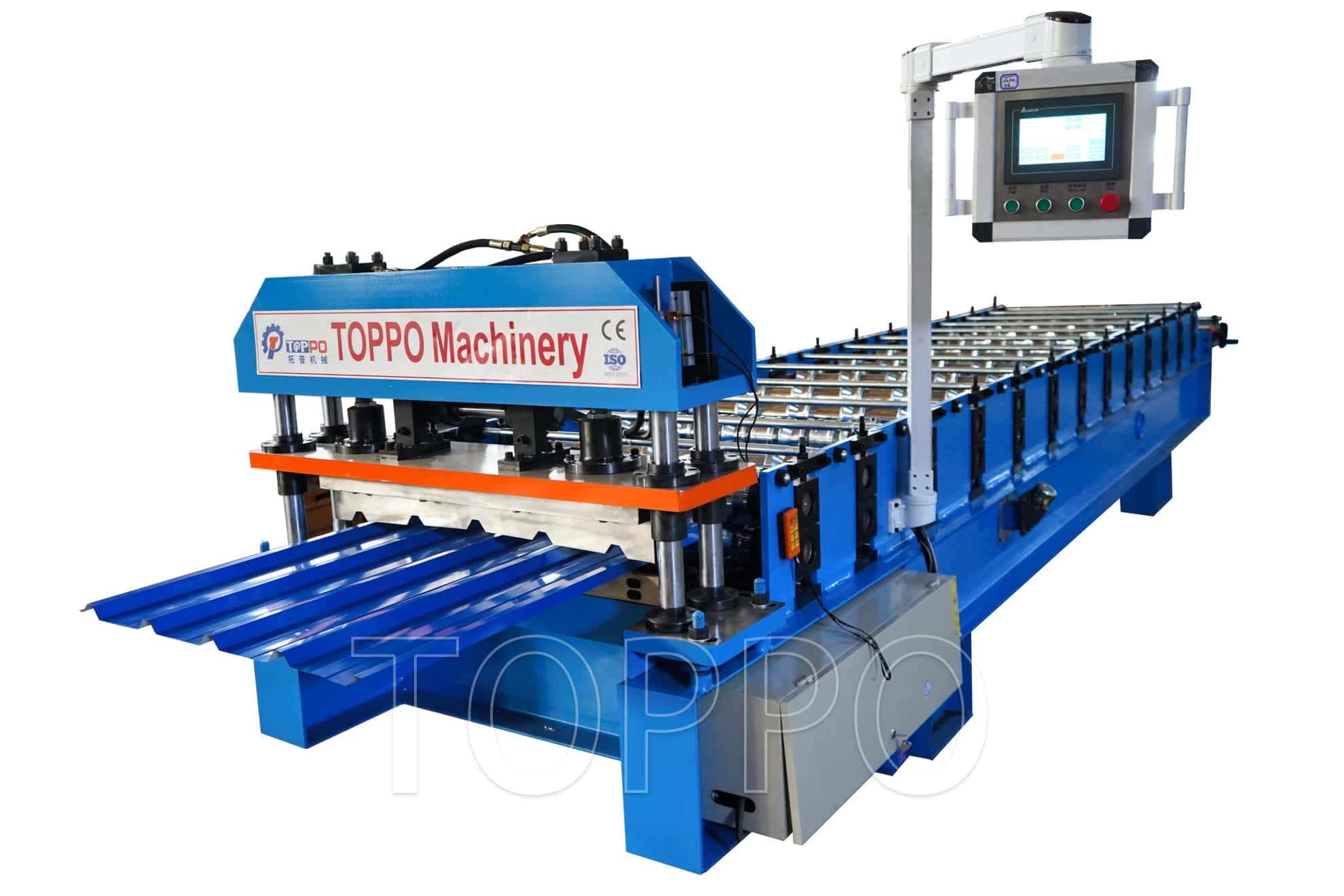
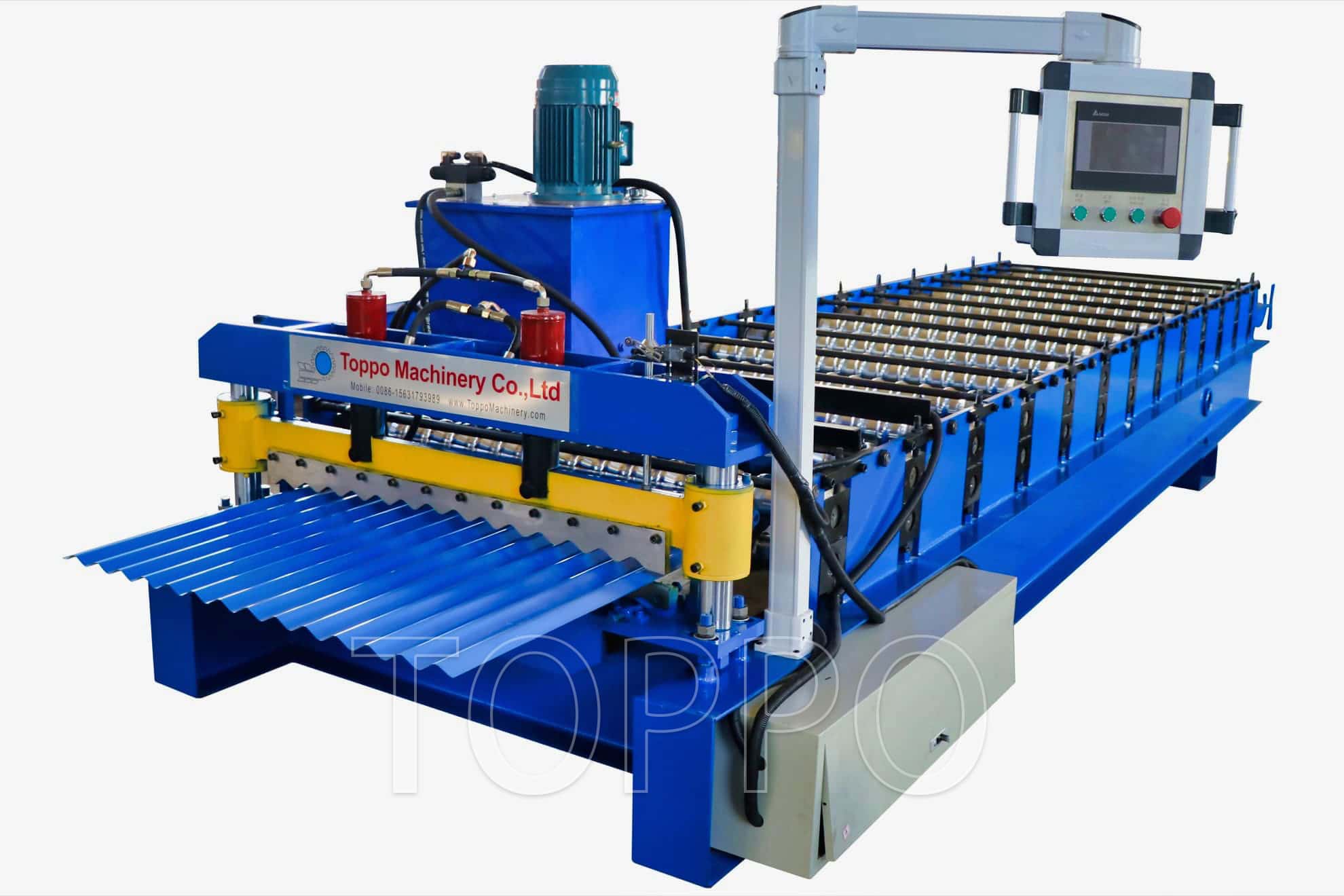
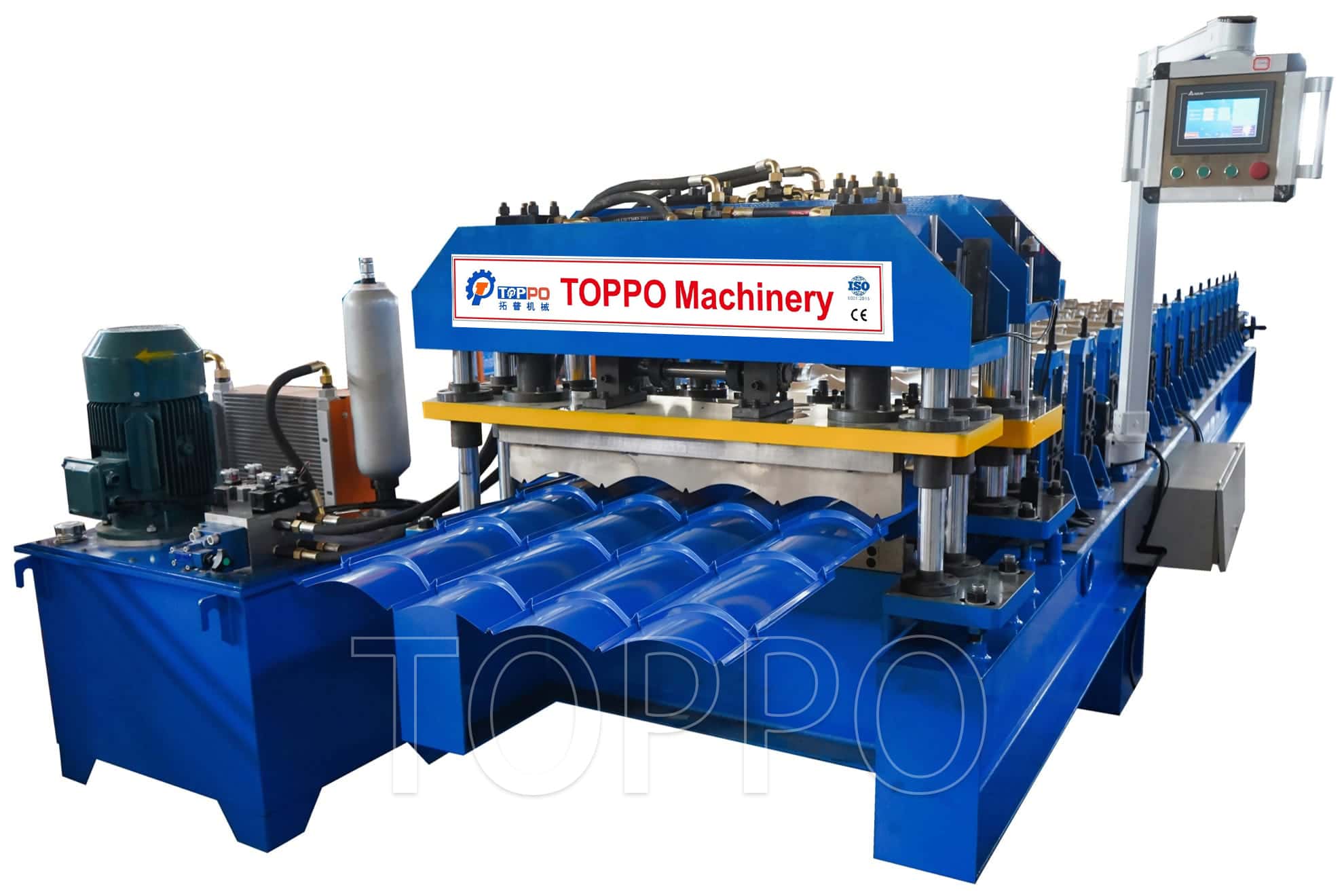
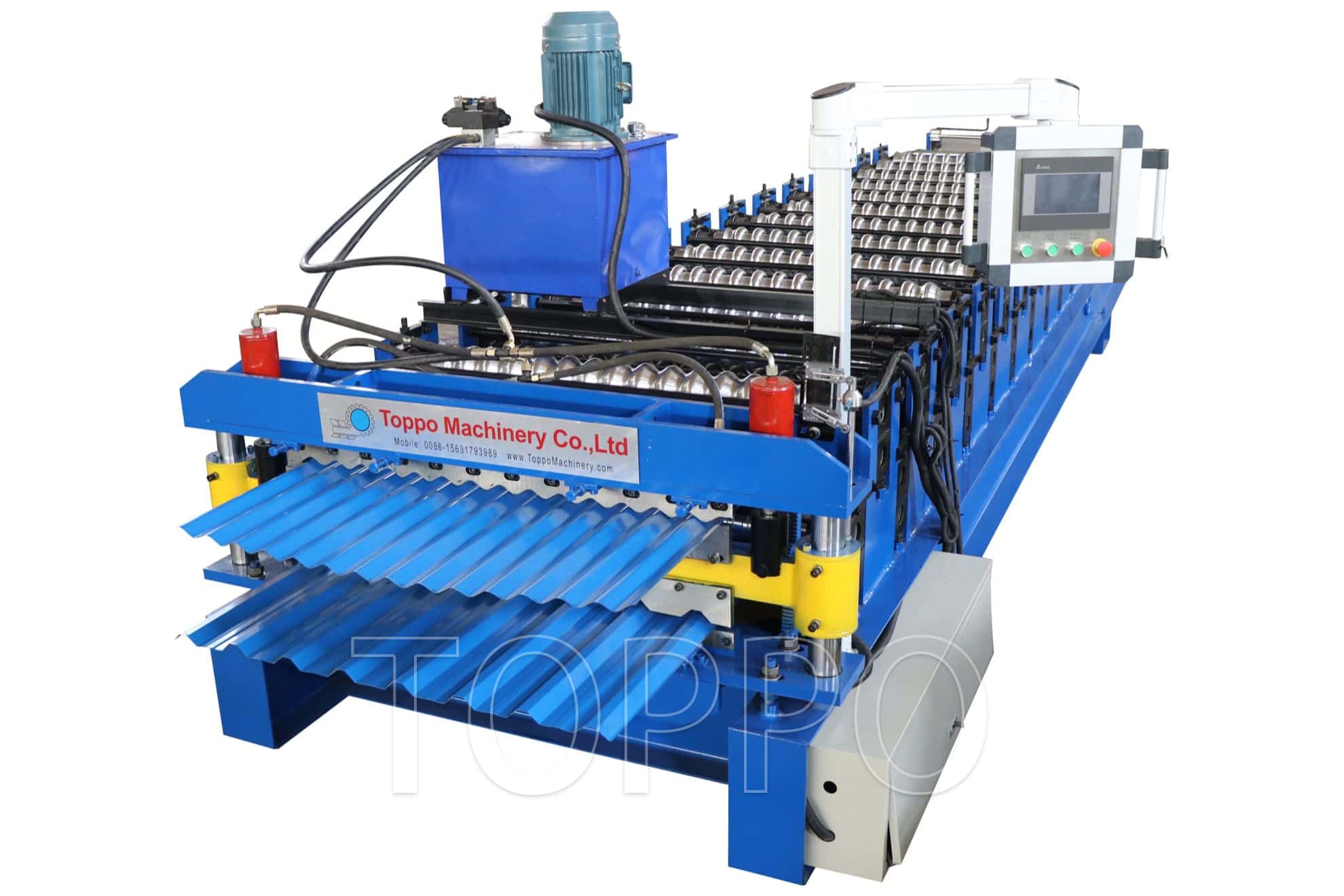
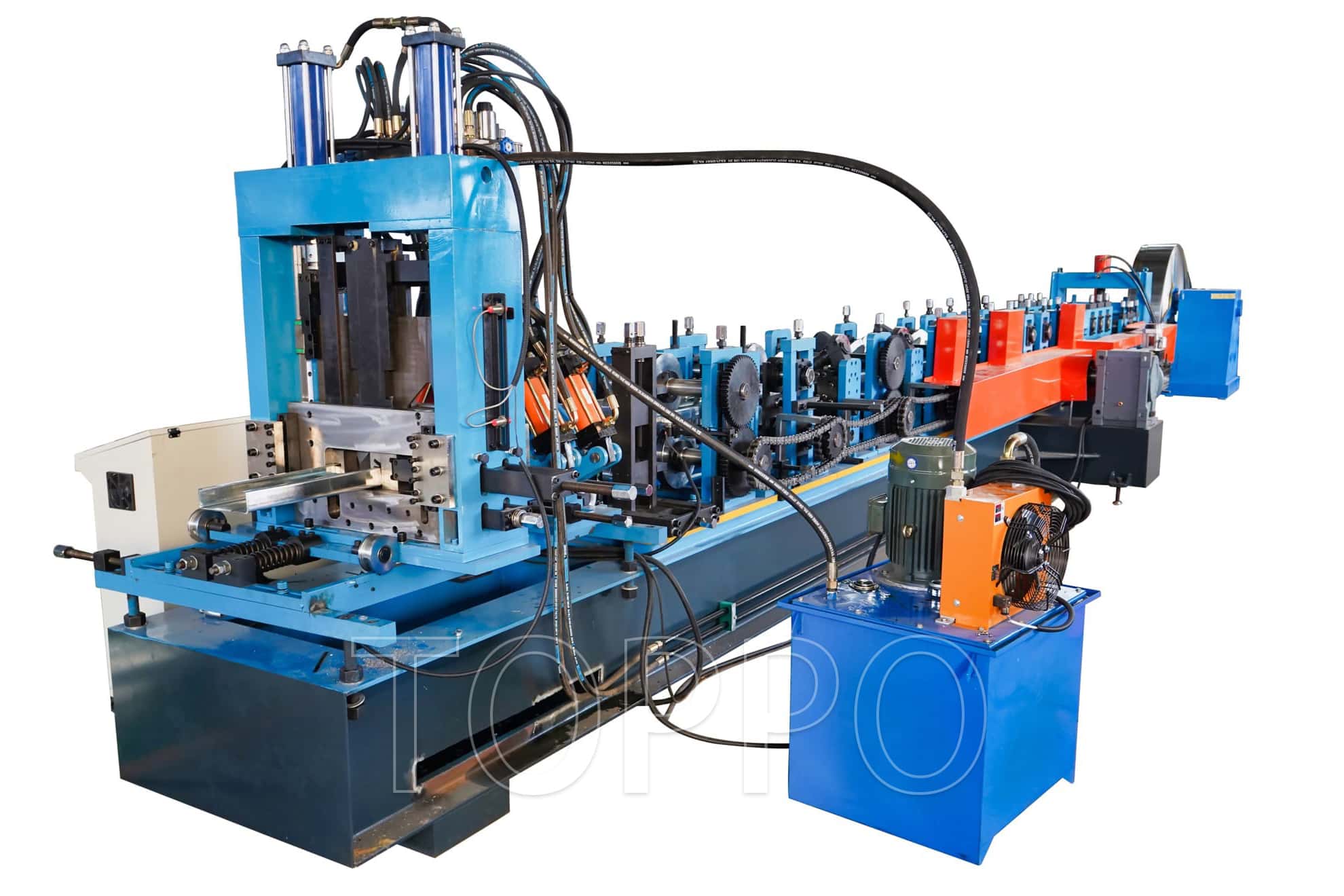
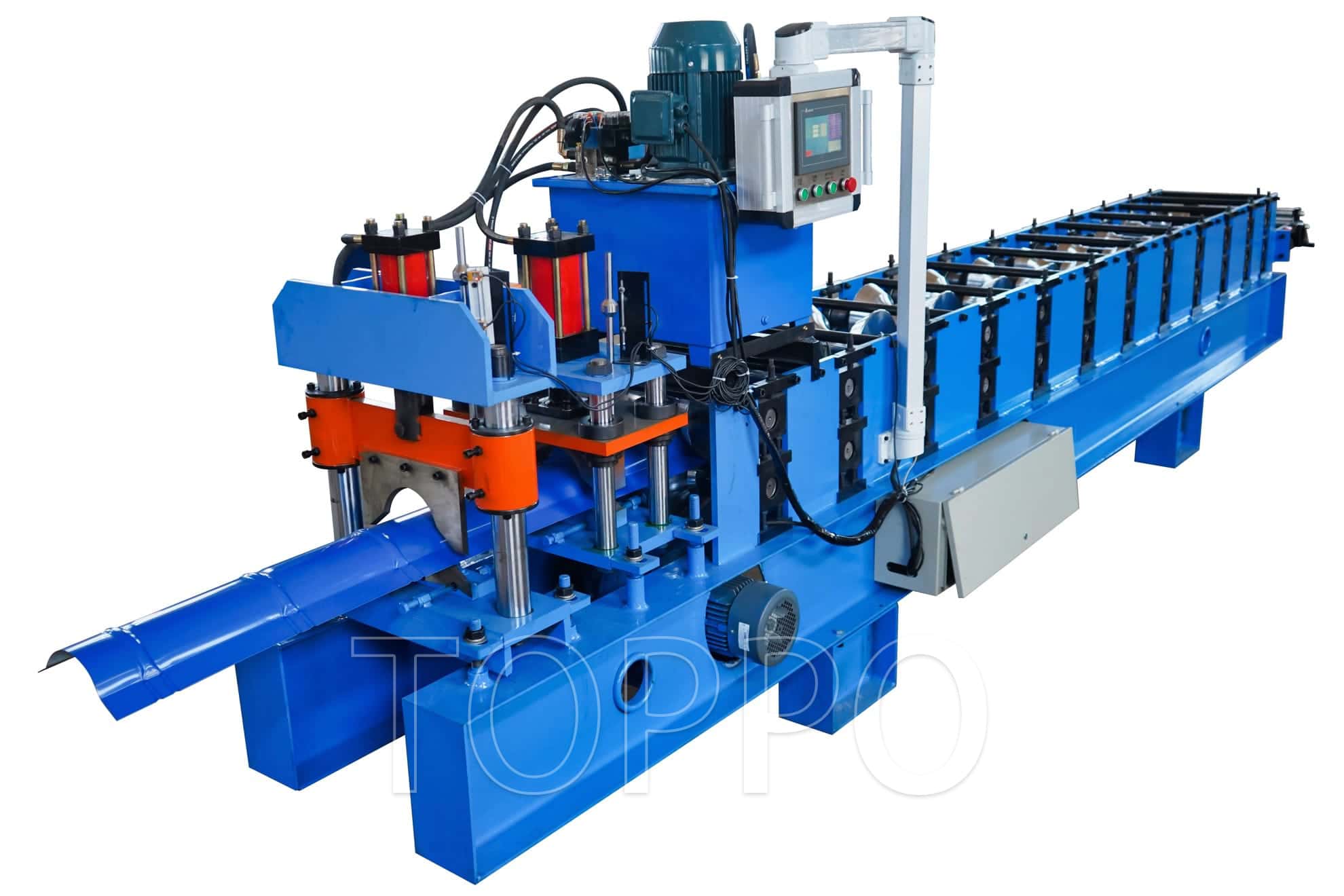
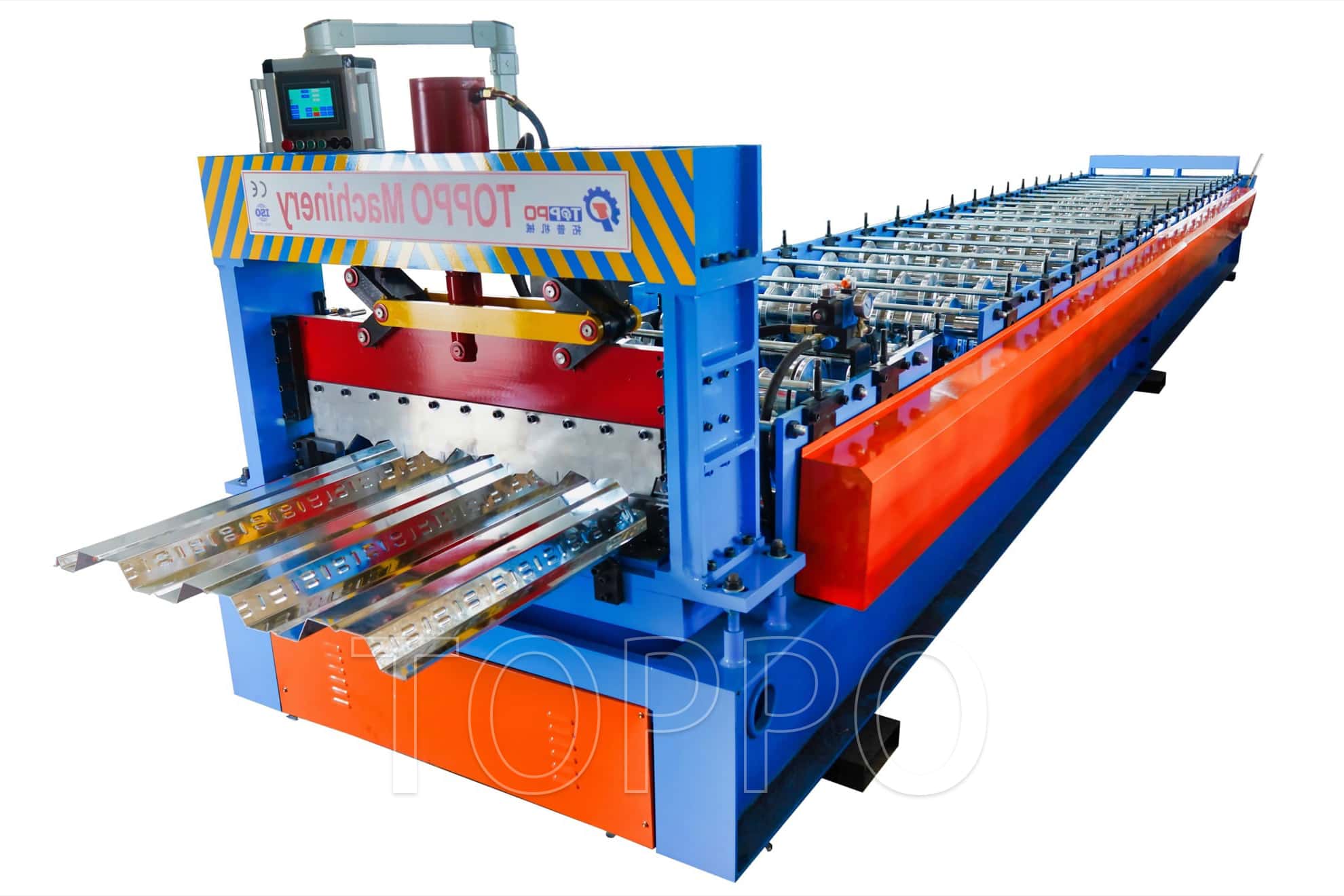
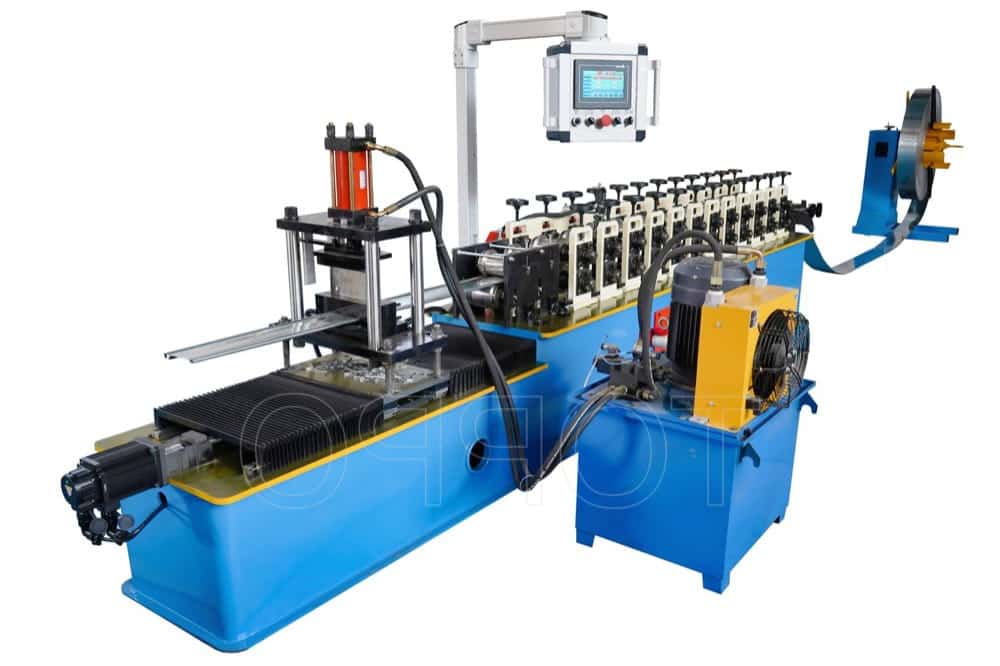
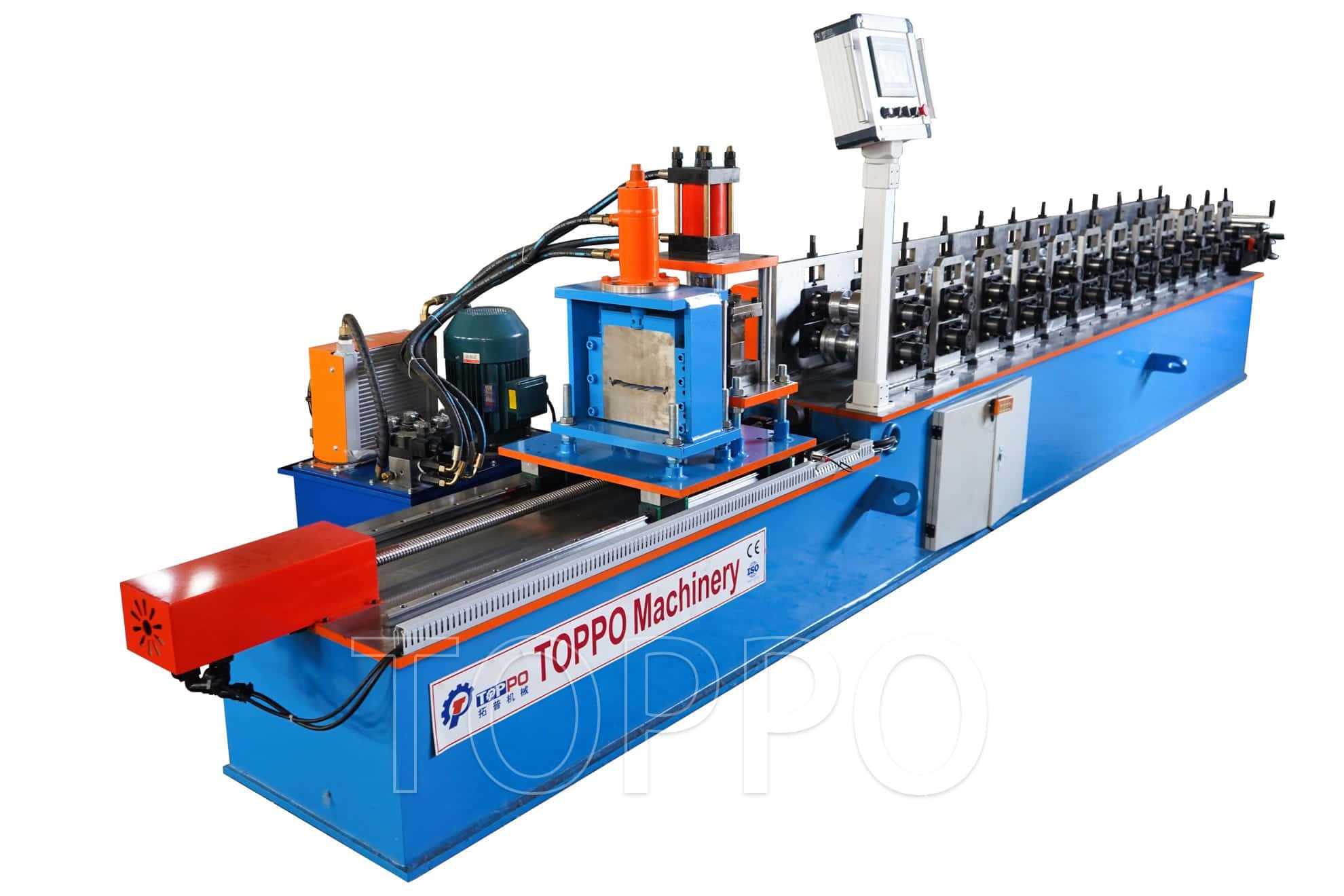
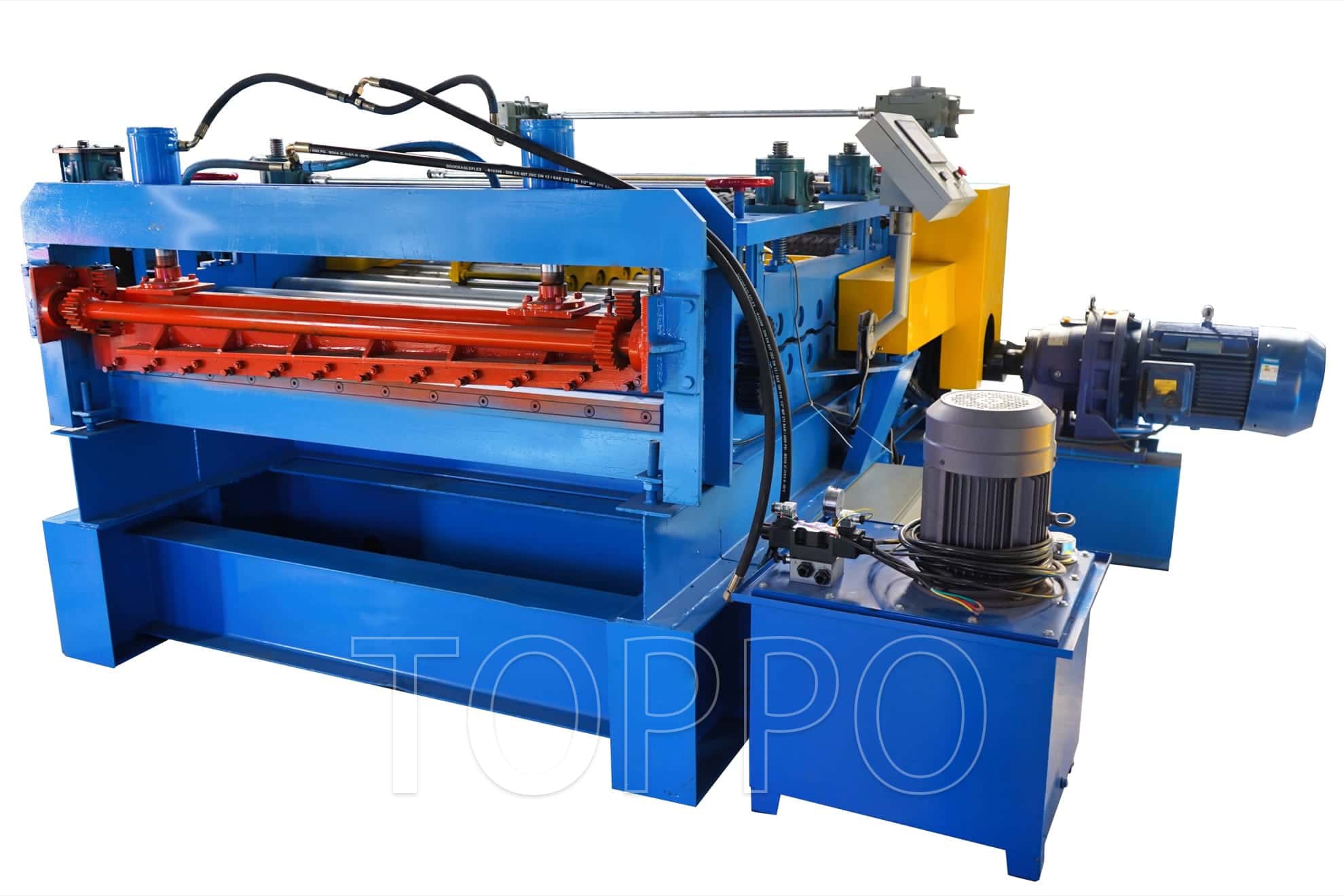
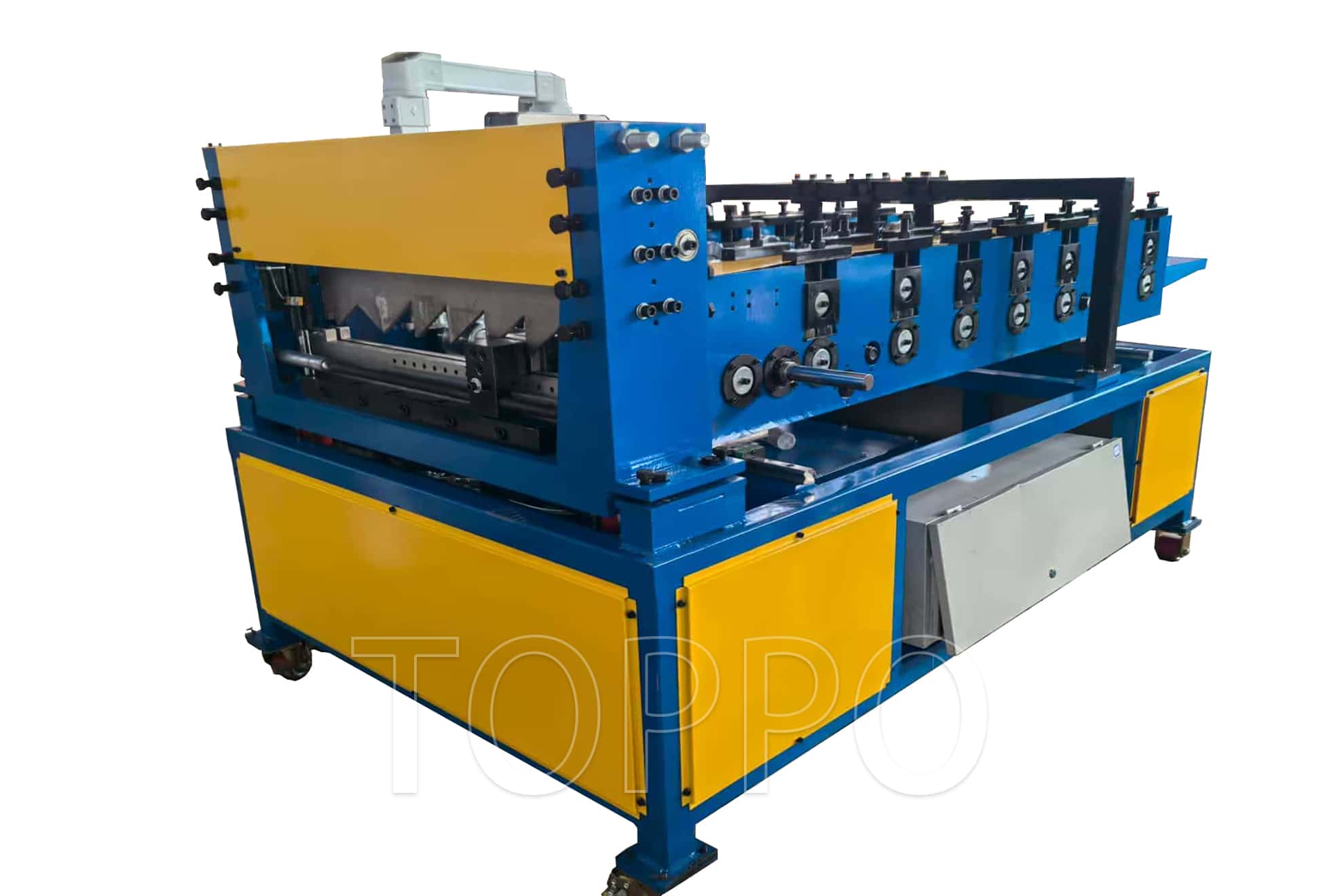
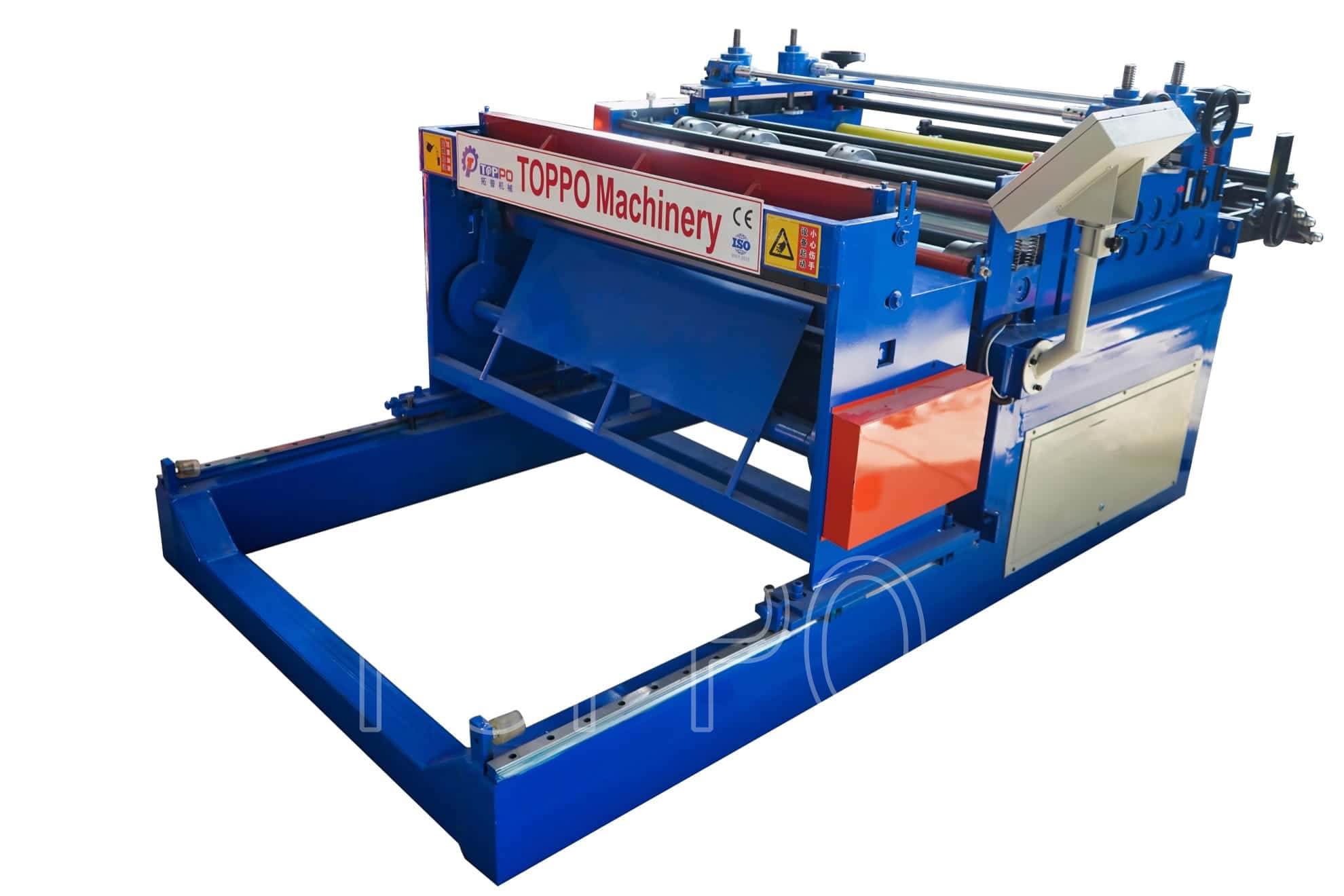
A double layer roofing sheet roll forming machine typically includes a decoiler, feeding platform, upper and lower forming stations, hydraulic cutting device, PLC control cabinet, and discharge table. The two forming layers are vertically arranged, and only one operates at a time. This intelligent structural design reduces mechanical stress while maximizing workshop space utilization.
How the System Works
The forming process is based on continuous cold rolling. Steel coils such as galvanized sheet or PPGI are placed on the decoiler and gradually fed into the roller stations. Through progressive deformation, the flat metal sheet transforms into trapezoidal or corrugated roofing panels.
The double layer roll forming machine allows operators to select the required profile via a PLC control interface. Once selected, the corresponding roller layer is activated, while the other remains idle. This prevents transmission overload and ensures smooth operation.
Advanced roof panel making machine control logic synchronizes length measurement sensors with the hydraulic cutting system. This ensures precise cutting accuracy and consistent panel dimensions throughout high-speed production.
Step-by-Step Installation Guide
1. Foundation Preparation
Before installing the double layer roofing sheet roll forming machine, confirm the workshop floor is level and reinforced. Uneven foundations are a common cause of vibration, which affects forming precision. Use professional leveling tools to calibrate the base frame and tighten anchor bolts evenly.
2. Mechanical Alignment
Check horizontal alignment of both forming layers. Even minor deviations can result in uneven wave height or edge distortion. Careful alignment during installation prevents long-term wear issues.
3. Electrical System Configuration
Ensure voltage and frequency match equipment requirements. Incorrect wiring may damage motors and PLC components. Always test emergency stop buttons and limit switches before starting production.
4. Hydraulic System Testing
Inspect hydraulic oil levels and confirm there are no leaks. Conduct a no-load cutting test to verify stable blade movement. Insufficient pressure often leads to inaccurate cutting length.
5. Trial Production and Calibration
Run a short coil at low speed. Measure effective width, profile height, and cutting length. Adjust PLC parameters if necessary before switching to full production speed.
Common Operational Mistakes
One serious mistake is switching profiles while the machine is running. Even though the double layer roll forming machine is designed for flexibility, switching must only occur after a complete stop. Ignoring this can damage chains and gears.
Another common issue is improper coil feeding alignment. If the material enters at an angle, it may cause surface scratches or edge cracking. Operators must maintain stable feeding speed and correct tension control.
Failure to perform regular lubrication is also a risk factor. Bearings, chains, and gearboxes require scheduled maintenance to maintain long-term stability and reduce unexpected downtime.
Real Factory Application Case
A construction materials manufacturer in North Africa replaced two aging production lines with a single double layer roofing sheet roll forming machine. Previously, four operators were required per shift. After installation, only two operators were needed.
By optimizing the roof panel making machine parameters and implementing weekly inspection routines, the factory increased daily output by 32% and reduced scrap rates significantly. Energy consumption also decreased due to consolidated production.
Key Operational Precautions
Always stop the machine before switching forming layers.
Inspect chain tension and lubrication weekly.
Keep PLC cabinets dry and dust-free.
Monitor hydraulic pressure during continuous operation.
Provide technical training for all operators.
When installed correctly and maintained systematically, a double layer roll forming machine delivers stable performance for many years. Its compact structure and dual-profile capability make it ideal for manufacturers seeking higher efficiency and production flexibility.
In conclusion, the double layer roofing sheet roll forming machine is more than a space-saving solution. It is a strategic upgrade that enhances operational efficiency, reduces costs, and strengthens competitiveness in the roofing materials market.
SEO Keywords: double layer roofing sheet roll forming machine, double layer roll forming machine, roof panel making machine, metal roofing production line, corrugated sheet forming equipment, industrial roofing equipment
READ MORE: