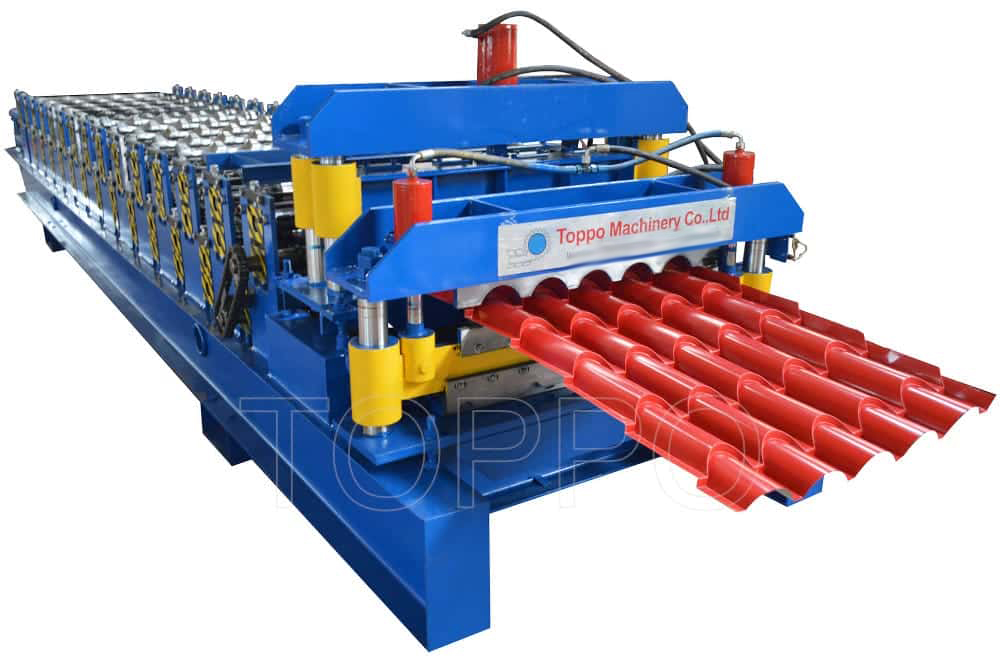
Strategic Payback Analysis for Double Layer Roofing Machines in Developing Economies
Author: Amelia
In emerging markets across Africa, Southeast Asia, and Latin America, demand for affordable and durable roofing materials continues to rise. For manufacturers entering these markets, investing in a double layer roofing sheet roll forming machine can be highly profitable—but only when the financial and operational planning is accurate. The central concern for most investors is the payback period. How long does it realistically take to recover the full investment? In most developing countries, the answer ranges between 14 and 24 months, depending on execution quality. This article provides a practical calculation framework, implementation steps, common pitfalls, and real operational examples.
1. Step One: Understand the True Total Investment
The first mistake many investors make is calculating ROI based only on the machine quotation. A double layer roofing sheet roll forming machine requires additional expenses beyond purchase price:
Freight and marine insurance
Import duties and customs clearance
Factory flooring and foundation work
Electrical system upgrades and voltage stabilizers
Installation, commissioning, and training
Initial spare parts and consumables
In most developing markets, total investment falls between USD 60,000 and USD 95,000 depending on machine configuration. Selecting a high-quality roof panel making machine with heavy-duty frame construction may slightly increase capital cost, but it prevents long-term losses caused by downtime and mechanical instability.
Common error: Ignoring infrastructure preparation. In regions with unstable electricity, failing to install voltage protection systems can damage PLC controls and delay production for weeks.
2. Step Two: Calculate Practical Monthly Production
A standard double layer roll forming machine operates at 15–25 meters per minute. However, practical output must consider downtime for coil loading, maintenance, and operator adjustments.
Example:
Theoretical output exceeds 216,000 meters per month. After subtracting 10–15% downtime, effective production averages 185,000–195,000 meters monthly.
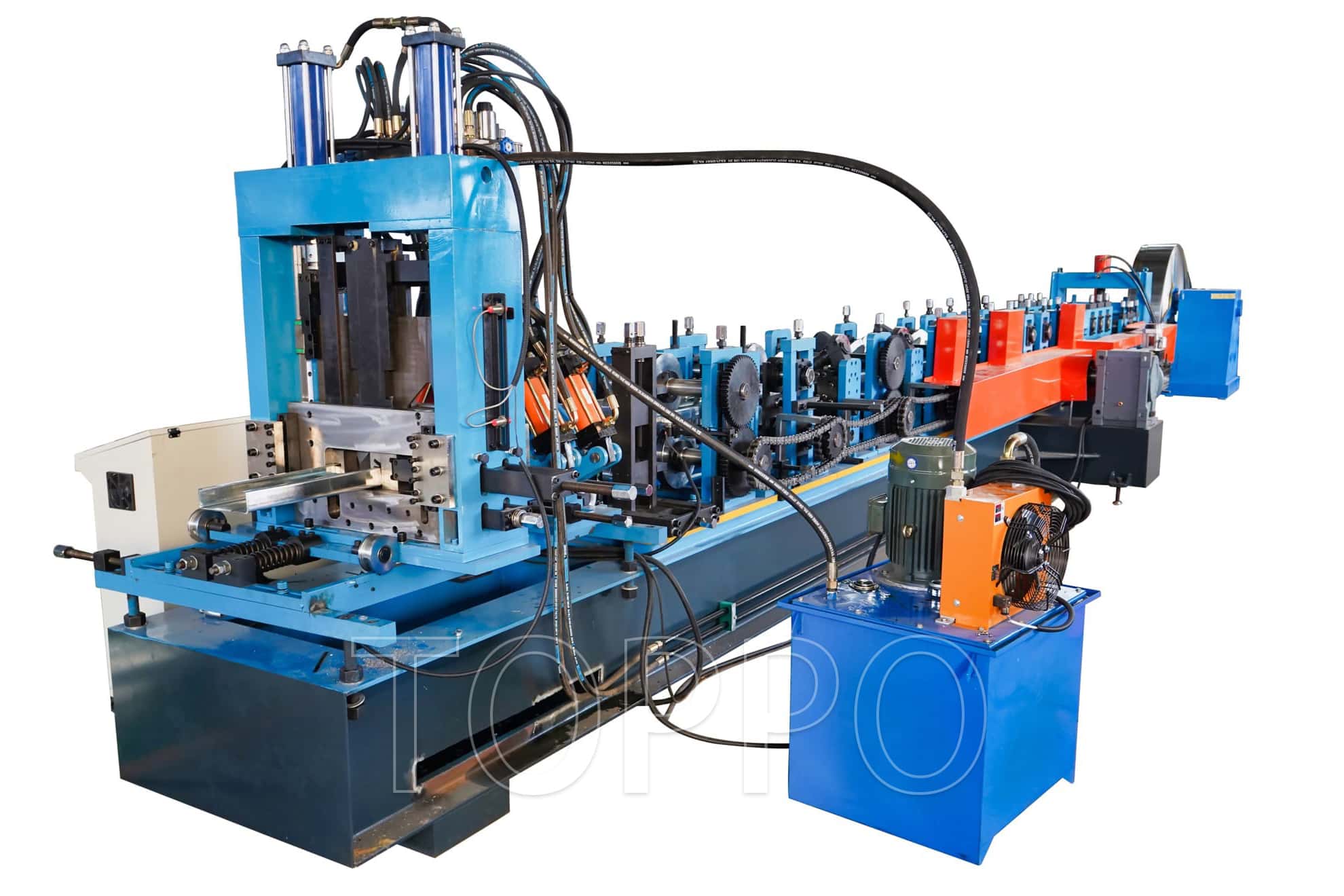
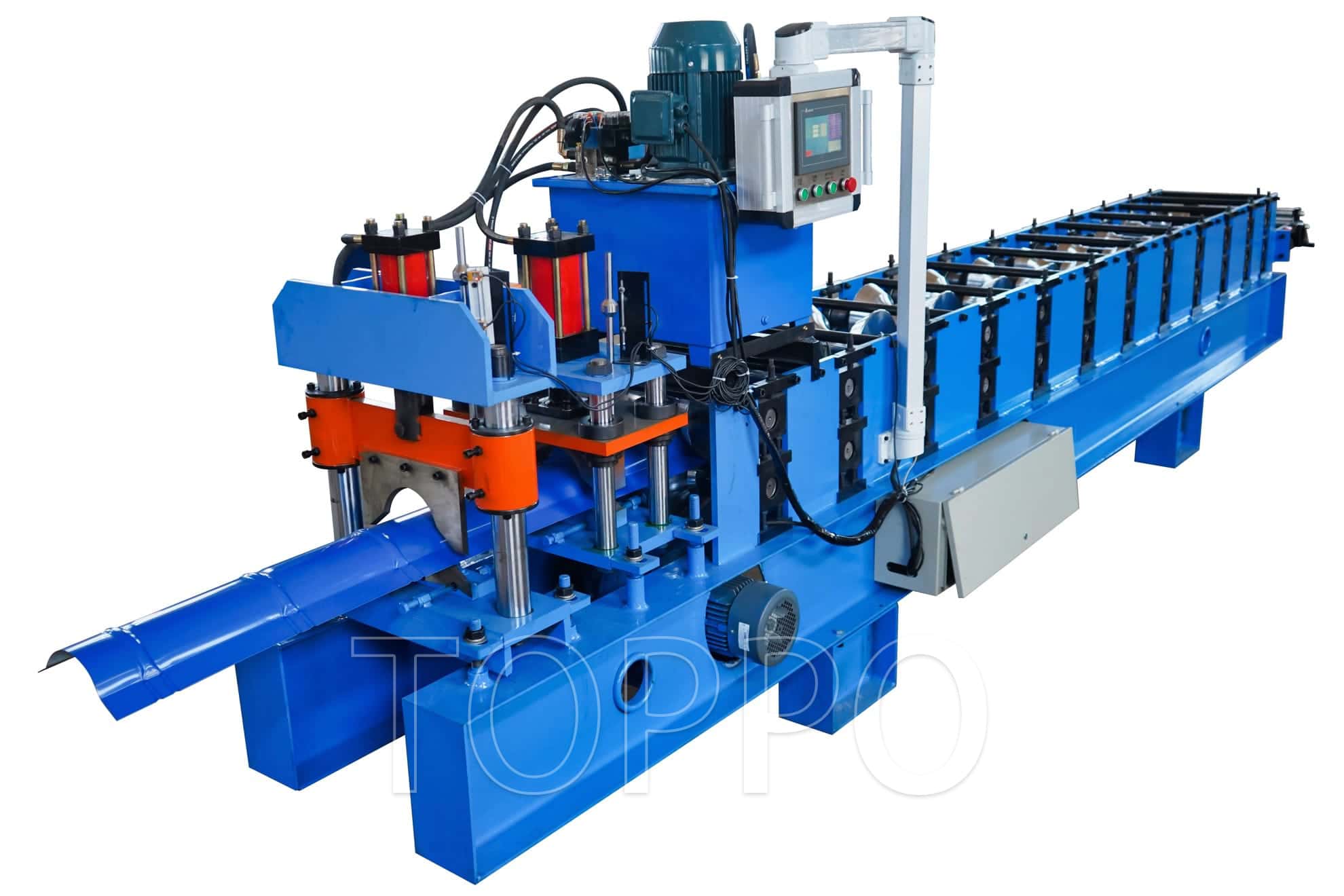
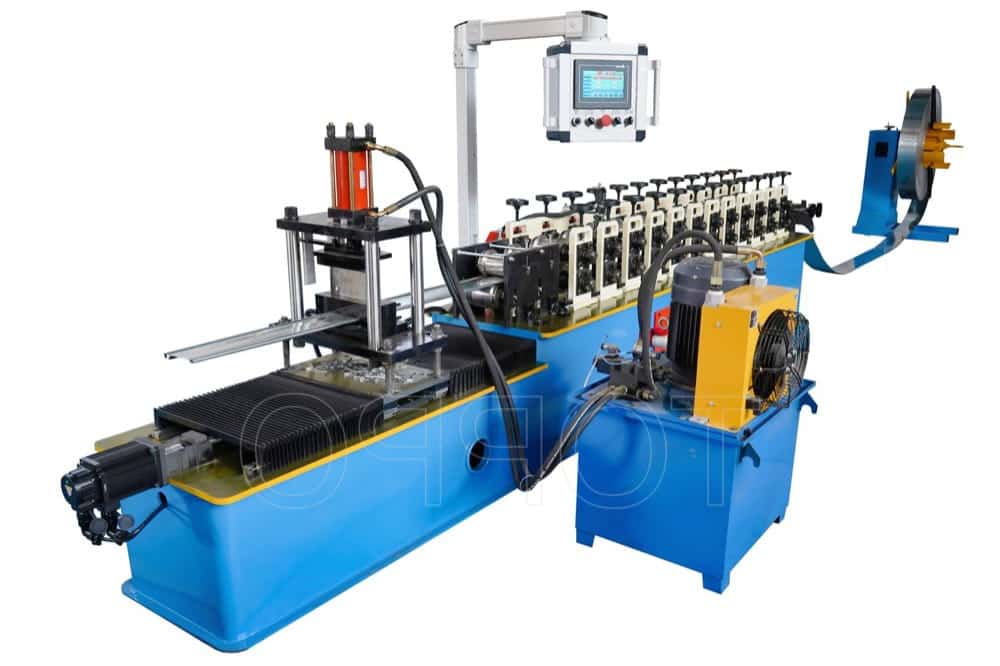
A stable roof panel making machine configuration reduces scrap rate and ensures consistent production speed, directly improving effective output.
3. Step Three: Determine Net Profit Margin
Net profit per meter depends on steel coil price, competition level, and transportation costs. In many developing countries, realistic net profit ranges from USD 0.50 to USD 0.80 per meter after operating expenses.
If we assume:
Monthly net income may reach approximately USD 114,000 before fixed overhead allocation. After deducting labor, electricity, and logistics, realistic net earnings typically range between USD 20,000 and USD 30,000.
Under stable market conditions, a well-managed double layer roofing sheet roll forming machine can achieve full payback within 16–20 months.
4. Why Dual-Layer Machines Improve ROI Speed
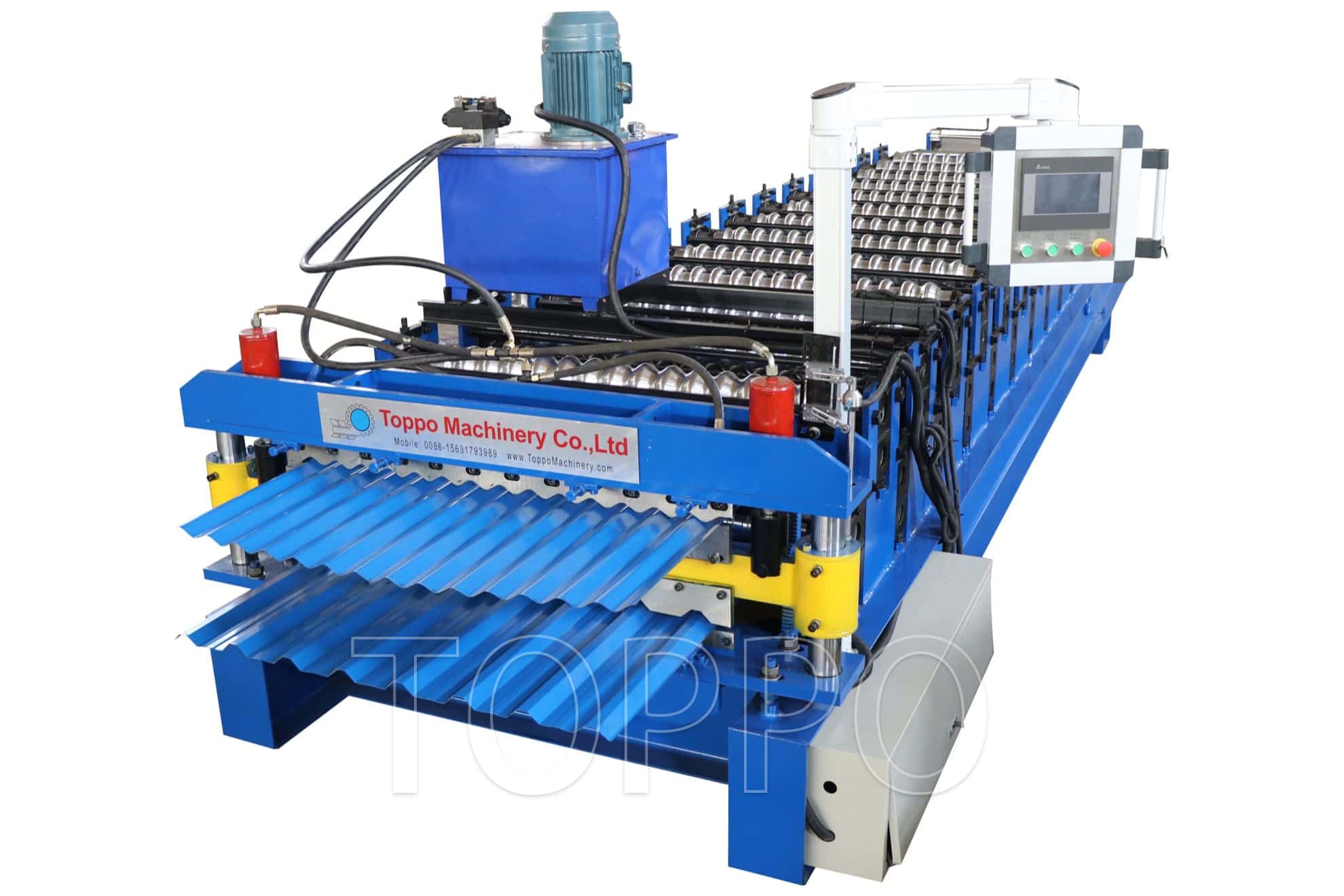
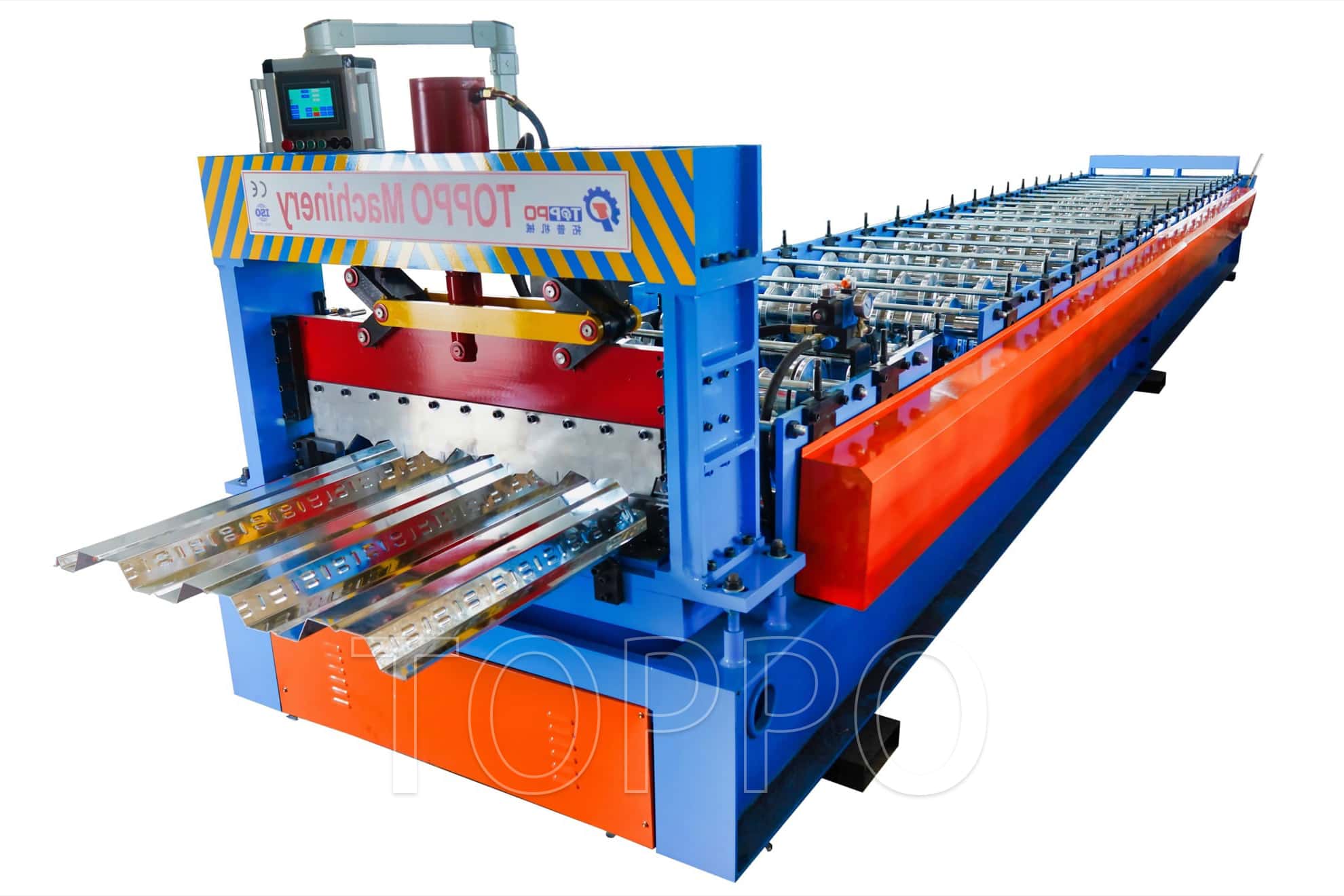
A double layer roll forming machine allows manufacturers to produce two roofing profiles—such as trapezoidal and corrugated panels—on a single machine frame. This eliminates the need for two independent production lines, reducing factory space and labor costs.
An integrated roof panel making machine within a dual-layer system enables quick switching between profiles without replacing rollers frequently. Reduced changeover time increases effective operating hours and improves cash flow stability.
Frequent mistake: Selecting low-grade roller materials to reduce upfront cost. Premature roller wear increases scrap rates and extends the break-even timeline.
5. Real Case Study: West Africa
A medium-sized investor purchased a double layer roofing sheet roll forming machine for USD 78,000. Initial projections estimated a 14-month payback. However, inconsistent raw material supply and operator inexperience caused production inefficiencies during the first quarter. After securing long-term coil supply contracts and conducting technical training, output stabilized at 190,000 meters monthly. Final payback was achieved in 19 months.
Key lesson: Operational discipline and supply chain stability are as important as equipment quality.
6. Real Case Study: Southeast Asia
An investor installed a double layer roll forming machine in a rapidly growing construction zone. Early production faced high rejection rates due to improper roller gap adjustment. After recalibration and preventive maintenance scheduling, scrap rate decreased by 7%, increasing monthly net profit by nearly USD 5,000. ROI was achieved in 17 months instead of the projected 22 months.
7. Implementation Checklist to Shorten Payback
Select a heavy-duty double layer roofing sheet roll forming machine with strong frame rigidity.
Install voltage stabilizers in areas with unstable electricity.
Train operators in coil alignment and lubrication management.
Monitor scrap rate weekly and adjust roller pressure carefully.
Secure pre-orders before expanding production capacity.
When managed properly, a double layer roofing sheet roll forming machine can exceed conservative financial projections.
Conclusion
The payback period for a double layer roofing sheet roll forming machine in developing countries generally ranges from 15 to 24 months under stable demand conditions. Accurate cost analysis, conservative production estimates, infrastructure readiness, and disciplined maintenance management are critical success factors. By combining a reliable double layer roofing sheet roll forming machine with strategic operational planning, investors can transform roofing manufacturing into a stable and highly profitable business in emerging markets.
SEO Keywords:
double layer roofing sheet roll forming machine, roof panel making machine, double layer roll forming machine, roofing sheet roll forming machine, metal roofing roll former, steel roof sheet machine, automatic roof panel machine, trapezoidal roofing machine, corrugated sheet forming machine, metal roof panel forming machine
READ MORE: