Double Layer vs Single Layer Roofing Machines: Which Is Better for Chilean Manufacturers Using a Trapezoidal Roof Tile Making Machine?
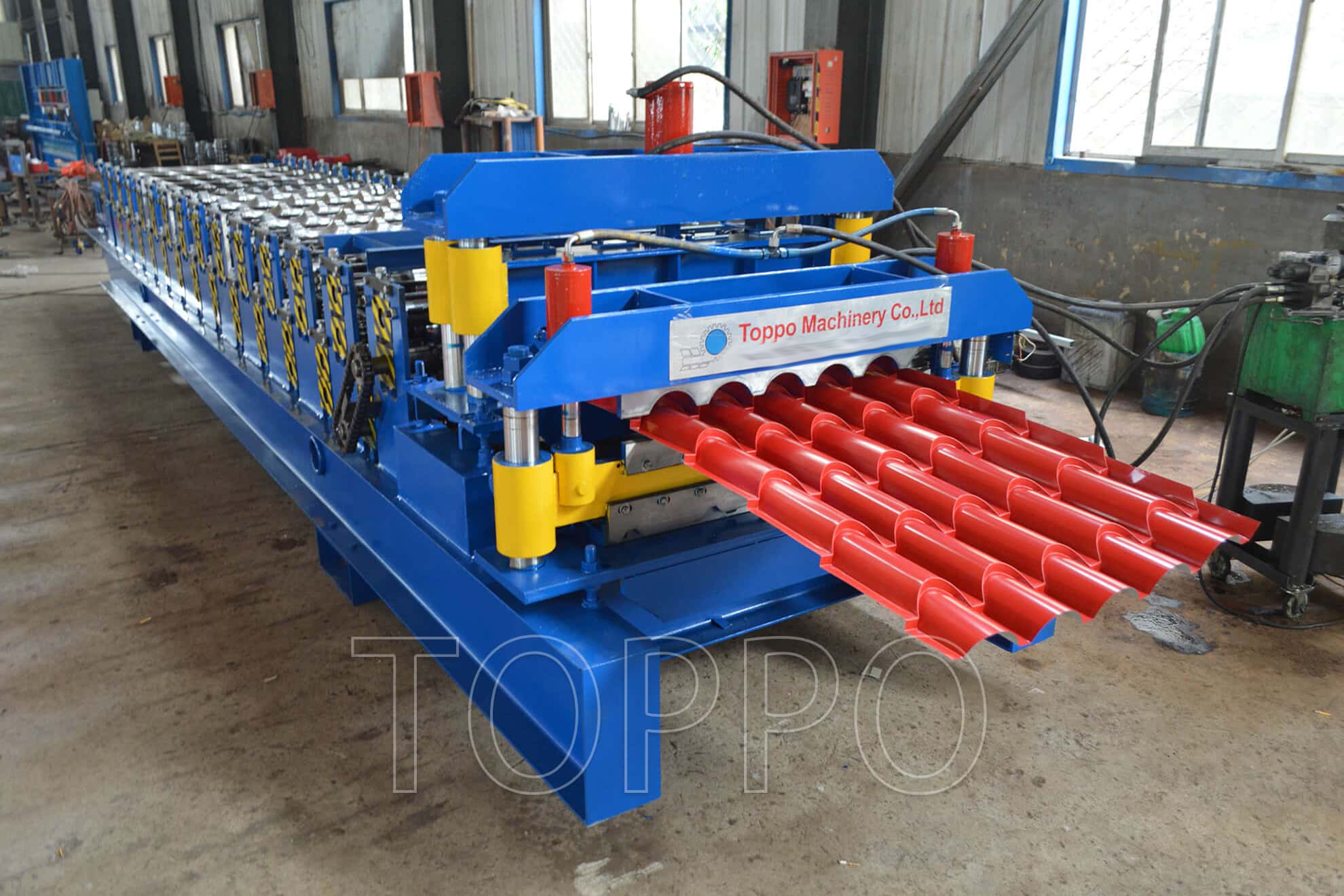
For Chilean manufacturers investing in a trapezoidal roof tile making machine, choosing between double layer and single layer roofing machines is a crucial strategic decision. As Chile’s construction, mining, and agricultural sectors continue to expand, demand for high-quality trapezoidal metal roofing sheets is rising steadily. Whether selecting a high speed trapezoidal roof tile making machine or an automatic trapezoidal roof tile machine, understanding the structural and financial differences between double and single layer systems is essential.
Understanding Single Layer Roofing Machines
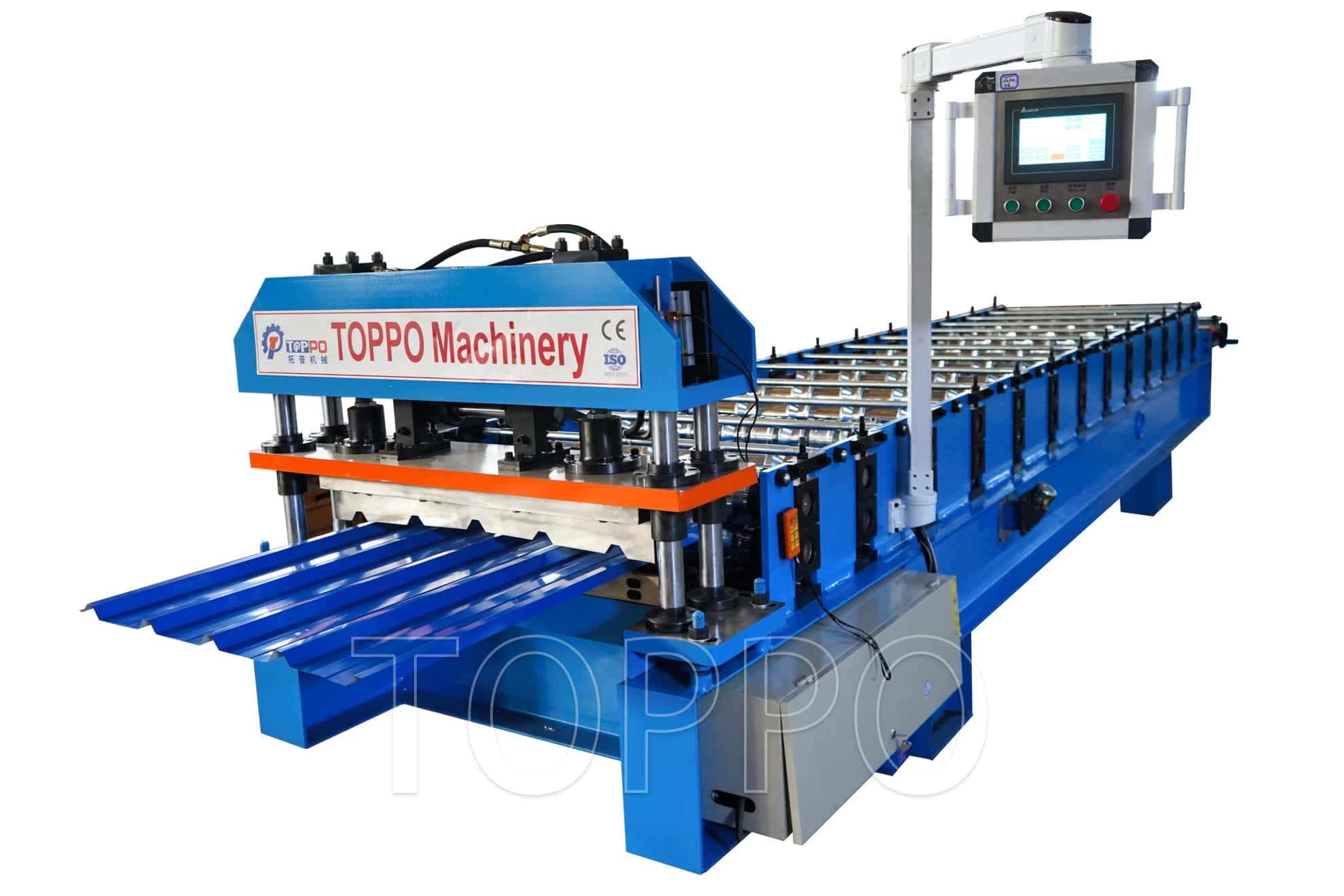
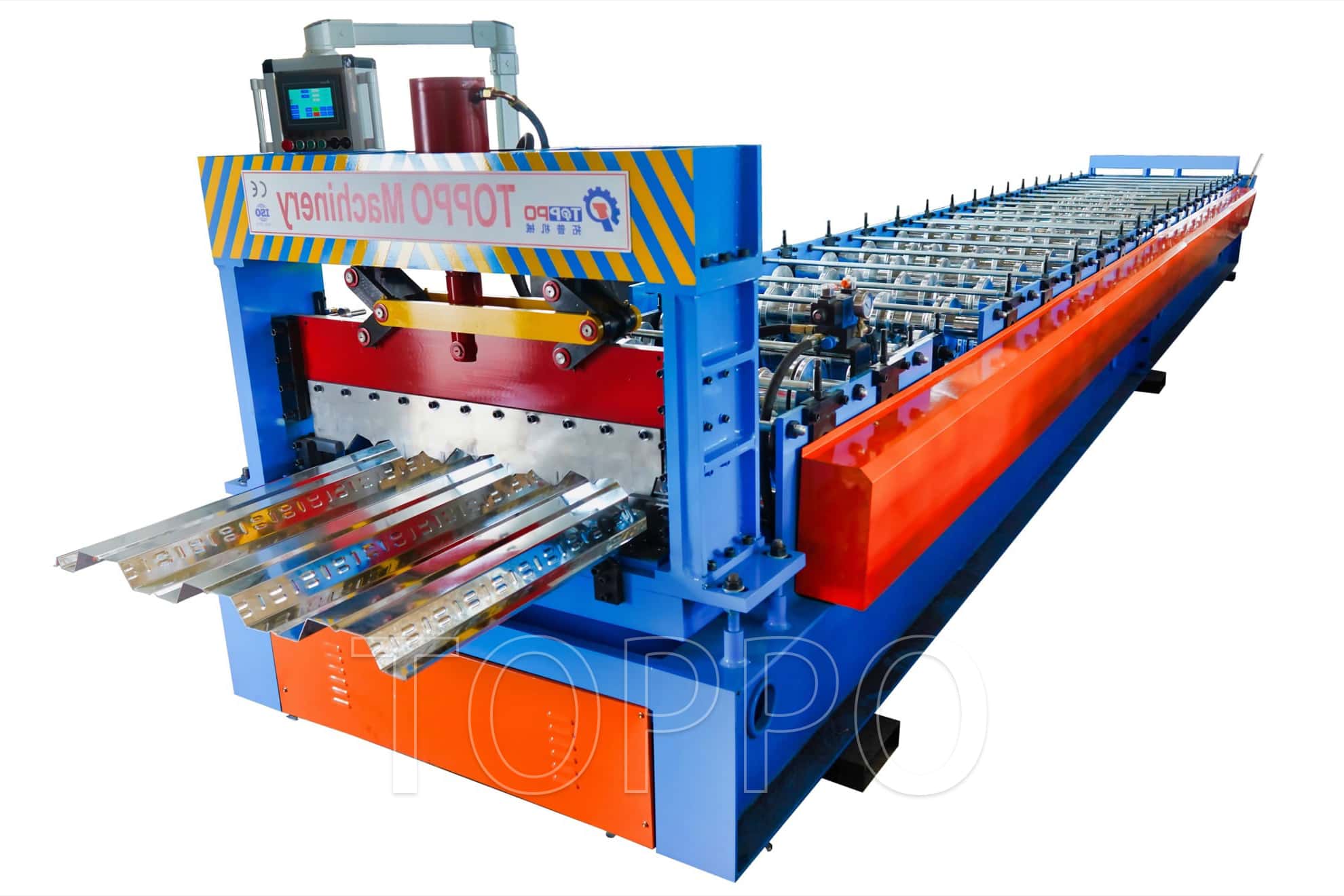
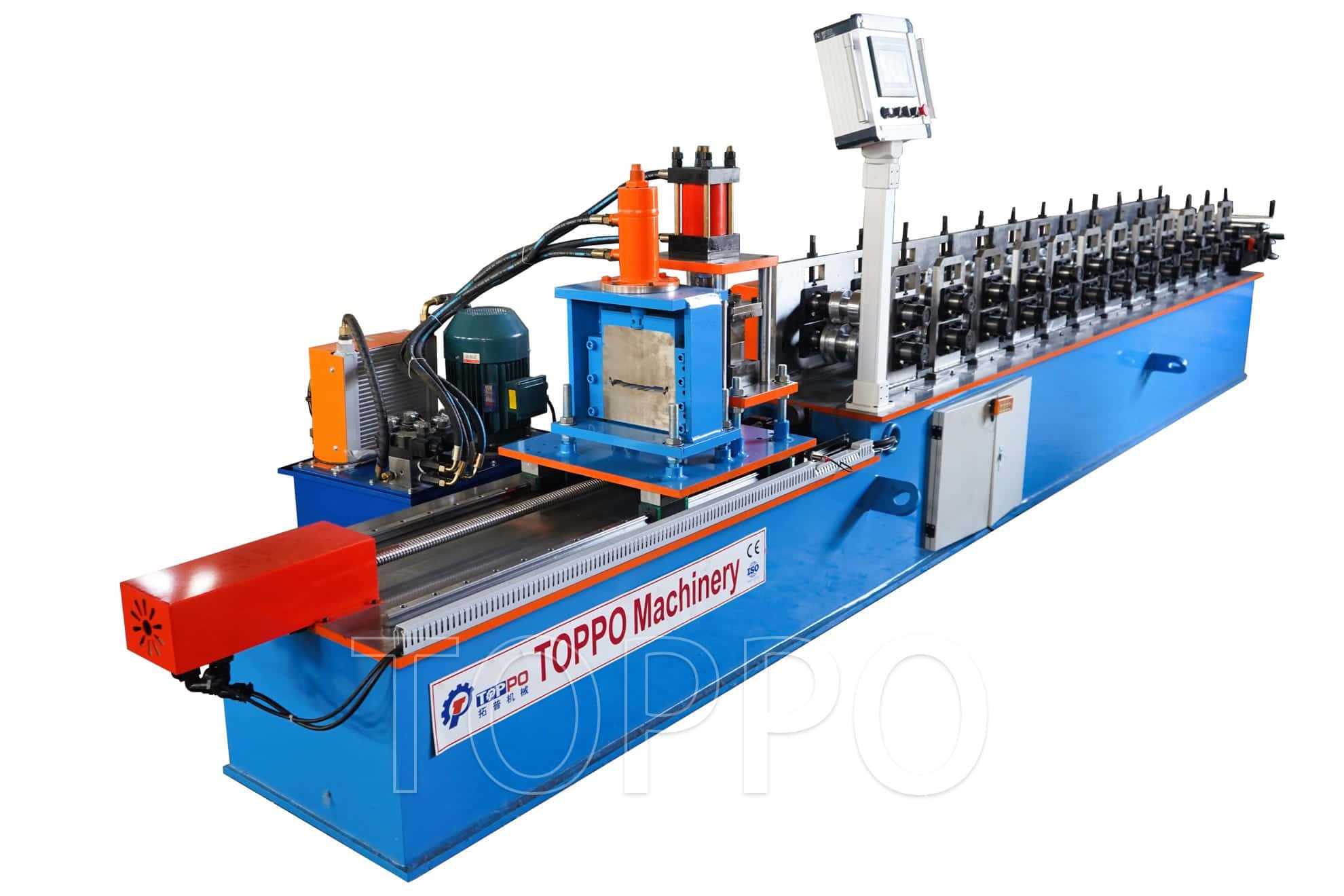
A single layer trapezoidal roof tile making machine is designed to produce one specific roofing profile. It is structurally simple, easy to maintain, and typically more affordable in terms of initial investment. For smaller Chilean factories focusing on one dominant trapezoidal design, a single layer high speed trapezoidal roof tile making machine can provide sufficient production capacity.
When equipped with automation, a single layer automatic trapezoidal roof tile machine integrates PLC control, hydraulic cutting, and length measurement systems. This setup ensures stable production and accurate sheet dimensions. However, switching profiles on a single layer trapezoidal roof tile making machine often requires changing roller sets, which can increase downtime.
Understanding Double Layer Roofing Machines
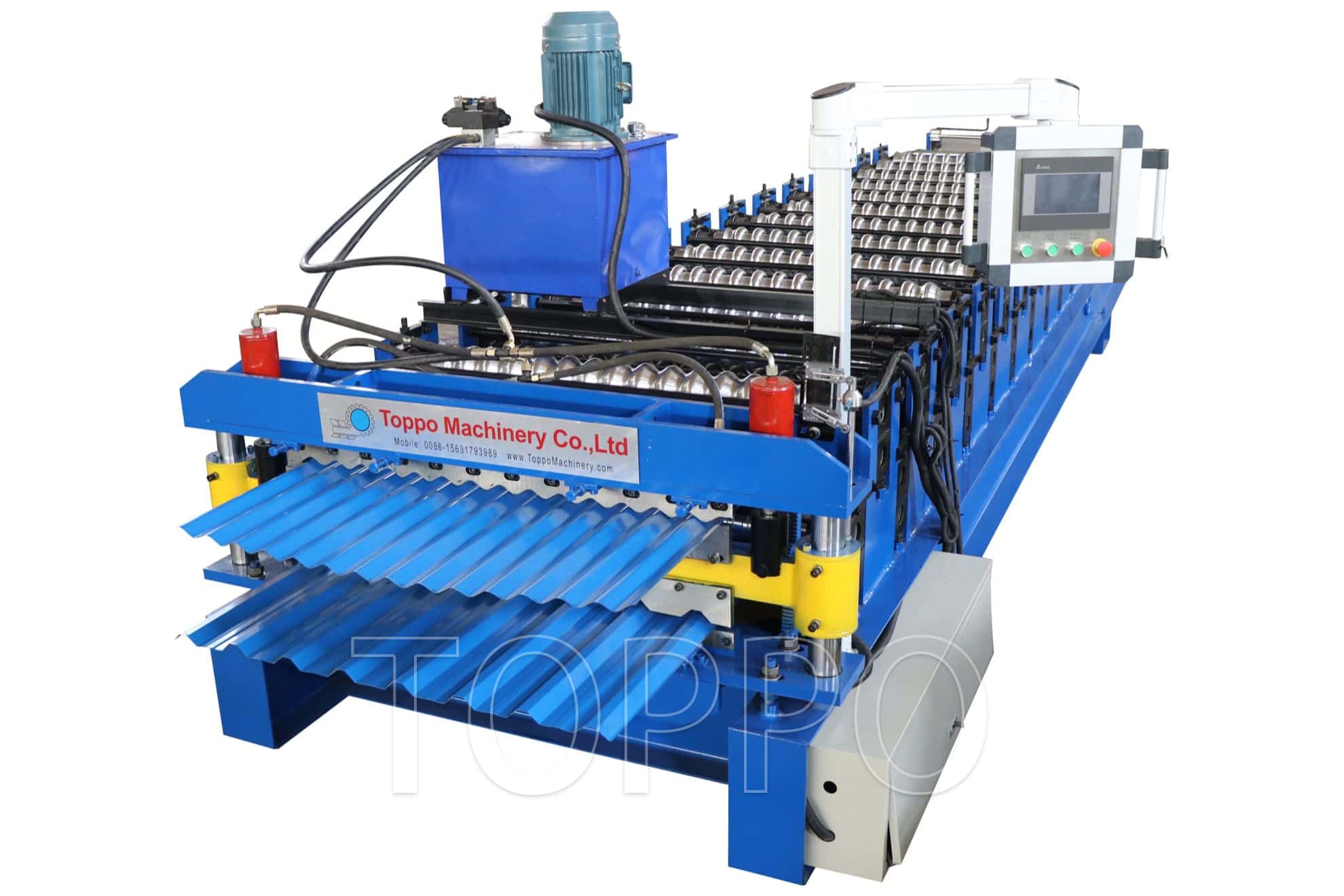
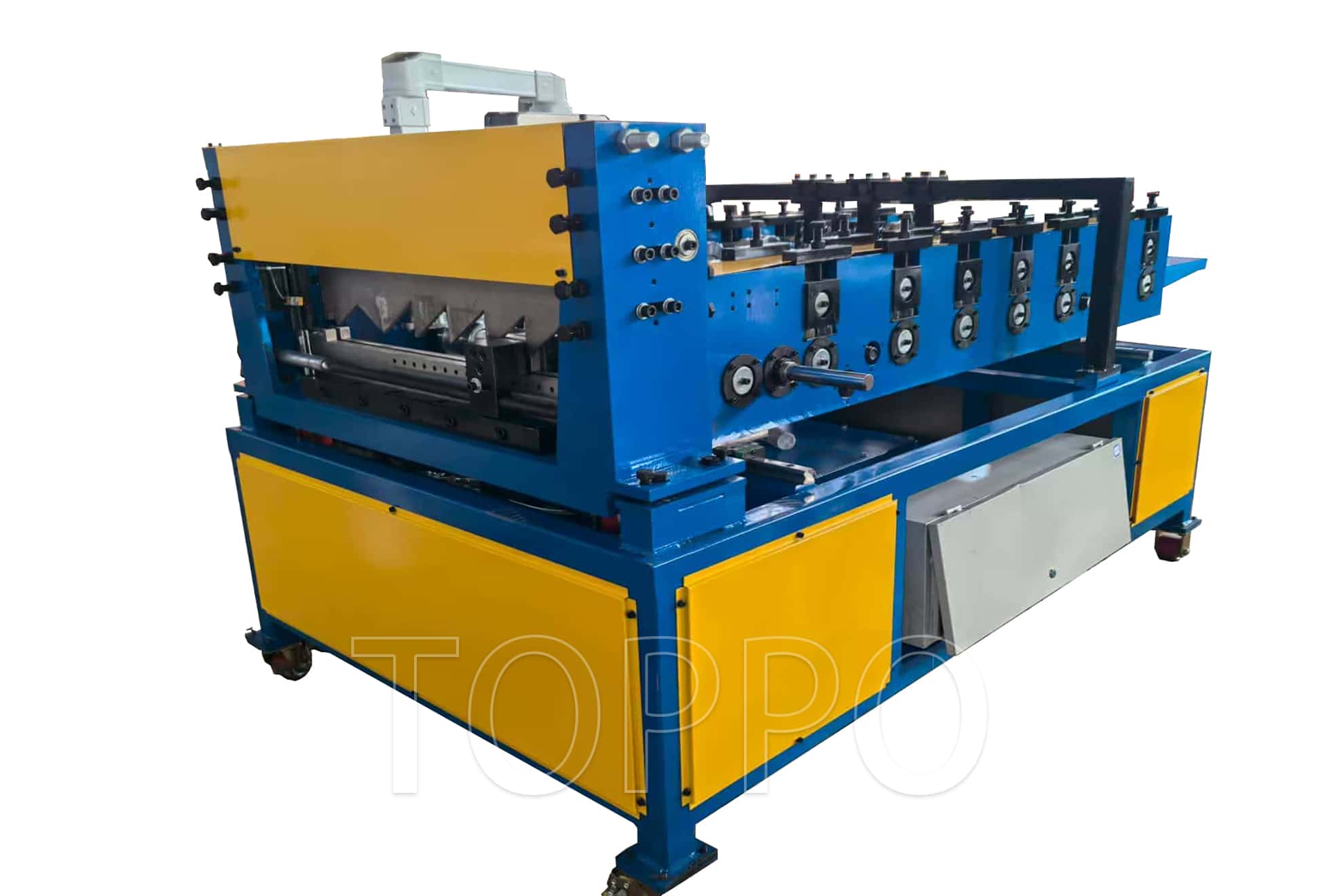
A double layer trapezoidal roof tile making machine combines two different roofing profiles within one machine frame. Chilean manufacturers that serve diverse markets may benefit from this configuration. Instead of purchasing two separate production lines, a double layer high speed trapezoidal roof tile making machine allows operators to switch between profiles by adjusting the control system.
An automatic trapezoidal roof tile machine in double layer configuration enhances flexibility. With PLC programming, operators can quickly change between upper and lower forming layers. This means a single trapezoidal roof tile making machine can handle two product types, improving space efficiency and reducing equipment costs.
Cost Comparison for Chilean Manufacturers
Initial investment is often the first consideration. A single layer trapezoidal roof tile making machine generally costs less upfront. However, if production requires two profiles, manufacturers may need two separate machines. In this case, a double layer high speed trapezoidal roof tile making machine becomes more cost-effective.
Operating costs must also be evaluated. A modern automatic trapezoidal roof tile machine reduces labor requirements regardless of configuration. Both single and double layer trapezoidal roof tile making machine systems can be equipped with automation, but the double layer version offers higher versatility within limited factory space.
Production Efficiency and Speed
For large-scale projects in Chile’s industrial and mining sectors, speed is critical. A high speed trapezoidal roof tile making machine in single layer configuration can achieve impressive output rates. However, if manufacturers frequently switch between product types, a double layer trapezoidal roof tile making machine minimizes downtime associated with roller replacement.
An automatic trapezoidal roof tile machine ensures synchronized feeding and hydraulic cutting in both configurations. The high speed trapezoidal roof tile making machine maintains dimensional consistency even during long production cycles, which is essential for meeting Chilean construction standards.
Space Utilization and Factory Layout
Factory space in urban Chilean areas can be expensive. A double layer trapezoidal roof tile making machine saves floor space by integrating two profiles into one structure. In contrast, two single layer high speed trapezoidal roof tile making machine units require more installation area.
The automatic trapezoidal roof tile machine design further optimizes layout efficiency by incorporating stacking systems and centralized control panels, reducing manual handling space.
Maintenance and Long-Term Durability
Both configurations require regular maintenance. A trapezoidal roof tile making machine should undergo routine lubrication and roller inspection. A high speed trapezoidal roof tile making machine benefits from preventive maintenance schedules to sustain performance. The automatic trapezoidal roof tile machine includes diagnostic systems that help detect issues early, regardless of whether the machine is single or double layer.
Conclusion: Which Is Better?
For Chilean manufacturers producing one dominant roofing profile, a single layer trapezoidal roof tile making machine may be sufficient and cost-effective. However, companies serving multiple construction sectors may find that a double layer high speed trapezoidal roof tile making machine offers greater flexibility and long-term savings. Integrating an automatic trapezoidal roof tile machine in either configuration ensures precision, efficiency, and stable output. Ultimately, the best choice depends on production goals, market demand, and available factory space in Chile.
READ MORE: