Peru & Chile Roofing Evolution: Is the Double Layer Trapezoidal Roof Tile Making Machine the Next Industry Standard?
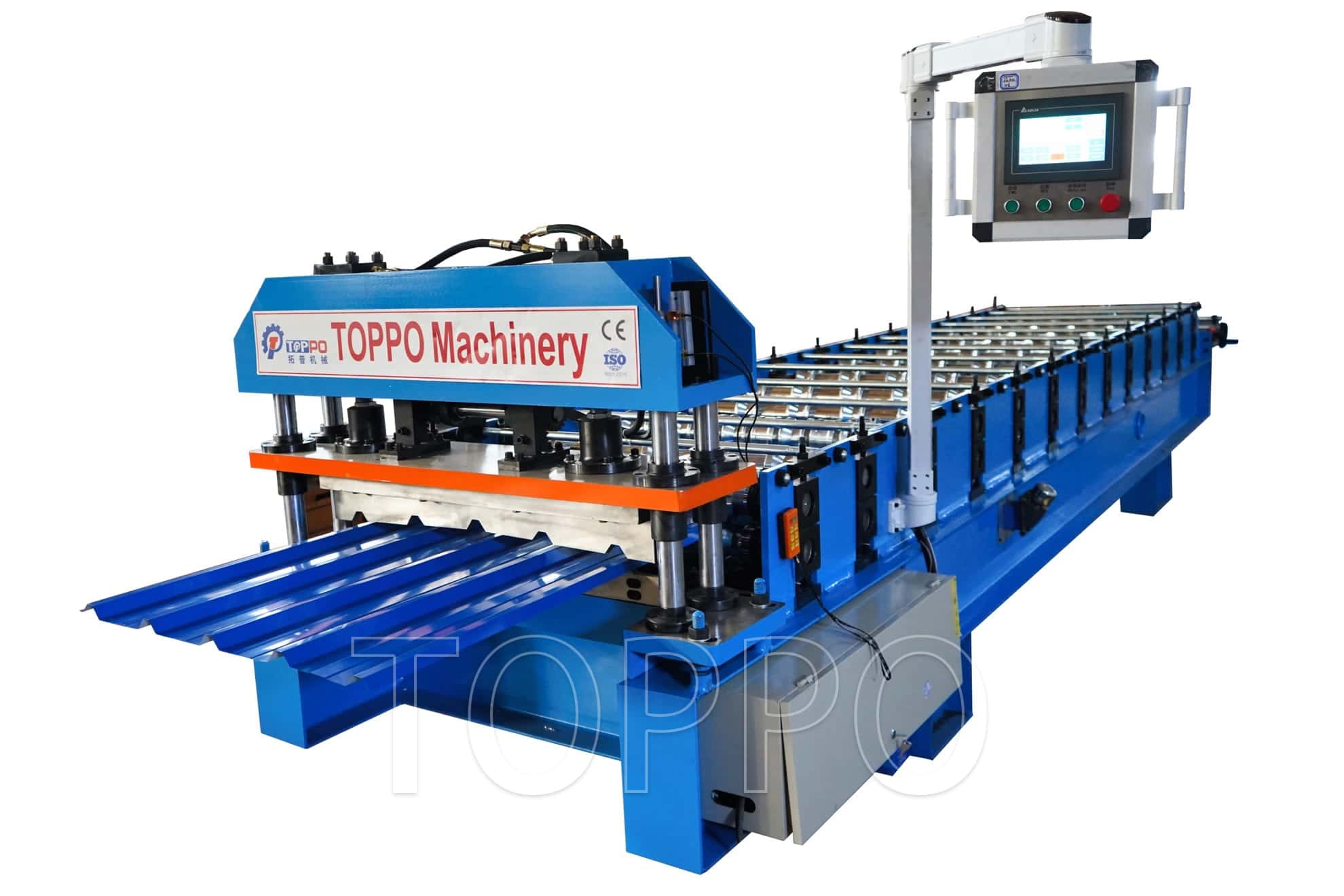
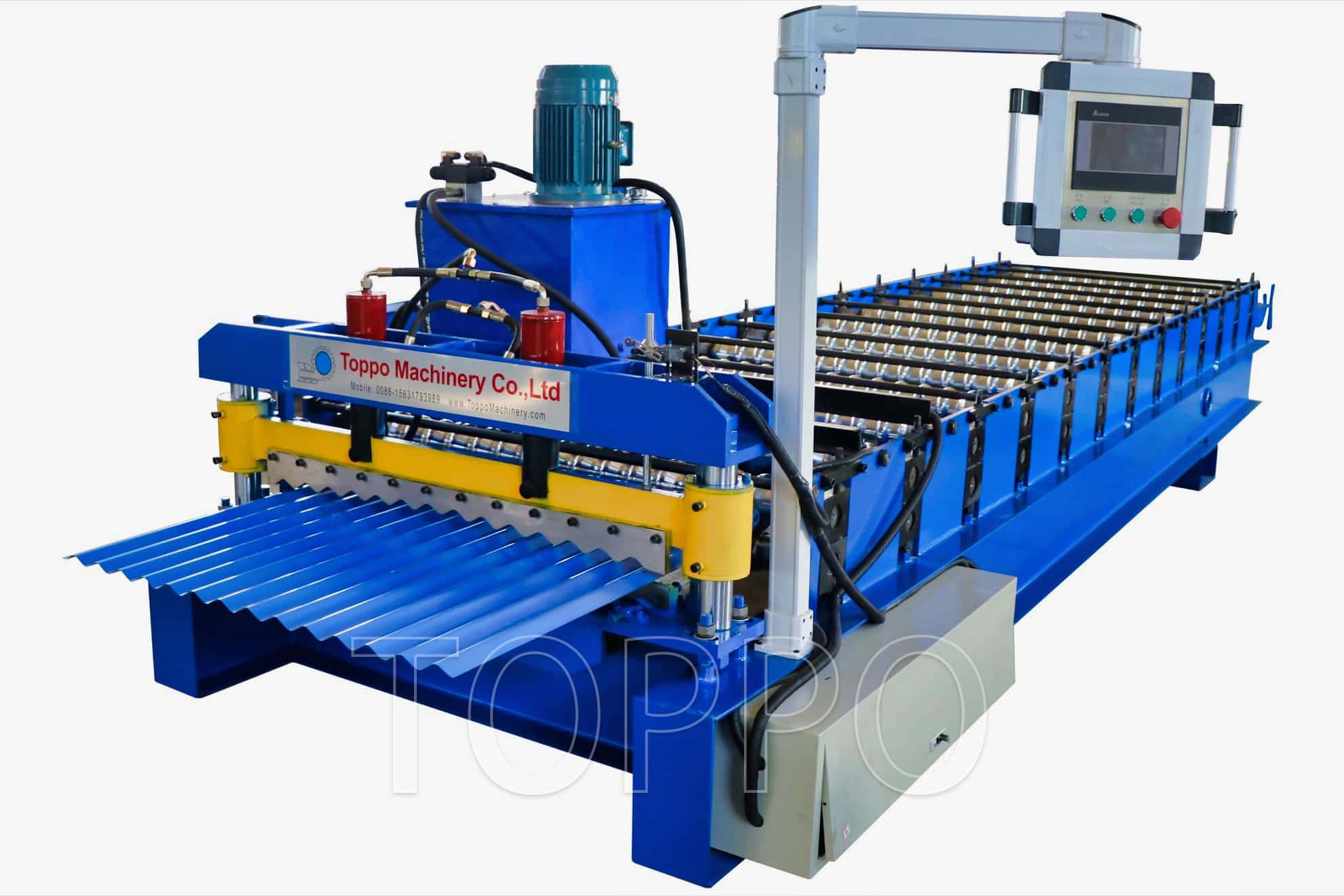
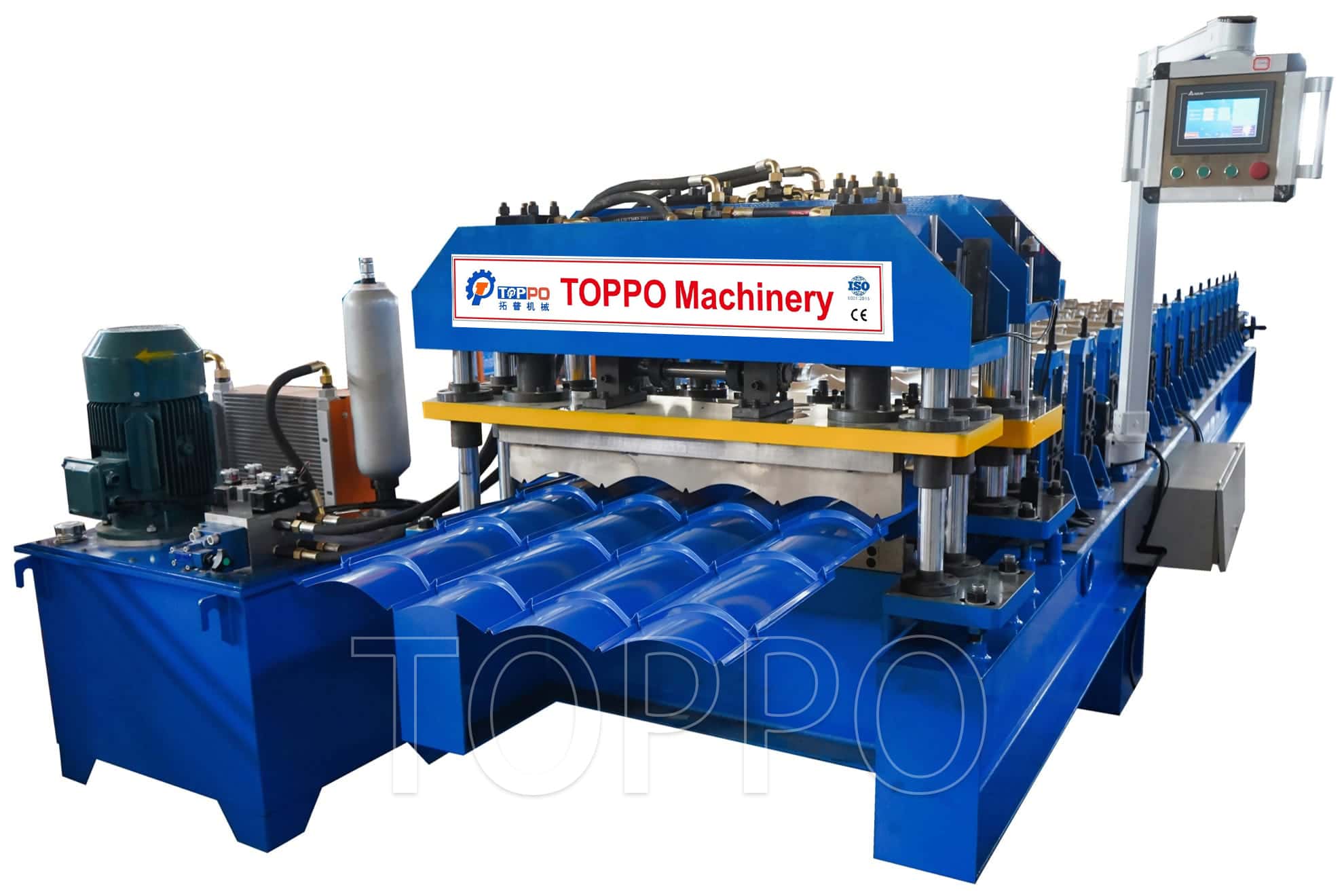
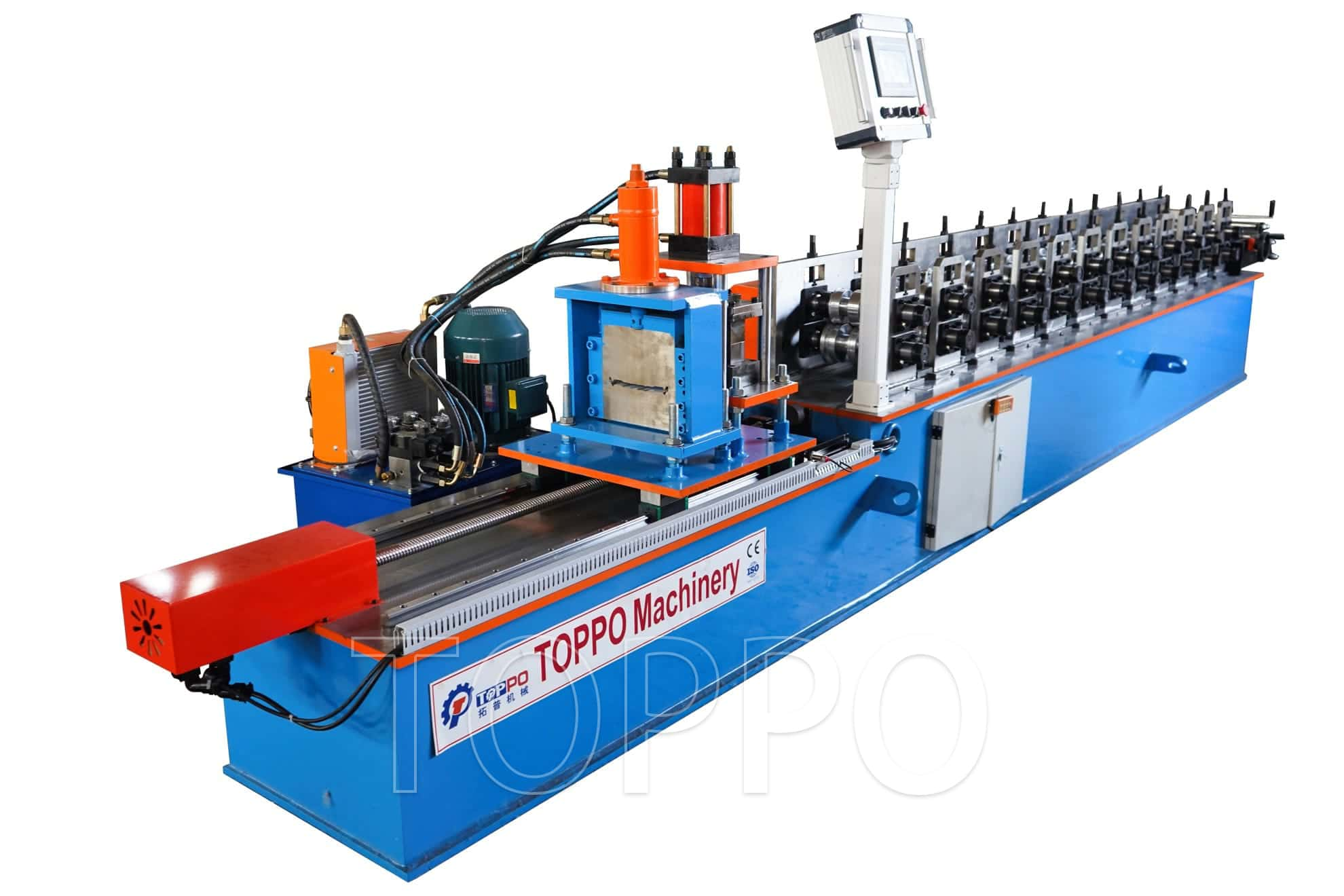
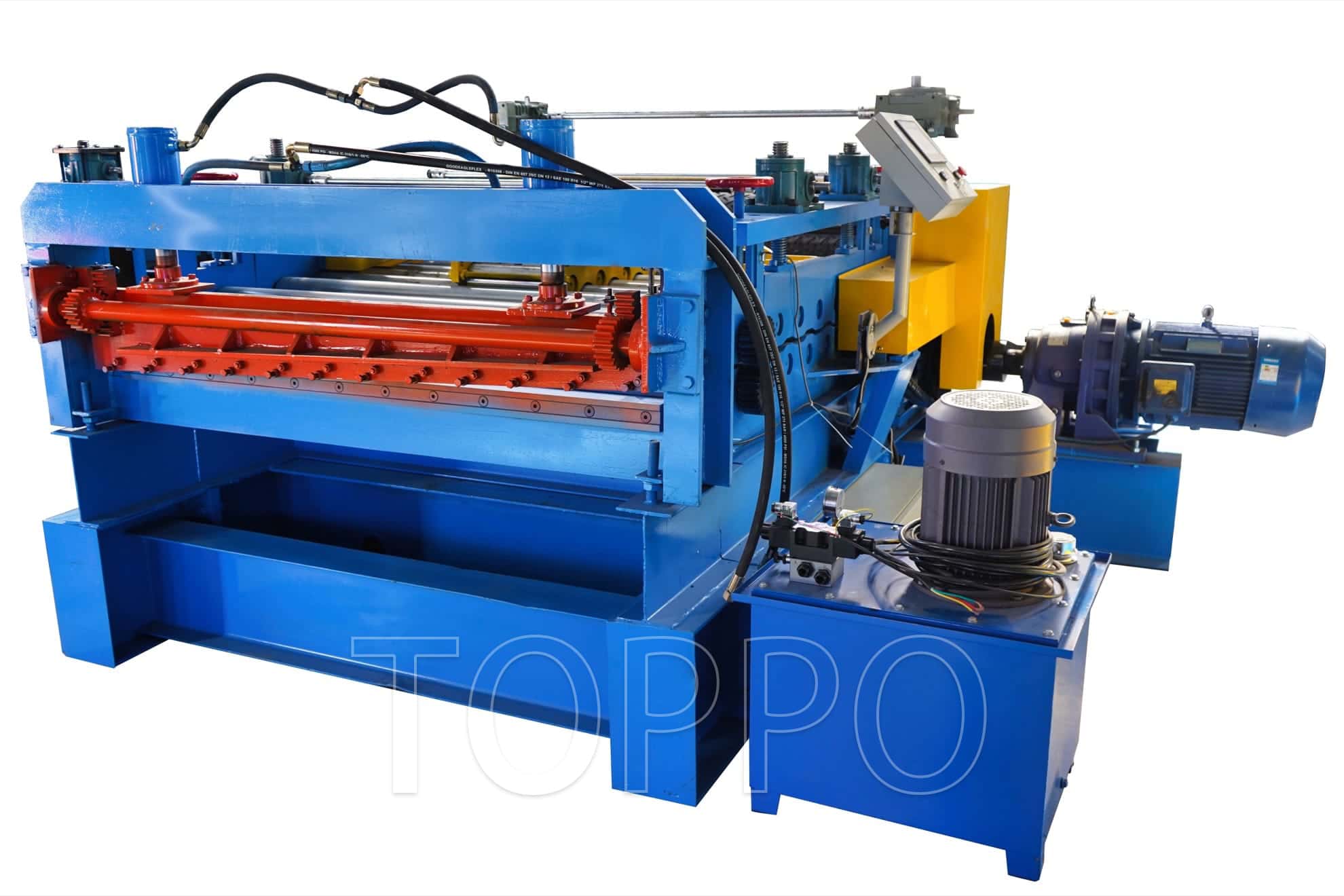
The trapezoidal roof tile making machine is increasingly viewed as the technological core of roofing manufacturing in Peru and Chile. As both countries invest heavily in infrastructure, logistics, and energy projects, manufacturers are questioning whether double layer systems—featuring a high speed trapezoidal roof tile making machine and an automatic trapezoidal roof tile machine—will become the new industry standard.
Infrastructure Expansion and Production Demand
Chile’s renewable energy facilities and Peru’s mining expansions are creating sustained demand for durable metal roofing panels. A trapezoidal roof tile making machine enables manufacturers to meet structural performance standards while maintaining cost efficiency. A high speed trapezoidal roof tile making machine ensures that factories can fulfill high-volume contracts within strict deadlines.
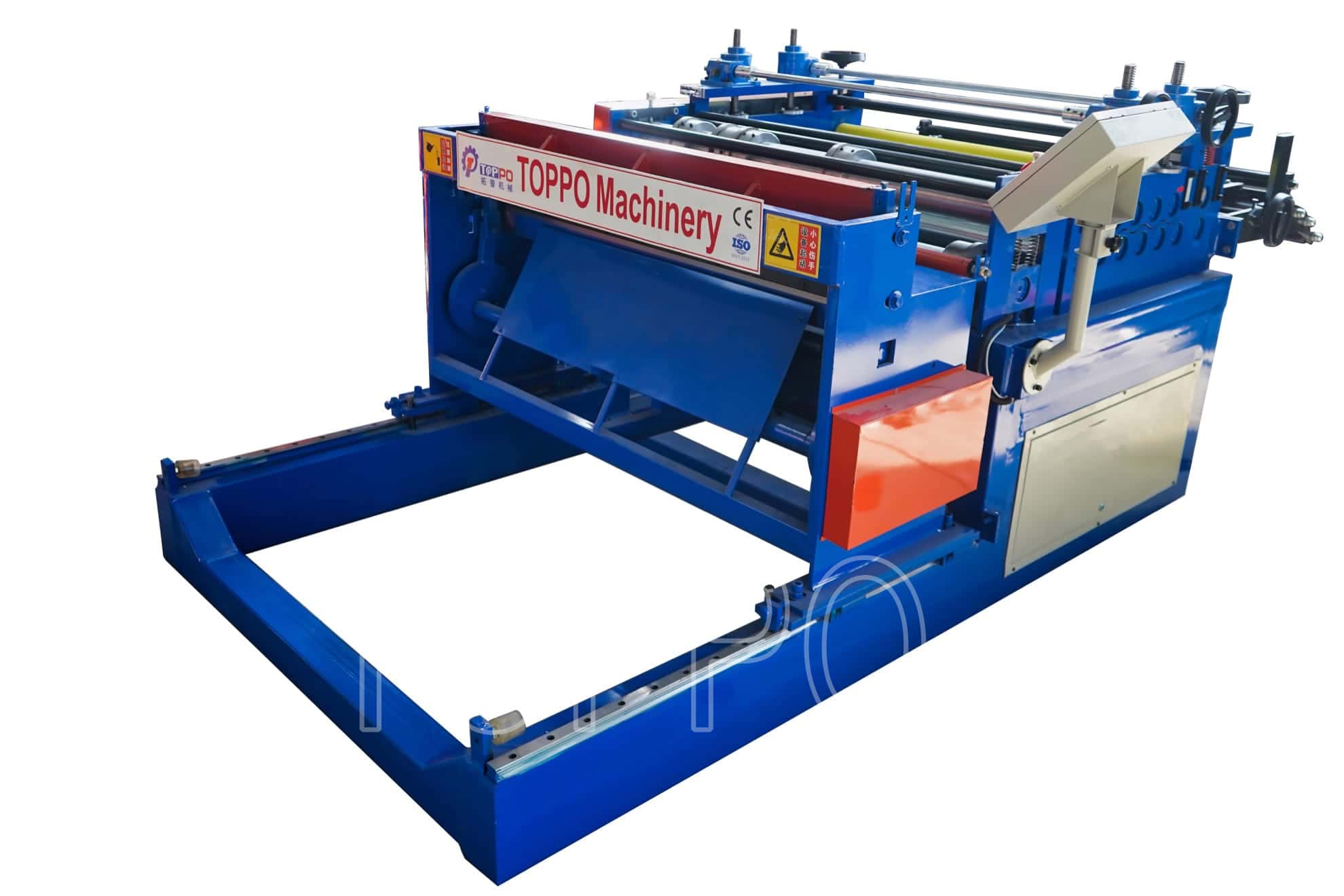
An automatic trapezoidal roof tile machine enhances reliability by providing precise cutting tolerance and consistent forming accuracy. Integrating automation into the trapezoidal roof tile making machine reduces operational errors and improves overall production stability.
Why Double Layer Machines Are Gaining Momentum
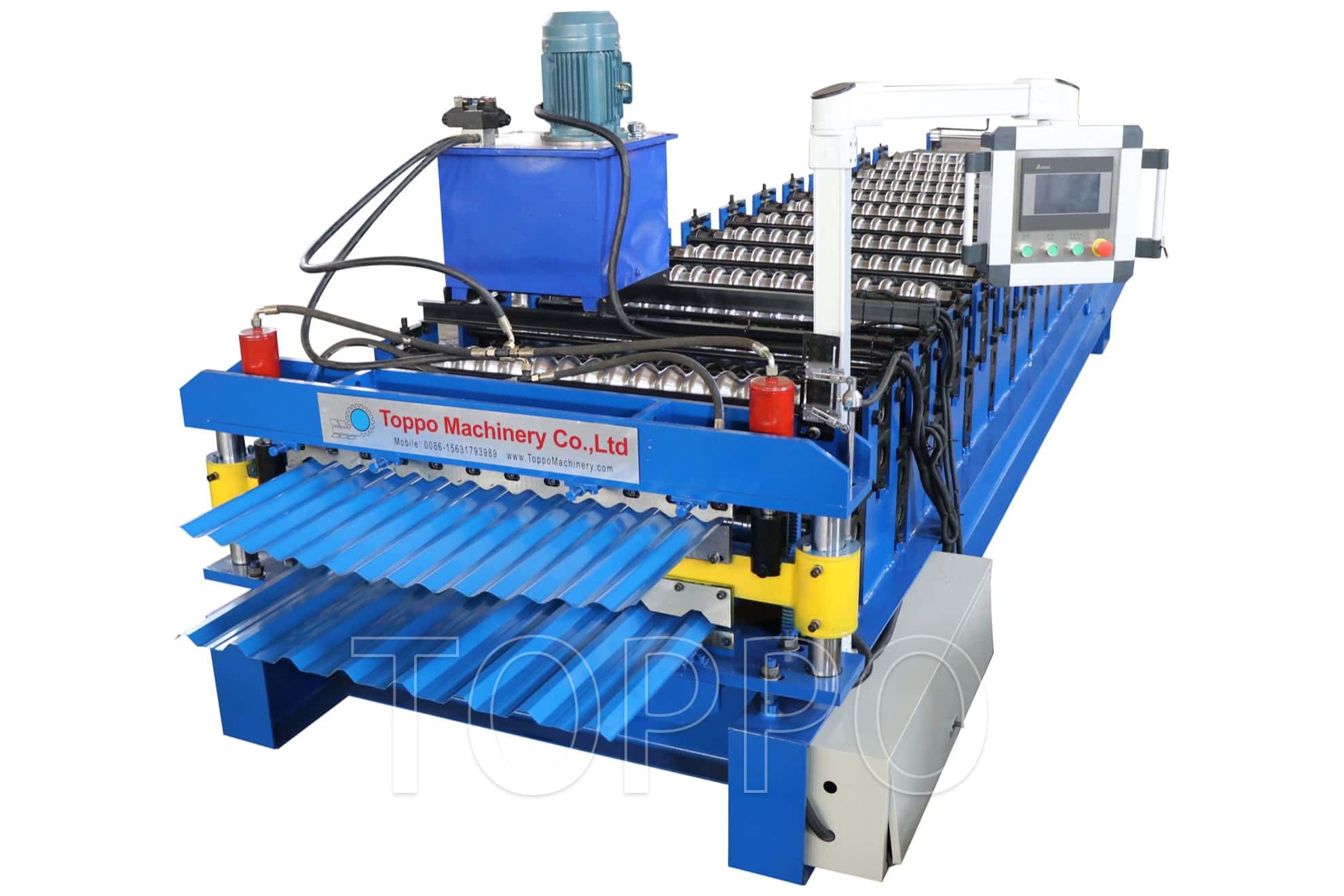
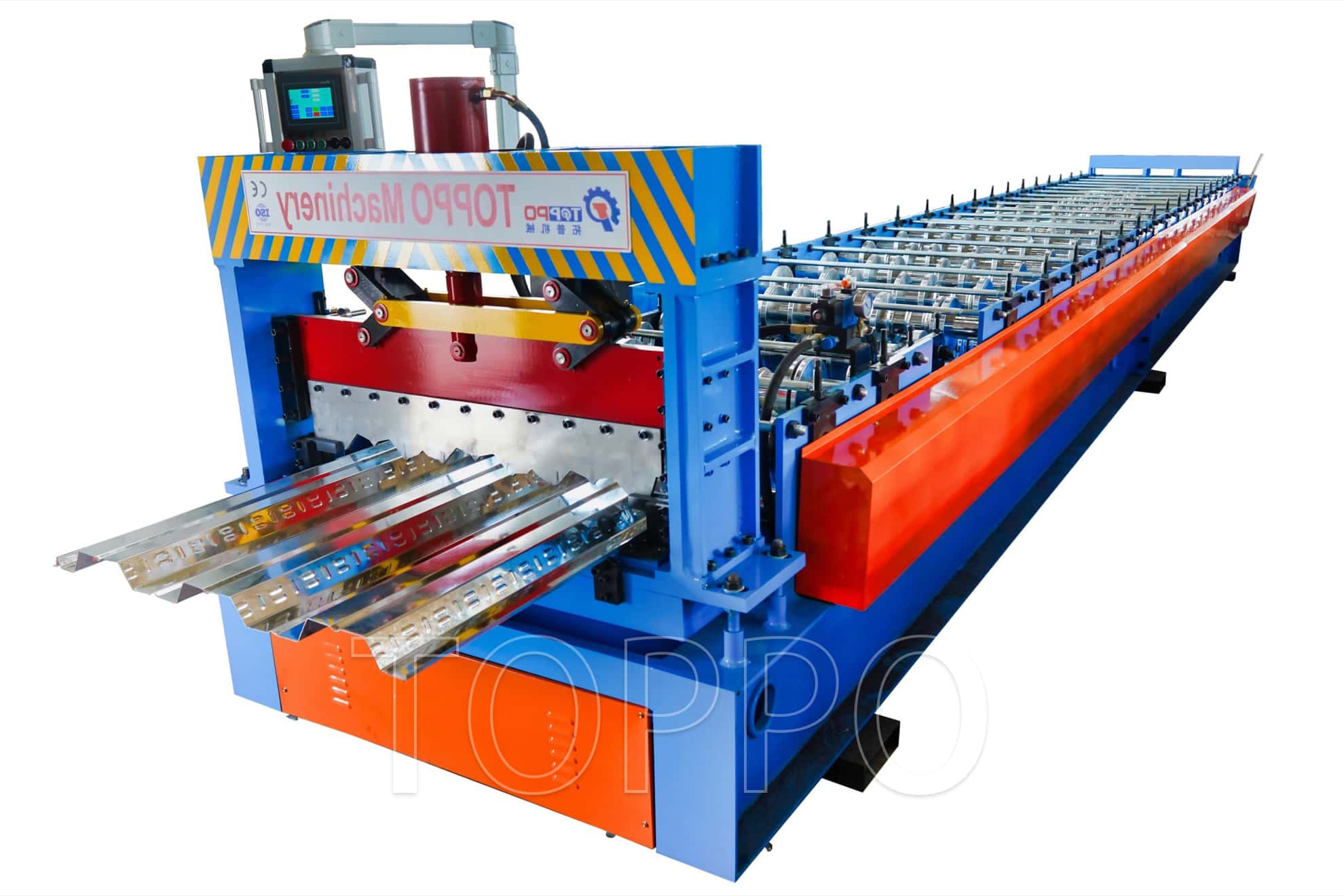
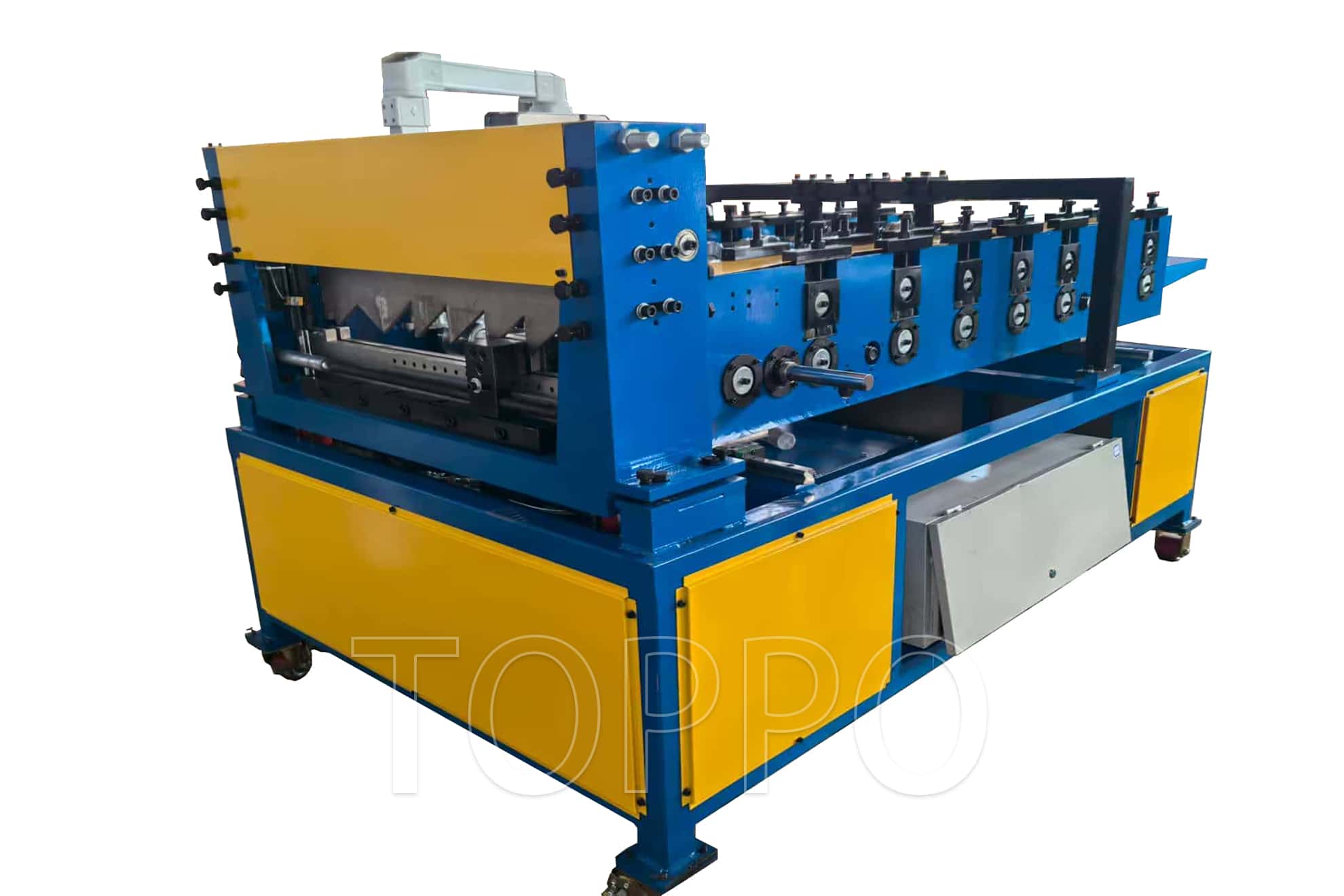
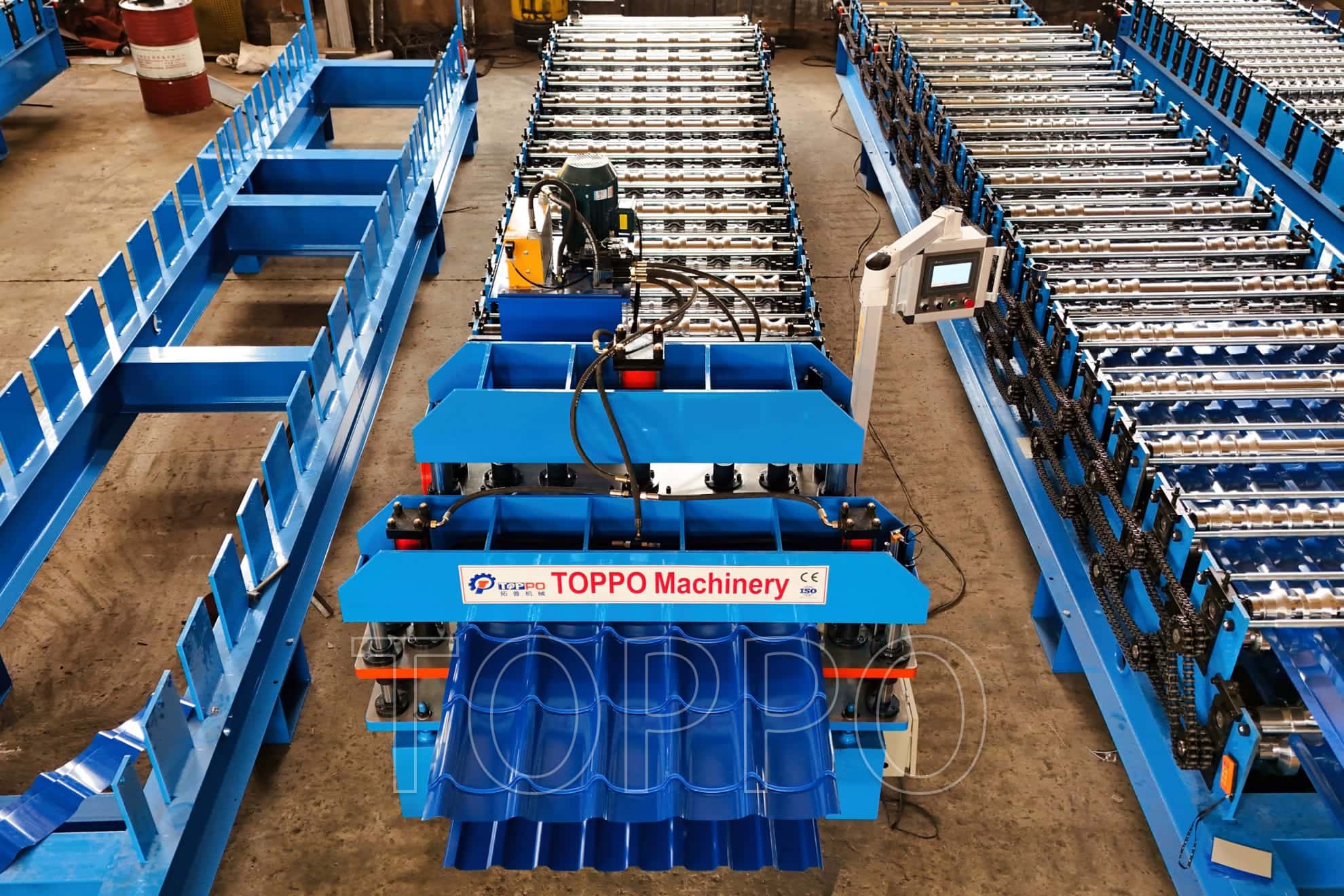
A double layer trapezoidal roof tile making machine combines two roofing profiles within a single equipment frame. This reduces the need for multiple production lines and improves factory space utilization. A high speed trapezoidal roof tile making machine operating in double layer format maintains strong output performance while offering enhanced product diversity.
The automatic trapezoidal roof tile machine enables electronic profile switching, minimizing downtime. As customer requirements evolve in Peru and Chile, the trapezoidal roof tile making machine must adapt quickly to maintain competitiveness.
Efficiency, Automation, and Competitive Advantage
A high speed trapezoidal roof tile making machine increases daily production output and improves overall manufacturing throughput. The automatic trapezoidal roof tile machine synchronizes feeding and hydraulic cutting systems to maintain smooth workflow. Together, these technologies optimize the performance of the trapezoidal roof tile making machine.
Modern trapezoidal roof tile making machine systems also include monitoring features that help identify mechanical issues early. This predictive capability reduces downtime and protects long-term investment value.
Cost Optimization and ROI
In competitive markets, cost control is essential. A double layer trapezoidal roof tile making machine lowers total equipment investment compared to operating separate units. The high speed trapezoidal roof tile making machine shortens production cycles, increasing potential revenue. The automatic trapezoidal roof tile machine reduces labor costs and material waste, further enhancing ROI.
Future Outlook
Roofing industry trends in Peru and Chile strongly indicate ongoing modernization. Manufacturers adopting a double layer trapezoidal roof tile making machine supported by high speed trapezoidal roof tile making machine performance and automatic trapezoidal roof tile machine automation are better positioned for long-term success.
Conclusion
As infrastructure and industrial development continue in Peru and Chile, advanced production technology is becoming essential. A trapezoidal roof tile making machine remains fundamental, but double layer systems provide greater flexibility and efficiency. By integrating a high speed trapezoidal roof tile making machine and an automatic trapezoidal roof tile machine, roofing manufacturers can enhance productivity, reduce costs, and secure sustainable growth in a rapidly evolving regional market.
READ MORE: