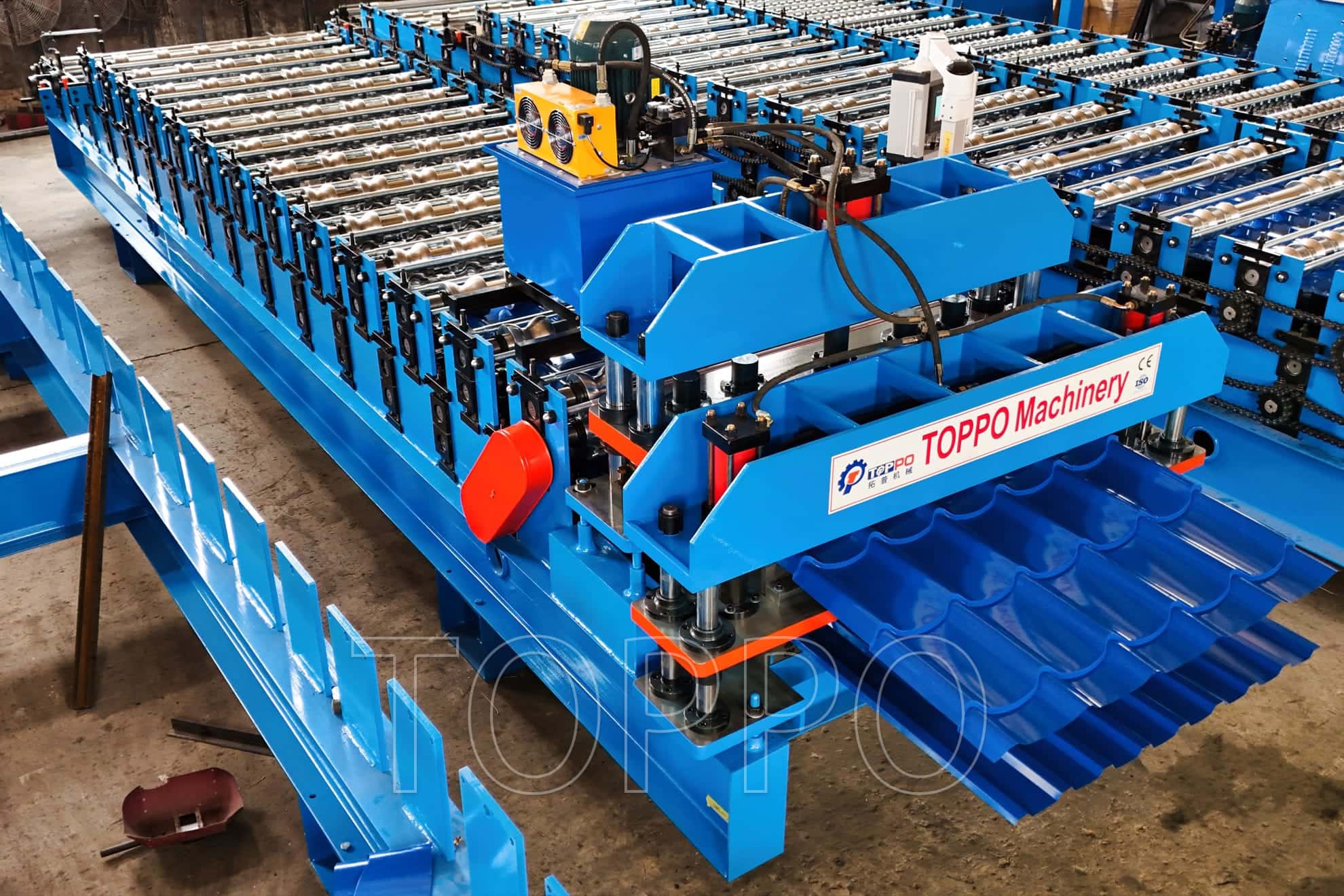
Maximizing Monthly Tonnage: A Practical Guide to Double Layer Roofing Line Capacity
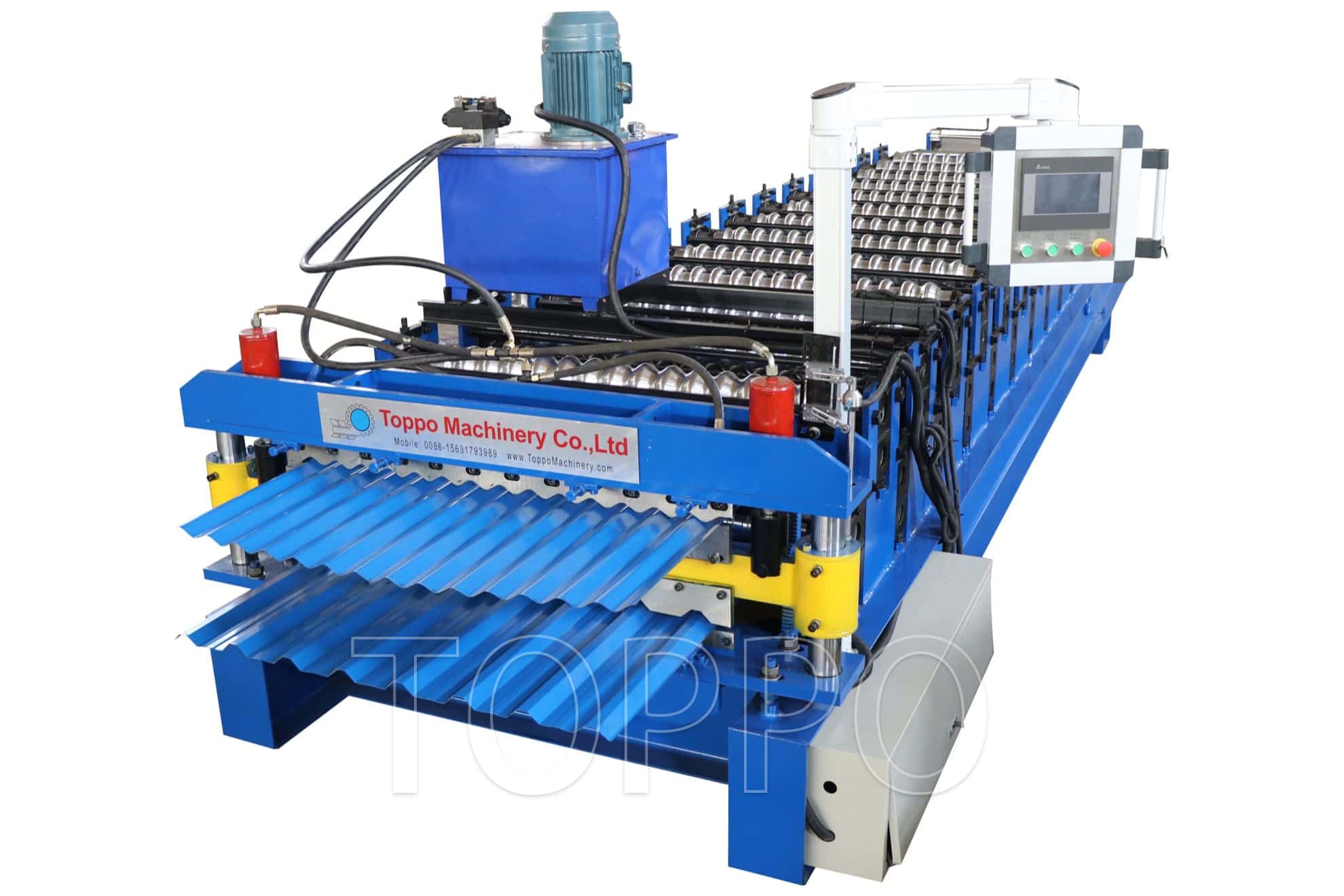
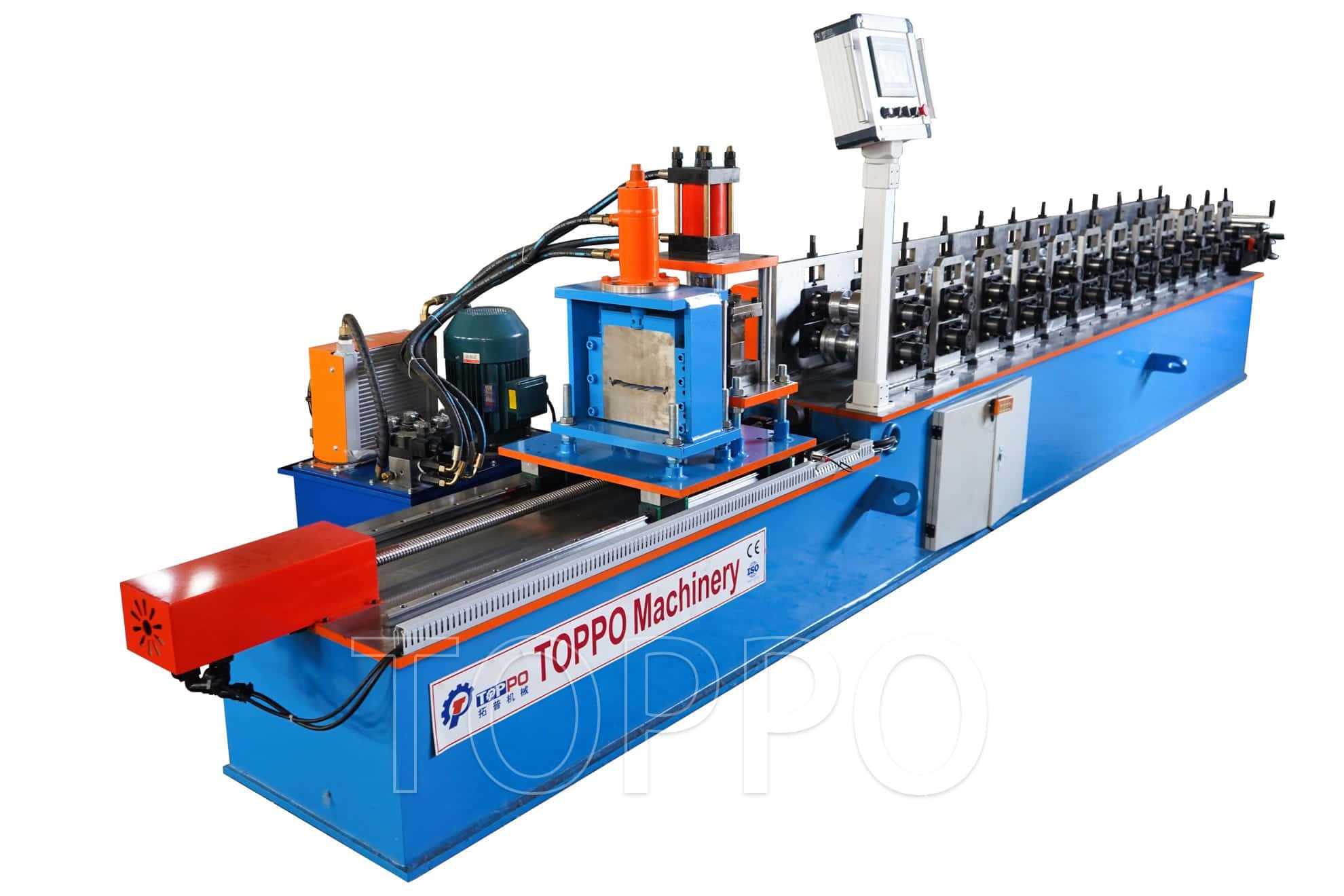
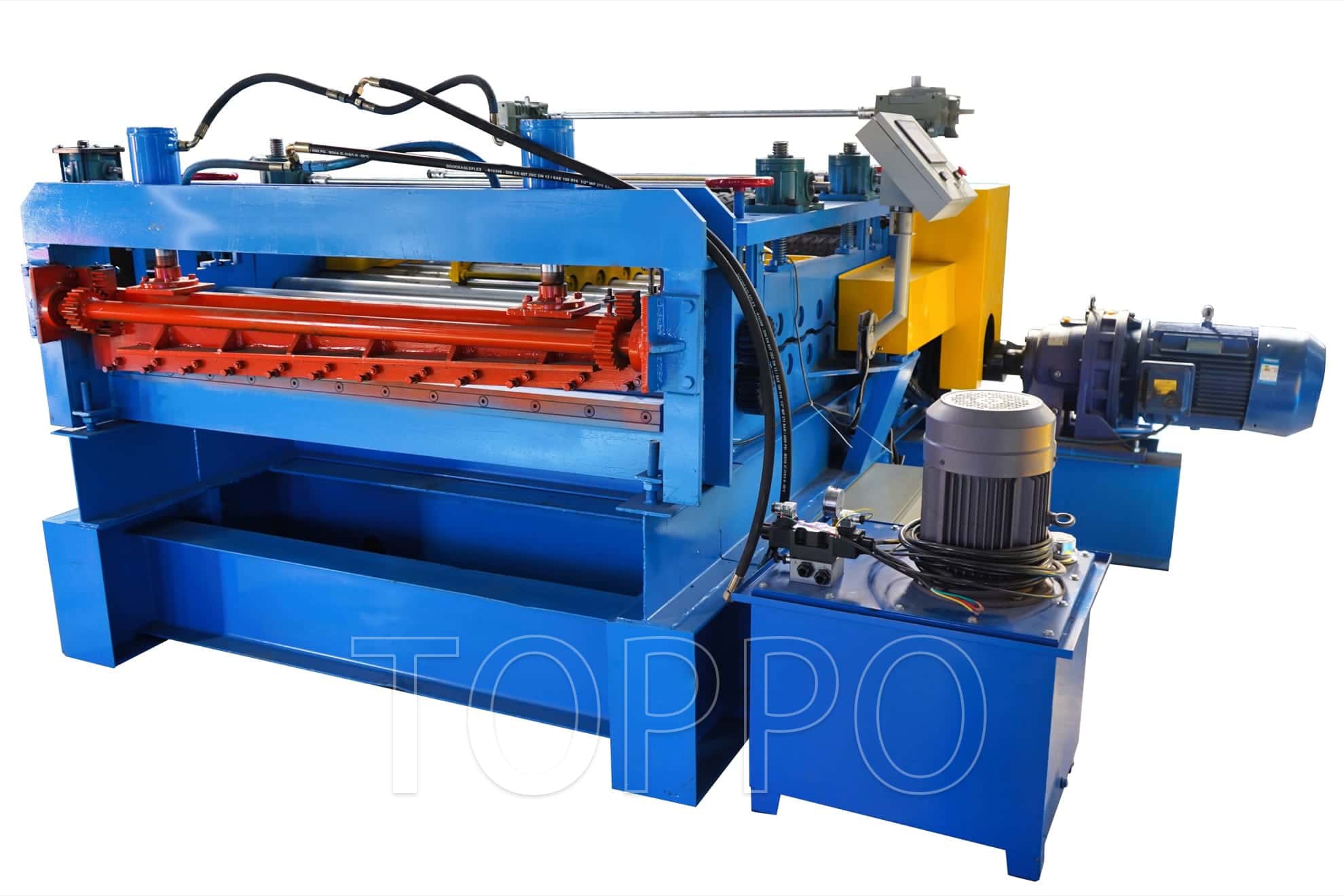
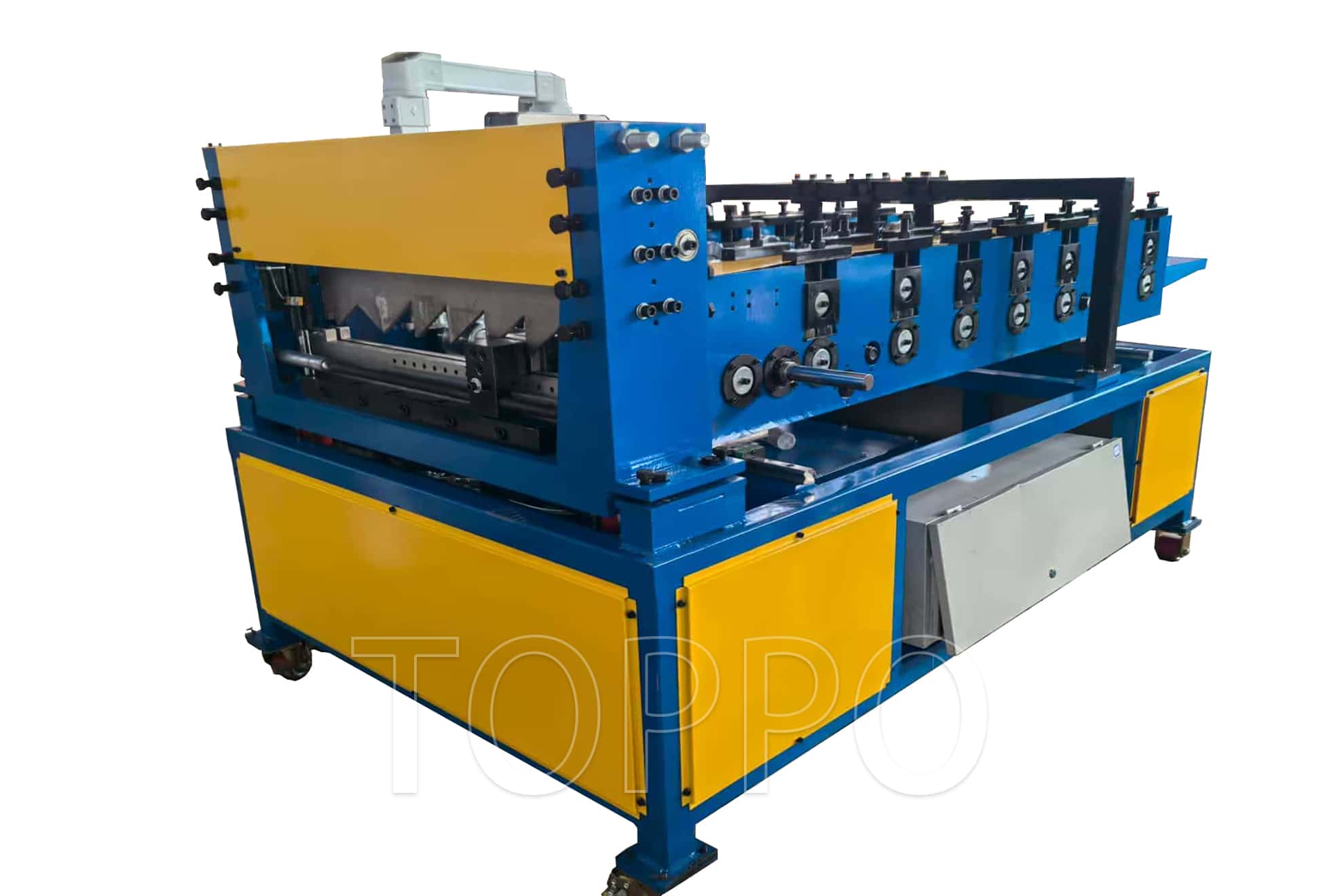
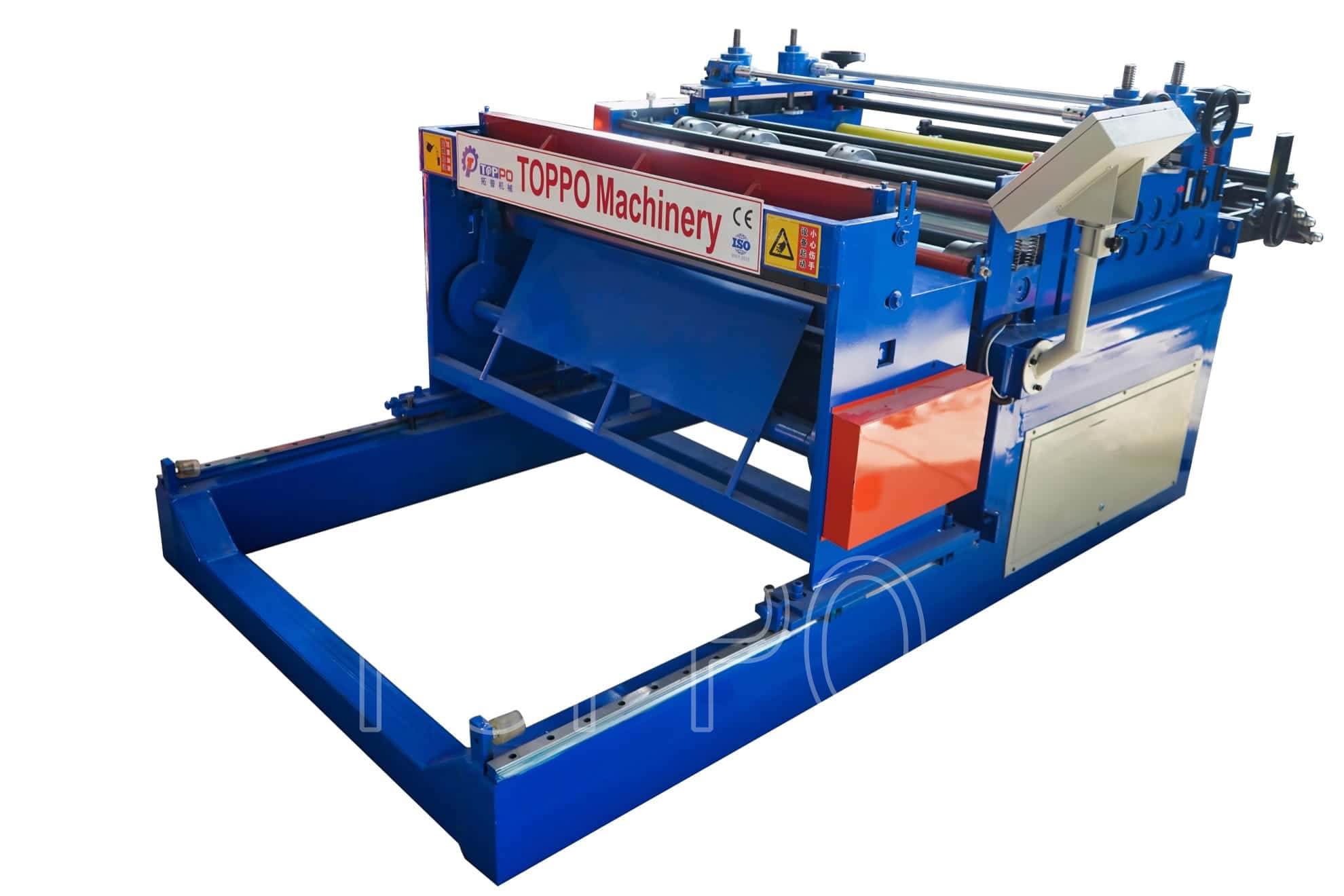
For investors and factory owners, understanding the real monthly output of a roofing production line is essential for business planning and contract fulfillment. While suppliers often advertise high forming speeds, the actual tonnage depends on operational discipline, material consistency, and shift management. When operating a double layer roofing sheet roll forming machine, accurate capacity calculation becomes the foundation of financial success.
This guide explains how to estimate realistic monthly production, outlines implementation steps, highlights operational precautions, and presents real factory case studies to provide practical insight.
1. Theoretical Output Calculation
The capacity of a double layer roll forming machine depends primarily on forming speed, material thickness, effective width, and daily working hours.
Assume the following production conditions:
The approximate weight of 0.4 mm steel sheet is 3.14 kg per square meter.
Daily Production:
12 m/min × 60 = 720 meters/hour
720 × 8 hours = 5,760 meters/day
5,760 m² × 3.14 kg ≈ 18 tons/day
With 26 working days per month, theoretical output equals 468 tons. However, a double layer roofing sheet roll forming machine rarely operates at 100% efficiency. Considering coil change time and routine inspections, realistic efficiency ranges between 80–90%. Therefore, actual monthly output under single-shift operation is typically 380–420 tons.
2. Increasing Output Through Shift Management
Factories operating a double layer roll forming machine for 16 hours per day can nearly double production. Under similar material conditions:
With 85% efficiency, realistic monthly production reaches 780–820 tons. Many factories running a roof panel making machine in two shifts achieve this level after optimizing workflow and maintenance scheduling.
3. Step-by-Step Implementation for Stable Production
Step 1: Proper Foundation Installation
The base must be precisely leveled and anchor bolts secured. Poor installation causes vibration in the double layer roofing sheet roll forming machine, reducing forming precision and slowing output.
Step 2: Electrical Stability
Install voltage stabilizers to protect the roof panel making machine. Voltage fluctuations reduce inverter efficiency and may force operators to lower forming speed.
Step 3: Material Inspection
Check coil thickness before feeding material. Inconsistent thickness requires roller gap adjustments in the double layer roll forming machine, reducing effective operating time.
Step 4: Preventive Maintenance
Weekly lubrication and hydraulic system inspection ensure that the double layer roofing sheet roll forming machine maintains stable speed and cutting accuracy.
4. Real Factory Case Study
A roofing manufacturer in Africa installed a double layer roofing sheet roll forming machine rated at 15 m/min. During the first month, output reached only 360 tons due to inefficient coil replacement and untrained operators.
After implementing structured training and improving coil loading procedures, the double layer roll forming machine reached 85% efficiency. Monthly output increased to 520 tons under single-shift production.
When the company added a second shift and optimized preventive maintenance for the roof panel making machine, monthly tonnage stabilized at approximately 790 tons.
5. Common Mistakes That Reduce Capacity
Ignoring foundation leveling during installation
Operating without voltage stabilization
Skipping lubrication schedules
Improper roller clearance adjustment
Frequent unplanned downtime due to lack of spare parts
These errors can reduce the efficiency of a double layer roofing sheet roll forming machine by 15–25%, significantly impacting monthly output.
6. Key Precautions for Maximizing Monthly Tonnage
Standardize coil preparation before each shift.
Maintain consistent raw material suppliers.
Track daily production data and downtime causes.
Schedule preventive inspections for the roof panel making machine.
Train operators to quickly switch profiles on the double layer roll forming machine.
With disciplined management, a double layer roofing sheet roll forming machine can consistently operate above 85% efficiency, ensuring stable monthly tonnage.
Conclusion
The monthly output of a double layer roofing line depends on machine speed, material thickness, shift arrangement, and operational management. Under single-shift production, realistic capacity ranges between 380–420 tons. With double-shift operation and proper maintenance of both the double layer roll forming machine and the roof panel making machine, factories can achieve 750–820 tons per month.
Accurate calculation, careful installation, and disciplined maintenance are the keys to maximizing capacity and ensuring long-term profitability.
SEO Keywords
double layer roofing sheet roll forming machine, double layer roll forming machine, roof panel making machine, roofing line production capacity, metal roofing roll former, steel roofing manufacturing line
Tags
double layer roofing sheet roll forming machine, double layer roll forming machine, roof panel making machine
READ MORE: