Why Roofing Sheet Dealers in South America Are Expanding into Local Roof Panel Production
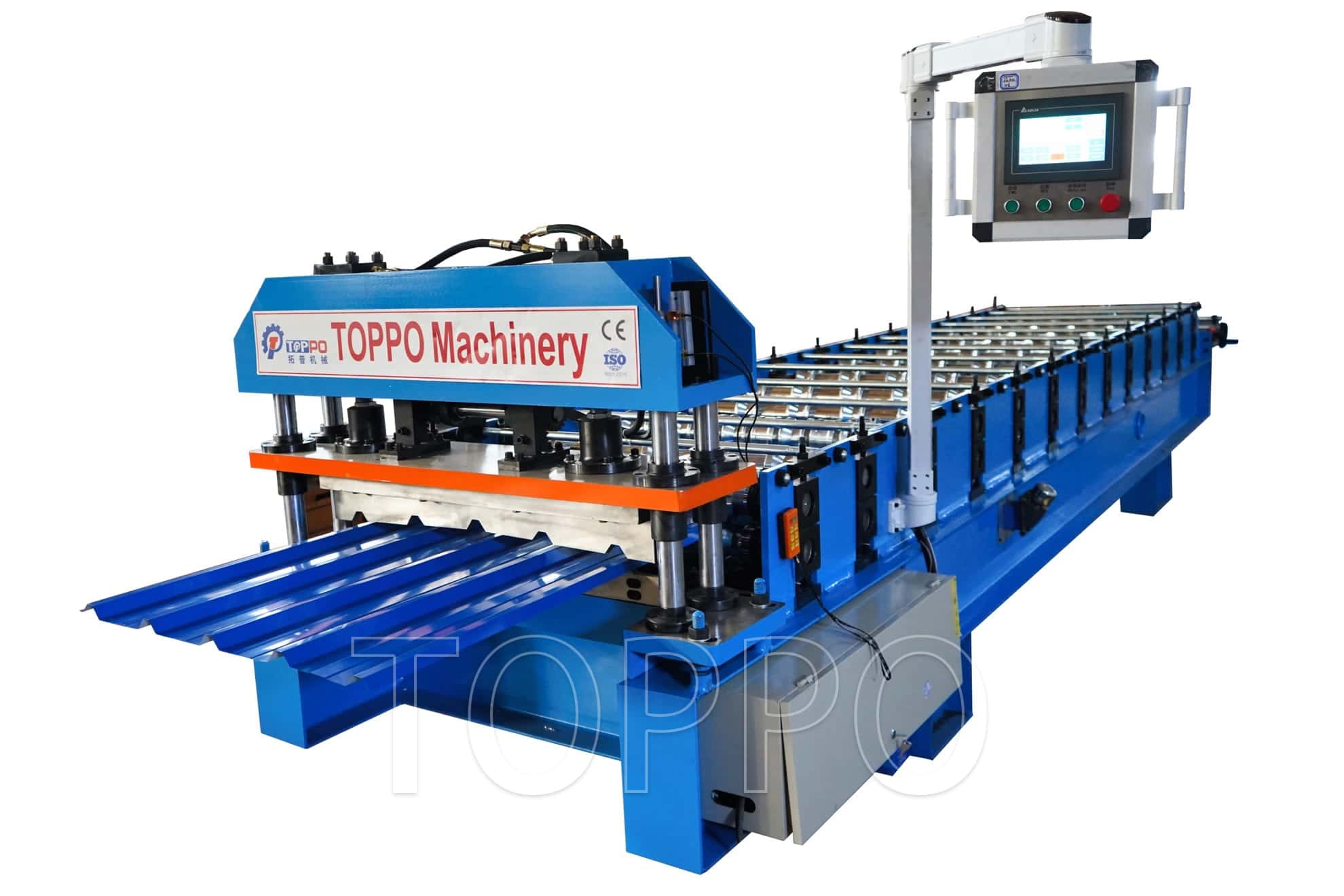
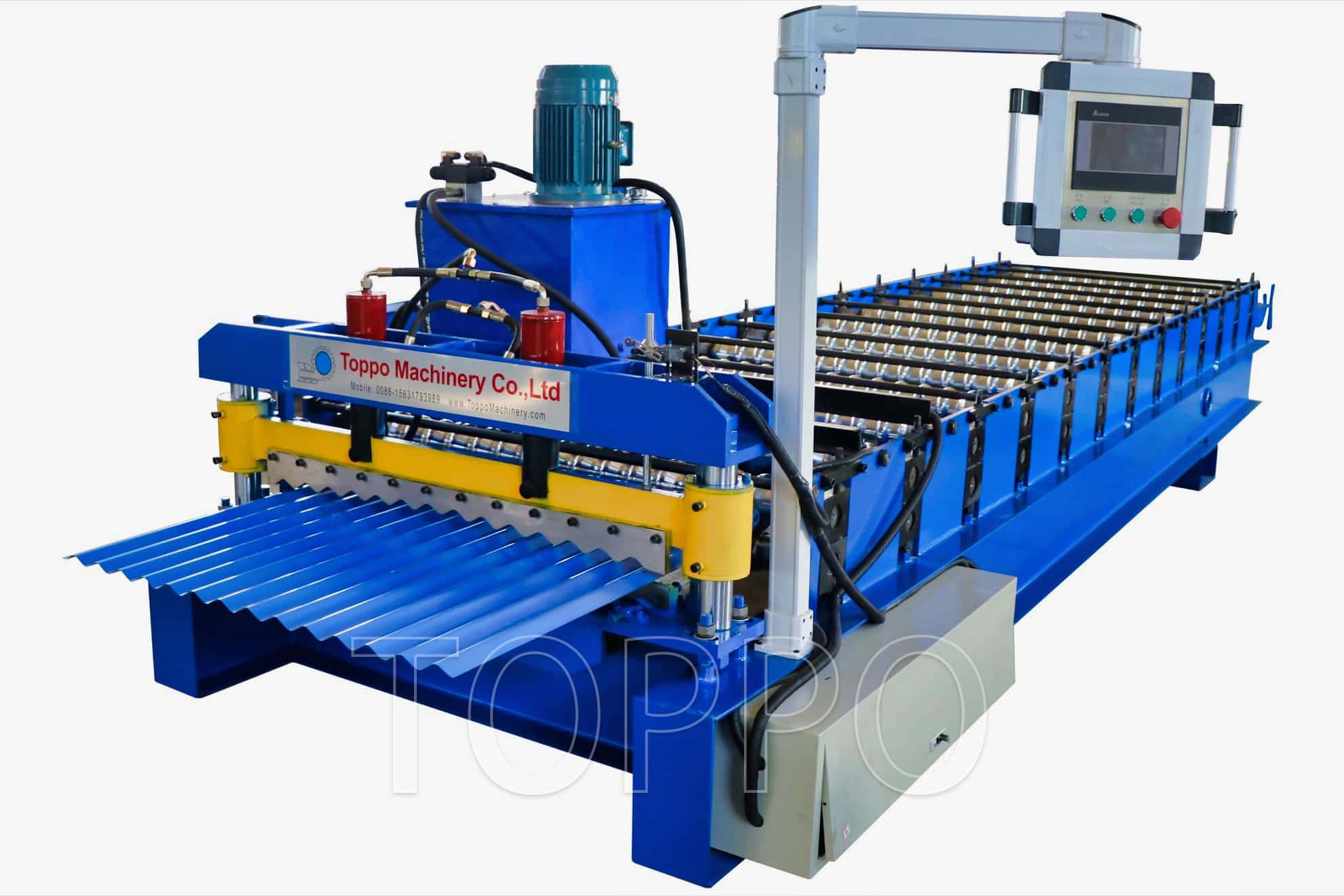
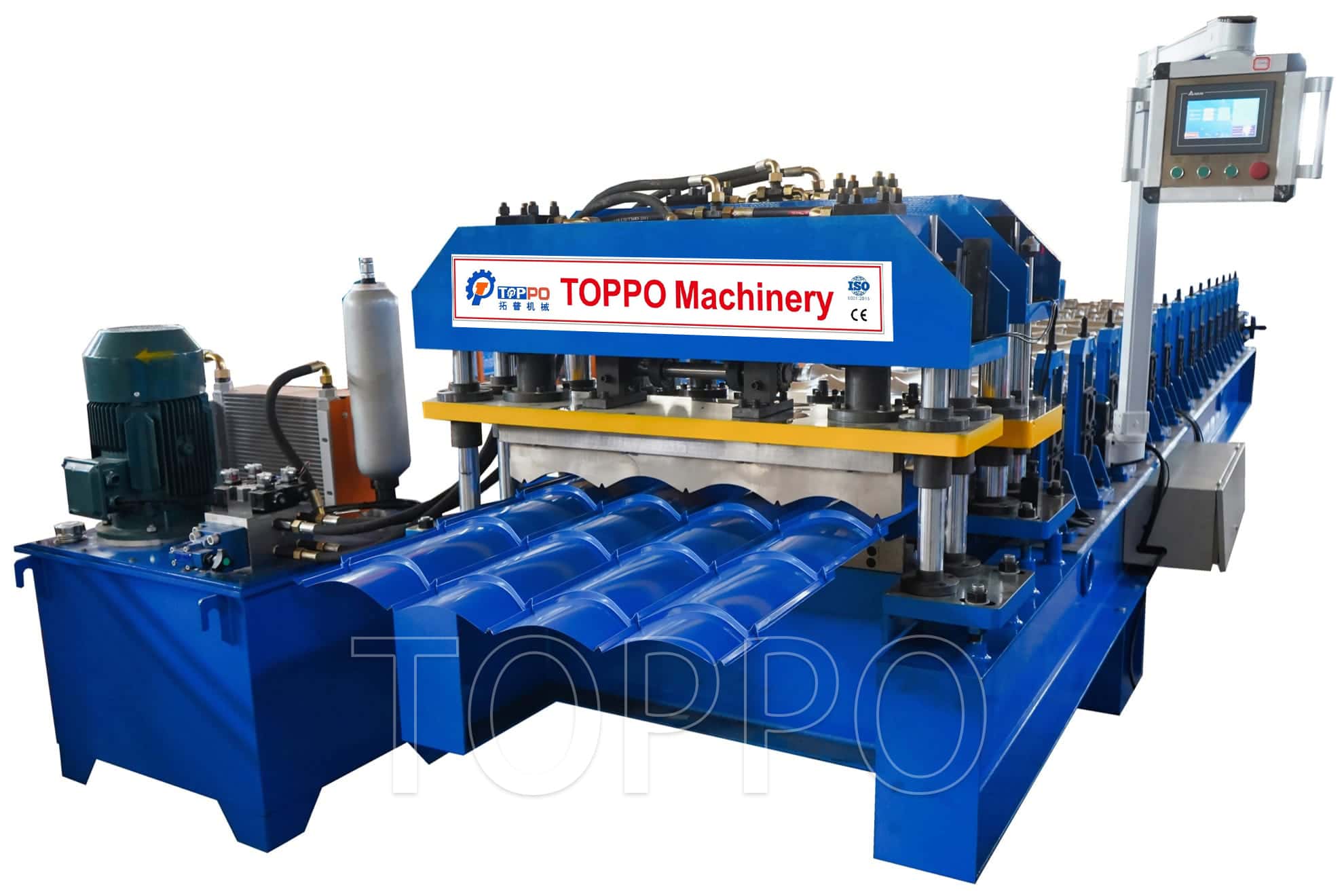
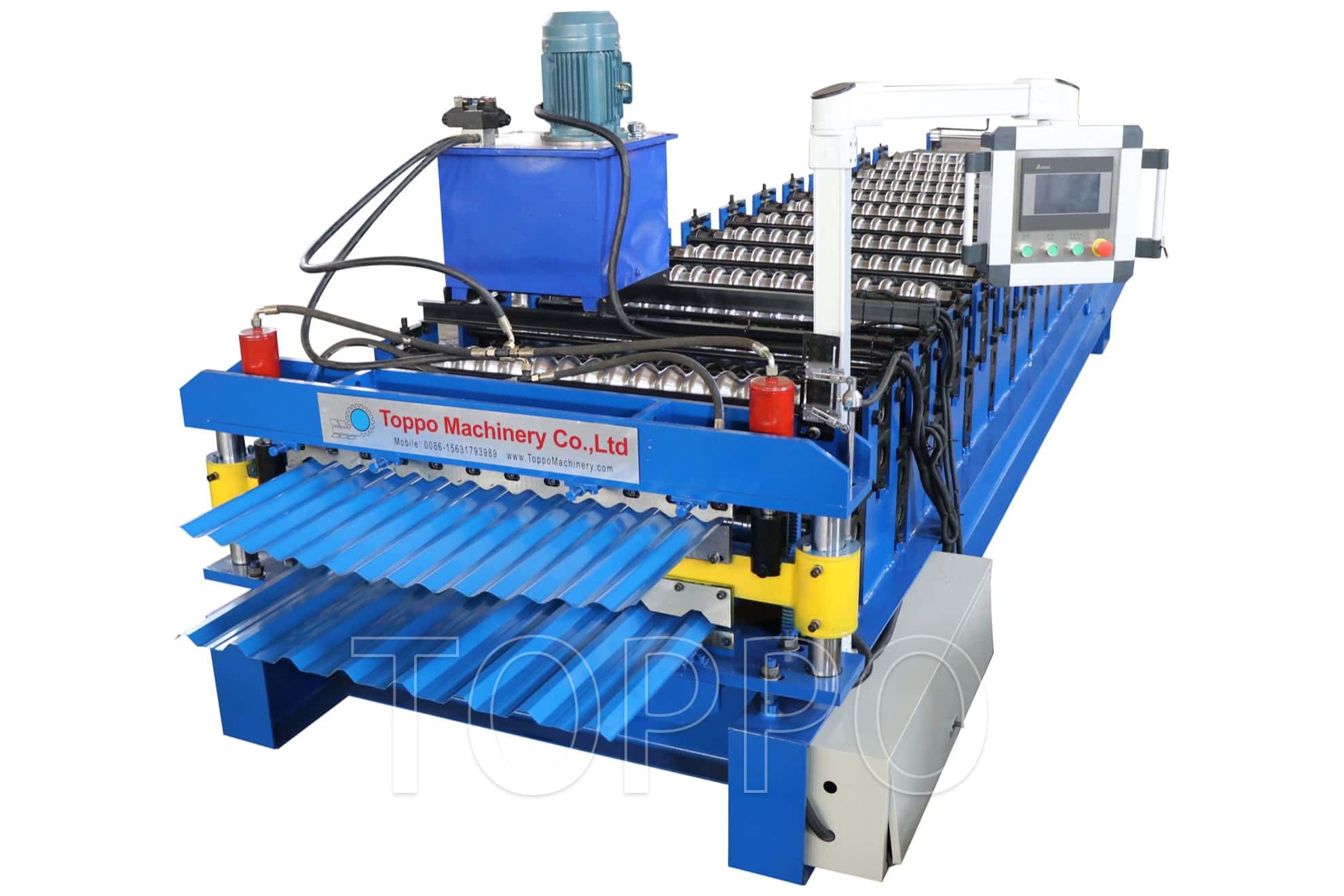
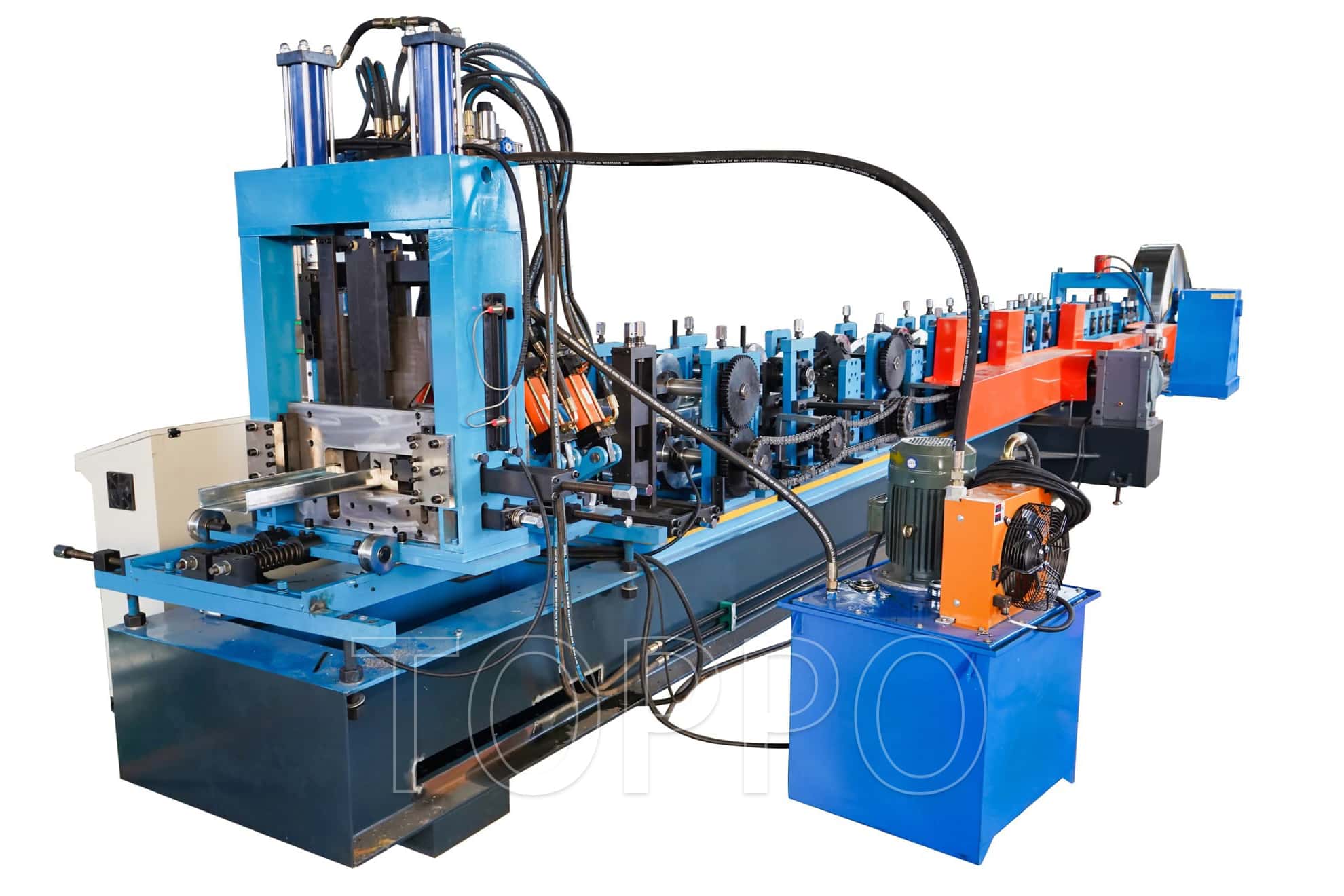
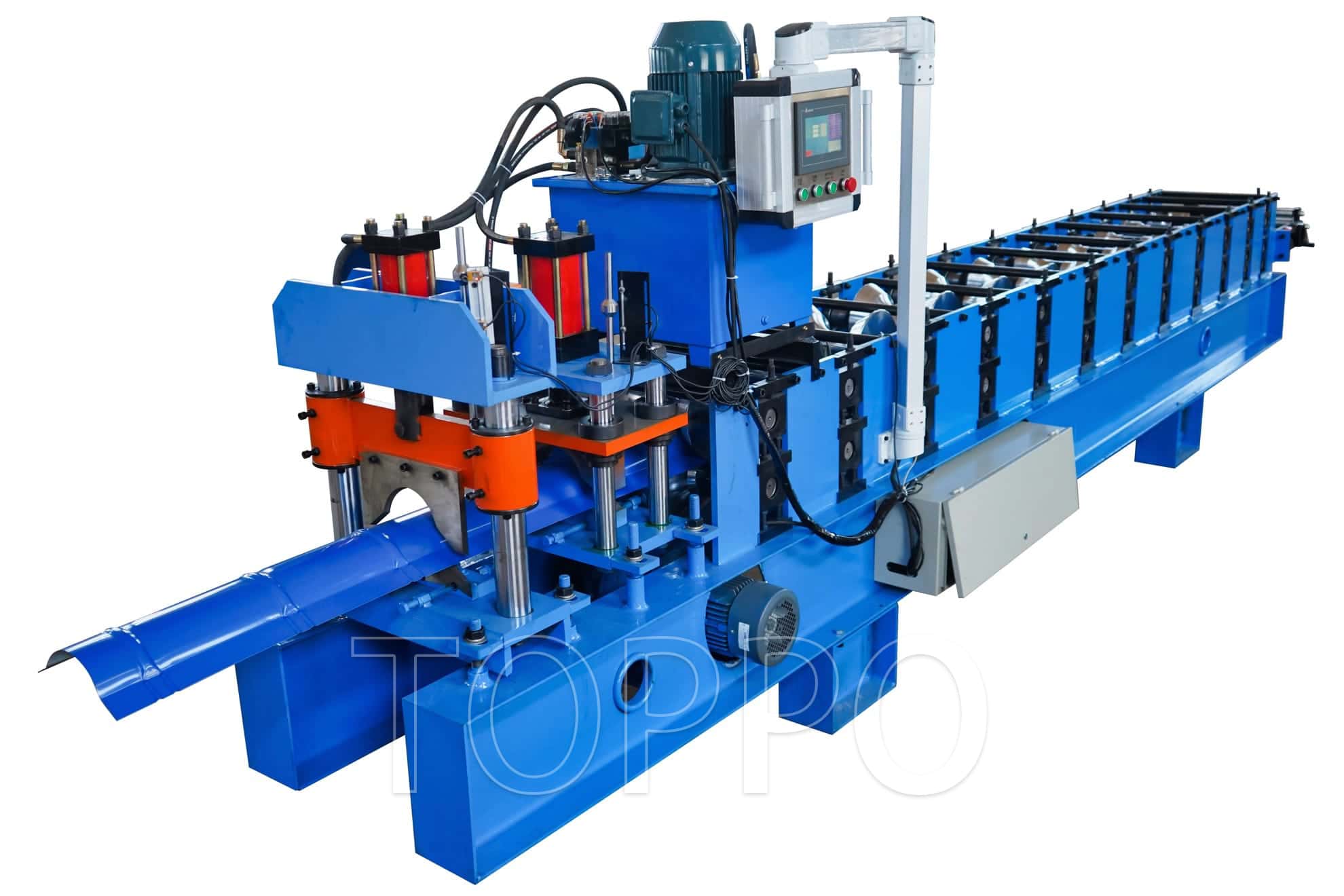
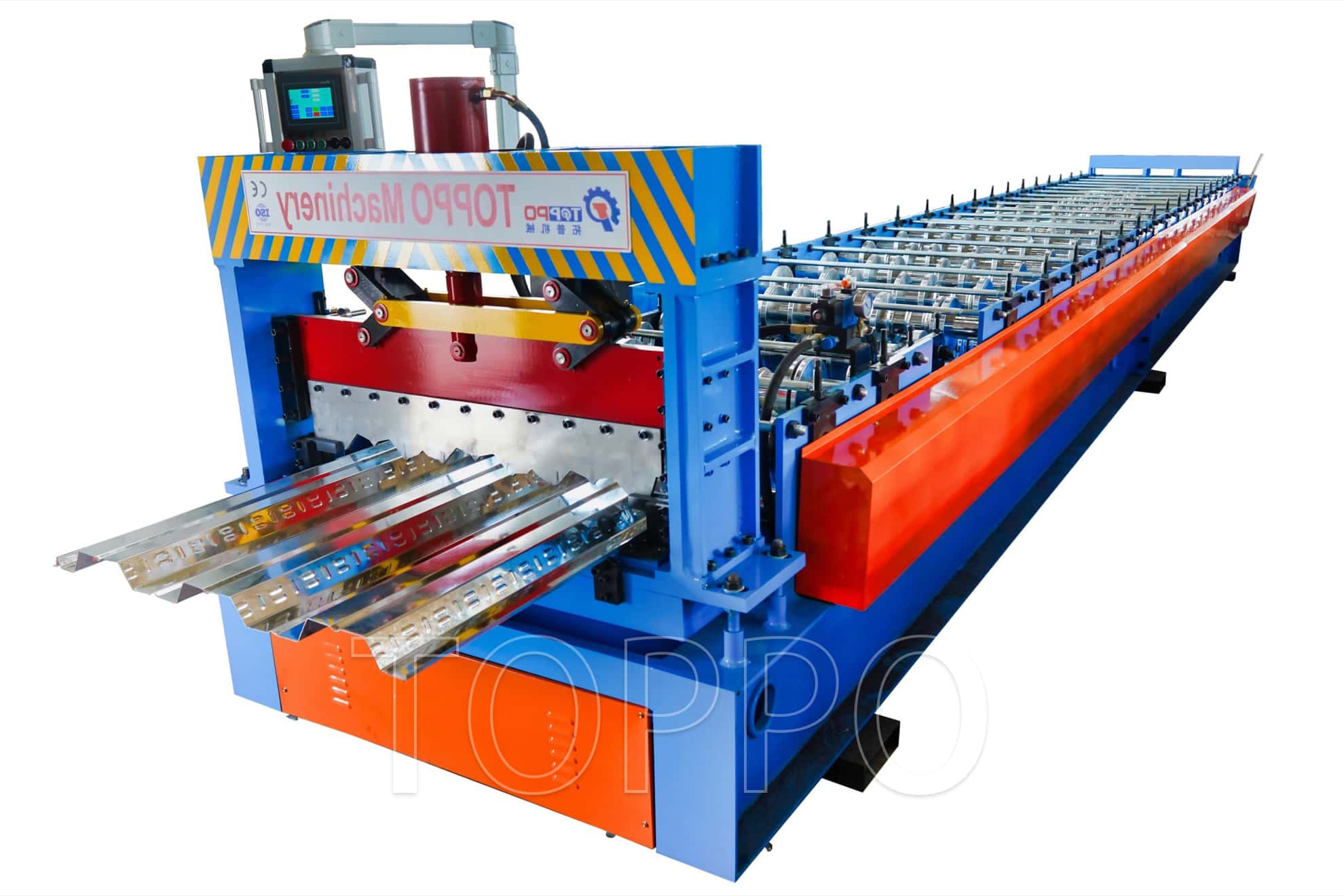
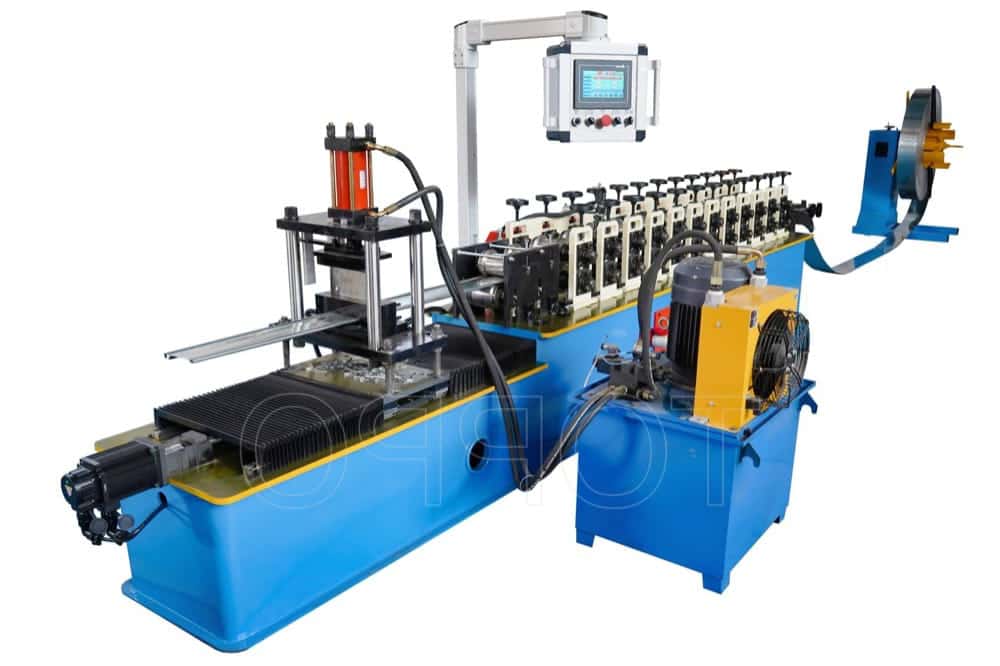
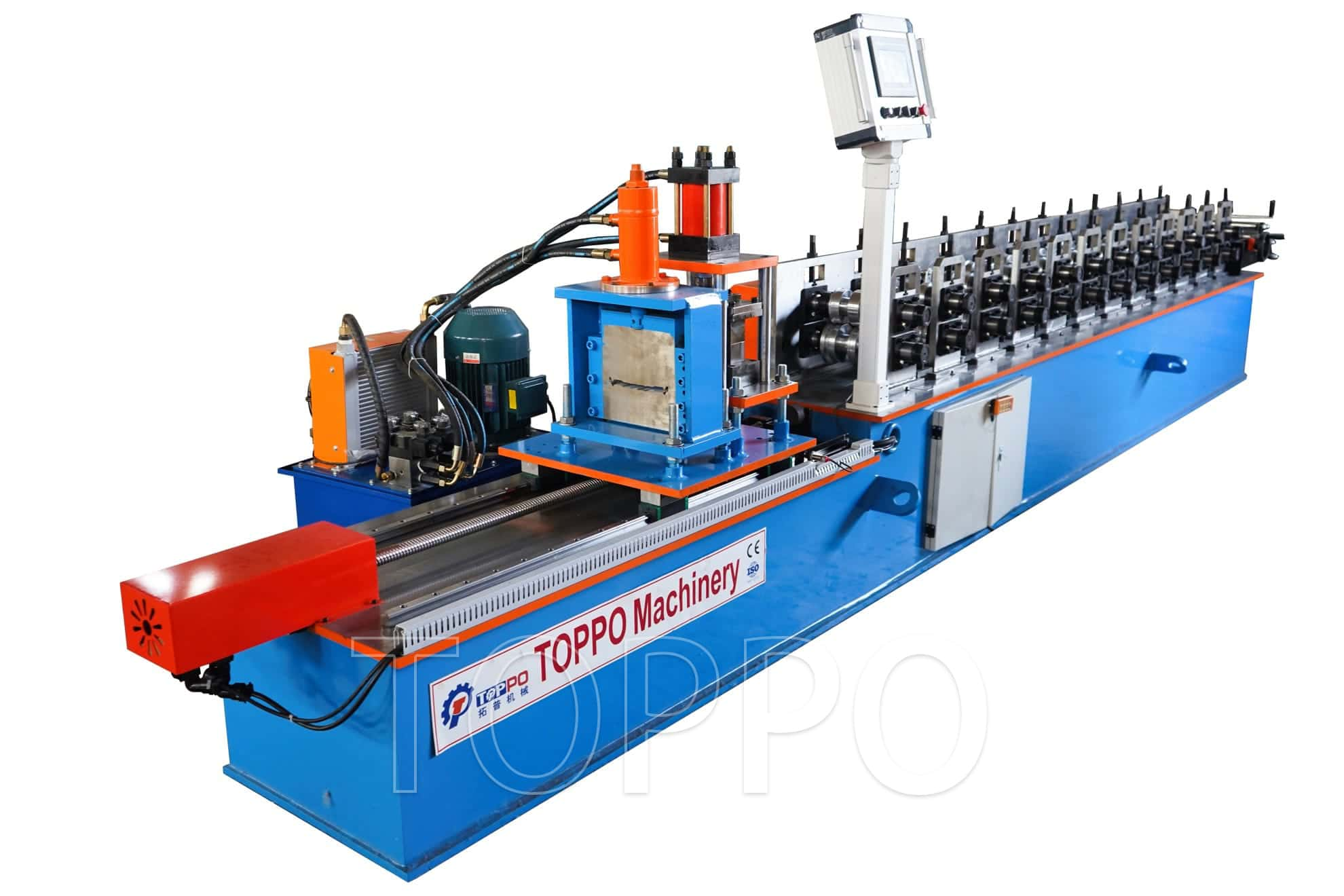
Across South America, many roofing sheet distributors are transforming their business models by investing in local manufacturing. Instead of simply importing roofing materials, dealers are installing production lines that allow them to manufacture roofing panels directly in their own facilities. With modern equipment such as a roof panel making machine, a trapezoidal roll forming machine, and a steel plate electric Metal Steel Cold Rolling Embossing machine, dealers can significantly increase profit margins while gaining more control over product quality and supply schedules.
The construction industry in countries such as Brazil, Chile, Peru and Colombia continues to grow rapidly. This has created strong demand for roofing panels used in warehouses, factories, residential housing and commercial buildings. Local production helps dealers respond faster to market demand while reducing shipping costs and import delays.
Step 1: Analyze Local Market Demand
The first step for roofing sheet dealers is to analyze which roofing profiles are most popular in their region. In many South American markets, trapezoidal roofing panels dominate industrial and warehouse construction. Installing a trapezoidal roll forming machine allows manufacturers to produce these profiles efficiently.
Dealers should also study seasonal demand patterns and regional building standards before investing in equipment.
Step 2: Select the Right Production Equipment
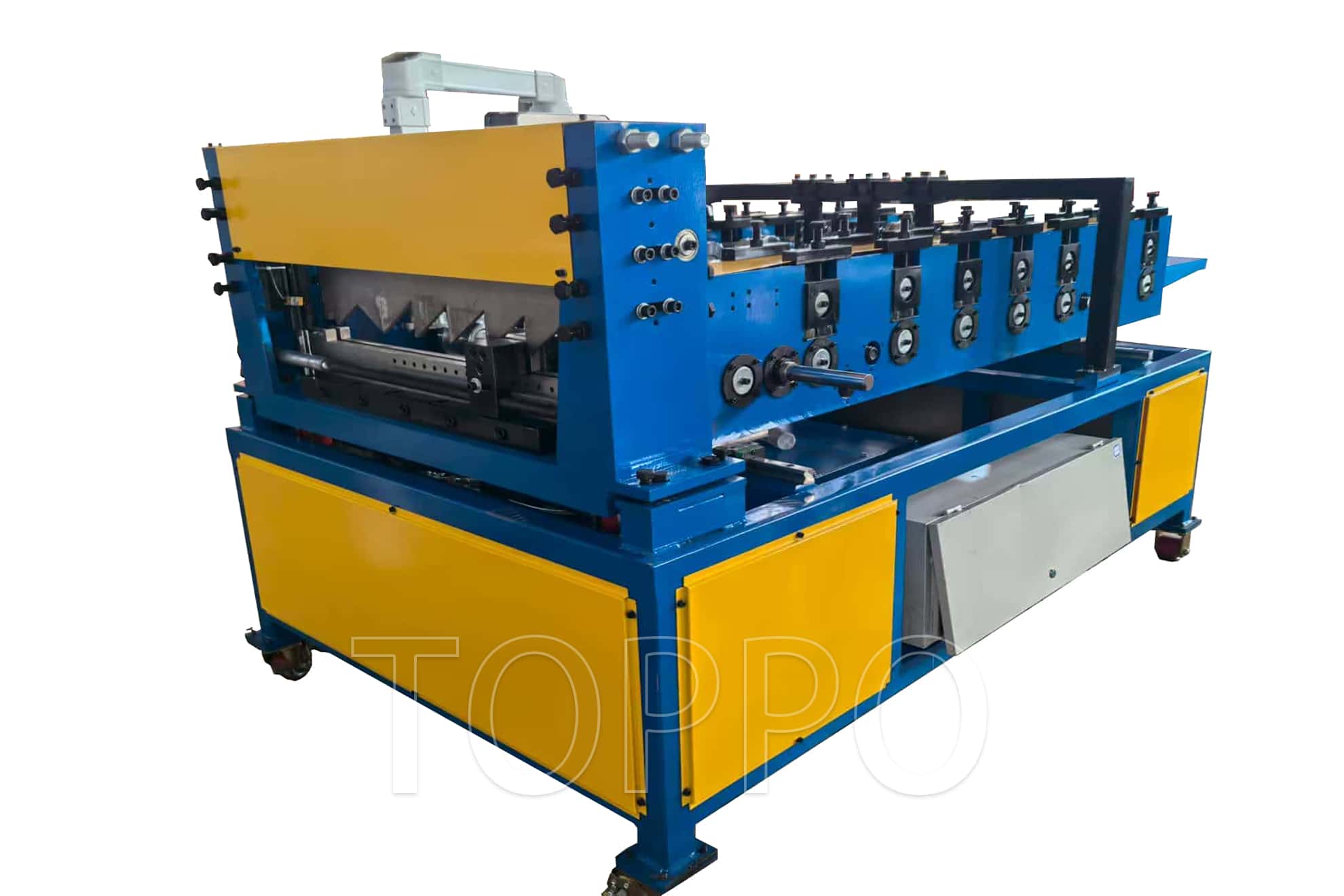
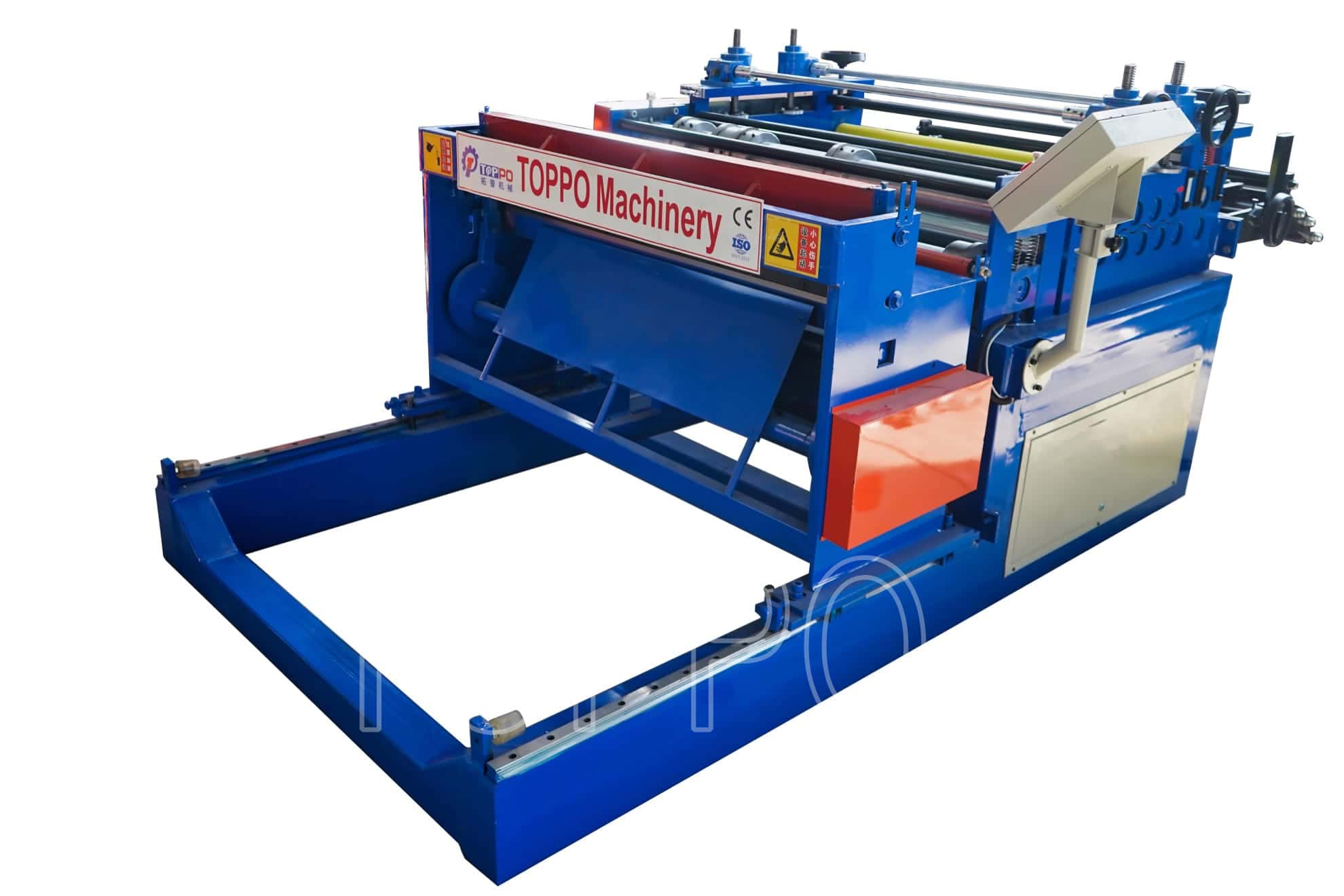
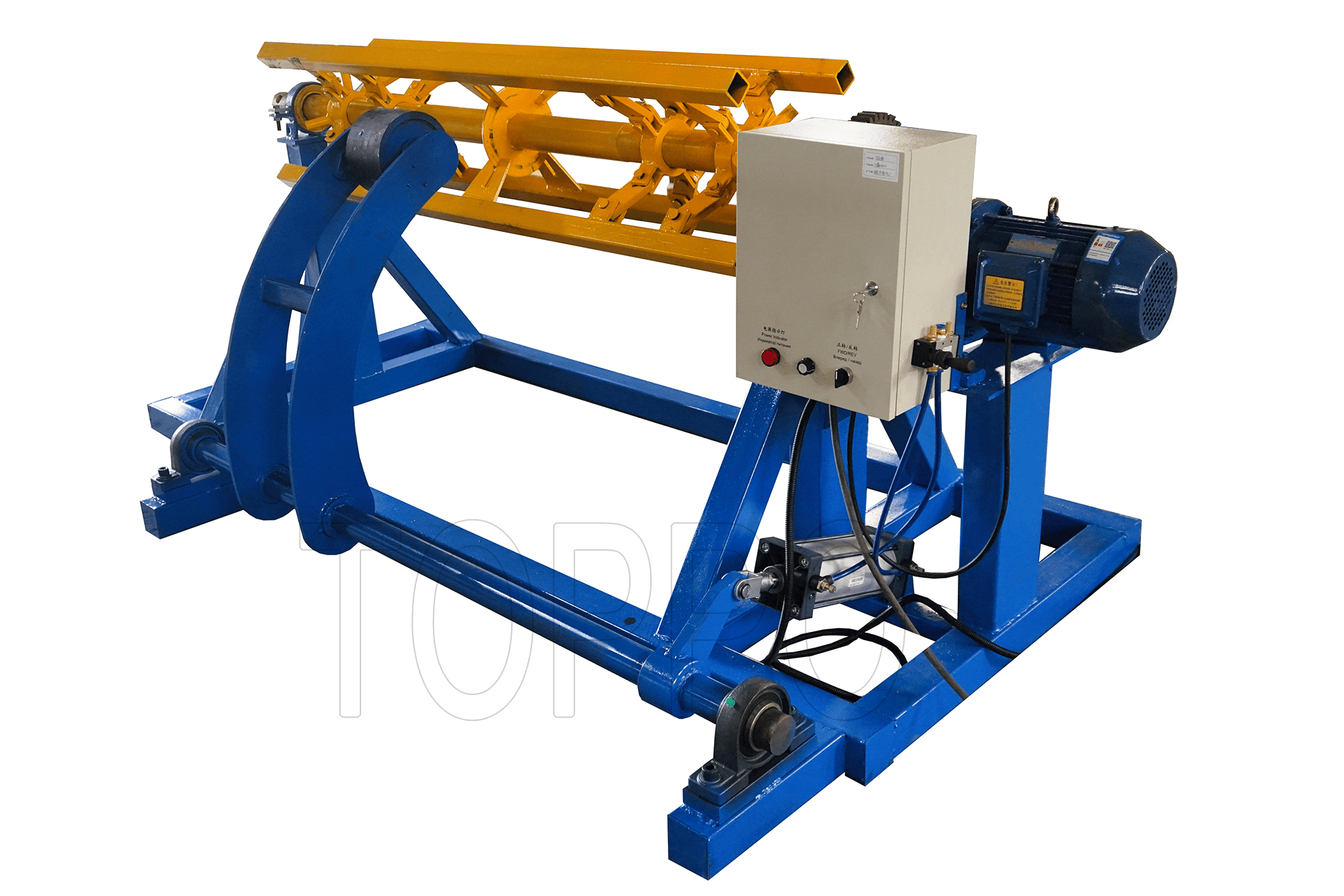
A basic roofing panel production line usually includes a decoiler, leveling unit, forming rollers, hydraulic cutting system and stacking device. The core component of the system is the roof panel making machine that shapes the steel coil into roofing sheets.
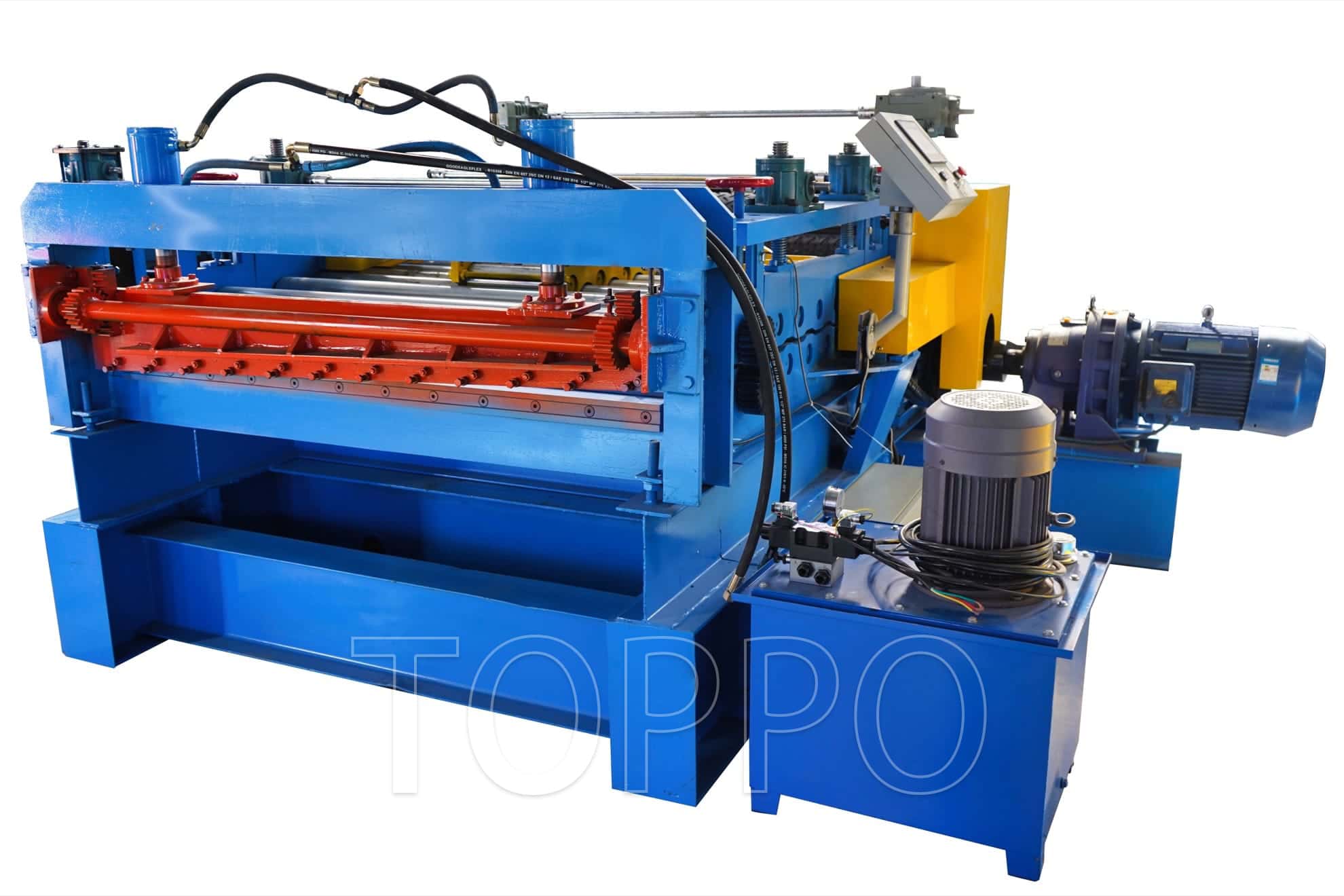
Modern production lines also integrate a steel plate electric Metal Steel Cold Rolling Embossing machine which allows manufacturers to add textured patterns to roofing sheets. This improves panel strength and visual appearance.
Step 3: Prepare the Factory Layout
Before installing the equipment, dealers must prepare a suitable factory layout. The production area should have a level concrete foundation and enough space for coil storage and finished product stacking.
Proper layout planning ensures smooth material flow and prevents production interruptions.
Step 4: Train Operators
Operator training is essential for stable production. Workers must learn how to adjust roller pressure, control production speed and perform routine maintenance on the roof panel making machine.
Incorrect roller alignment on a trapezoidal roll forming machine can cause uneven panel shapes or surface defects.
Common Mistakes to Avoid
Choosing equipment based only on price
Poor factory layout planning
Insufficient operator training
Using steel materials outside the machine specification
Real Business Example
A roofing sheet dealer in Peru previously imported finished panels from overseas suppliers. Delivery times were long and shipping costs reduced profitability. The company later invested in a roof panel making machine combined with a trapezoidal roll forming machine and a steel plate electric Metal Steel Cold Rolling Embossing machine.
Within one year the company increased its profit margin by more than 30 percent while gaining the ability to produce customized roofing panels for local construction projects.
As construction demand continues to grow in South America, more roofing dealers are expected to follow this trend and establish local production lines.
READ MORE: