Is Investing in a Standing Seam Roll Forming Machine Worth It? A Detailed ROI Breakdown for Roofing Businesses
Author: Amelia
In today’s competitive roofing industry, manufacturers must carefully evaluate every major investment decision. One of the most impactful upgrades a factory can make is investing in a standing seam roof panel roll forming machine. While the initial investment can be significant, the long-term financial benefits often outweigh the costs when properly analyzed.
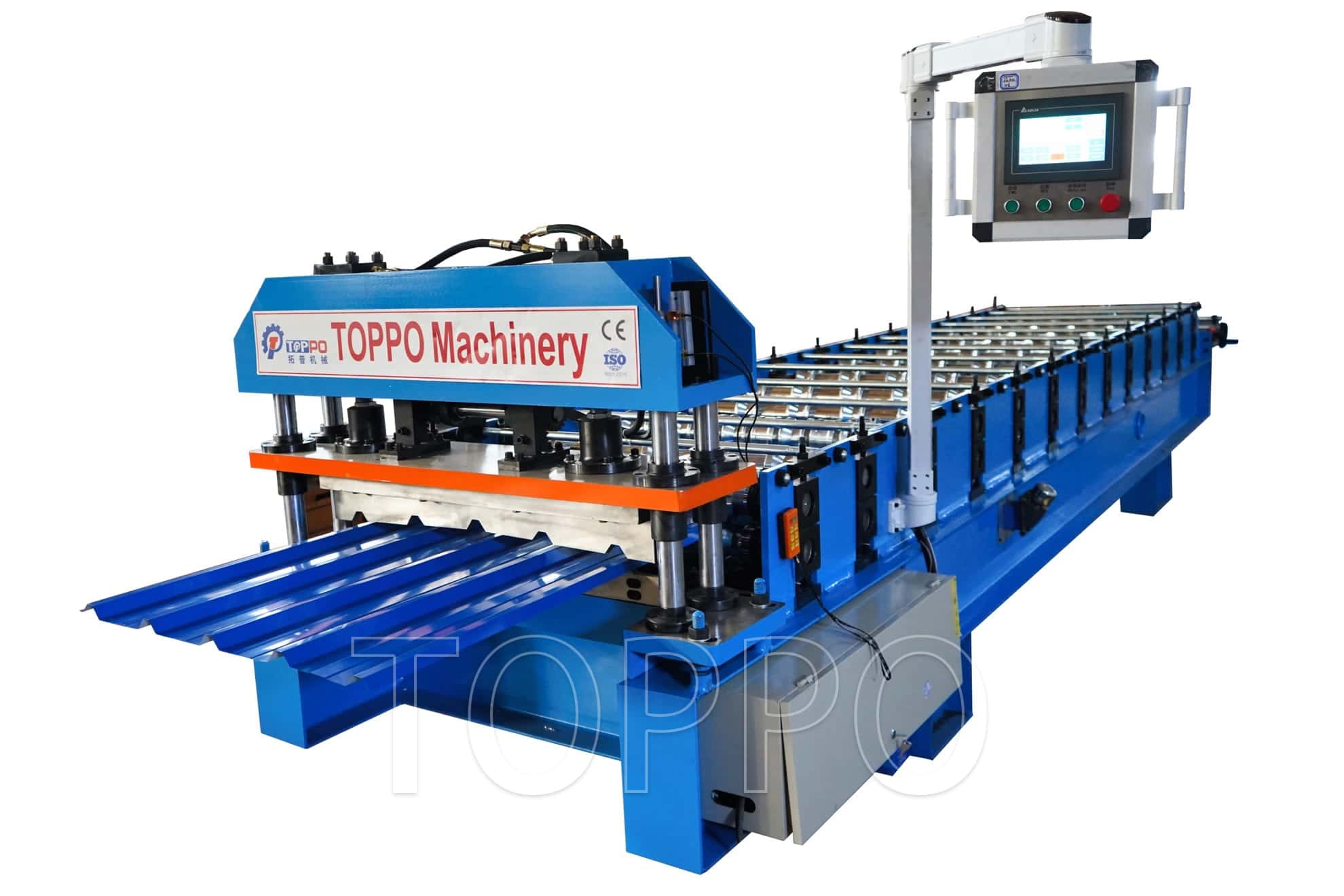
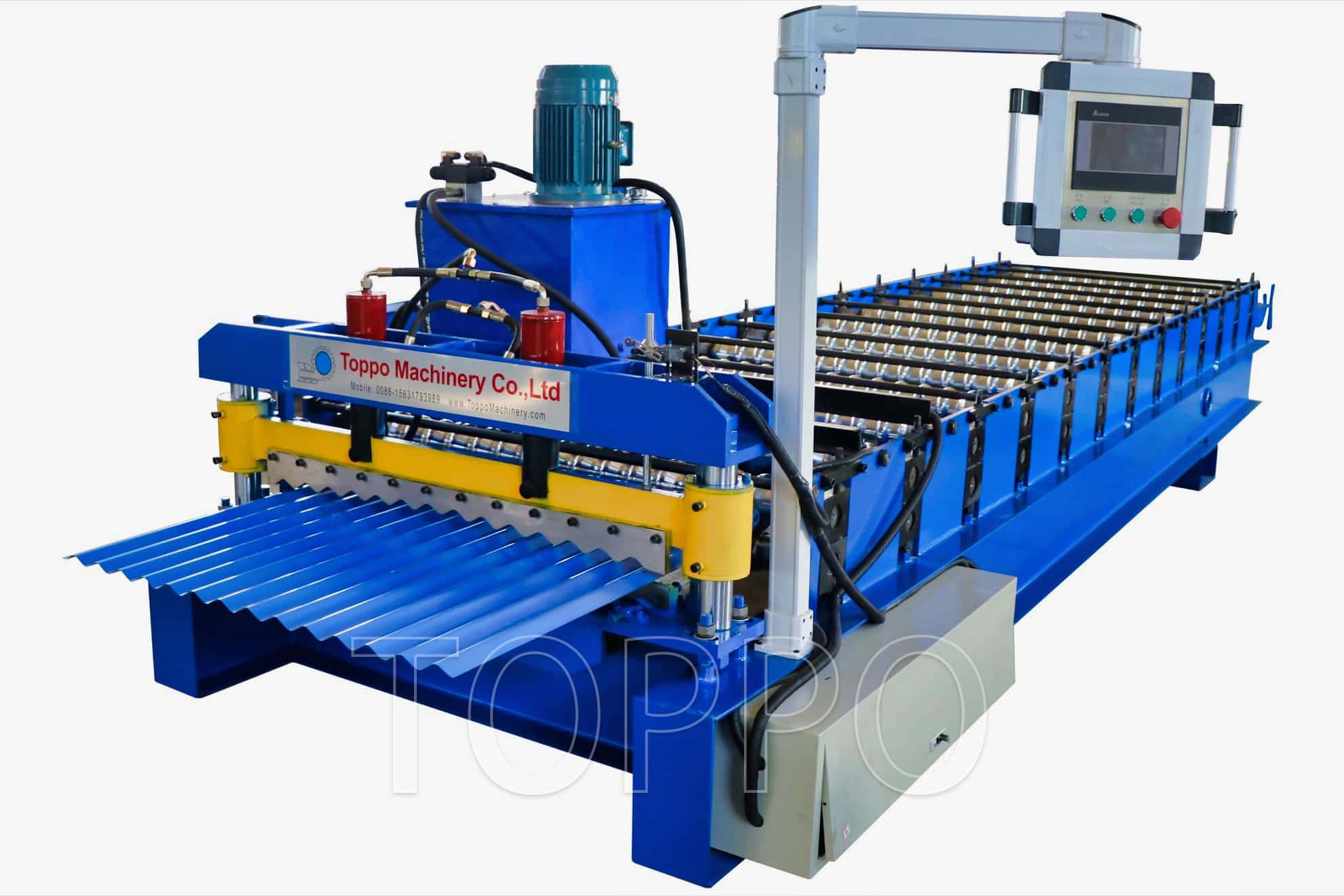
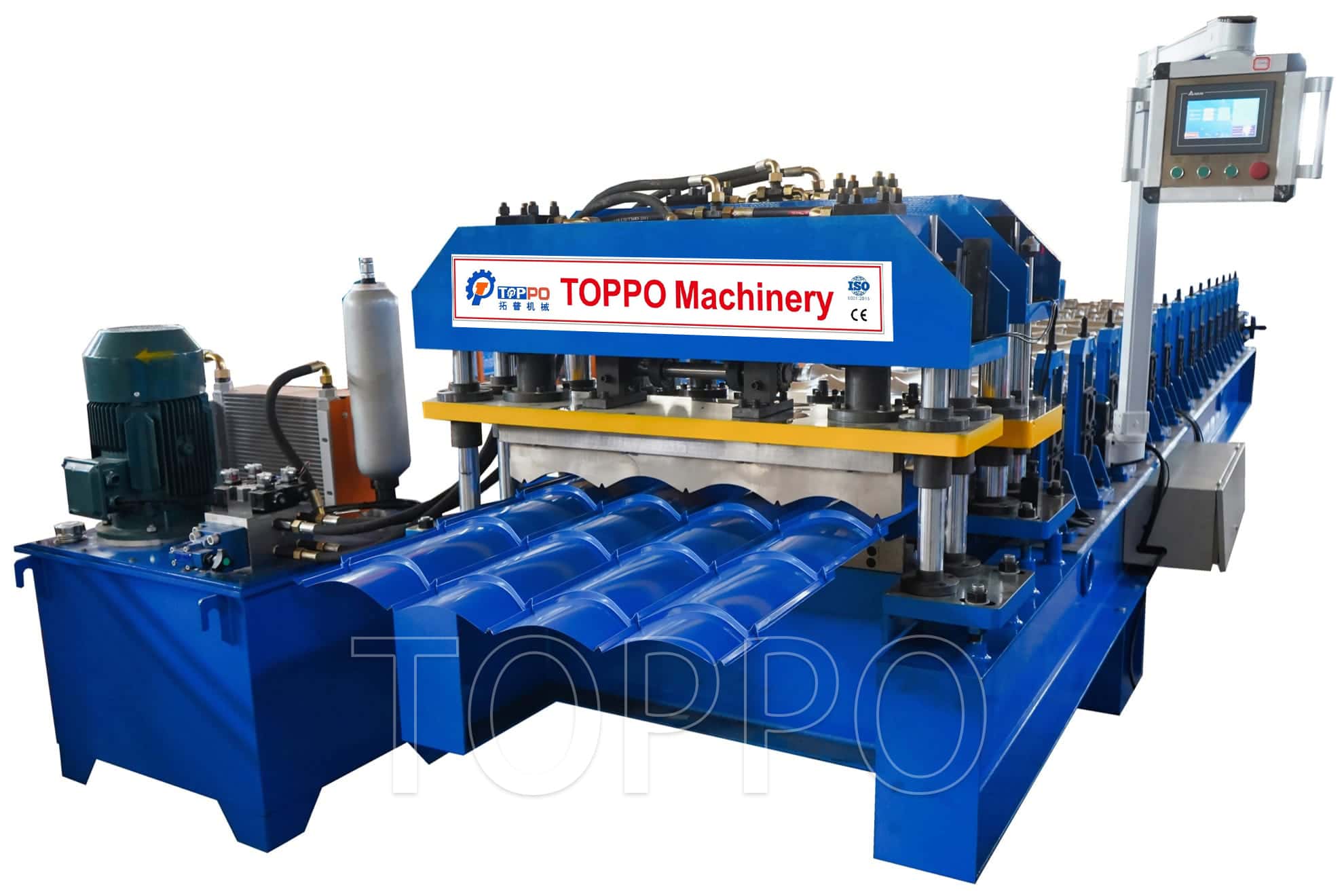
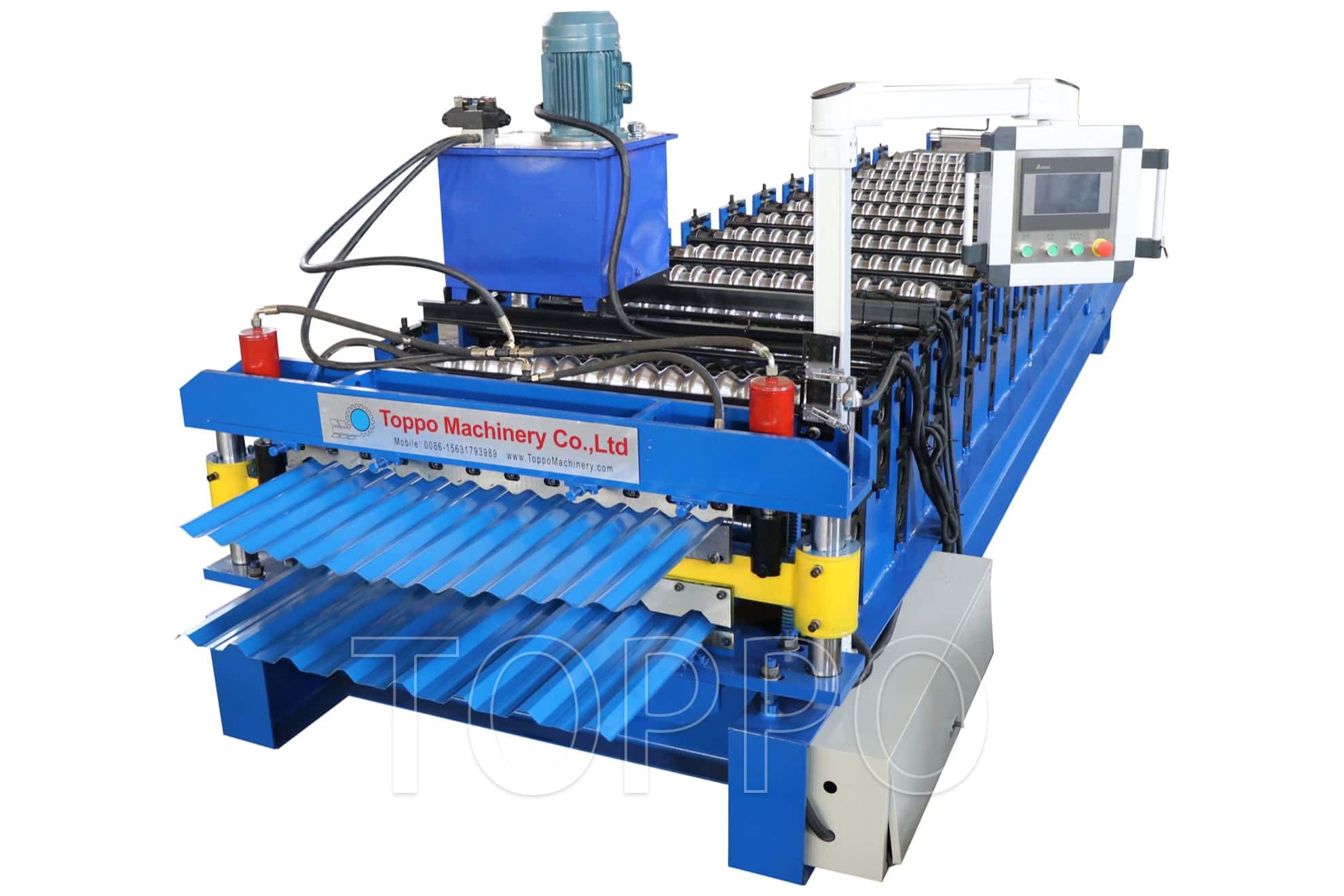
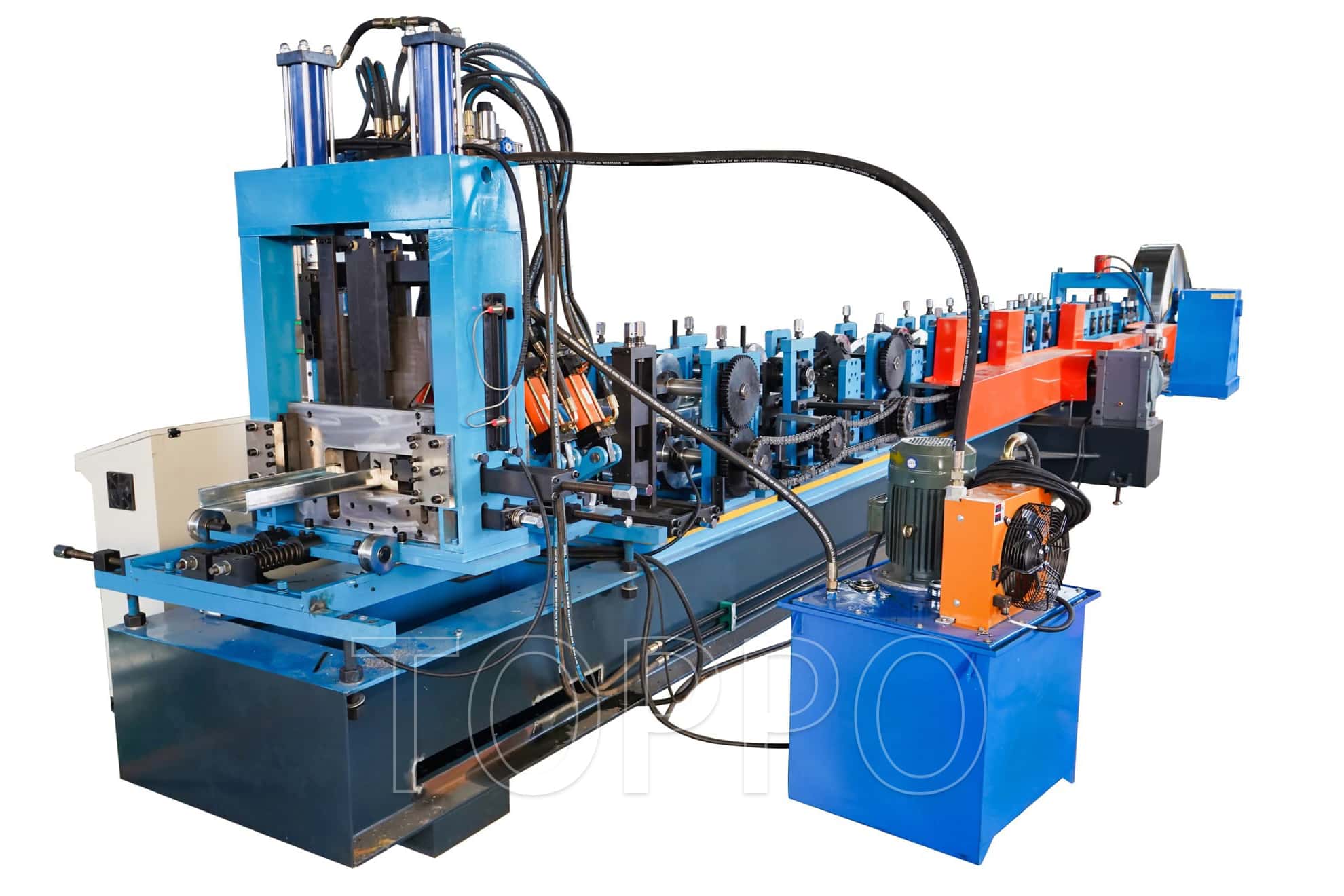
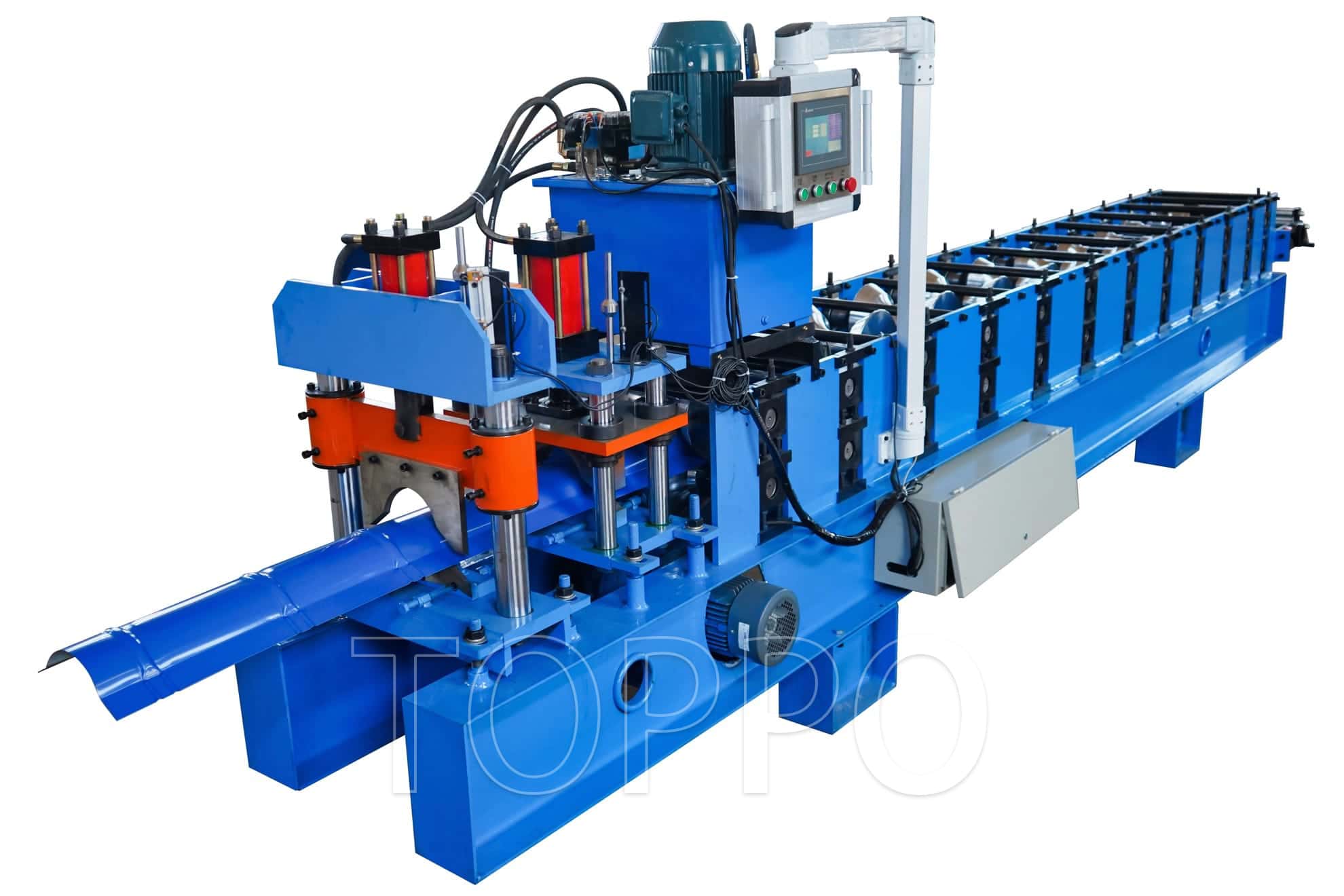
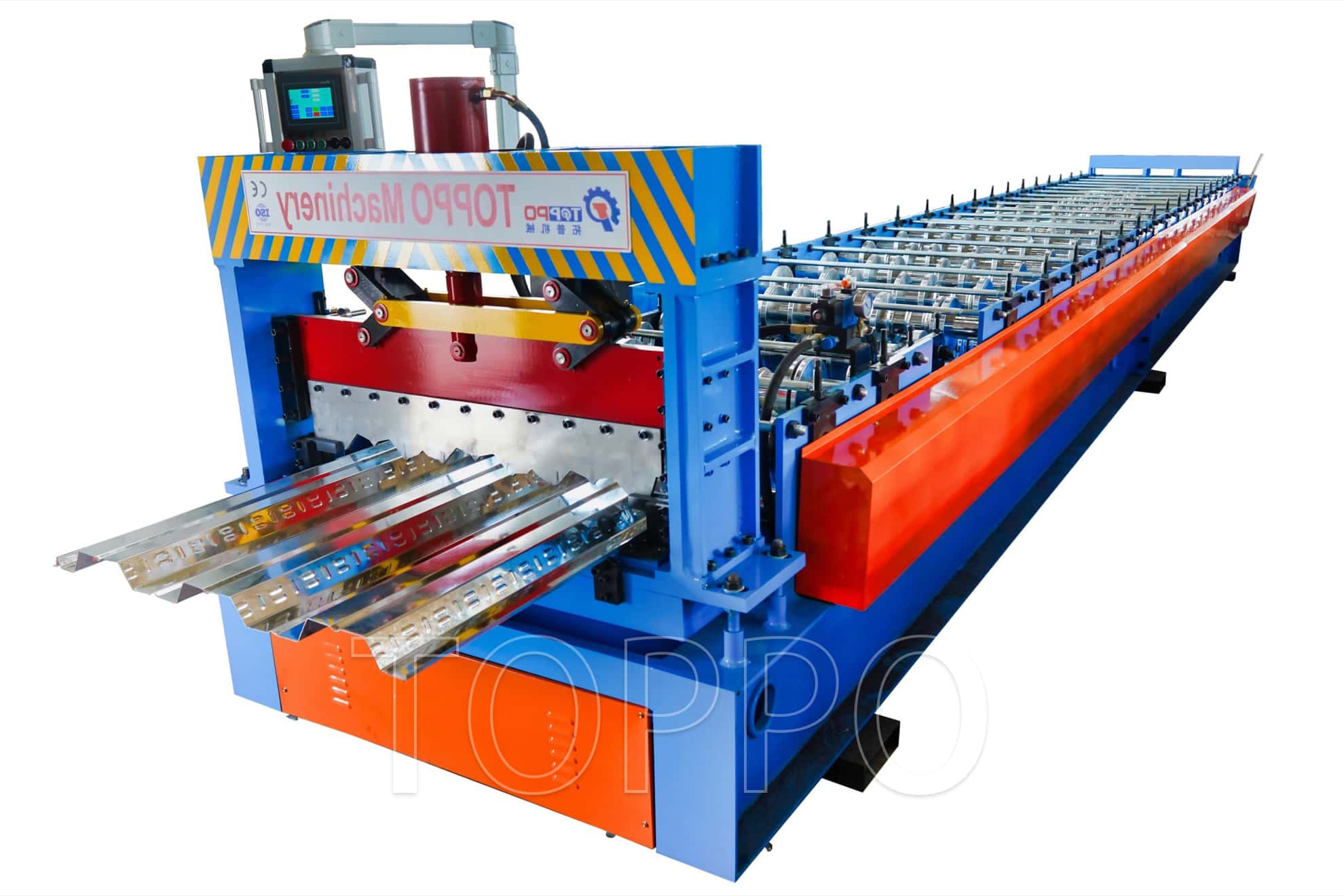
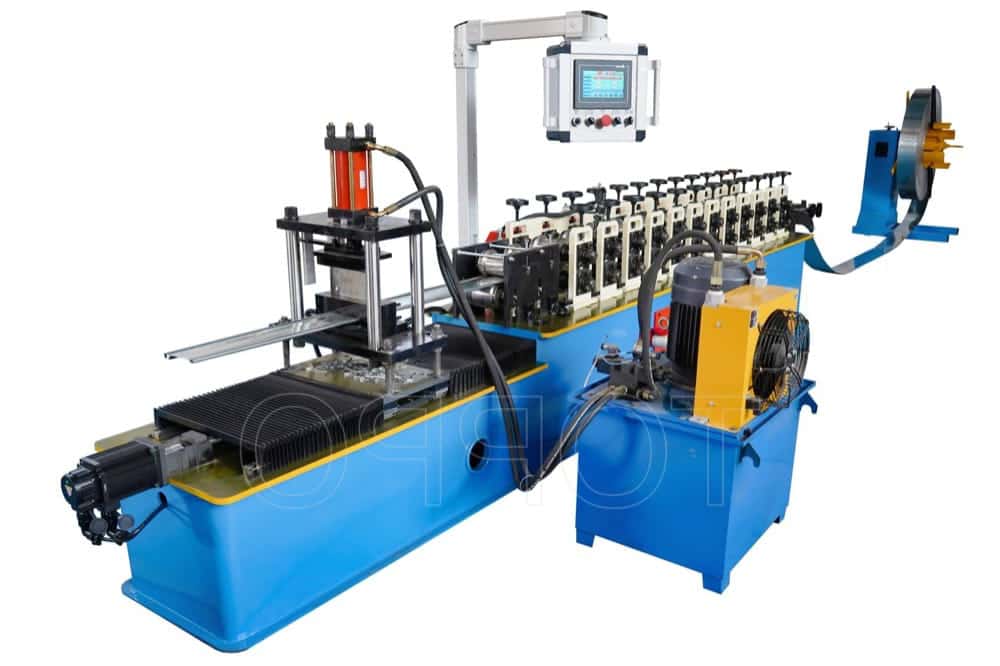
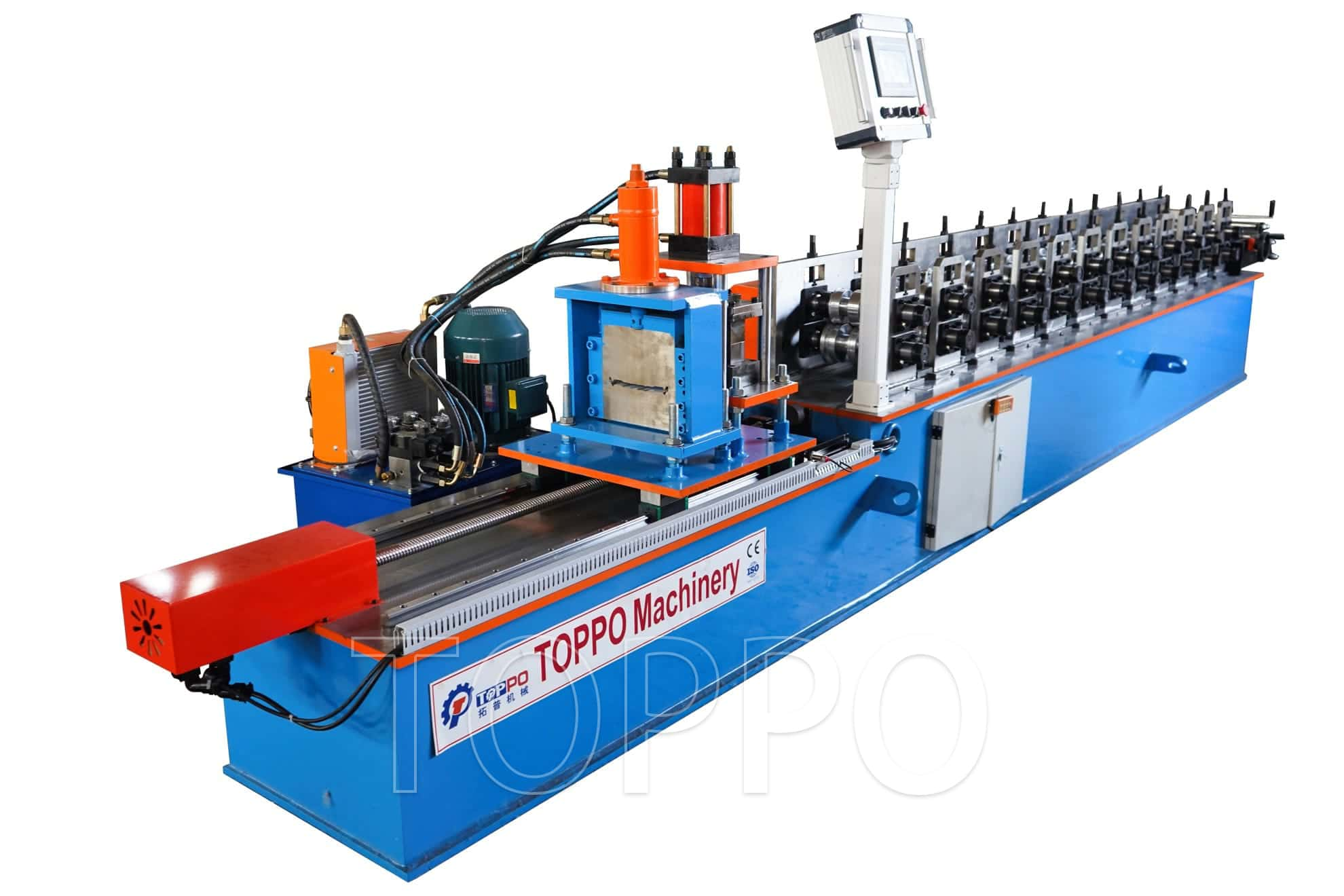
The standing seam roof panel roll forming machine enables high-precision, automated production of roofing panels with minimal labor involvement. This not only improves product consistency but also significantly enhances production efficiency.
1. What Drives ROI in Standing Seam Equipment?
A standing seam roll forming machine generates returns through multiple operational improvements:
Higher Output Capacity: Faster production increases order fulfillment capability.
Labor Cost Reduction: Automation reduces dependency on manual workers.
Material Efficiency: Precision forming minimizes waste.
Improved Product Quality: Consistent panels allow for premium pricing.
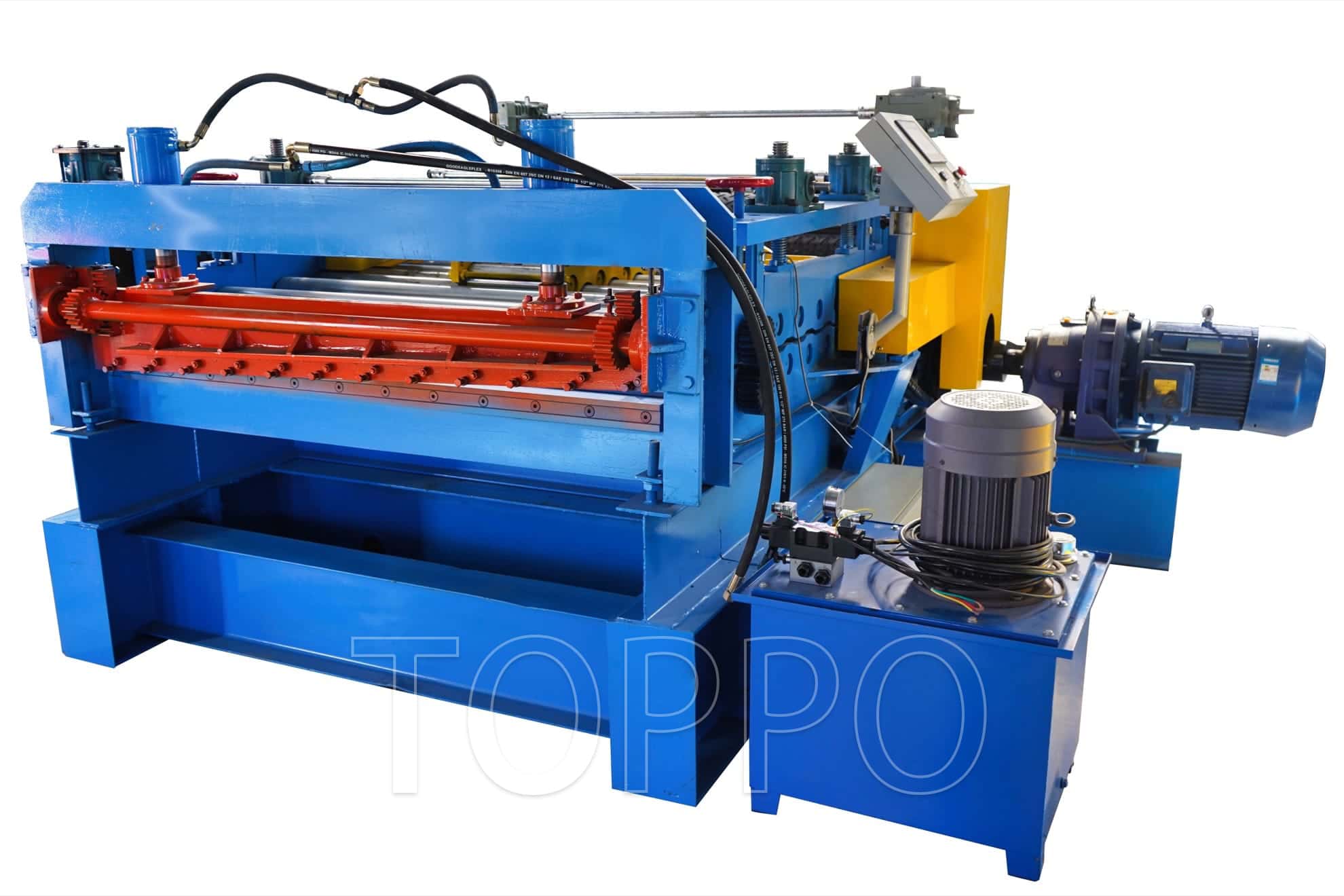
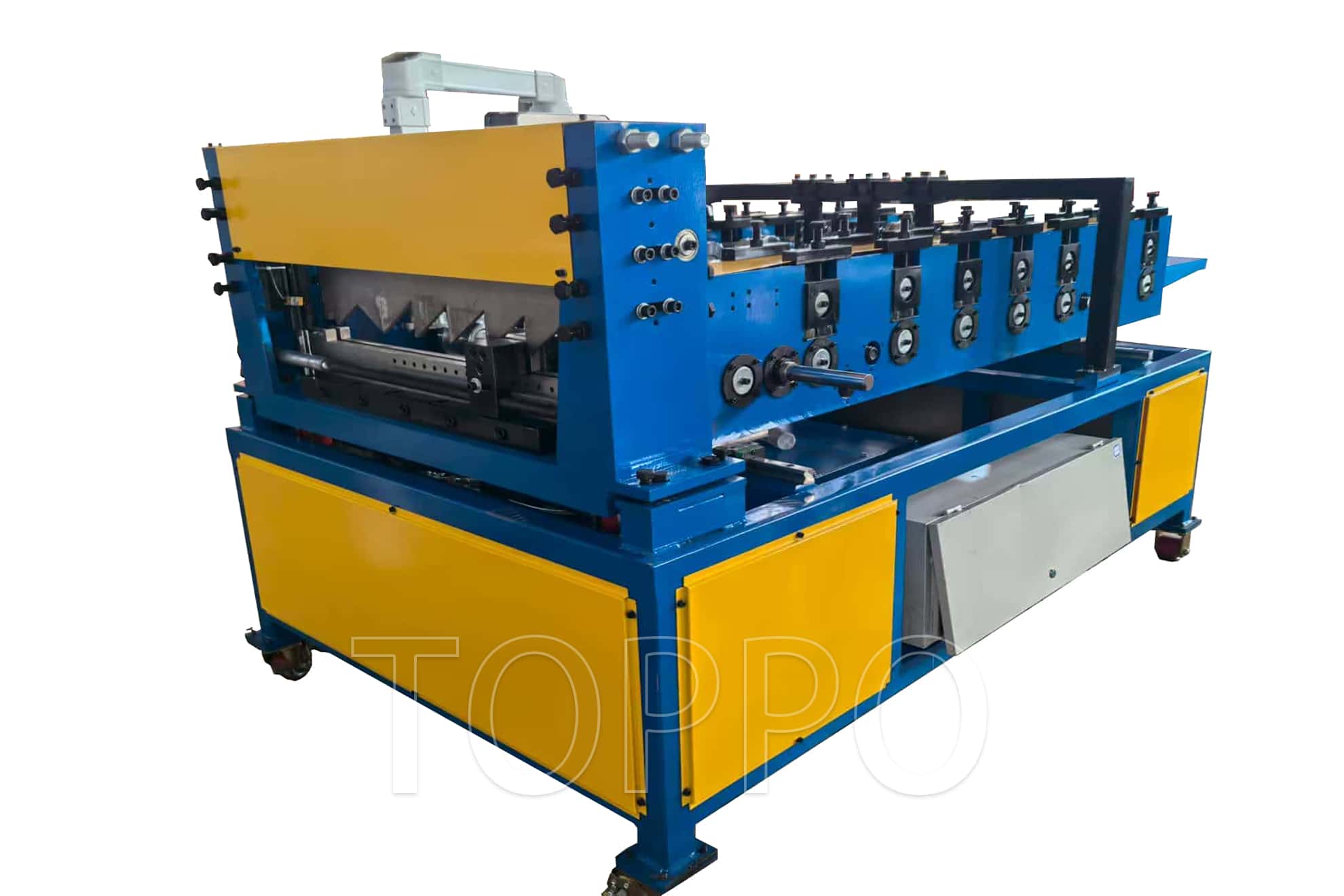
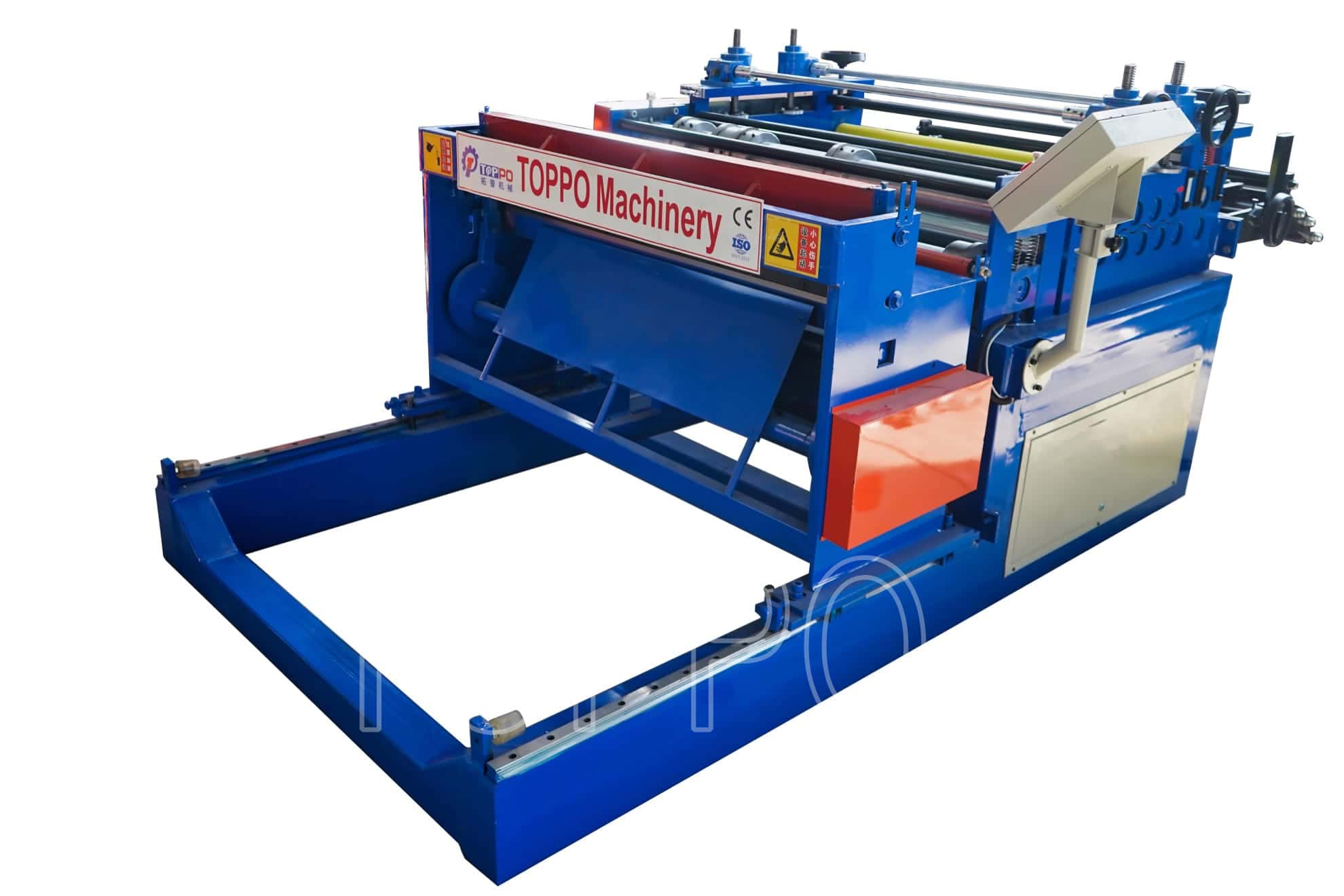
When paired with a roof panel making machine, manufacturers can create a fully integrated production line that maximizes efficiency and profit potential.
2. Step-by-Step ROI Evaluation
Step 1: Calculate Total Investment
Include machine cost, installation, training, and setup expenses.
Step 2: Estimate Cost Savings
Analyze reductions in labor, scrap material, and maintenance.
Step 3: Measure Production Growth
Determine how much additional output the standing seam roll forming machine can generate.
Step 4: Forecast Revenue Increase
Calculate additional income from increased production and improved quality.
Step 5: Determine Payback Period
Divide total investment by annual profit increase to estimate ROI timeline.
3. Key Precautions
Use Accurate Data: Base calculations on real production figures.
Evaluate Market Demand: Ensure sufficient orders to support increased capacity.
Choose Reliable Equipment: A high-quality standing seam roof panel roll forming machine reduces downtime risks.
Invest in Training: Skilled operators maximize performance and ROI.
4. Common Mistakes to Avoid
Focusing Only on Purchase Price: Ignores long-term operational savings.
Underestimating Maintenance Costs: Leads to inaccurate ROI calculations.
Improper Machine Setup: Incorrect configuration of the standing seam roof panel roll forming machine reduces efficiency.
Ignoring Demand Forecasting: Overestimating demand delays ROI.
5. Real Case Example
A roofing manufacturer in the Middle East invested in a standing seam roof panel roll forming machine to upgrade from semi-manual production. After integrating it with a roof panel making machine, the company increased production efficiency by 53% and reduced labor costs by 29%. The investment was fully recovered within 12–15 months, proving strong ROI potential.
6. Practical Tips to Maximize ROI
Optimize production scheduling to maximize machine utilization.
Continuously train staff to reduce operational errors.
Monitor key performance indicators regularly.
Maintain equipment to avoid unexpected downtime.
7. Conclusion
Investing in a standing seam roof panel roll forming machine can deliver substantial financial returns when properly planned and executed. By integrating it with a roof panel making machine and optimizing the use of the standing seam roll forming machine, roofing manufacturers can achieve faster payback periods, improved efficiency, and sustainable long-term growth.
Tags: standing seam roof panel roll forming machine, roof panel making machine, standing seam roll forming machine, ROI investment
SEO Keywords: standing seam roof panel roll forming machine, roof panel making machine, standing seam roll forming machine, ROI roofing investment, standing seam machine benefits, roofing equipment ROI, roofing production efficiency, roofing automation benefits, roofing machinery supplier, roofing system innovation, roofing equipment sales, roofing production line, roofing machinery technology, roofing panel systems, roofing installation solutions, roofing contractor support, roofing business growth, roofing system design, roofing production efficiency, roofing automation, roofing equipment solutions, roofing machinery supplier, roofing process optimization, roofing factory setup, roofing production management, roofing industry development, roofing materials distribution, roofing innovation strategies, roofing system integration, roofing product value, roofing competitive advantage, roofing market expansion, roofing service solutions, roofing equipment investment, roofing technology solutions
READ MORE: