- Trapezoidal Machine
- Corrugated Machine
- Glazed Tile Machine
- Double Layer Machine
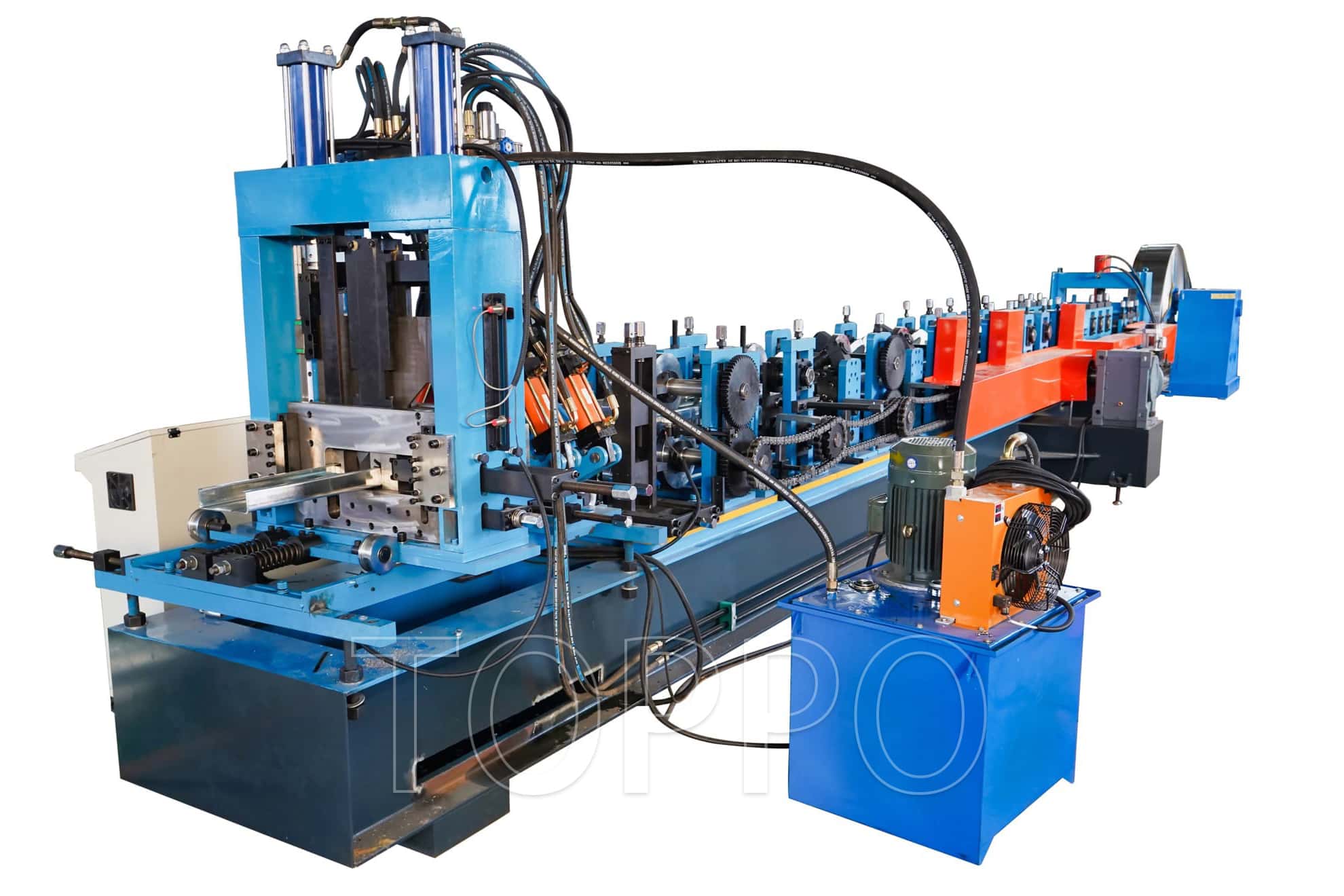
- CZU Purlin Machine
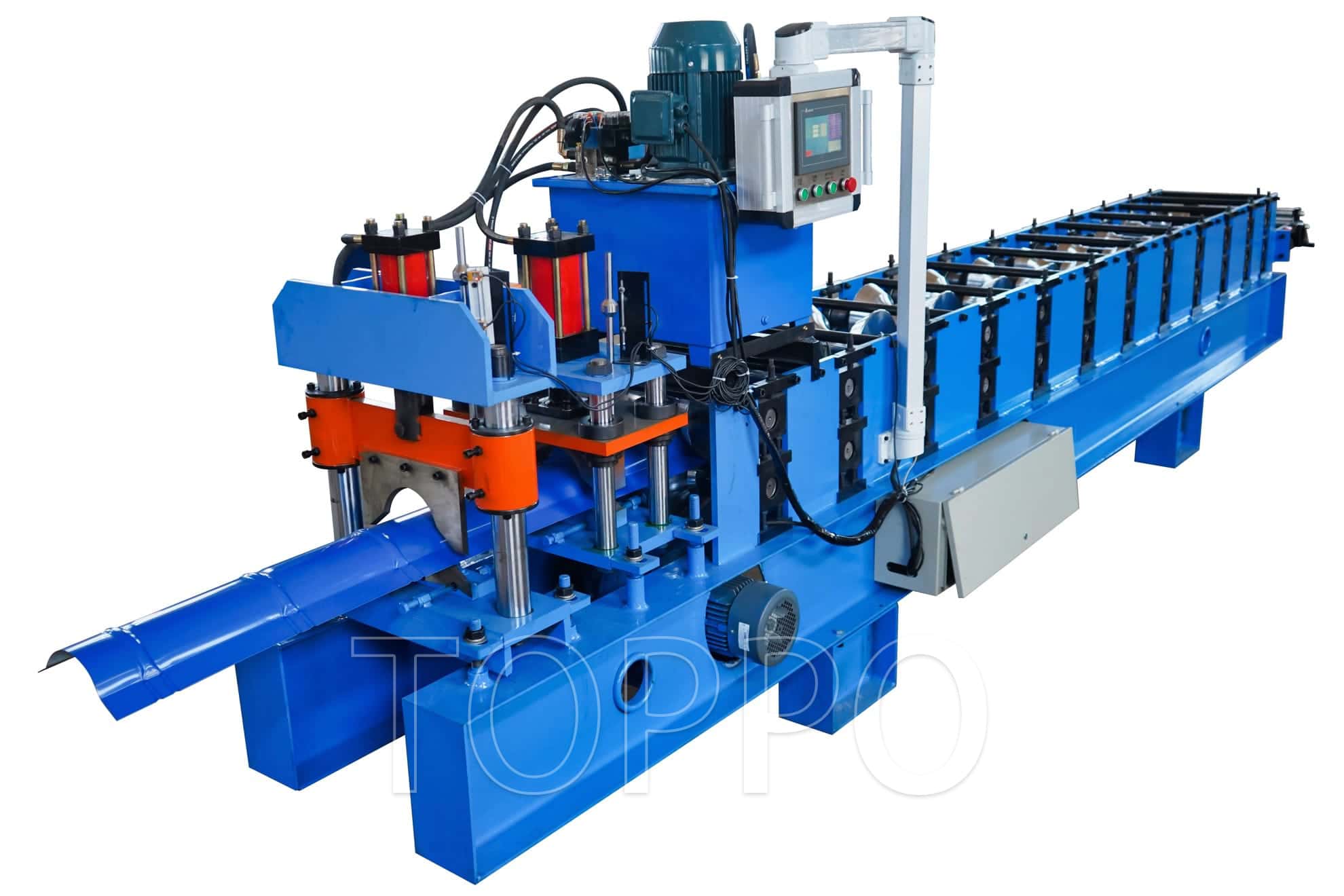
- Ridge Cap Machine
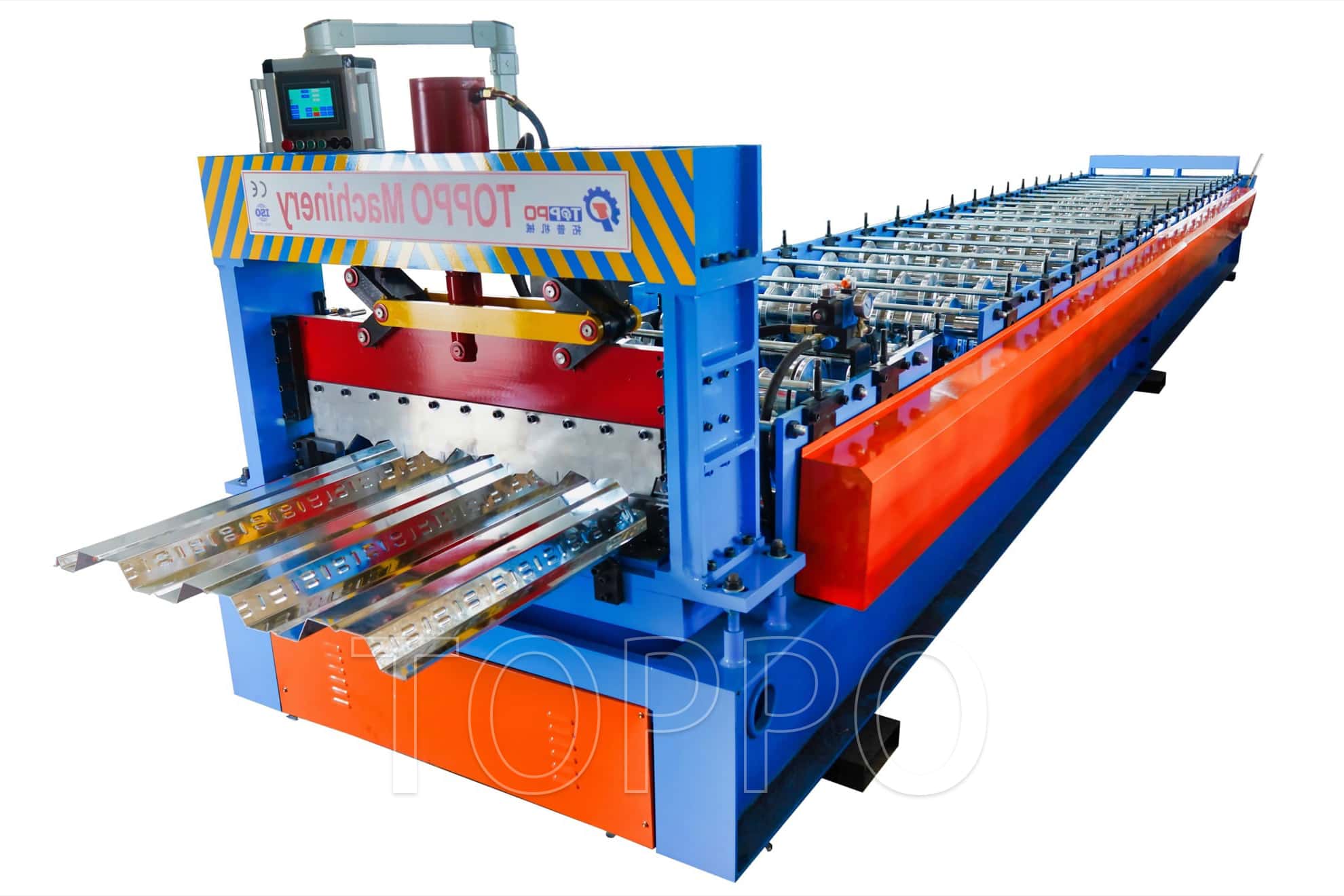
- Floor Decking Machine
- Rolling Door Machine
- Fence Machine
- Embossing Machine
- Standing Seam Machine
- Cut To Length And Slitting Line
- Guard Rail Machine
- Decoiler And Stacker
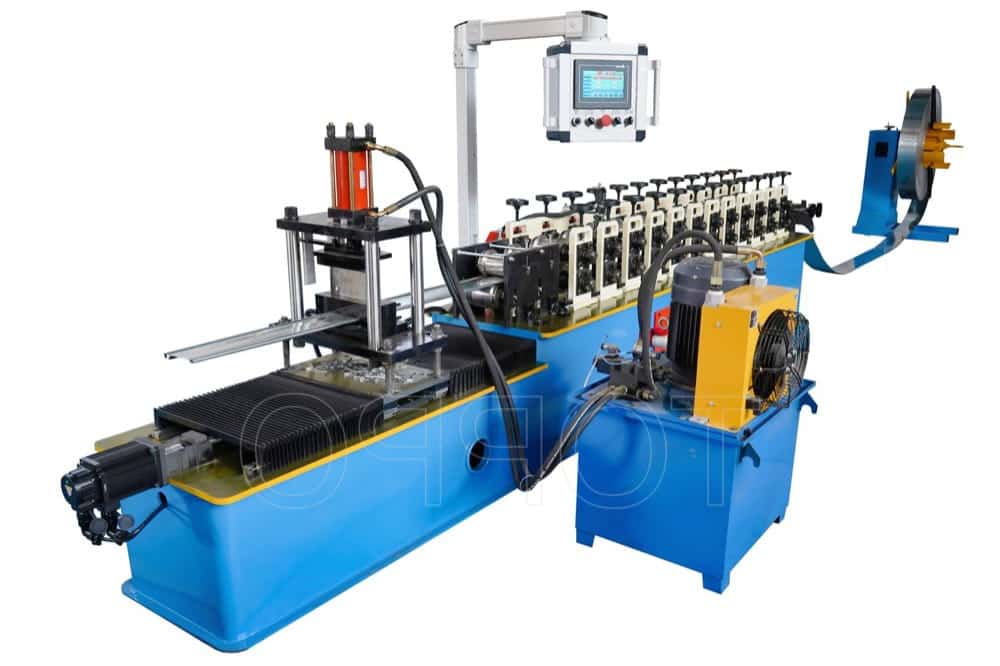
- Stud And Track Machine
- Gutter And DownPipe
- Curving Machine
- Cladding Panel Machine
- Corollary Equipment
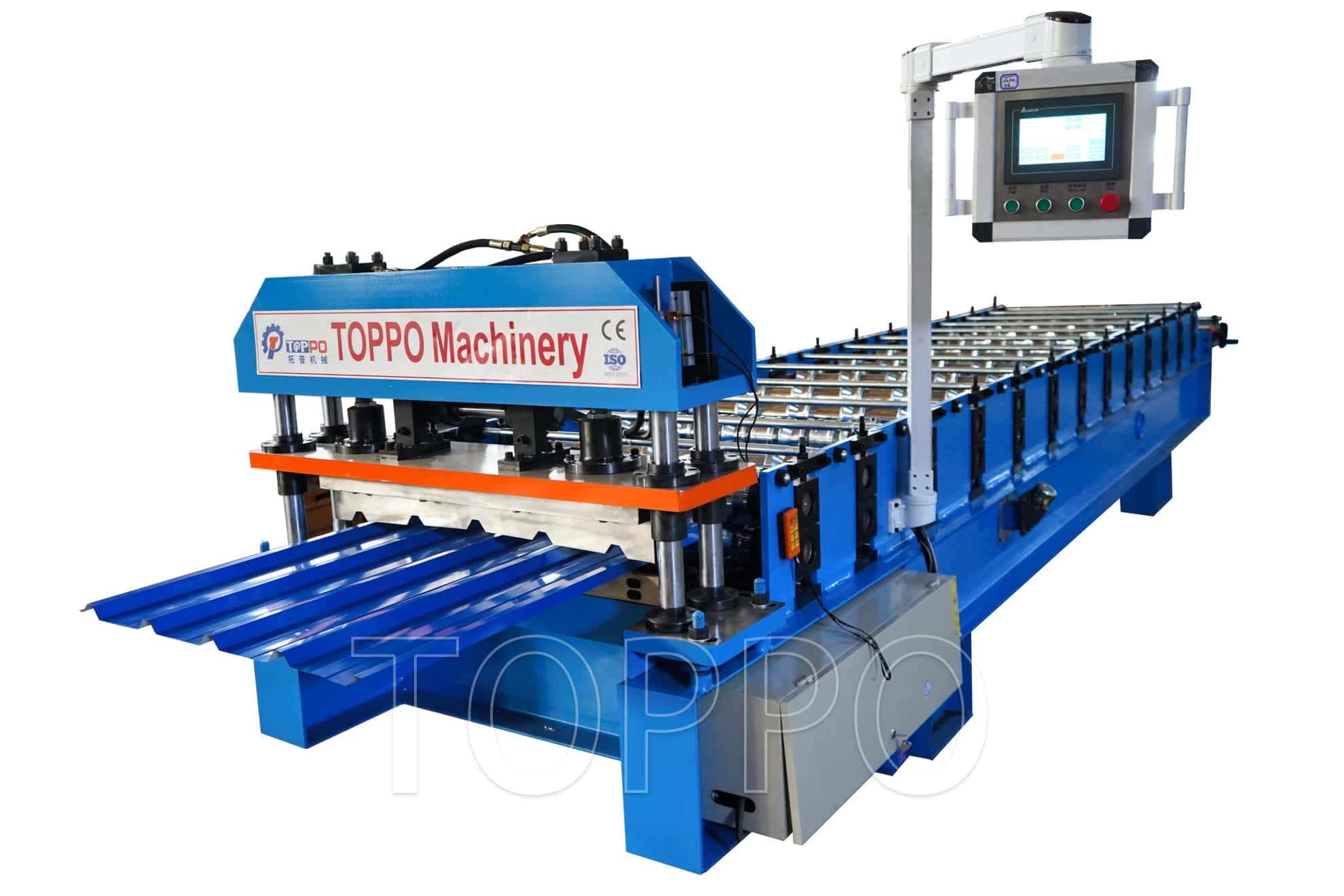
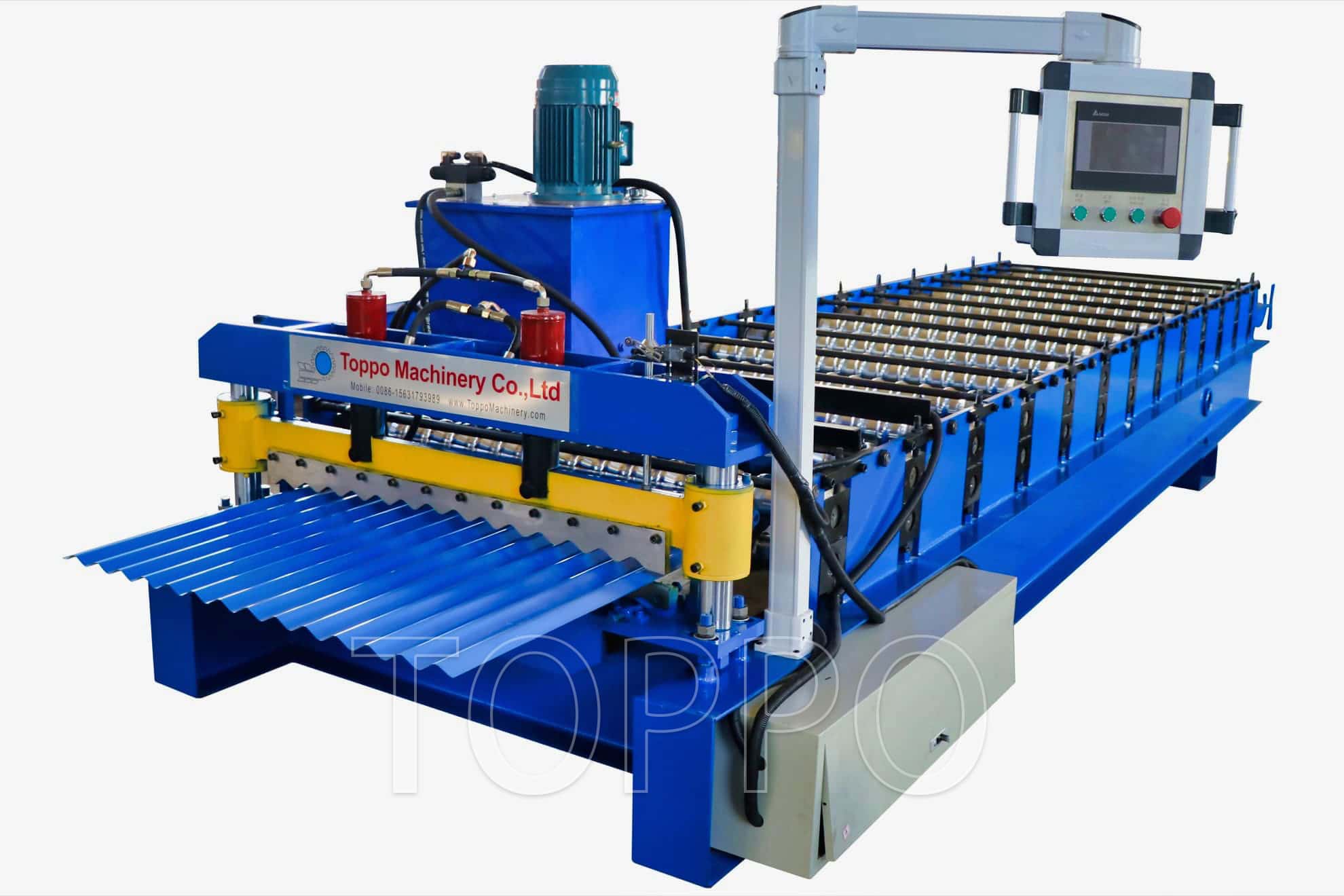
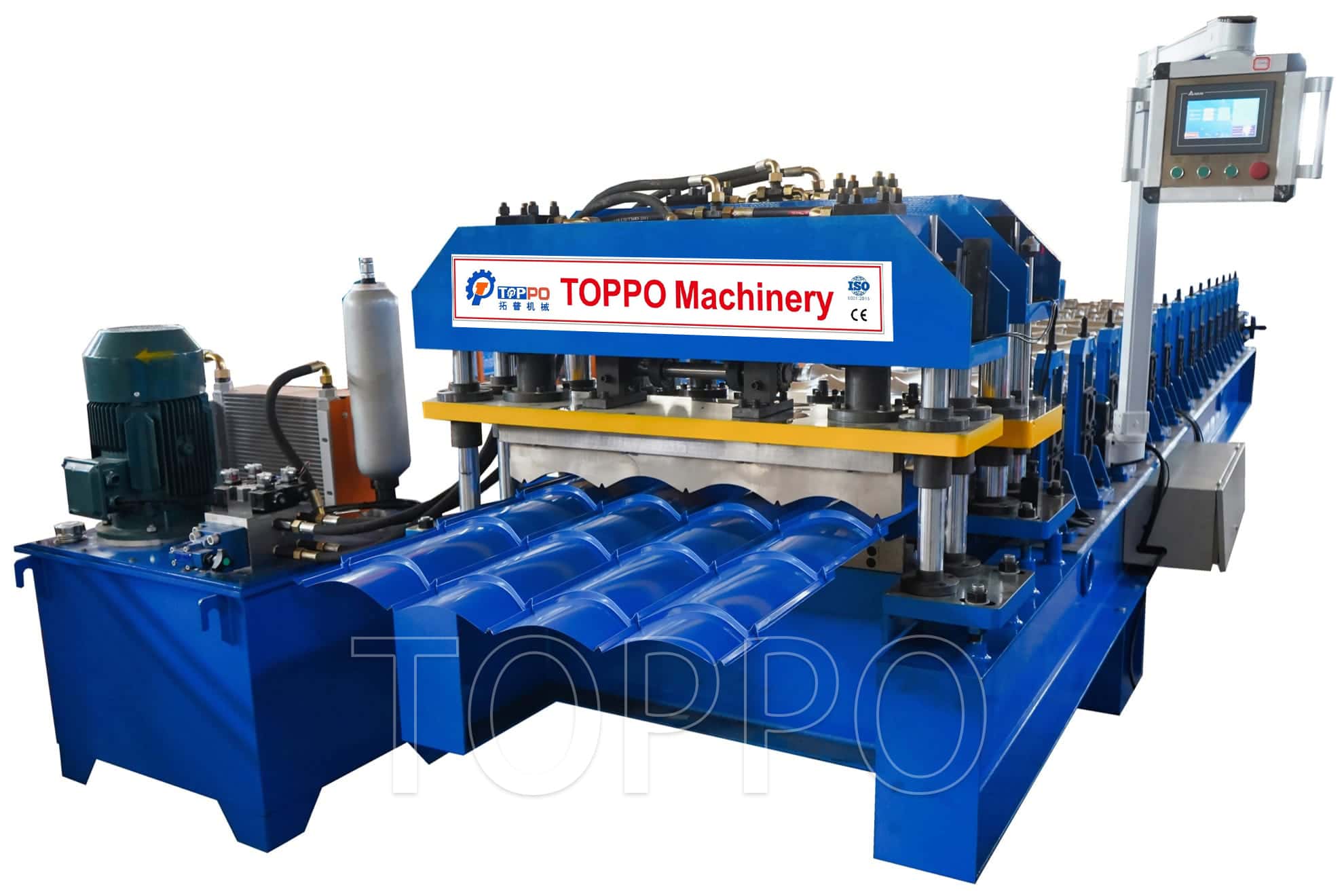
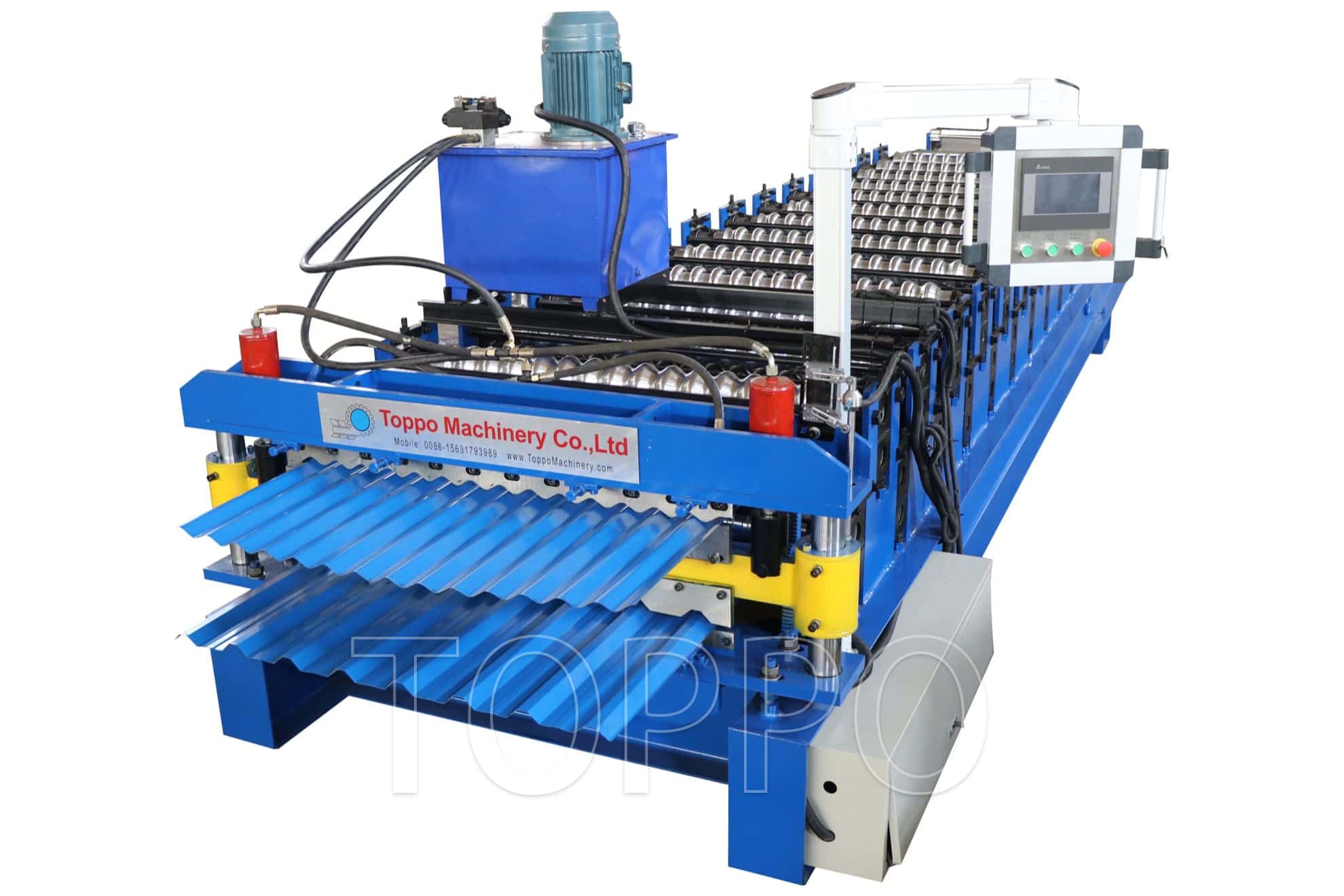
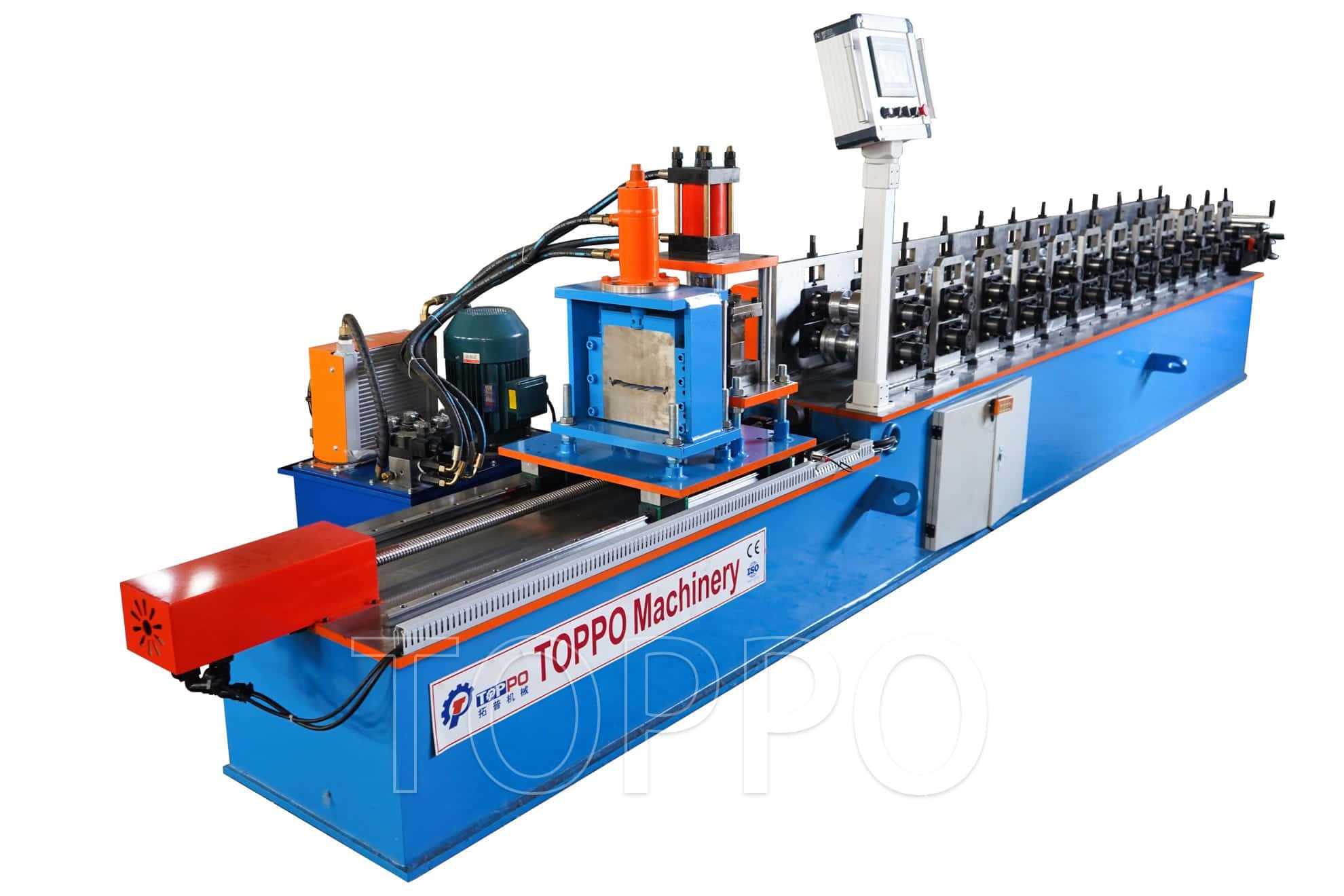
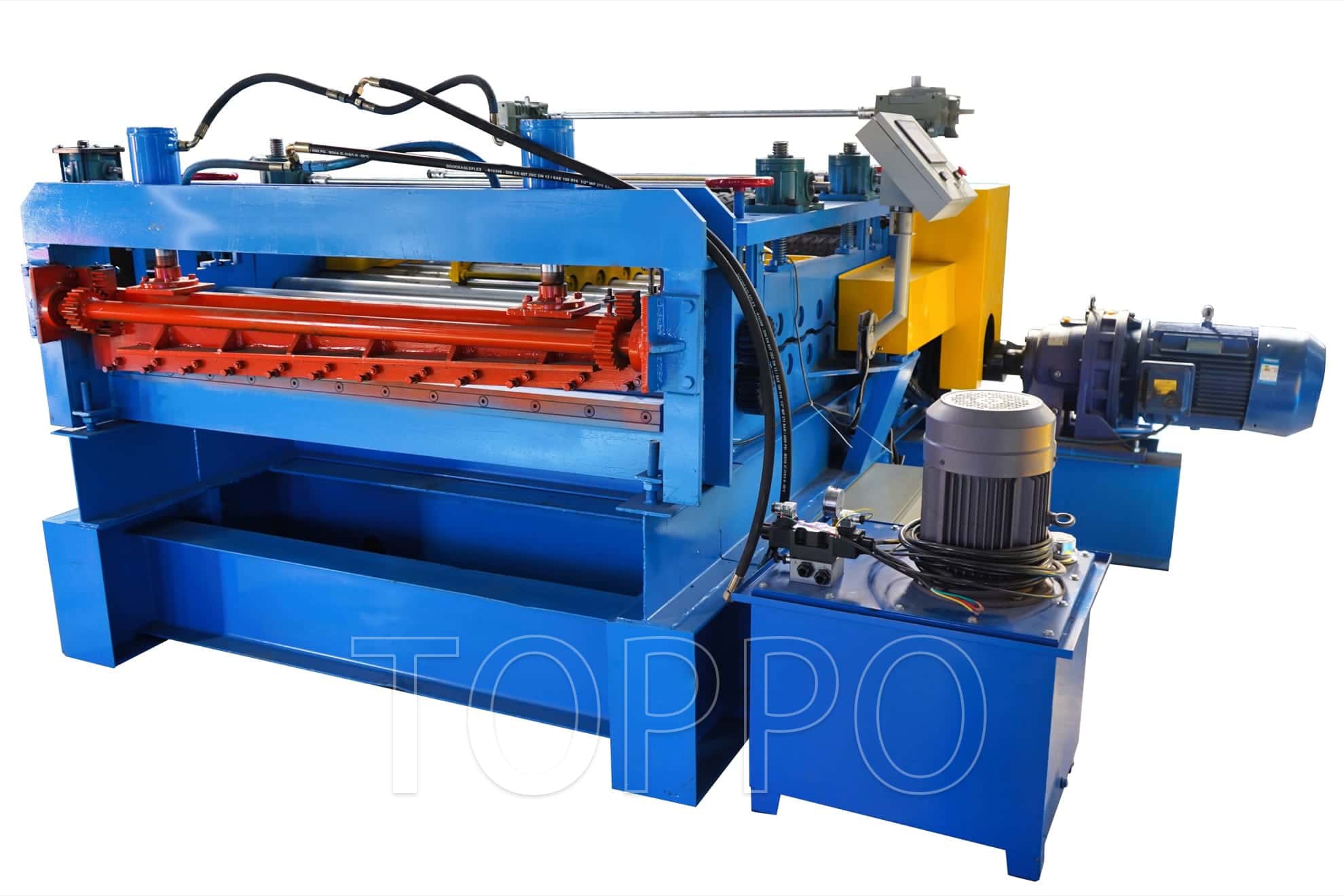
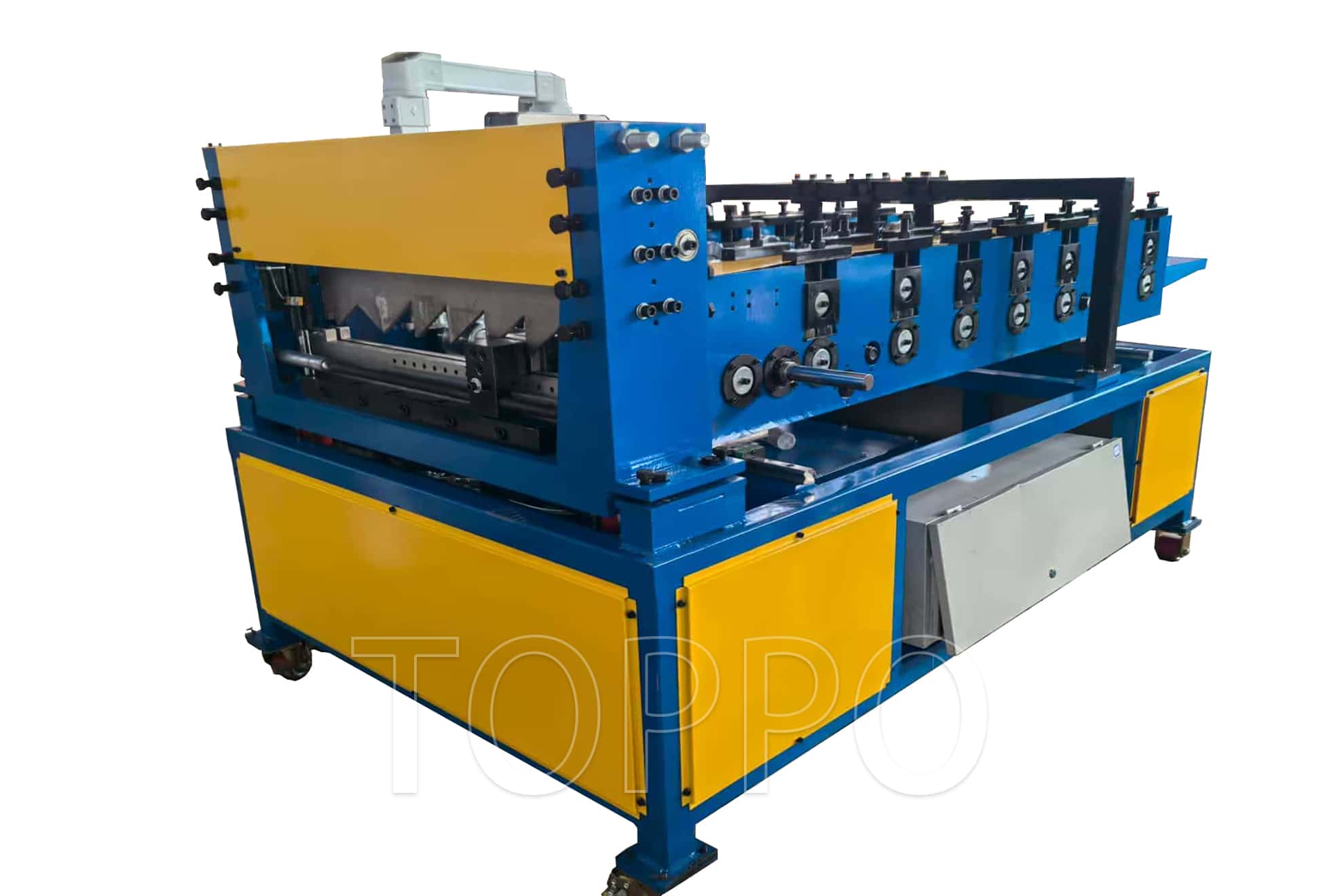
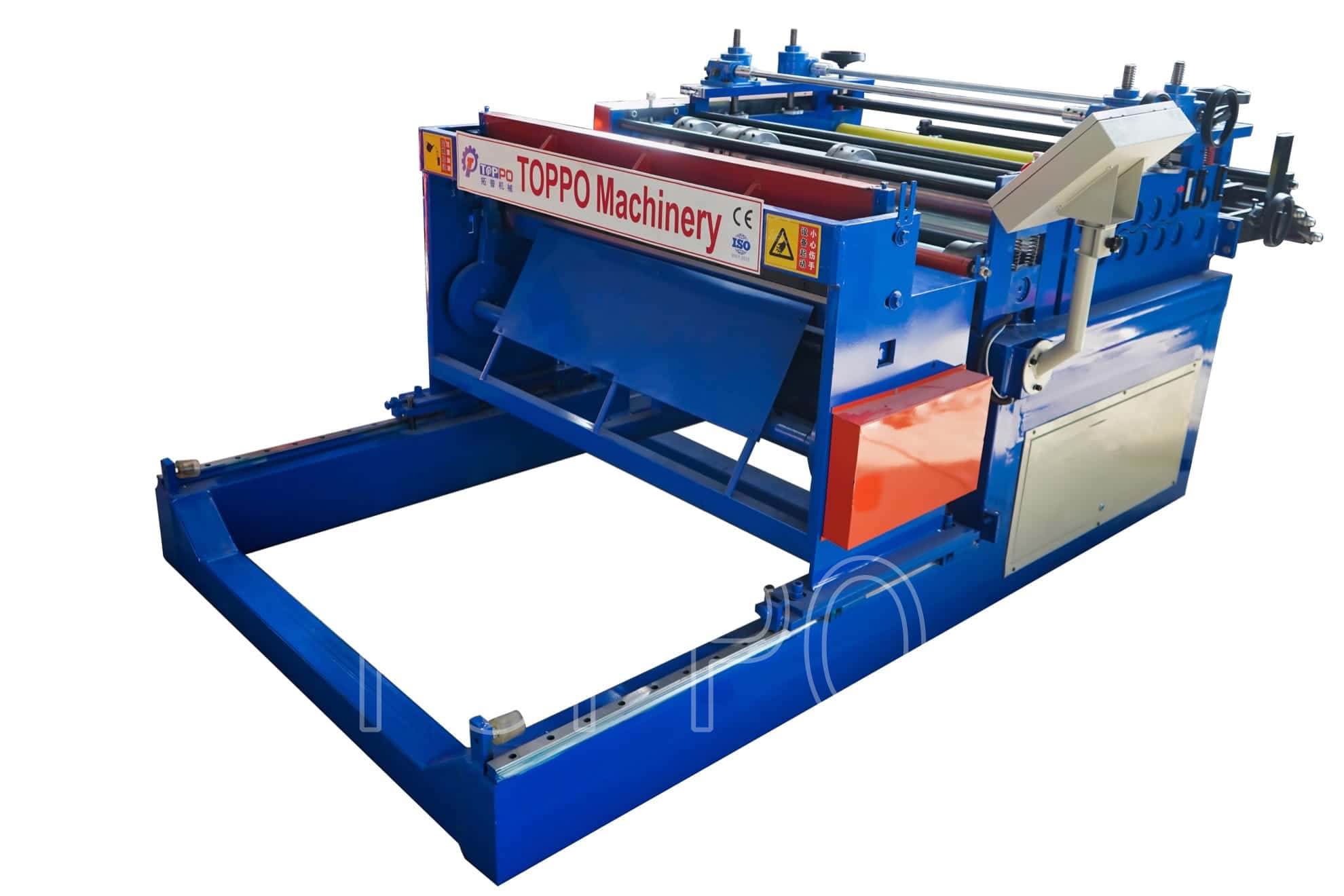


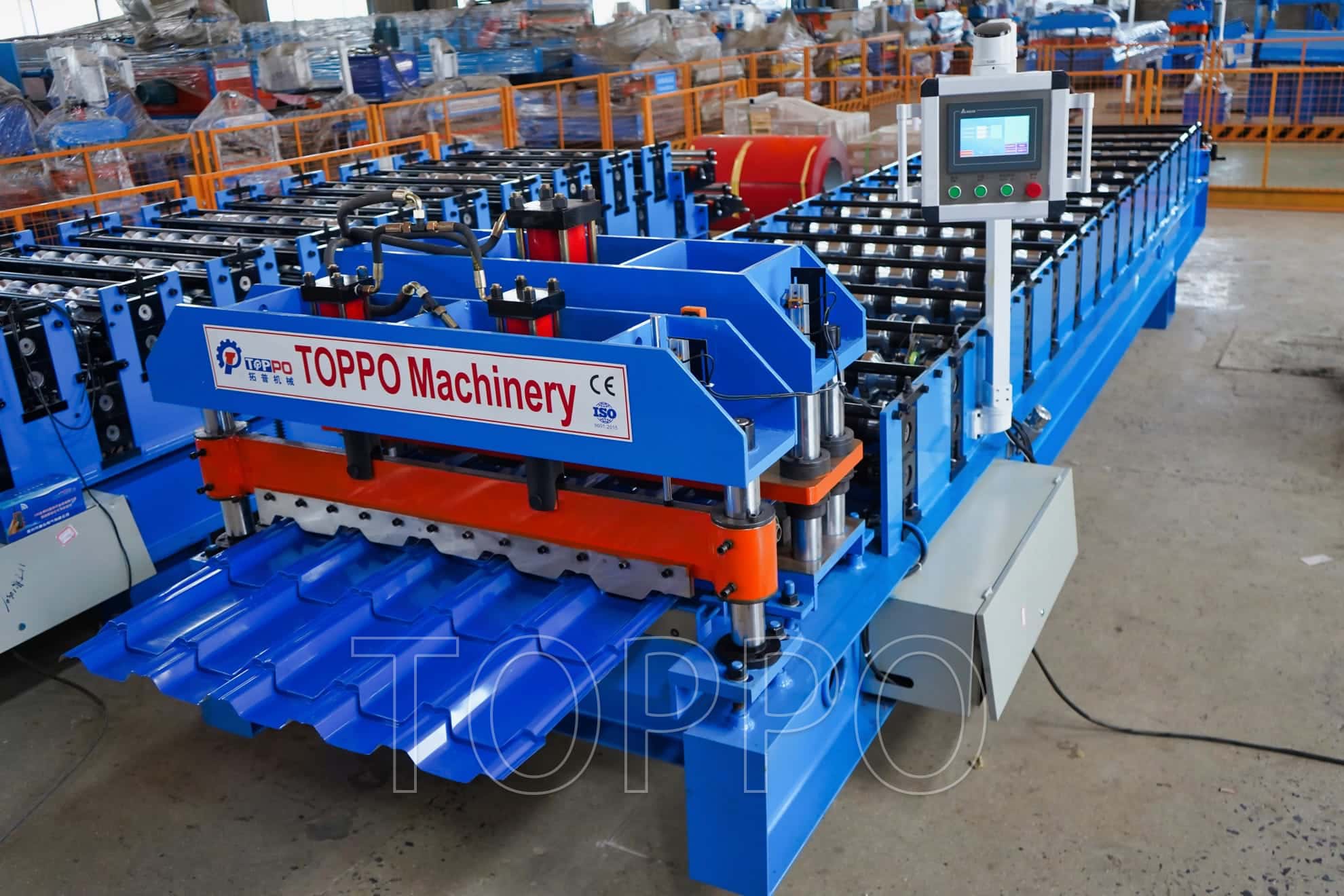
Roofing Sheet Making Machine or Traditional Fabrication: Which Delivers Better Roofing Sheet Results?
Roofing sheet making machine investment decisions should not be based only on initial price. In real production environments, the better option is the one that can maintain dimensional accuracy, protect material surfaces, reduce labor dependency, and support consistent output over time. Traditional fabrication methods may appear cheaper or simpler at the beginning, but they often become inefficient as order volume increases and quality requirements become stricter. For that reason, more manufacturers are shifting from fragmented manual workflows to continuous roll forming systems for roofing sheet production.
Traditional methods generally involve multiple separated operations such as manual feeding, intermittent bending, off-line cutting, sheet repositioning, and repeated quality checks between stations. Each step creates extra handling, which increases the chance of profile variation, edge damage, and time loss. A modern roofing sheet making machine brings those operations into a coordinated line, allowing the sheet to move through a controlled sequence from coil entry to finished panel discharge. That single process change can significantly improve both quality and productivity.
Where Roll Forming Creates Real Advantages
The first advantage is repeatability. Roofing panels must meet exact profile dimensions if they are to overlap correctly on site and provide reliable installation performance. When sheets are shaped through multiple manual or semi-manual stages, even small alignment differences can accumulate into major dimensional problems. A continuous roofing sheet making machine uses matched forming stations to keep the sheet path stable, which improves profile consistency across large production runs.
The second advantage is labor efficiency. Traditional fabrication depends on more direct operator intervention for repositioning, length control, alignment correction, and part transfer. That not only increases labor cost but also raises the possibility of human error. Roll forming does not remove the need for skilled operators, but it changes their role from repeated manual handling to process supervision and quality control.
The third advantage is surface protection. This is especially important when the factory works with decorative or anti-corrosion coated material. A Color Coated sheet machine offers a clear benefit because it is designed to process painted sheets with better feed stability and reduced contact damage. In traditional workflows, sheets may slide against tables, tools, or transfer points several times. That repeated movement increases the risk of visible scratches and coating defects. A Color Coated sheet machine helps reduce those quality losses and improves the saleability of premium roofing products.
Detailed Implementation Steps for Manufacturers
Step 1: Start with Product and Market Definition
Before selecting equipment, define the target product clearly. The required panel profile, thickness range, material type, production volume, and customer quality expectations all influence machine configuration. A line for standard industrial cladding will not necessarily suit architectural roofing products that require tighter profile appearance and cleaner surface finish.
Step 2: Choose Equipment That Fits the Material
Factories processing painted steel should avoid treating all lines as interchangeable. A PrePainted Color Coated Sheet metal cold roofing sheet making machine is better suited to sensitive coated materials because it can be configured for smoother forming, better guiding, and more stable pressure distribution. That matters when the goal is not only to shape the sheet but also to preserve coating integrity from start to finish.
Step 3: Design the Full Line Layout
Machine performance depends heavily on the surrounding production system. Decoiler capacity, feeding support, straightening control, cutter synchronization, discharge table design, and stacking protection all affect the final result. A factory that installs only the main machine without planning material flow may still face bottlenecks, sheet damage, and inefficient labor movement.
Step 4: Run Trials and Validate the Output
Initial production trials should be treated as a technical validation stage, not a formality. Manufacturers should measure width accuracy, rib geometry, sheet length, cut finish, and overlap consistency. When a PrePainted Color Coated Sheet metal cold roofing sheet making machine is used, visual inspection of the coating is equally important. Check for roller marks, drag lines, edge scratching, and local surface stress after cutting and stacking.
Step 5: Establish Operating Standards
Standardized procedures are essential. Operators should know how to load coils safely, align the sheet correctly, adjust parameters, respond to alarms, and stop the line without causing product damage. Maintenance teams should monitor roller wear, drive condition, lubrication, cutter sharpness, and hydraulic stability on a fixed schedule.
Critical Precautions During Daily Production
One major precaution is speed control. Excessive speed may seem attractive, but it can create vibration, unstable cutting, and profile inconsistency. This is especially risky when processing painted material. Another essential precaution is roller cleanliness. Dust, metal particles, or coating residue can quickly mark the sheet surface and reduce product quality. Entry alignment also deserves constant attention, because even a slight offset at the line entrance can affect the profile throughout the whole run.
Factories producing premium coated panels should invest in process discipline as seriously as they invest in equipment. A Color Coated sheet machine delivers the best results when roller surfaces are polished, line speed is matched to material behavior, and finished sheets are stacked carefully to avoid abrasion. Likewise, a PrePainted Color Coated Sheet metal cold roofing sheet making machine should be supported by proper inspection routines and trained operators who understand coating sensitivity. Machine capability alone is not enough; controlled execution is what converts equipment potential into reliable output.
Another precaution is to maintain inspection after commissioning. Material batches can vary, tooling wears over time, and process conditions shift. Regular checks help detect drift before it becomes a customer complaint or a large volume of scrap.
Conclusion
Traditional fabrication methods still have value for small custom orders or very low production volumes. But when the goal is efficient, repeatable, and scalable roofing sheet manufacturing, continuous roll forming is usually the stronger choice. A modern roofing sheet making machine supports better consistency, lower handling risk, stronger throughput, and improved long-term production control. For manufacturers that want dependable roofing sheet results, that makes roll forming the more competitive method in most industrial scenarios.
READ MORE: