How Chilean Roofing Businesses Reduce Costs with Standing Seam Roll Forming Machines
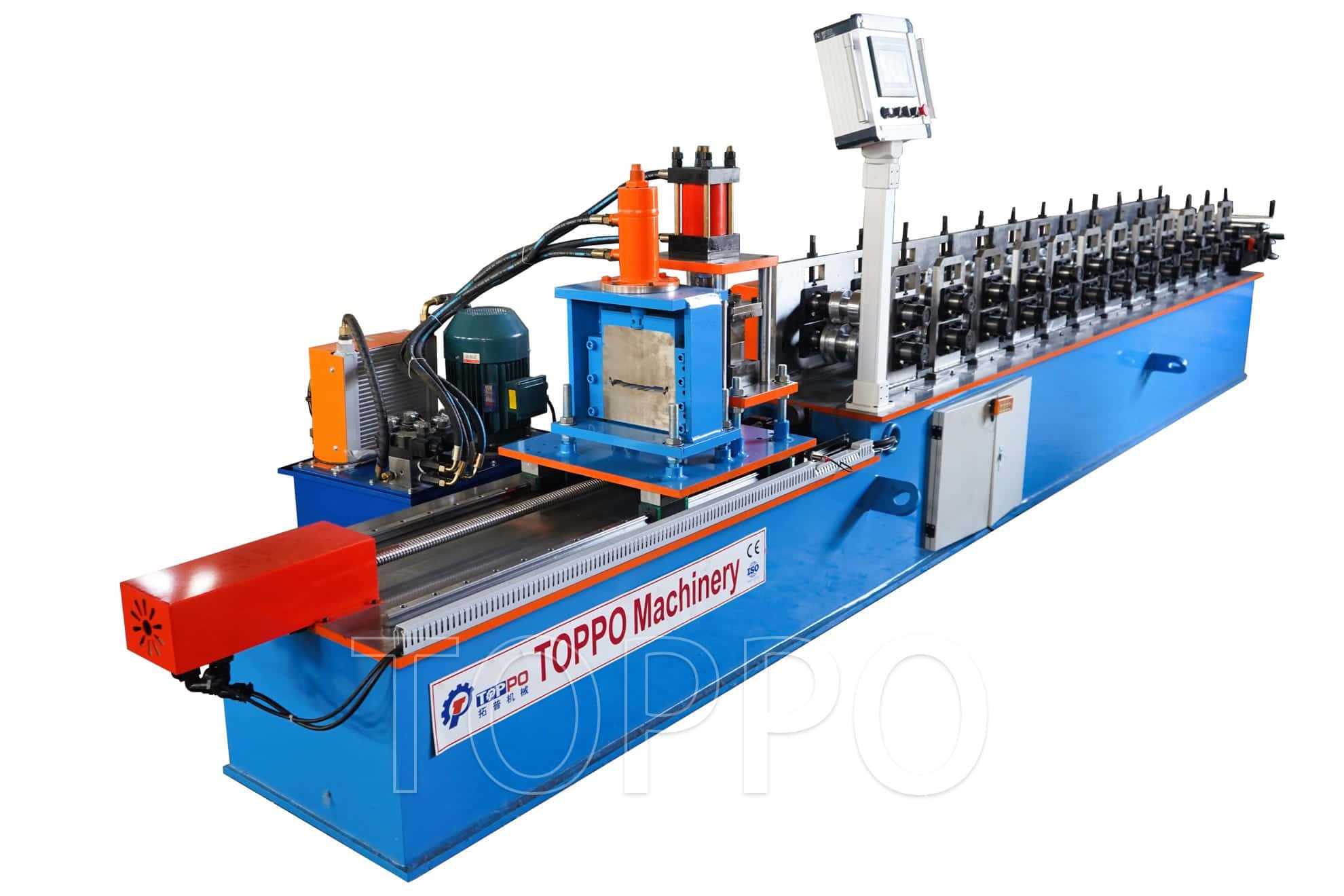
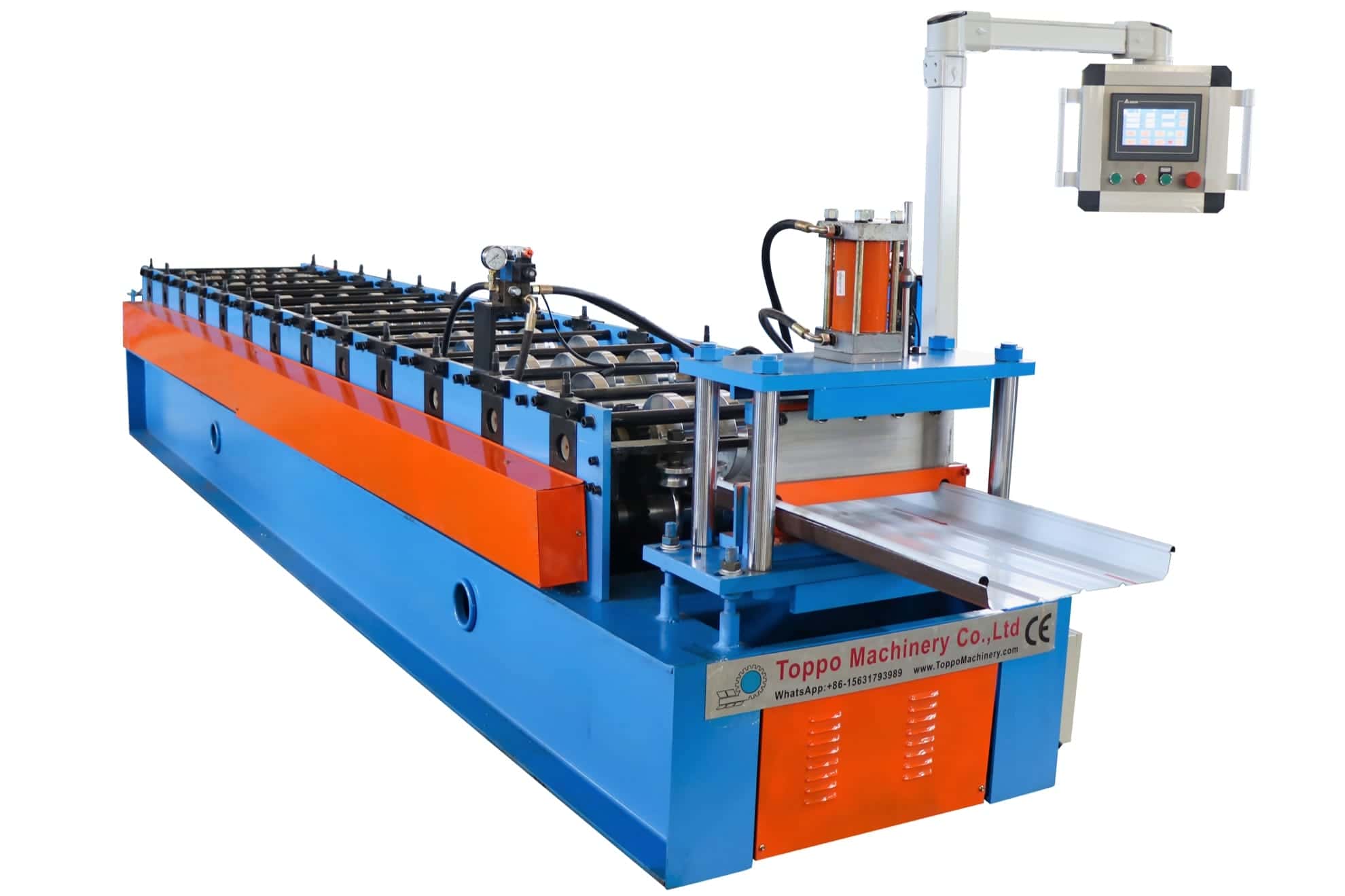
In today’s competitive construction market, roofing manufacturers in Chile are under constant pressure to reduce costs while maintaining high product quality. One of the most effective solutions is the adoption of the standing seam roof panel roll forming machine. This advanced equipment enables precise, automated production, helping manufacturers lower labor costs and minimize material waste.
This article provides a detailed, practical guide including implementation steps, key precautions, common mistakes, and real-world case studies to help manufacturers maximize efficiency and reduce operational costs.
1. Planning and Equipment Selection
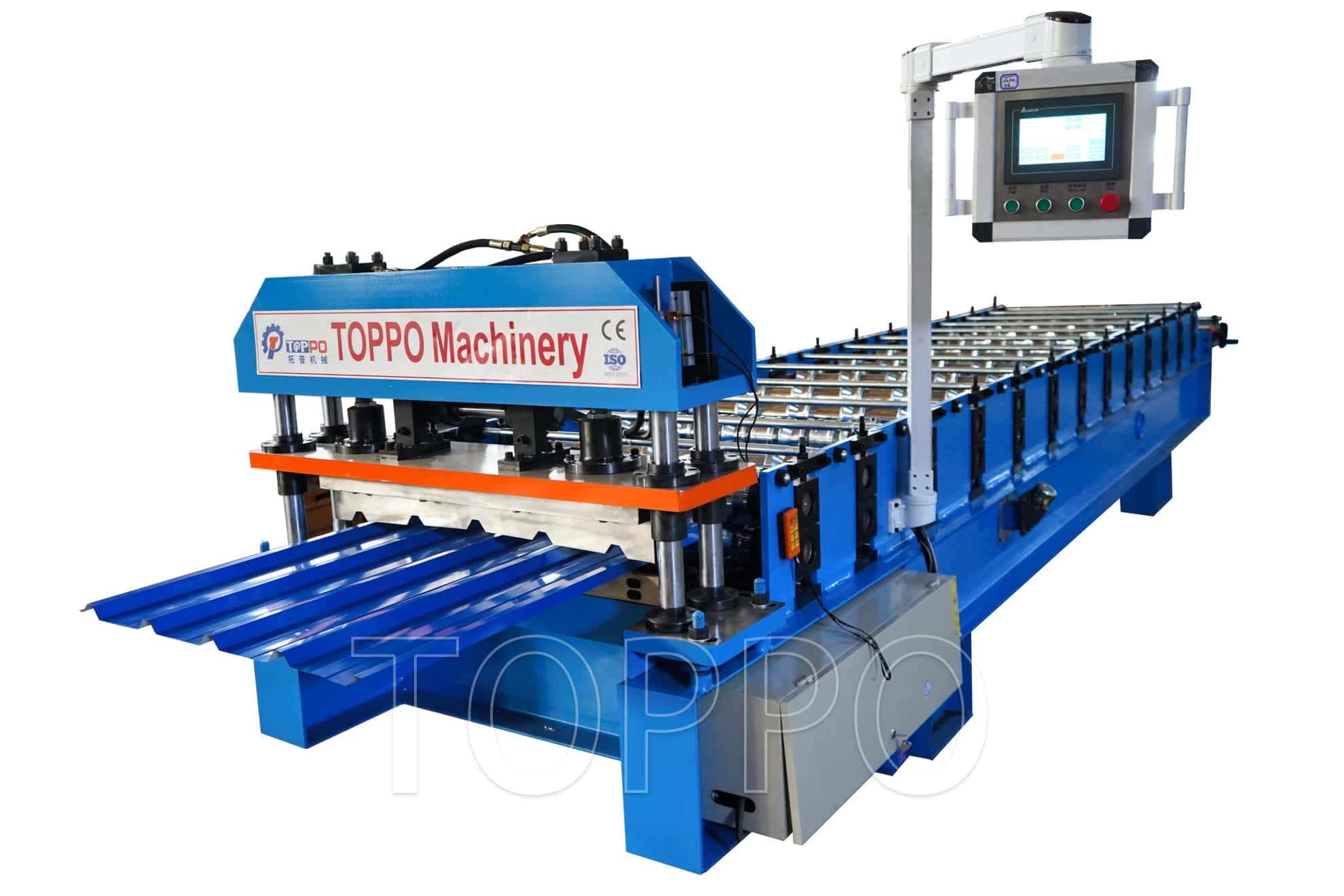
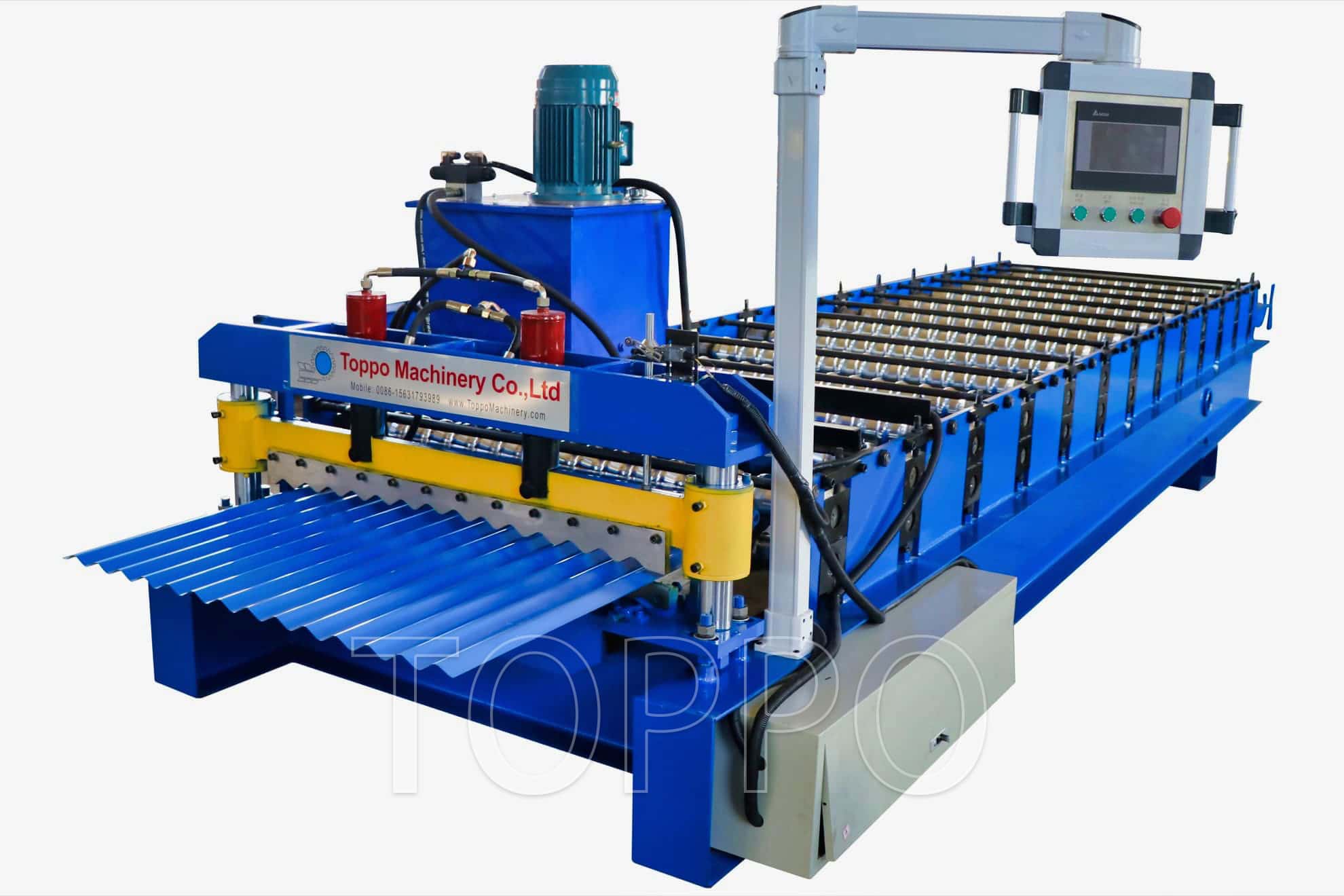
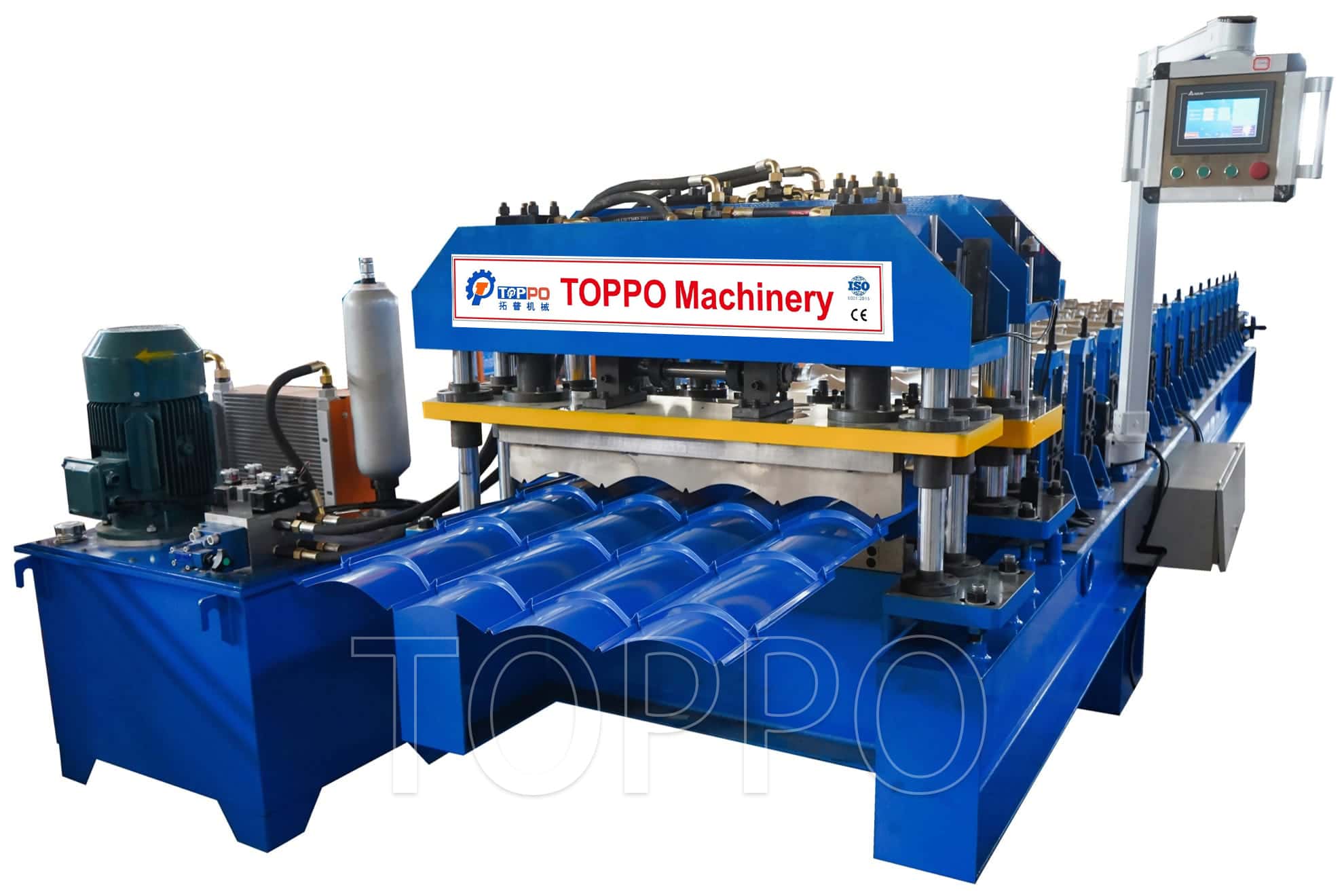
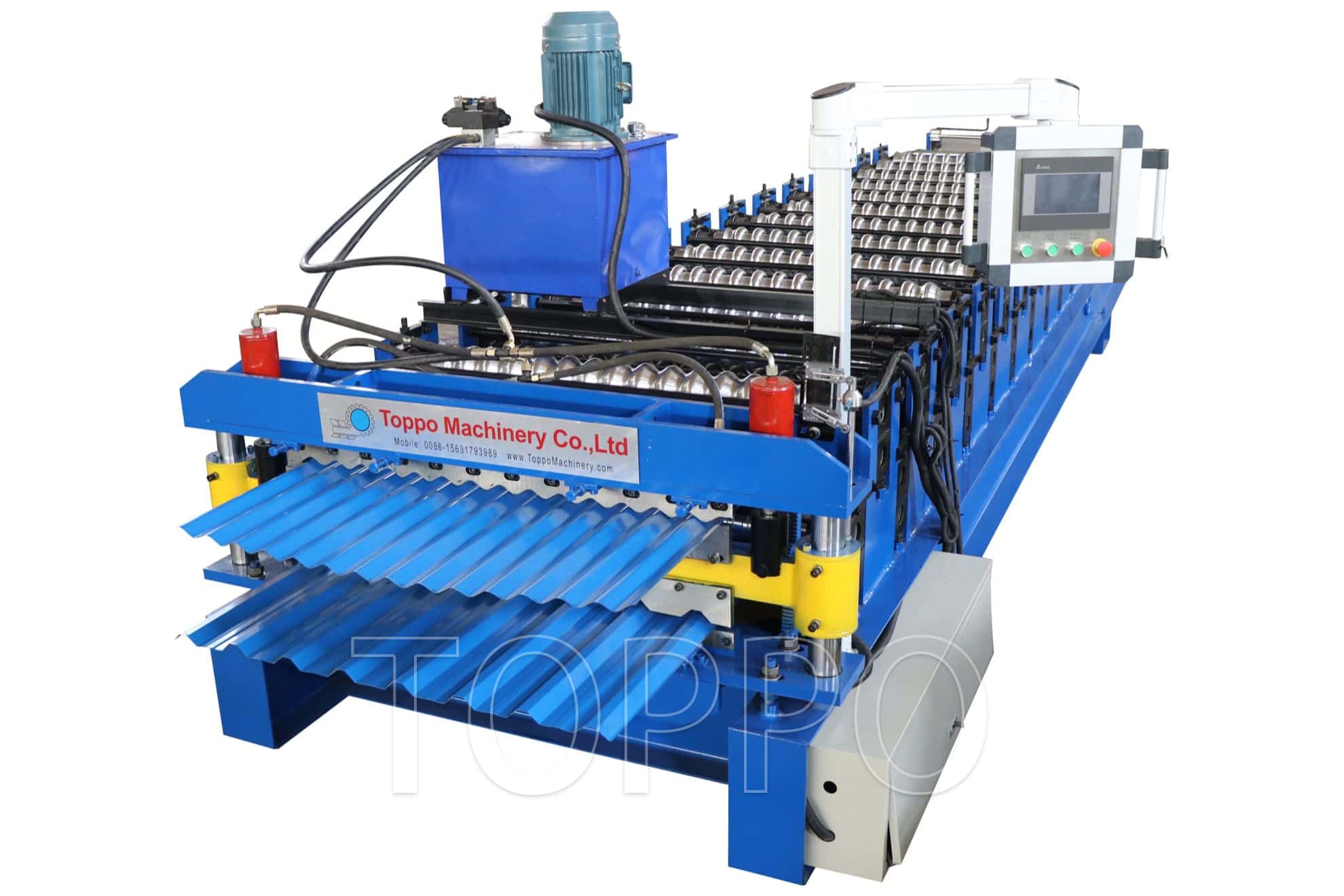
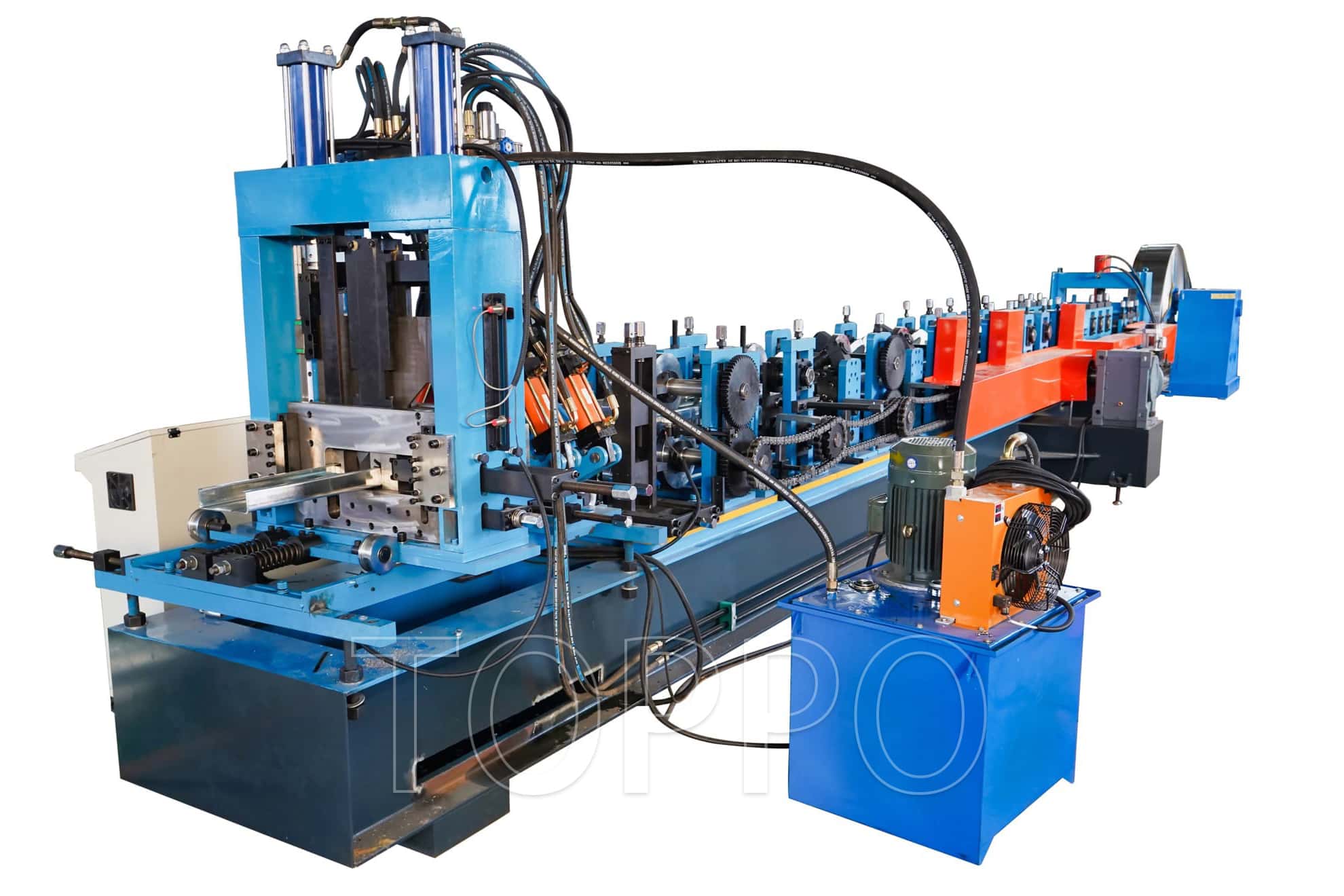
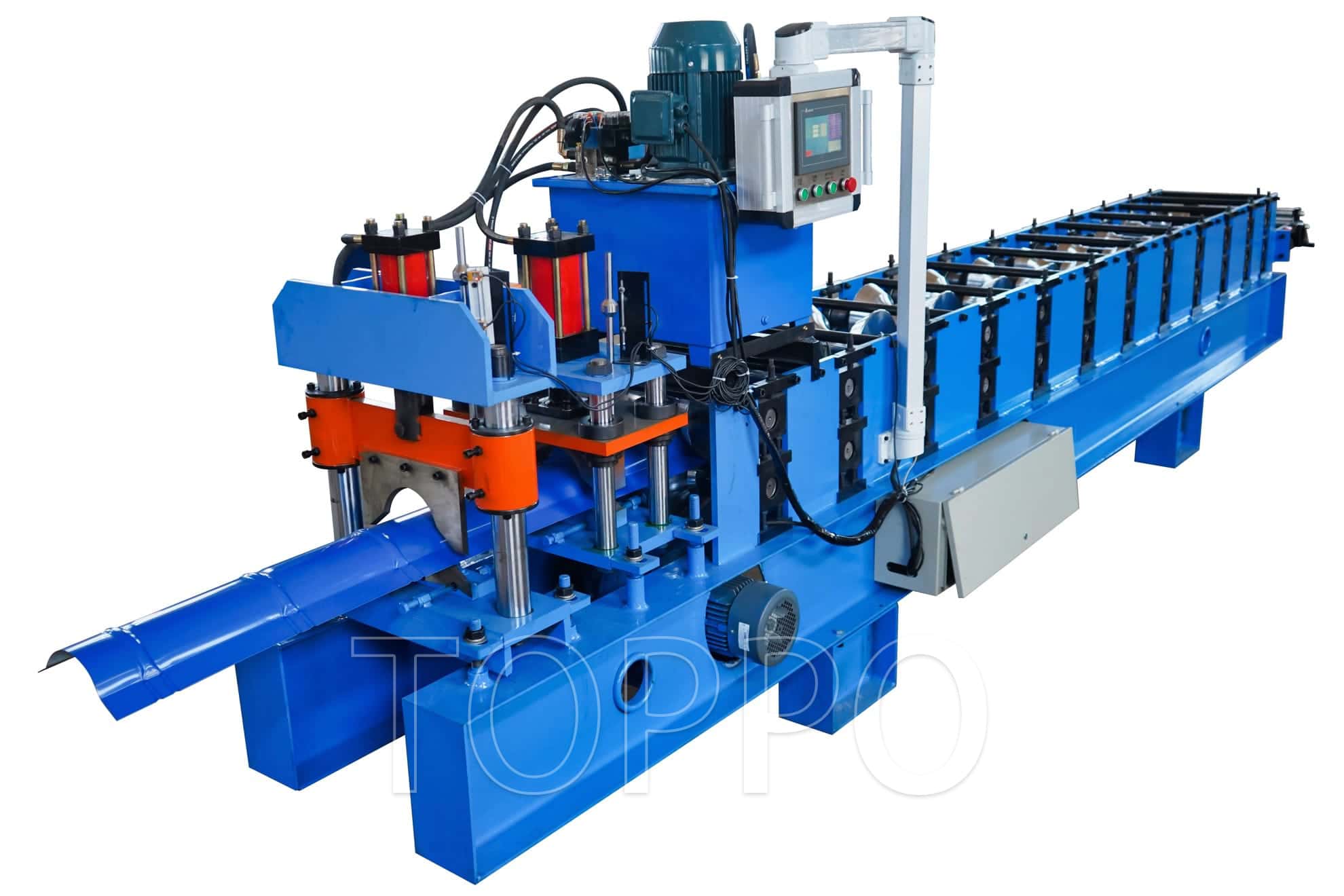
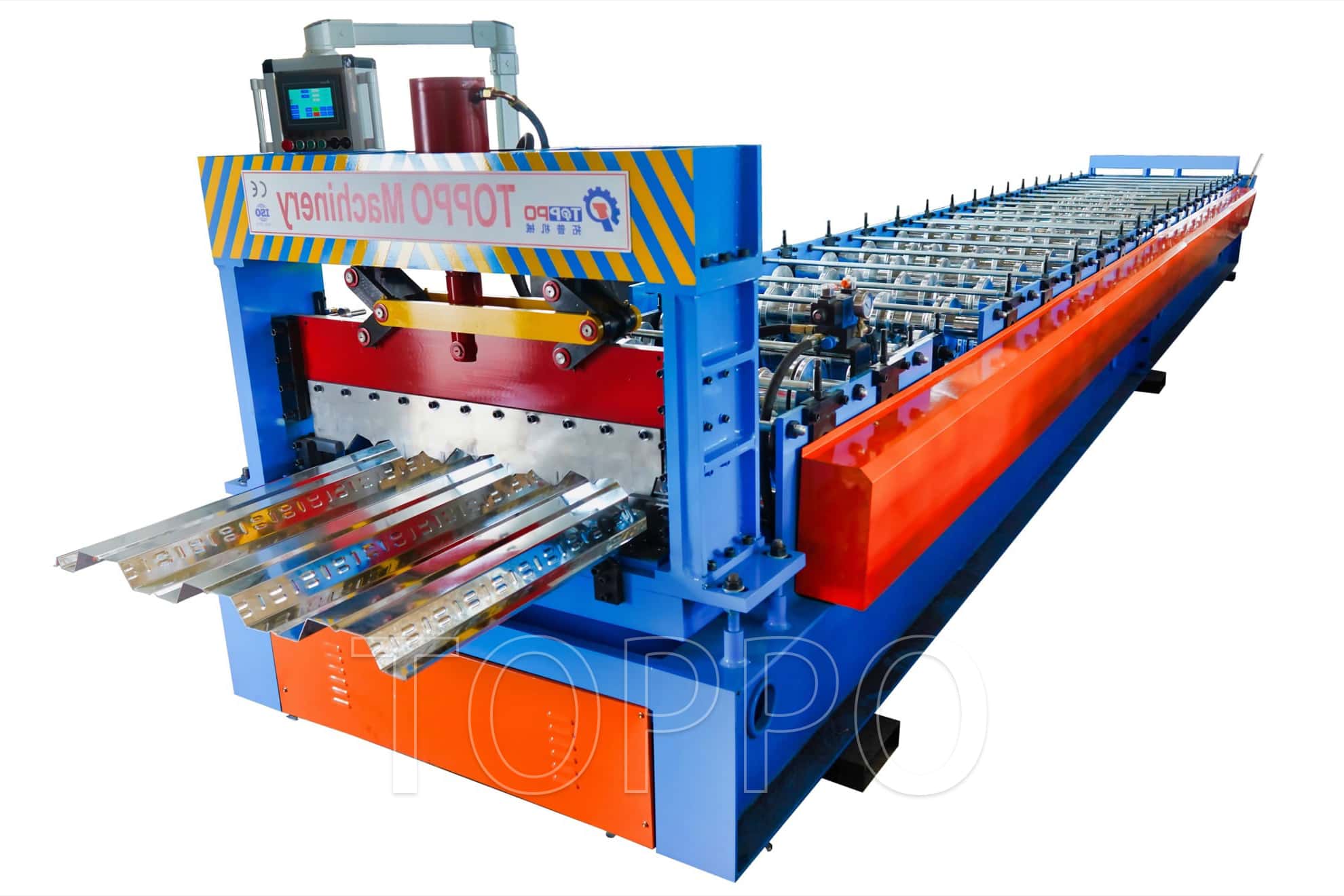
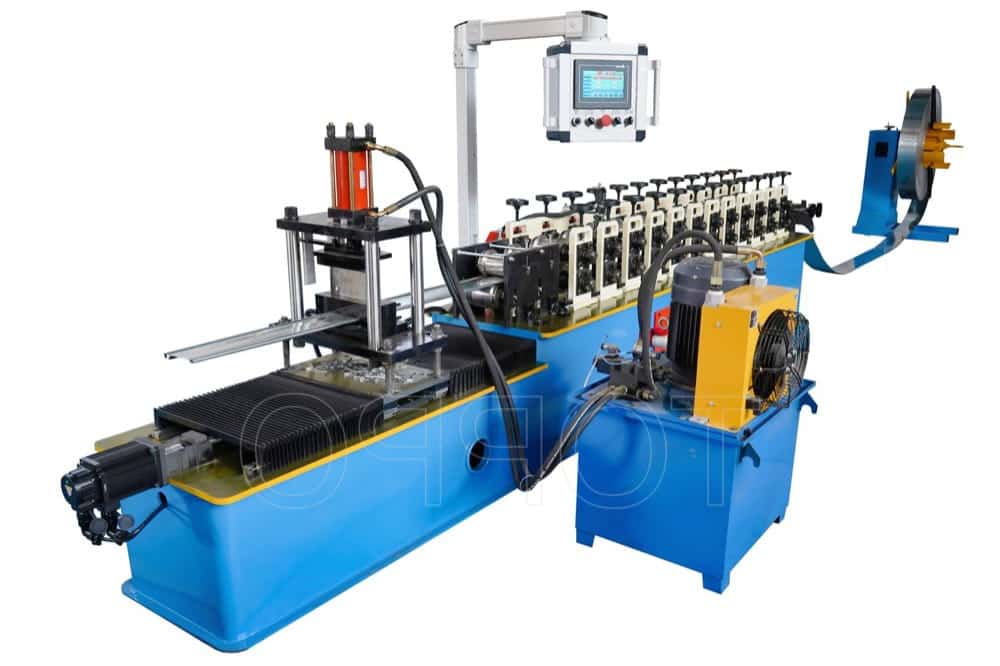
The first step is choosing the right standing seam roof panel roll forming machine. Manufacturers should evaluate production capacity, material types, and required panel designs. Selecting the appropriate machine ensures long-term efficiency and cost savings.
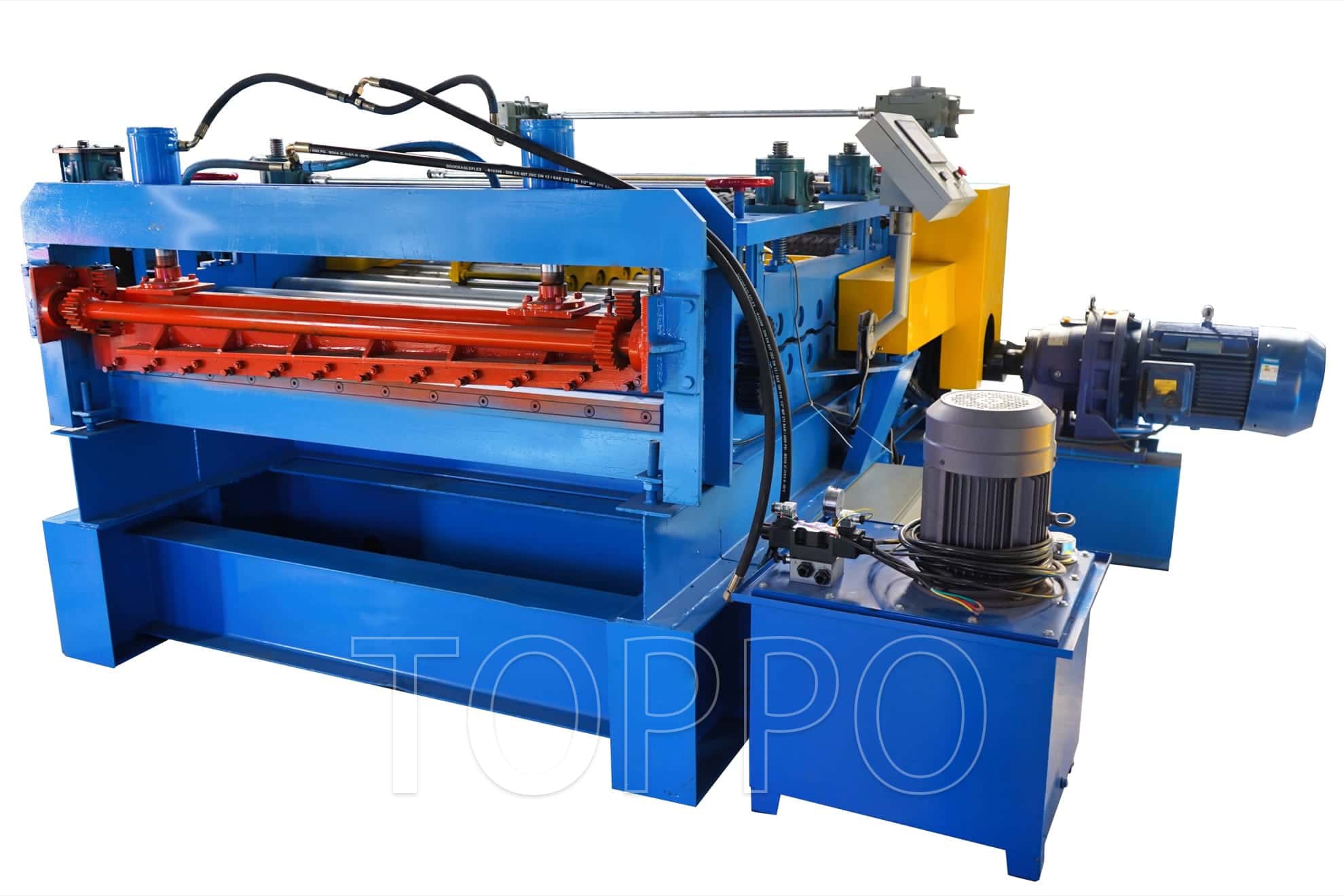
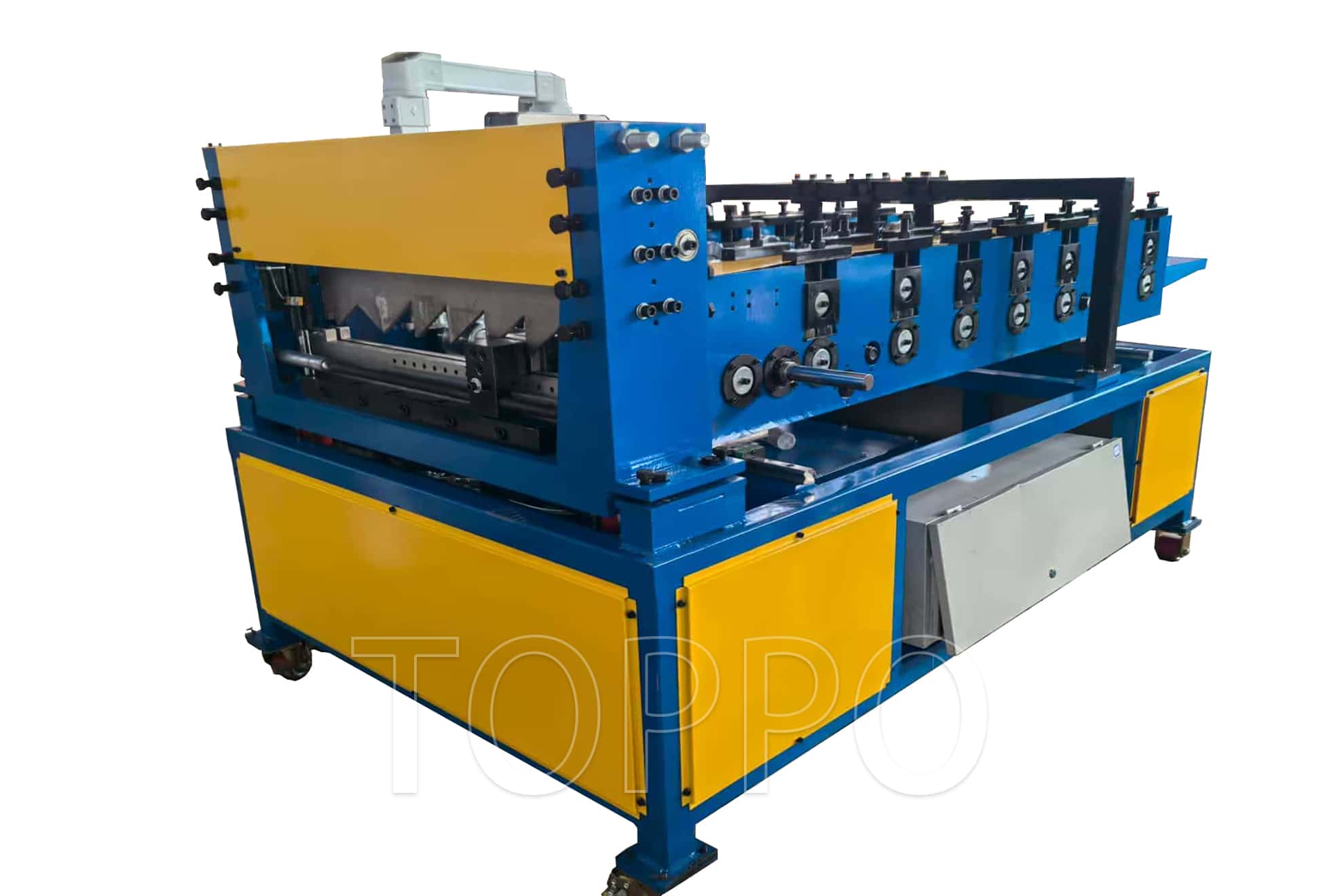
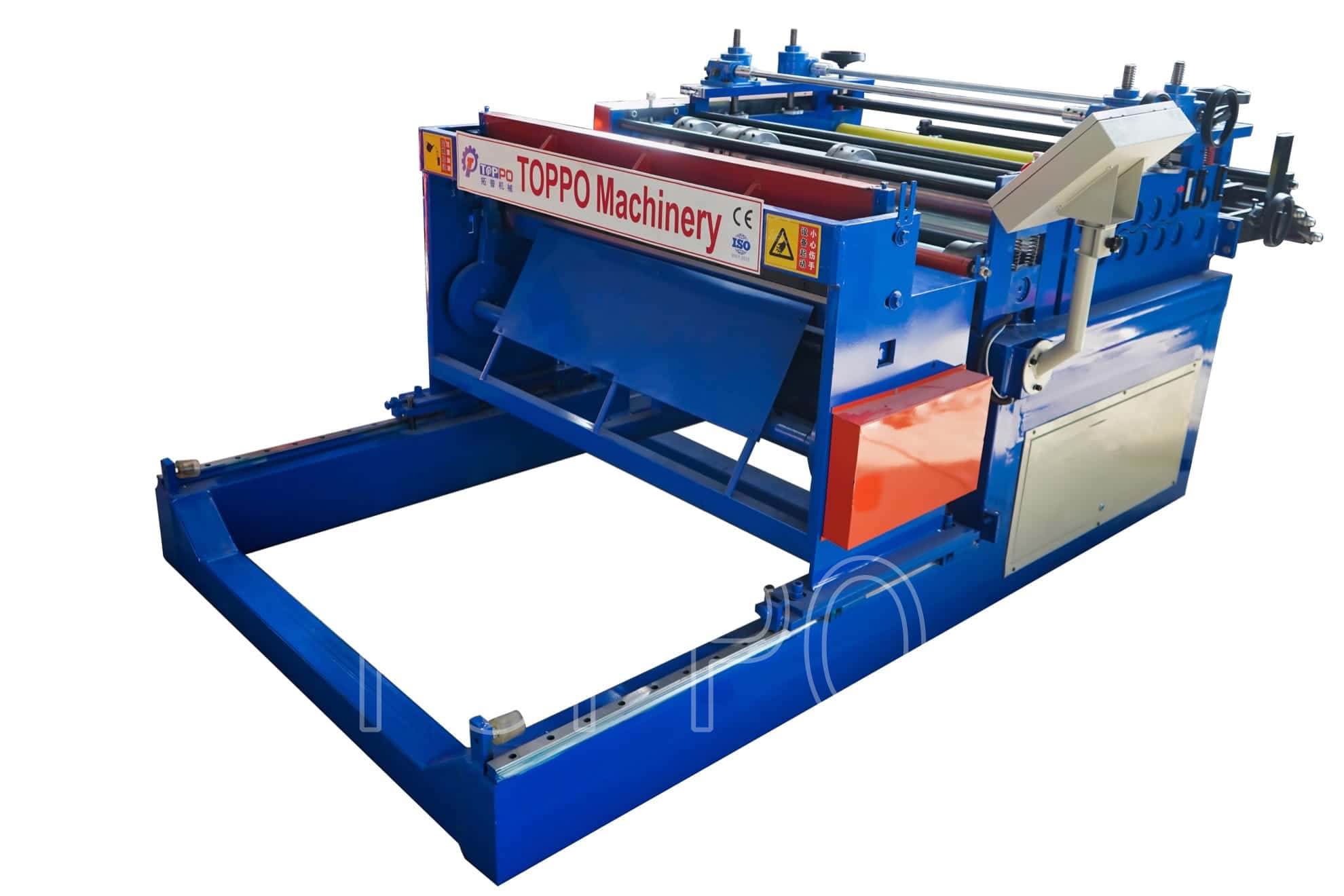
Additionally, integrating a roof panel making machine allows manufacturers to diversify production and optimize resource utilization.
2. Installation and Setup
Proper installation is essential to avoid costly errors. The standing seam roll forming machine must be installed on a stable and level foundation. Key steps include:
Ensuring precise leveling of the machine base
Aligning rollers accurately
Testing electrical and hydraulic systems
A common mistake is neglecting alignment accuracy, which can lead to defective panels and increased waste.
3. Trial Production and Optimization
Before full-scale production, trial runs are necessary to adjust machine parameters. The standing seam roll forming machine must be fine-tuned according to material thickness and specifications.
For example, a Chilean manufacturer initially experienced uneven seams during production. After adjusting feed speed and roller pressure, they significantly improved product consistency.
4. Operational Best Practices
To achieve maximum efficiency, operators must follow best practices:
Maintain consistent material feeding speed
Regularly inspect rollers for wear
Ensure proper lubrication of moving parts
Using a roof panel making machine alongside the main system can further enhance productivity and reduce operational costs.
5. Common Mistakes to Avoid
Manufacturers often encounter avoidable issues such as:
Incorrect machine parameter settings
Lack of routine maintenance
Using low-quality raw materials
These problems can significantly affect the performance of the standing seam roof panel roll forming machine and increase downtime.
6. Real Case Study
A roofing company in Santiago upgraded its production line with a modern system. Initially, they faced challenges such as high material waste and inconsistent panel quality. After optimizing machine parameters and improving operator training, they achieved:
Production efficiency increased by 30%
Material waste reduced by 20%
Overall production costs significantly lowered
This case demonstrates how proper implementation can lead to substantial cost savings.
7. Maintenance and Long-Term Cost Control
Regular maintenance is essential for long-term cost control. Operators should establish a maintenance routine that includes cleaning, lubrication, and inspection of key components. Preventive maintenance helps extend the lifespan of the standing seam roll forming machine and ensures stable performance.
Conclusion
The adoption of the standing seam roof panel roll forming machine is helping roofing manufacturers in Chile reduce costs and improve efficiency. By following proper implementation steps, avoiding common mistakes, and learning from real-world cases, companies can achieve sustainable growth and maintain a competitive edge in the market.
Tags: standing seam roof panel roll forming machine, standing seam roll forming machine, roof panel making machine, cost reduction, roofing production, metal roofing system
READ MORE: