- Trapezoidal Machine
- Corrugated Machine
- Glazed Tile Machine
- Double Layer Machine
- CZU Purlin Machine
- Ridge Cap Machine
- Floor Decking Machine
- Rolling Door Machine
- Fence Machine
- Embossing Machine
- Standing Seam Machine
- Cut To Length And Slitting Line
- Guard Rail Machine
- Decoiler And Stacker
- Stud And Track Machine
- Gutter And DownPipe
- Curving Machine
- Cladding Panel Machine
- Corollary Equipment


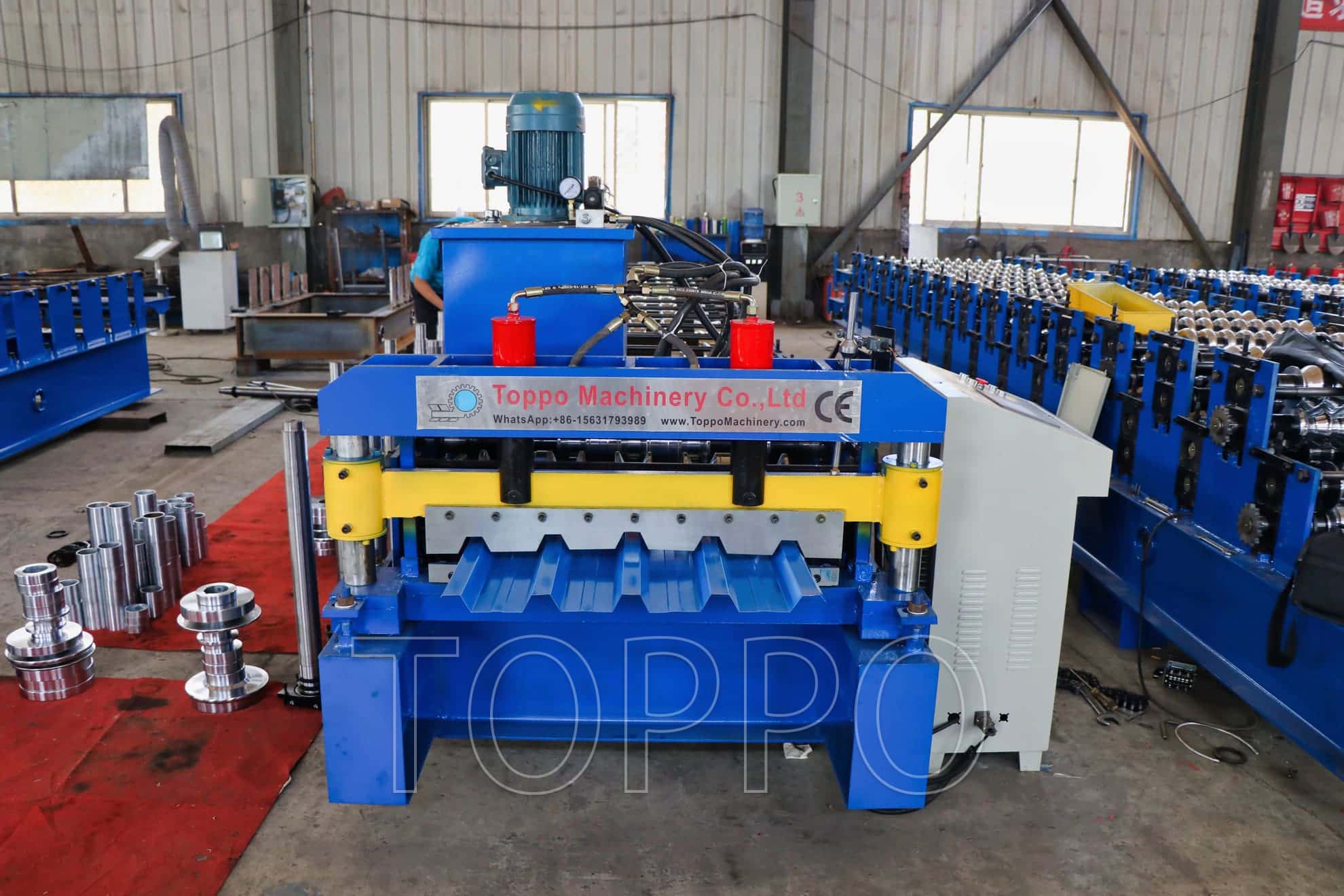
How Roofing Factories Can Improve Galvanized Steel Coil Production Efficiency
Galvanized steel coil remains one of the most widely used materials in roofing sheet manufacturing because of its excellent corrosion resistance, durability, and cost efficiency. However, producing high-quality roofing panels consistently requires much more than simply operating a production machine. Manufacturers must understand material handling, roller calibration, production speed control, and preventive maintenance to achieve stable results.
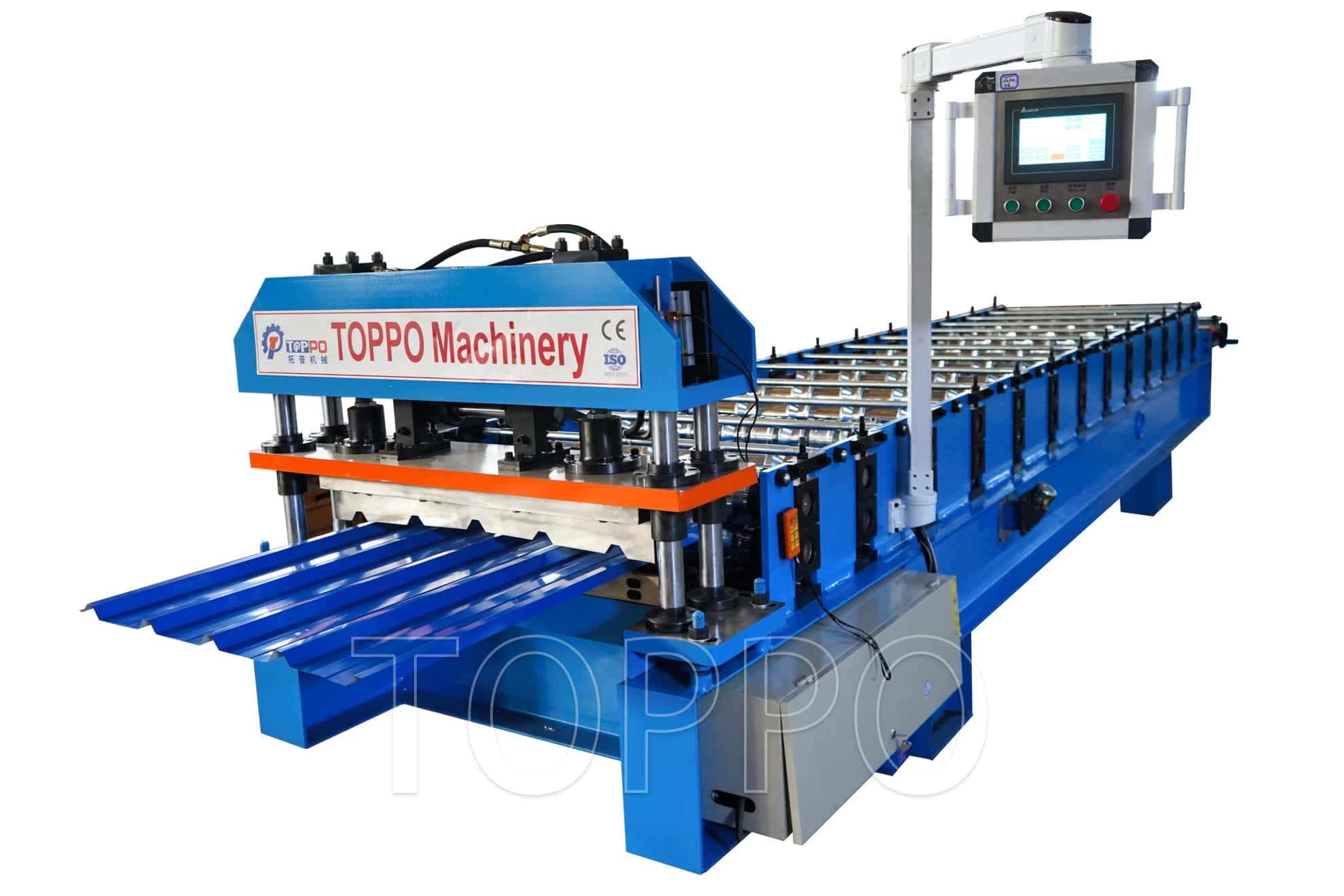
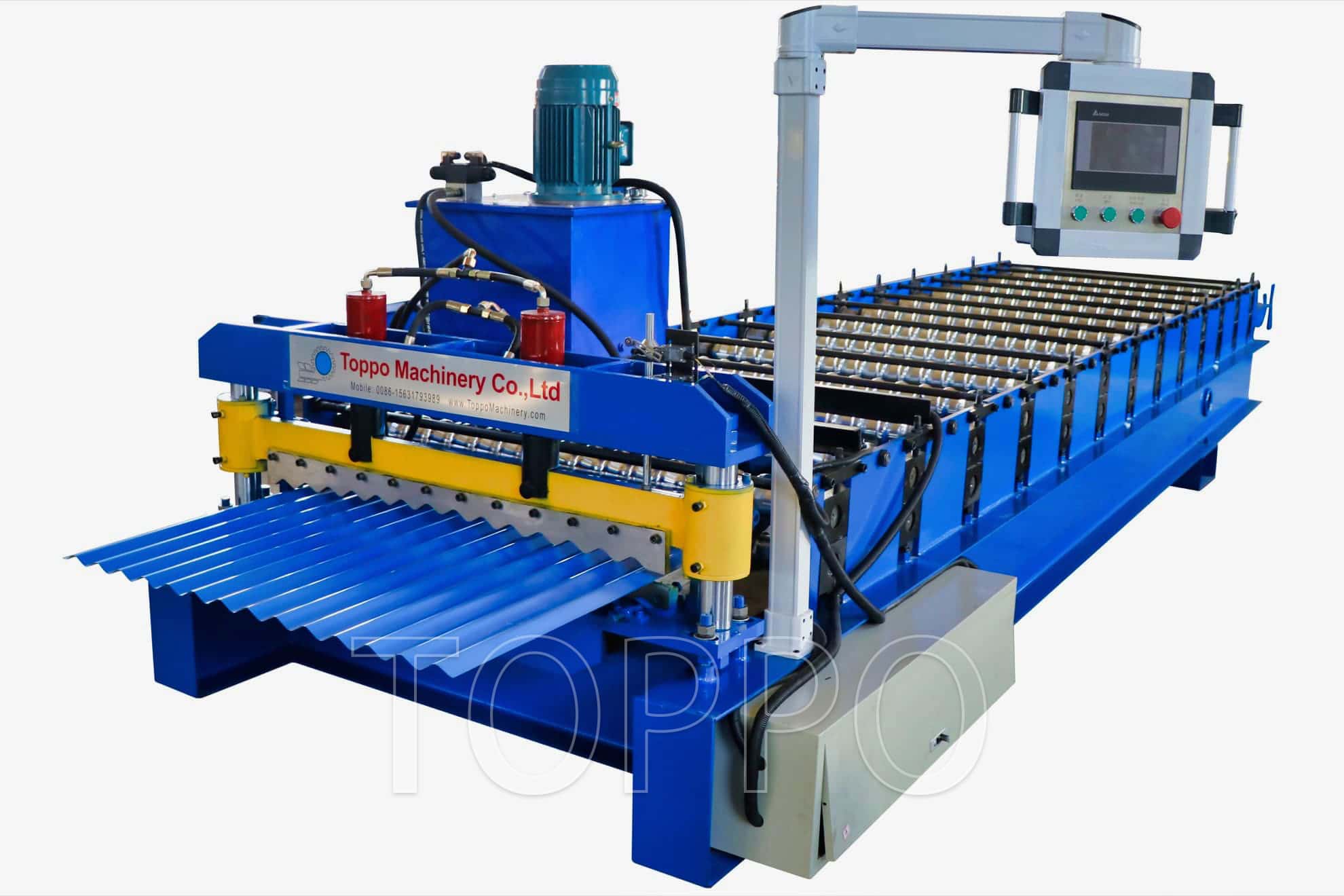
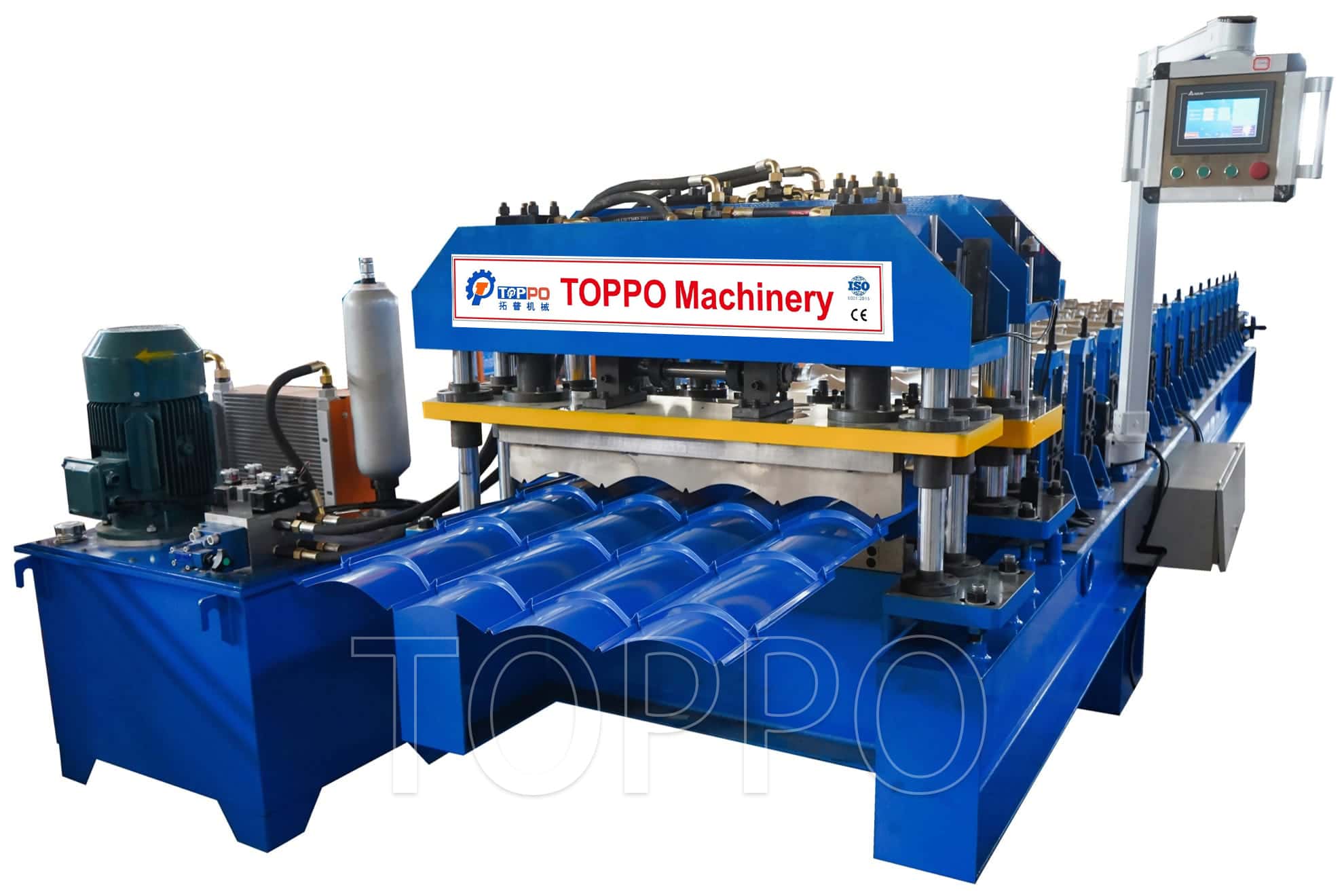
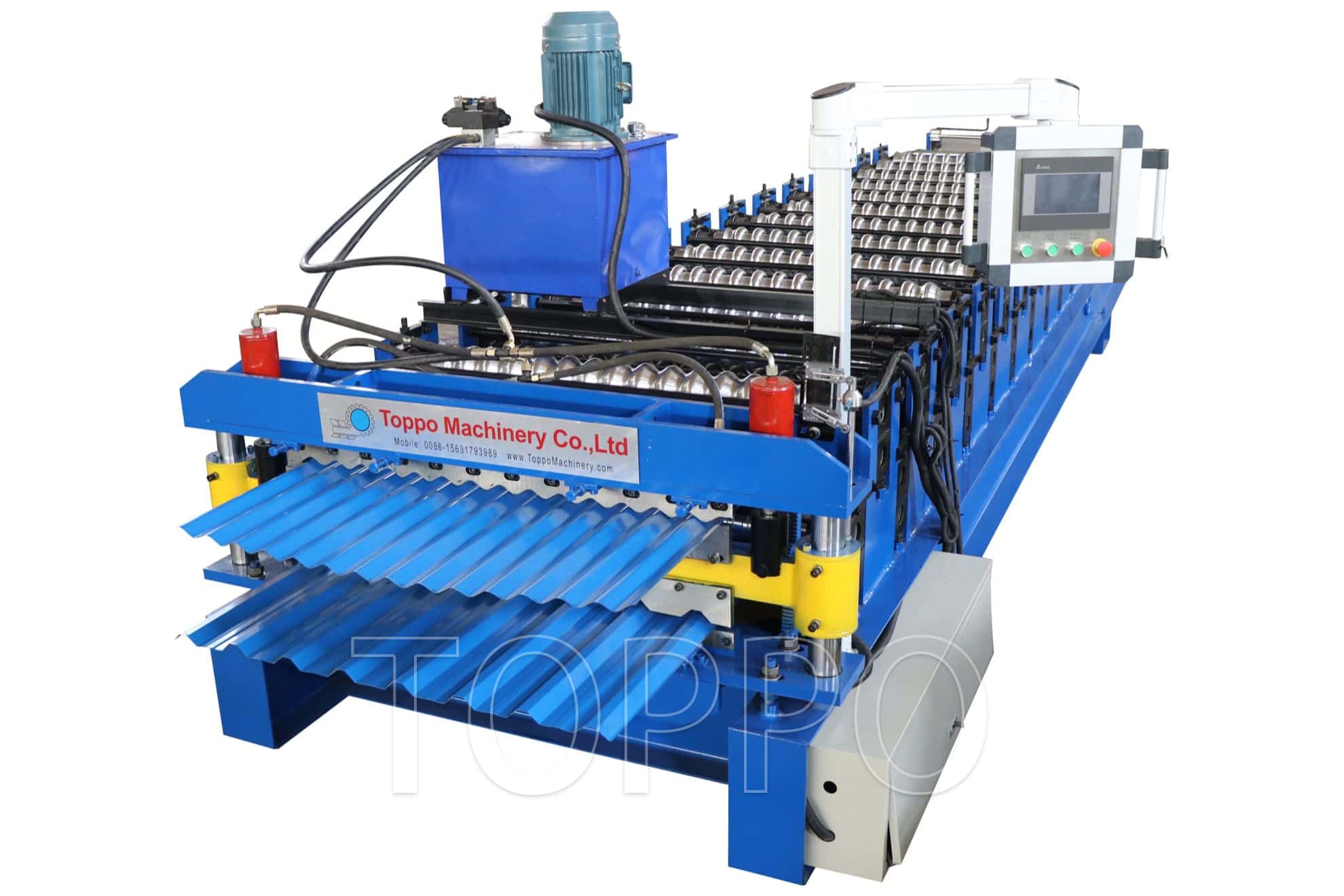
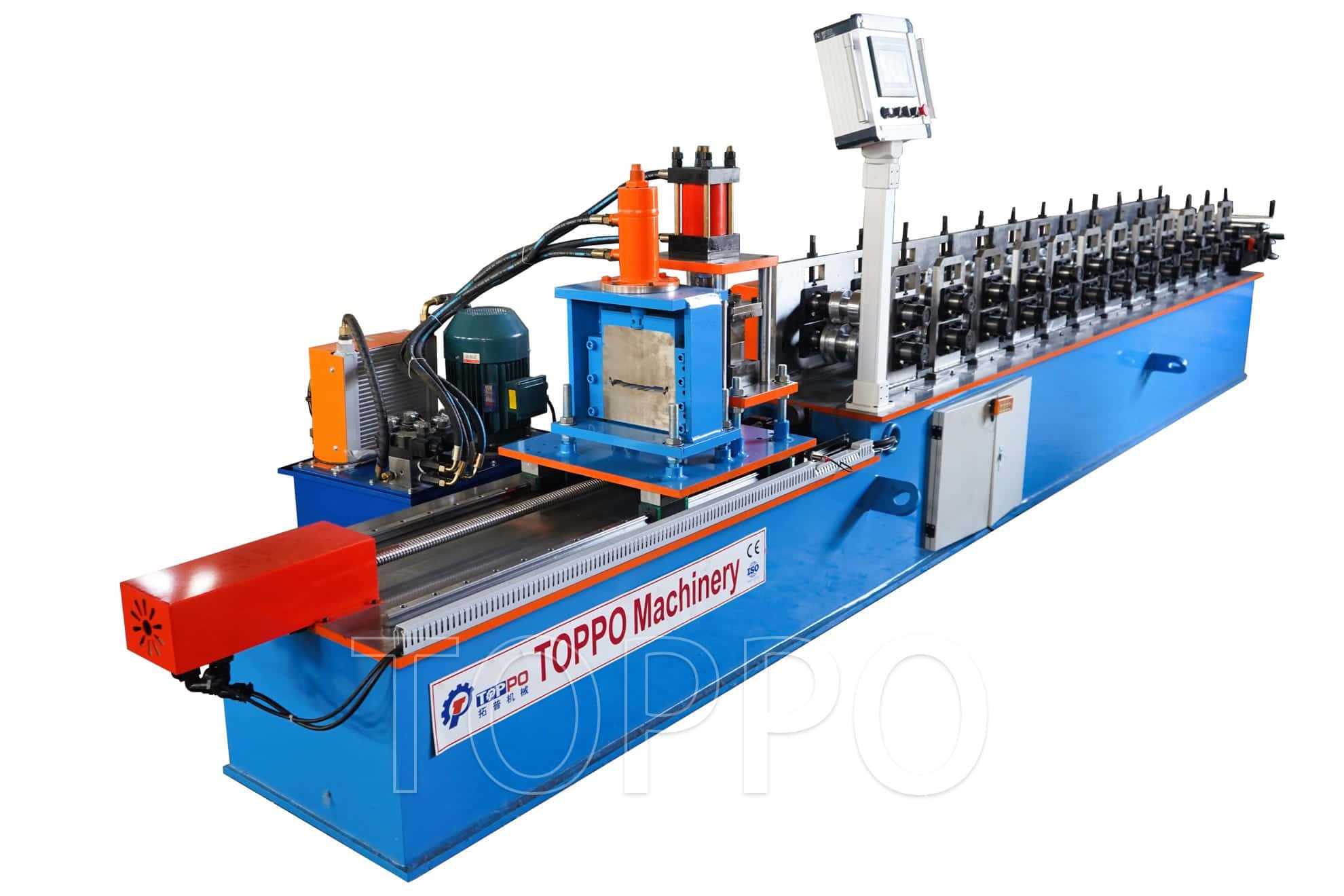
Modern factories increasingly rely on customizable thickness 0.4mm metal Aluminum steel roofing sheet machine systems because these machines provide production flexibility for different roofing panel requirements. However, advanced flexibility also requires accurate operational management and professional technical supervision.
Without proper setup procedures and operator training, manufacturers may experience profile distortion, coating scratches, inaccurate dimensions, and unnecessary production downtime.
1. Selecting the Right Galvanized Steel Coil Specifications
The first step in stable roofing sheet production is choosing the correct galvanized steel coil. Manufacturers should evaluate zinc coating thickness, steel hardness, coil width, and surface quality before entering production.
A reliable Aluminum steel roofing sheet machine should maintain stable forming performance for both galvanized steel and aluminum materials without causing surface damage or inconsistent roofing profiles.
One common production mistake occurs when operators use identical roller settings for aluminum and galvanized steel. Because galvanized steel has higher hardness, improper pressure settings may damage the protective zinc layer or create uneven panel edges.
For example, one roofing factory in Eastern Europe experienced serious customer complaints after improperly adjusted rollers scratched galvanized roofing panels during continuous production. The damaged coating reduced corrosion resistance significantly.
2. Coil Storage and Material Inspection Before Production
Proper galvanized steel coil storage is essential for maintaining material quality. Moisture exposure may create white rust on galvanized surfaces, especially in humid factory environments.
Manufacturers should store coils indoors with good ventilation and avoid placing materials directly on wet concrete floors. Protective packaging should remain intact until the production process begins.
Before loading coils into the production line, operators should inspect coil edges, surface flatness, and overall material condition carefully. Damaged coil edges frequently create unstable feeding problems and inaccurate roofing profiles.
Many factories skip these inspections because of tight production schedules, but ignoring material preparation often creates larger manufacturing losses later.
3. Roller Calibration and Thickness Adjustment
Machines designed for customizable thickness 0.4mm metal Aluminum steel roofing sheet machine applications require precise roller calibration whenever material thickness changes.
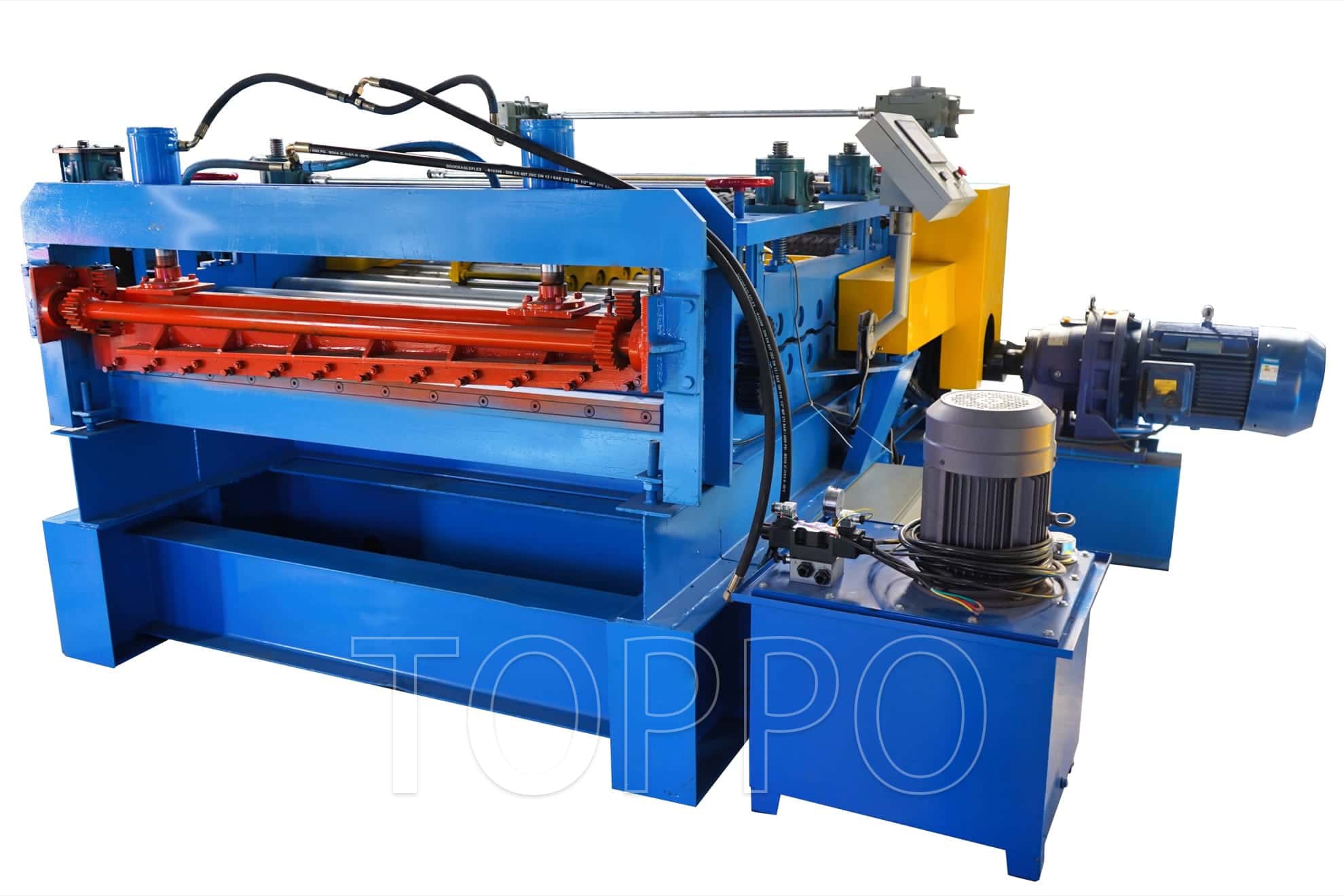
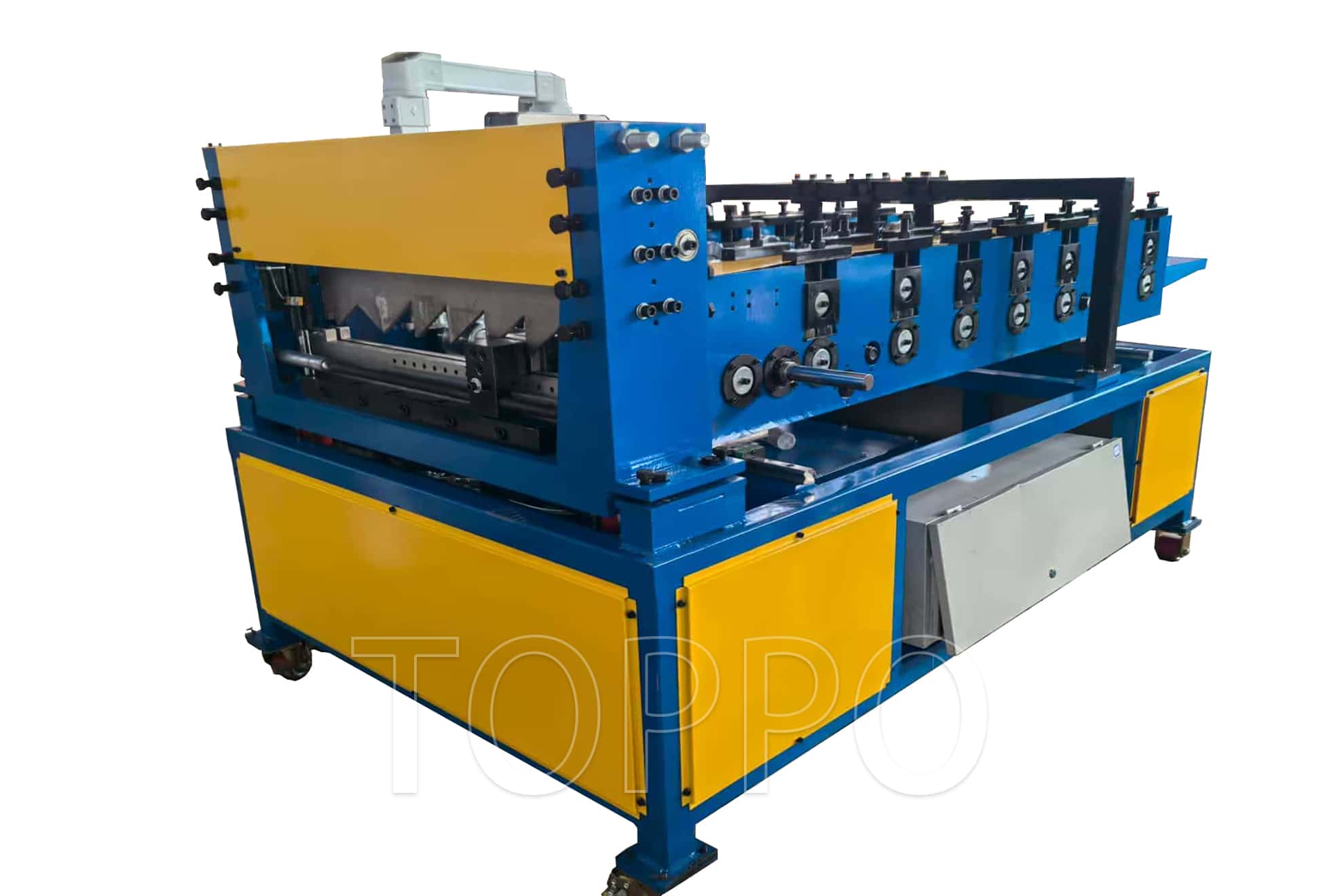
A professional roll forming machine should provide synchronized roller movement and stable forming pressure throughout continuous production.
One of the easiest operational mistakes is changing material thickness without adjusting roller gaps properly. Incorrect calibration may cause roofing profile deformation, edge cracking, or inconsistent panel dimensions.
Experienced technicians normally perform sample production runs before entering full manufacturing mode. Test panels are inspected carefully to verify profile accuracy and dimensional stability.
4. Production Speed Control and Surface Protection
Production speed has a direct impact on roofing sheet quality. Excessive machine speed may generate vibration, unstable feeding, and friction that damages galvanized coatings.
One roofing manufacturer attempted to increase output by operating beyond recommended speed limits. While short-term production volume increased, roofing panels later showed visible scratches and inconsistent profile quality.
Modern automated systems equipped with intelligent speed control can optimize machine performance automatically according to material thickness and hardness.
Factories using advanced roll forming machine technology generally achieve better consistency because intelligent monitoring systems reduce operational mistakes and stabilize production flow.
5. Preventive Maintenance and Hydraulic Inspection
Preventive maintenance is essential for maintaining stable roofing sheet production. Hydraulic systems, bearings, cutting devices, and lubrication points require regular inspection and servicing.
A dependable Aluminum steel roofing sheet machine should include accessible maintenance points and standardized spare parts to simplify repairs and reduce downtime.
One practical production case involved a factory that ignored hydraulic oil replacement schedules for several months. Eventually, unstable oil pressure caused inaccurate cutting lengths and repeated machine shutdowns.
Factories should establish maintenance programs covering hydraulic inspections, lubrication schedules, roller cleaning, and electrical system testing.
6. Operator Training and Quality Control Management
Even advanced roofing production equipment cannot operate efficiently without skilled operators. Incorrect tension adjustment, improper material alignment, and inaccurate calibration frequently create production defects and material waste.
Factories should provide detailed training programs covering machine operation, emergency shutdown procedures, material handling, and maintenance methods.
Modern intelligent monitoring systems can help operators identify abnormal operating conditions before serious equipment damage occurs. However, experienced technicians remain extremely important for maintaining long-term production stability.
Many successful roofing manufacturers also implement continuous quality inspection procedures during production instead of waiting until packaging is completed.
Conclusion
Galvanized steel coil processing requires accurate calibration, proper storage conditions, preventive maintenance, and skilled operational management to achieve stable roofing sheet production quality.
Manufacturers operating customizable thickness 0.4mm metal Aluminum steel roofing sheet machine systems should pay special attention to roller pressure adjustment, feeding stability, and production speed optimization when processing galvanized steel materials.
By combining intelligent production systems, professional operator training, and preventive maintenance strategies, roofing manufacturers can reduce production defects, improve efficiency, and achieve stronger long-term manufacturing performance.
SEO Keywords: Aluminum steel roofing sheet machine, roll forming machine, galvanized steel coil processing, roofing sheet production line, customizable thickness roofing machine, roofing panel forming equipment, 0.4mm roofing machine, roofing sheet manufacturing system, galvanized roofing machine, roofing machine calibration, roofing production technology, roofing machine maintenance, roofing machine installation, roofing panel manufacturing equipment, industrial roofing machinery, roofing automation system, roofing machine troubleshooting, roofing production efficiency, steel roofing equipment, roofing machine supplier, roofing panel processing machine, intelligent roofing machine, roofing machine operation guide, hydraulic roofing machine, roofing sheet forming technology, roofing panel production solution, energy-saving roofing machine, roofing production optimization, roofing equipment supplier, roofing machine engineering, roofing panel cutting system, roofing production management, roofing material handling, roofing machine case study, industrial panel forming machine, roofing sheet automation system, roofing machine spare parts, roofing production support, roofing manufacturing equipment, heavy-duty roofing machine.
READ MORE:
- Advanced Galvanized Steel Coil Handling Methods for Roofing Sheet Production
- Practical Galvanized Steel Coil Processing Strategies for Roofing Sheet Factories
- Critical Production Insights for Roofing Manufacturers Using Galvanized Steel Coil
- Essential Galvanized Steel Coil Practices for Modern Roofing Sheet Production