Practical Guide to Multi-Profile Roofing Production with Double Layer Roll Forming Machines
In today’s competitive metal roofing industry, manufacturers must respond quickly to diverse market demands. Residential projects, industrial warehouses, and commercial buildings all require different roofing sheet profiles. Instead of installing multiple independent lines, many factories invest in a double layer roofing sheet roll forming machine to achieve flexible production within limited workshop space. However, simply purchasing the equipment is not enough. Proper implementation, precise calibration, and disciplined operation are essential to maximize output and avoid costly mistakes.
1. Equipment Structure and Core Advantages
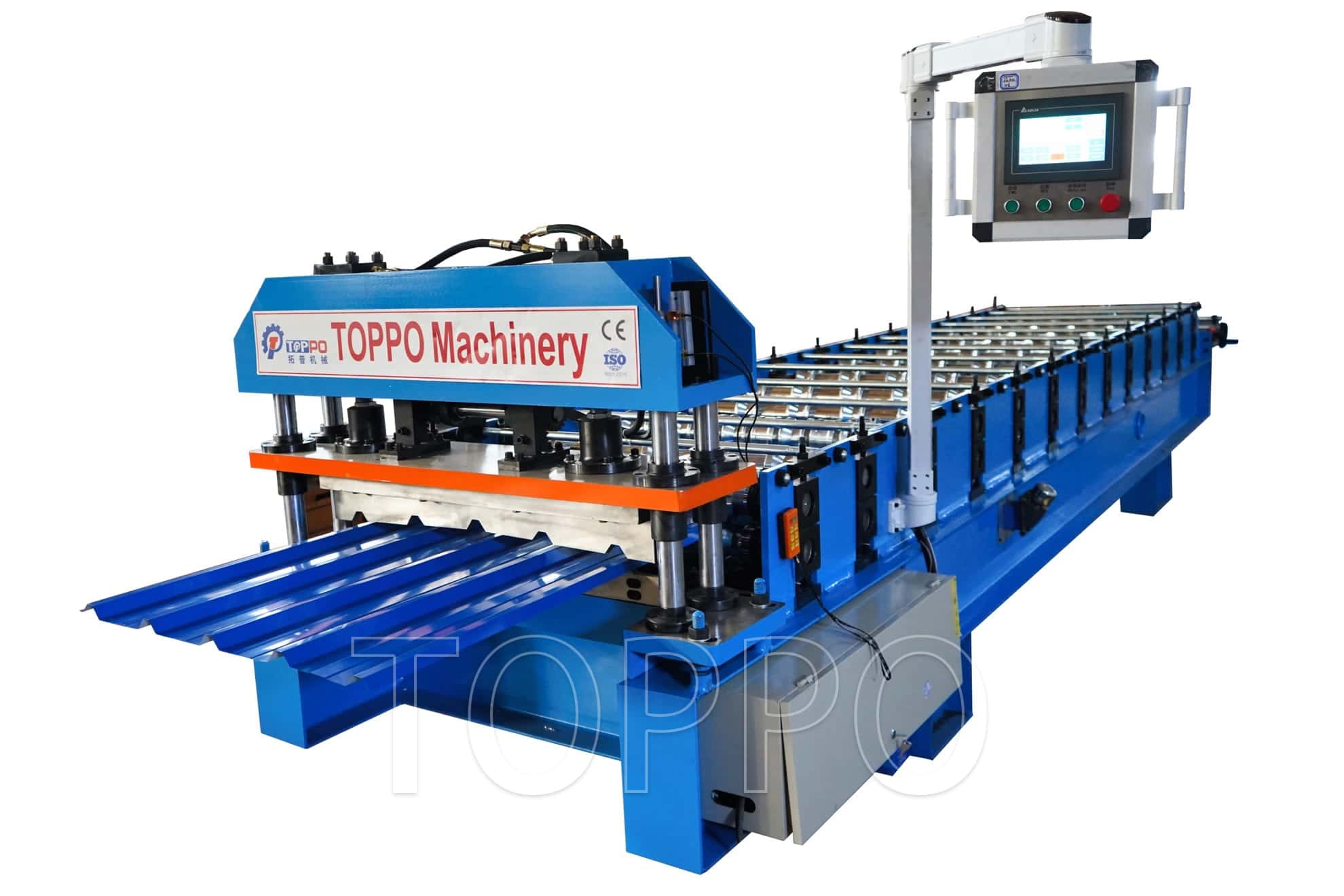
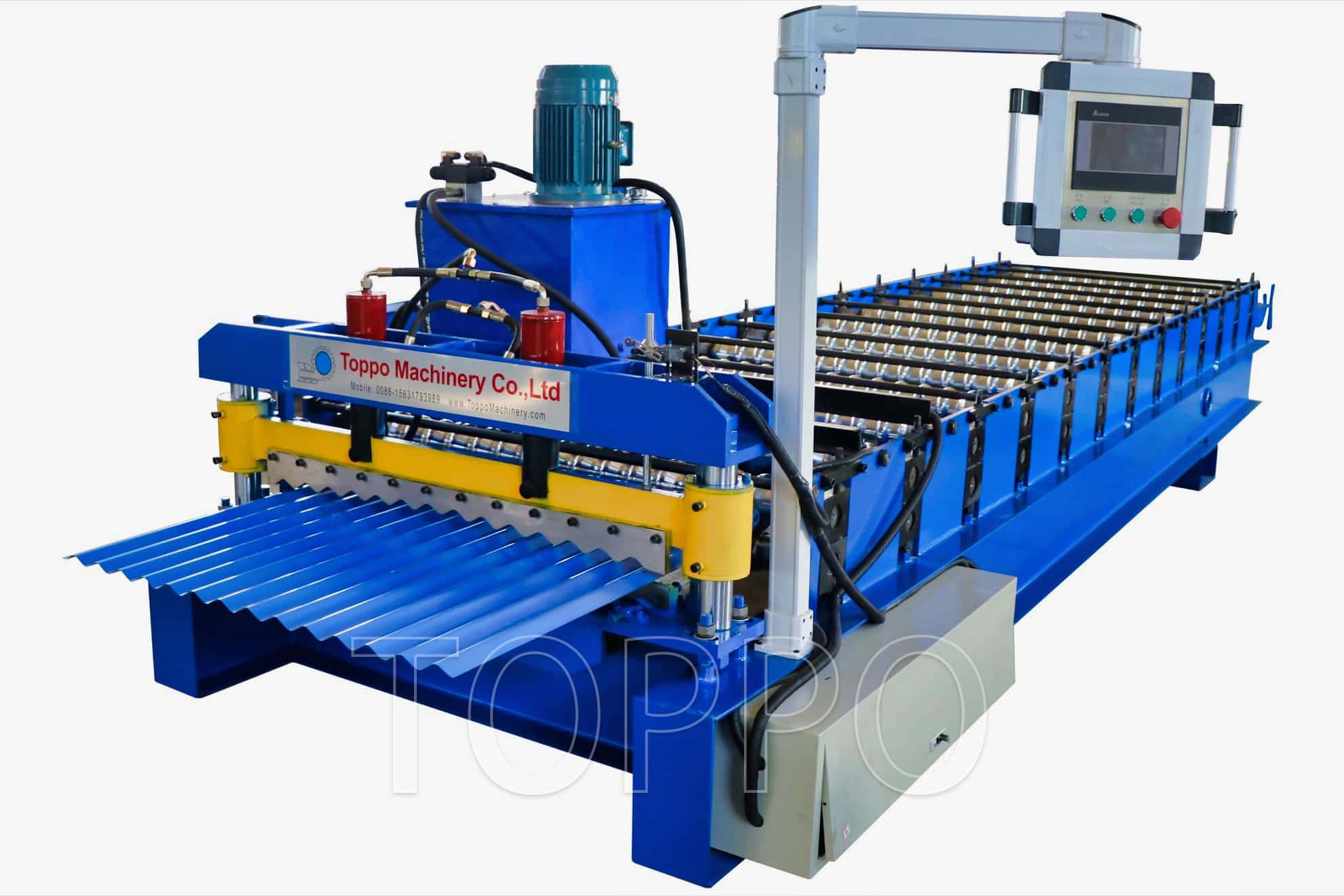
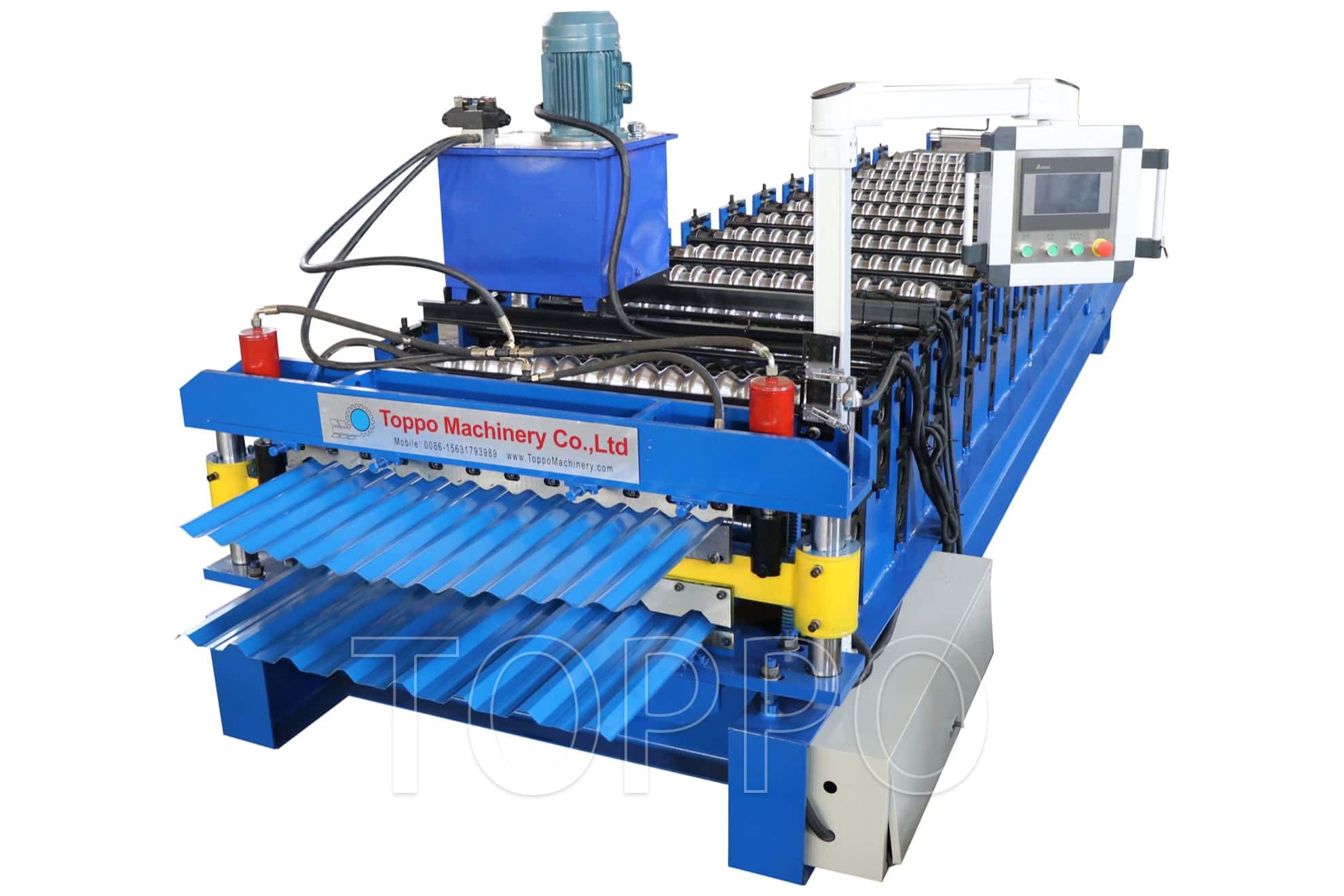
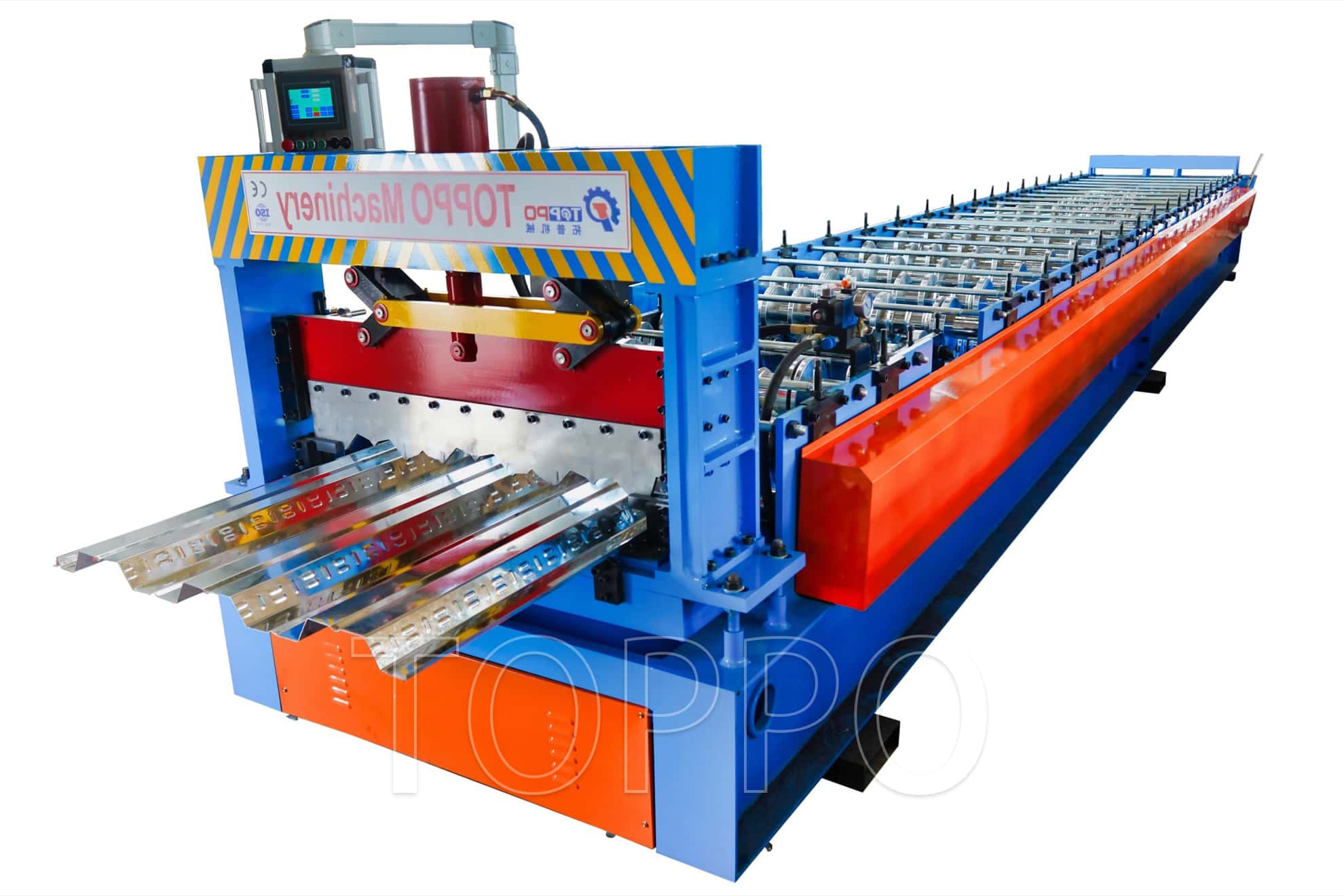
A double layer roofing sheet roll forming machine integrates two independent forming layers into one frame. Each layer has its own roller stations and cutting device, while both share a hydraulic system and PLC control cabinet. By switching between upper and lower layers, operators can produce two different roofing profiles, such as trapezoidal panels and corrugated sheets.
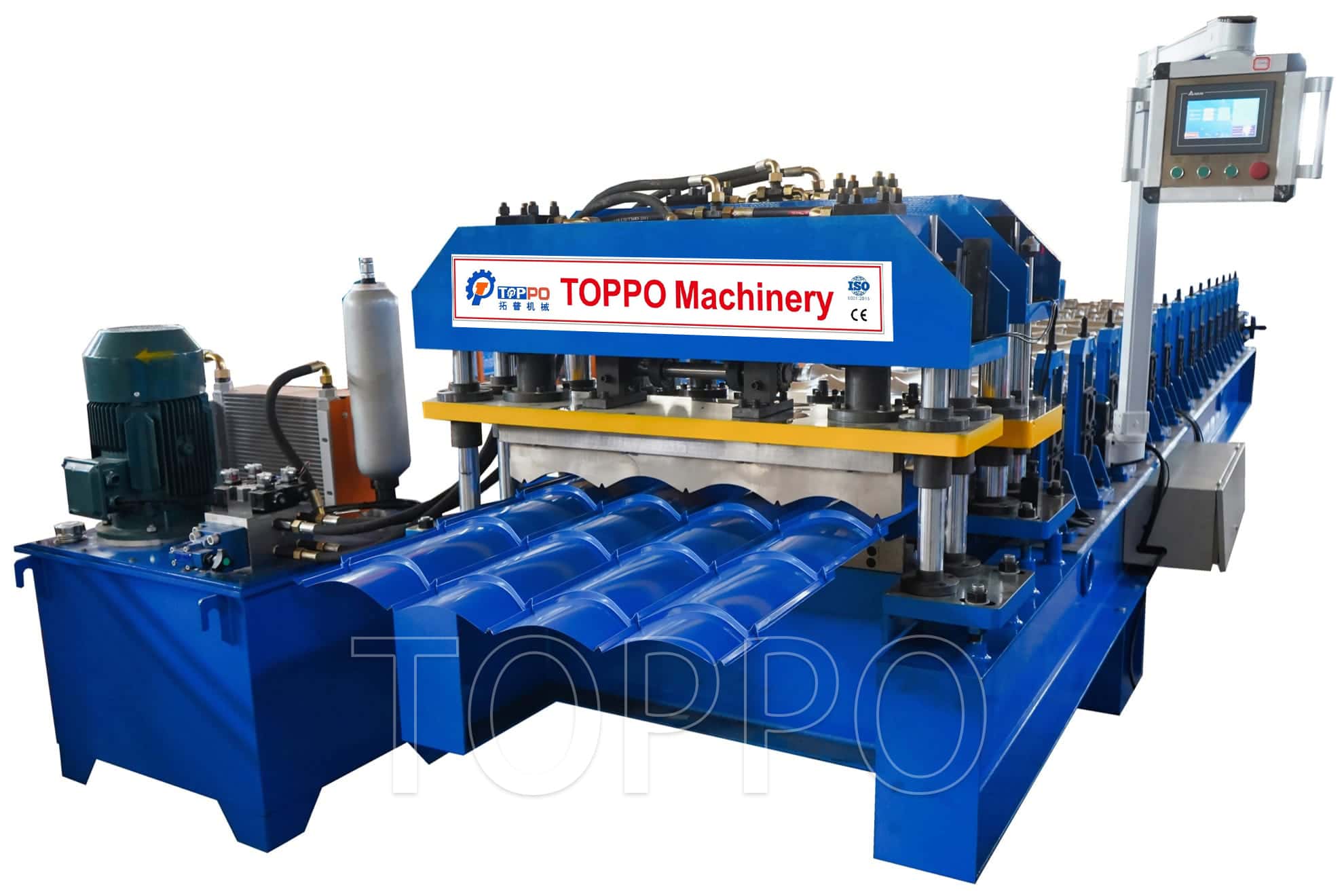
Compared with installing two separate lines, this configuration significantly reduces factory floor space and electrical infrastructure. When evaluated against a traditional roof panel making machine, the dual-layer design offers greater flexibility while maintaining manageable investment costs.
2. Step-by-Step Implementation Procedures
Step 1: Confirm Technical Specifications
Before installing the double layer roofing sheet roll forming machine, confirm coil thickness range, width, yield strength, and coating type. Processing material outside the rated thickness range is a common error that can cause roller overload, surface scratches, and profile deformation.
Step 2: Foundation Preparation and Alignment
The machine must be mounted on a reinforced concrete base. Use laser leveling tools to ensure the entire frame is horizontally aligned. Even slight misalignment may lead to uneven forming pressure and inconsistent rib height.
Step 3: Roller Gap Calibration
Each layer of the double layer roll forming machine requires independent calibration. The roller clearance must precisely match the sheet thickness. Excessive compression damages coating surfaces and bearings, while insufficient pressure results in wave defects and incomplete rib formation.
Step 4: PLC Programming and Encoder Testing
Accurate cutting length depends on proper PLC parameter configuration. Enter target panel length, batch quantity, and tolerance settings carefully. Always test encoder accuracy before running at full speed to prevent cumulative length deviation.
Step 5: Trial Production and Inspection
Run 3–5 sample sheets from both forming layers. Measure effective width, rib height, diagonal tolerance, and cutting edge quality. Adjust hydraulic pressure and feeding alignment before mass production begins.
3. Production Capacity and Profile Expansion
In standard configuration, one double layer roofing sheet roll forming machine can produce two roofing profiles—one per layer. However, by replacing roller sets and cutting molds, manufacturers can expand the equipment to handle four or more profile types over time. This modular capability makes the machine a scalable long-term investment.
Compared with operating multiple roof panel making machine units, a double layer roll forming machine simplifies maintenance management and reduces energy consumption. It also improves production scheduling flexibility for customized orders.
4. Common Operational Mistakes and Solutions
Mistake 1: Improper Layer Switching
Operators sometimes activate the second layer without fully stopping the first. A double layer roll forming machine must completely shut down one forming layer before engaging the other to prevent gearbox stress and structural vibration.
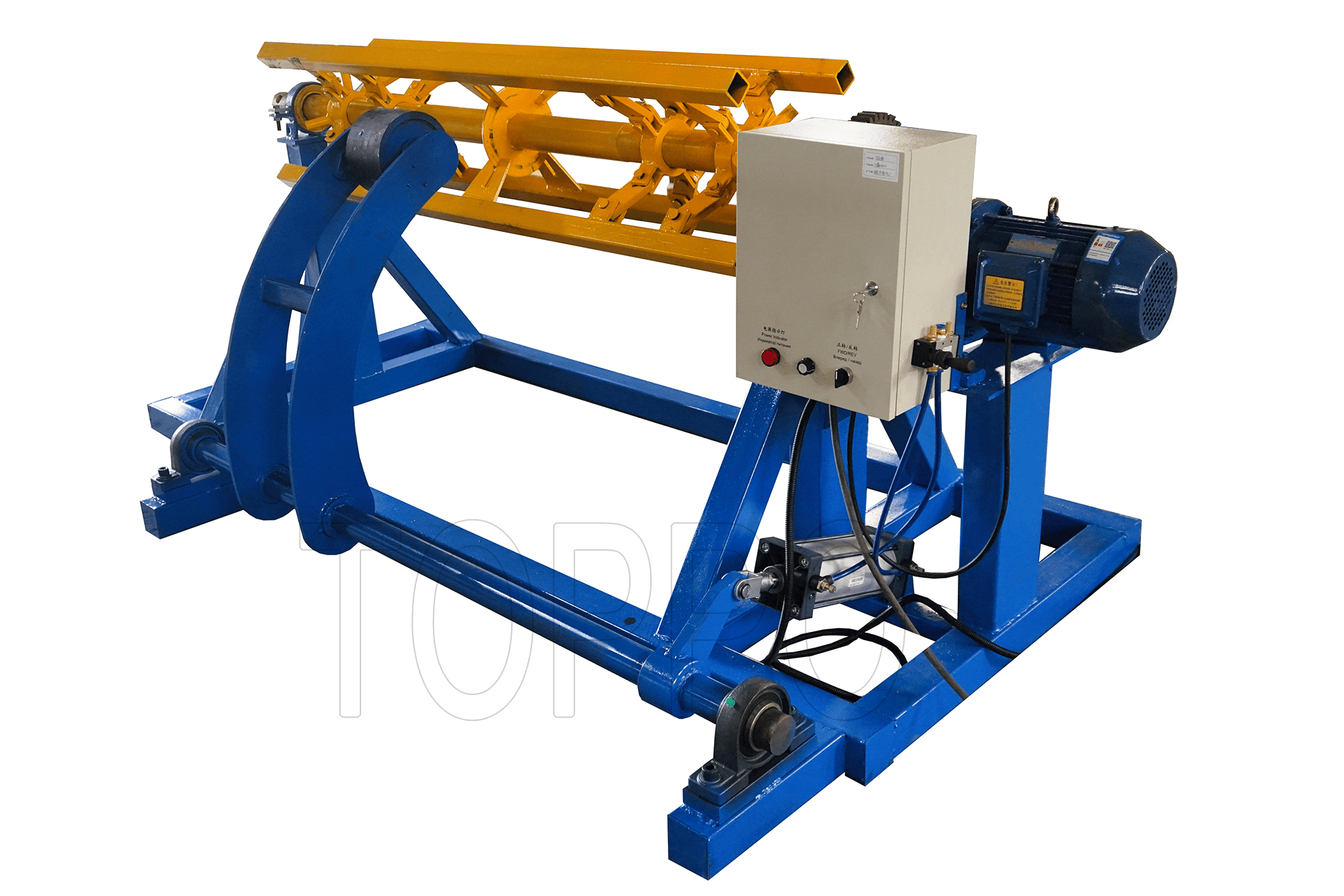
Mistake 2: Incorrect Decoiler Tension
Improper coil braking force can cause sheet misalignment and uneven ribs. Adjust tension according to coil weight and forming speed to maintain stable feeding.
Mistake 3: Blade Misalignment
Improper cutting clearance results in burrs and cracked edges. Regular blade inspection ensures consistent cutting quality and extends tool life.
5. Real Factory Case Study
A roofing manufacturer in South America installed a double layer roofing sheet roll forming machine to supply both residential corrugated sheets and industrial trapezoidal panels. During initial production, uneven rib height appeared on the lower layer. After technical analysis, engineers found that the foundation was not perfectly level, causing uneven roller pressure.
After re-leveling the machine and recalibrating roller gaps, defect rates decreased by more than 55%. During peak construction seasons, the factory operated an additional roof panel making machine for large-volume standard orders while reserving the dual-layer system for customized profiles. This strategy improved delivery efficiency and reduced downtime.
6. Maintenance and Long-Term Stability
Lubricate bearings and transmission chains weekly.
Inspect hydraulic oil levels and replace filters regularly.
Check PLC wiring connections monthly.
Calibrate cutting blades based on production intensity.
With systematic preventive maintenance, a double layer roofing sheet roll forming machine can operate reliably for over ten years, maintaining dimensional precision and stable output.
7. Final Practical Recommendations
To maximize performance, manufacturers should emphasize accurate installation, disciplined operational procedures, and continuous monitoring of forming pressure. Avoid exceeding rated speed limits and always verify raw material compatibility before loading coils. When properly implemented, a double layer roofing sheet roll forming machine becomes a powerful tool for increasing profile diversity and strengthening competitiveness in global roofing markets.
SEO Keywords: double layer roofing sheet roll forming machine, roof panel making machine, double layer roll forming machine, metal roofing roll former, roofing sheet roll forming machine, steel roll forming machine
READ MORE: