Why Modern Trapezoidal Roof Tile Making Machines Help Roofing Manufacturers Expand Production
Steel roofing panels are widely used in industrial construction and infrastructure projects around the world. As demand increases, manufacturers must find ways to increase efficiency without sacrificing product quality. One of the most effective solutions is investing in a reliable trapezoidal roof tile making machine.
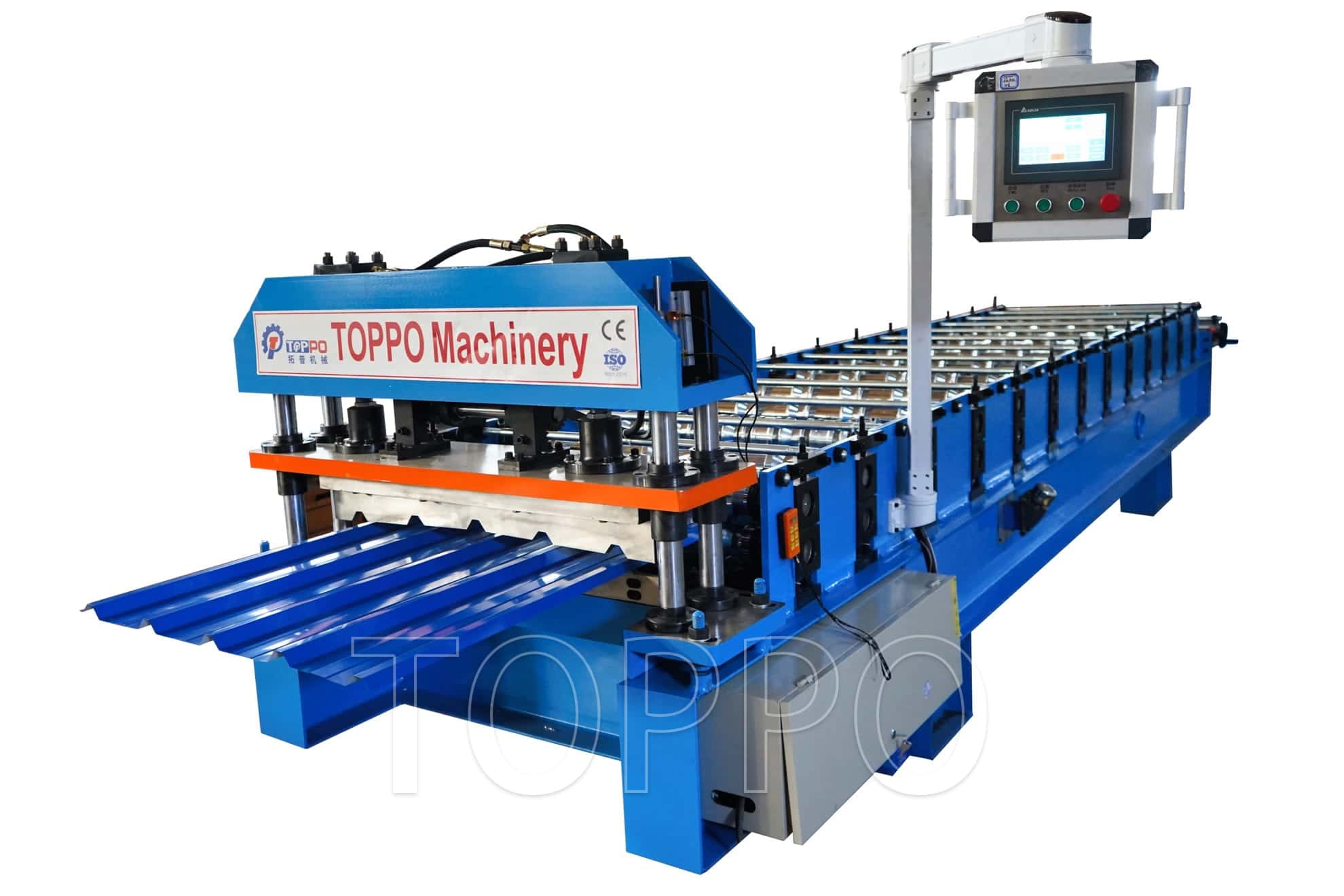
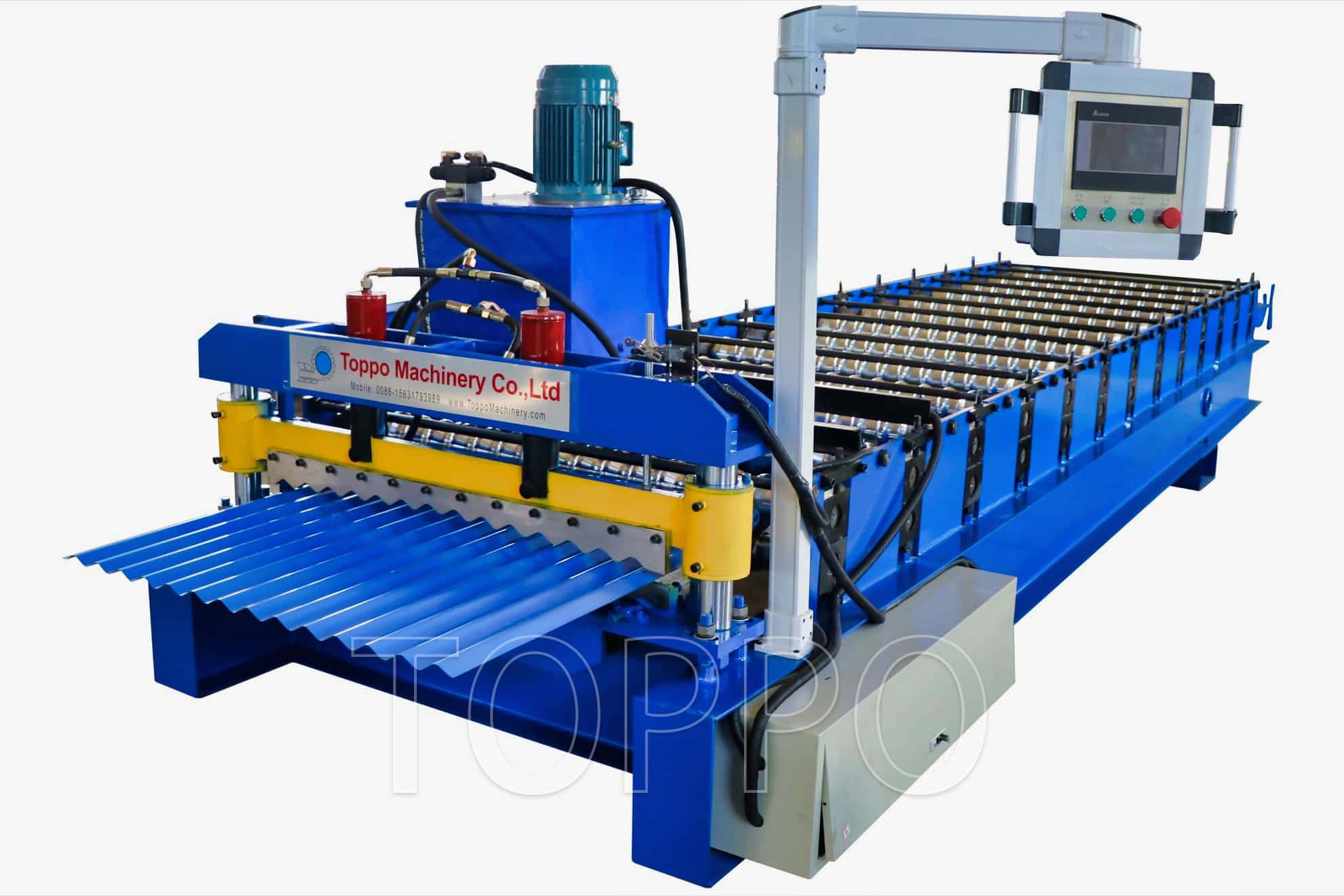
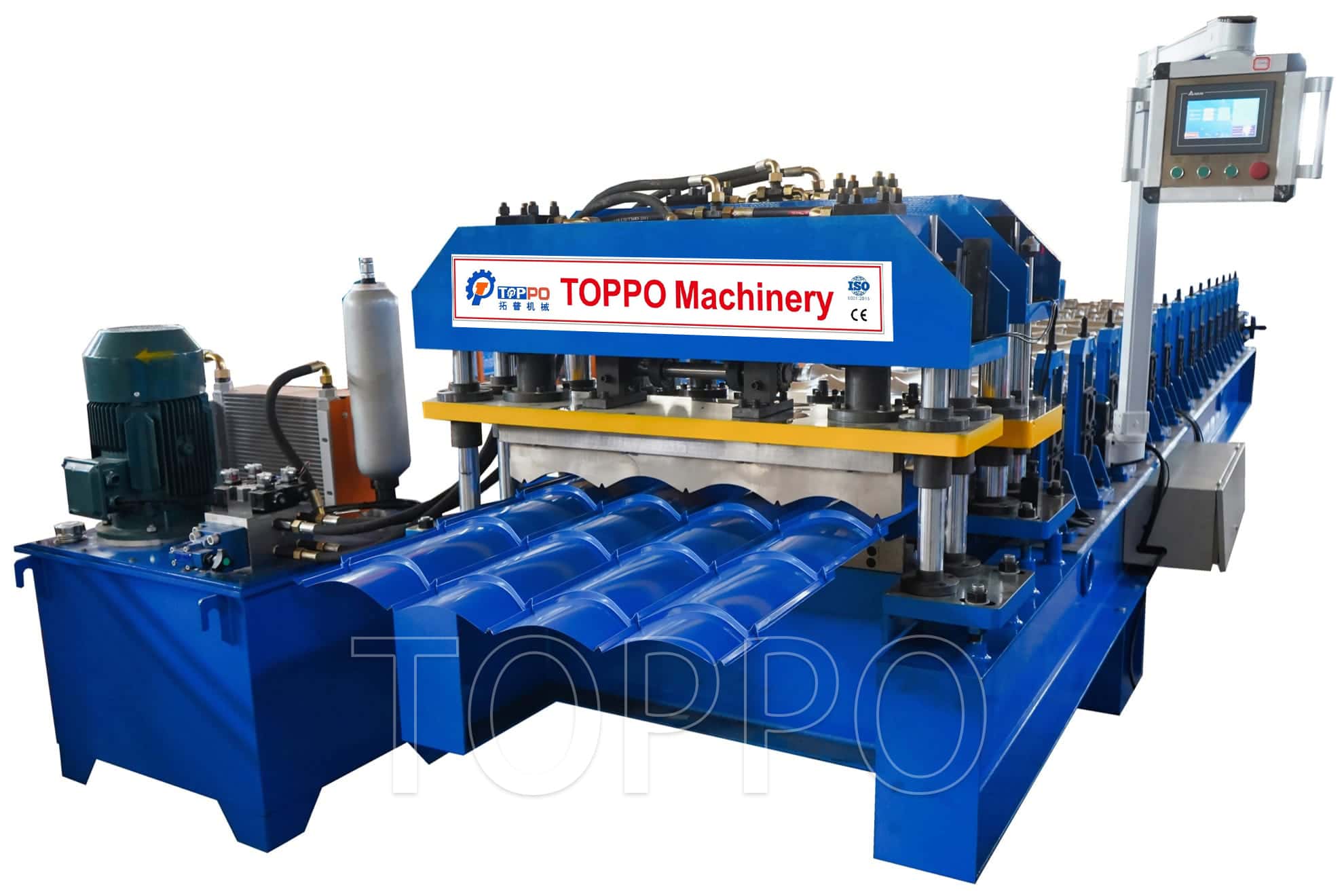
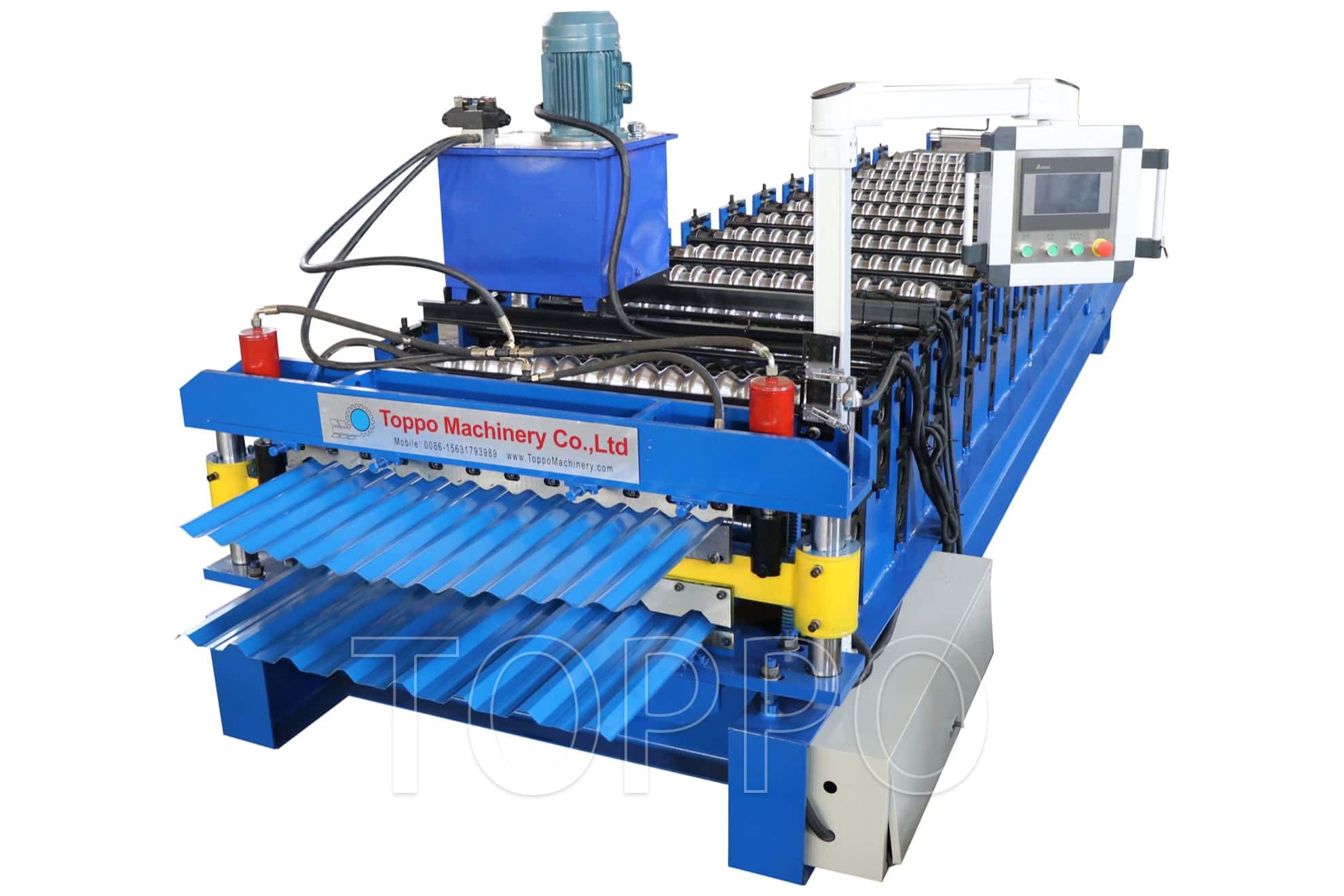
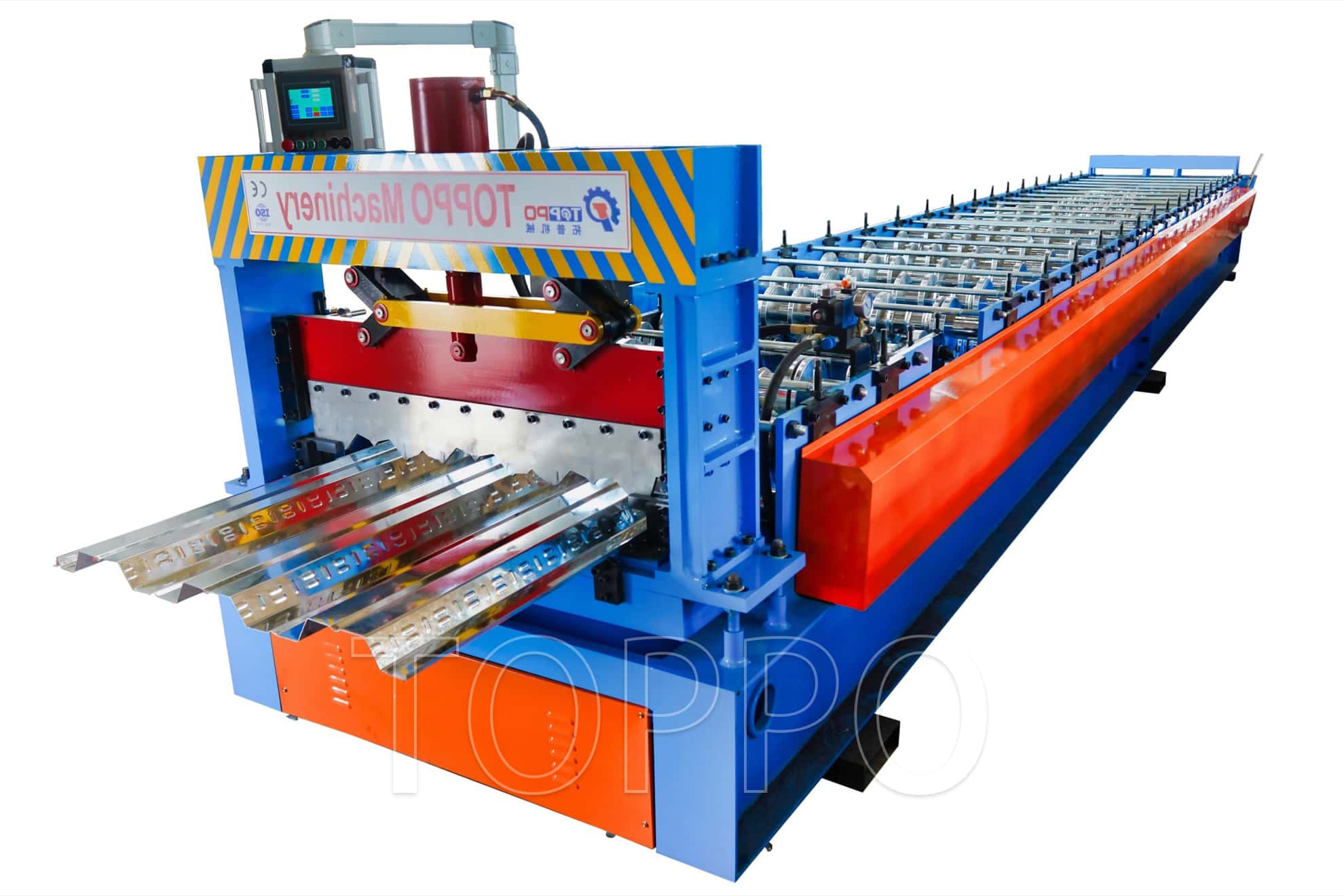
A modern trapezoidal roof tile making machine allows factories to convert steel coils into finished roofing sheets quickly and accurately. Compared with traditional production methods, automated roll forming technology offers better precision and faster production speeds. With a high speed trapezoidal roof tile making machine, manufacturers can significantly increase their daily output while maintaining consistent panel quality.
In addition, the integration of an automatic trapezoidal roof tile machine reduces manual adjustments and minimizes the risk of production errors. These advantages make automated roll forming systems essential for modern roofing manufacturers.
1. Understanding the Roll Forming Process
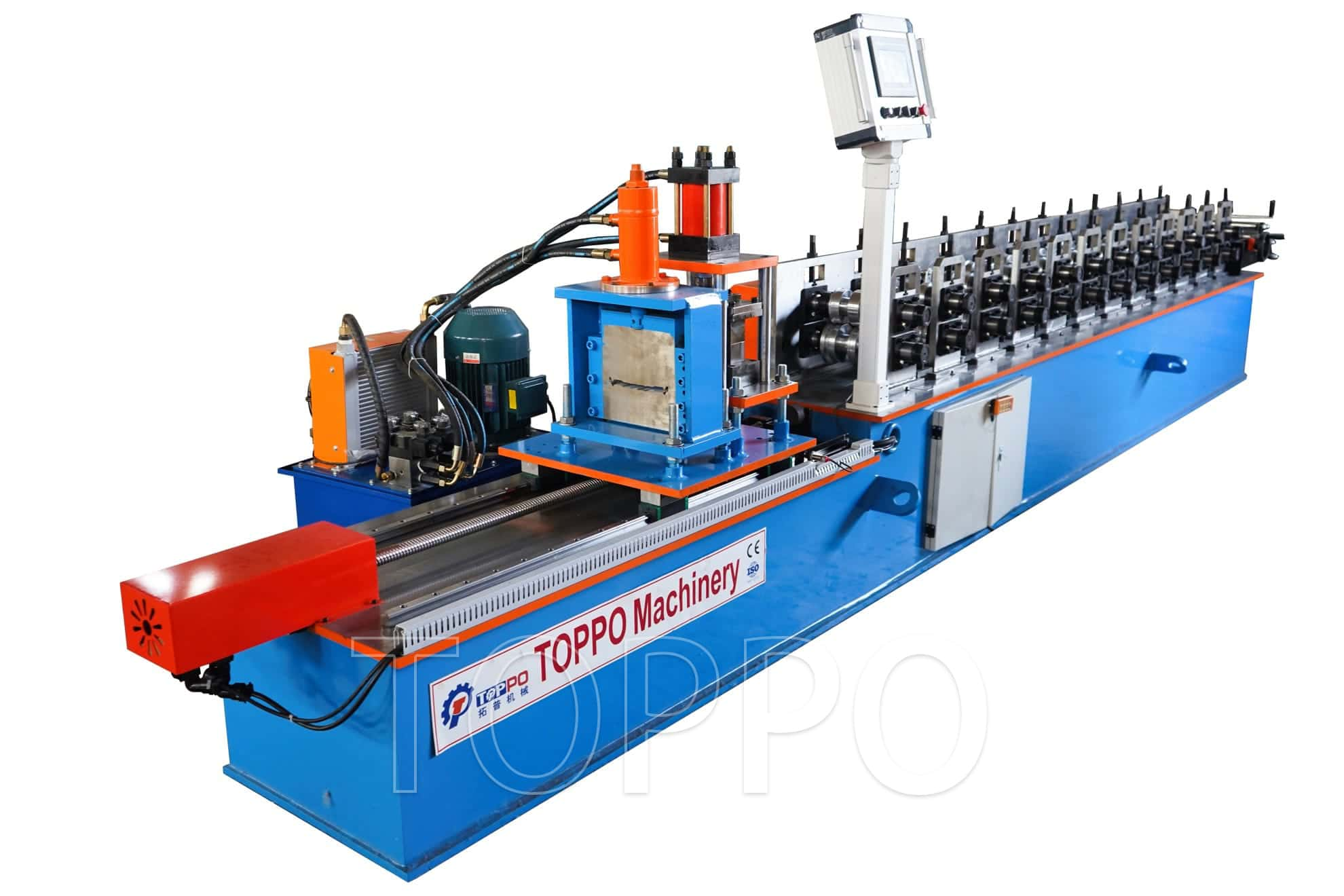
The production process of a trapezoidal roof tile making machine involves several stages that transform a flat steel sheet into a shaped roofing panel. The roll forming process gradually bends the metal through multiple forming stations until the final trapezoidal profile is achieved.
Factories using a high speed trapezoidal roof tile making machine benefit from continuous forming operations, which allow long production runs with minimal interruptions. Meanwhile, an automatic trapezoidal roof tile machine ensures that feeding, forming, and cutting are synchronized.
2. Key Equipment in a Roof Sheet Production Line
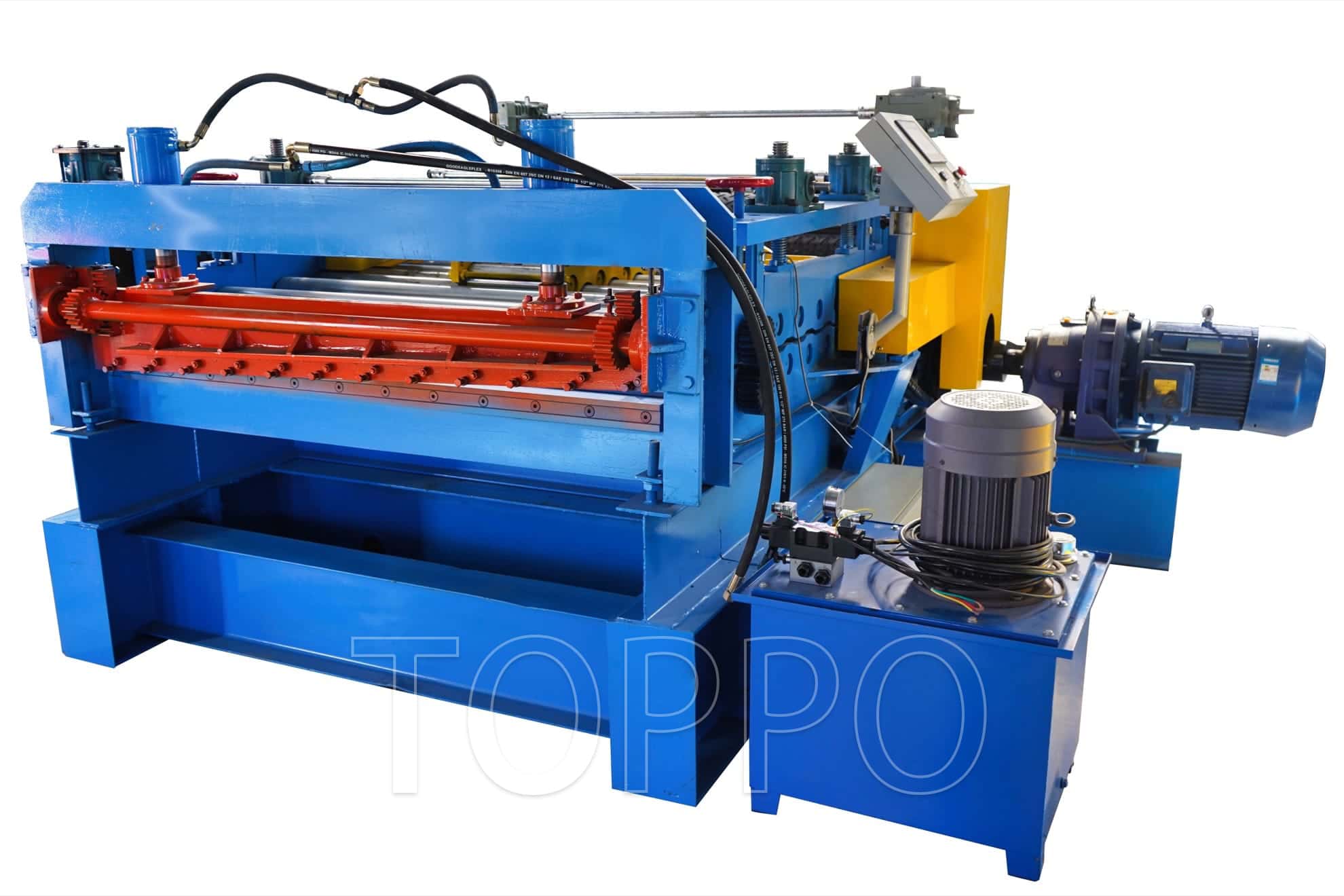
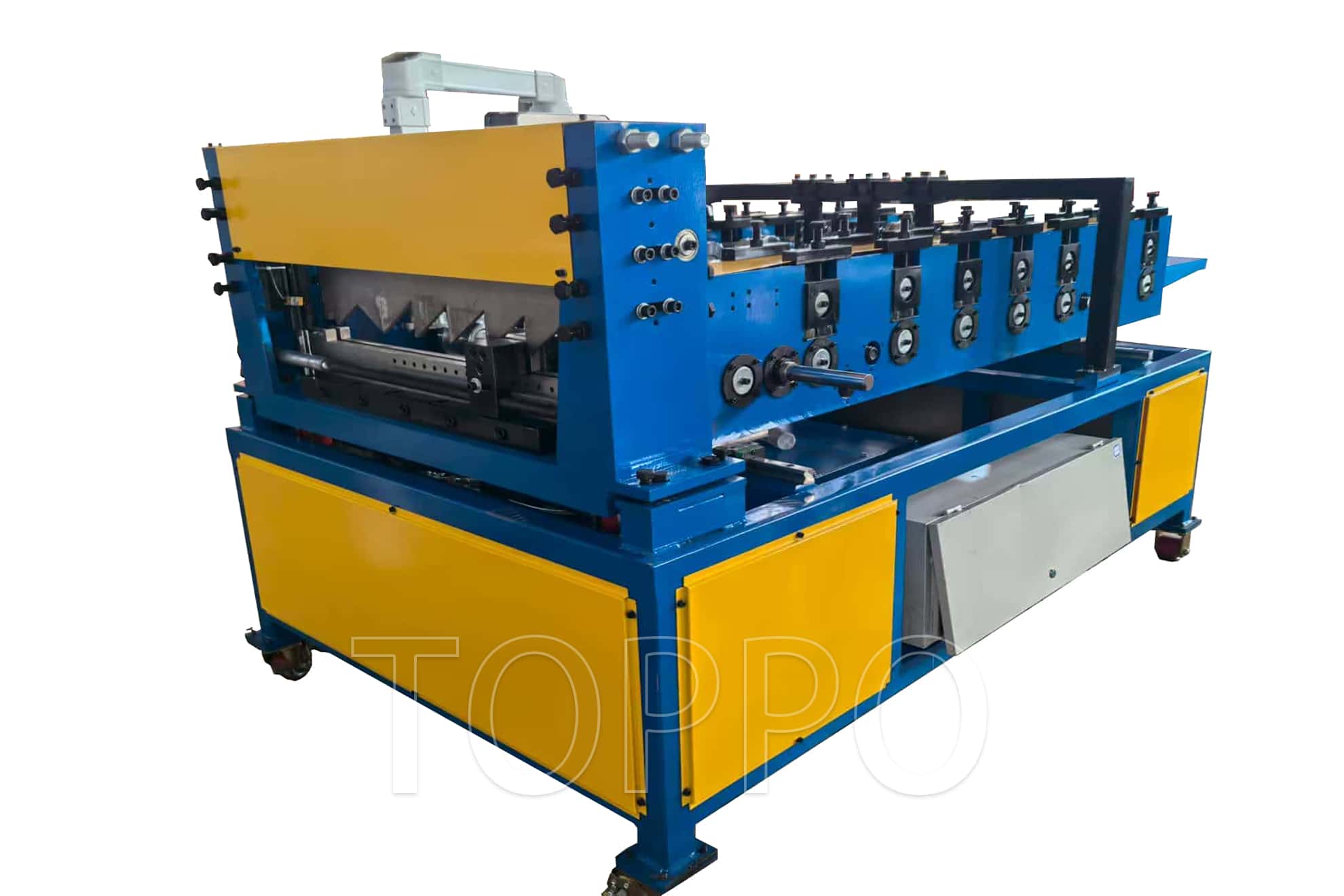
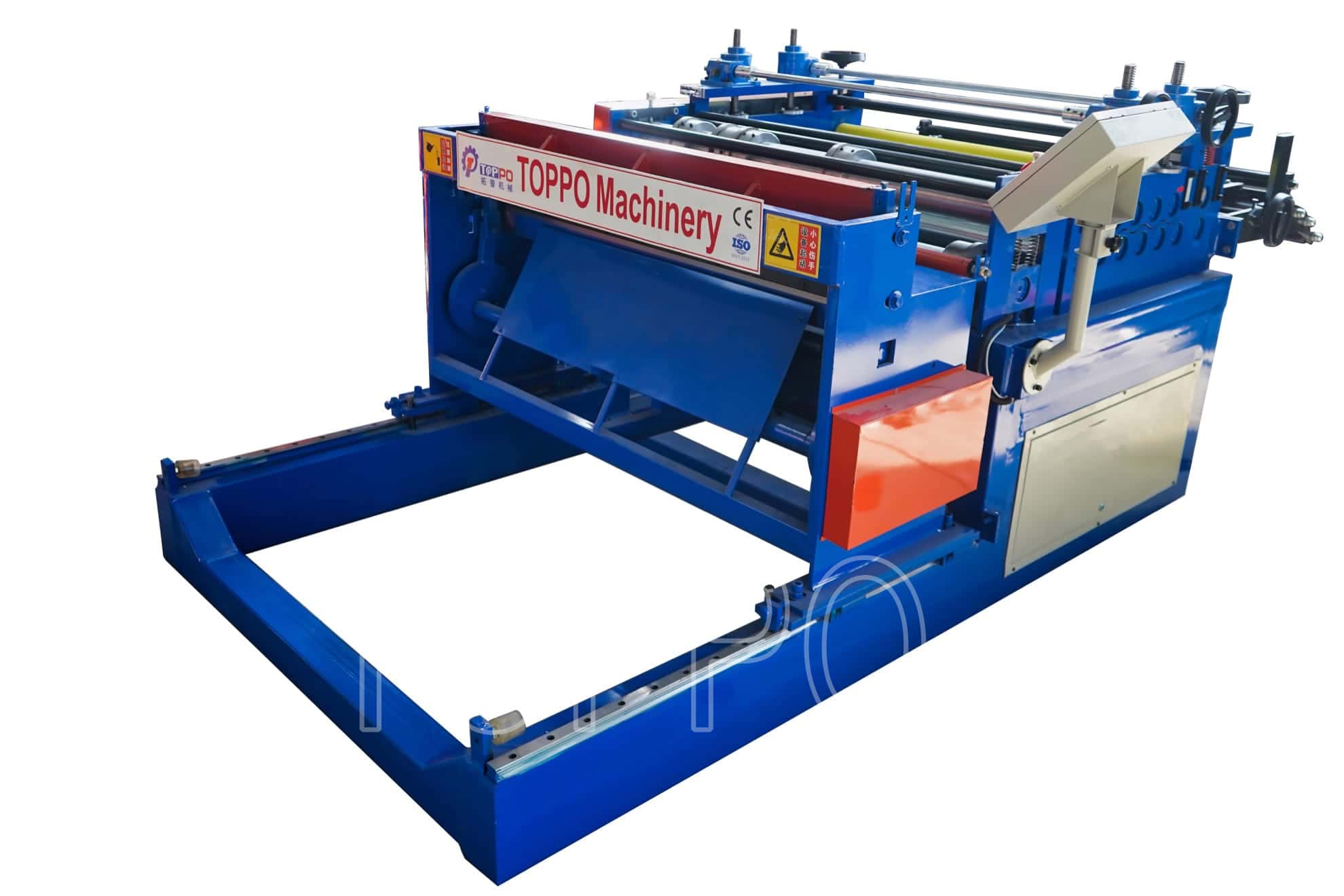
A complete production line built around a trapezoidal roof tile making machine typically includes:
Each component contributes to the overall efficiency of the trapezoidal roof tile making machine. When combined with a high speed trapezoidal roof tile making machine configuration, factories can produce thousands of square meters of roofing sheets each day.
3. Practical Operating Steps
To maintain stable production quality, operators should follow several key steps:
Step 1: Install the Steel Coil
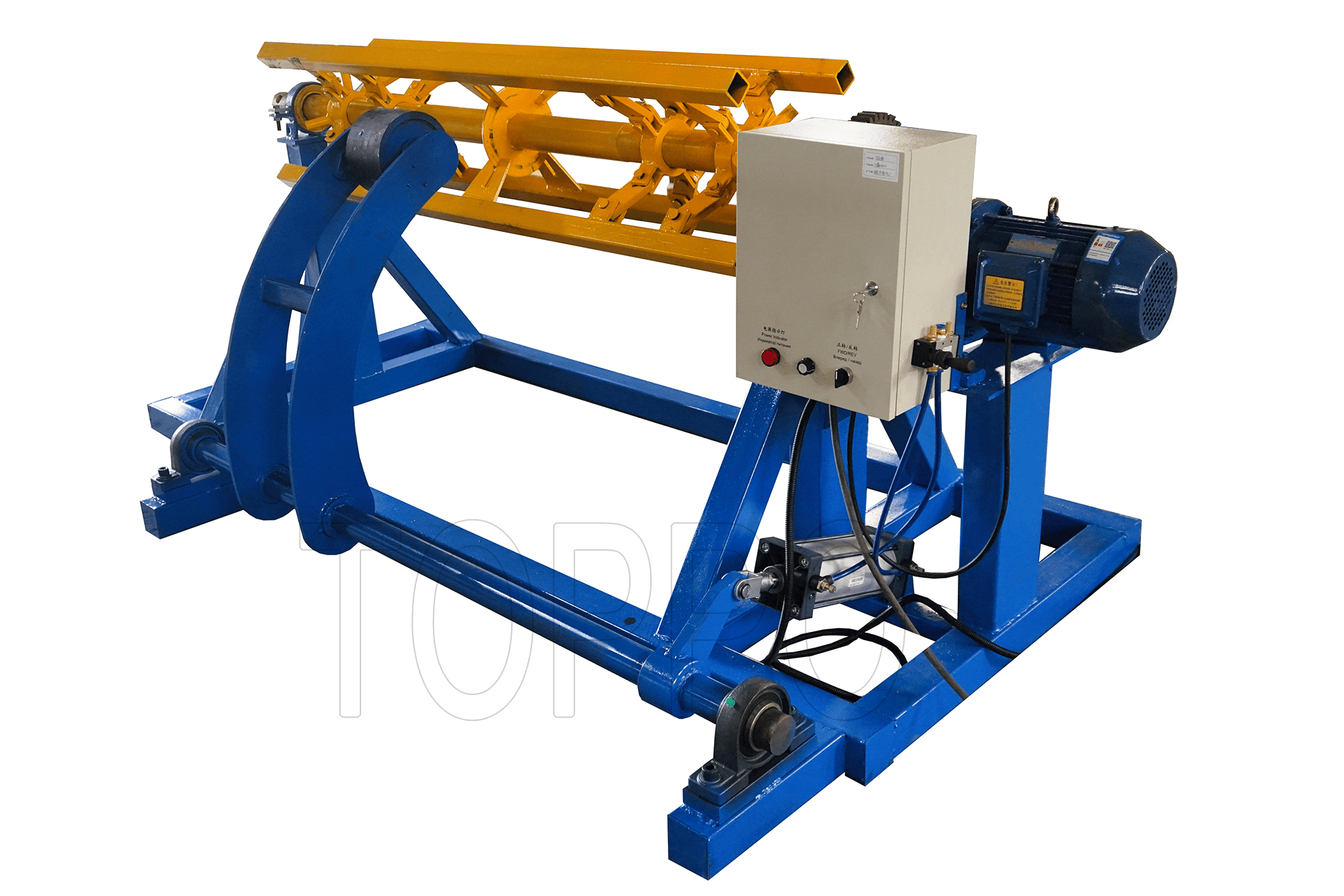
Secure the steel coil on the decoiler and check that the material is aligned with the feeding system.
Step 2: Configure Machine Parameters
Input panel length and production speed into the PLC system. An automatic trapezoidal roof tile machine allows operators to control the entire production process through a digital interface.
Step 3: Start Roll Forming
Begin the forming process at a low speed. Once the machine operates smoothly, gradually increase to the working speed of the high speed trapezoidal roof tile making machine.
Step 4: Monitor Product Quality
Check the first few finished panels to confirm profile accuracy, surface condition, and cutting precision.
4. Maintenance Strategies for Long‑Term Operation
Proper maintenance plays a key role in ensuring the durability of a trapezoidal roof tile making machine. Regular maintenance reduces machine wear and prevents unexpected downtime.
Lubricate forming rollers regularly
Check hydraulic oil and pressure levels
Inspect cutting blades for wear
Clean electrical cabinets to prevent dust buildup
Factories operating a high speed trapezoidal roof tile making machine should schedule maintenance inspections more frequently because higher production speeds create additional mechanical stress.
5. Safety Tips for Machine Operators
Even with automated technology, safety procedures remain essential. When operating an automatic trapezoidal roof tile machine, workers should follow several important safety rules:
Wear protective gloves and helmets
Keep hands away from moving rollers
Stop the machine before adjusting components
Ensure emergency stop systems are working properly
6. Achieving Higher Productivity
Manufacturers that invest in a modern trapezoidal roof tile making machine often report significant improvements in production efficiency. By combining the speed advantages of a high speed trapezoidal roof tile making machine with the automation features of an automatic trapezoidal roof tile machine, factories can reduce production errors, minimize downtime, and increase total output.
For roofing manufacturers seeking long‑term growth, adopting advanced roll forming technology is a strategic step toward building a more efficient and competitive production system.
READ MORE: