This article explains why roofing machines stop during production and how manufacturers reduce unexpected downtime through stable hydraulic systems, PLC reliability, and preventive maintenance.
Why Roofing Machines Stop During Production?
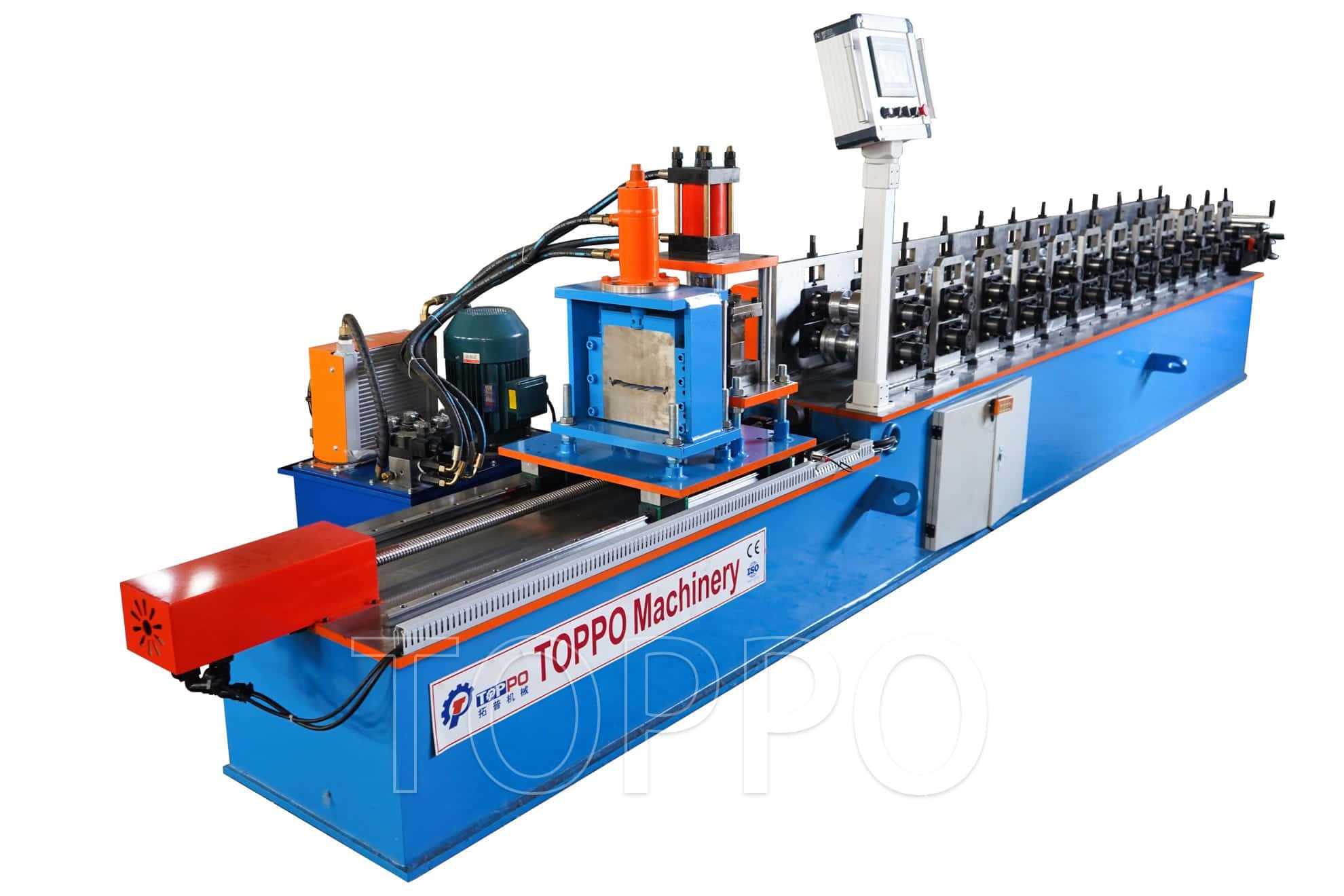
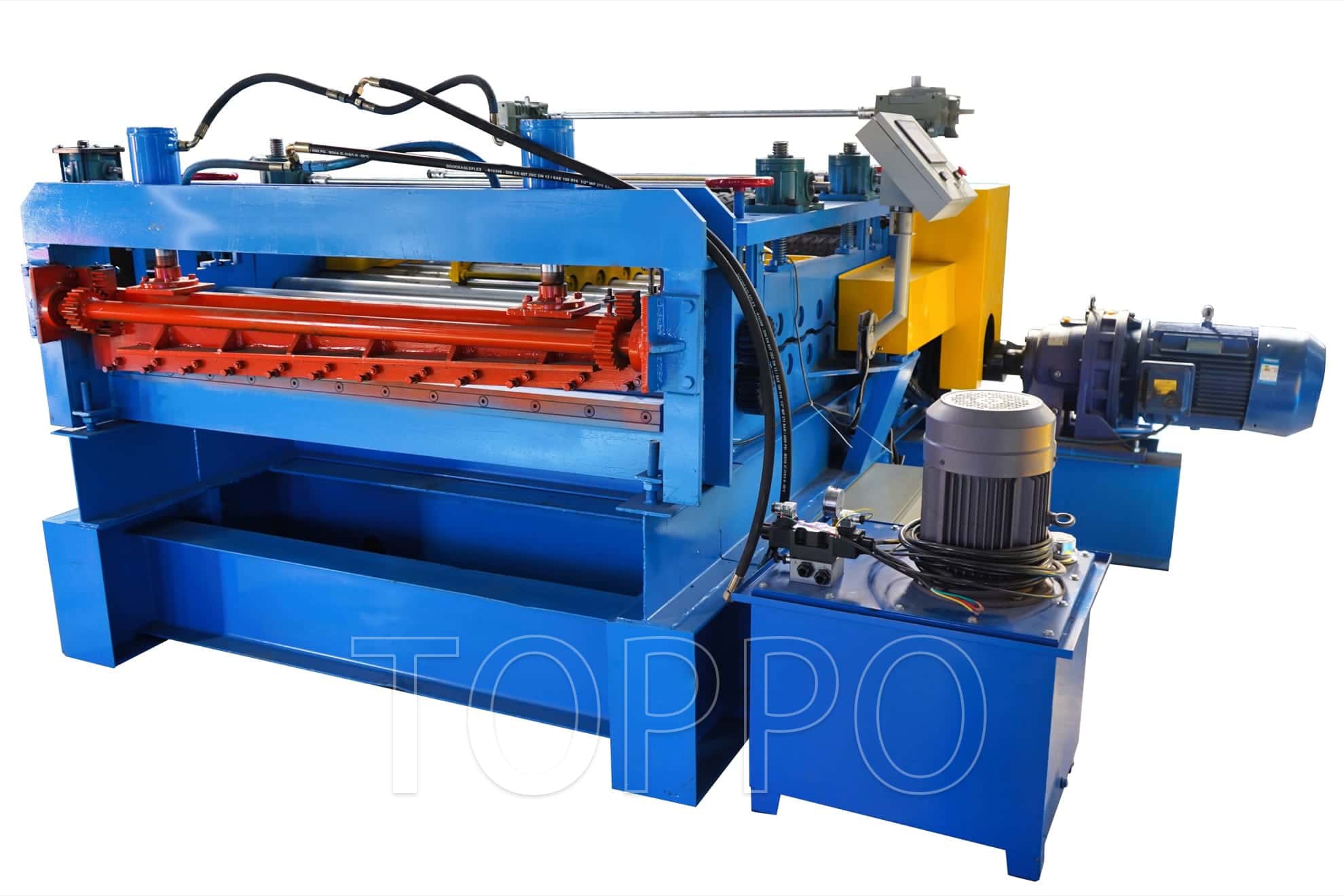
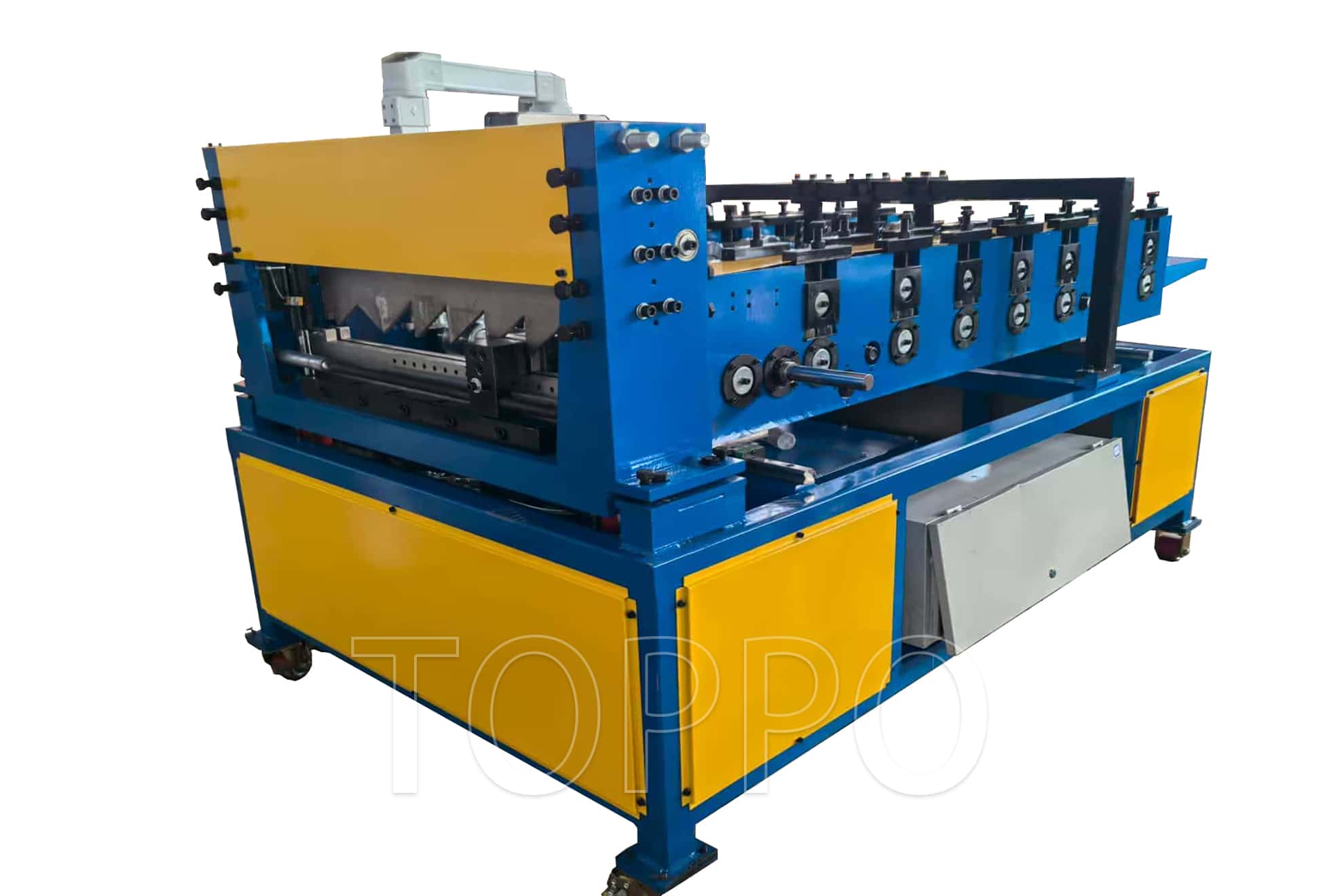
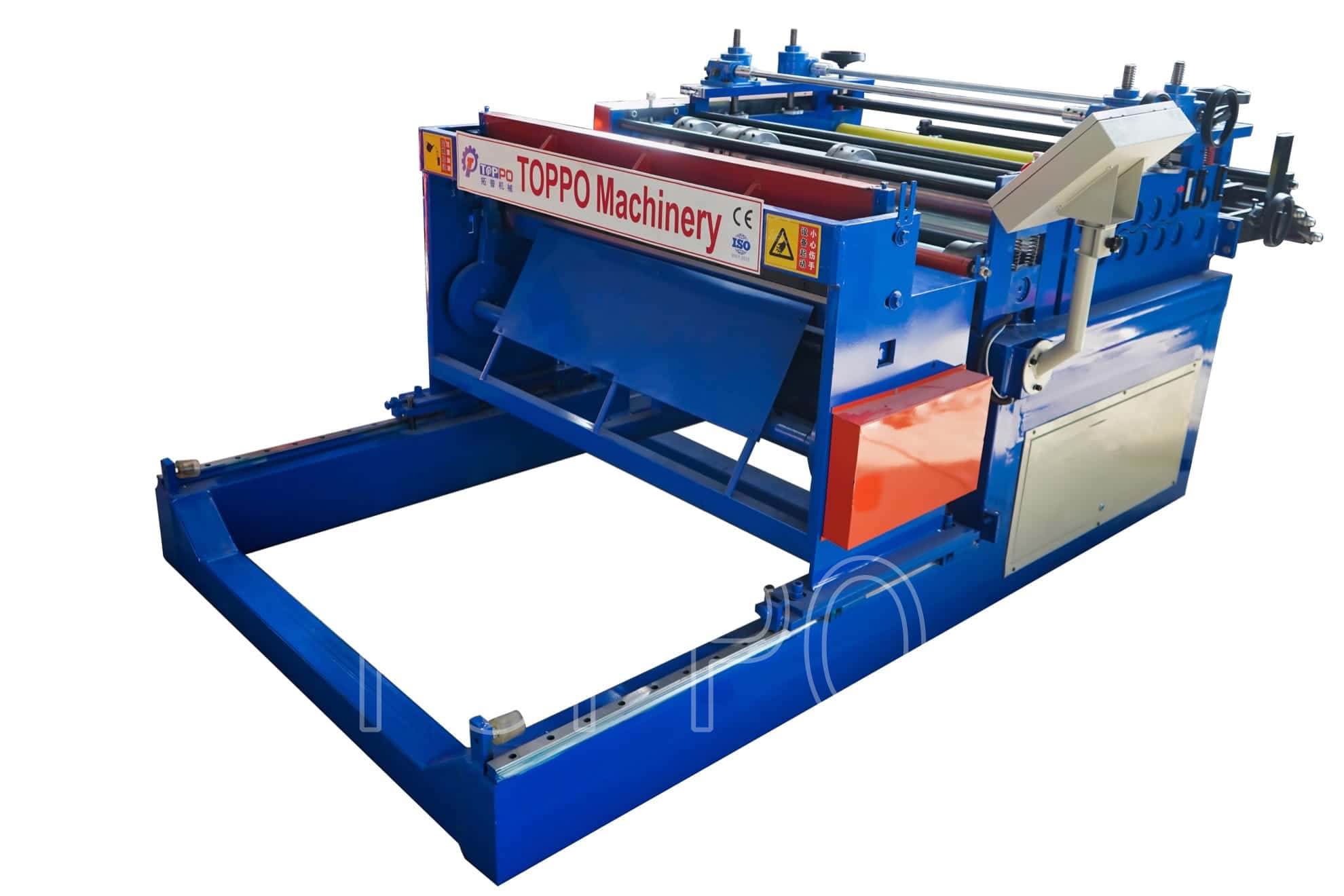
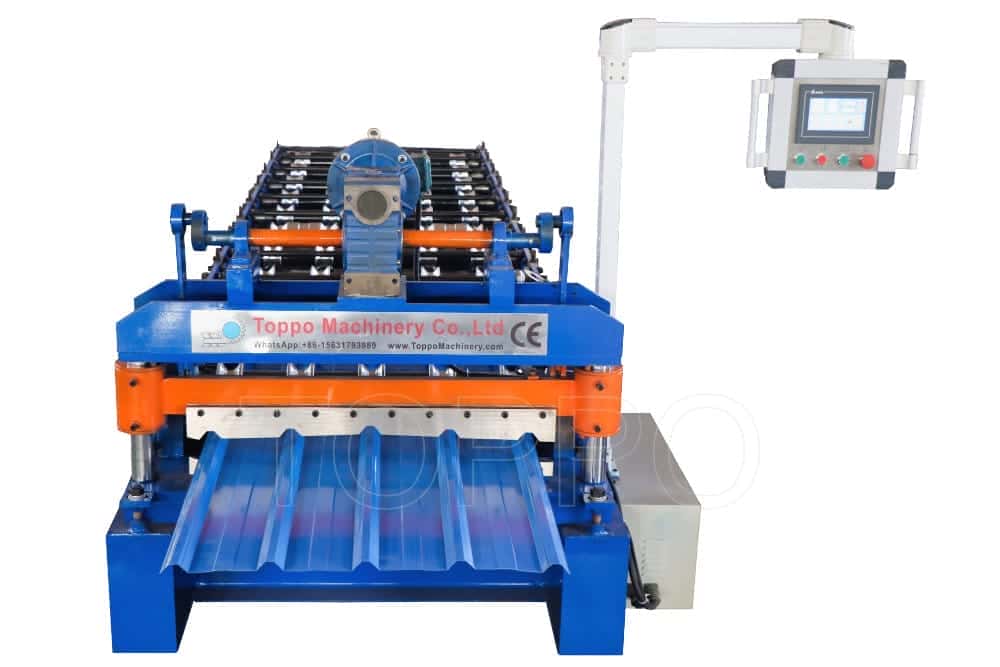
Unexpected production stoppage in a roofing roll forming machine is usually caused by hydraulic instability, PLC communication interruption, feeding misalignment, or excessive mechanical vibration during continuous operation. In practical roofing sheet manufacturing, even small synchronization problems can gradually lead to machine shutdown, inaccurate cutting, or unstable feeding performance. Manufacturers processing galvanized roofing sheets between 0.3mm and 0.8mm thickness usually maintain more stable production when the machine operates with balanced hydraulic pressure, reliable PLC control, and stable motor performance. In many factories, preventing production interruption improves ROI faster than increasing production speed because downtime directly increases labor cost, material waste, and delivery delays.
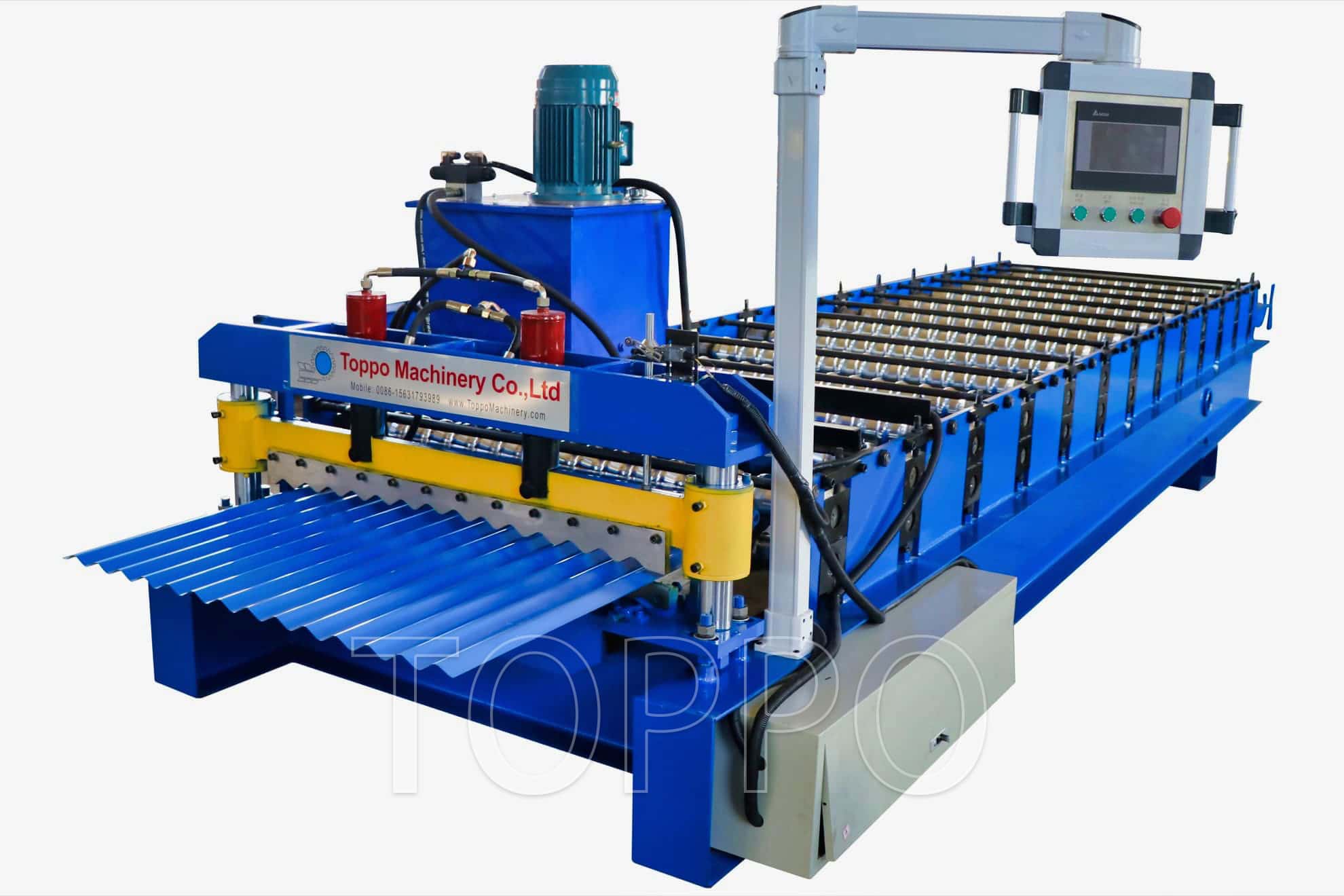
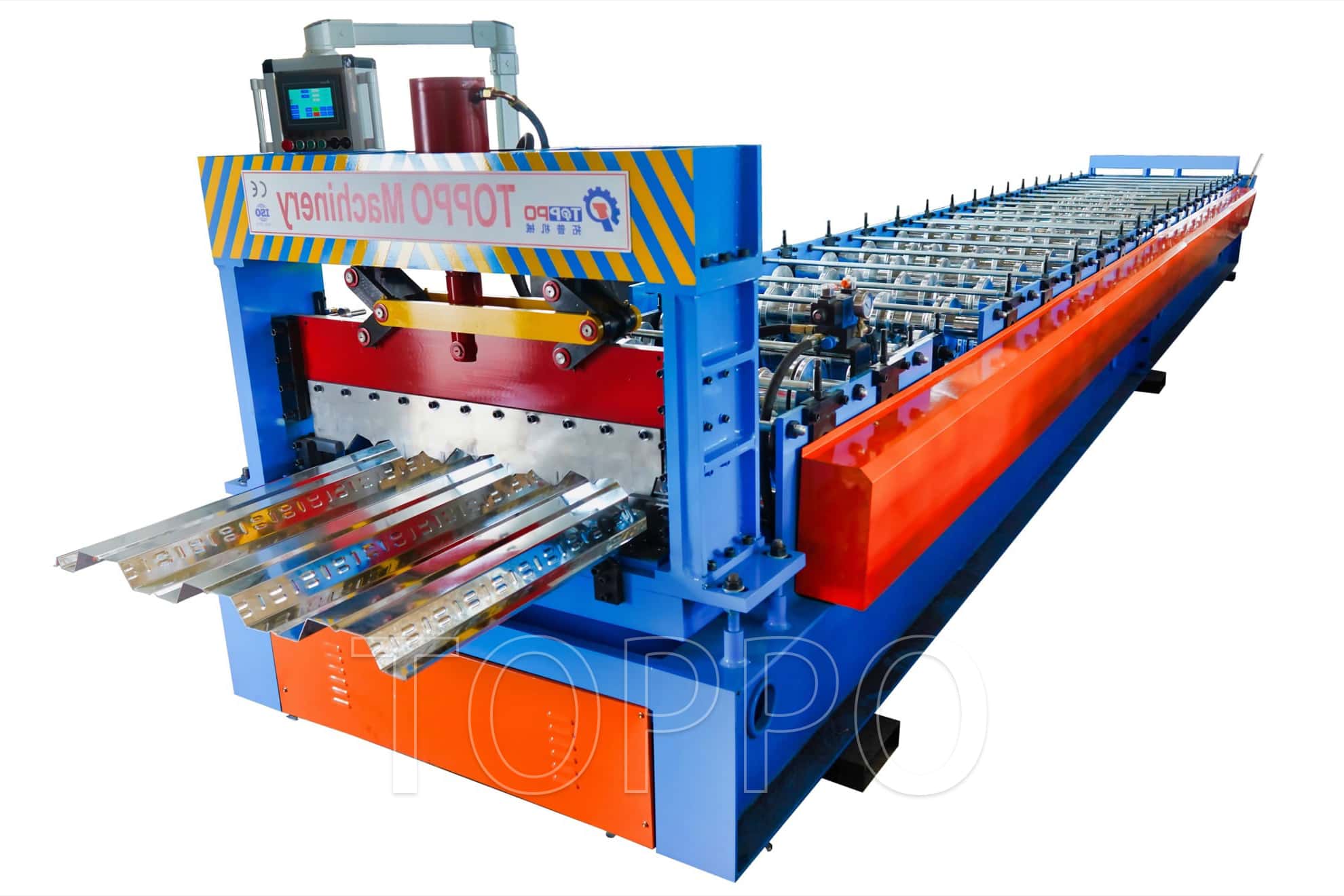
Factories operating an Aluminum Roofing Sheet Roll Forming Machine also monitor machine synchronization carefully because aluminum material reacts more visibly to vibration and sudden production interruption. Experienced operators generally inspect hydraulic oil condition, encoder tracking, roller alignment, and electrical connections regularly before production instability becomes visible. Stable preventive maintenance routines usually improve machine lifespan and production consistency during long manufacturing shifts.
Common Reasons Roofing Machines Stop During Production
| Production Issue | Machine Stoppage Cause | Stable Production Solution |
|---|
| Hydraulic Instability | Pressure fluctuation and overheating | Stable synchronized operation |
| PLC Communication Error | Unexpected control interruption | Reliable automated control |
| Feeding Misalignment | Material blockage and deviation | Straight stable feeding |
| Motor Overload | Production interruption | Balanced continuous operation |
| Roller Wear | Profile instability and vibration | Scheduled preventive maintenance |
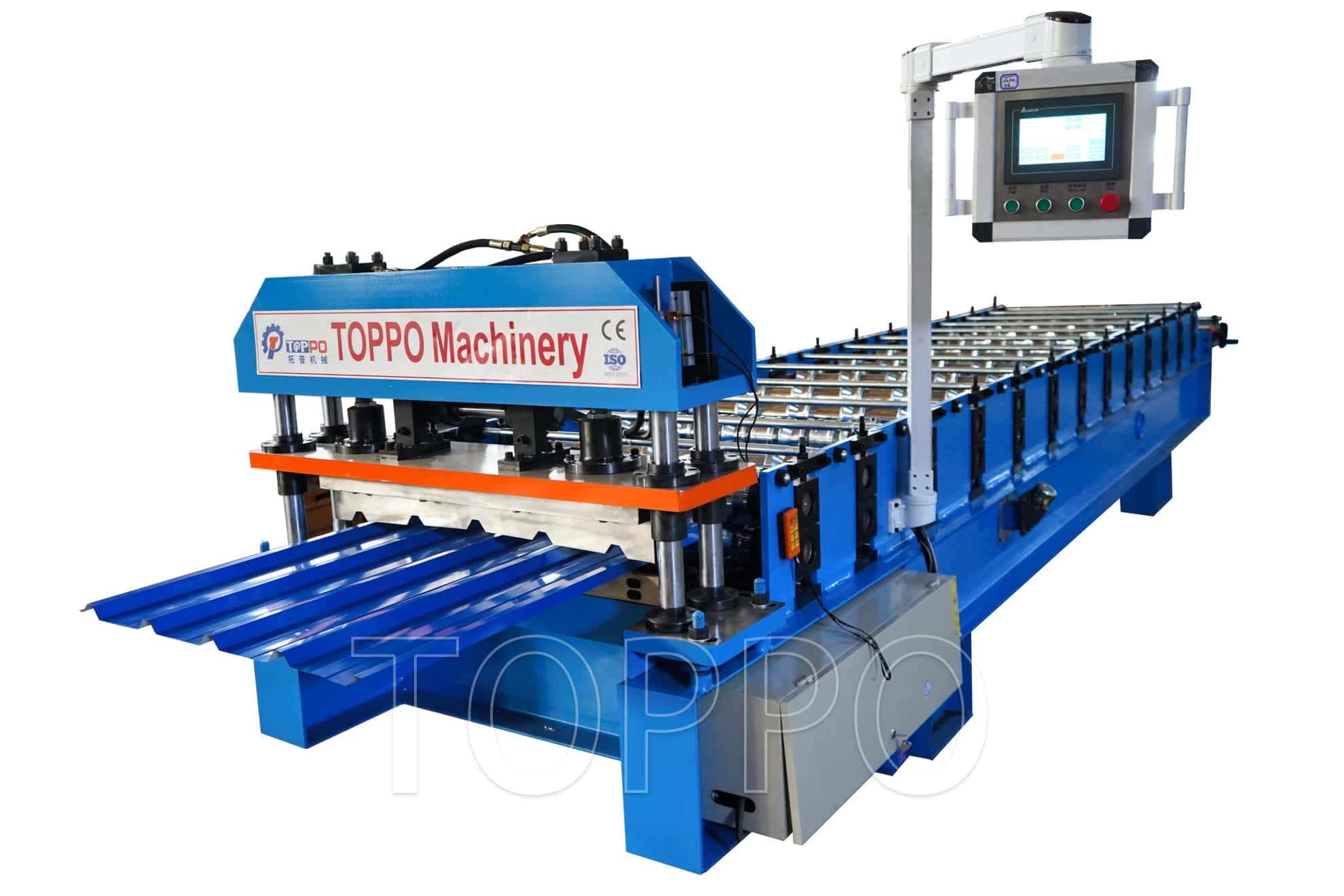
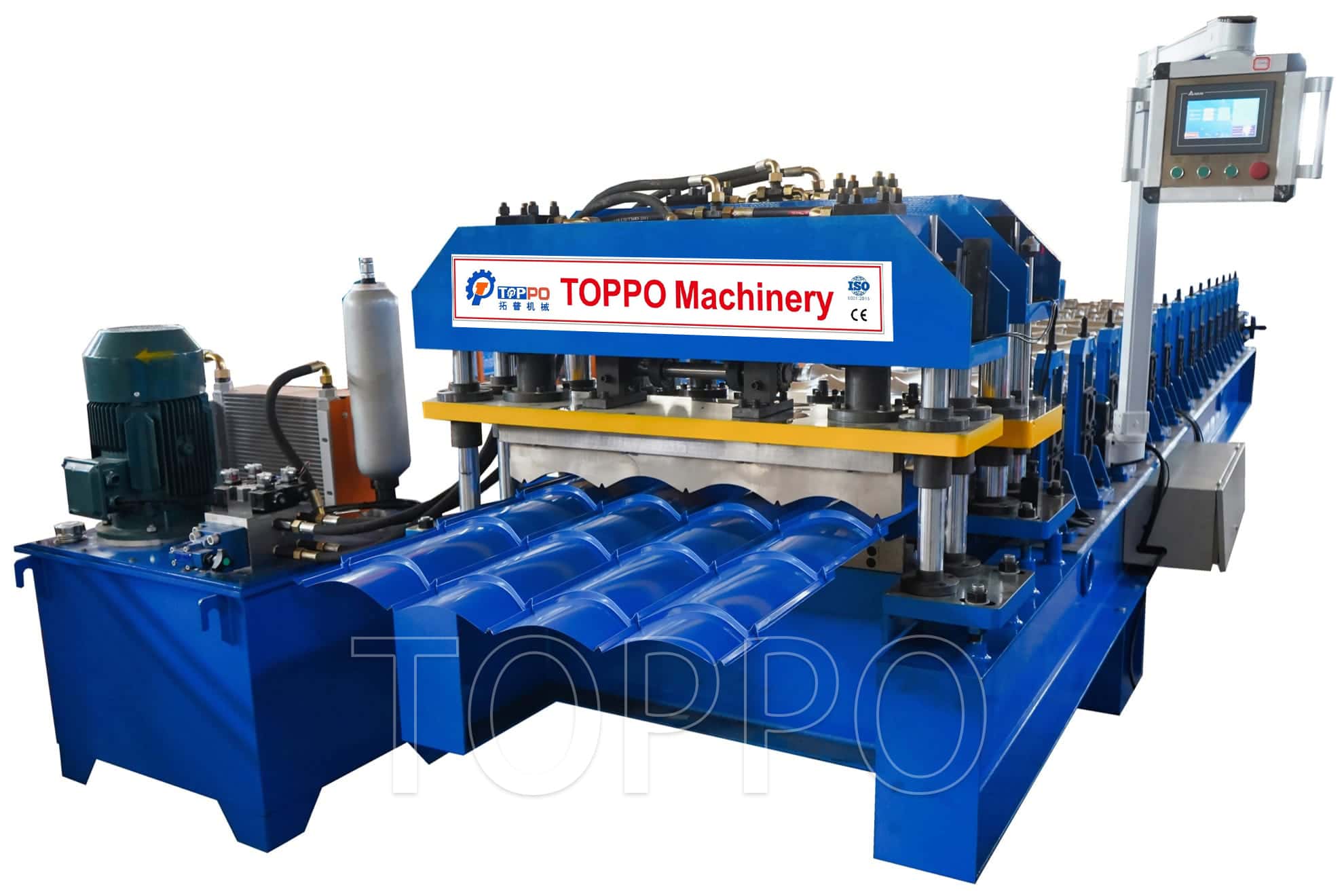
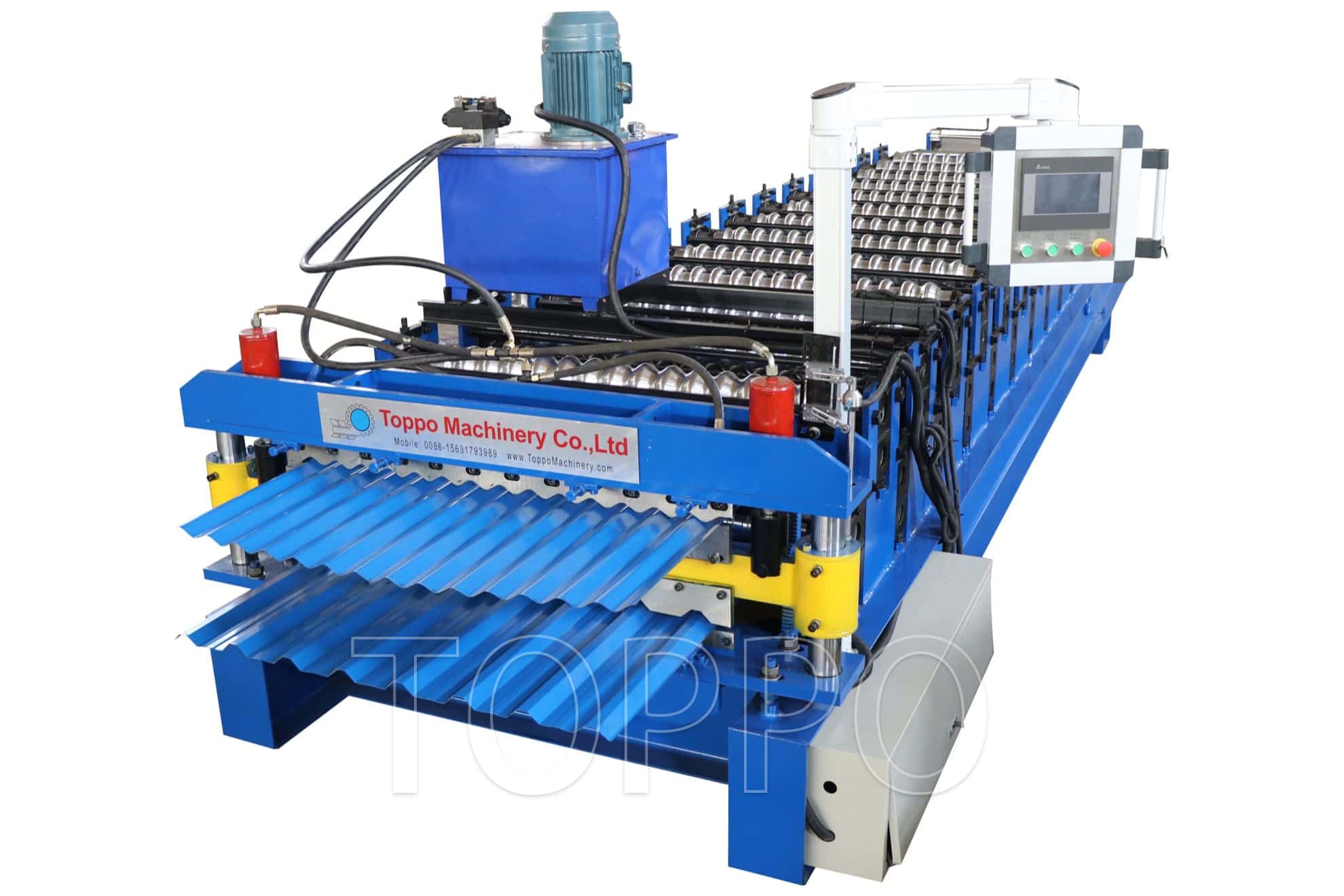
A Color Steel Roofing Sheet Roll Forming Machine equipped with Siemens or Delta PLC systems and industrial-grade motors generally maintains more stable long-term operation during continuous roofing sheet production. Faster profile changeover systems also reduce unnecessary adjustment errors and production interruption during multi-profile manufacturing.
From a purchasing perspective, buyers often evaluate spare part availability, maintenance accessibility, installation simplicity, and container transportation efficiency before selecting roofing production equipment. Export-oriented roll forming lines designed with modular structures simplify overseas setup and future servicing work. In real roofing sheet manufacturing, preventing production stoppage depends mainly on stable machine synchronization, preventive maintenance discipline, and balanced operating conditions rather than maximum production speed alone.
Author: Ella
READ MORE: