How aDouble LayerRoll Forming MachineGrows Small Roofing Businesses
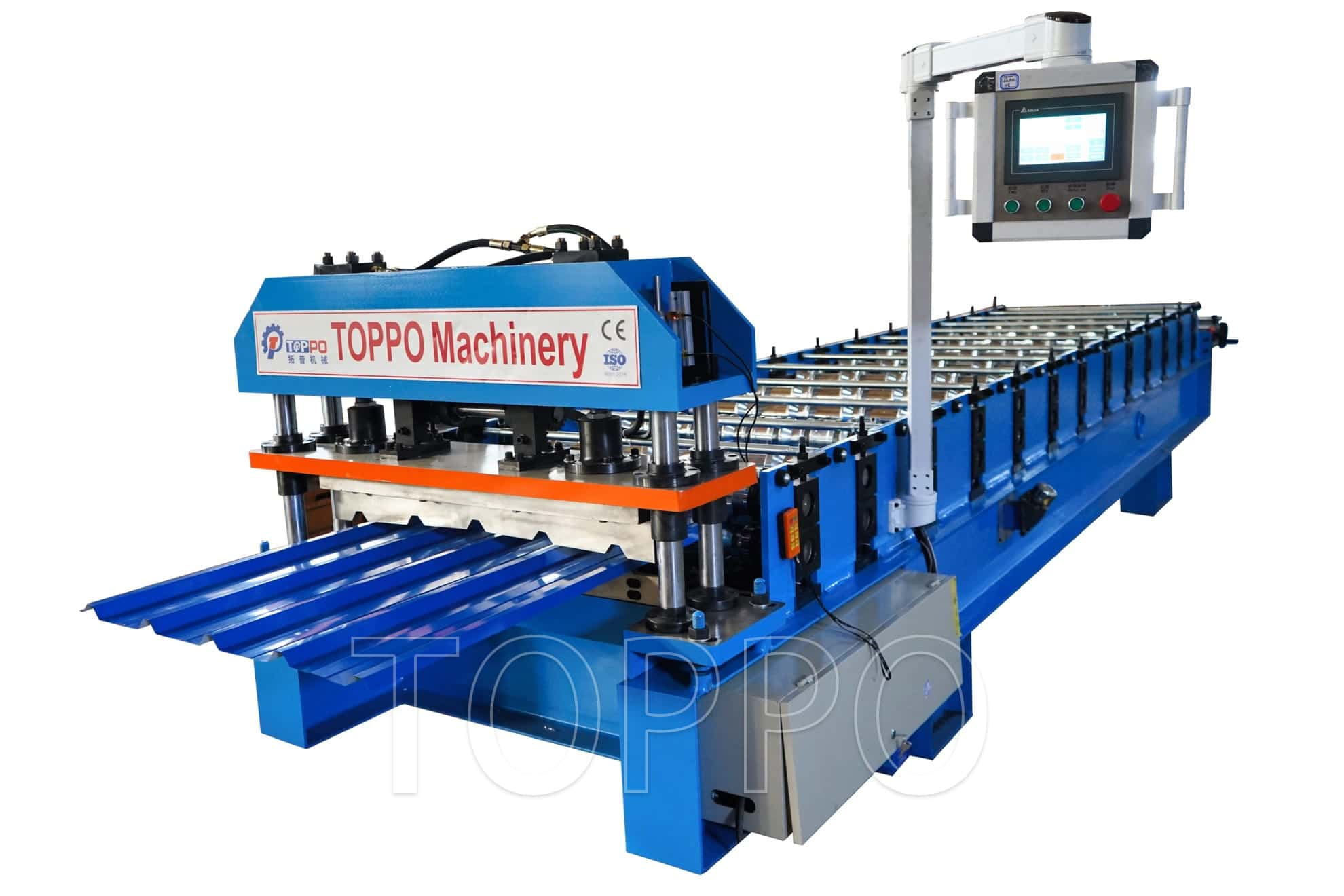
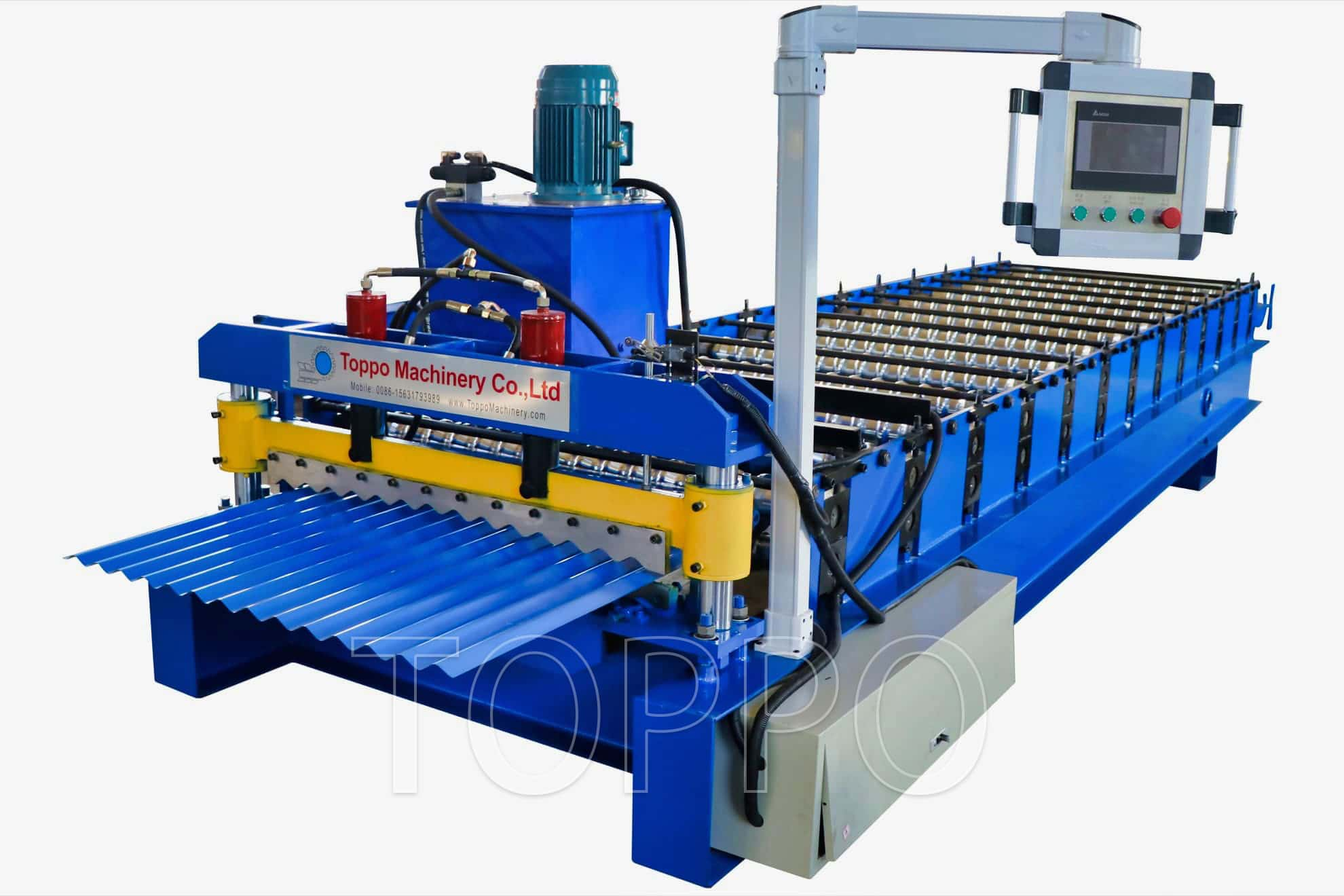
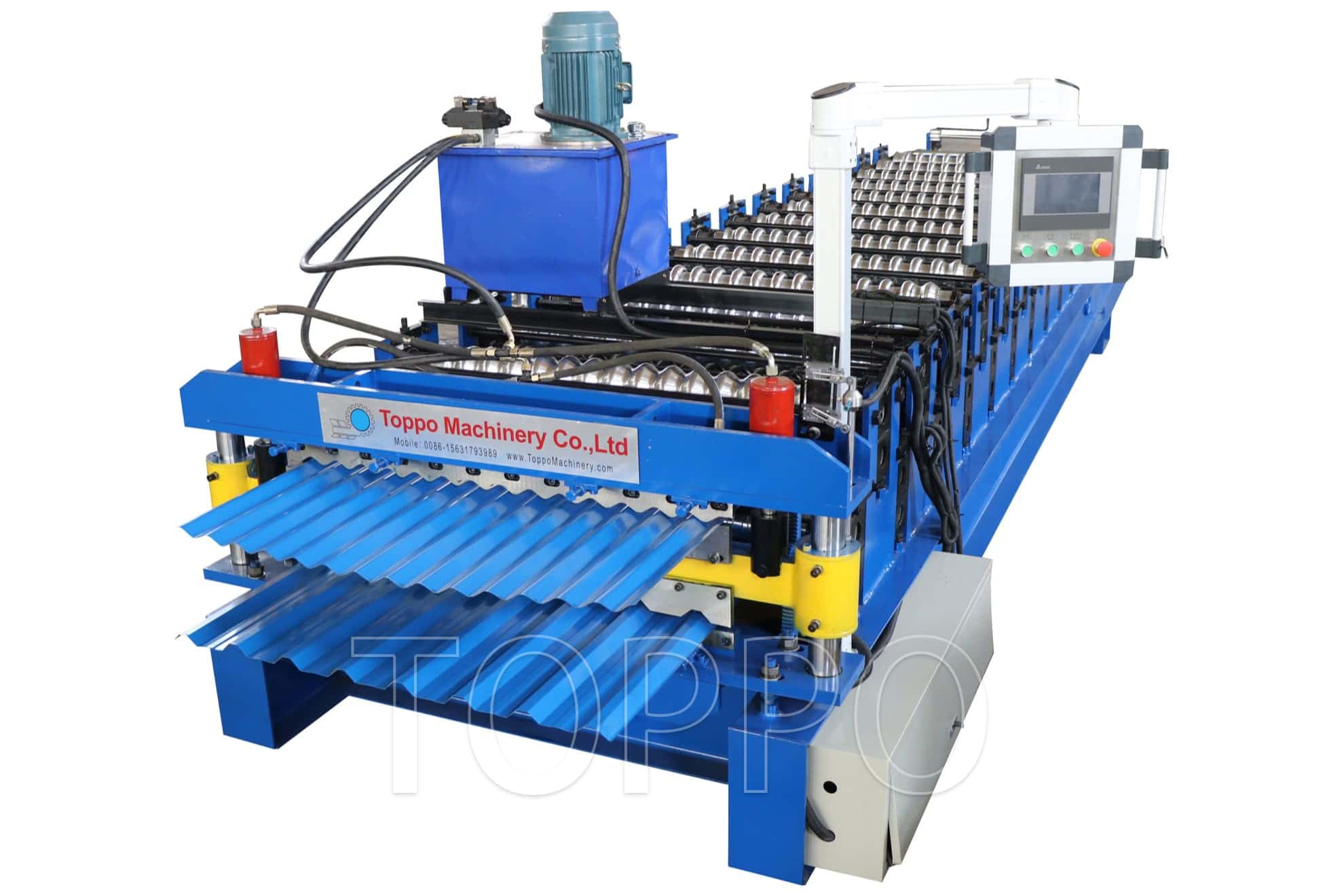
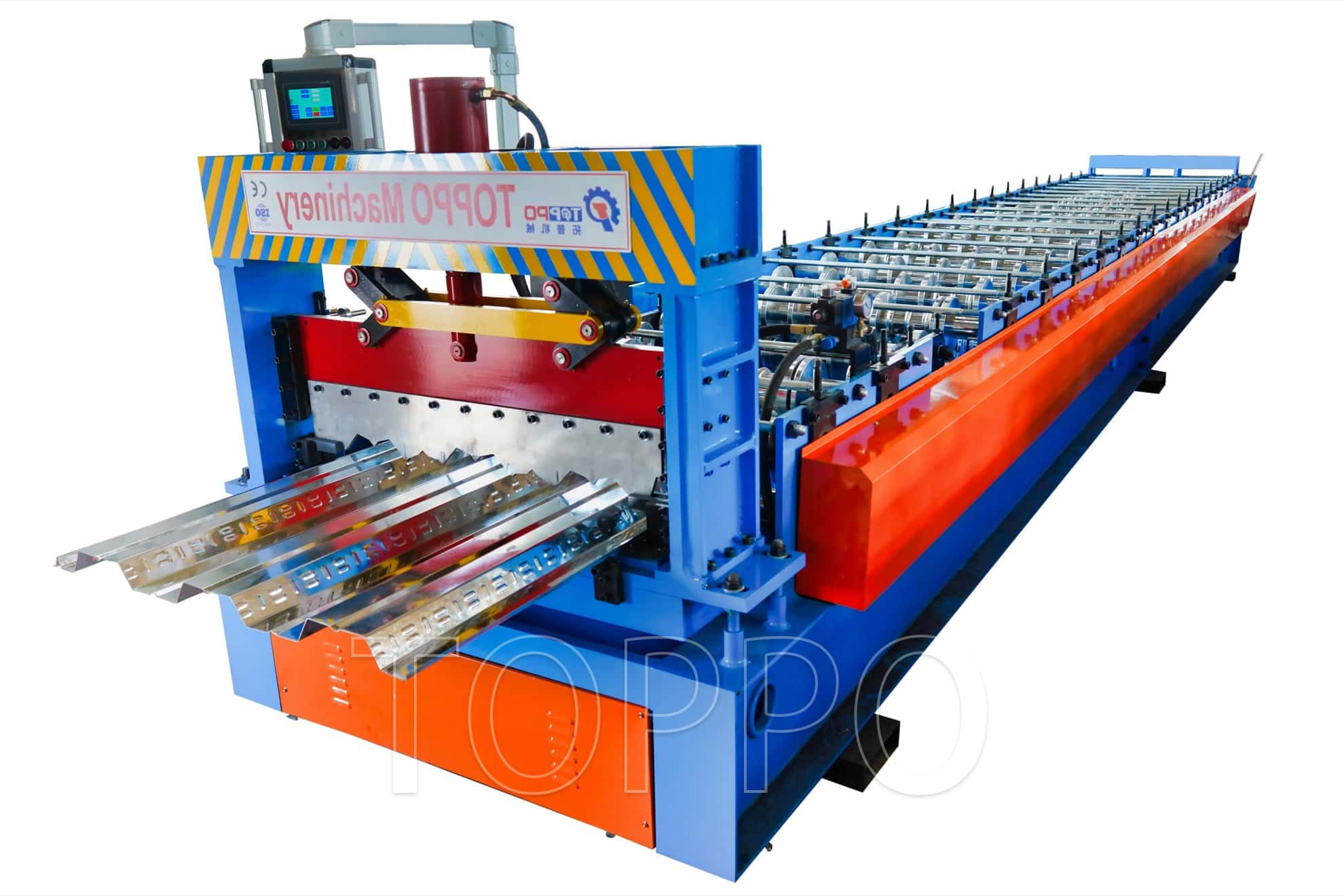
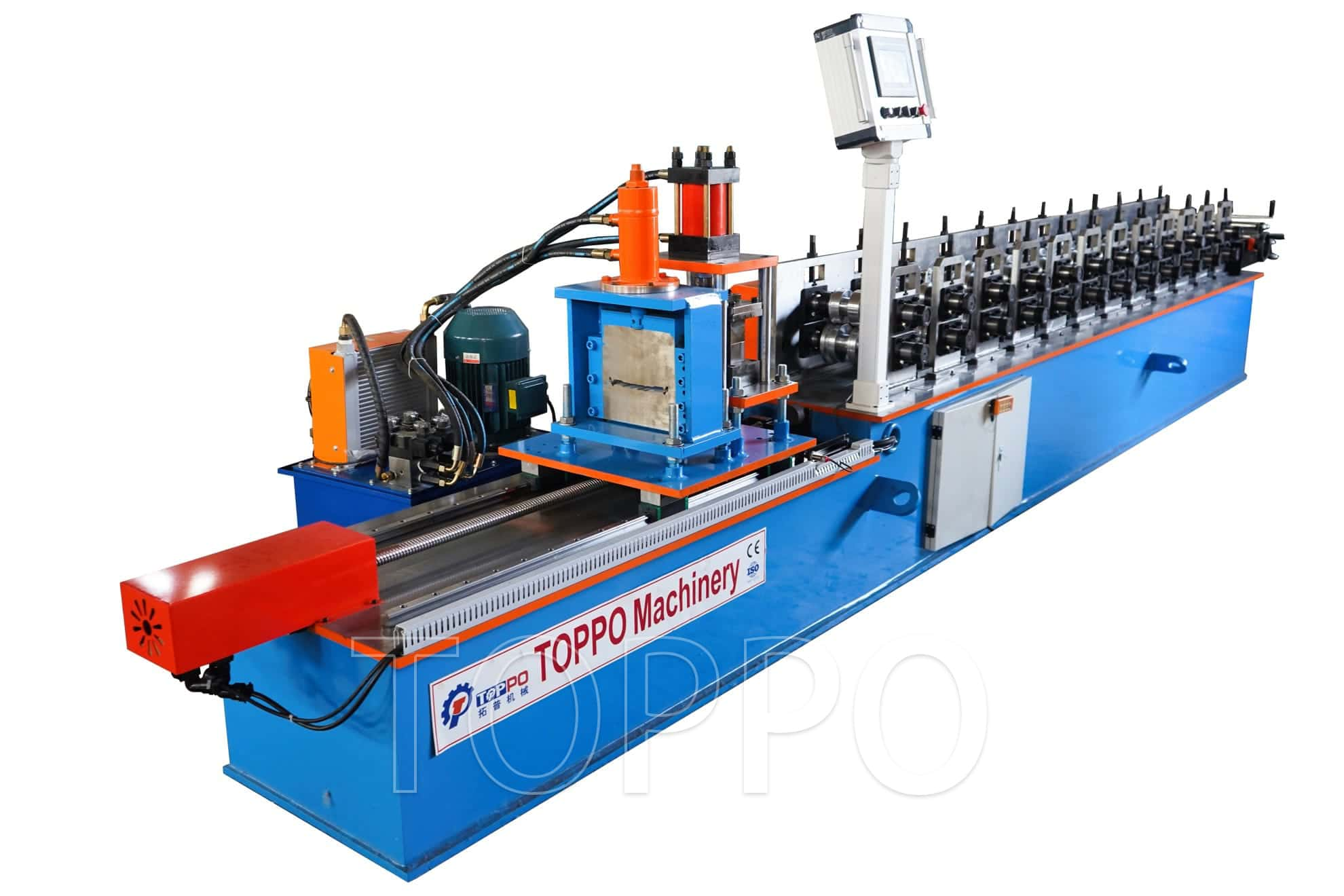
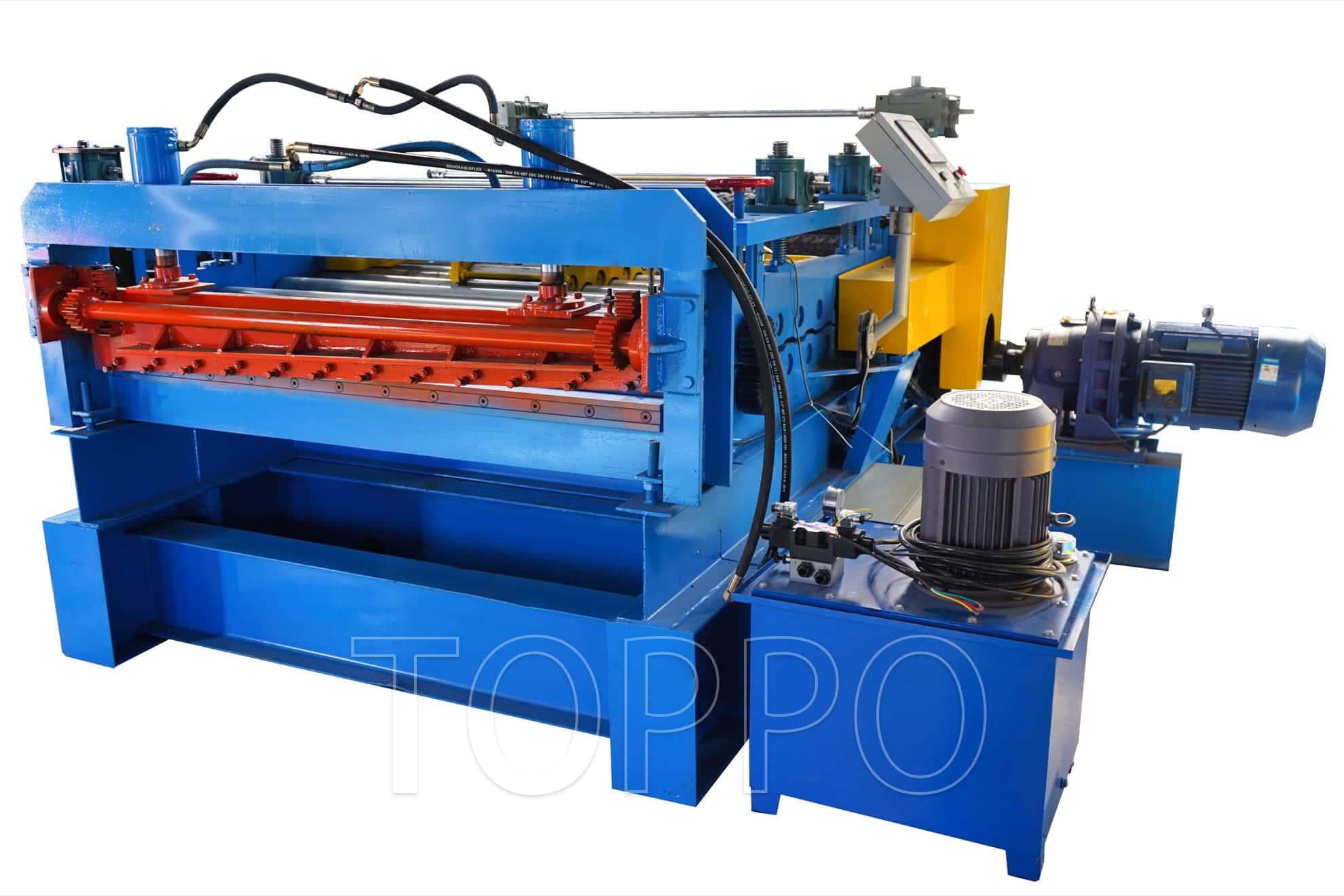
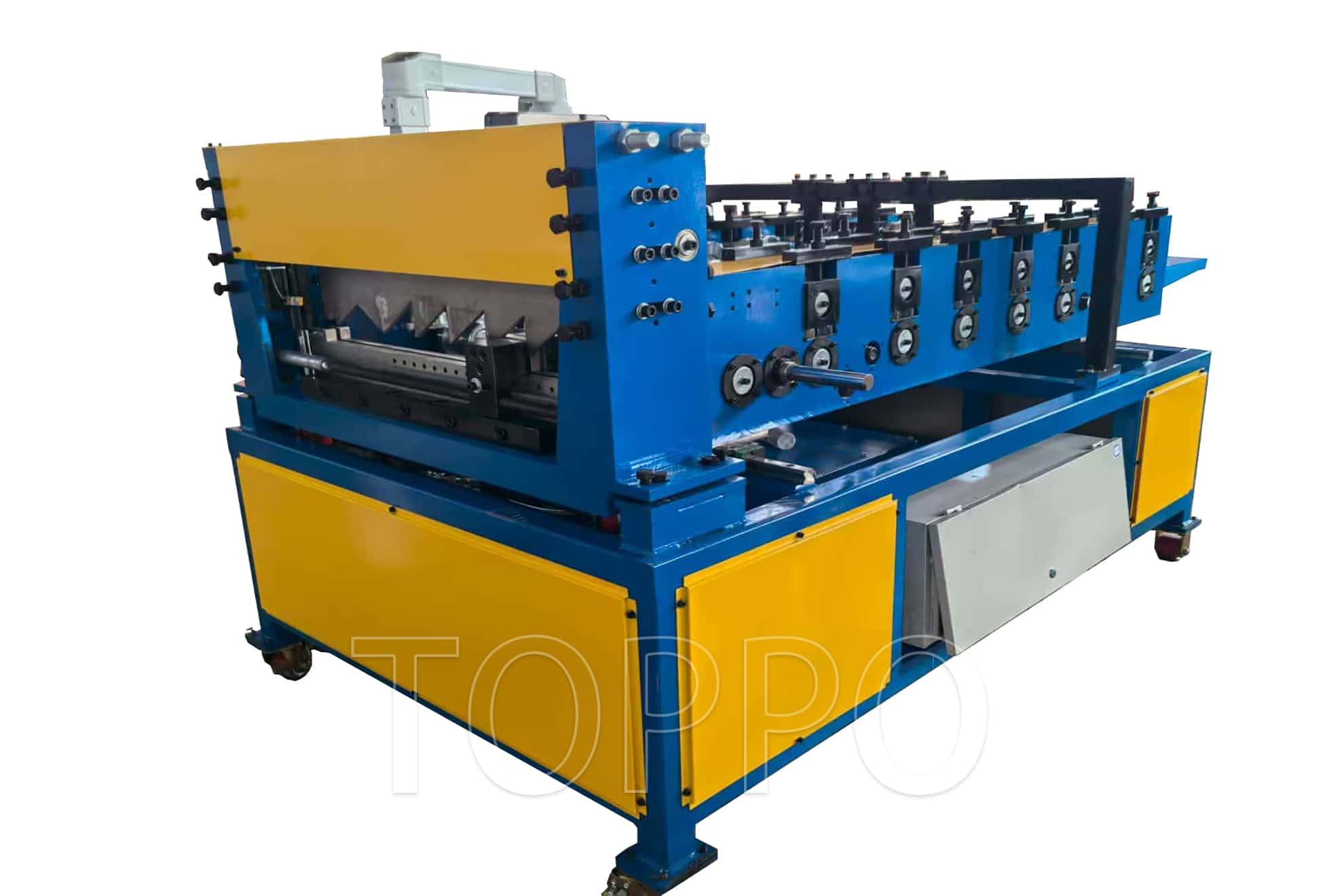
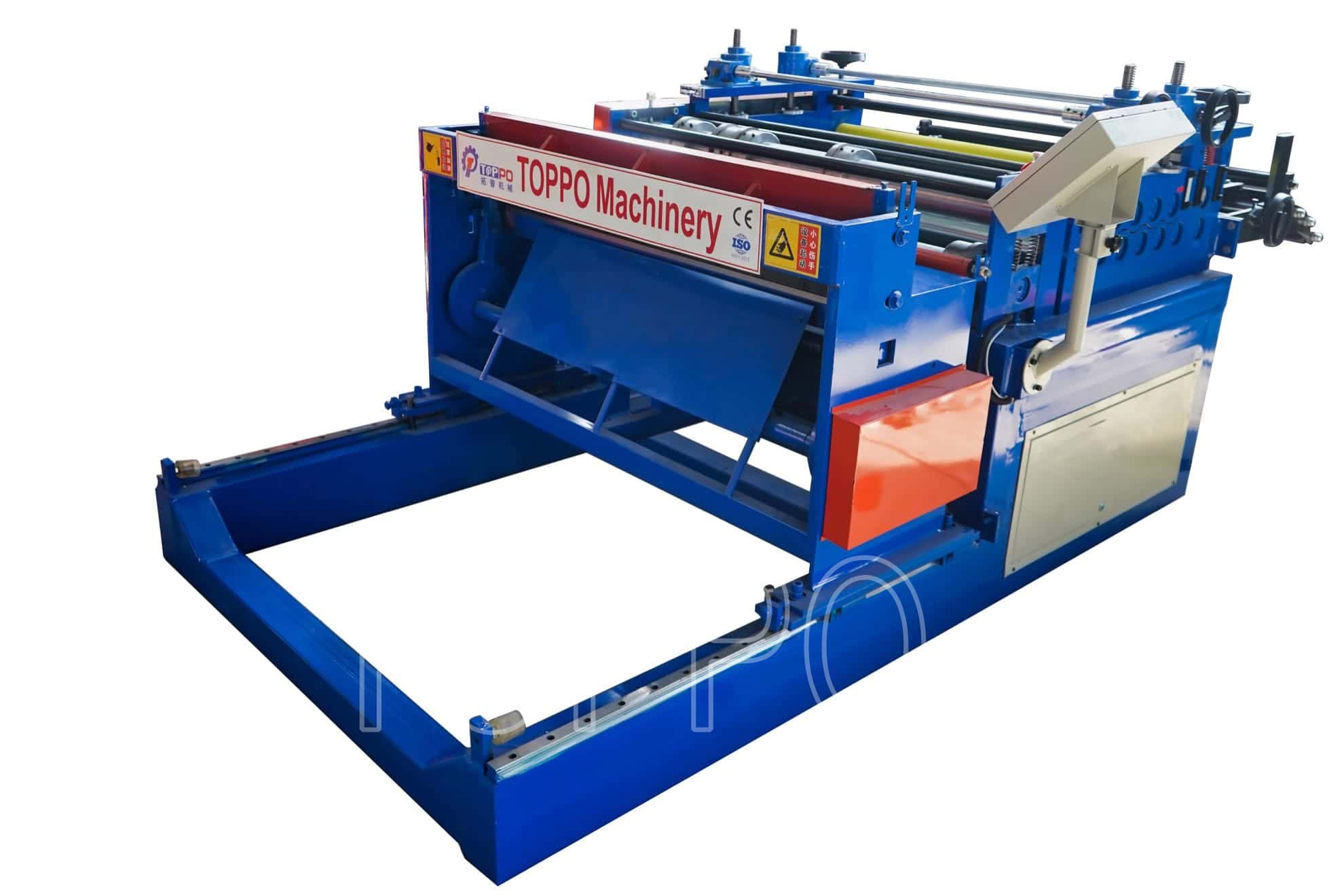
For small business owners in the construction and roofing space, maximizing output without doubling equipment costs is a constant challenge. A double layerroll forming machine solves this by producing two distinct roof panel profiles on a single line, making it a top investment for smallroof panel production factoriesandsteel sheet manufacturers.
In this interview, we speak with Li Wei, a roll forming equipment specialist with 12 years of experience supporting small and medium-sizedbuilding material suppliers, to break down how this2 in 1roll forming machineworks, who it’s for, and what ROI you can expect.
Core Benefits of aDouble DeckRoll Forming Machinefor Small Operations
Lower Upfront Cost vs. Two Single Machines
Buying two separateroll forming machineunits can eat up 40-60% more of your startup or expansion budget. Acombinedroll forming machineshares one base frame, onehydraulic cutting system, and onePLC control system, cutting initial costs significantly.
Key cost savings include:
35% lower equipment purchase price compared to two single-profile machines
20% less factory floor space required (ideal for small workshops)
Reduced spare parts inventory (shared components mean fewer parts to stock)
Faster ROI for Low-Volume, High-Variety Orders
Small businesses often handle mixed orders fromroofing contractorsandprefabricated building manufacturers, with frequent profile switches. Adual profileroll forming machinelets you switch between profiles in minutes, so you can take on more small-batch orders without downtime.
Li Wei shares a real example:
“A small roofing sheet producer in Jiangsu switched from two single machines to onedouble tierroll forming machinelast year. They cut order turnaround time by 30% and grew monthly revenue by 28% within 6 months.”
Key Specs to Check Before Buying aRoof Panel Making Machine
Core Performance Parameters for Small Business Needs
Not everytwo profileroll forming machinefits small-scale operations. Focus on specs that match your typical order volume and material types.
Critical parameters to verify:
Forming thickness: 0.3-0.8mm (standard for color steel roofing sheets)
Forming width: 1000-1250mm (matches most common steel coil sizes)
Working speed 0-30 m/min: Adjustable speed lets you balance speed and panel quality
Roller material: 45# steel with chrome plating (durability for long-term use)
Must-Have Features for Easy Operation
Small teams rarely have dedicated technical staff, so look for user-friendly features that reduce training time.
Top easy-to-use features:
Automatic length measurement: Eliminates manual measuring errors
Profile changeover system: Quick switch between trapezoidal and corrugated profiles
TouchscreenPLC control system: Simple interface for operators with basic training
Safety guards: Prevents workplace accidents in small workshops
PopularDouble Layer Roofing MachineTypes for Different Markets
Trapezoidal & Corrugated Combined Models
Thetrapezoidal and corrugatedroll forming machineis the most popular choice for small businesses serving residential and commercial roofing markets. It produces the two most in-demand panel types in most regions.
Common variants include:
Double layer trapezoidal roofing machine: For industrial warehouse roofing
Double layer corrugated roofing machine: For residential and agricultural buildings
Double layer color steelroll forming machine: For pre-painted color steel coil processing
IBR & Specialty Profile Models
For businesses targeting South African, South American, or Southeast Asian markets, anIBRdouble layerroll forming machineis a high-demand option. It pairs IBR panels with a second profile like corrugated or tile-style sheets.
Other specialty models for niche markets:
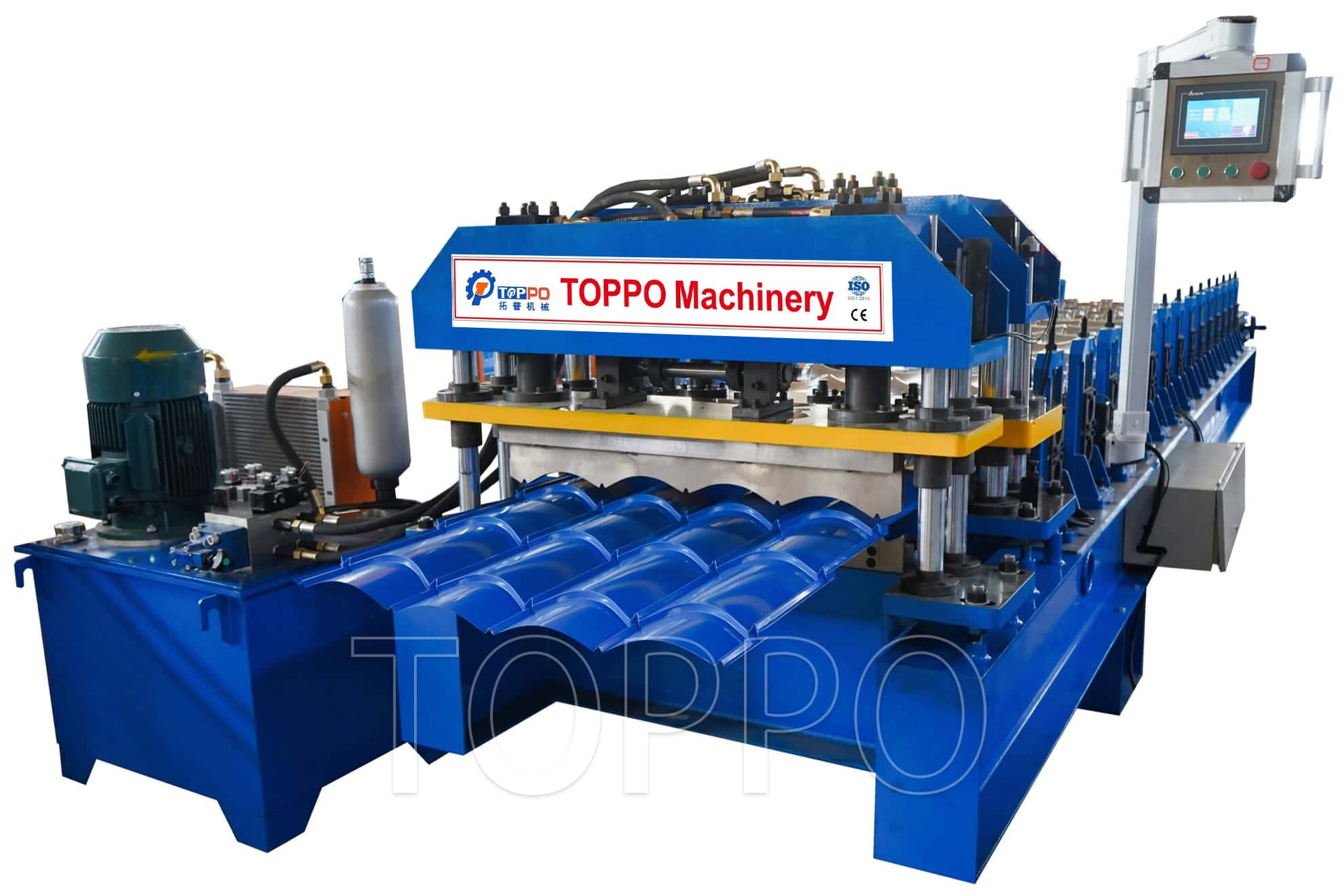
Double layer roof tile forming machine: For stone-coated or metal tile roofing
Double layer metal sheet forming machine: For wall panels and roofing sheets
Combined roofing sheetroll forming machine: Customizable for local profile standards
Is aDual LayerRoll Forming MachineRight for Your Business?
Ideal Customer Profiles for This Equipment
This machine is not for every small business—it works best for companies with consistent mixed-profile orders.
It’s a perfect fit if you’re a:
Roofing contractor looking to produce panels in-house
Metal roofing manufacturer with 500-2000 sqm of workshop space
Building material supplier expanding into production
- Roll forming machine
distributor adding best-selling equipment to your catalog
Steel structure company needing custom panel supply for projects
How to Calculate Your Expected ROI
To decide if the investment makes sense, calculate your payback period based on your current order volume.
Simple ROI formula for small businesses:
Calculate monthly profit from additional panels produced (vs. your current single machine)
Add savings from reduced labor and floor space costs
Divide total machine cost by monthly net savings to get payback period
Li Wei adds:
“For most smallmetal fabrication companieswith 2-3 operators, the average payback period is 8-14 months. That’s much faster than buying two separate machines, which usually takes 18-24 months.”