Double LayerRoll Forming Machine: A Game-Changer for Small Roofing Businesses
For small business owners in the metal roofing and fabrication space, scaling production without overspending on equipment is a constant challenge. A double layerroll forming machine solves this pain point by combiningtwo profile forming systemsin one unit, cutting down on floor space and upfront costs while expanding product offerings.
This industry analysis breaks down how thisroof panel making machineworks, who benefits most, key performance specs, and real-world ROI for small operations. Whether you’re a new roofing contractor or an established steel sheet manufacturer, understanding thisroll forming machine’s value can help you stay competitive in a fast-growing building materials market.
1. Core Functions and Design of Double Deck Roll Forming Equipment
Adouble deckroll forming machine(also called adual layerroll forming machineortwo layerroll forming machine) is engineered to produce two different roofing sheet profiles from a single unit. Unlike single-profile machines, it usesindependent forming stationsstacked vertically to process steel coils into finished panels.
1.1Dual Profile ConfigurationandProfile Changeover System
The core advantage of atwo profileroll forming machineis itsdual profile configuration, which lets you switch between two sheet styles without reconfiguring the entire machine.
Two profile options: Most models support trapezoidal and corrugated profiles, or IBR and corrugated designs.
Profile changeover system: Modern units use a quick-switch mechanism that cuts changeover time to under 10 minutes.
Independent forming stations: Upper and lower roller sets operate separately, so one profile can run while the other is adjusted.
For small teams, this means you can take on more diverse orders without buying multiple machines. Adouble tierroll forming machineis essentially a2 in 1roll forming machinethat maximizes your production capacity per square foot of factory space.
1.2 Key Structural Components and Build Quality
A high-qualitycombinedroll forming machineis built for heavy daily use, with durable parts that reduce long-term maintenance costs.
Roller material: Hardened chrome-plated steel rollers resist wear and ensure consistent profile shape.
Hydraulic cutting system: Delivers clean, burr-free cuts without distorting the metal sheet.
PLC control system: Automates length settings, speed adjustments, and error detection for less manual work.
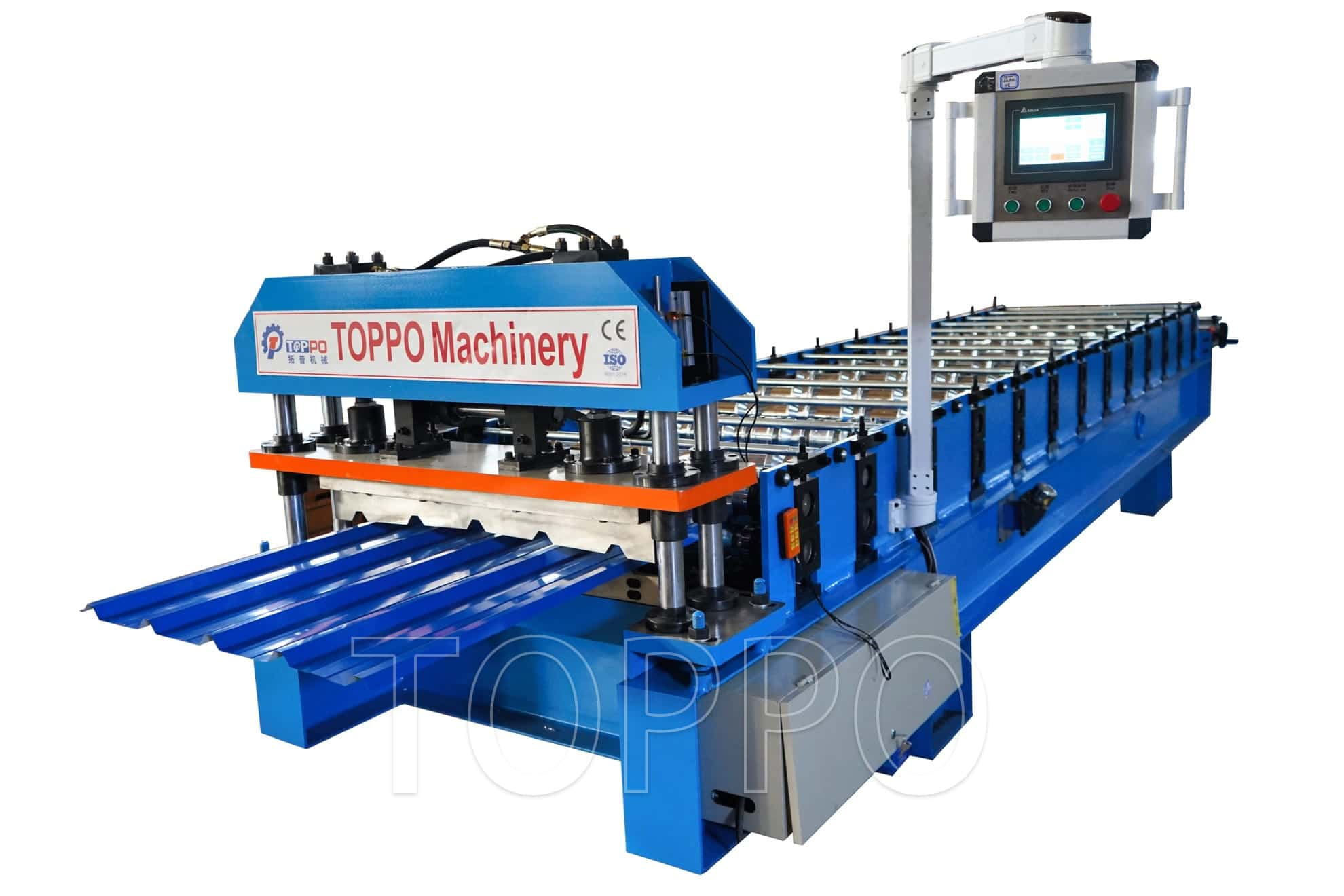
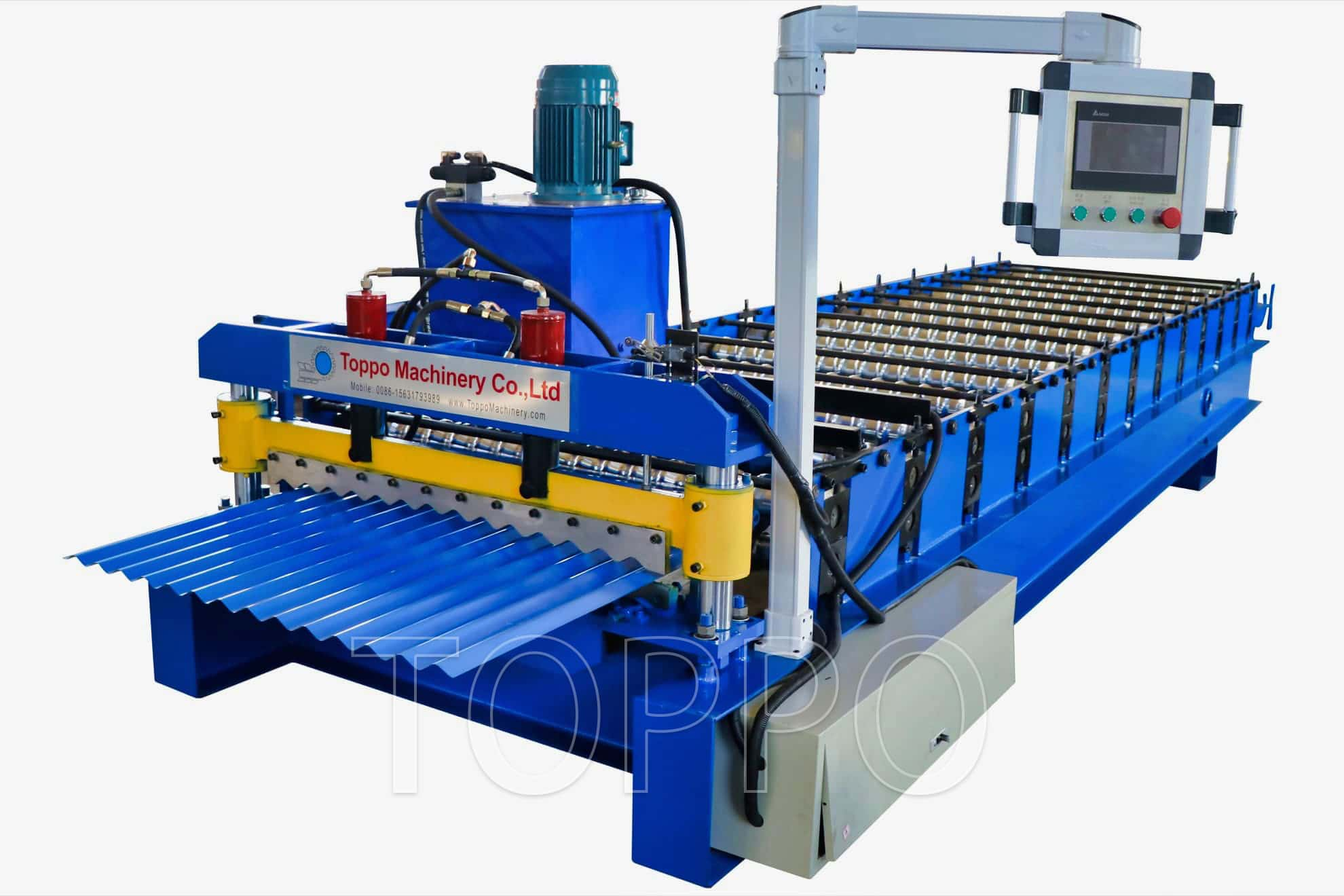
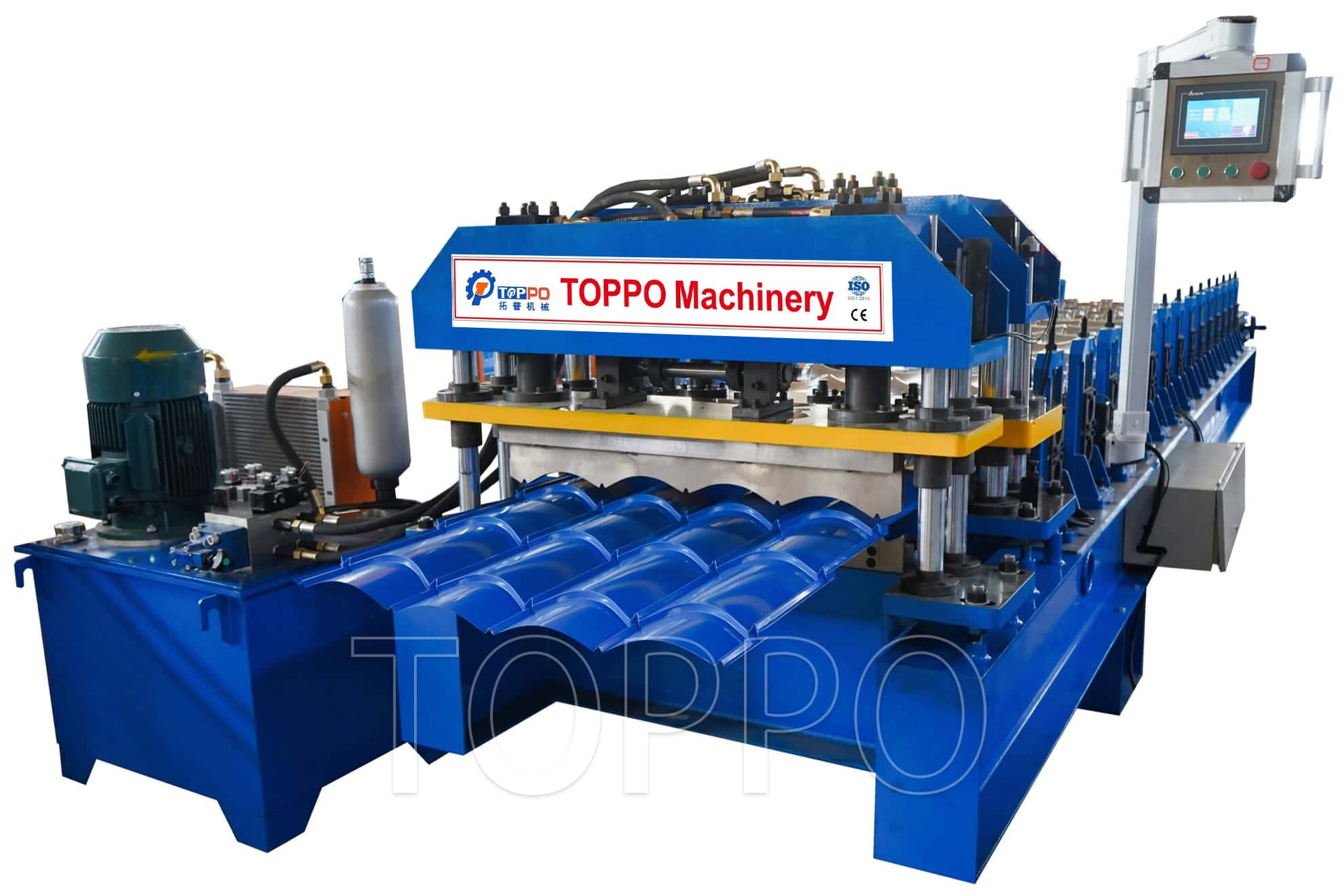
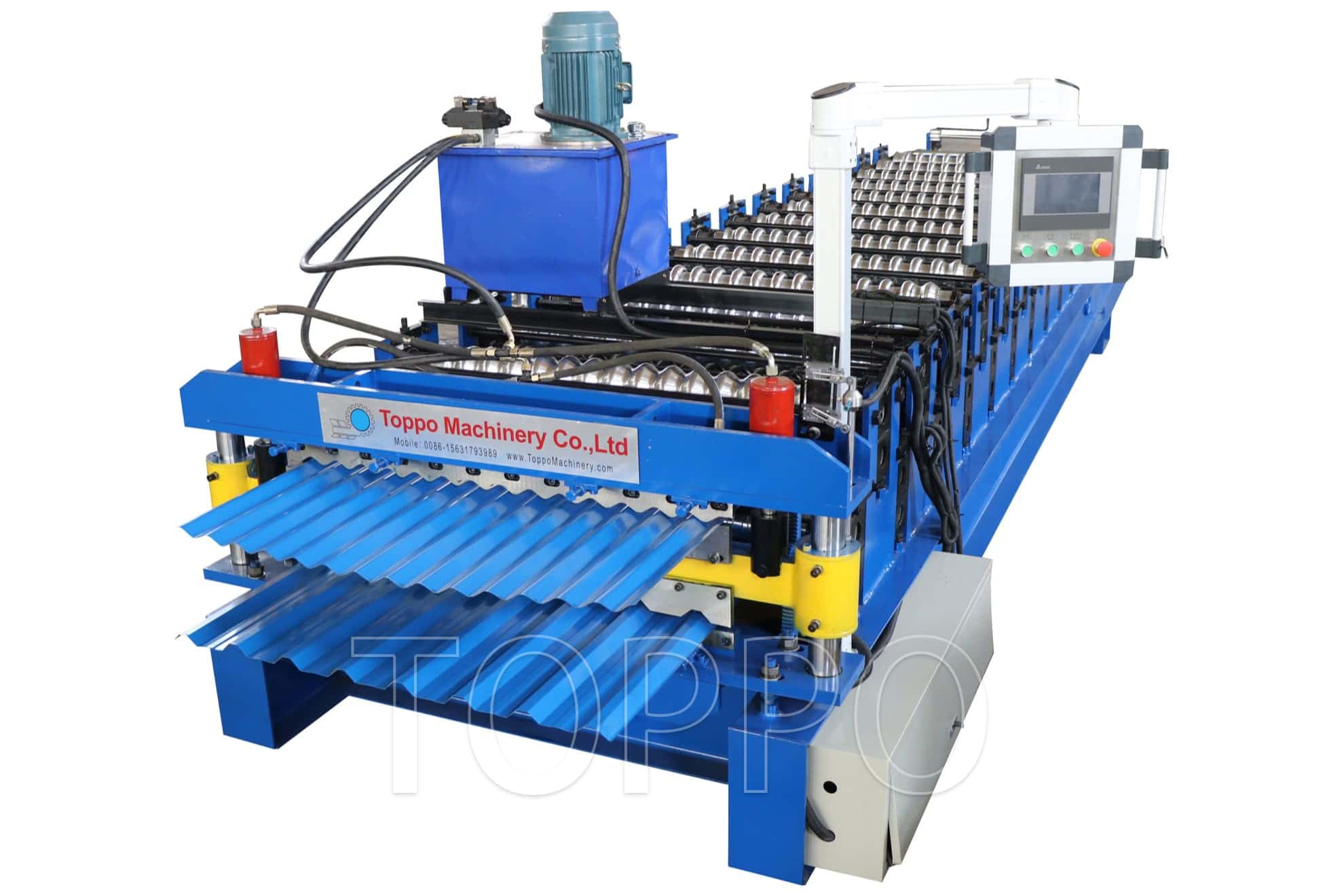
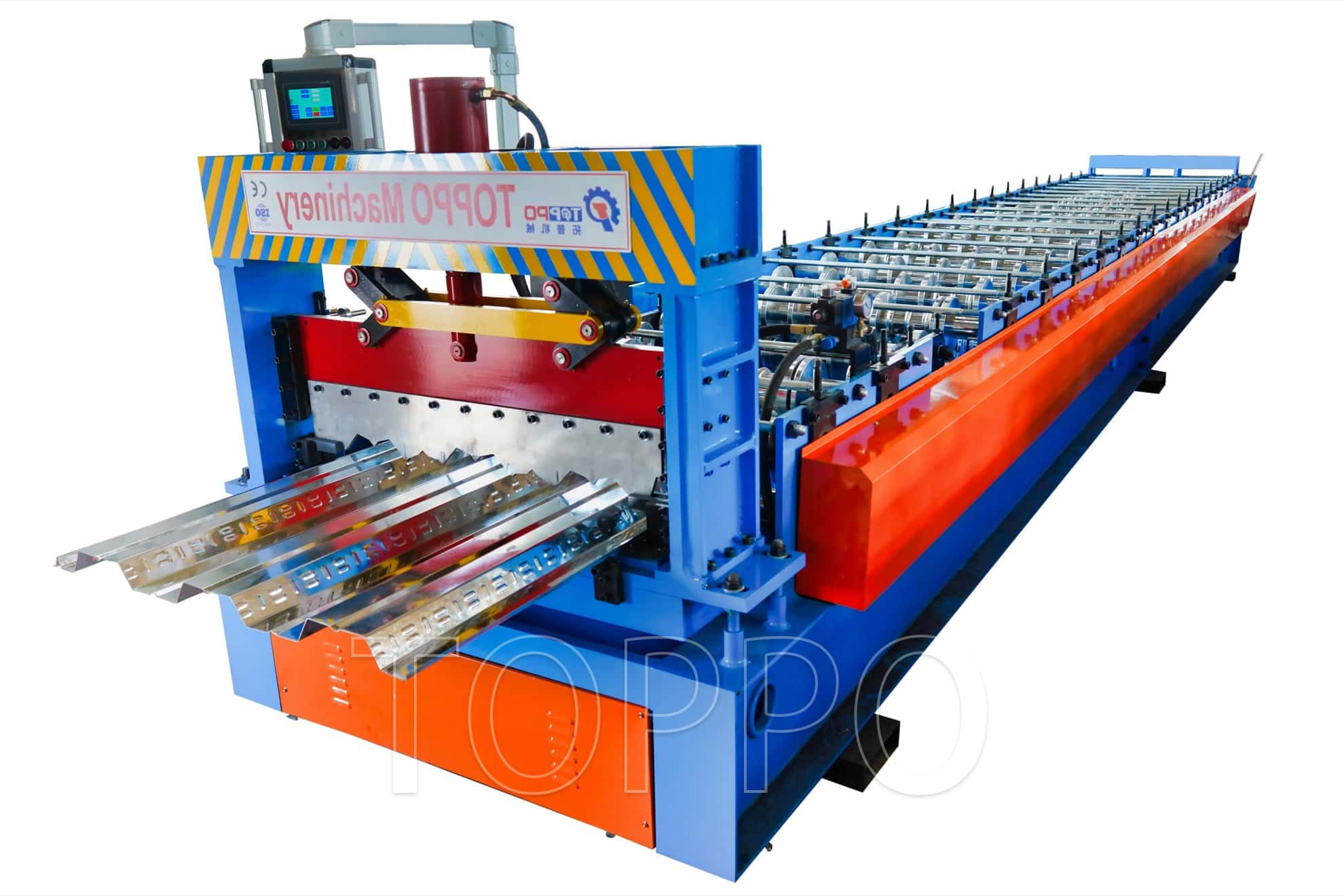
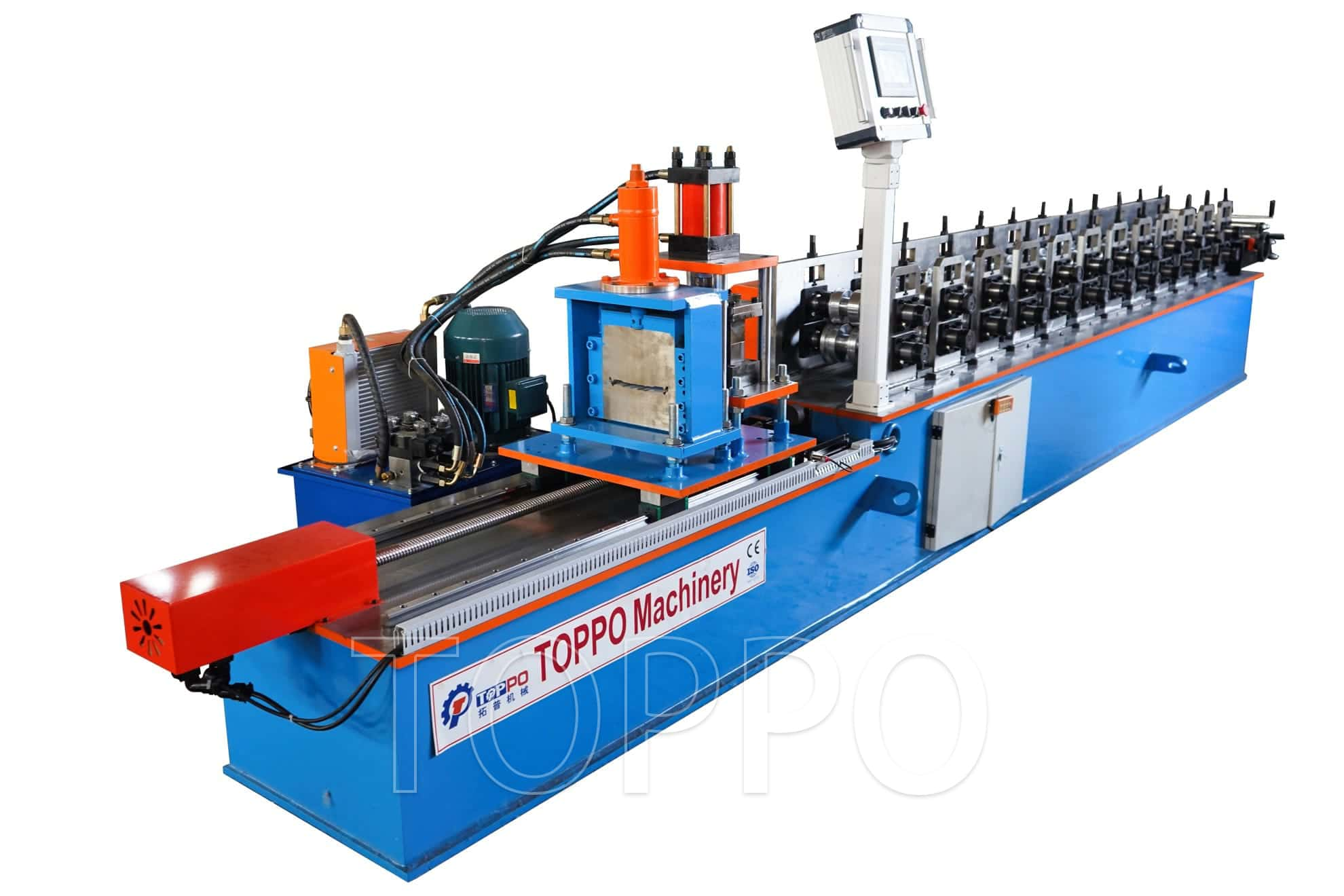
Double layerroll forming machinewith labeledindependent forming stationsandhydraulic cutting system
Alt text:Double layerroll forming machineshowing upper and lowerindependent forming stations,hydraulic cutting system, and PLC control panel
Small business owners should prioritize machines with thick steel frames and branded electrical components, as these reduce downtime and repair costs over the machine’s lifespan.
2. Target Customer Segments forDual ProfileRoll Forming Machines
Small businesses across the building supply chain can leverage adual profileroll forming machineto grow revenue. Below are the key groups that see the fastest return on investment.
2.1 Roofing and Construction-Focused Businesses
Forroofing contractorsandconstruction companies, owning adouble layer roofing machineeliminates reliance on third-party suppliers and cuts lead times for projects.
Roofing contractors: Produce custom panels on-site or in a small workshop to match project timelines.
Building material suppliers: Expand inventory with in-house manufactured sheets for higher profit margins.
Industrial building contractors: Supply large-volume orders for warehouses, factories, and prefab structures.
A small roofing company in Ohio, for example, reported a 35% increase in project capacity within six months of purchasing anIBRdouble layerroll forming machine, as they no longer waited 7–10 days for supplier deliveries.
2.2 Manufacturing and Distribution Businesses
Steel sheet manufacturers,roll forming machinedistributors, andmetal fabrication companiesalso benefit from adding this equipment to their lineup.
Roof panel production factories: Boost output variety without expanding factory footprint.
Steel coil processing companies: Add value to raw coils by converting them into finished roofing products.
Roofing material wholesalers: Offer custom profile options to stand out from competitors.
For small metal fabrication shops, atrapezoidal and corrugatedroll forming machinecan open up new revenue streams in both residential and commercial roofing markets.
3. Critical Performance Specifications for Small Business Buyers
When evaluating adouble layer roof panel machine, small business owners should focus on specs that directly impact production speed, material compatibility, and ease of use.
3.1 Production Speed and Material Compatibility
The rightforming thicknessandforming widthdetermine which projects you can take on, whileroll forming speedimpacts daily output.
Forming thickness: 0.3–0.8 mm is standard for most residential and commercial roofing sheets.
Forming width: 1000–1250 mm fits most standard steel coil sizes.
Working speed 0-30 m/min: Adjustable speeds let you balance output quality and volume for different orders.
According to 2024 industry data, demand for color steel roofing sheets is rising 6.2% annually, so a machine with flexiblesteel coil thicknesssupport will keep you competitive as orders grow.
3.2 Automation and Operational Features
Automation features reduce the need for skilled labor, which is a major plus for small teams with limited staff.
PLC control system: Touchscreen interface lets operators set panel length and quantity with minimal training.
Automatic length measurement: Ensures consistent panel sizes, reducing material waste by up to 5%.
Hydraulic cutting system: Works with the control system to make precise cuts at high speeds.
PLC control panel of adouble layer color steelroll forming machine
Alt text: PLC control panel of adouble layer color steelroll forming machinewith touchscreen display and length adjustment settings
Adouble layer metal sheet forming machinewith full automation typically only requires 2–3 workers to operate, lowering labor costs for small operations.
4. ROI and Long-Term Value for Small Operations
For small business owners, the biggest question is whether adouble layer steel roofing sheet machineis worth the upfront investment. The short answer: most small operations see a return in 12–24 months.
4.1 Cost Savings and Revenue Growth
Acombined roofing sheetroll forming machinedelivers savings in three key areas:
Lower equipment costs: One machine replaces two single-profile units, cutting upfront costs by 30–40%.
Reduced labor needs: Automated operation means you don’t need extra staff for separate production lines.
Higher profit per panel: In-house production cuts supplier markups, increasing margins by 20–35% per sheet.
For example, a small roofing sheet producer in Texas reported saving $18,000 annually on supplier costs after buying adouble layer roof tile forming machine, while also adding $42,000 in annual revenue from new custom profile orders.
4.2 Scalability and Future Growth
Atwo layerroll forming machineis a scalable investment that grows with your business.
Expand product lines: Add profiles like trapezoidal, corrugated, or IBR as your customer base diversifies.
Serve larger projects: Higher production speed lets you take on bigger commercial and industrial building contracts.
Adapt to market trends: Switch between popular profiles quickly to match changing customer demand.
Forprefabricated building manufacturersandsteel structure companies, this scalability means you can expand into new markets without major equipment overhauls.