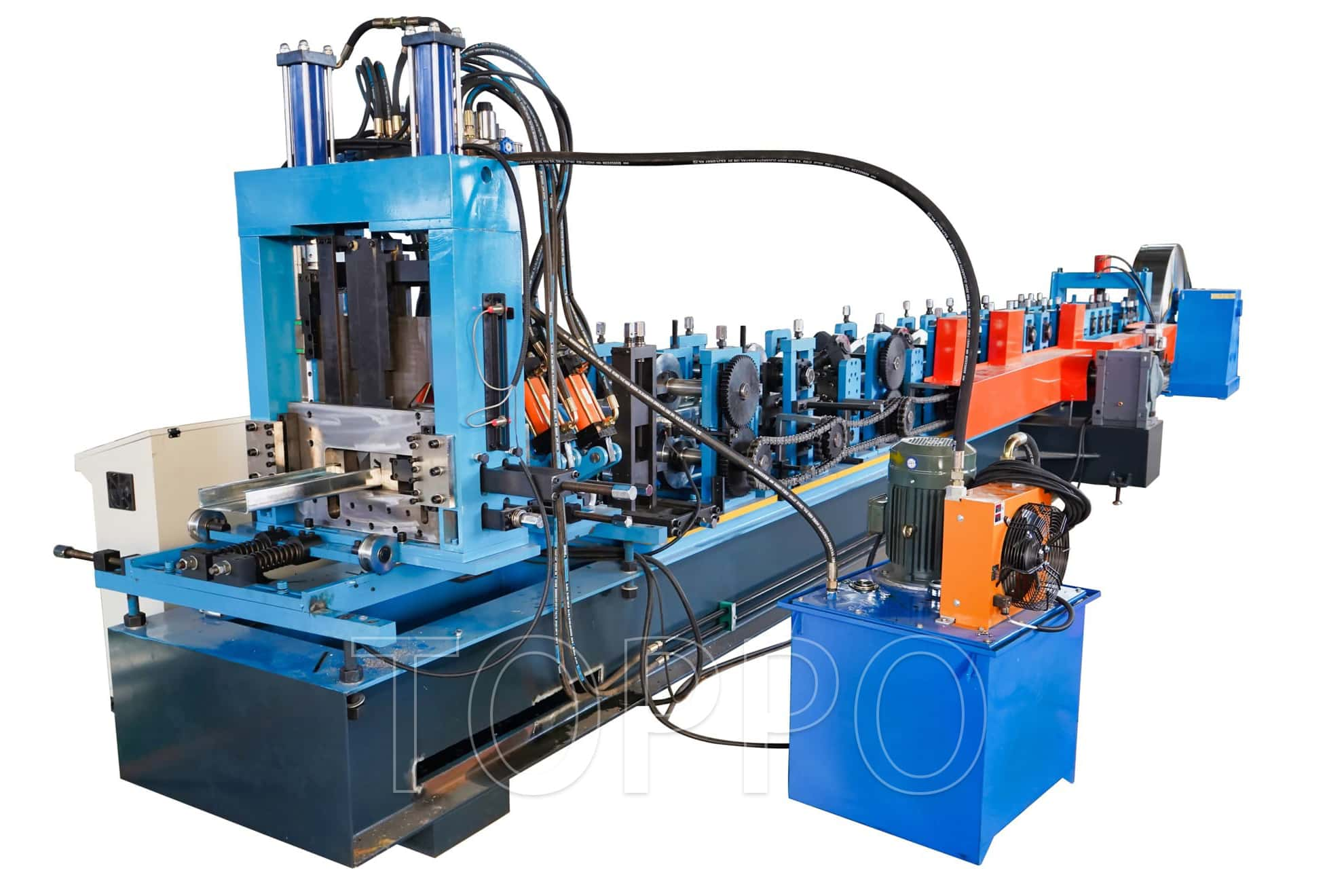
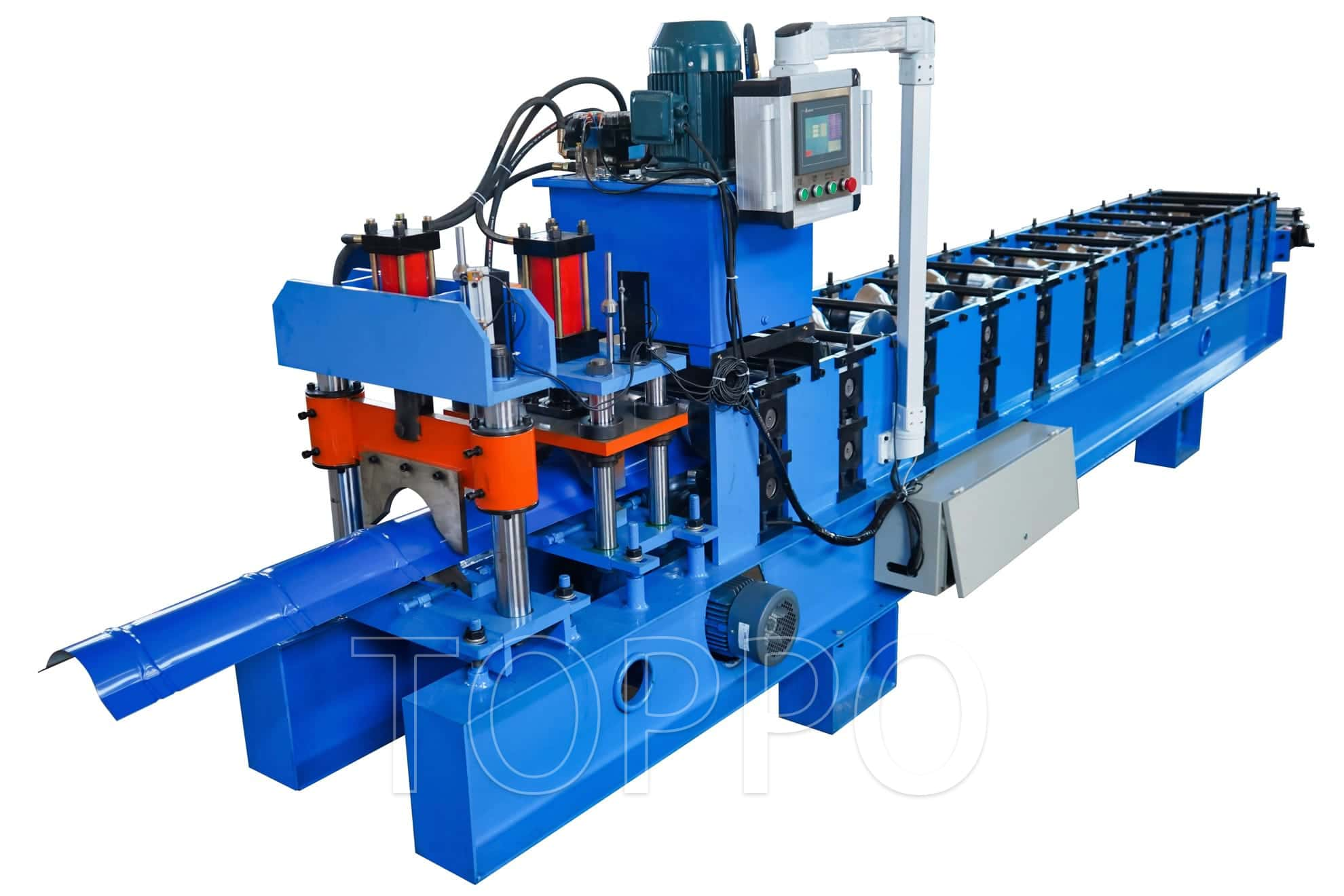
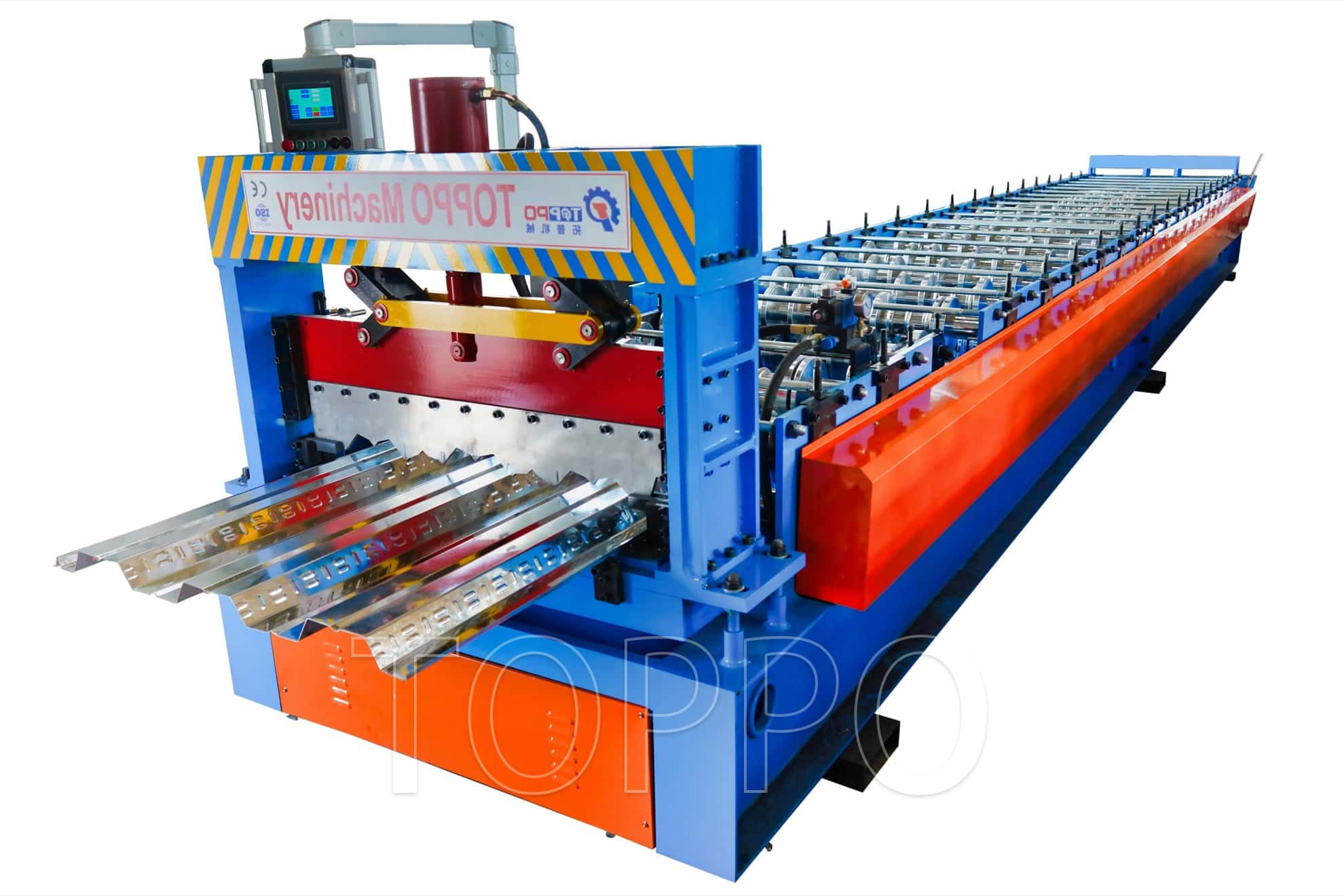
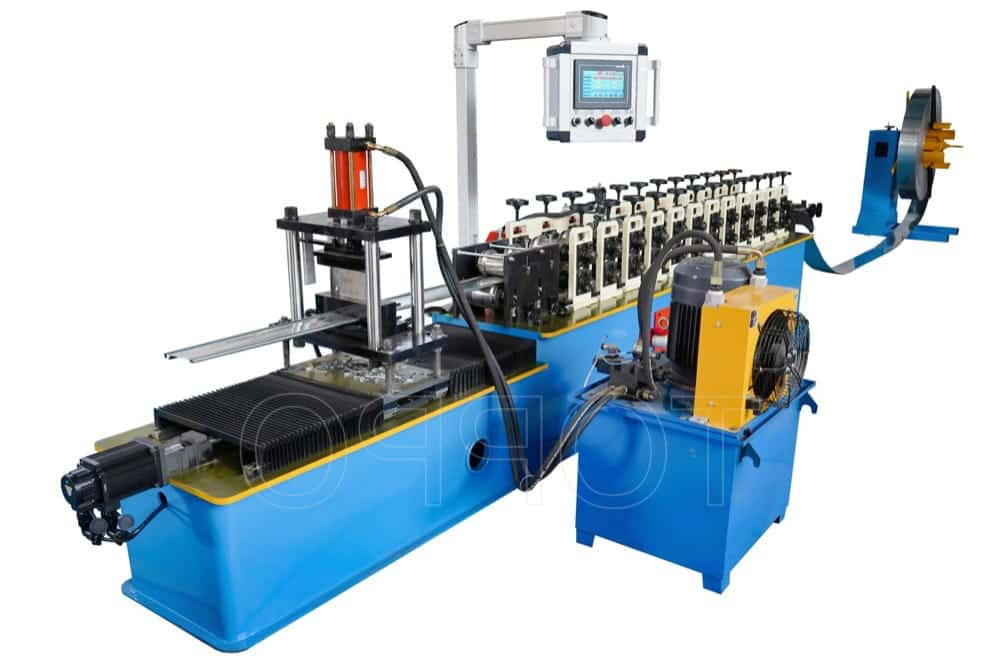
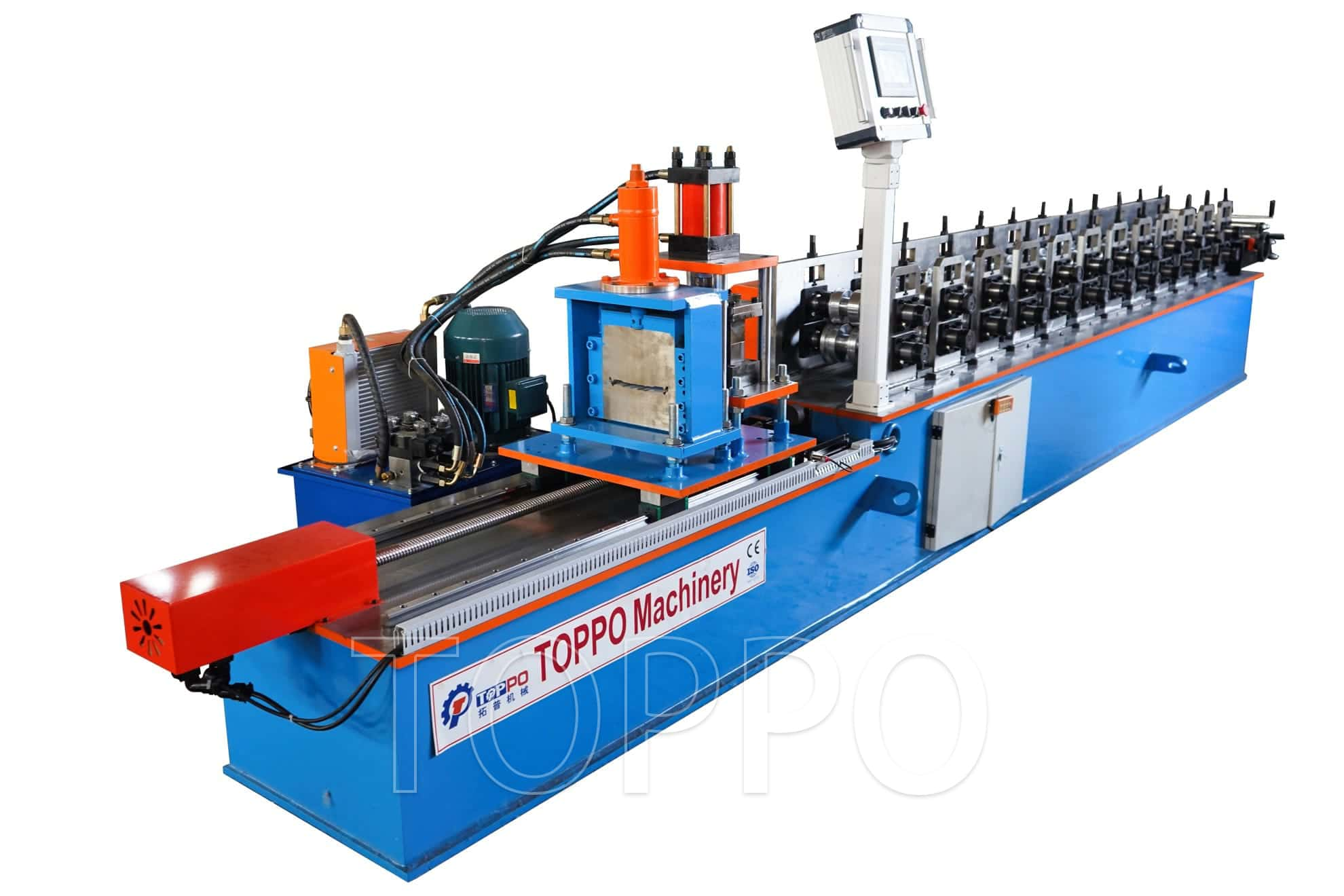
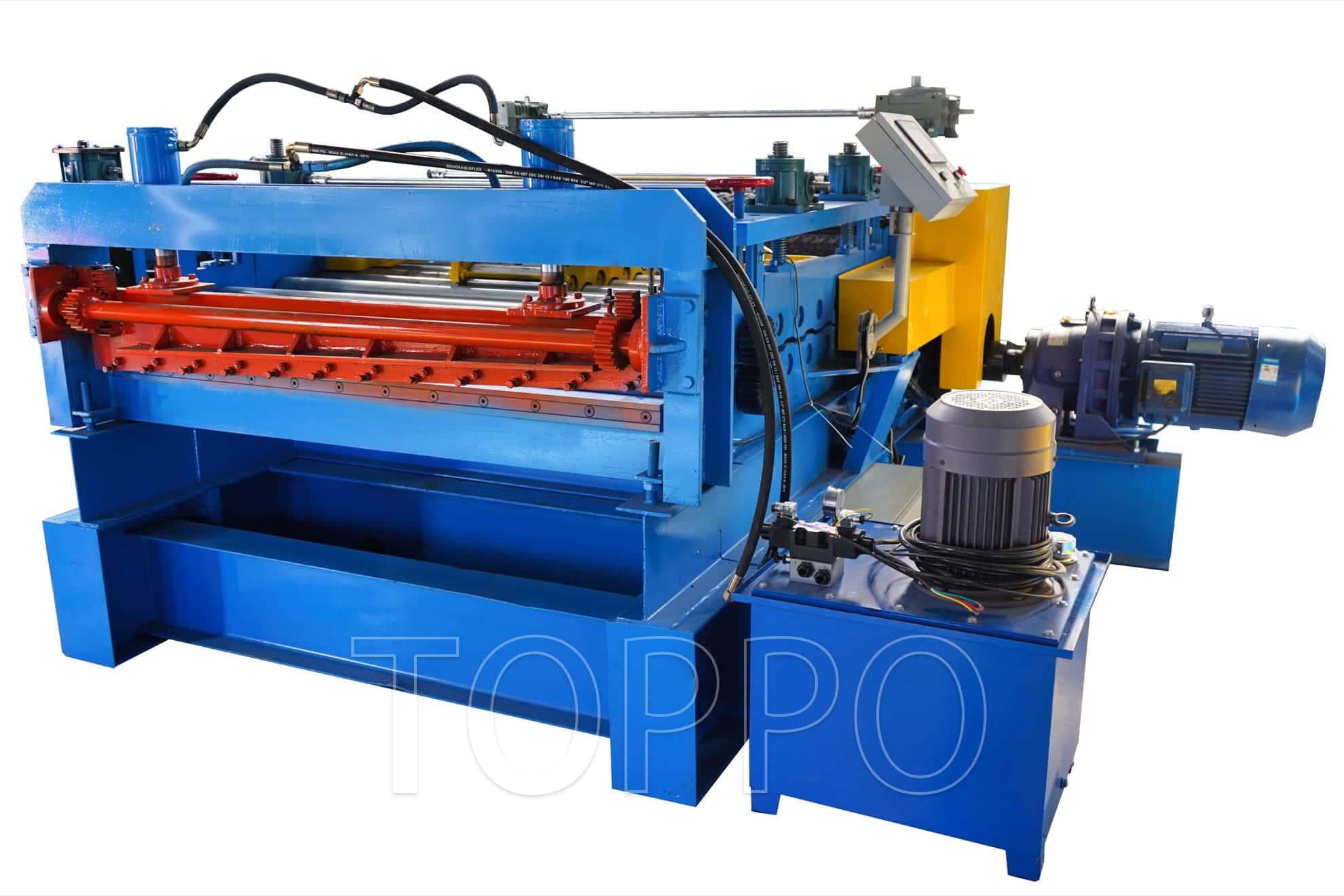
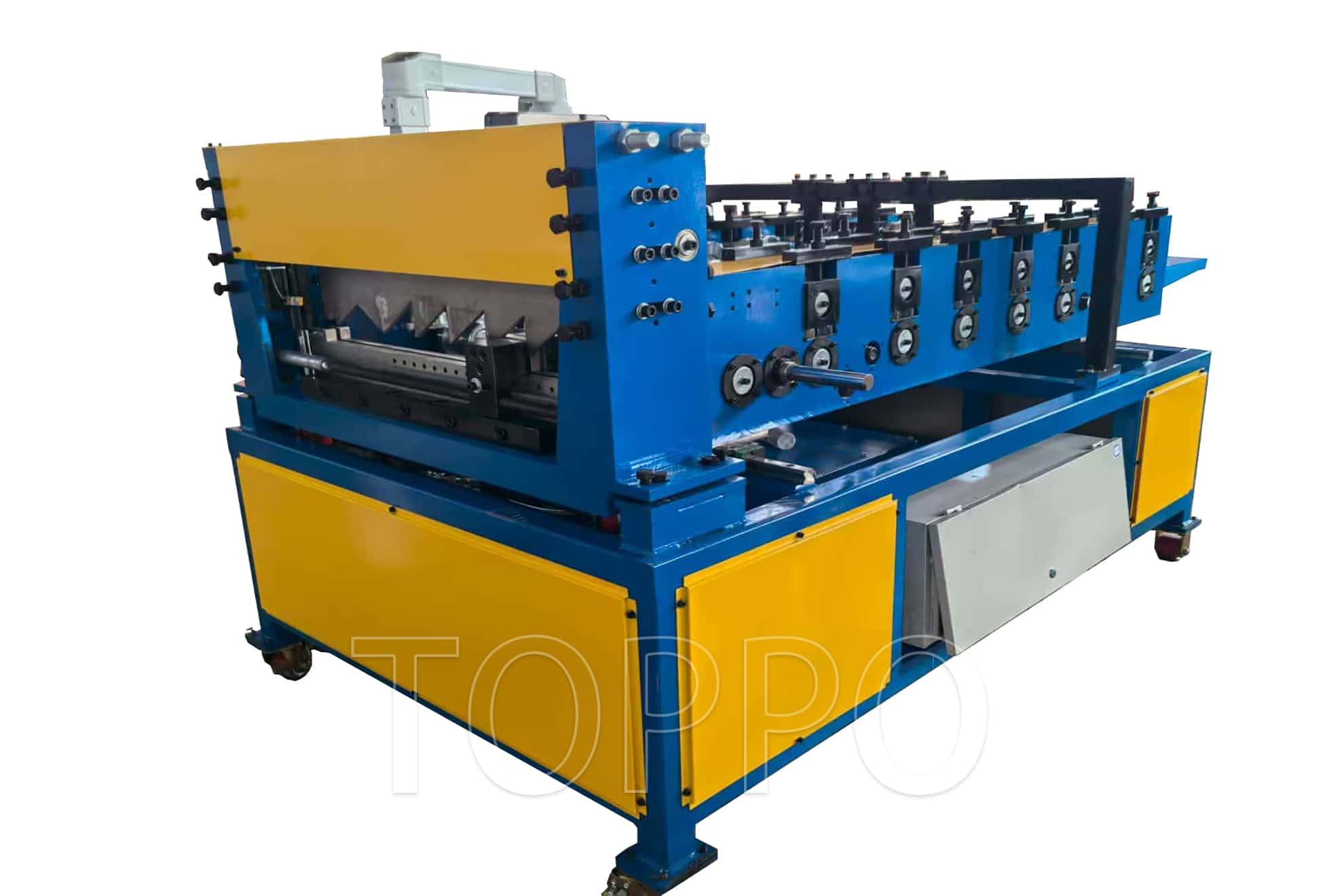
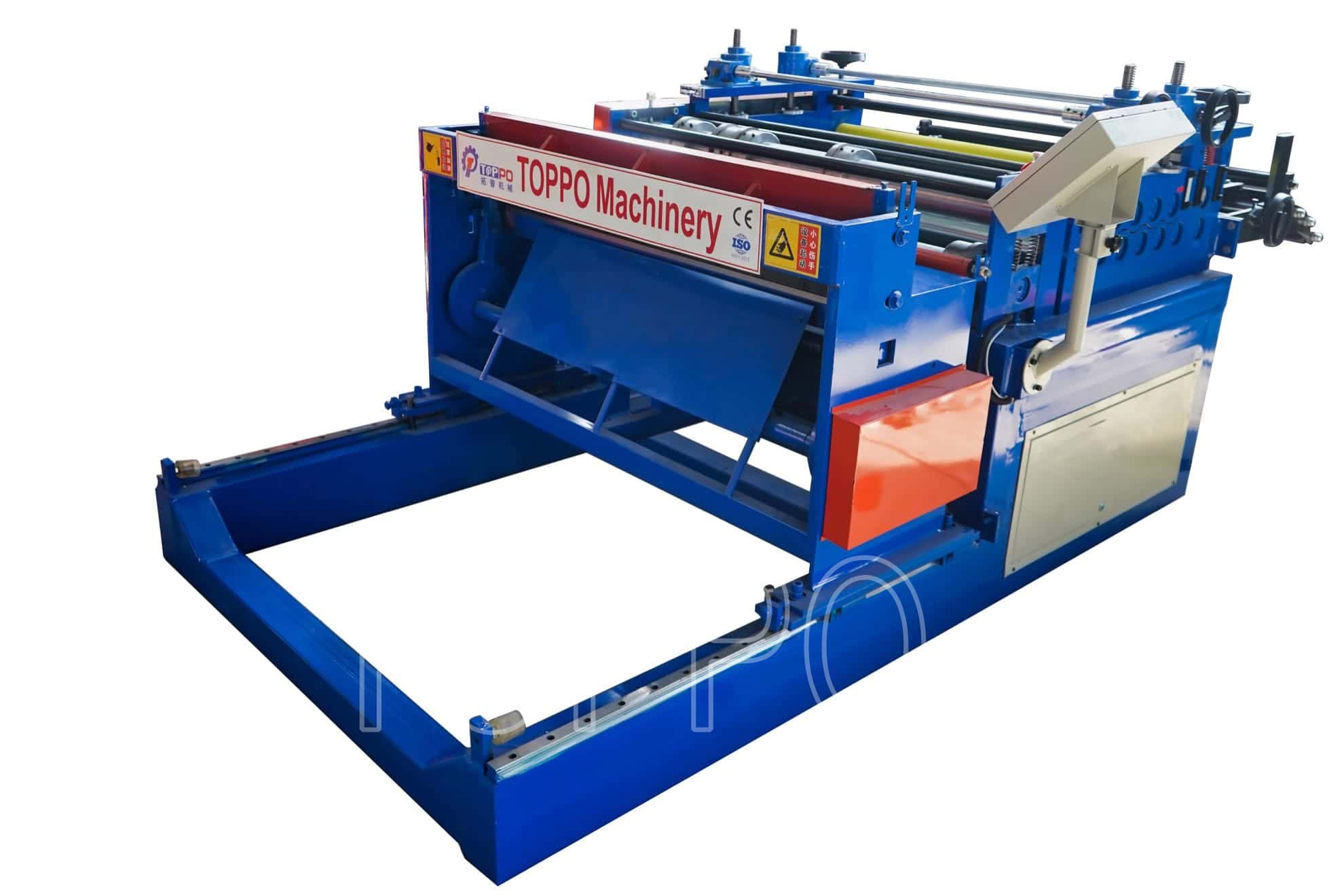
Double LayerRoll Forming Machine: A Complete Guide for Small Business Owners
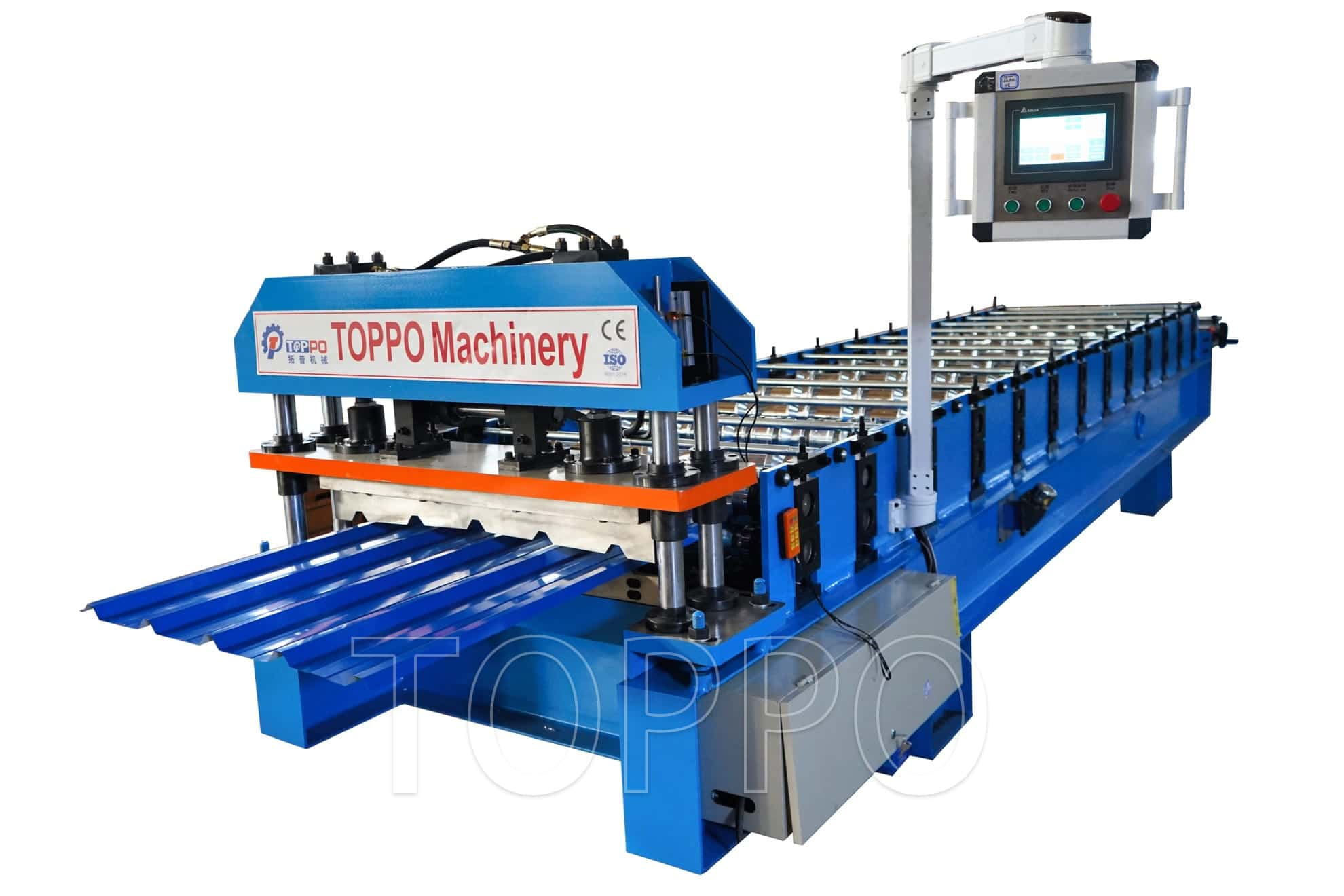
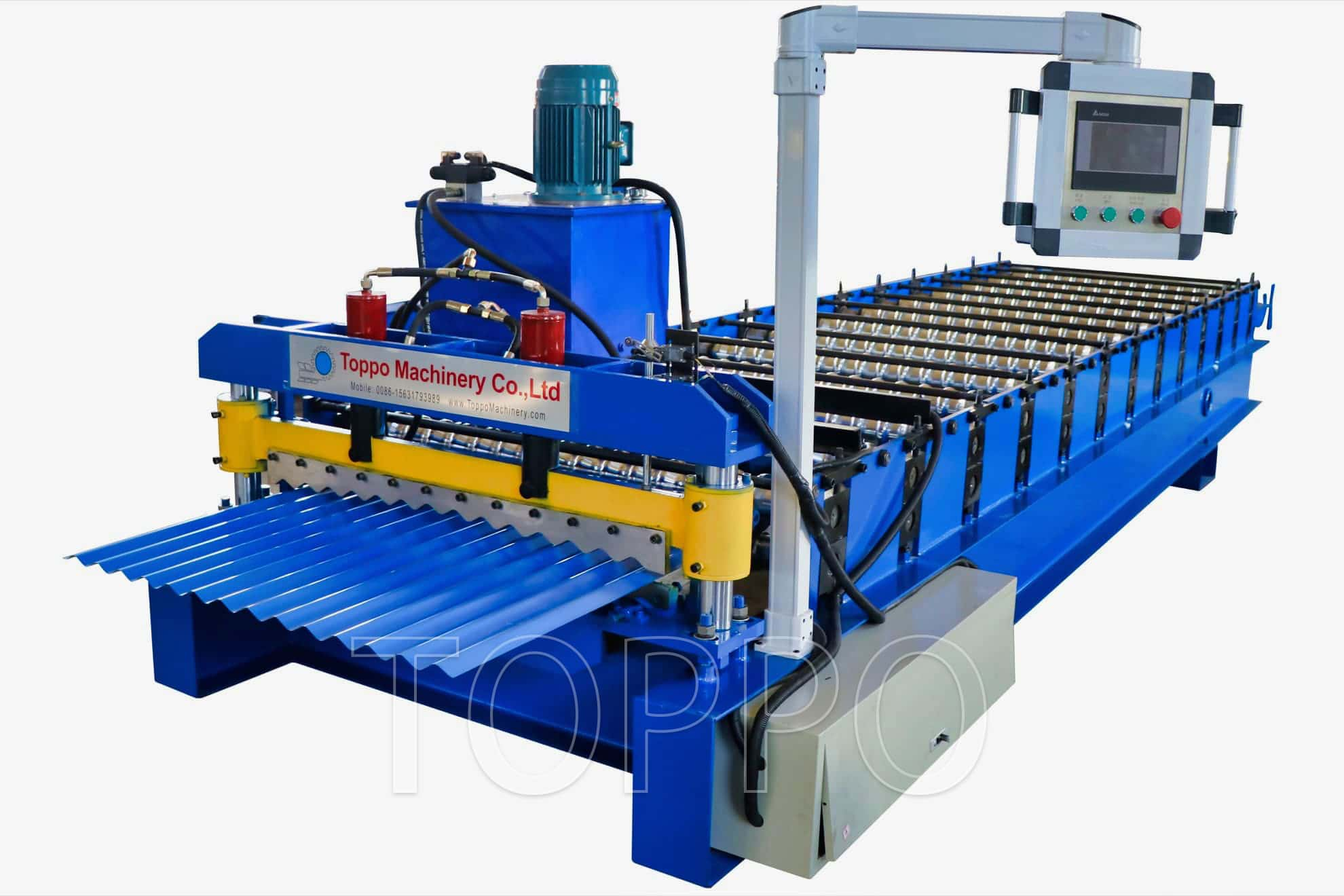
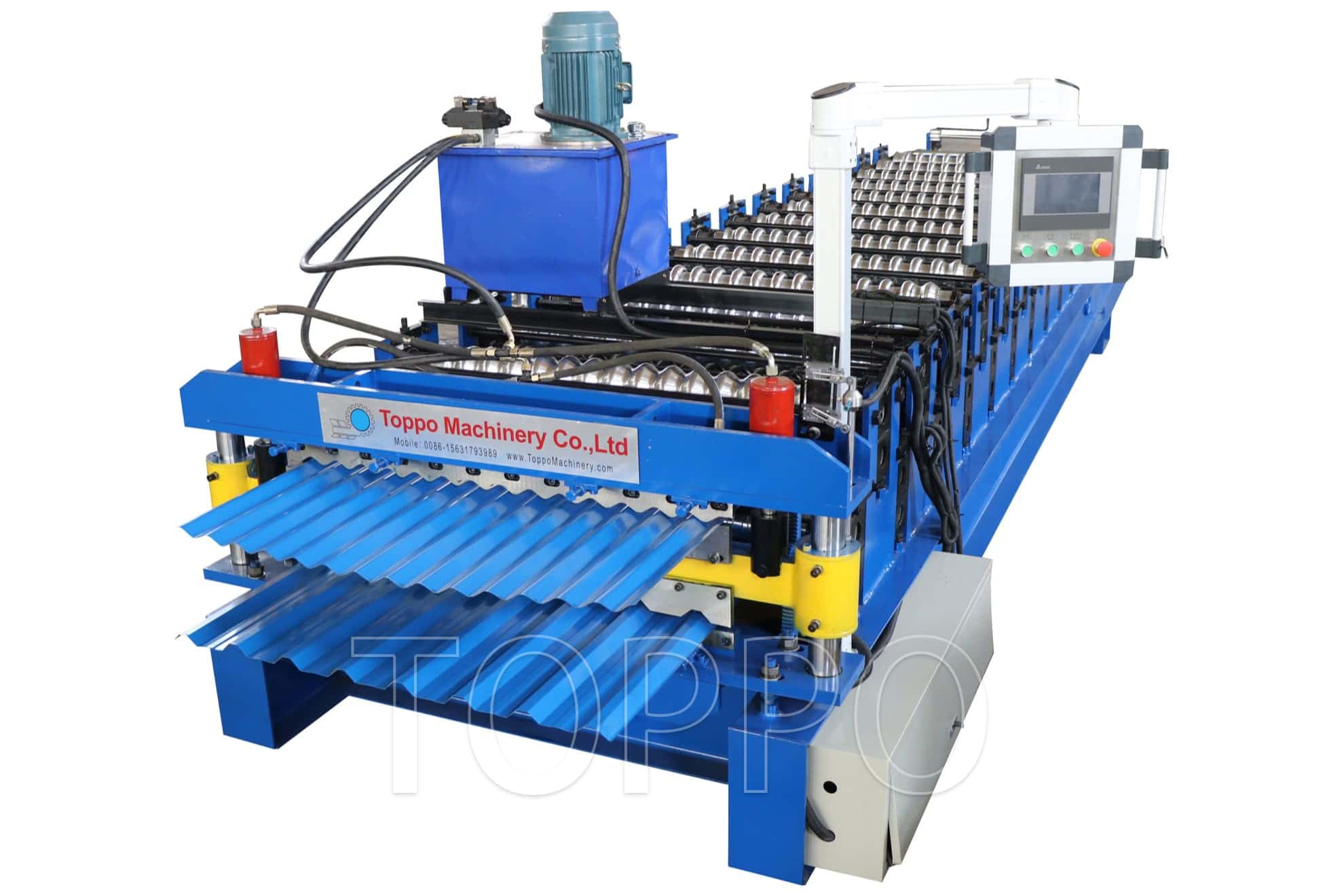
For small business owners in the construction or metal fabrication space, investing in a double layerroll forming machine can transform your production efficiency. This automaticroof panel making machinelets you produce two different roofing profiles with one piece of equipment, reducing upfront costs and floor space needs.
Whether you’re a new roofing sheet producer or looking to expand your product line, understanding how aroll forming machineworks and which model fits your needs is critical. This guide breaks down everything you need to know to make a smart purchase.
1. Core Benefits of aDouble DeckRoll Forming Machine
Adouble deckroll forming machine(also called adual layerroll forming machine) is designed for small businesses that want to maximize output without buying separate equipment. It combinestwo profile forming systemsin one unit, so you can switch between products quickly.
1.1 Cost and Space Savings
For small operations with limited factory space and budget, atwo layerroll forming machineoffers major advantages over buying single-profile machines.
Cuts equipment cost by 30-40% compared to purchasing two separate machines 【外链建议:Industry cost comparison data - Metal Construction Association report】
Reduces required floor space by up to 50%, ideal for small workshops
Lowers maintenance costs with shared hydraulic and control systems
Many smallmetal roofing manufacturersstart with this type of machine to expand their product catalog without overspending.
1.2 Flexible Production for Diverse Orders
Acombinedroll forming machinesupportstwo profile options, so you can take on more customer orders without extra setup time.
Switch between trapezoidal and corrugated sheets in minutes
Serve both residential and commercial roofing projects
Adjust production volume based on order size
Roofing contractorsandbuilding material suppliersoften work with producers that offer multiple profiles, making this flexibility a key competitive advantage.
2. Common Types ofTwo ProfileRoll Forming Machines
Not alldouble tierroll forming machines are the same. Different models are built for specific roofing profiles and material types. Choosing the right type depends on your target market and product focus.
2.1 Popular Profile-Specific Models
There are several specializedtwo profileroll forming machinevariants for common roofing sheet styles.
Double layer trapezoidal roofing machine: Produces standard trapezoidal sheets for industrial and commercial roofs
Double layer corrugated roofing machine: Makes classic corrugated sheets for residential and agricultural buildings
IBRdouble layerroll forming machine: Designed for IBR (Inverted Box Rib) profiles popular in African and Middle Eastern markets
Trapezoidal and corrugatedroll forming machine: The most versatile 2 in 1 option for general roofing production
Adouble layer roof panel machinewith mixed profiles is usually the best choice for small businesses serving a broad customer base.
2.2 Material-Specific Variants
Somedual profileroll forming machines are optimized for specific metal materials, ensuring better forming quality.
Double layer color steelroll forming machine: For color-coated steel coils used in decorative roofing
Double layer steel roofing sheet machine: For galvanized steel sheets for standard roofing applications
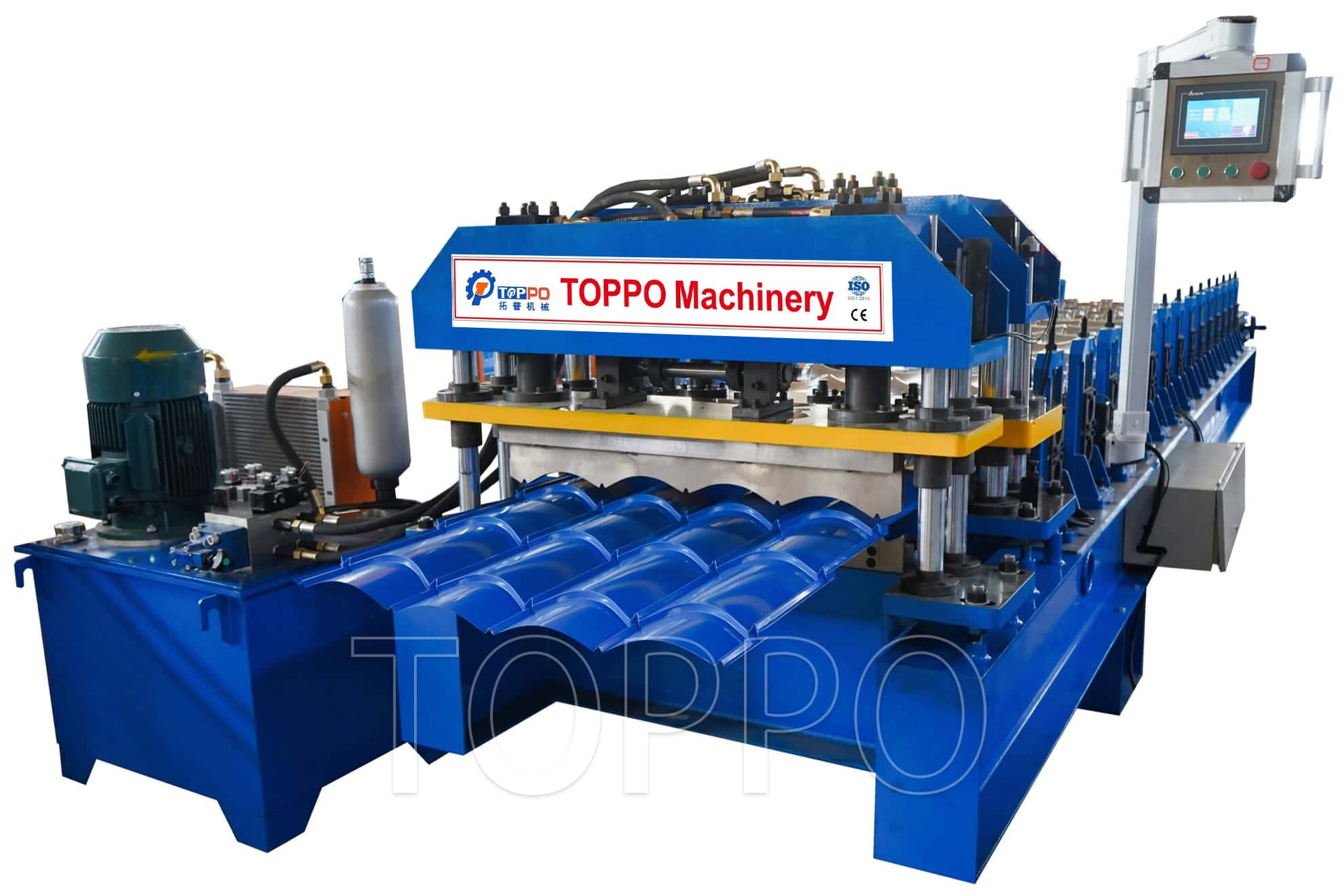
Double layer roof tile forming machine: For tile-effect metal sheets that mimic traditional clay or concrete tiles
Steel sheet manufacturersandsteel coil processing companiesoften choose material-specific models for consistent output quality.
3. Key Technical Parameters to Evaluate
When comparingdouble layer metal sheet forming machines, focus on core parameters that affect production speed, quality, and long-term reliability. These specs directly impact your business’s output capacity and profit margins.
3.1 Production and Forming Specs
The most critical parameters relate to how much and what type of material the machine can process.
Roll forming speed/working speed 0-30 m/min: Determines daily output; 15-25 m/min is standard for small businesses
Forming thickness/steel coil thickness: Typically 0.3-0.8 mm for common roofing sheets
Forming width: Usually 1000-1250 mm to match standard coil sizes
Independent forming stations: Ensures each profile has dedicated rollers for better precision
For reference, a machine with 20 m/min working speed can produce 1200 meters of roofing sheet per 8-hour shift. 【内链建议:roll forming machineproduction calculator / Production capacity calculation guide】
3.2 Core Component Quality
The quality of key components determines the machine’s lifespan and maintenance needs.
Roller material: High-chromium steel rollers are durable and produce smooth, scratch-free sheets
Hydraulic cutting system: Delivers clean, burr-free cuts with consistent length accuracy
PLC control system: Enables easy operation,
automatic length measurement, and error alerts
Profile changeover system: Allows fast switching between the two profiles without manual adjustment
Acombined roofing sheetroll forming machinewith aPLC control systemis easy to operate, even for workers with limited technical experience.
4. Is This Machine Right for Your Small Business?
Adouble layer roofing machineis a smart investment for many small businesses, but it’s not the best fit for every operation. Evaluate your business type, order volume, and growth plans before purchasing.
4.1 Ideal Customer Groups
This type of machine is particularly beneficial for the following small business types:
- Roofing sheet producers
and
roof panel production factorieslooking to expand product lines
- Metal fabrication companies
adding roofing sheet manufacturing to their services
- Roll forming machinedistributors
and
roofing material wholesalersstocking equipment for clients
- Prefabricated building manufacturers
and
steel structure companiesproducing their own roofing materials
- Industrial building contractors
and
construction companieswith consistent roofing project volume
For example, a small roofing contractor in Texas increased their annual revenue by 28% after adding adouble layerroll forming machineto produce their own sheets instead of sourcing from suppliers. 【外链建议:Small business roofing growth case study - NationalRoofing ContractorsAssociation】
4.2 Purchase Tips for Small Business Owners
To get the best value for your investment, follow these practical tips when buying aroof panel making machine.
Start with a standard trapezoidal and corrugated model if you’re unsure of market demand
Prioritize machines with PLC control and hydraulic cutting for long-term reliability
Ask suppliers about after-sales support, including installation and spare parts supply
Calculate payback period based on your local market pricing and production volume
For most small businesses, a mid-rangedouble layer steel roofing sheet machinepays for itself within 12-18 months of regular