How to Choose and Operate aDouble LayerRoll Forming Machinefor Small Business
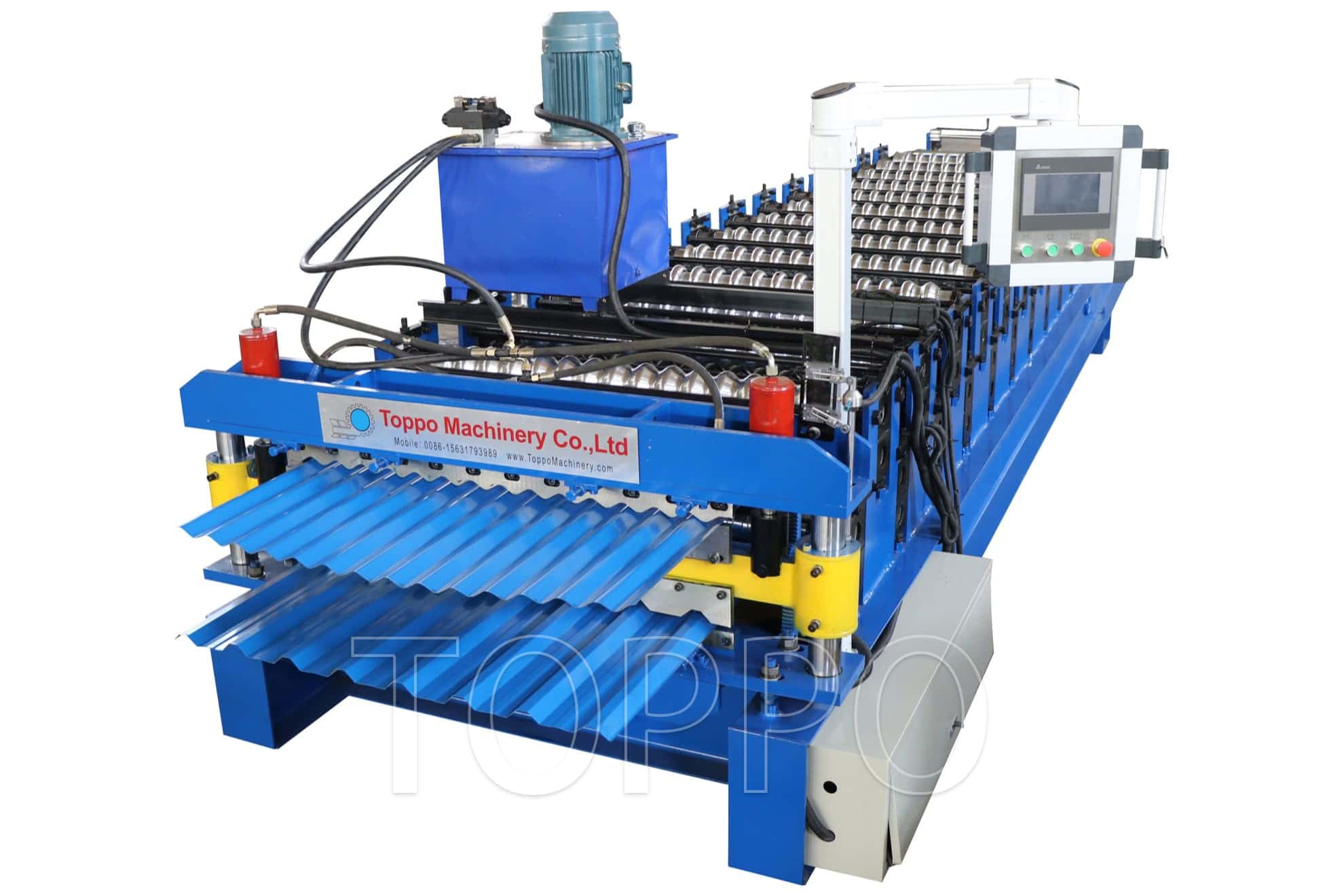
If you run a small metal roofing or fabrication business, adouble layerroll forming machineis one of the most cost-effective upgrades you can make. This 2-in-1roof panel making machineproduces two different panel profiles from a single unit, cutting equipment costs and floor space needs by nearly 50% compared to buying two separate machines.
For small business owners working with tight budgets and limited workshop space, understanding how to select, set up, and maintain thisroll forming machinedirectly impacts your production efficiency and profit margins. This guide breaks down every step for first-time buyers and new operators.
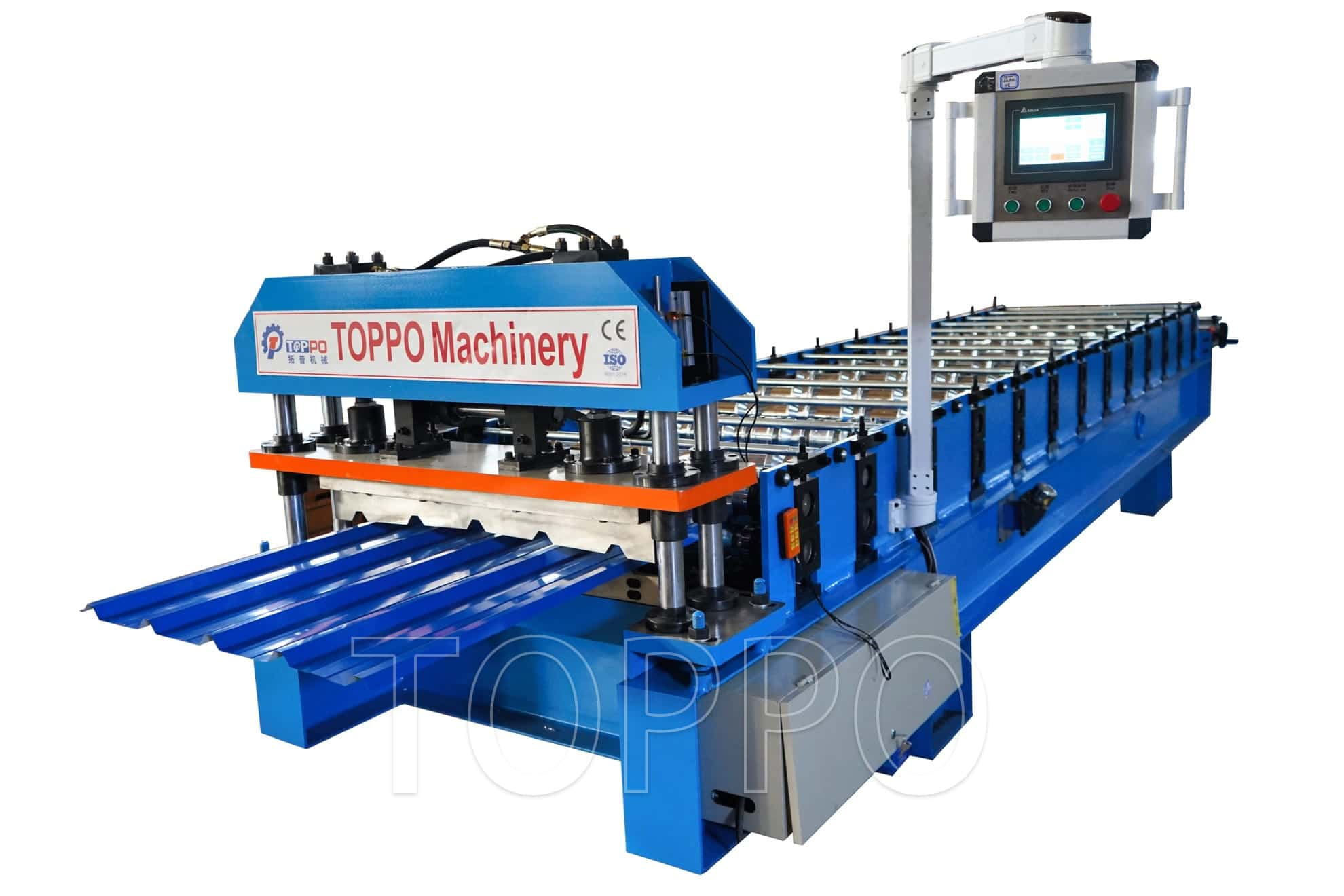
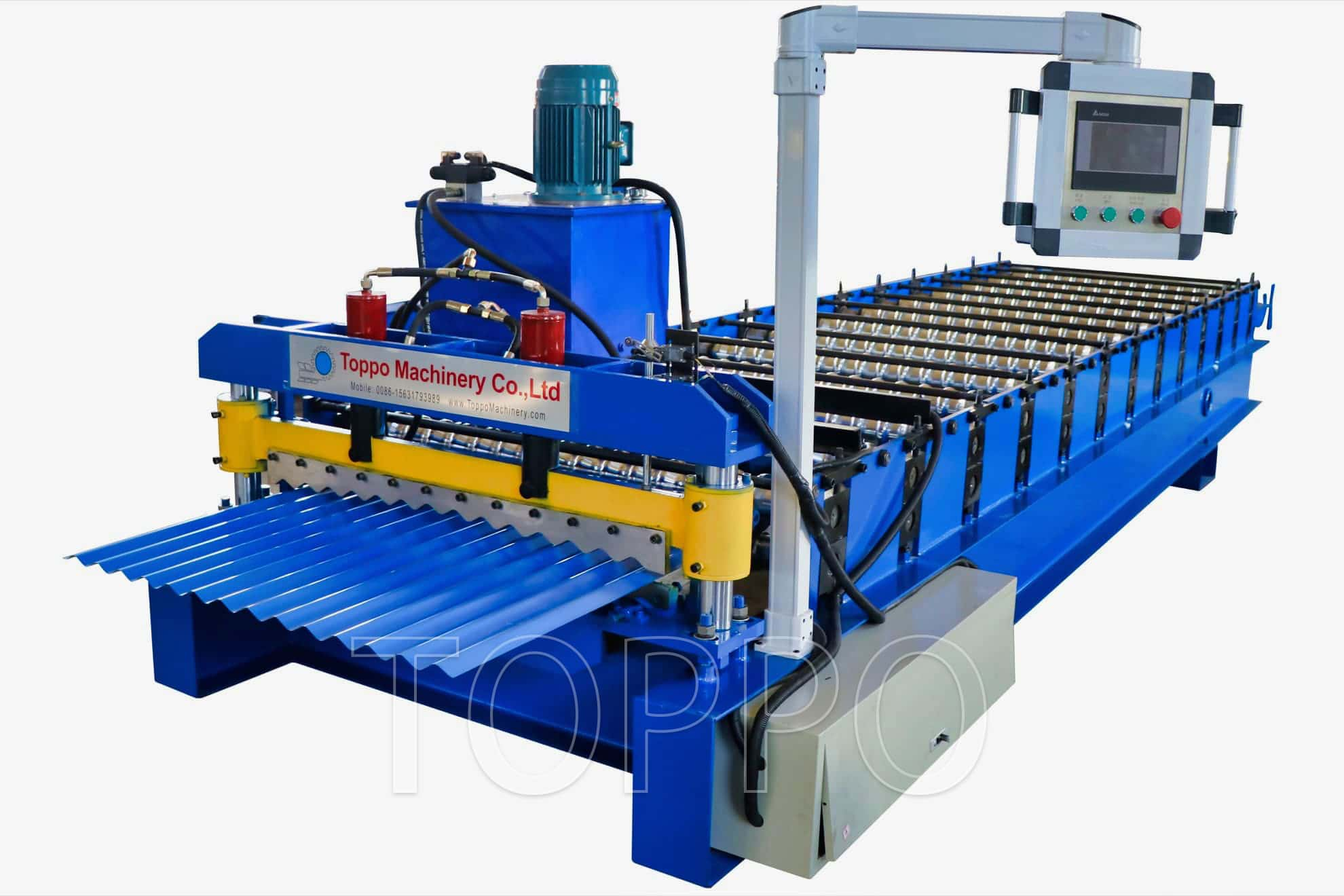
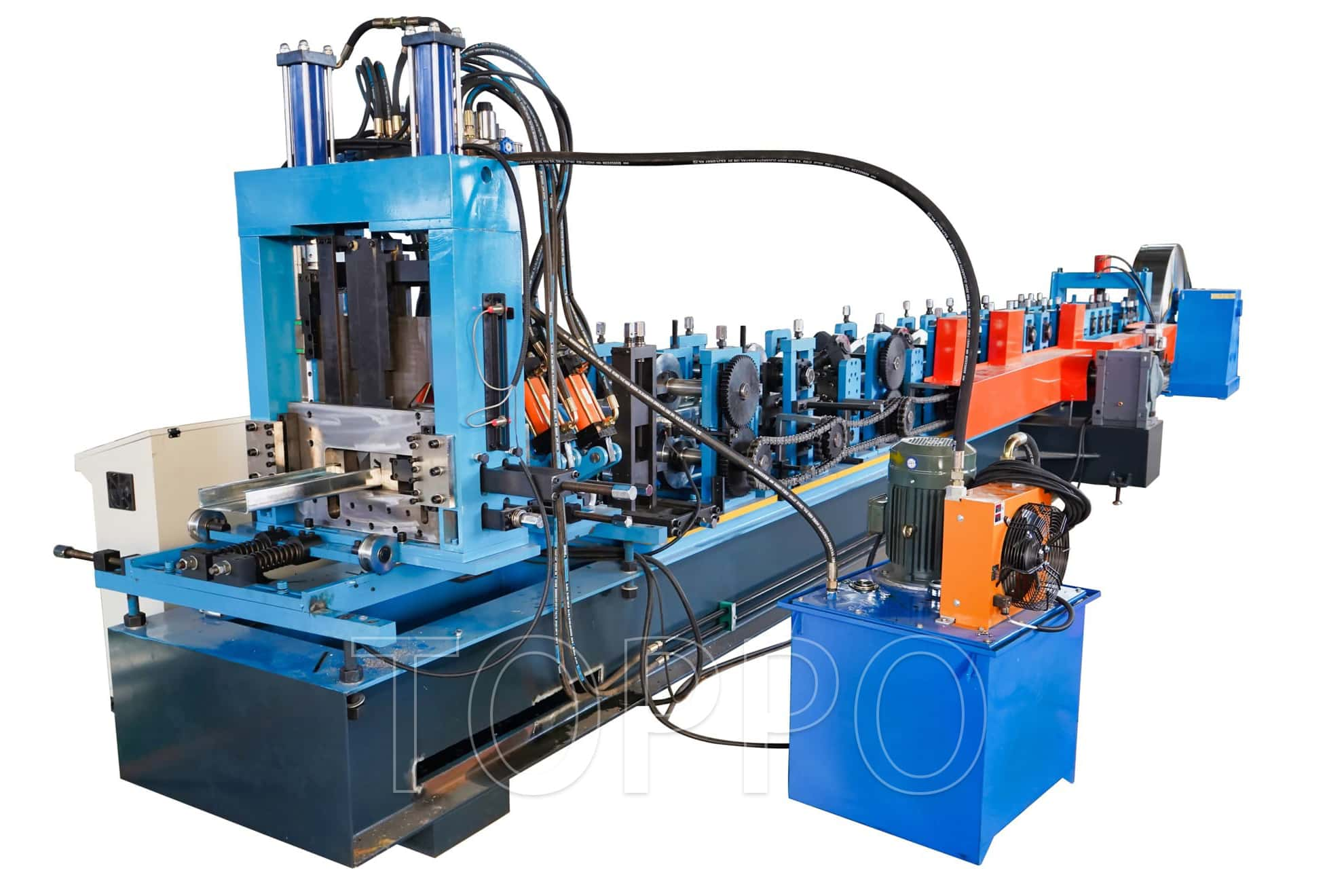
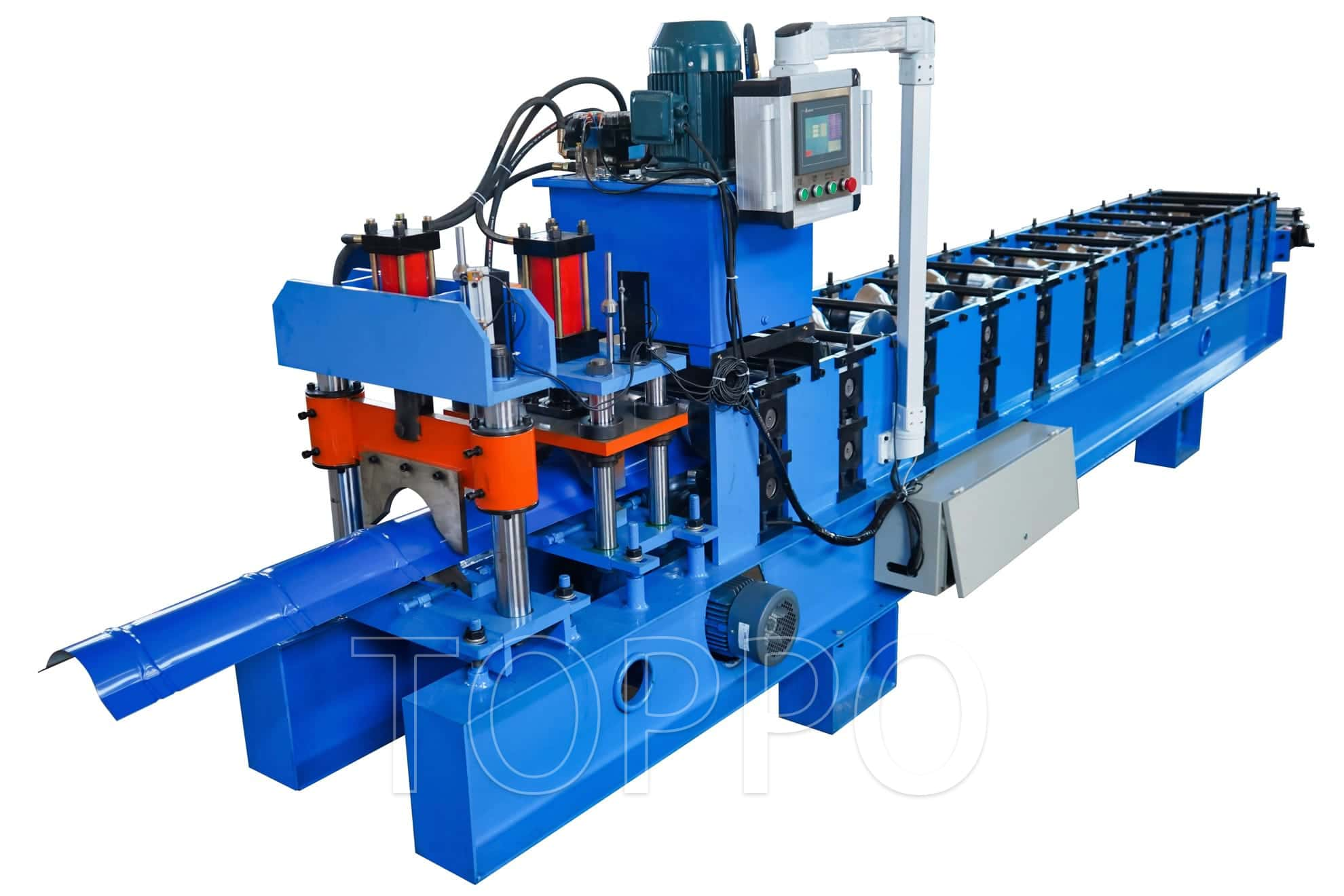
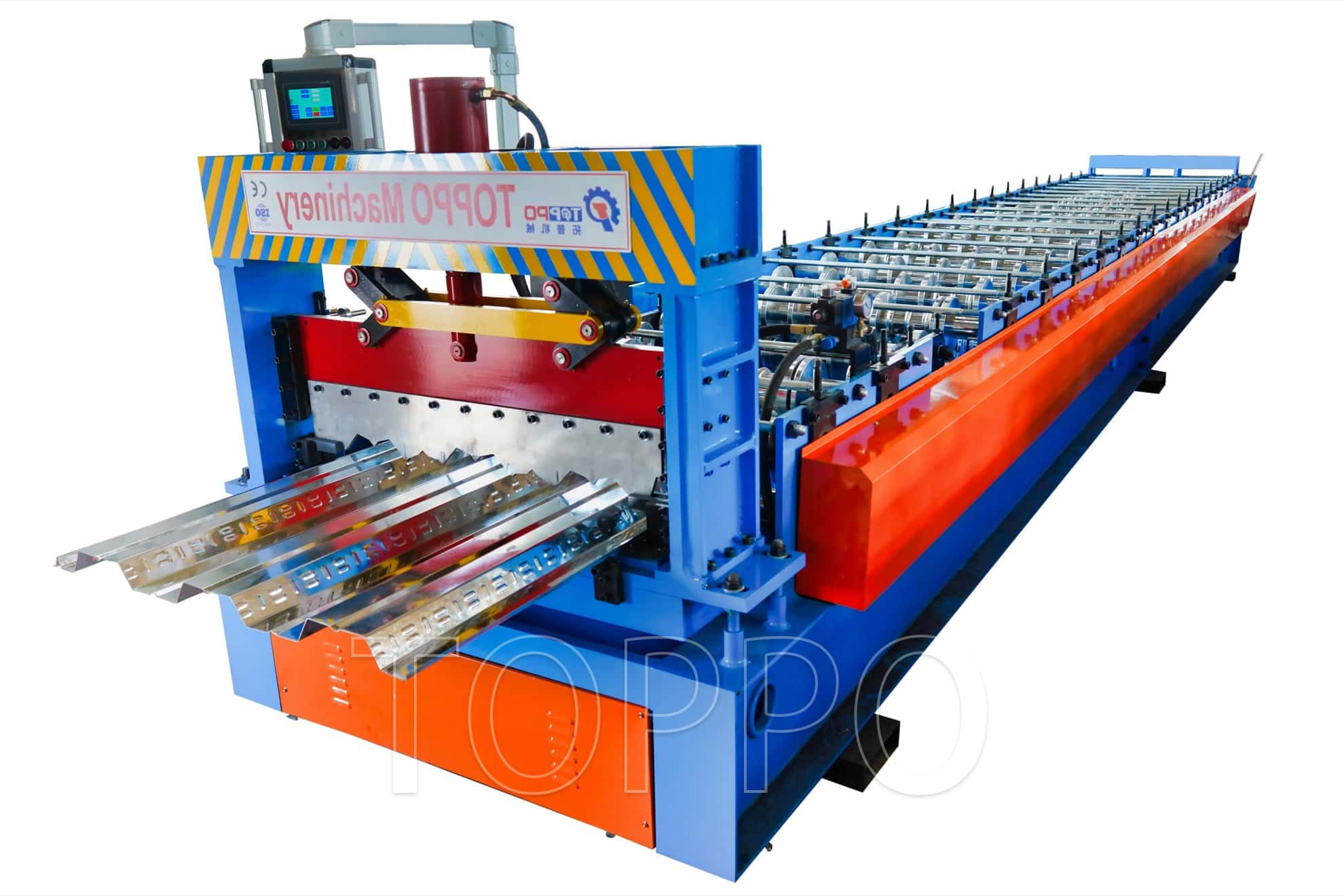
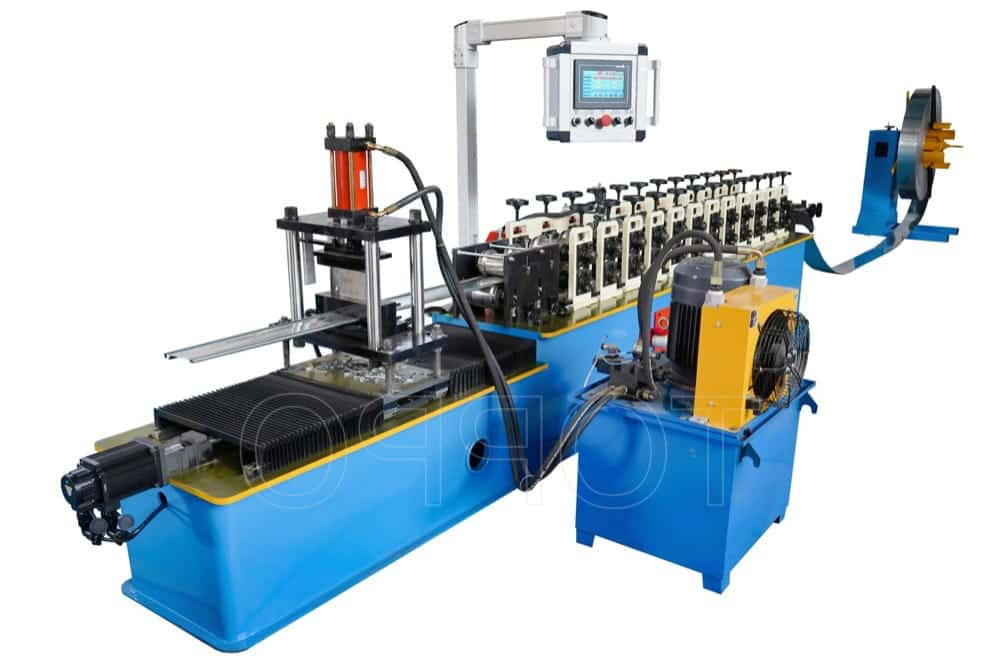
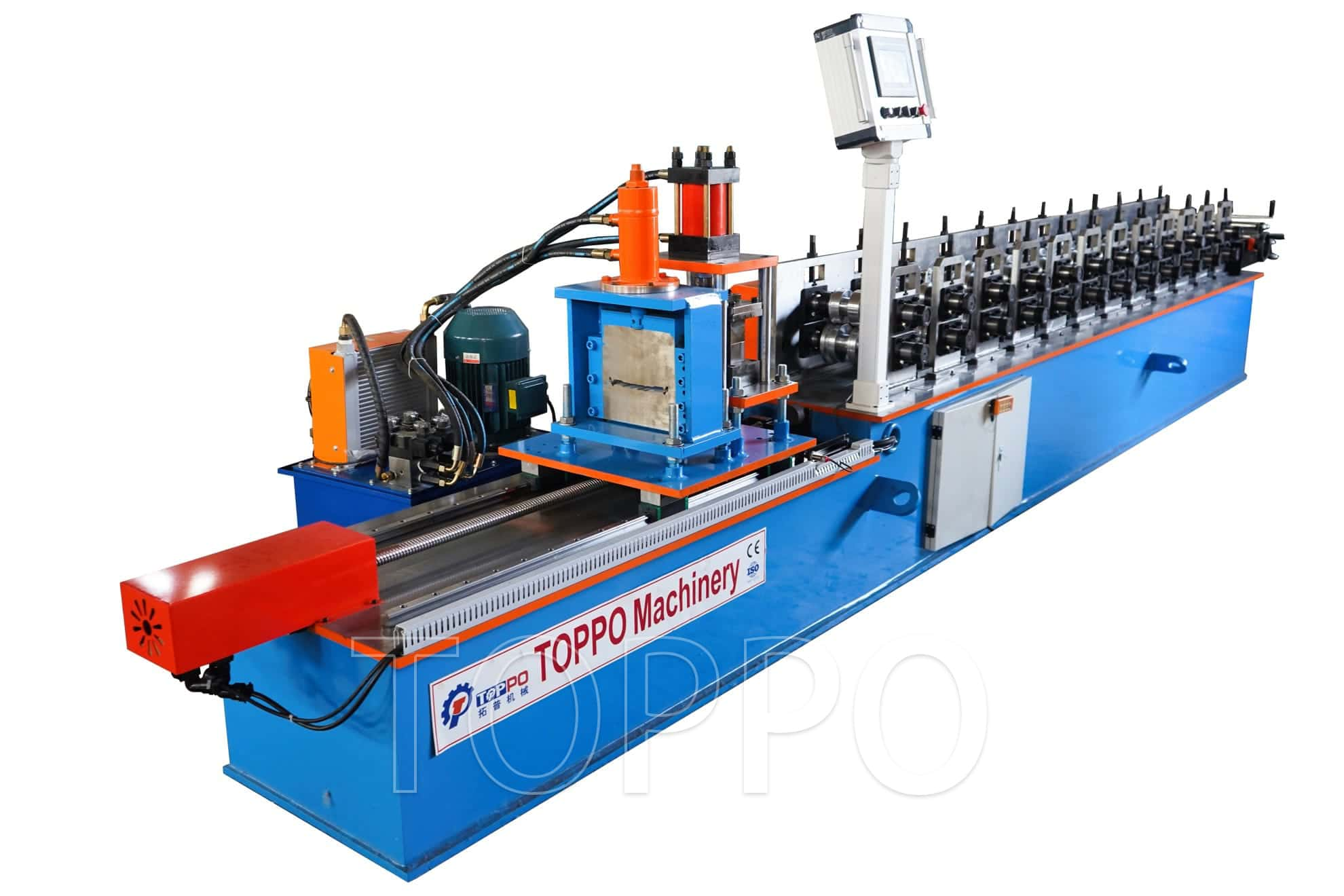
Double layerroll forming machinein a small metal roofing workshop
alt: Industrialdouble layerroll forming machineproducing color steel roof panels in a small factory
1. How to Select the RightDouble DeckRoll Forming Machinefor Your Business
Picking the wrongdual layerroll forming machineleads to wasted budget, lost production time, and inability to meet client orders. For small businesses, matching machine capabilities to your core order volume is the first priority.
1.1 Match Machine Type to Your Core Product Lines
Most small roofing businesses focus on 2-3 common panel styles, so choose atwo layerroll forming machinethat aligns with your highest-demand products.
Common configurations for small operations include:
- Double layer trapezoidal roofing machine
+ corrugated panel setup for residential roofing orders
- IBRdouble layerroll forming machine
for commercial and industrial building projects
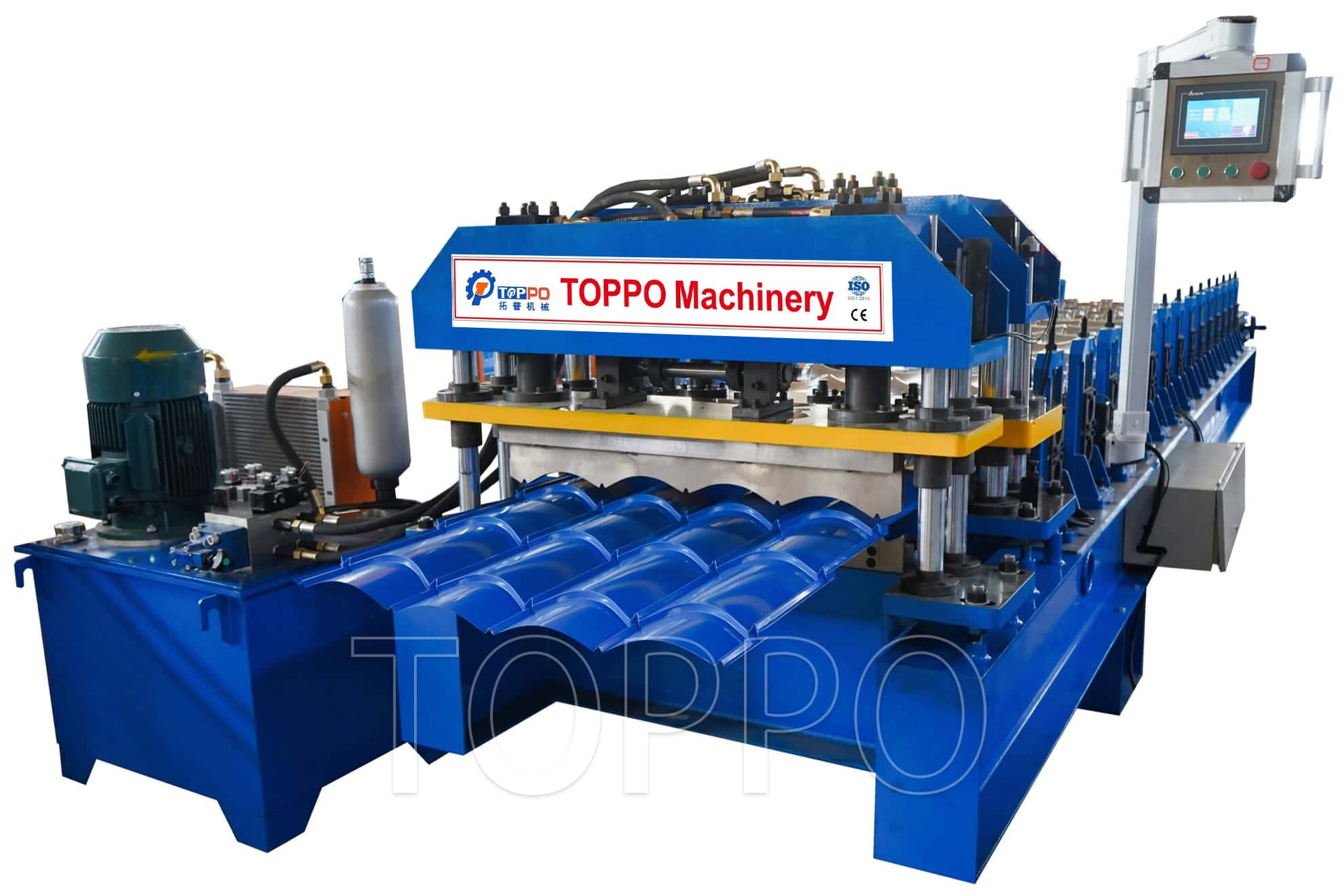
- Double layer roof tile forming machine
for decorative residential roofing markets
If you serve both residential and small commercial clients, atrapezoidal and corrugatedroll forming machineoffers the most flexible order coverage without overspending.
1.2 Verify Key Technical Parameters for Your Workflow
Never buy adouble tierroll forming machinebased on price alone. Confirm these core parameters match your raw material and output needs:
- Forming thickness
: Match to your standard
steel coil thickness(most small businesses use 0.3-0.8mm color steel)
- Forming width
: Align with your commonly used coil width (typically 1000-1250mm for standard roofing panels)
- Working speed 0-30 m/min
: Choose adjustable speed models to handle both thin decorative panels and thicker structural sheets
- Roller material
: Opt for 45# steel or chrome-plated rollers for longer wear life with daily use
For smallmetal roofing manufacturers, acombined roofing sheetroll forming machinewithtwo profile optionsdelivers enough versatility for 80% of common orders.
2. Step-by-Step Setup of YourTwo ProfileRoll Forming Machine
Proper setup ensures yourdual profileroll forming machineproduces consistent, high-quality panels from the first run. Small business teams can complete full setup in 1-2 days with basic mechanical skills.
2.1 Pre-Installation Preparation for Your Workshop
Before yourcombinedroll forming machinearrives, complete these site prep steps to avoid installation delays:
Clear a 12m x 3m flat, level workspace for the machine, decoiler, and output table
Install 3-phase power supply matching the machine’s motor requirements (usually 7.5-15kW for small models)
Arrange a dedicated raw material storage area for steel coils near the decoiler end
Assign 2-3 trained staff to oversee installation and initial testing
Roofing contractorsand smallroof panel production factoriesoften skip proper floor leveling, which causes uneven panel forming and premature roller wear.
2.2 Machine Assembly and Calibration Process
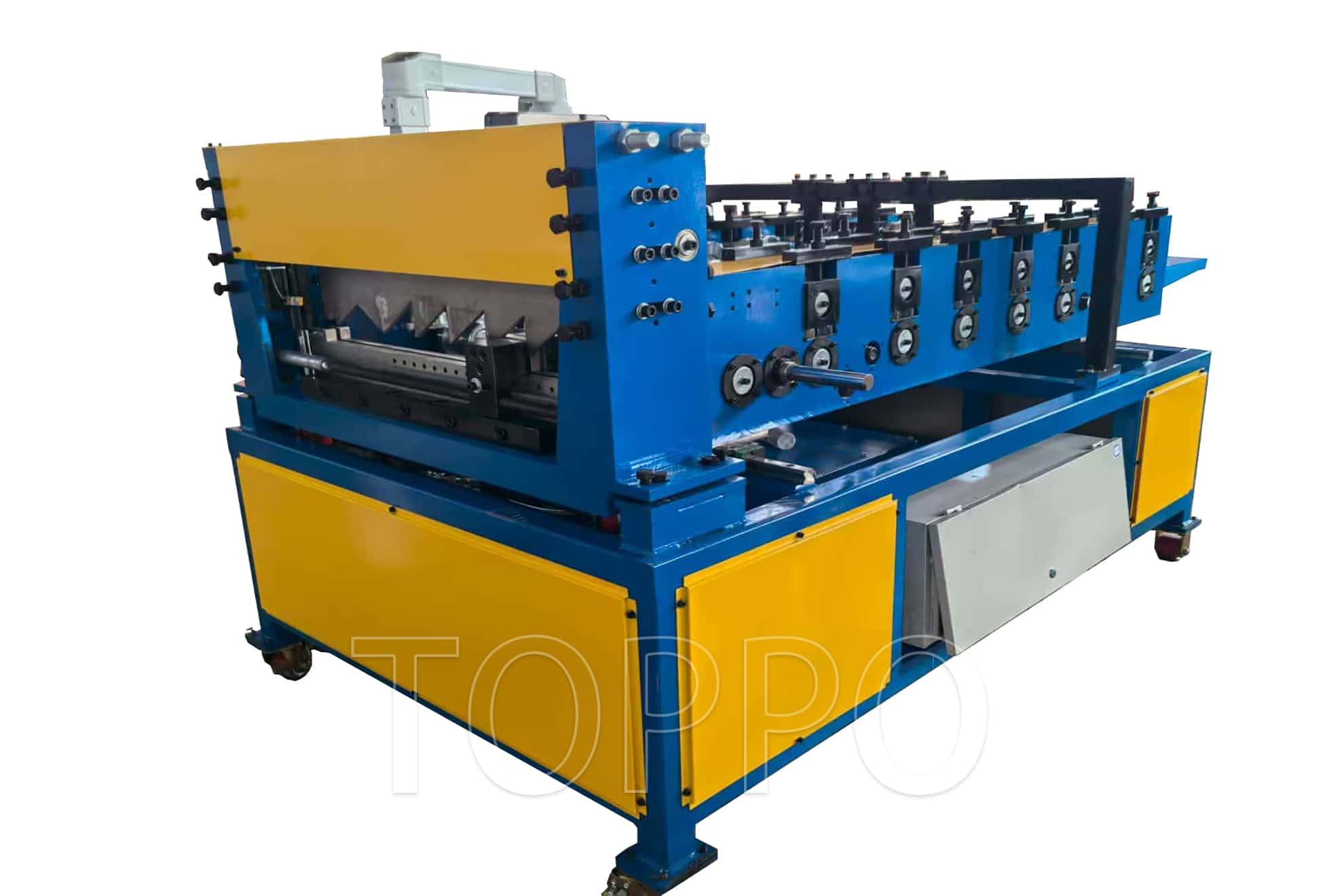
Mostdouble layer roofing machineunits arrive partially assembled, with the main forming frame pre-built. Follow this calibration sequence:
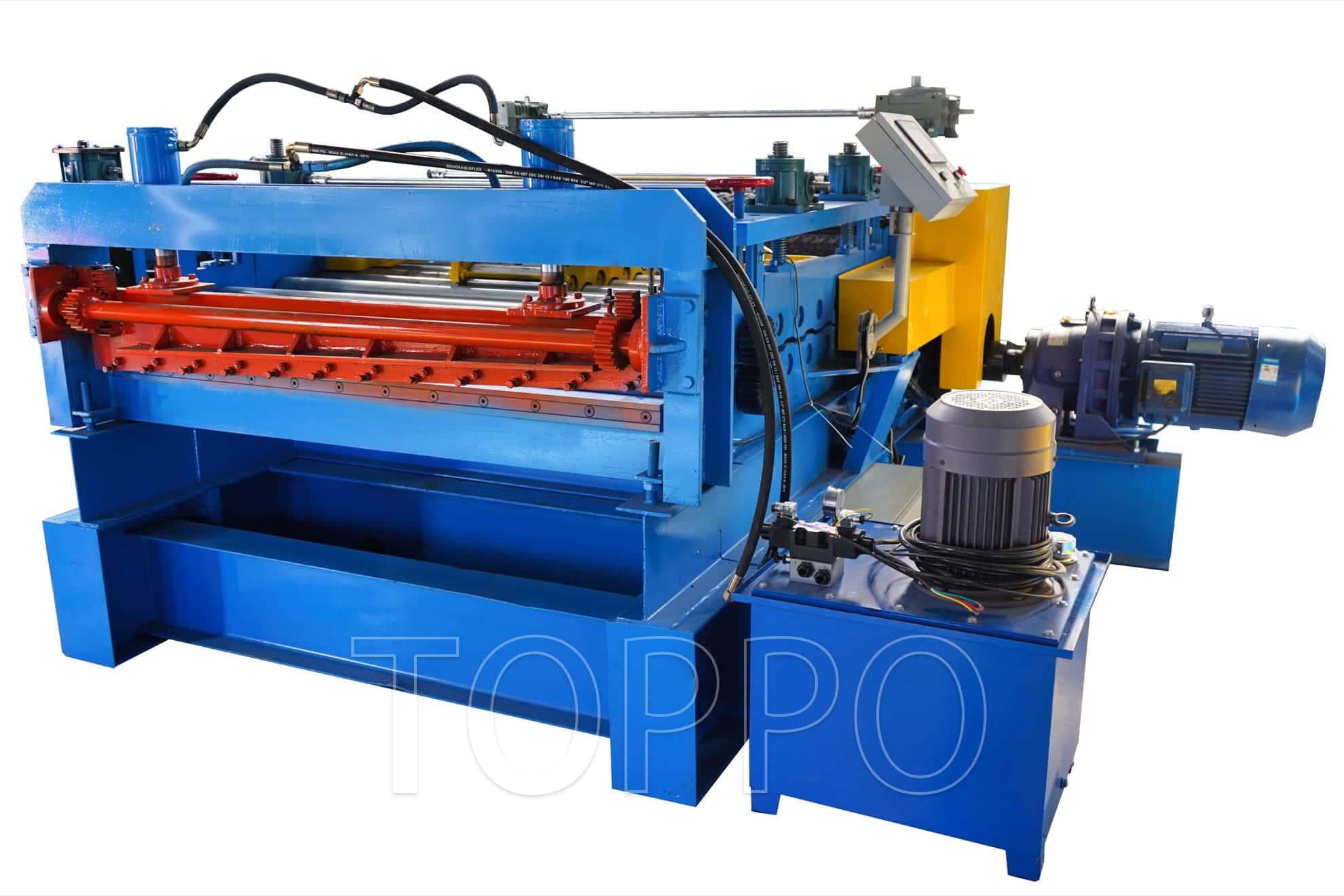
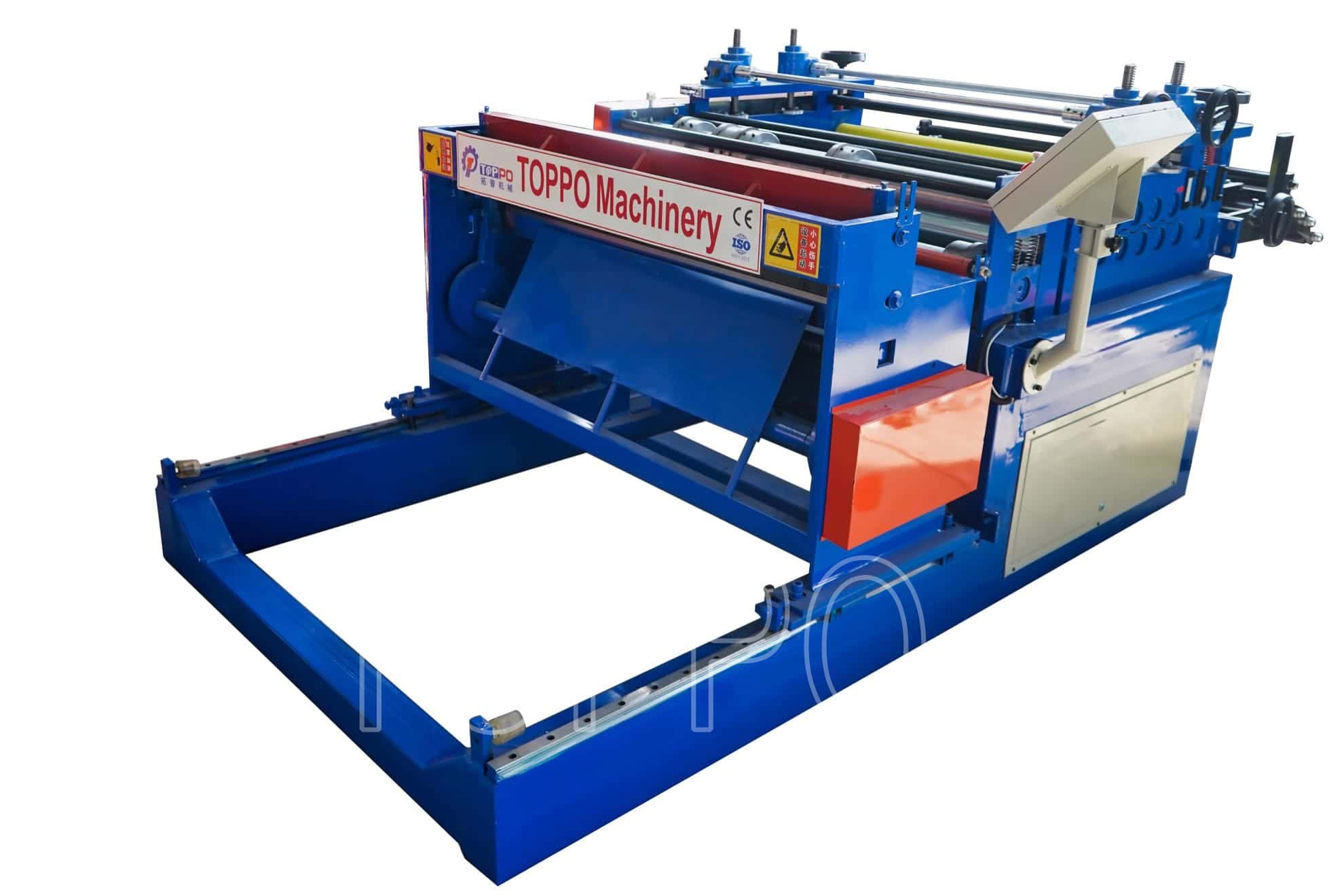
Mount the decoiler unit and align it with the feed inlet of the main forming frame
Adjust
independent forming stationsfor both top and bottom profiles using the included gauge tools
Test the
hydraulic cutting systemwith scrap steel to ensure clean, burr-free cuts
Program the
PLC control systemwith your standard panel lengths and batch quantities
Run 5-10 test panels and measure dimensions to fine-tune forming alignment
A well-calibrateddouble layer roof panel machinewithautomatic length measurementreduces material waste by 3-5% compared to manual cutting methods.
3. Daily Operation Tips for Maximum Production Efficiency
Even the highest-quality2 in 1roll forming machinewill underperform without proper operating procedures. For small teams, standardized daily workflows reduce errors and extend equipment life.
3.1 Standard Daily Operating Routine
Follow this 10-minute pre-start checklist every shift to avoid downtime:
Inspect all safety guards and emergency stop buttons for proper function
Lubricate roller bearings and chain drives per the manufacturer’s schedule
Verify steel coil alignment on the decoiler to prevent skewed feeding
Test the
profile changeover systembetween the two profiles to confirm smooth switching
Forsteel sheet manufacturersandsteel coil processing companies, a consistent pre-shift check cuts unplanned downtime by up to 40% annually.
3.2 Quick Profile Changeover for Mixed Orders
One of the biggest advantages of adouble layer metal sheet forming machineis fast switching between profiles for mixed batch orders.
To reduce changeover time:
Pre-set both profile parameters in the
PLC control systemfor one-click switching
Keep dedicated cutting dies for each profile mounted and ready for use
Train at least two staff members on changeover procedures to avoid workflow gaps
Building material suppliersandroofing material wholesalersoften use this fast changeover feature to fill small, mixed-profile orders for localconstruction companiesandsteel structure companieson the same day.
4. Maintenance and Cost-Saving Tips for Long-Term Use
For small business owners, extending the lifespan of yourdouble layer color steelroll forming machinedirectly reduces long-term capital costs. A well-maintained unit can last 10+ years with daily use.
4.1 Regular Maintenance Schedule
Stick to this simple maintenance plan tailored for small operations:
Daily: Clean metal shavings and debris from forming stations and cutting area
Weekly: Inspect hydraulic fluid levels and check for leaks in the
hydraulic cutting systemMonthly: Calibrate
roll forming speedand
automatic length measurementsensors
Quarterly: Inspect
roller materialsurface for wear and re-lubricate all moving parts
Industrial building contractorsandprefabricated building manufacturersnote that consistent maintenance reduces replacement part costs by 25-30% per year.
4.2 Cost-Saving Strategies for Small Operations
If you’re working with a limited budget, these tips help you get the most value from yourdouble layer steel roofing sheet machine:
Buy from reputable
roll forming machinedistributorsthat offer local after-sales support, not just the lowest price
Start with a standard trapezoidal and corrugated configuration before adding custom profiles
Use high-quality raw materials to reduce roller wear and panel rejection rates
Offer both panel profiles to your existing client base to increase average order value
Formetal fabrication companiesandroofing sheet producers, this approach typically delivers a return on investment within 12-18 months for small-scale operations.
Finished double layer roof panels stacked in a small business warehouse
alt: Stacked corrugated and trapezoidal metal roof panels produced by adouble layerroll forming machine