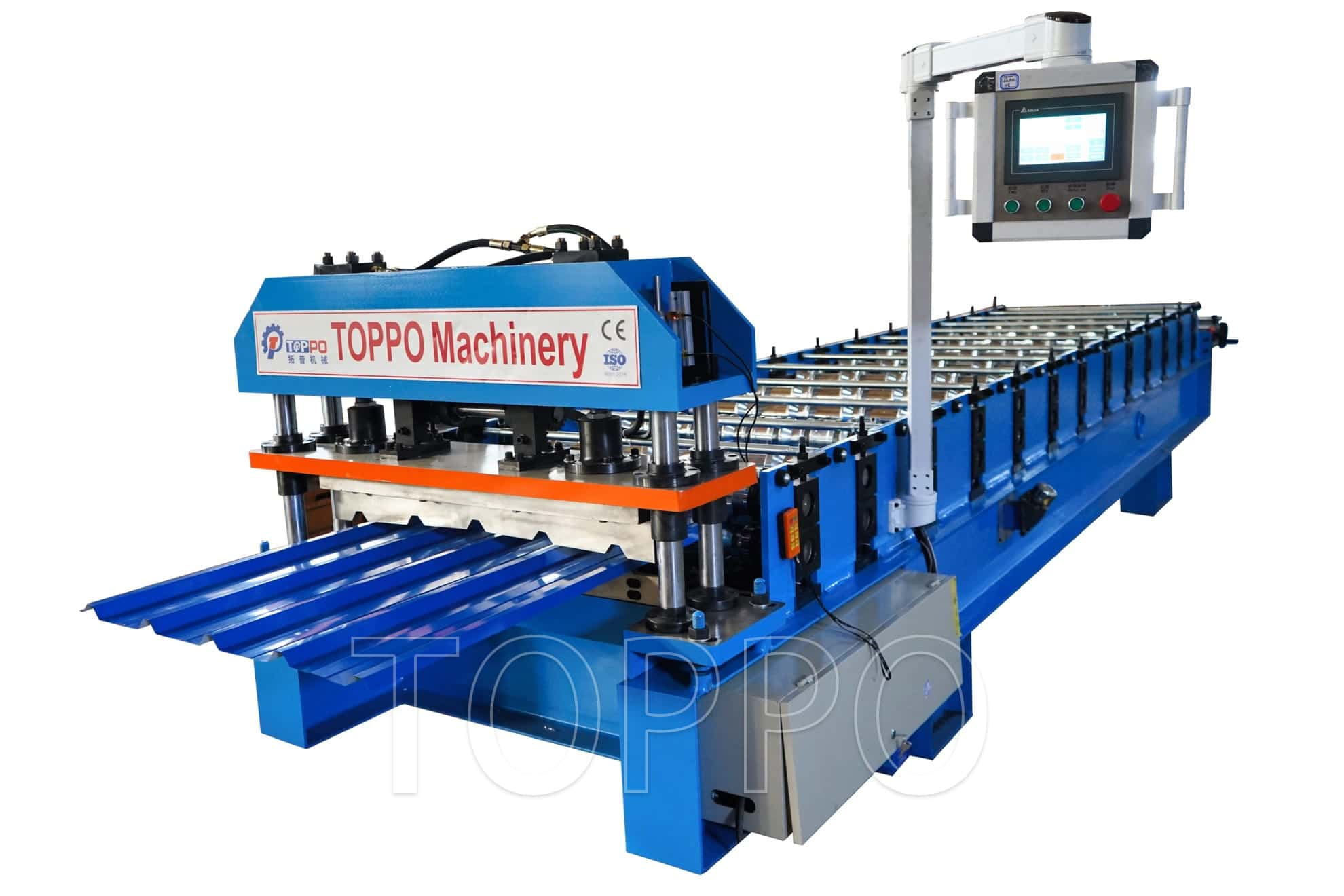
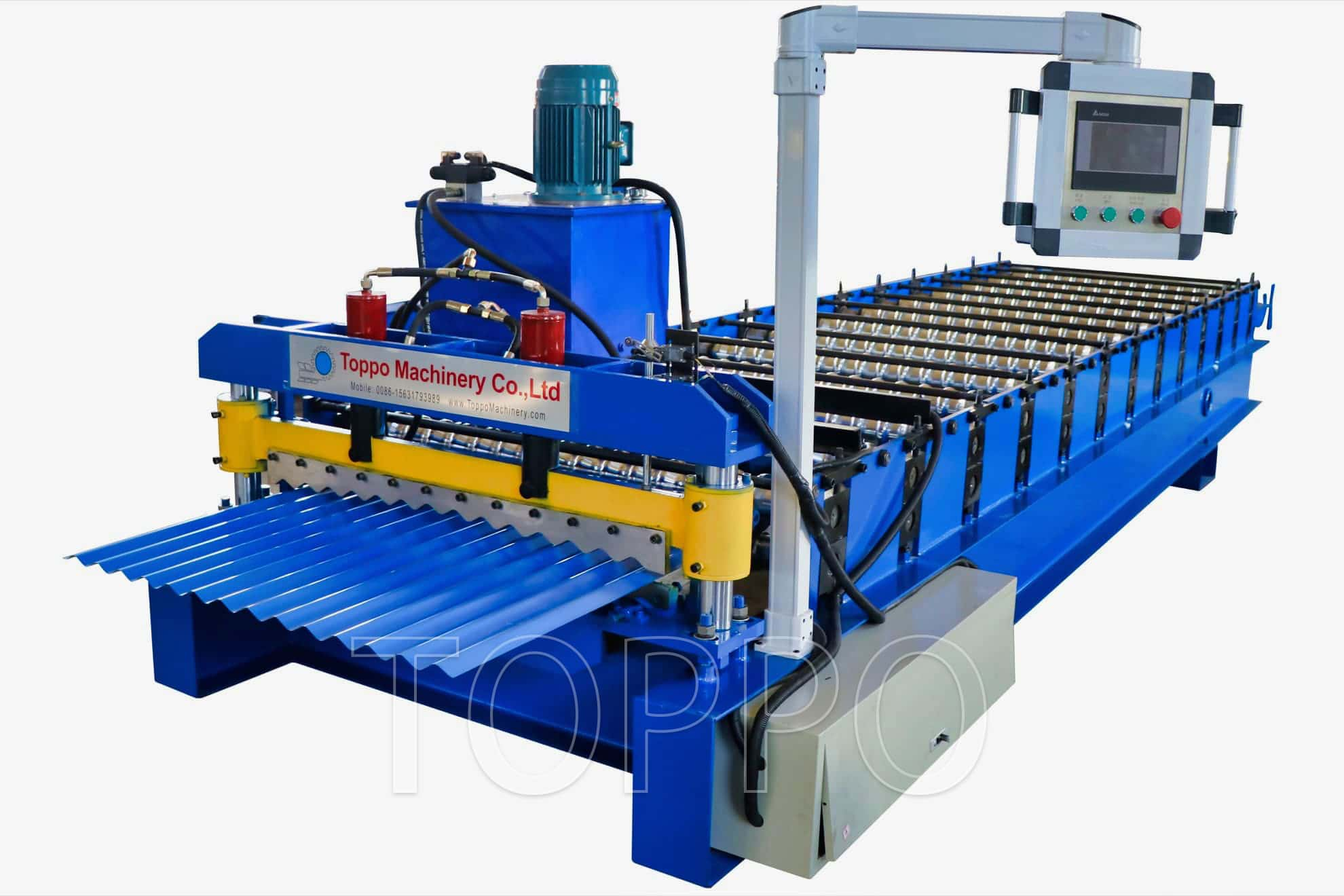
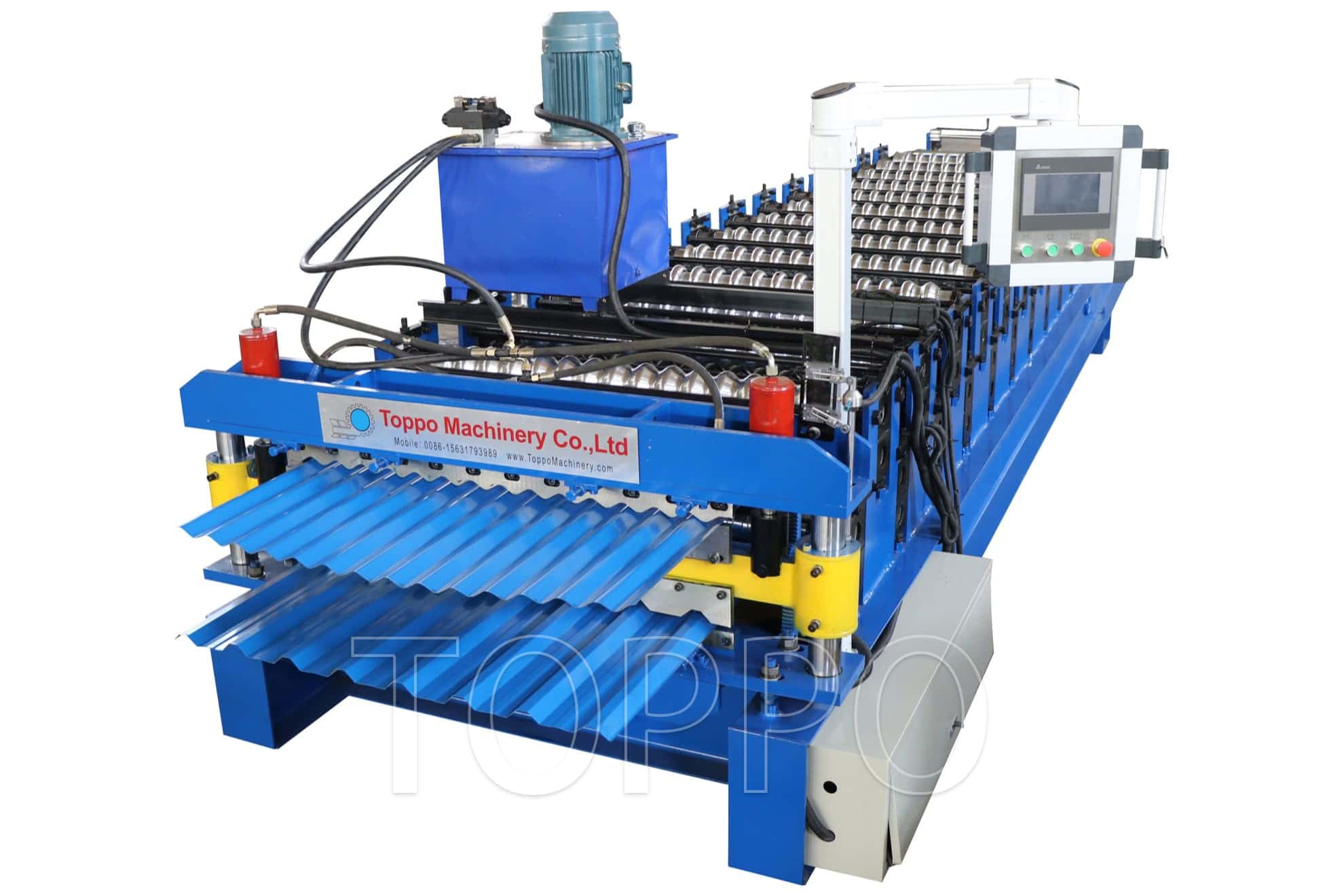
Double LayerRoll Forming Machine: 2024 Comparison for Small Business Owners
If you run a small metal fabrication company or roofing supply business, investing in a double layerroll forming machine can cut production costs by 30-40% while doubling your product range. This 2-in-1roll forming machinelets you produce two common roof profiles on one line, saving floor space and upfront capital.
In this comparison review, we break down top models, key specs, and ROI for small business owners. We also cover how aroof panel making machinefits into small-scale production workflows.
1. Core Types ofDouble DeckRoll Forming Machines
Before comparing specs, it’s critical to match the machine type to your product lineup. Small businesses usually focus on 2-3 high-demand profiles to keep inventory low.
1.1 By Profile Combination
The most popular models for small operations fall into three main categories, each optimized for specific market needs:
Trapezoidal and corrugatedroll forming machine: Produces both classic corrugated sheets and trapezoidal panels, ideal for general residential and small commercial projects
IBRdouble layerroll forming machine: Specialized for South African and Southeast Asian markets, with IBR and corrugated profile options
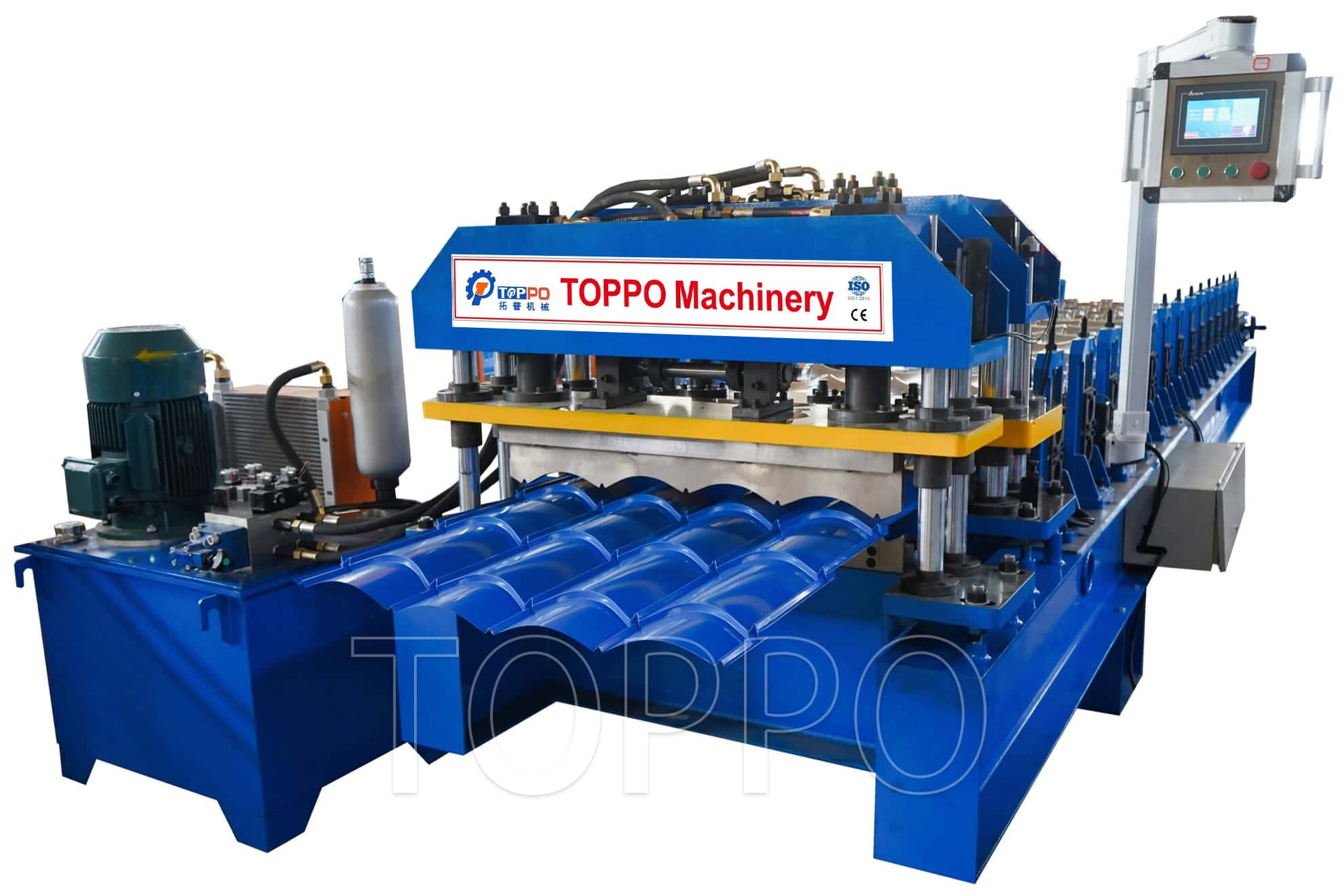
Double layer roof tile forming machine: Makes tile-effect panels alongside standard roofing sheets, targeting premium residential customers
For most smallmetal roofing manufacturers, a trapezoidal-corrugatedcombined roofing sheetroll forming machinedelivers the broadest market appeal with minimal setup.
1.2 By Automation Level
Small business owners can choose between three automation tiers, depending on budget and labor availability:
Semi-automatic: Requires manual coil loading and length adjustment, lowest cost
Fully automatic: Includes
PLC control system,
automatic length measurement, and
hydraulic cutting systemSmart connected: Adds remote monitoring and production tracking, suitable for scaling
roof panel production factories
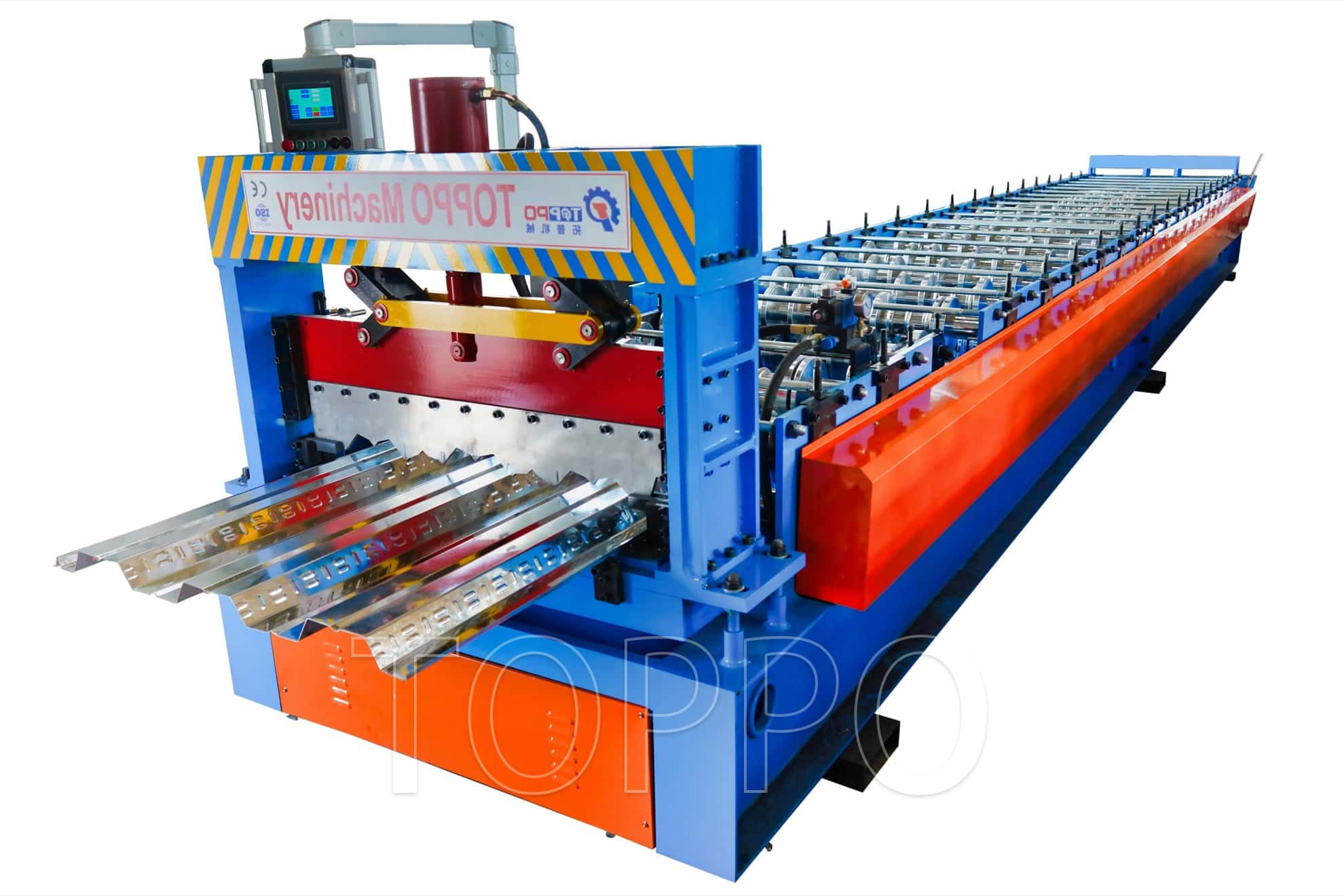
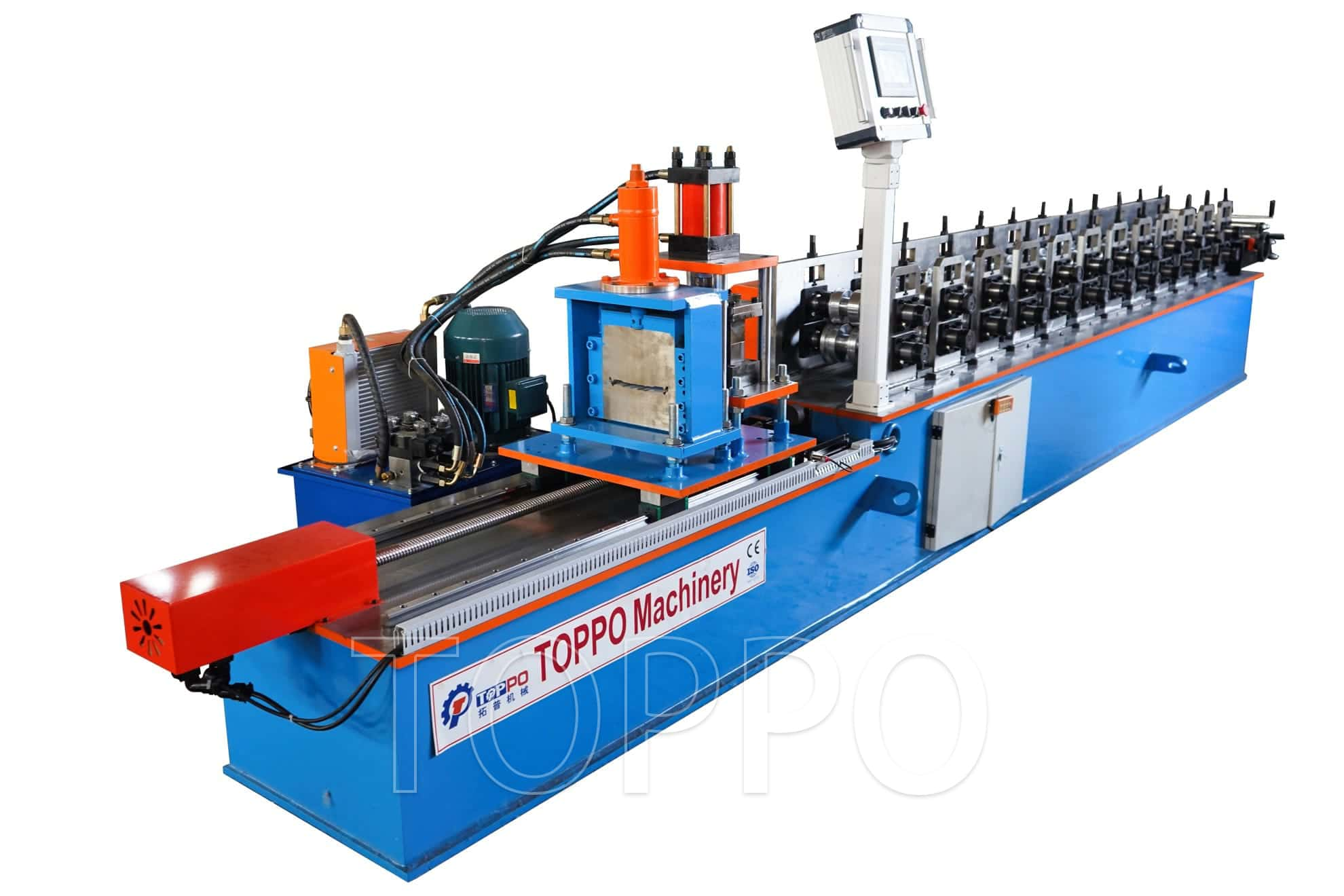
Double layer trapezoidal roofing machinein a small workshop
Alt text:Double layer trapezoidal roofing machineoperating in a small metal fabrication workshop
2. Key Spec Comparison forDual LayerRoll Forming Machines
For small businesses, 4 core specs directly impact production capacity and product quality. We compared 5 top-sellingtwo layerroll forming machinemodels under $30,000 to identify the best value.
2.1 Production & Material Specs
Below are the most critical specs to evaluate, based on real-world use bysteel sheet manufacturers:
| Spec | Entry-Level Model | Mid-Range Model | Premium Model |
|---|
| Roll forming speed | 0-15 m/min | 0-25 m/min | working speed 0-30 m/min |
| Forming thickness | 0.3-0.6 mm | 0.2-0.8 mm | 0.2-1.0 mm |
| Forming width | 914-1000 mm | 914-1220 mm | 914-1250 mm |
| Steel coil thickness | Max 0.6 mm | Max 0.8 mm | Max 1.0 mm |
| Roller material | 45# steel | 45# steel with chrome plating | GCr15 bearing steel |
All models featuretwo profile optionswithindependent forming stations, so you can switch between products without changing rollers.
2.2 Structural & Control Features
The best valuedouble tierroll forming machinemodels for small businesses share these core features:
Forprefabricated building manufacturersandsteel structure companies, the mid-range model offers the best balance of speed and durability, with a 2-year average payback period.
Double layer corrugated roofing machinecontrol panel
Alt text: PLC control panel of adouble layer corrugated roofing machine
3. WhichTwo ProfileRoll Forming MachineFits Your Business?
Not every machine is right for every small business. Your ideal model depends on your customer base, production volume, and available space.
3.1 Best for Low-Volume, High-Mix Operations
If you serve localroofing contractorsand smallconstruction companieswith custom orders, consider these options:
Entry-level
double layer color steelroll forming machine: Low upfront cost (~$12,000), fits in a 10m x 3m workspace
Ideal for
roofing sheet producersmaking 500-1000 sqm of panels per month
Works well for
building material suppliersand
roofing material wholesalerswith limited storage
A small metal fabrication shop in Ohio reported a 28% increase in revenue within 6 months of installing an entry-leveltwo profileroll forming machine, by adding custom roof panels to their service list.
3.2 Best for Scaling Production
If you’re a growing roof panel production factory or steel coil processing company serving a 100+ mile service area, opt for:
Mid-range
combinedroll forming machine: Higher speed, thicker material capacity, ~$22,000
Suitable for
industrial building contractorsand
prefabricated building manufacturerswith 2000+ sqm monthly output
Compatible with standard 1220mm wide steel coils, the most widely available size in North America
For reference, a small metal roofing manufacturer in Texas upgraded to a mid-rangedouble layer steel roofing sheet machineand reduced per-unit labor costs by 42%, according to a 2023 industry survey.
Double layer metal sheet forming machineproducing roof panels
Alt text:Double layer metal sheet forming machineproducing color steel roof panels
4. ROI & Purchase Tips forCombinedRoll Forming Machines
For small business owners, ROI is the most important factor in equipment purchases. Adouble layer roof panel machinetypically pays for itself faster than two single-profile lines.
4.1 Cost vs. Return Breakdown
Here’s a typical ROI calculation for a mid-rangedual profileroll forming machinefor a small roofing business:
Upfront cost: $20,000-$25,000 including shipping and installation
Monthly profit from additional profiles: $1,500-$2,500
Labor cost savings: $800-$1,200 per month
Average payback period: 8-14 months
You can further reduce costs by choosing a localroll forming machinedistributor for after-sales support, which cuts maintenance downtime by 30% on average.
4.2 Critical Purchase Checks
Before placing an order, verify these 4 details to avoid costly mistakes:
Confirm the machine supports your most common steel coil width and thickness
Ask for a sample run of both profiles to check fit and finish
Verify the warranty covers rollers, hydraulic system, and PLC controls
Confirm spare parts availability in your region
For most small business owners, a mid-rangedouble layer roofing machinewith 0-25 m/min speed and 0.2-0.8 mm thickness capacity offers the best long-term value. It balances upfront cost with flexibility to grow with your business.