How to Choose and Use aDouble LayerRoll Forming Machinefor Small Business Success
If you run a small roofing or metal fabrication business, investing in adouble layerroll forming machinecan transform your production capacity. This2 in 1roll forming machinelets you produce two types of roofing panels with one piece of equipment, cutting floor space costs and boosting output.
This guide walks small business owners through every step of selecting, setting up, and maintaining thisroof panel making machineto maximize ROI.
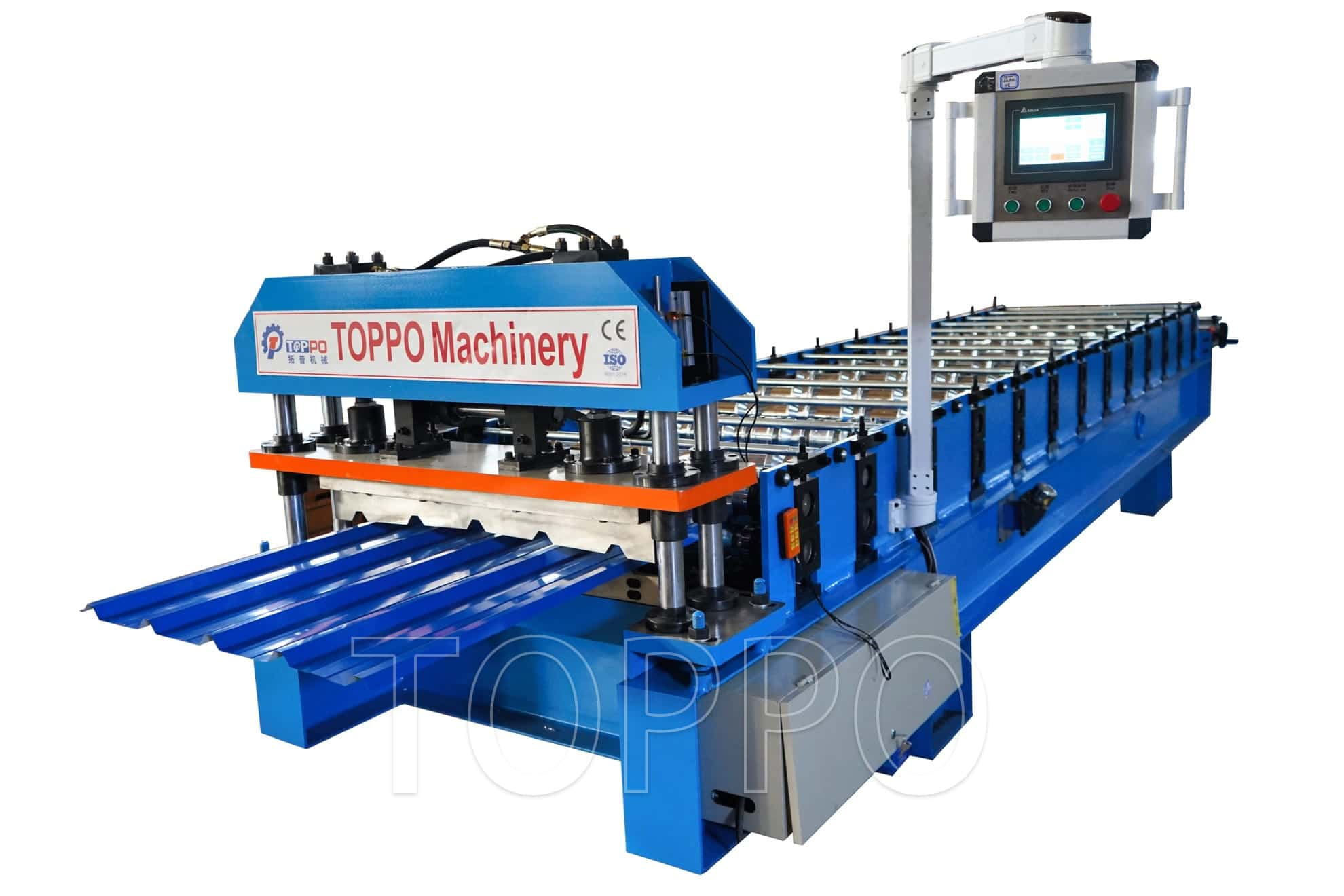
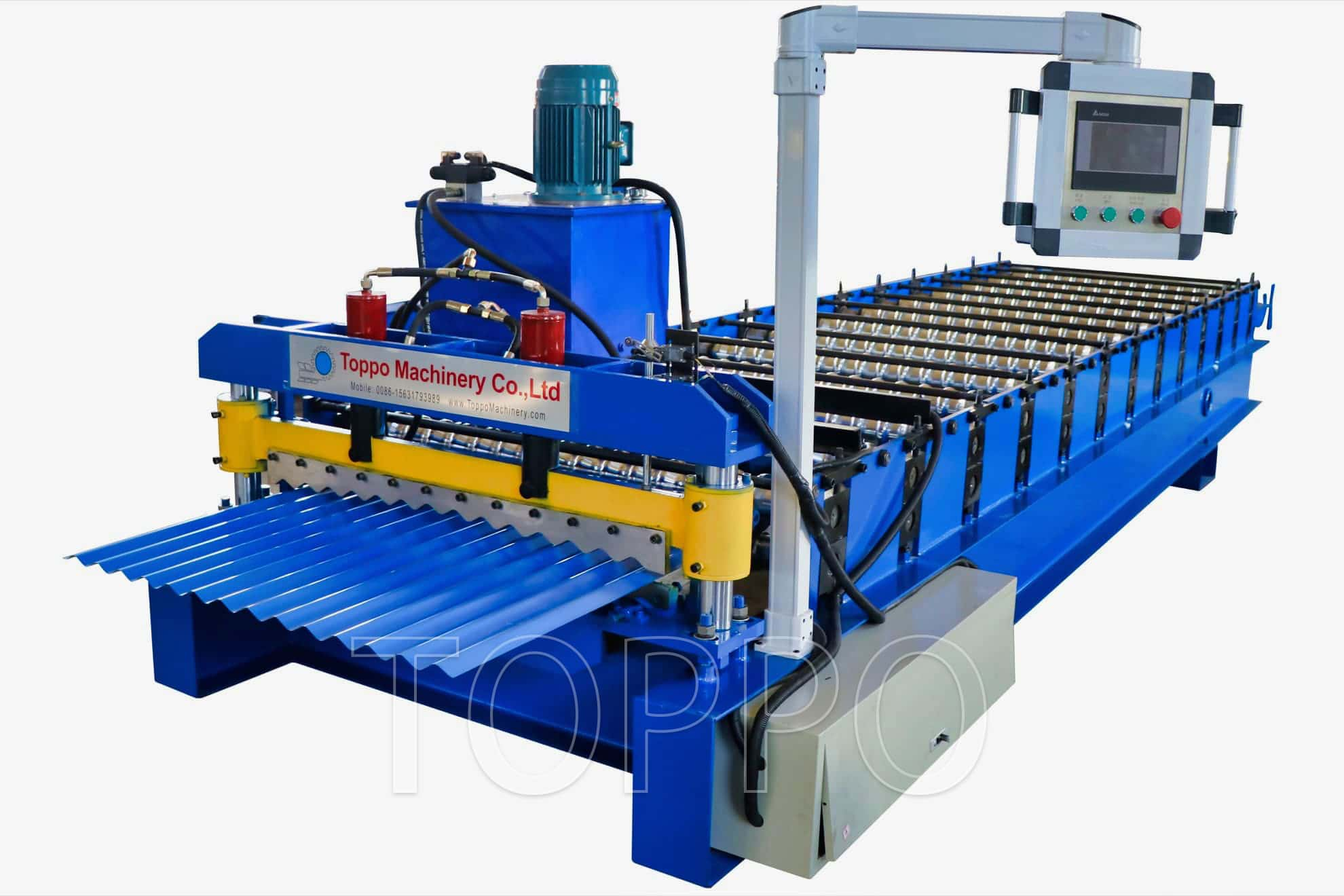
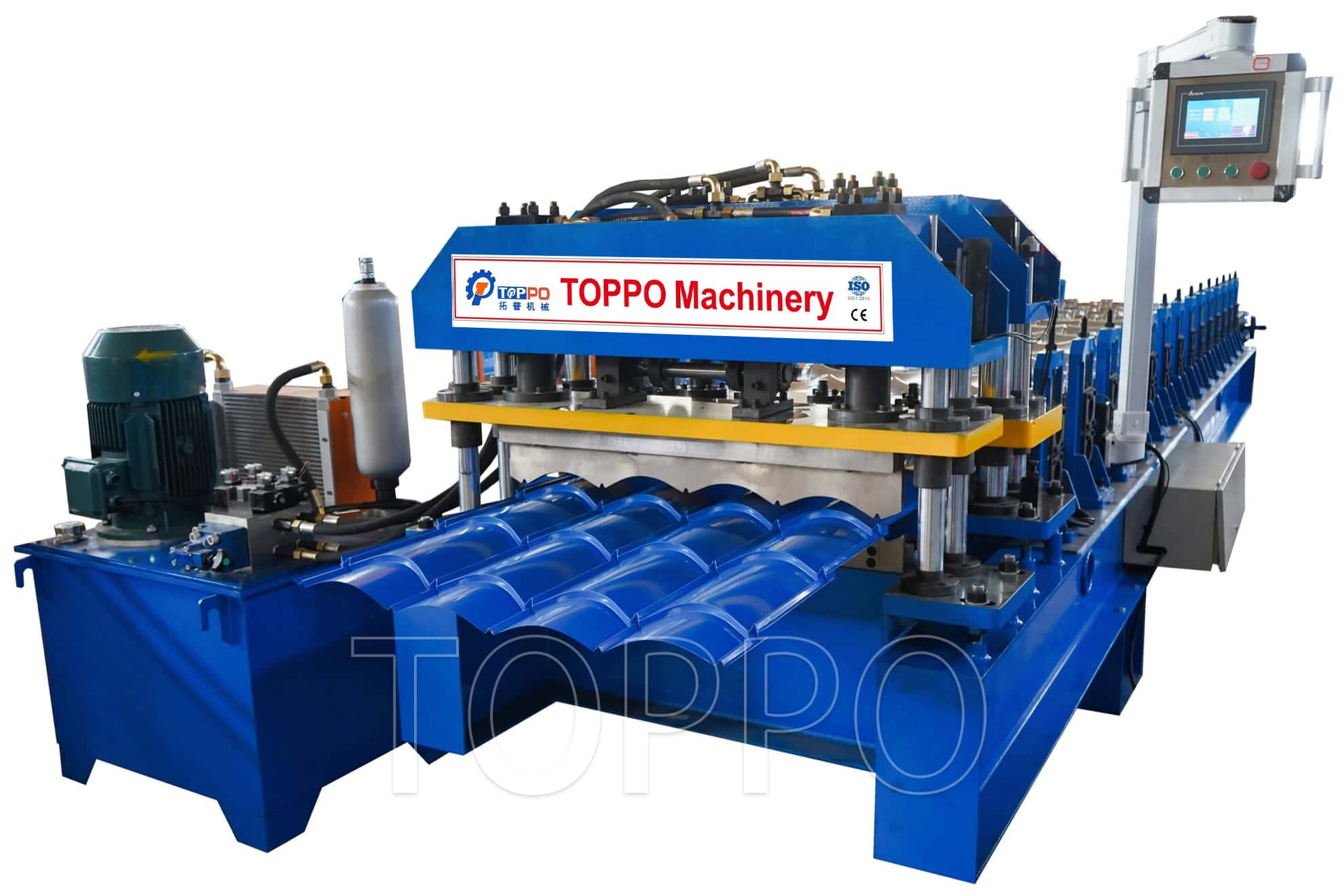
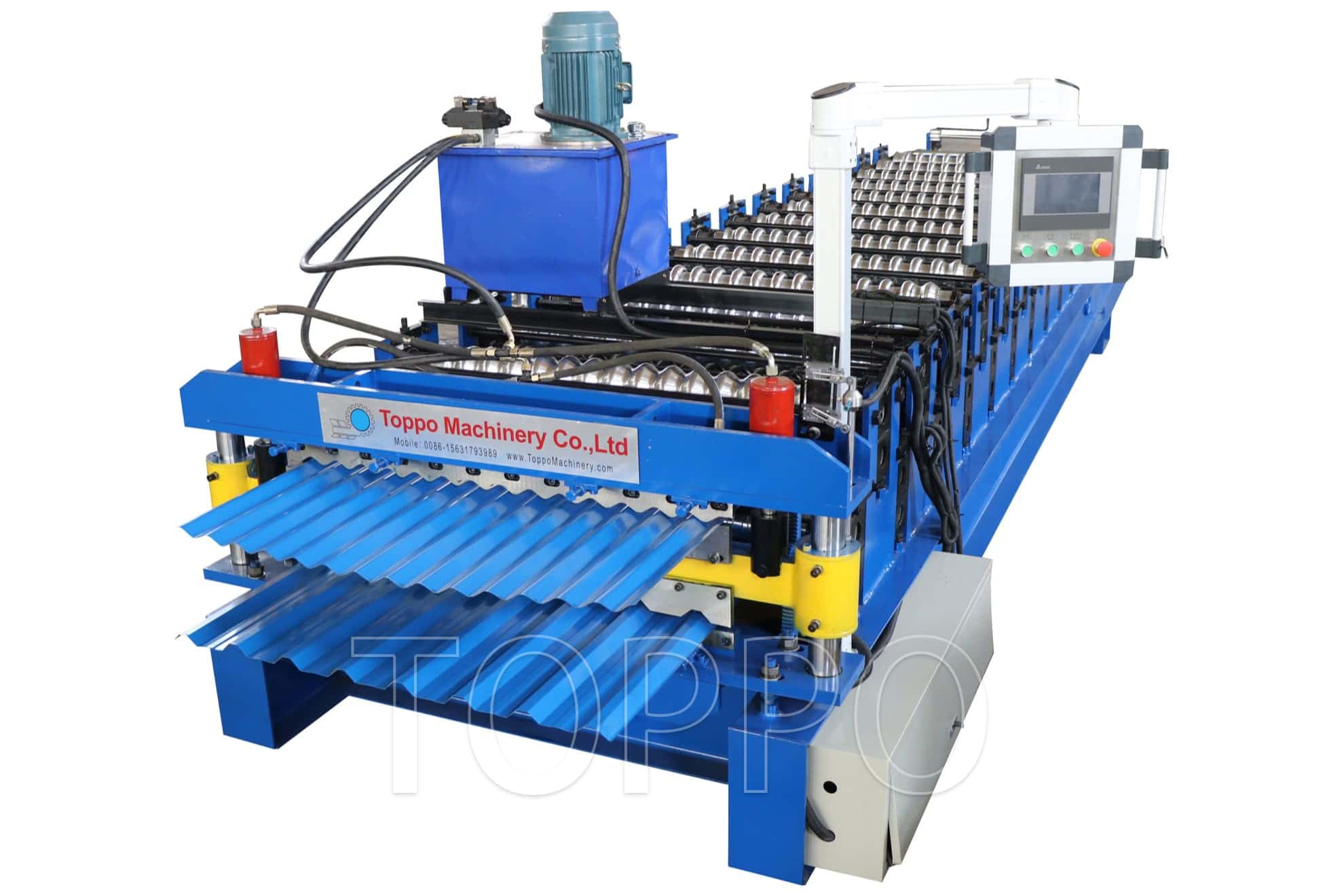
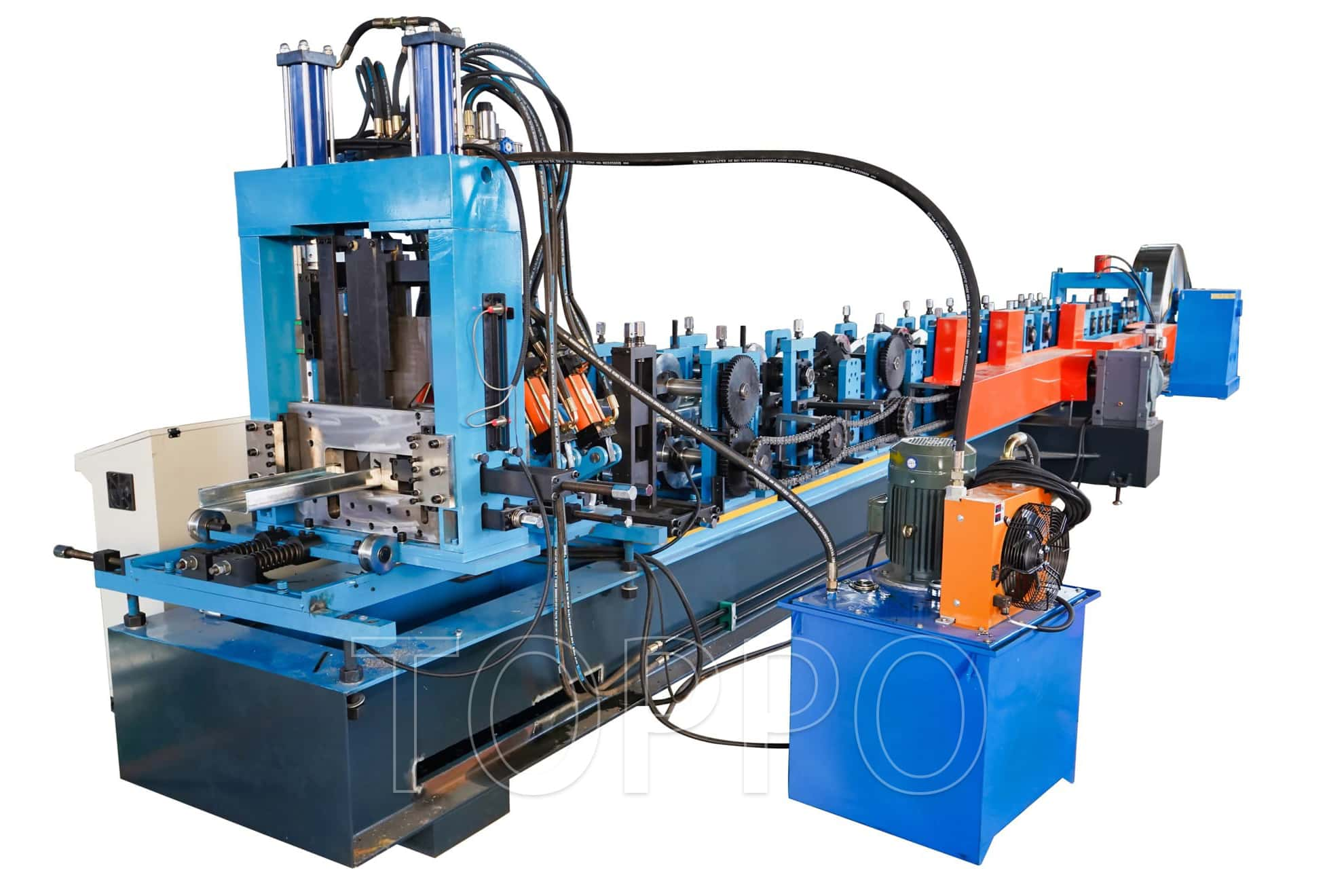
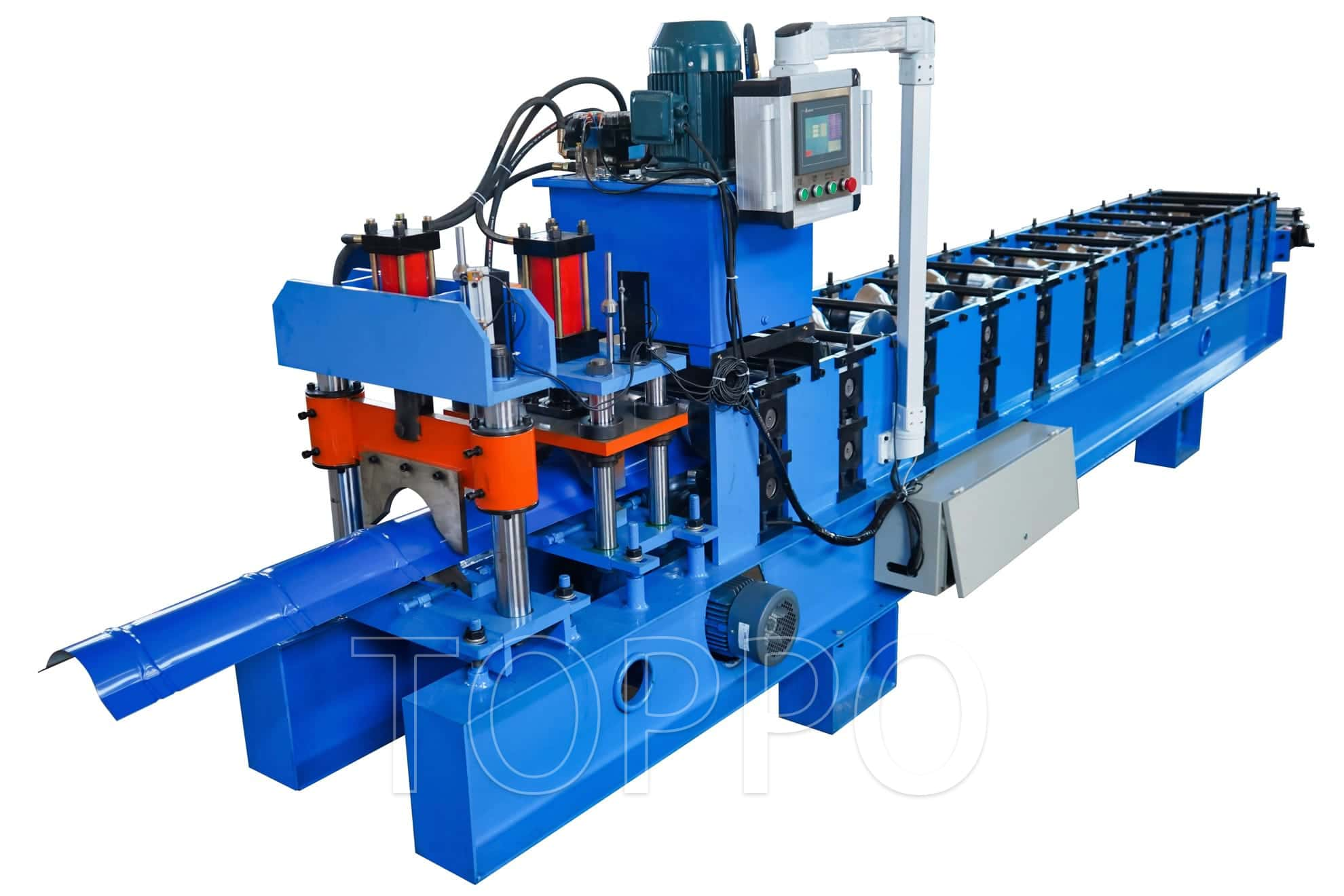
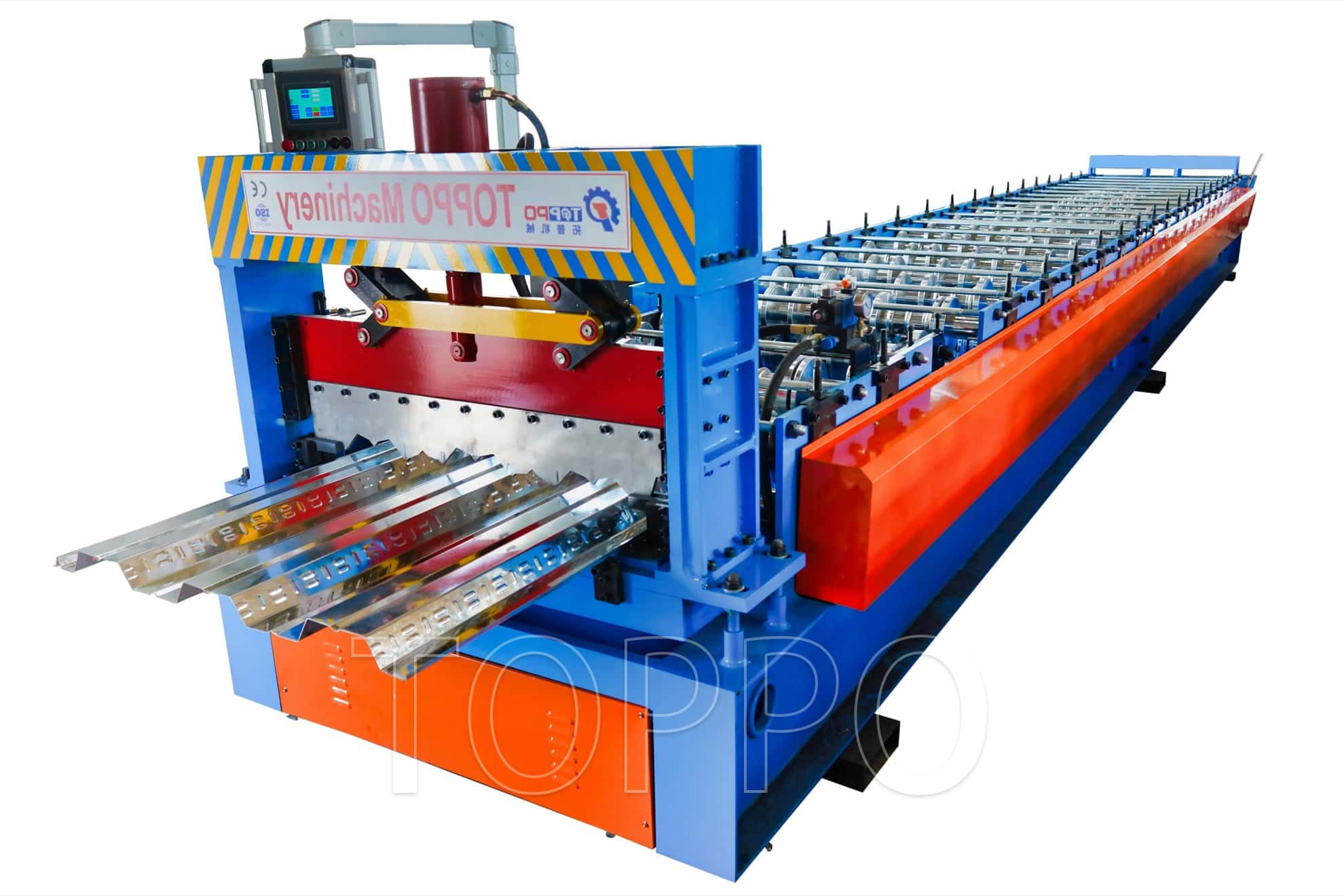
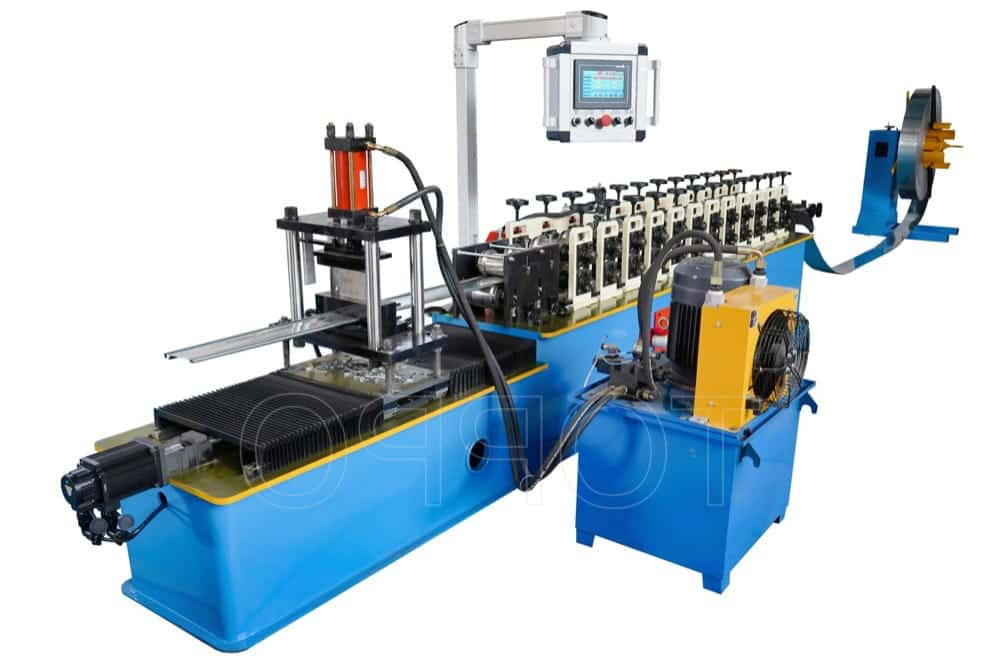
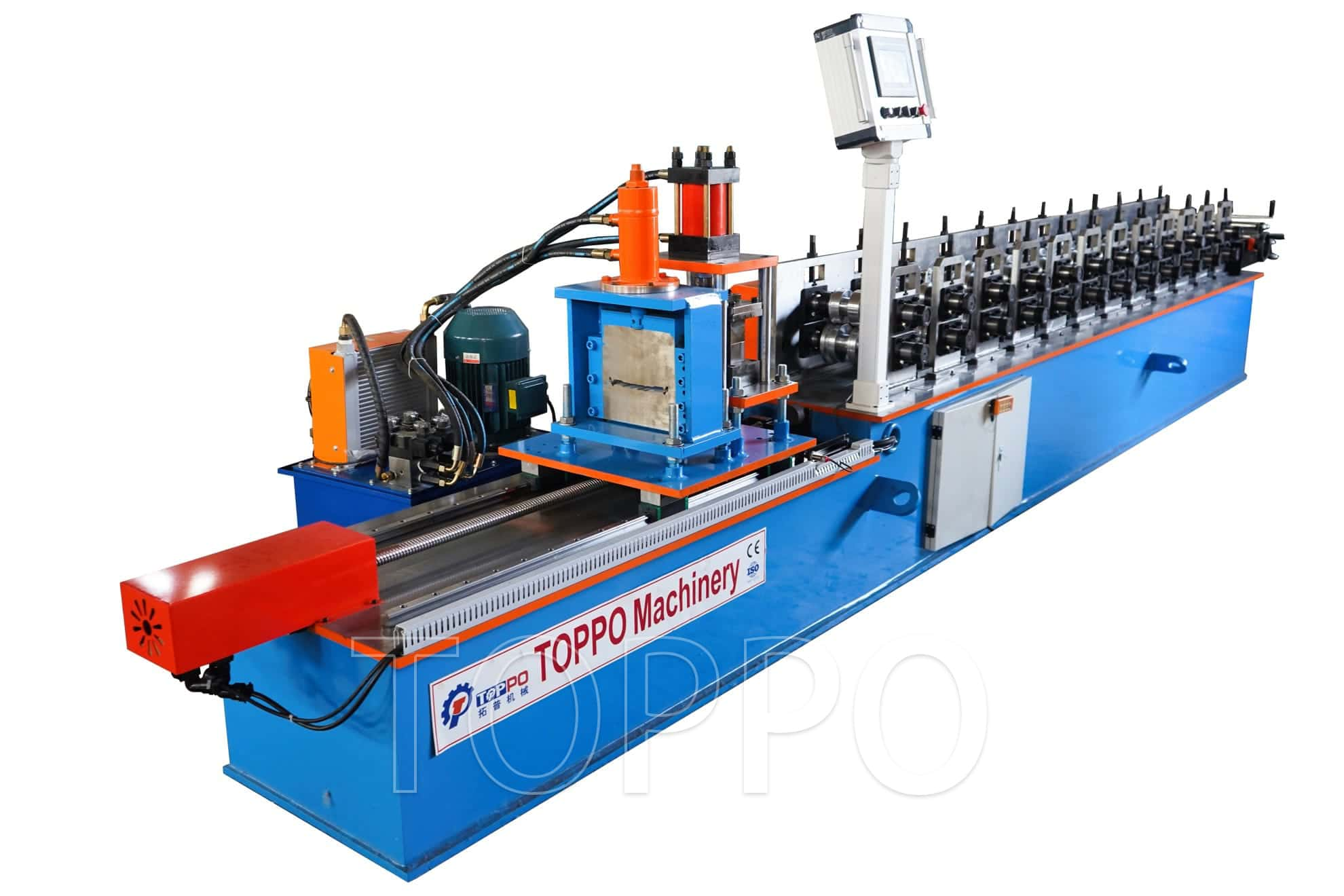
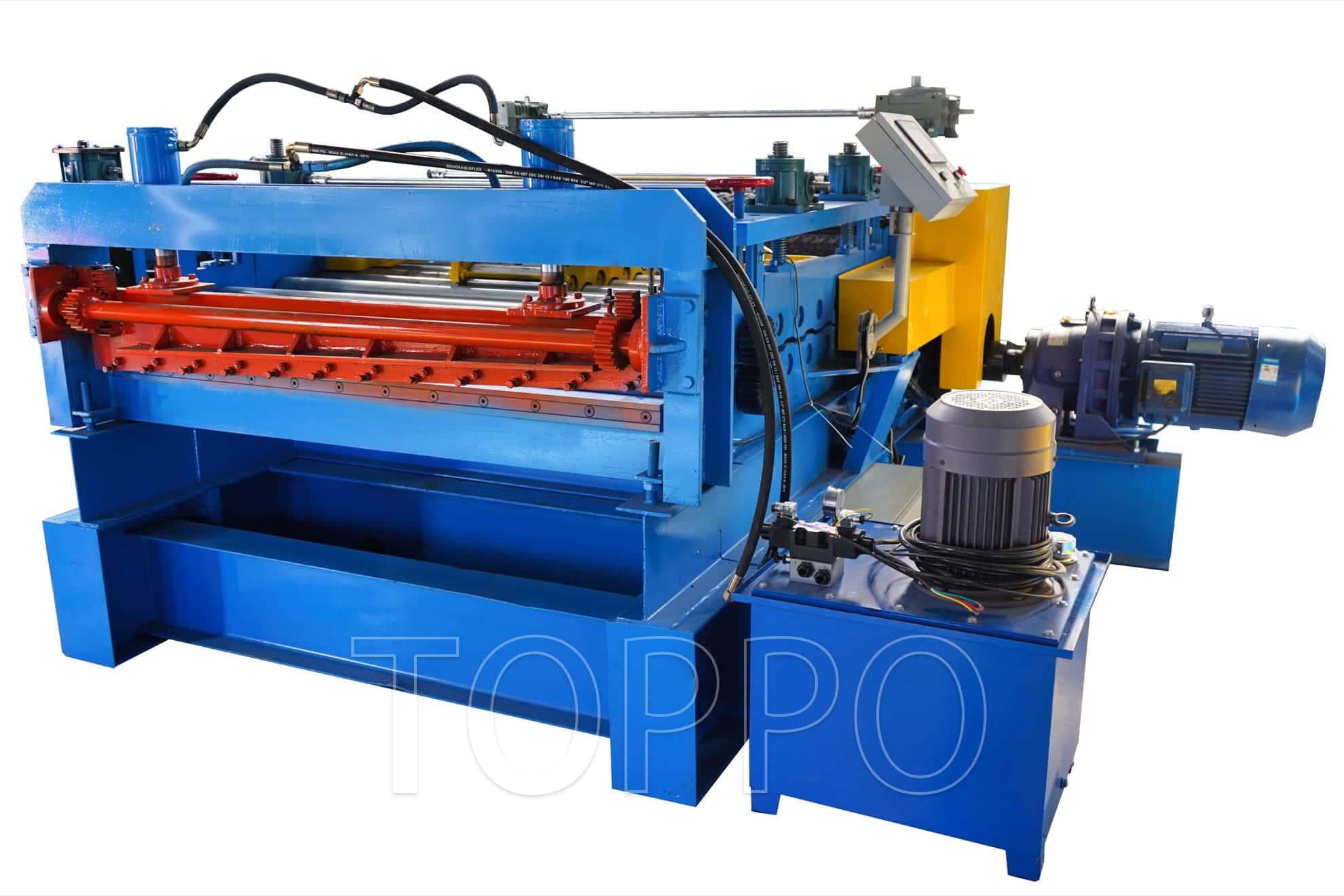
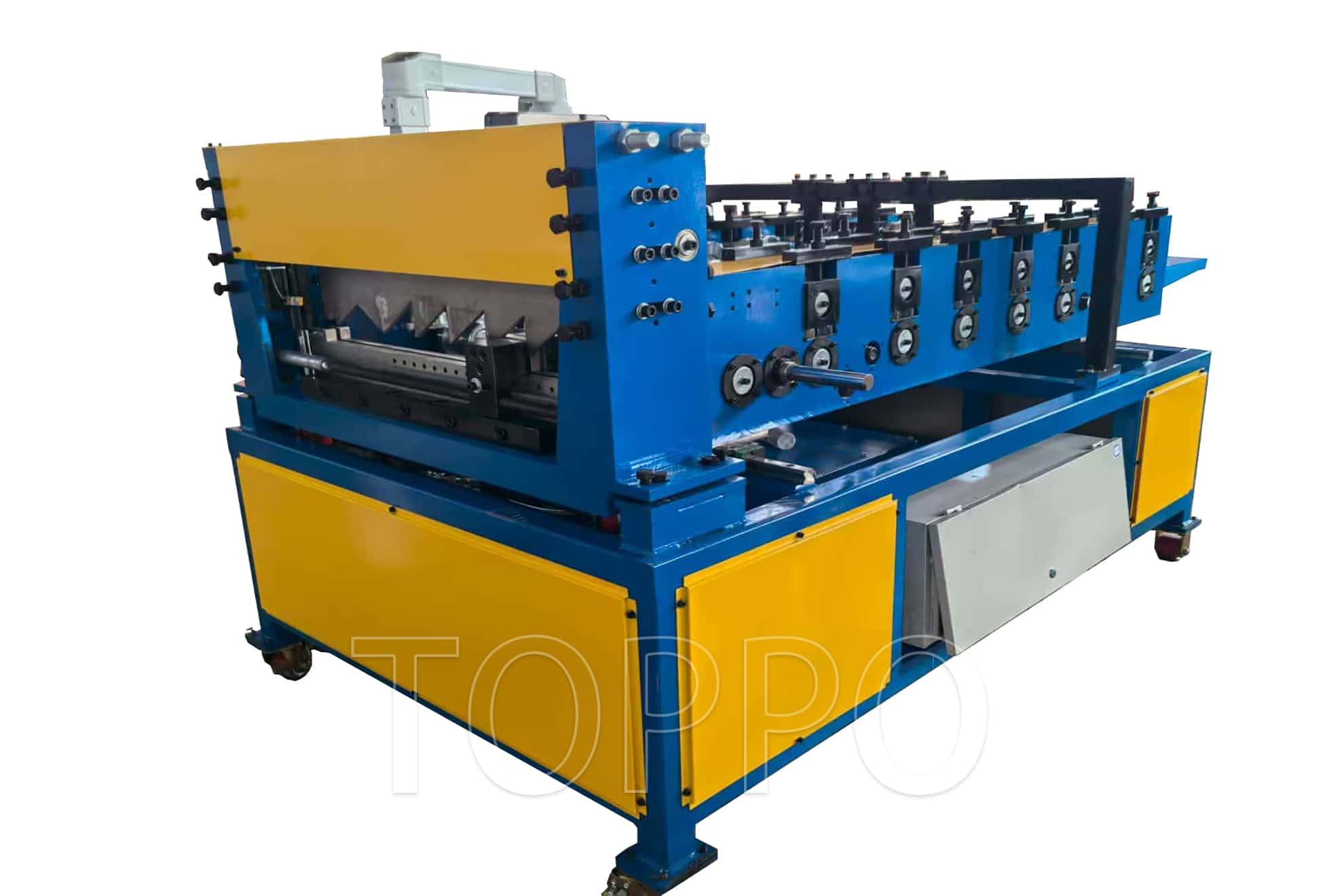
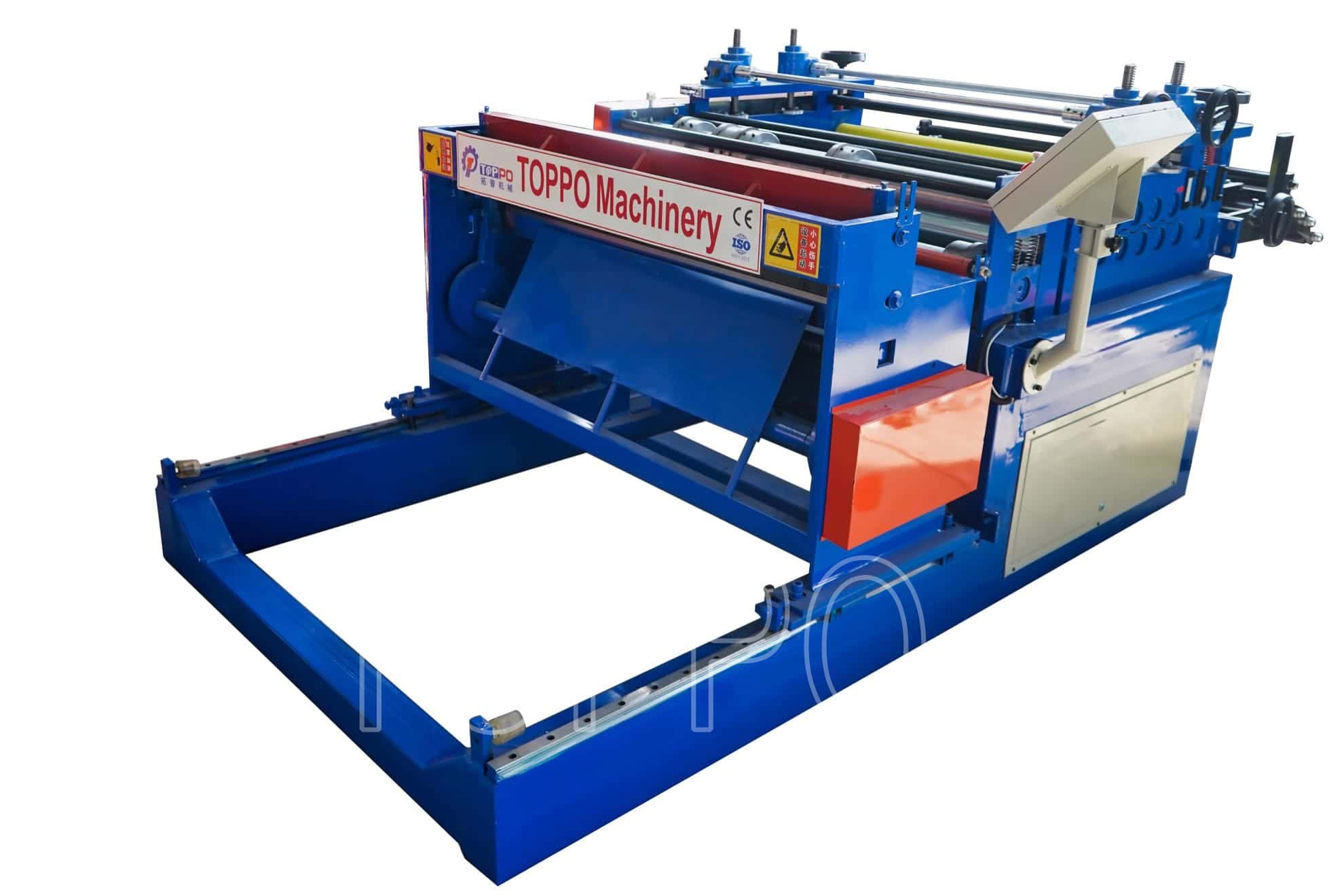
Compactdouble layerroll forming machinein a small workshop with finished roofing panels stacked nearby
alt:Double layerroll forming machinefor small business roofing production
1. How to Select the RightDouble LayerRoll Forming Machinefor Your Small Business
Picking the rightcombinedroll forming machineis the first critical step for small business owners. The wrong model can lead to wasted budget or unmet production needs.
1.1 Match Machine Type to Your Product Line
Start by aligning the machine with the panels you sell most often. Different models serve different market demands.
Trapezoidal + corrugated combo: The
trapezoidal and corrugatedroll forming machineis ideal for general residential and commercial roofing.
IBR + corrugated combo: The
IBRdouble layerroll forming machineworks well for industrial building projects.
Color steel focus: The
double layer color steelroll forming machineis perfect for
building material supplierstargeting decorative roofing markets.
Also confirm core specs:forming thickness(usually 0.3-0.8mm),forming width(adjustable for standard coil sizes), andsteel coil thicknesscompatibility.
1.2 Evaluate Cost vs. Long-Term Value
Small businesses often focus on upfront price, but long-term value matters more.
Calculate total cost of ownership over 5 years, including maintenance, spare parts, and energy use.
A mid-rangetwo layerroll forming machinetypically costs $8,000-$15,000, and can pay for itself in 12-18 months for busyroofing contractors.
Look for models with at least a 1-year warranty and local after-sales support to avoid downtime.
2. How to Set Up YourDual LayerRoll Forming Machinefor Optimal Performance
Proper setup ensures yourdual profileroll forming machineruns smoothly and produces high-quality panels from day one.
2.1 Prepare Your Workshop and Foundation
A stable workspace prevents vibration issues that damage the machine and reduce panel quality.
Choose a level concrete floor at least 10cm thick to support the machine’s weight.
Allocate 15-20 square meters of space for the machine, coil decoiler, and finished panel stacking area.
Ensure 3-phase power supply (380V, 50Hz is standard for most models) is accessible within 3 meters.
This setup works for bothdouble layer metal sheet forming machineunits and larger industrial models.
2.2 Calibrate Core Forming Systems
Thetwo profile forming systemsneed precise calibration to avoid uneven panels or jams.
Most models come withindependent forming stationsfor each panel type, so you’ll calibrate each separately.
Key calibration steps include:
Adjust roller gaps to match your target
steel coil thickness.
Align the
dual profile configurationto ensure straight panel edges.
Test the
profile changeover systemto confirm smooth switching between panel types.
Verify
roll forming speed, with a standard
working speed 0-30 m/minadjustable for different materials.
After calibration, run 5-10 test panels and check for dimensional accuracy before full production.
3. How to Operate YourDouble DeckRoll Forming MachineSafely and Efficiently
Safe, efficient operation reduces downtime and keeps your team productive. Even small teams can master this equipment with basic training.
3.1 Master the Control System and Core Functions
Moderndouble tierroll forming machines use intuitive controls that are easy for small teams to learn.
ThePLC control systemlets you input panel lengths, quantities, and profile types with a touchscreen.
Key built-in features include:
Automatic length measurement: Eliminates manual measuring errors and speeds up production.
Hydraulic cutting system: Delivers clean, burr-free cuts without damaging panel coatings.
Emergency stop buttons: Located at multiple points for quick access during operation.
Most operators can master basic functions of thisdouble layer roof panel machinein 2-3 days of hands-on training.
3.2 Follow Daily Operating Best Practices
Consistent daily routines extend machine life and reduce breakdowns.
Start each shift with a 5-minute inspection: Check for loose bolts, lubricate moving parts, and clear debris from rollers.
Run 2-3 test panels at the start of each production run to confirm quality.
Never exceed the rated
forming thicknessor speed to avoid premature wear.
For thedouble layer steel roofing sheet machine, daily maintenance takes less than 10 minutes but cuts repair costs by 30% annually, according to industry data.
4. How to Maintain YourRoll Forming Machineto Extend Its Lifespan
Regular maintenance protects your investment and ensures consistent output for years. It’s a critical task for small business owners who rely on a single machine for production.
4.1 Create a Routine Maintenance Schedule
Break maintenance tasks into daily, weekly, and monthly checklists.
Daily: Clean rollers, check hydraulic fluid levels, inspect electrical connections.
Weekly: Lubricate all bearing points, test the
profile changeover system, verify cutting blade sharpness.
Monthly: Inspect
roller materialfor wear, calibrate the
PLC control system, tighten all structural bolts.
This schedule works for every type oftwo profileroll forming machine, from entry-level to industrial models.
4.2 Troubleshoot Common Issues Fast
Small issues can turn into big downtime if left unaddressed. Learn to fix the most common problems on your own.
Uneven panel edges: Adjust roller alignment on the
independent forming stations.
Cutting burrs: Sharpen or replace
hydraulic cutting systemblades.
Speed fluctuations: Check power supply stability and
PLC control systemsettings.
For complex issues, contact your supplier’s technical support. Mostroll forming machinedistributorsoffer remote troubleshooting for small business clients.
This proactive approach keeps yourdouble layer roof tile forming machinerunning at 95%+ uptime, which is critical for meeting client deadlines.
It also makes your business a reliable partner formetal roofing manufacturers,steel sheet manufacturers,roofing sheet producers,construction companies,steel structure companies,roofing material wholesalers,metal fabrication companies,industrial building contractors,prefabricated building manufacturers,roof panel production factories, andsteel coil processing companies.