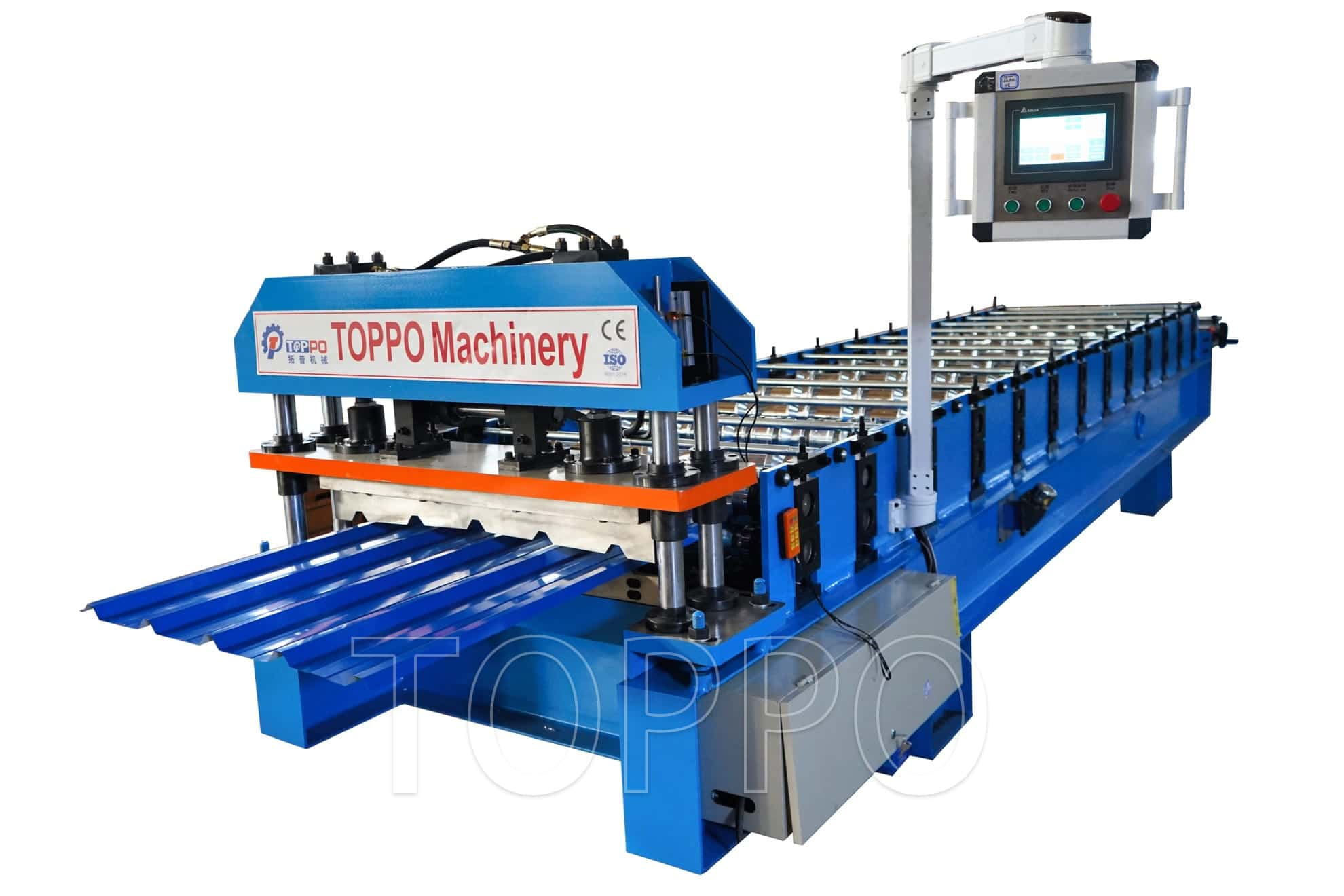
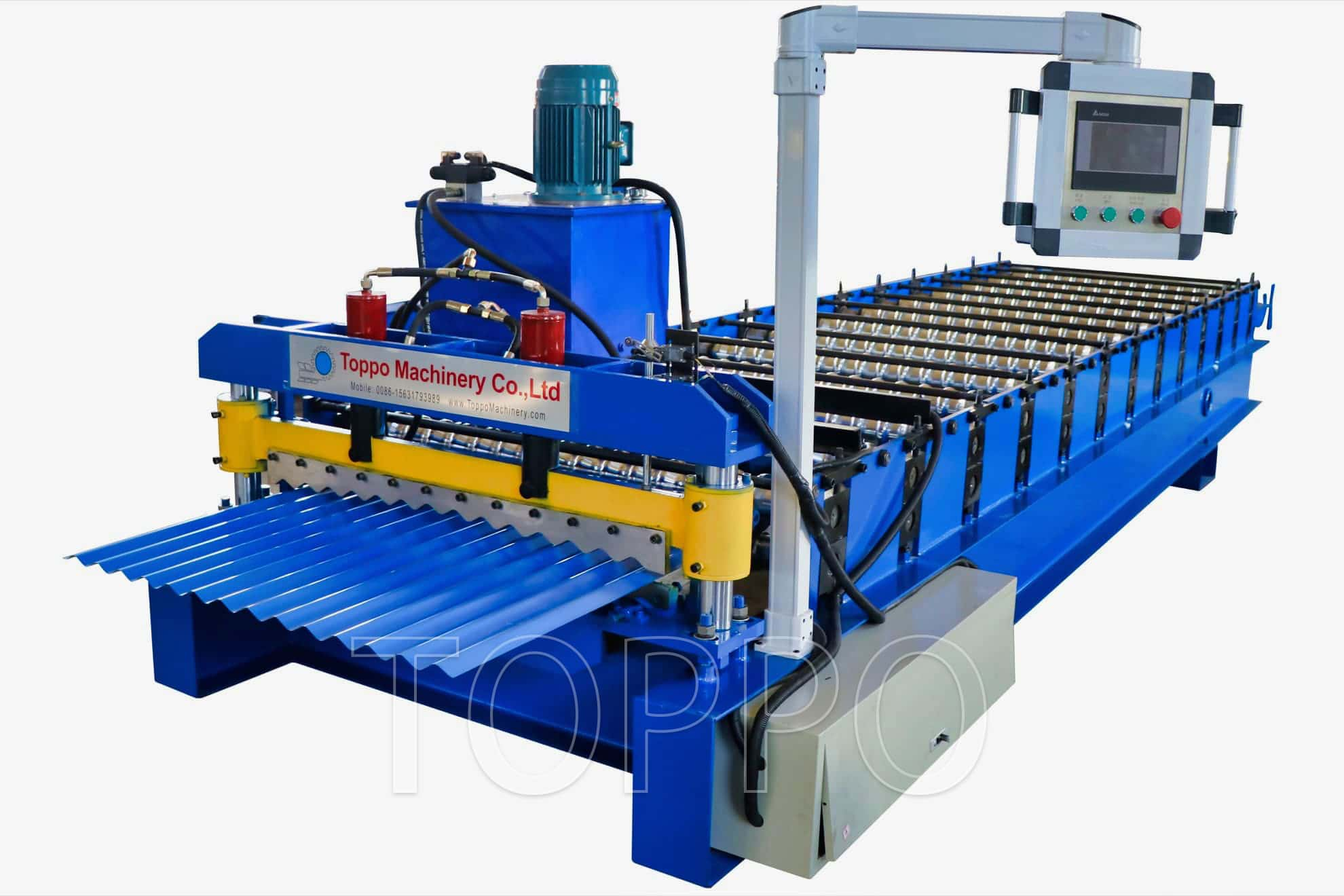
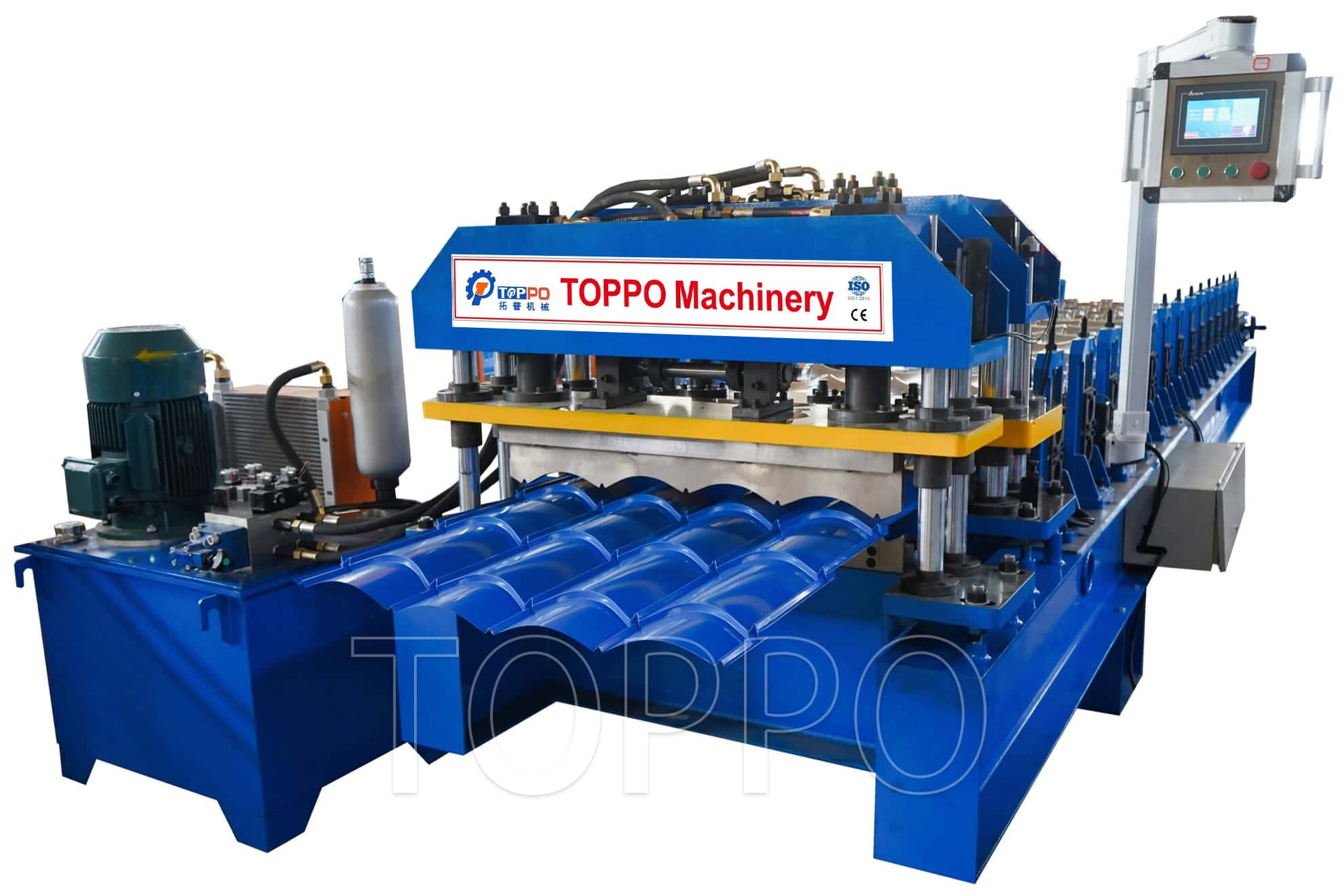
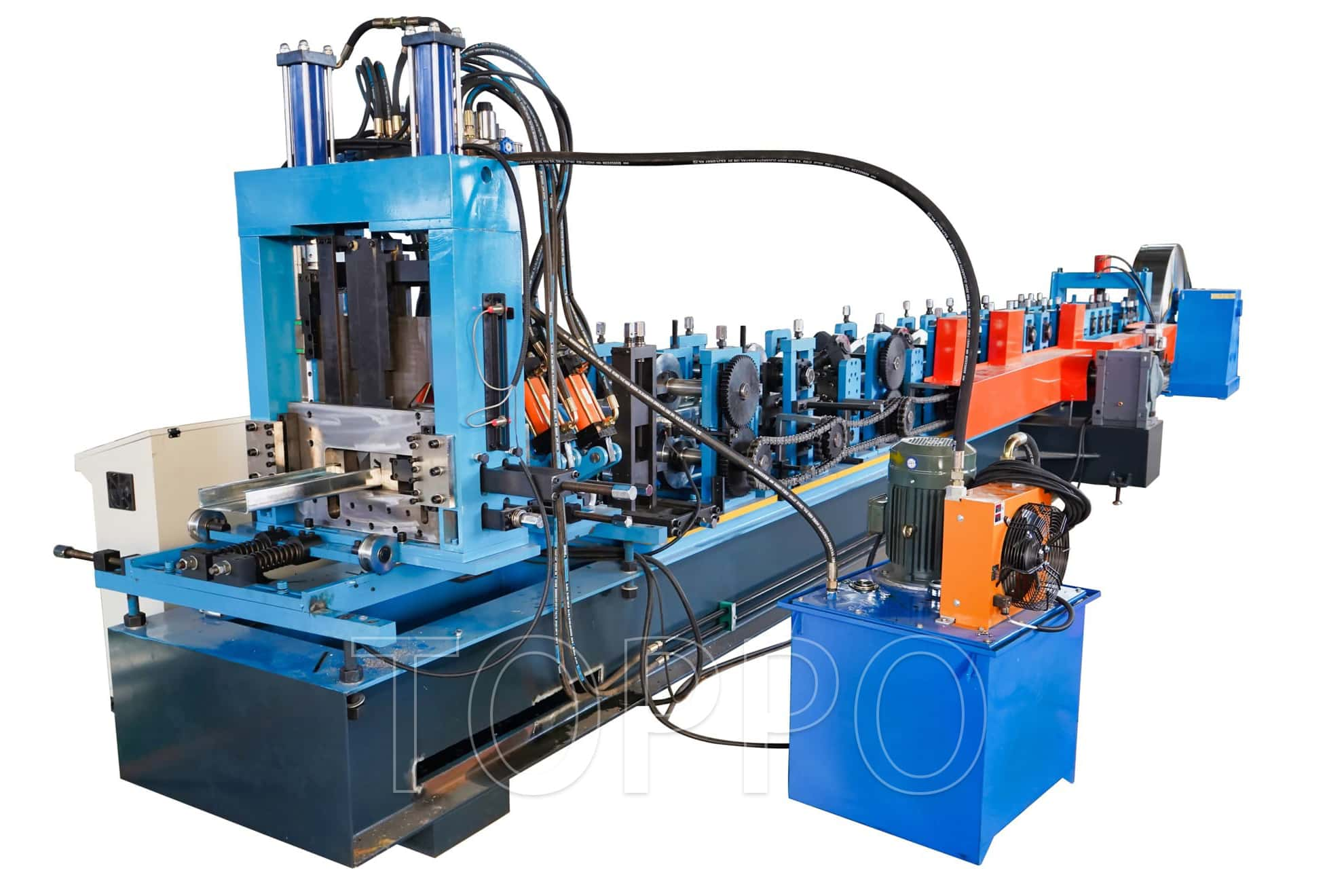
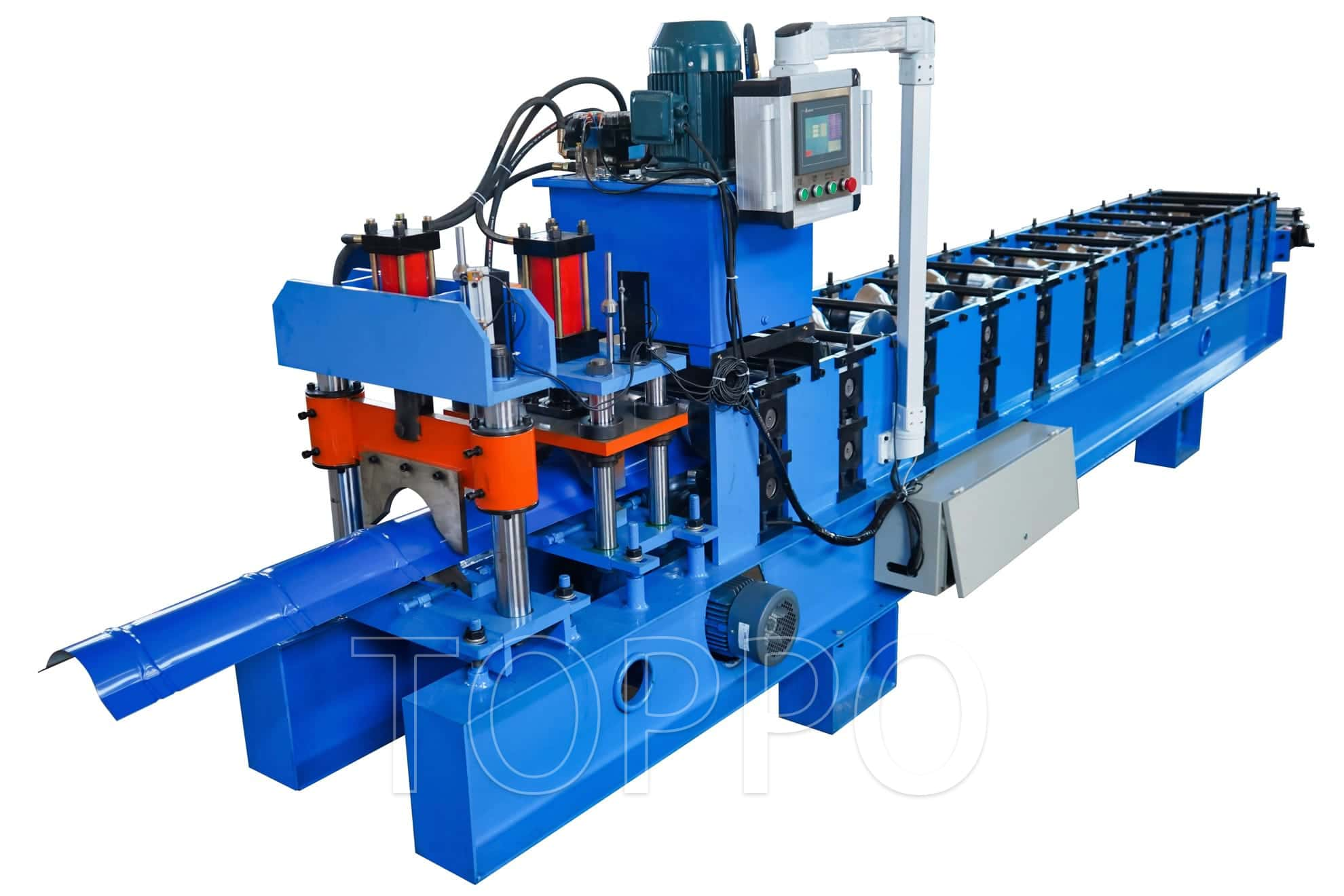
Double LayerRoll Forming Machine: A Game-Changer for Small Roofing Panel Businesses
For small business owners in the roofing and construction space, investing in a double layerroll forming machine can transform production efficiency and profit margins. This2 in 1roll forming machinelets you produce two different roofing panel profiles with one piece of equipment, cutting down on floor space and upfront costs.
Whether you’re a roofing contractor scaling up or a small roof panel production factory looking to expand your product line, this comparison review breaks down everything you need to know. We’ll cover key features, cost factors, use cases, and how to pick the right model for your needs.
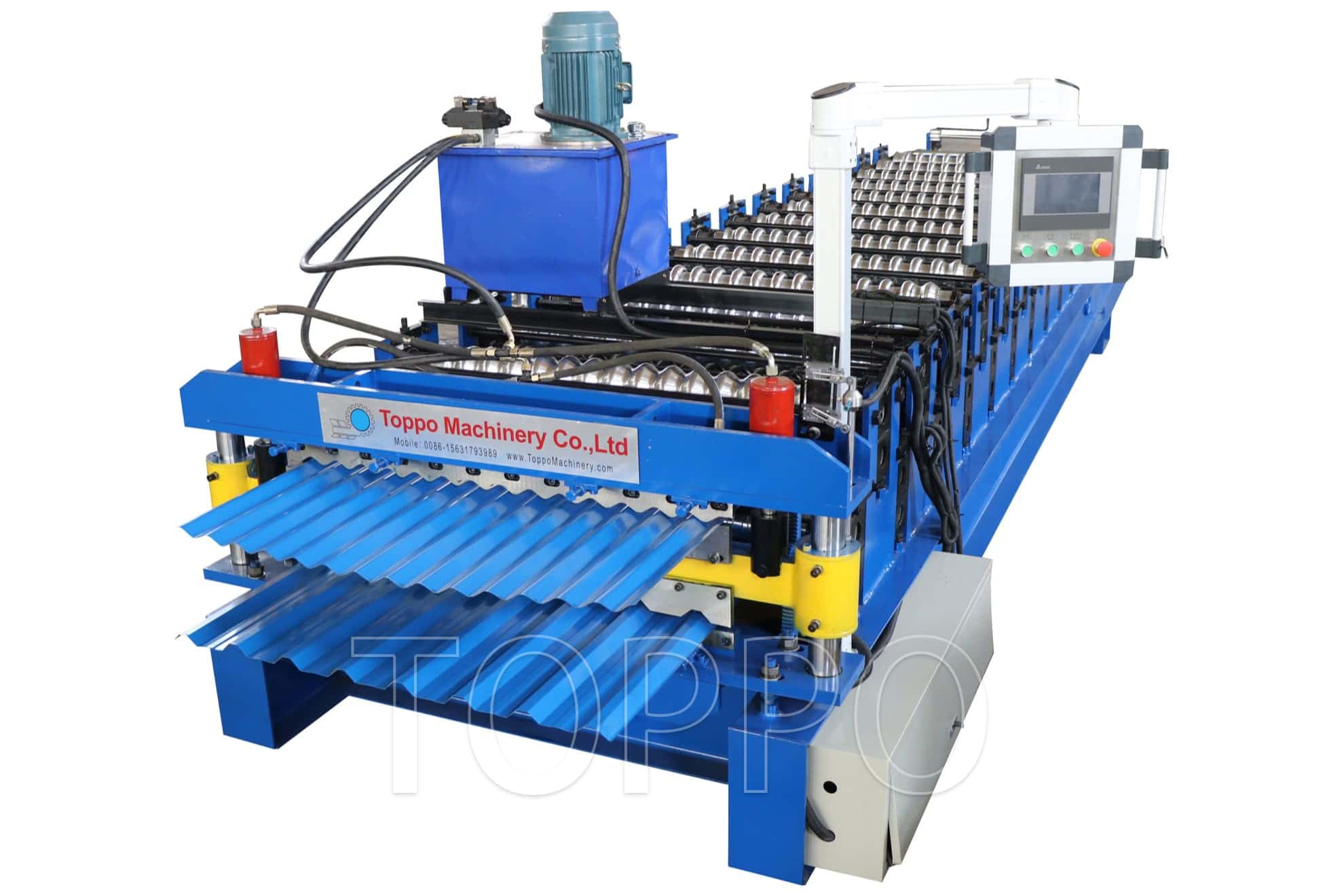
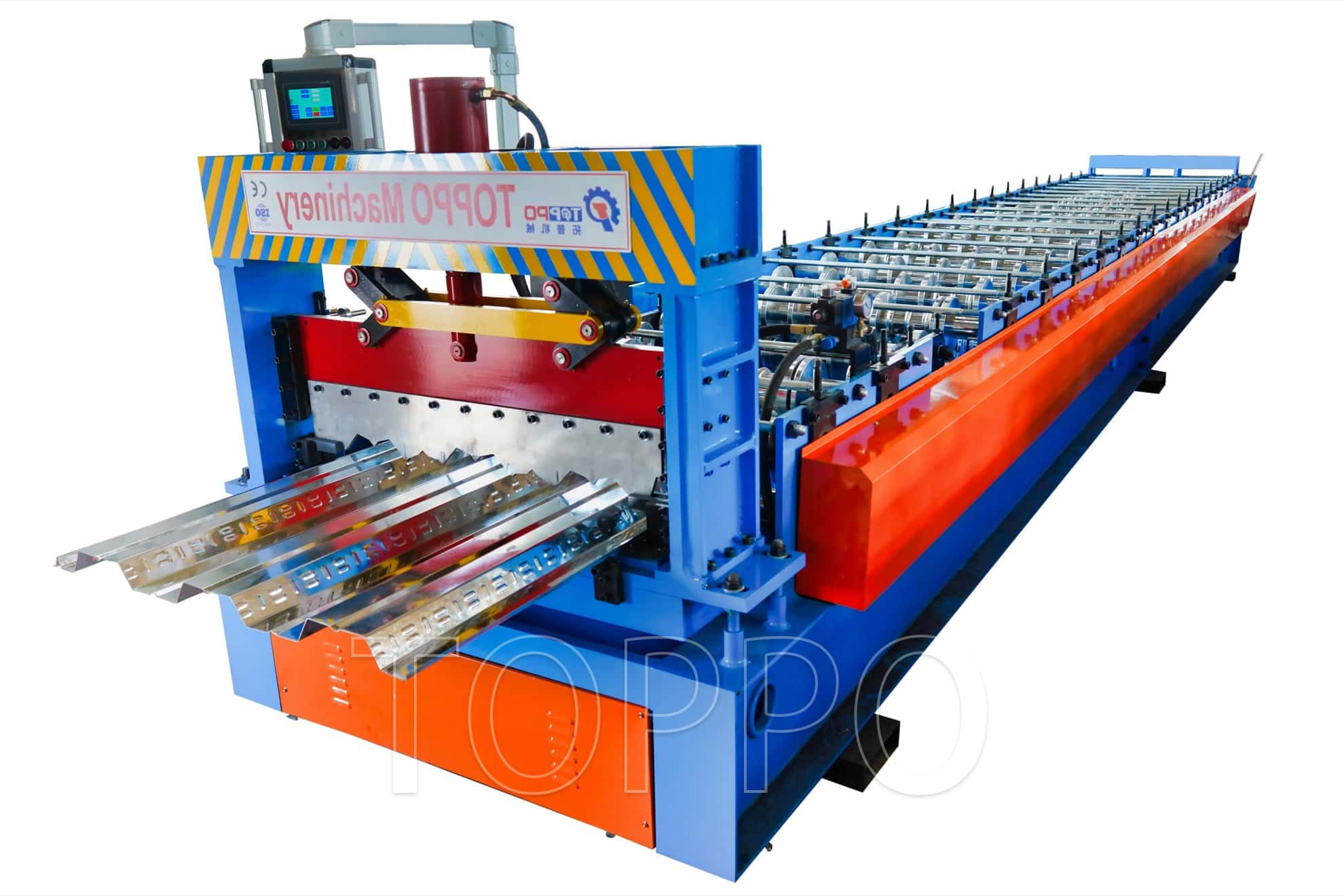
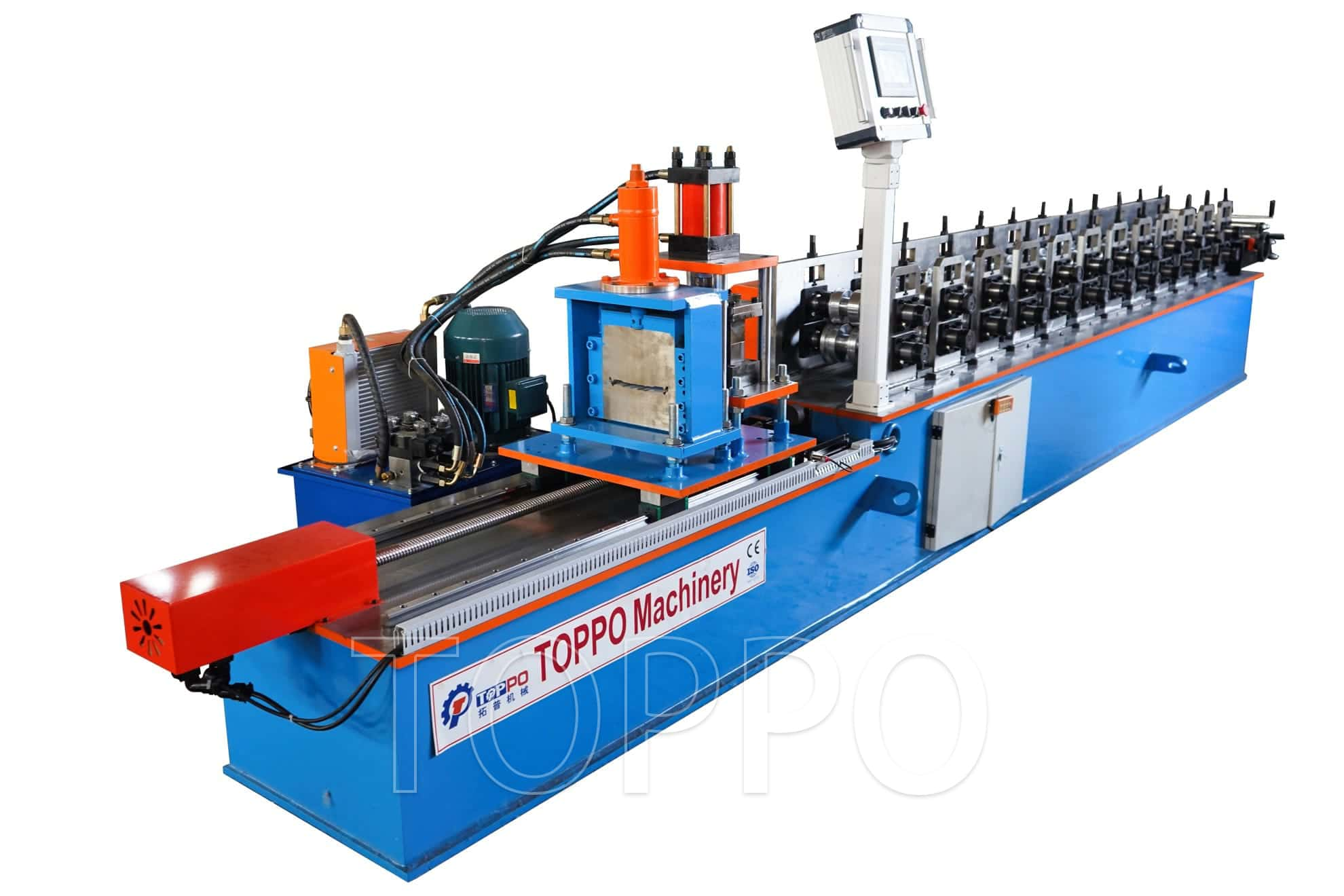
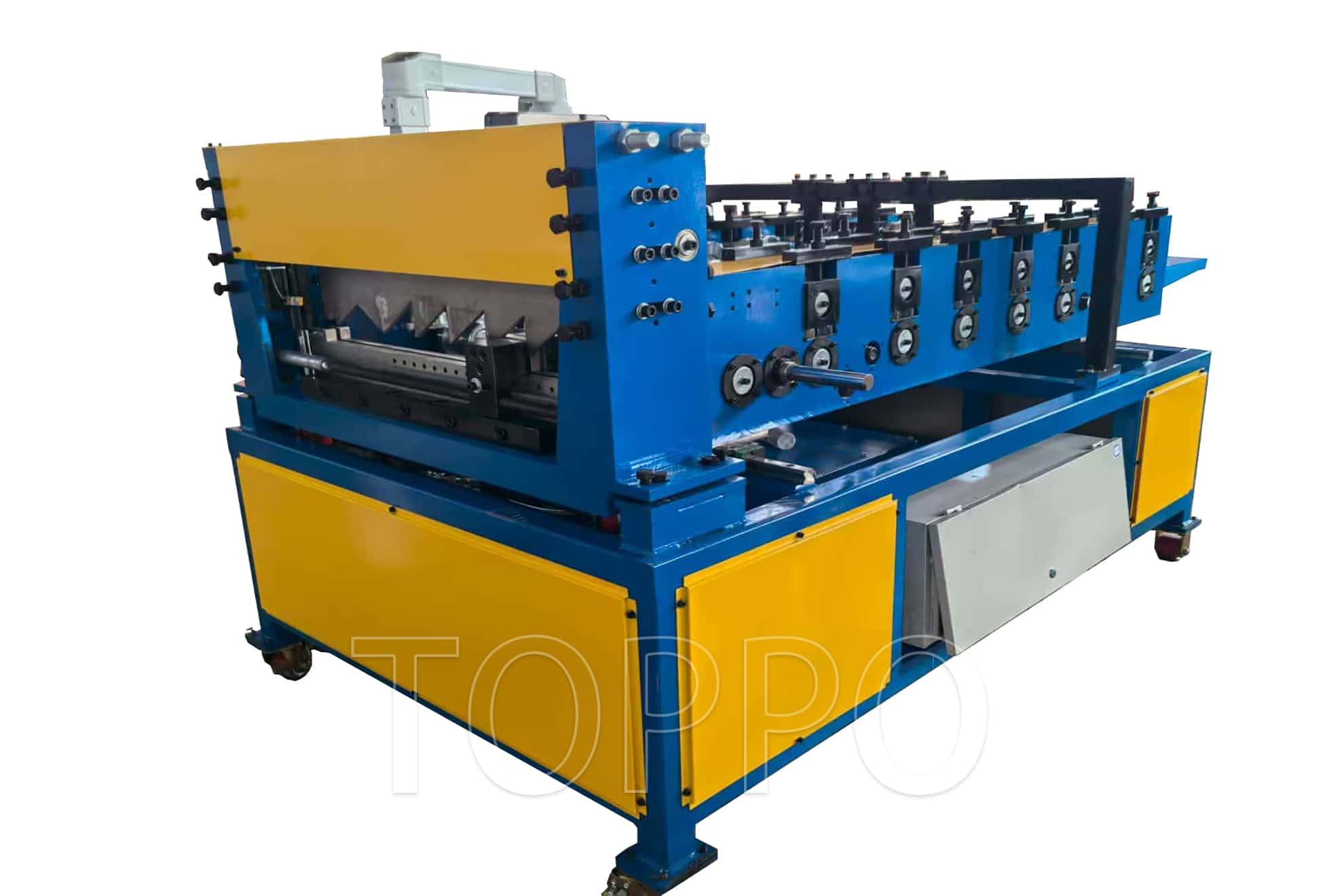
Double layerroll forming machineproducing two types of roofing panels in a small factory
Alt text:Double layerroll forming machinefor two profile roofing panel manufacturing
1. Core Features of High-Efficiency Two Profile Roofing Panel Machines
1.1 Dual Profile Design and Forming Capabilities
A high-qualitydouble deckroll forming machinecomes withtwo profile forming systemsstacked vertically, so you can switch between products without extra setup. Most models supporttrapezoidal and corrugatedroll forming machinefunctions, which are the most in-demand panel types for residential and commercial projects.
Key design features include:
- Independent forming stations
for each profile, preventing wear and misalignment
- Two profile options
to match local market demand (e.g., IBR sheets + corrugated sheets)
- Profile changeover system
that takes 5–10 minutes for quick production shifts
For smallmetal fabrication companies, this means you can take on more diverse orders without buying a secondroof panel making machine. 【内链建议:trapezoidal roofing panel machine guide/Trapezoidal vs Corrugated Roofing Panels】
1.2 Key Technical Specifications for Small Business Use
When evaluating adual layerroll forming machine, focus on specs that directly impact your daily output and material compatibility. The best entry-level models balance performance and affordability for small operations.
Critical specs to compare:
- Roll forming speed
:
working speed 0-30 m/min, adjustable for different material types
- Forming thickness
: 0.3–0.8 mm for standard color steel coils
- Forming width
: 900–1250 mm to fit common steel coil sizes
- Hydraulic cutting system
for clean, burr-free panel edges
- PLC control system
with touchscreen for easy length setting
- Automatic length measurement
to reduce waste and manual errors
Steel coil thicknessis especially important if you work with both thin residential panels and thicker commercial-grade sheets. 【外链建议:Metal Roofing Industry Standards - ASTM International】
2. Cost and ROI Comparison for Small Business Owners
2.1 Upfront Cost vs. Single ProfileRoll Forming Machines
Atwo layerroll forming machinecosts 30–40% more than a single-profileroll forming machine, but it replaces two separate machines. For smallbuilding material suppliers, this means lower total upfront investment and less warehouse space needed.
Cost breakdown for entry-level models:
Single-profile roof panel machine: $8,000–$12,000
- Double tierroll forming machine
: $12,000–$18,000
Installation and training: $1,000–$2,000 (included from most reputable suppliers)
If you currently run one single-profile machine and want to add a second product line, acombinedroll forming machinesaves you 25–30% on total costs. This makes it ideal for smallroofing sheet producerslooking to expand.
2.2 Long-Term ROI and Productivity Gains
For smallconstruction companiesandsteel structure companies, the biggest ROI driver is increased production capacity and order flexibility. With atwo profileroll forming machine, you can switch between products to match customer demand without downtime.
Real-world small business example:
A small prefabricated building manufacturer in Kenya upgraded from one single-profile machine to anIBRdouble layerroll forming machine. They saw:
45% increase in monthly panel output
20% reduction in labor costs (one operator runs both profiles)
Payback period of 18 months from new commercial project orders
Forindustrial building contractors, this flexibility also means you can supply both roof and wall panels from the same machine. 【内链建议:IBR roofing machine buying guide/How to CalculateRoll Forming MachineROI】
3. PopularDouble LayerRoll Forming MachineTypes for Small Businesses
3.1 Trapezoidal and Corrugated Combined Models
Thedouble layer trapezoidal roofing machine+ corrugated combo is the most popular choice for small businesses. These two profiles cover 80% of residential and small commercial roofing projects, making them a safe investment for new market entrants.
Ideal for:
- Roofing material wholesalers
serving local contractors
Small
steel sheet manufacturerstargeting residential construction
- Metal roofing manufacturers
starting out with limited product lines
Look for adouble layer color steelroll forming machinewith 45# steel rollers and chrome plating for longer lifespan.Roller materialquality directly impacts how long your machine stays accurate before needing maintenance.
3.2 Specialized Profile Combinations for Niche Markets
If you serve a niche market, you can opt for a customdual profileroll forming machinewith less common profile pairs. These models are slightly more expensive but let you stand out from local competitors.
Popular niche combinations:
- Double layer corrugated roofing machine
+ tile profile (for residential aesthetic roofing)
- Double layer roof tile forming machine
+ standing seam profile (for high-end projects)
- Combined roofing sheetroll forming machine
with custom wall panel profiles
Forroll forming machinedistributors, stocking a few specialized models can help you attractsteel coil processing companiesand larger fabricators. 【外链建议:Global Metal Roofing Market Report - Grand View Research】
4. How to Choose the Right Machine for Your Small Business
4.1 Matching Machine Specs to Your Business Needs
Before buying adouble layer steel roofing sheet machine, map your current and projected order volume to avoid overspending on features you don’t need. Start by answering three key questions:
Questions to guide your choice:
What’s your daily production target? (Choose speed based on 8-hour shift output)
What
steel coil thicknessdo you work with most? (Match
forming thicknessrange)
Do you need portability for on-site projects? (Look for compact, trailer-mounted models)
For smallroof panel production factorieswith 500–1000 m² daily output, a standarddouble layer metal sheet forming machinewith 15–20 m/min working speed is sufficient.
4.2 Key Supplier Selection Tips for Small Buyers
For small business owners, choosing the right supplier is just as important as the machine itself. Look for suppliers that offer after-sales support tailored to small operations, not just large factories.
What to look for in a supplier:
1–2 year warranty on core components (rollers, hydraulic system, PLC)
Free installation training for your operators
Local spare parts availability to minimize downtime
Reference from other small
roofing contractorsin your region
A reliabledouble layer roof panel machinesupplier will also help you customize thedual profile configurationto match your local market demand. This ensures you get the most value out of your investment.
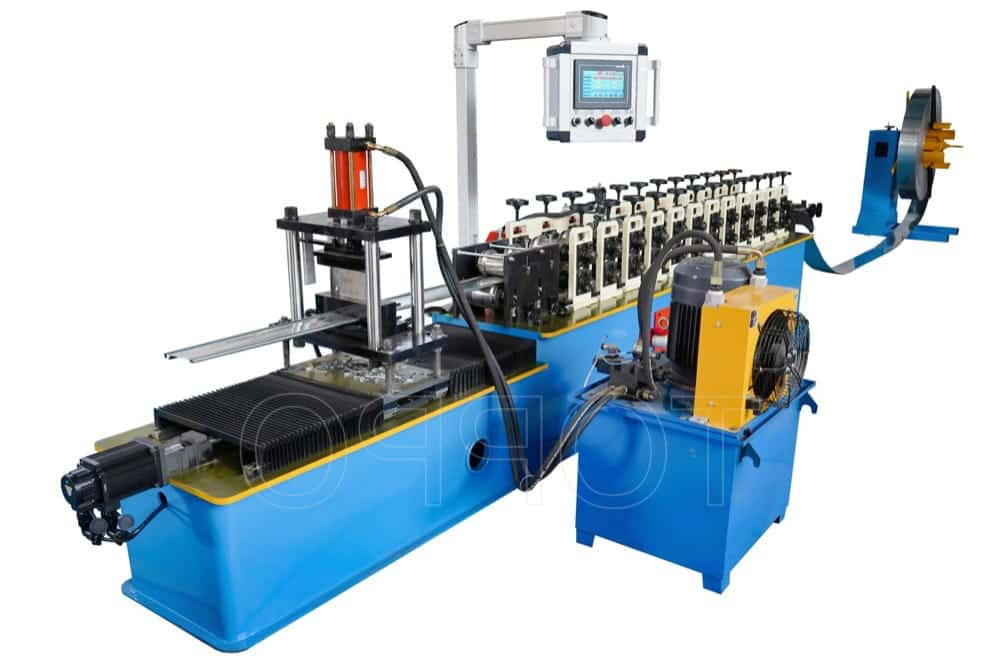
PLC control panel of adouble layerroll forming machinewith touchscreen interface
Alt text:PLC control systemfor automaticdouble layerroll forming machineoperation