Double LayerRoll Forming Machine: Buyer’s Guide for Small Business Owners
If you’re a small business owner in the roofing or construction industry, investing in a double layerroll forming machine can transform your production capacity. This guide breaks down everything you need to know about this high-efficiency two profile roofing panel manufacturing machine, from key features to choosing the right model for your needs.
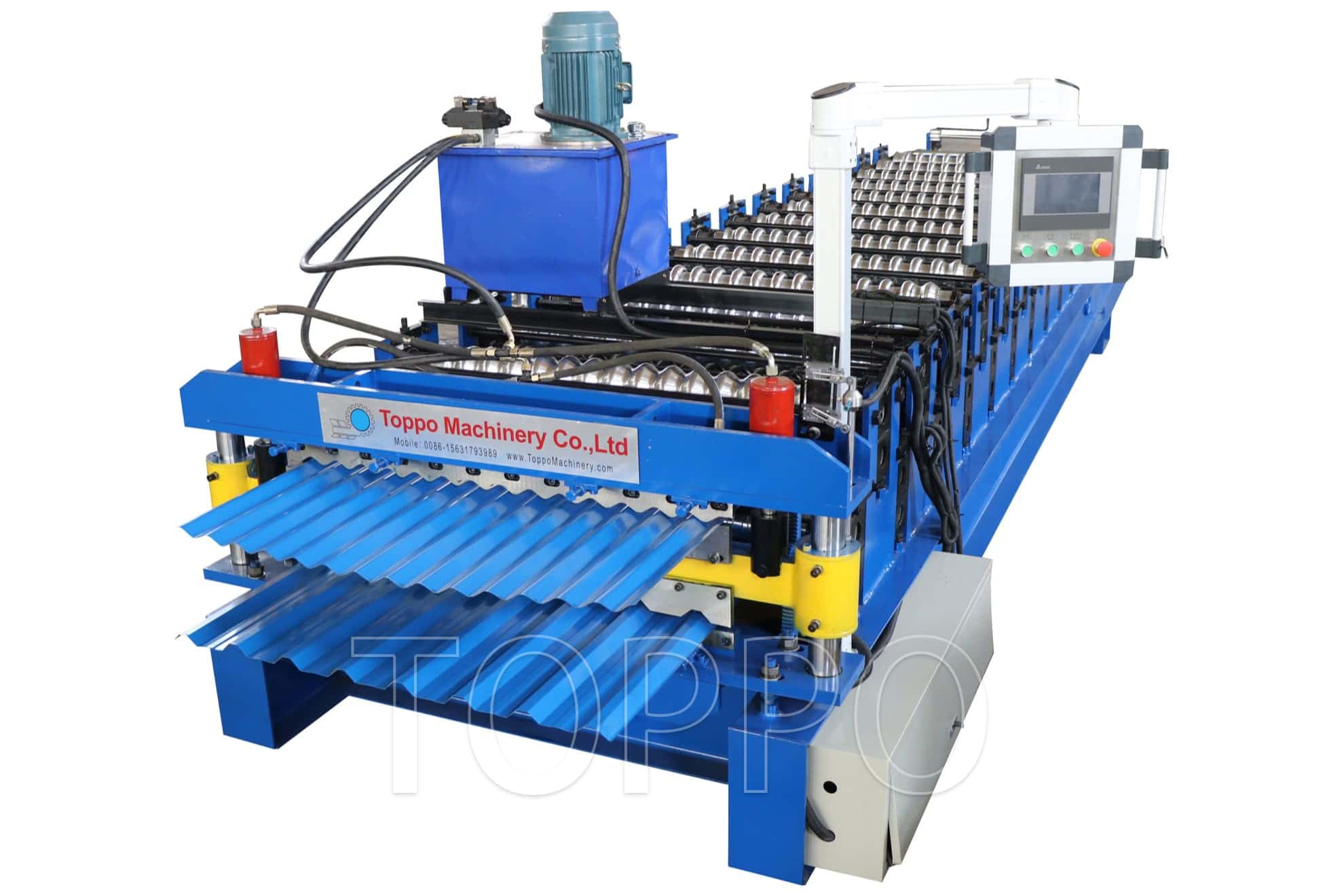
Aroof panel making machinewith dual layers lets you produce two different panel profiles on a single line, saving space and cost compared to buying two separate machines. Whether you’re a roofing contractor, metal roofing manufacturer, or steel sheet manufacturer, this equipment can boost your output and profitability.
Key Features of a High-EfficiencyTwo ProfileRoll Forming Machine
Dual Profile Configuration&Independent Forming Stations
A top-tierdouble deckroll forming machinecomes with two profile options and independent forming stations, allowing you to switch between profiles seamlessly. The dual profile configuration means you can produce both trapezoidal and corrugated panels with one machine.
Key features include:
Profile changeover system for quick switches between products
Two profile forming systems that operate independently for consistent quality
Compatibility with various panel types like
IBRdouble layerroll forming machineprofiles
This design is perfect forroofing sheet producersandbuilding material supplierswho need to offer diverse products to their customers.
Advanced Control & Cutting Systems
Moderndual layerroll forming machines are equipped with a PLC control system and automatic length measurement for precise production. The hydraulic cutting system ensures clean, accurate cuts every time, reducing material waste.
Additional technical features:
Roll forming speed up to working speed 0-30 m/min for high output
Forming thickness and forming width adjustable to your project needs
Steel coil thickness compatibility ranging from 0.3mm to 0.8mm (standard models)
Popular Types ofDouble Layer Roofing Machines
Trapezoidal & Corrugated Combined Models
The most common type is the trapezoidal and corrugatedroll forming machine, also called a 2 in 1roll forming machine. Thiscombined roofing sheetroll forming machineproduces the two most widely used roofing profiles, making it ideal for small businesses.
Popular variants include:
Double layer trapezoidal roofing machine for industrial building panels
Double layer corrugated roofing machine for residential and agricultural roofing
Double layer color steelroll forming machine for pre-painted steel coils
These machines are a top choice forconstruction companiesandsteel structure companiesthat handle both residential and commercial projects.
Specialized Profile Machines
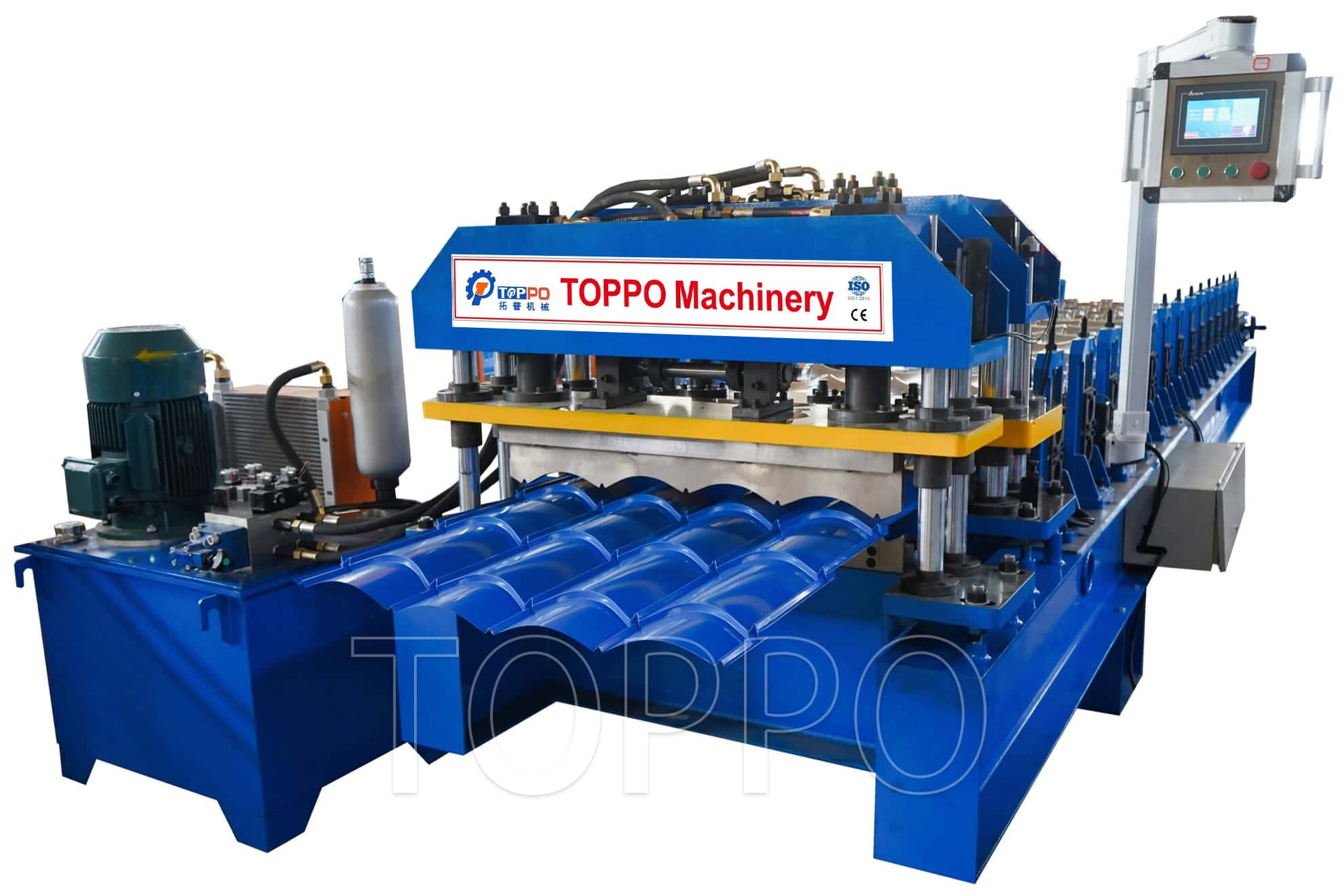
For businesses with niche needs, there are specialized models like the IBRdouble layerroll forming machine and double layer roof tile forming machine. These machines produce specific profiles that cater to regional market demands.
Other specialized options:
Double layer metal sheet forming machine for heavy-gauge steel applications
Double layer steel roofing sheet machine for high-volume production
Double layer roof panel machine with custom profile capabilities
Roofing material wholesalersandmetal fabrication companiesoften invest in these specialized machines to stand out in competitive markets.
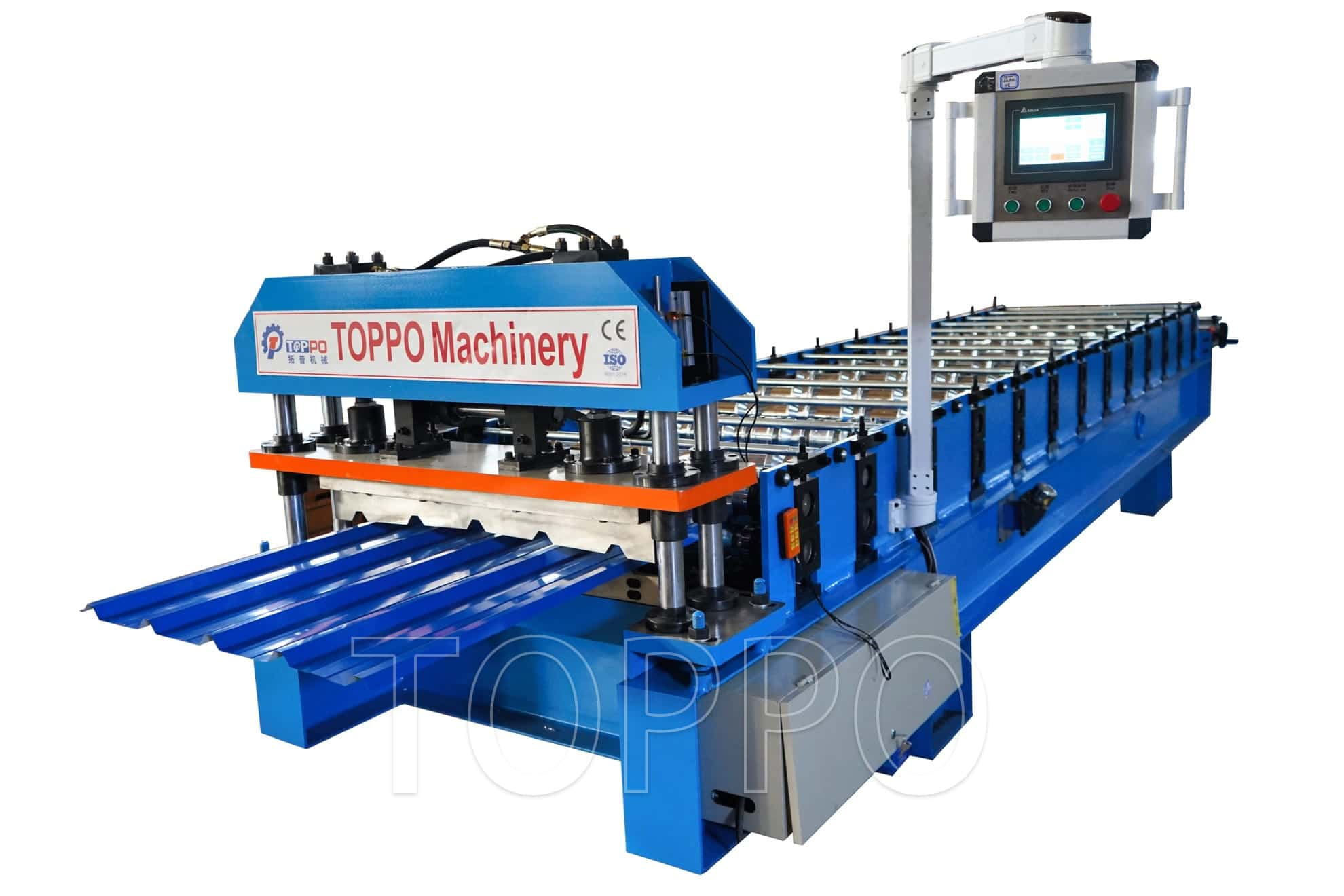
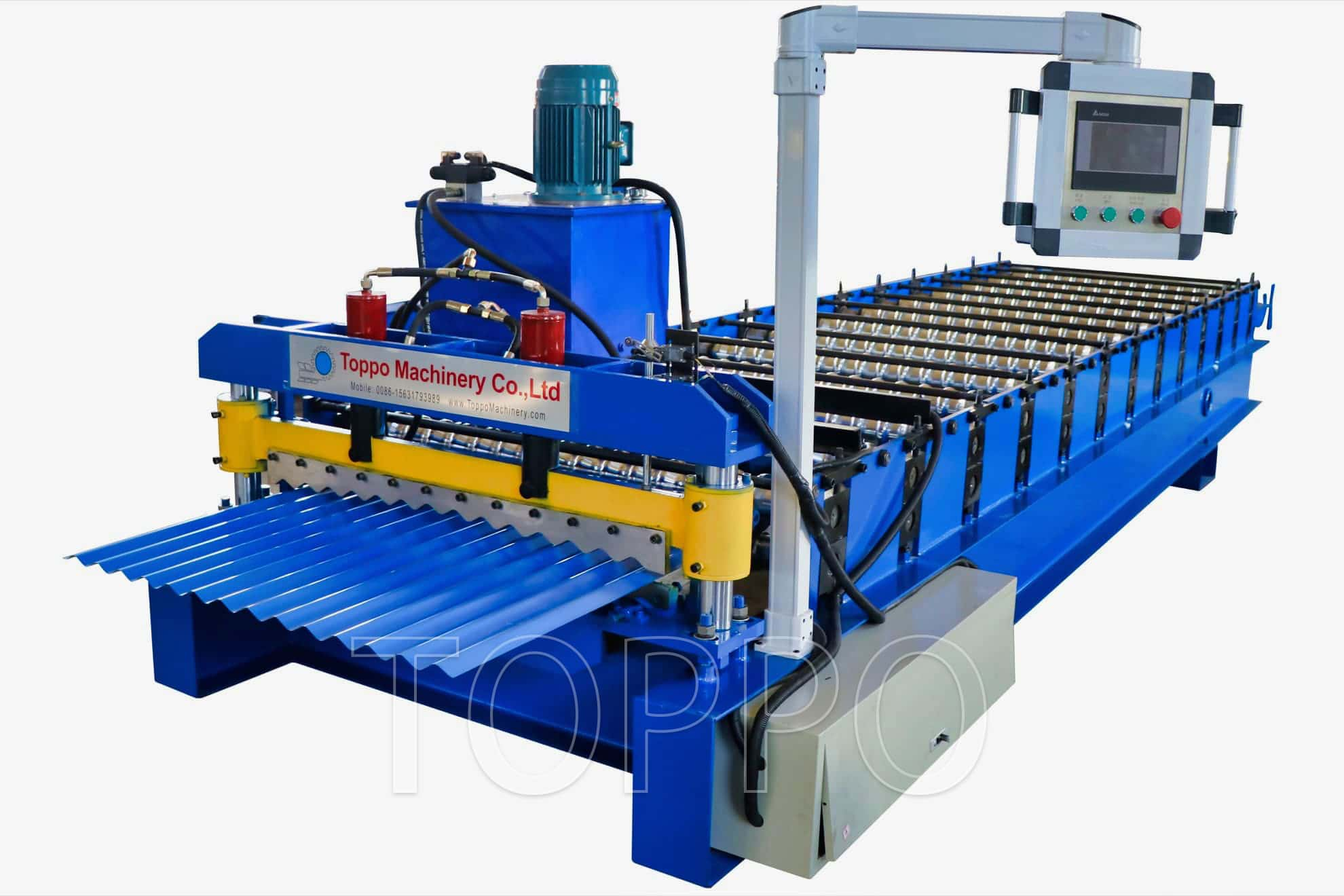
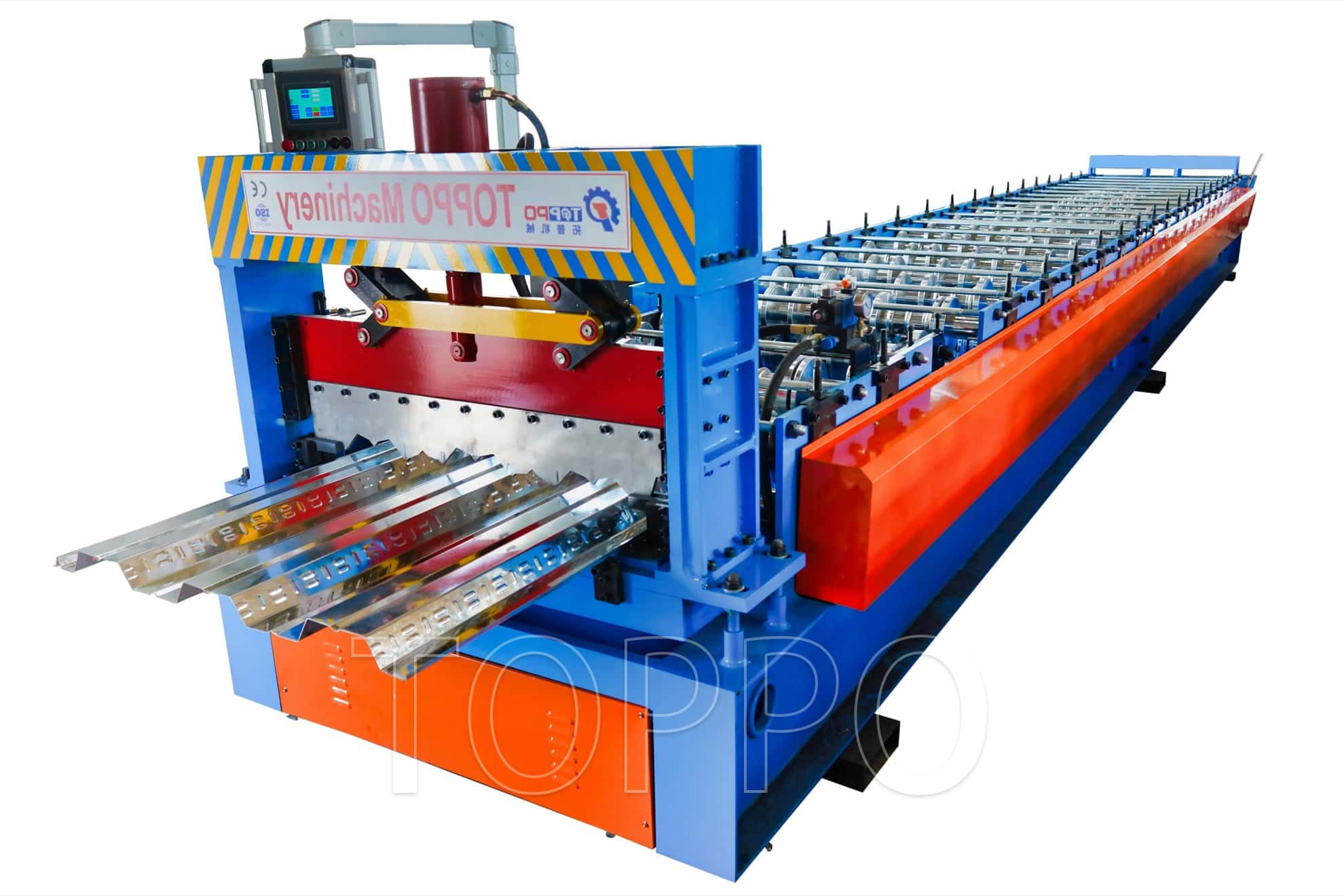
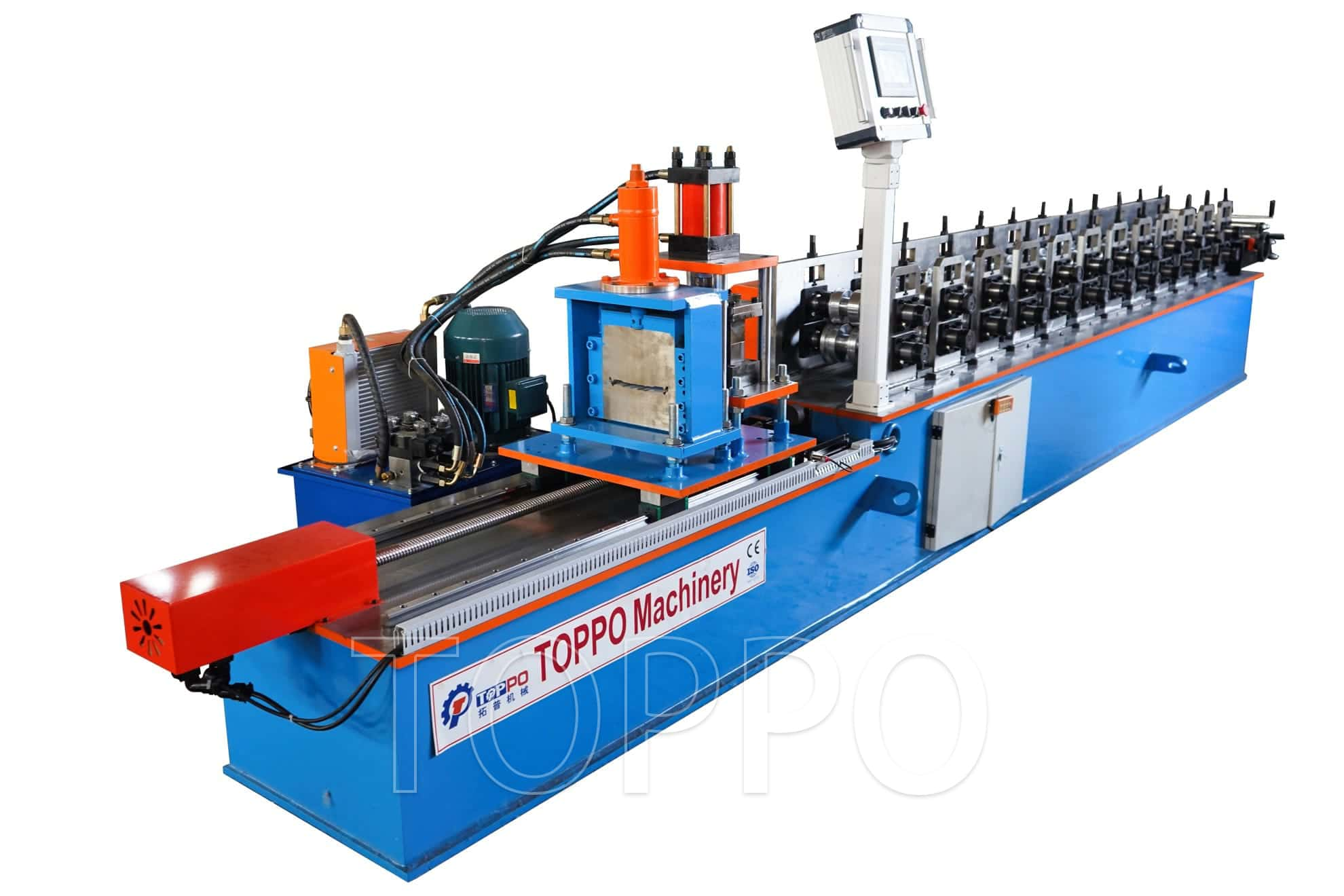
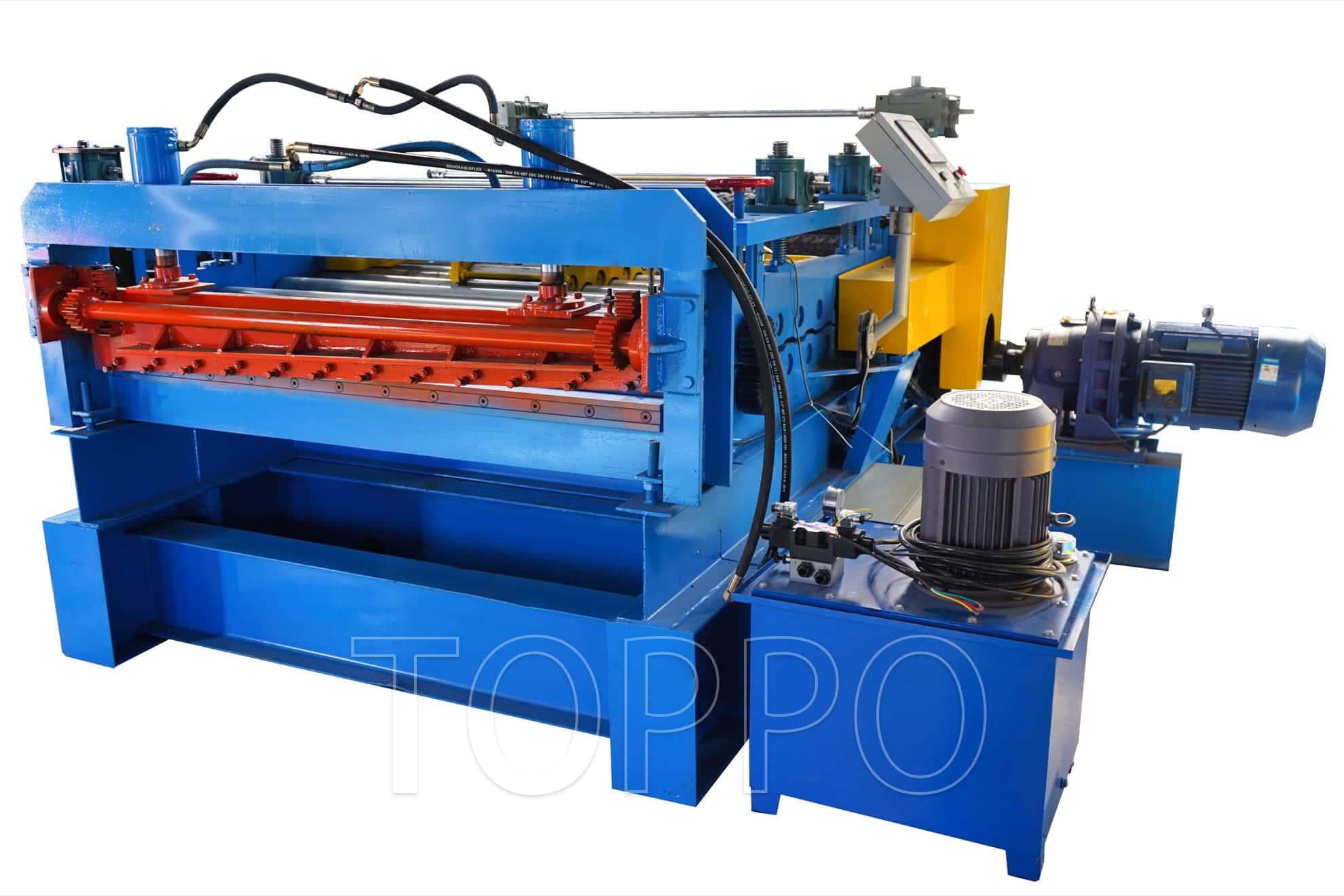
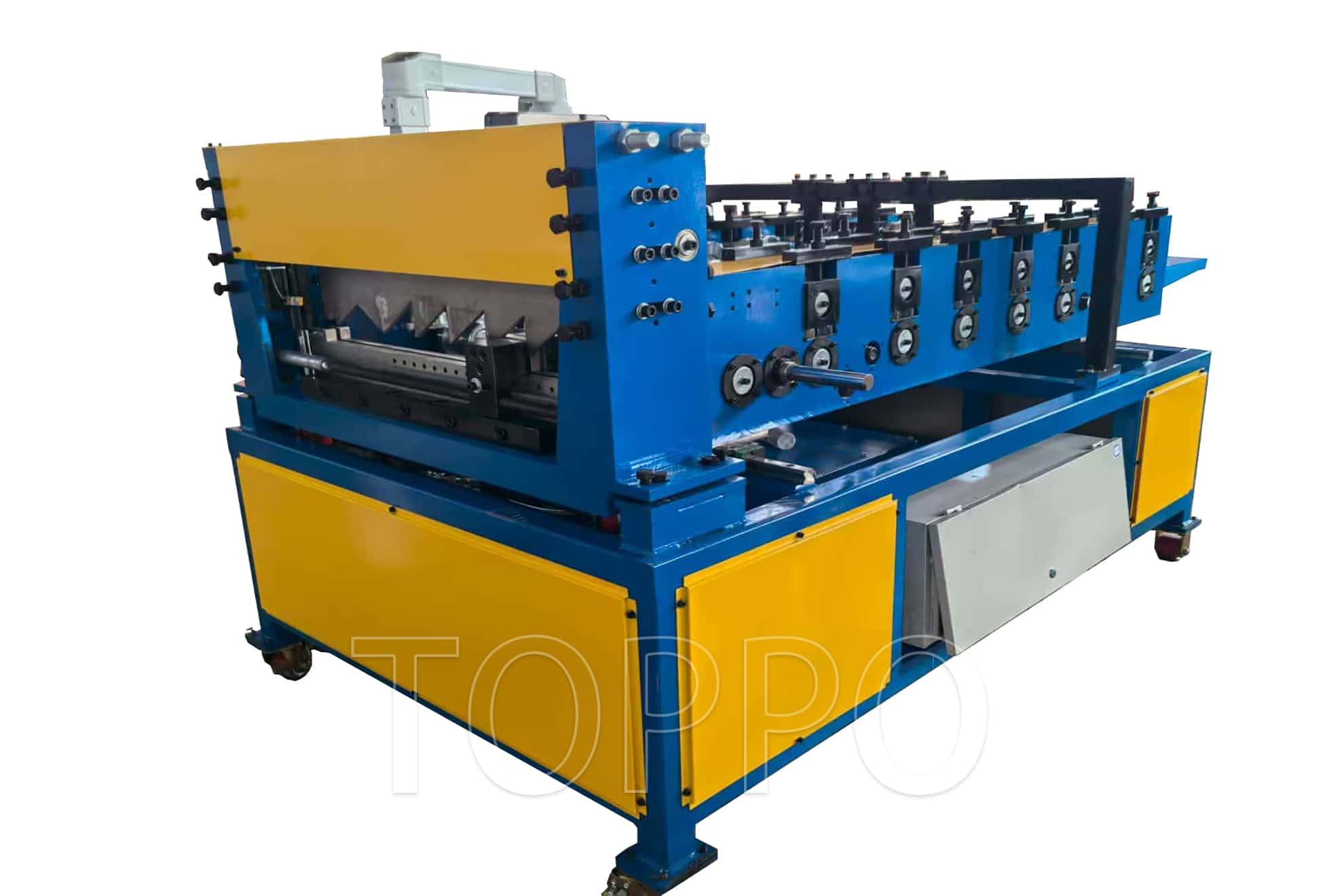
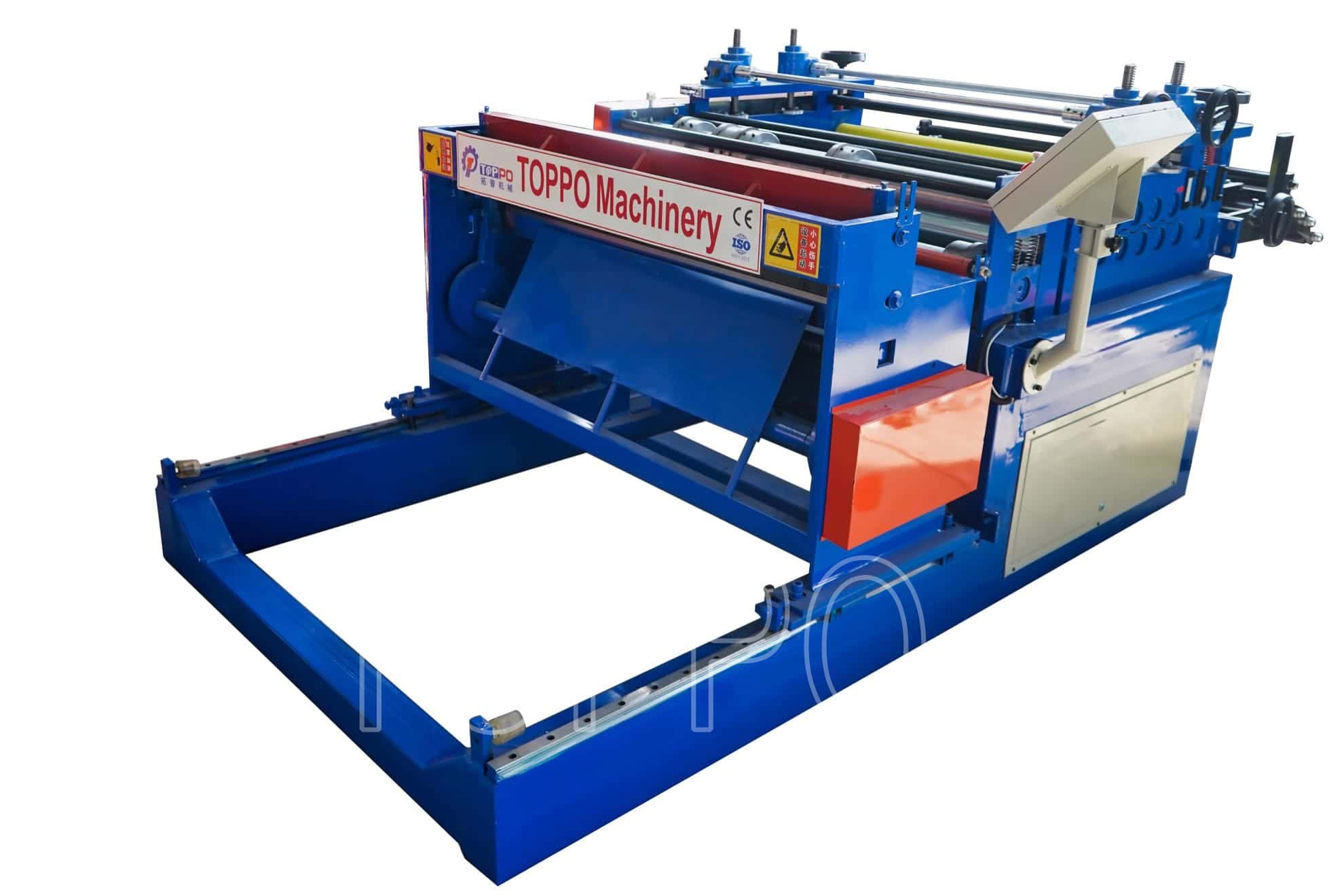
Double layerroll forming machineproducing two different roof panel profiles
alt: High-efficiencydouble layerroll forming machinefor roofing panels
Benefits for Small Business Owners
Cost & Space Savings
Investing in atwo layerroll forming machine(also called a double tierroll forming machine) eliminates the need for two separate production lines. This saves floor space and reduces upfront costs by up to 40% compared to buying individual machines.
Key cost-saving benefits:
Lower initial investment than purchasing two single-profile machines
Reduced labor costs (one operator can run the entire line)
Minimal maintenance requirements for long-term reliability
For smallroof panel production factoriesandsteel coil processing companies, this translates to faster ROI and lower operational overhead.
Increased Production Flexibility
A combinedroll forming machine gives you the flexibility to meet diverse customer demands without reconfiguring your entire production setup. You can switch between profiles in minutes, allowing you to take on more varied projects.
Flexibility advantages:
Ability to serve both residential and commercial clients
Quick turnaround for custom orders with different profile requirements
Scalable production to match seasonal demand fluctuations
This flexibility is especially valuable forindustrial building contractorsandprefabricated building manufacturerswho work on diverse project types.
How to Choose the Right Machine for Your Business
Assess Your Production Needs
Start by evaluating your current and projected production volume, as well as the types of panels you plan to produce. If you primarily make standard roofing panels, a basicdouble layer roofing machinewill suffice. For more complex profiles, consider a model with advanced features.
Factors to consider:
Required roll forming speed (aim for at least 15 m/min for small businesses)
Maximum forming width and steel coil thickness you’ll need
Roller material (look for 45# steel with chrome plating for durability)
Roll forming machinedistributorscan help you match a machine to your specific production requirements.
Evaluate Supplier Support & Warranty
The quality of after-sales support is just as important as the machine itself. Choose a supplier that offers installation training, spare parts availability, and a comprehensive warranty.
What to look for in a supplier:
At least 1-year warranty on core components
On-site installation and operator training
24/7 technical support for troubleshooting