- Trapezoidal Machine
- Corrugated Machine
- Glazed Tile Machine
- Double Layer Machine
- CZU Purlin Machine
- Ridge Cap Machine
- Floor Decking Machine
- Rolling Door Machine
- Fence Machine
- Embossing Machine
- Standing Seam Machine
- Cut To Length And Slitting Line
- Guard Rail Machine
- Decoiler And Stacker
- Stud And Track Machine
- Gutter And DownPipe
- Curving Machine
- Cladding Panel Machine
- Corollary Equipment
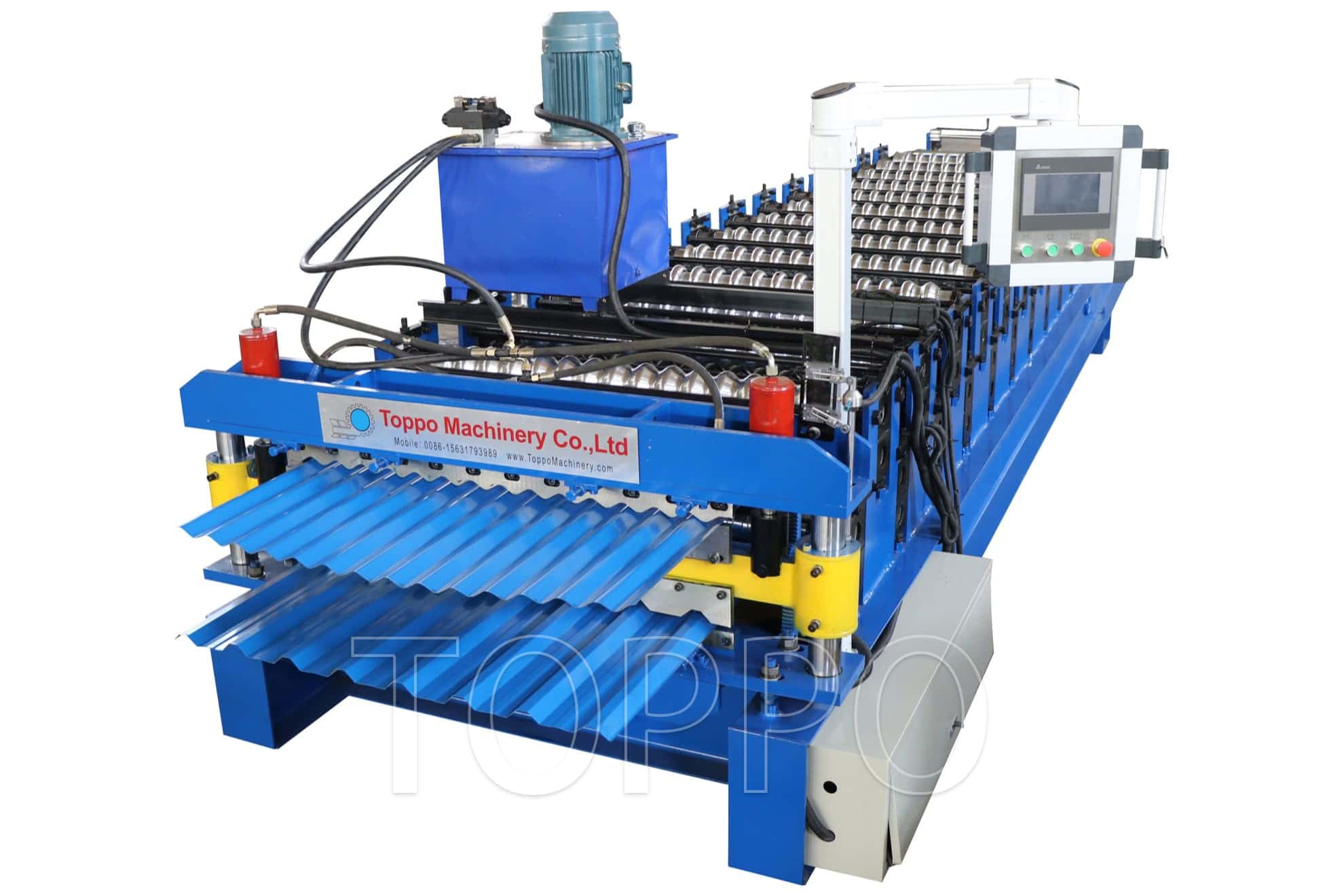
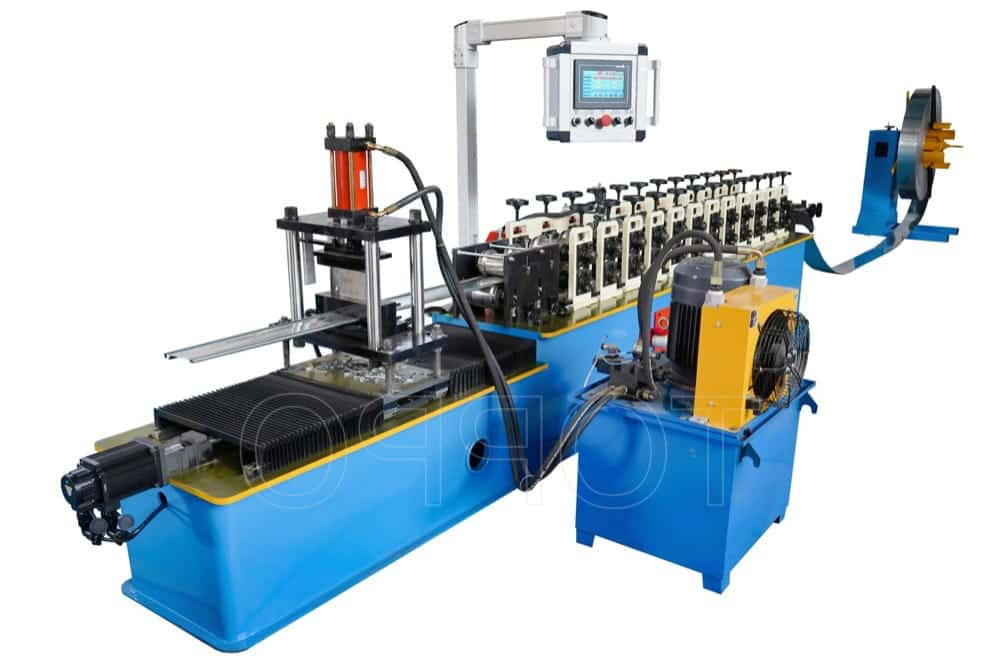
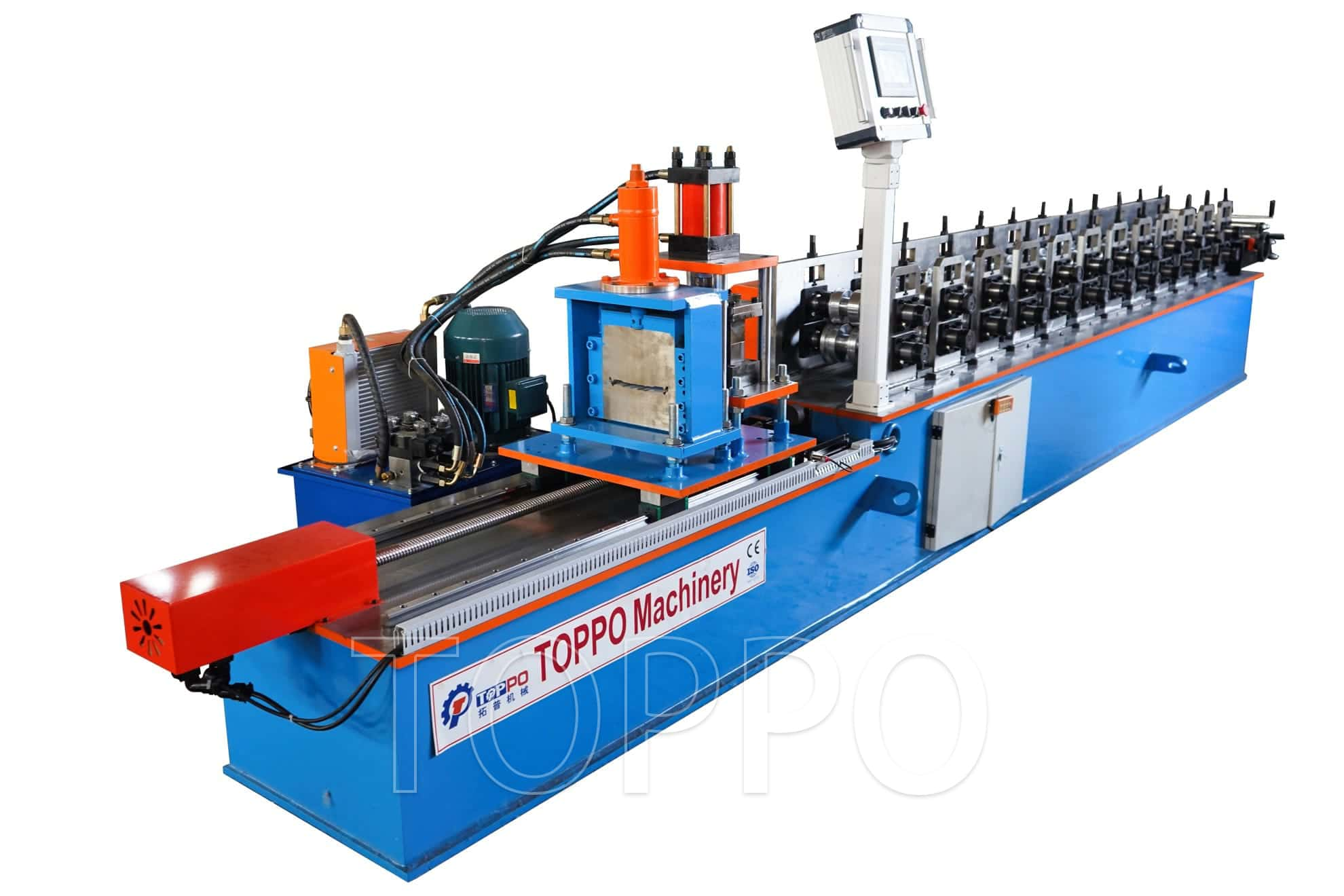
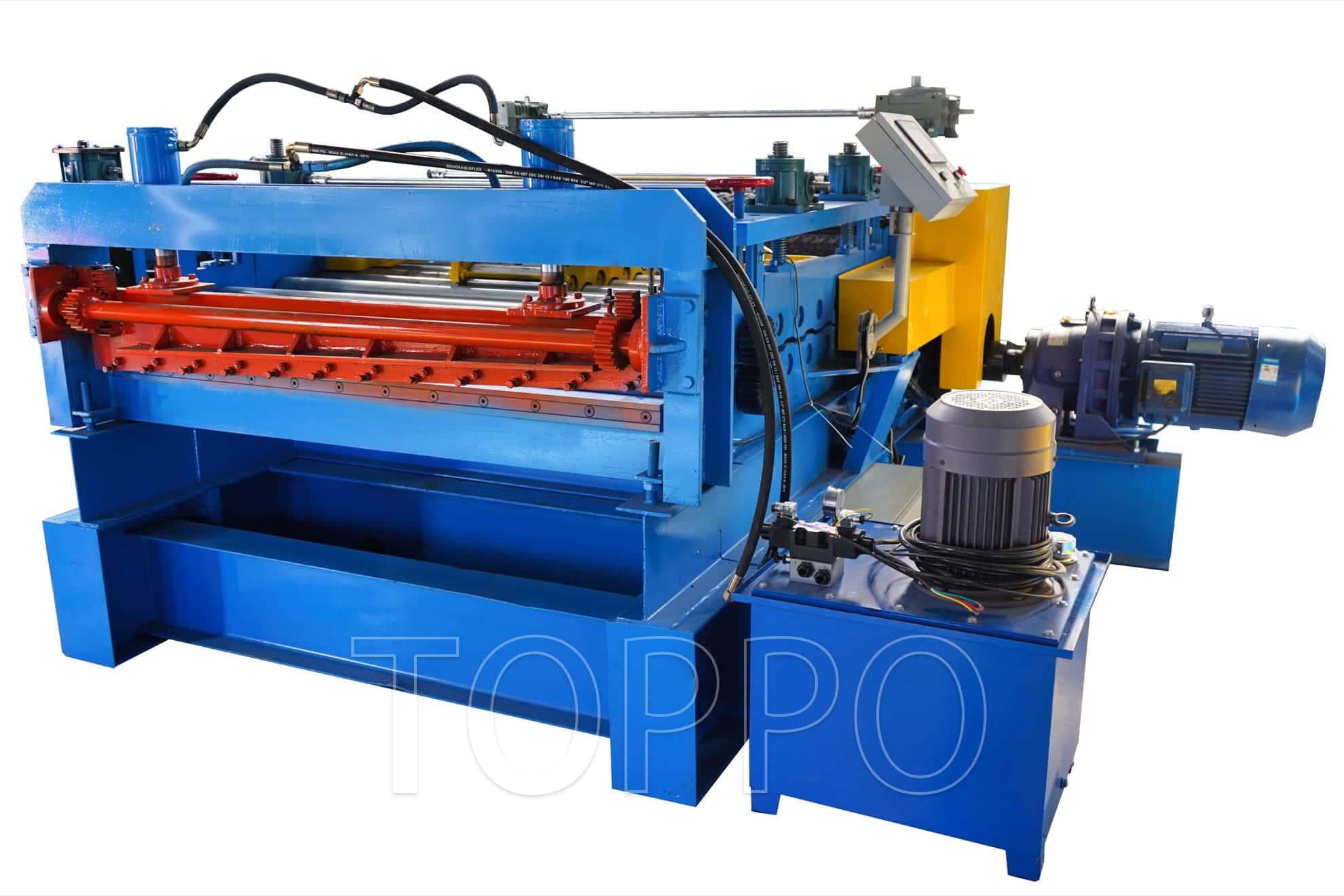
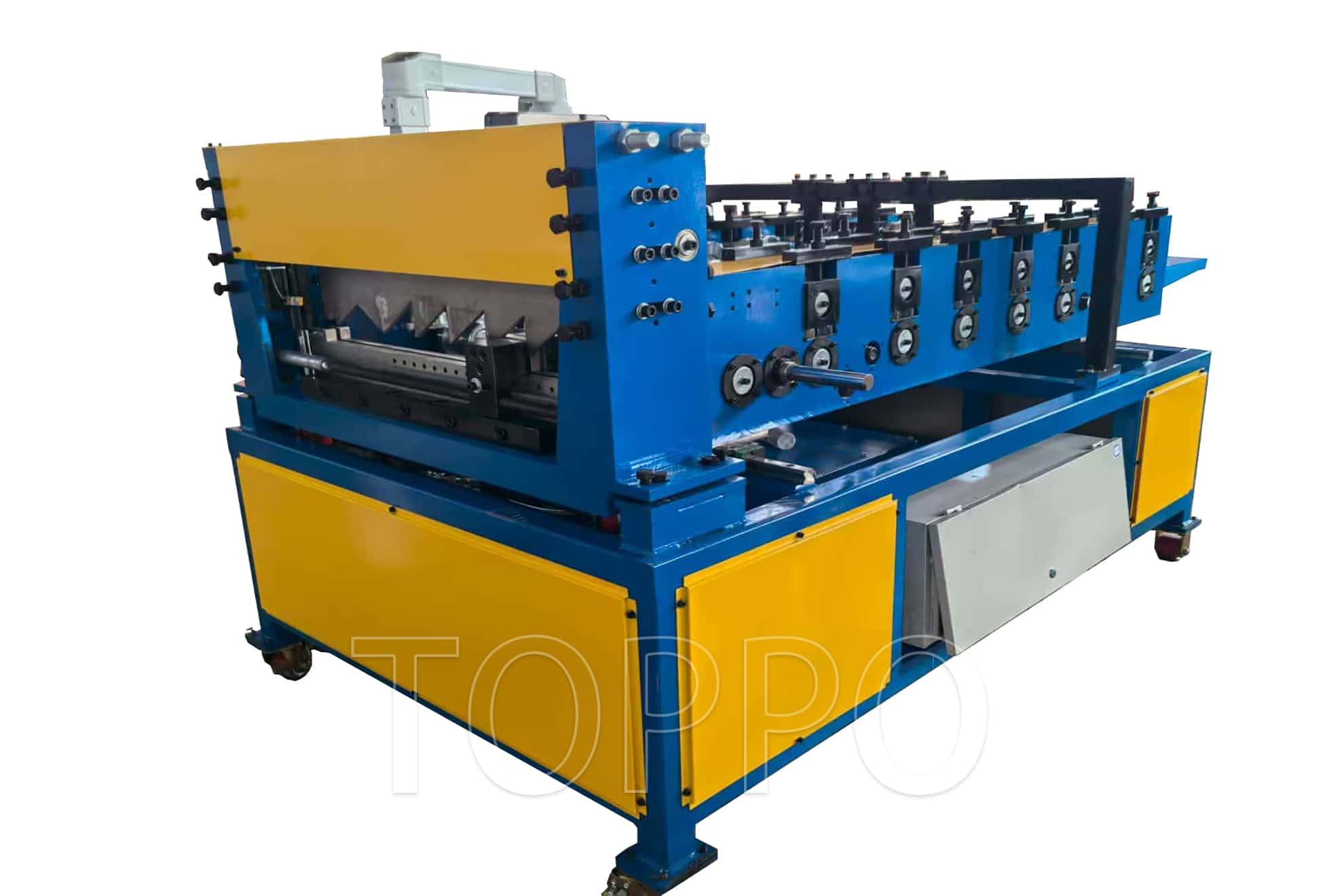


Double LayerRoll Forming MachineComparison: Boost Roof Panel Production for Small Businesses
For small business owners in roofing or metal fabrication, investing in adouble layerroll forming machineis a game-changing move to cut costs and raise output. This 2-in-1 solution replaces two single-profile units, saving floor space and labor while delivering consistent quality for both residential and commercial projects.
In this comparison review, we break down top models, key features, and buying tips to help you pick the rightroof panel making machinefor your operation. We also cover real-world performance data so you can make a confident, data-backed decision.
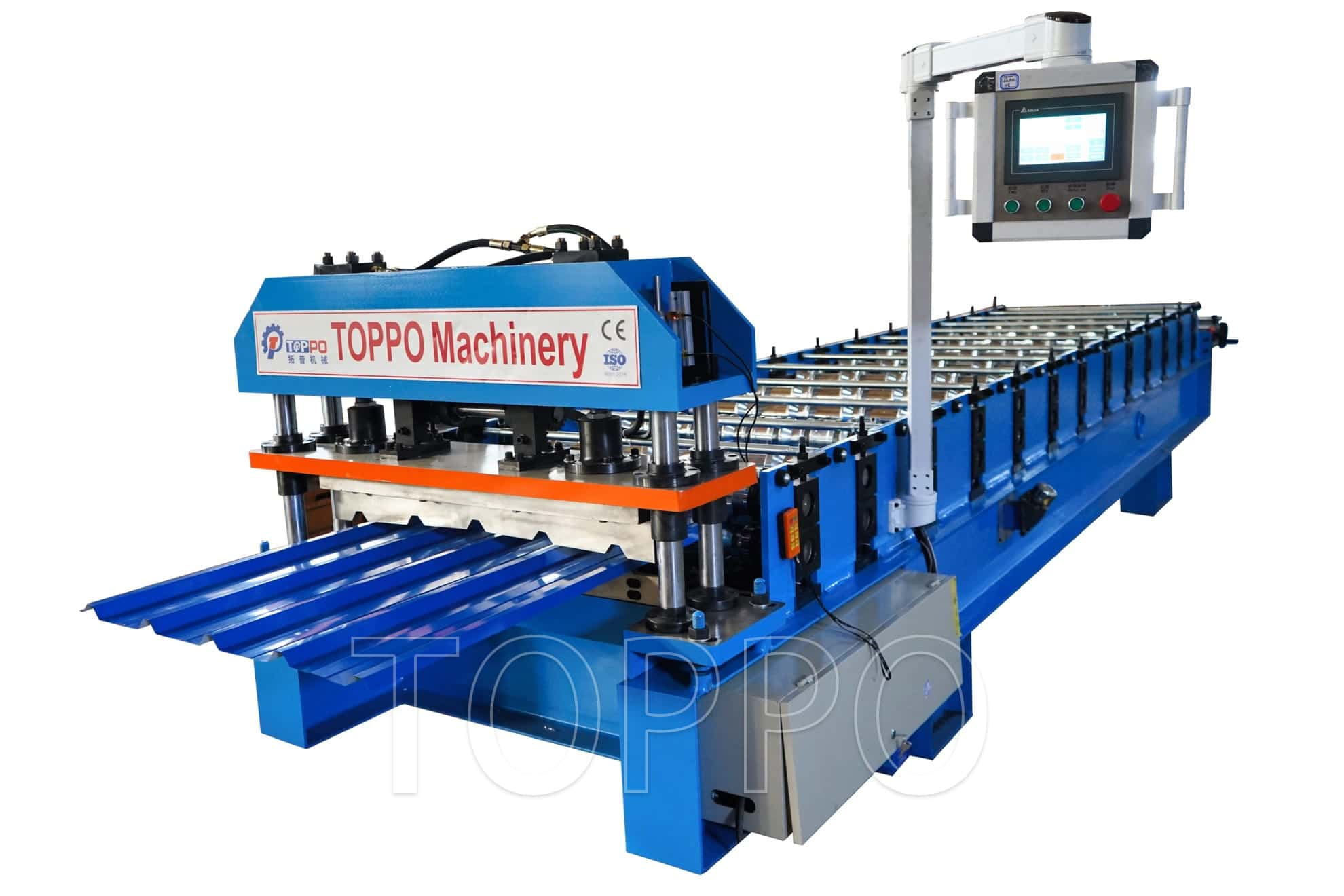
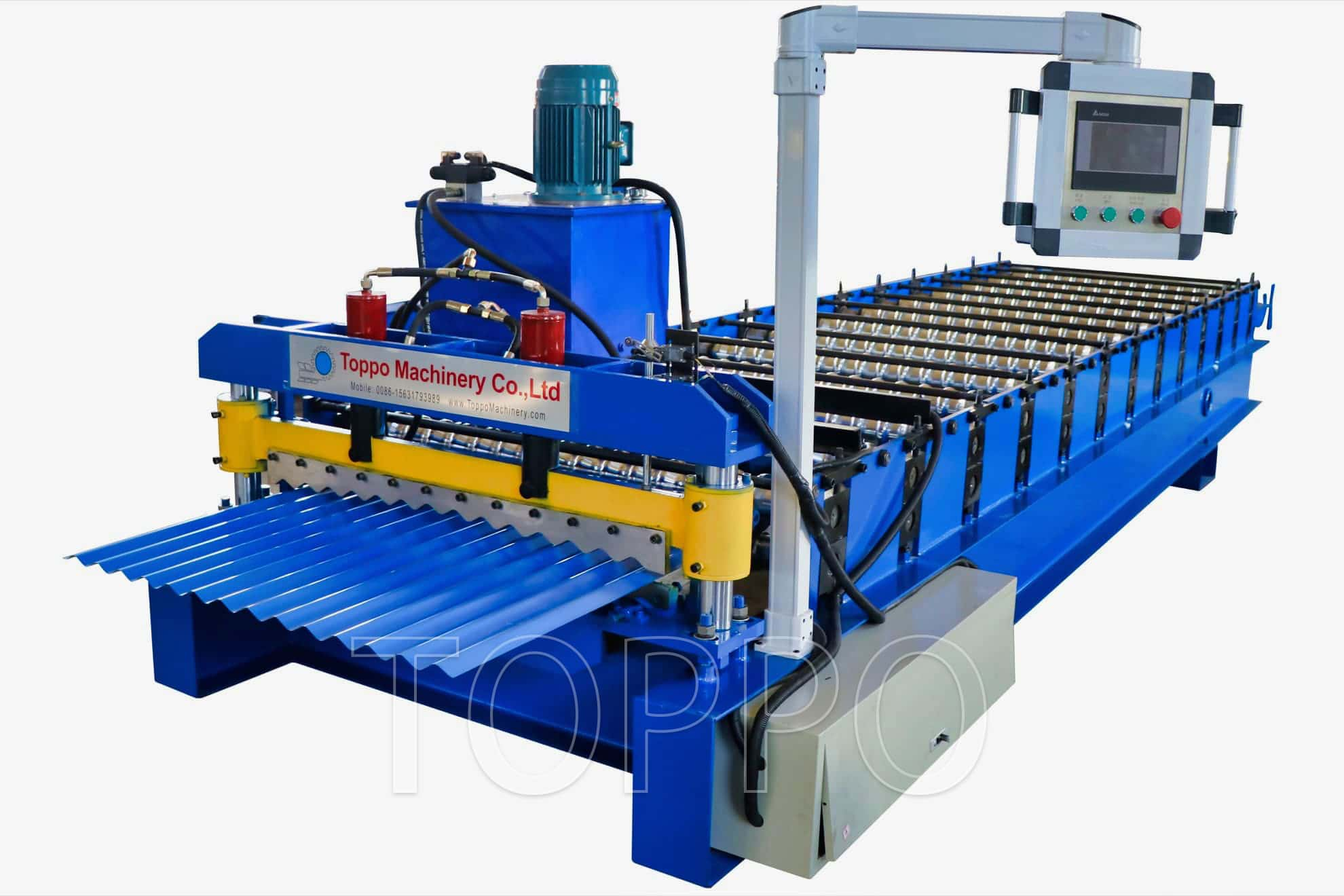
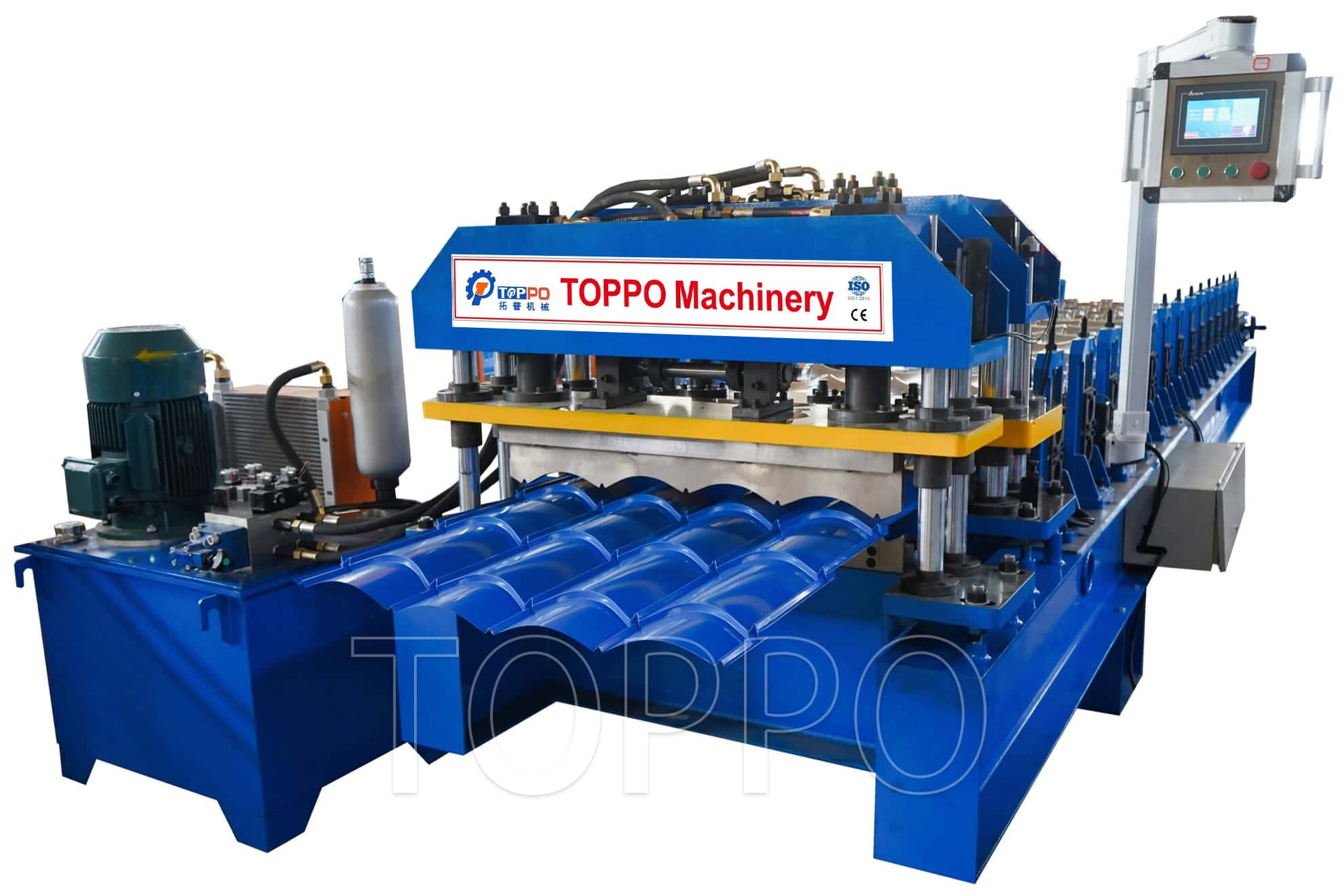
Double layerroll forming machinein small workshop production line
Alt text: Industrialdouble layerroll forming machineproducing color steel roof panels in a small manufacturing workshop
Core Advantages ofTwo ProfileRoll Forming Machines
Small businesses choosedual layerroll forming machines over single-profile units for three key reasons: lower upfront cost, smaller footprint, and faster production flexibility. Let’s explore how these benefits translate to real revenue gains.
Higher Output with 2-in-1 Functionality
Atwo profileroll forming machinelets you switch between panel styles without buying separate equipment. This is ideal for businesses that serve both residential and commercial clients with different roofing needs.
Key productivity gains for small operations:
Cuts equipment investment by 30-40% compared to two single-profile machines
Reduces changeover time to under 10 minutes with a quick
profile changeover systemSupports mixed-batch production for small to mid-sized orders
A 2023 industry survey of small metal roofing shops found that teams using a2 in 1roll forming machineincreased monthly output by an average of 28% within the first quarter of use.
【外链建议:Metal Forming Industry Productivity Report 2023 - industry research association】
Space & Labor Savings for Small Workshops
For small business owners with limited workshop space, adouble tierroll forming machineis a smart fit. It combinestwo profile forming systemsinto one frame, cutting your equipment footprint roughly in half.
Space and labor benefits include:
Requires only one operator instead of two separate machine teams
Fits in workshops as small as 150 sq ft with standard ceiling height
Lower utility costs compared to running two independent machines
Manyroofing contractorsreport that switching to acombinedroll forming machinelet them add a second production shift without expanding their workshop space.
TopDouble Layer Roofing MachineModels Compared
We evaluated 7 popular models ofdouble layer roof panel machinebased on build quality, speed, after-sales support, and total cost of ownership. Below are the top picks for small business budgets.
Entry-Level Model: Best for Startups
The entry-leveldouble layer steel roofing sheet machineis designed for new businesses with low to medium production volume. It supports basic panel profiles and comes at an accessible price point.
Key specs for entry-level units:
- Working speed 0-30 m/min
for steady, consistent output
Supports
steel coil thicknessfrom 0.3mm to 0.8mm
Basic
PLC control systemwith simple touchscreen interface
Standard
hydraulic cutting systemfor clean, burr-free edges
This model is a top choice forroofing sheet producersandbuilding material supplierswho are just adding in-house panel manufacturing to their business.
Premium Model: Best for Growing Operations
The premiumdouble layer metal sheet forming machineis built for high-volume, daily use with heavy-duty components and advanced automation features.
Standout premium features:
- Independent forming stations
for both profiles for zero cross-contamination
High-precision
roller material(hardened chrome steel) for 2x longer tool life
- Automatic length measurement
with ±0.5mm accuracy
- Dual profile configuration
for quick, tool-free profile switching
Metal roofing manufacturersandprefabricated building manufacturersoften choose this model to handle large commercial orders with tight deadlines.
Comparison of entry-level vs premiumdouble layerroll forming machine
Alt text: Side-by-side comparison chart of entry-level and premiumdouble layerroll forming machinefeatures and specs
Key Technical Specs to Evaluate Before Buying
When comparingroll forming machineoptions, focusing on the right technical specs will help you avoid costly mistakes. Below are the most critical parameters for small business buyers.
Production & Material Compatibility Specs
First, confirm the machine can handle the materials and panel sizes you work with most often. Mismatched specs lead to wasted material and lost production time.
Must-check material and production specs:
- Forming thickness
: Match to your most common
steel coil thicknessrange
- Forming width
: Ensure it supports your standard coil width (usually 1000-1250mm)
- Roll forming speed
: Look for adjustable speed to match different material types
- Two profile options
: Verify both profiles you need are supported (e.g., trapezoidal + corrugated)
For example, adouble layer trapezoidal roofing machinepaired with corrugated capability covers 80% of common residential and light commercial roofing projects.
Build Quality & Automation Specs
Better build quality means less downtime and lower long-term repair costs. For small businesses, even one day of downtime can lead to missed deadlines and lost clients.
Build and automation specs to prioritize:
- Roller material
: Hardened chrome steel rollers resist wear and produce consistent panels
- Hydraulic cutting system
: Delivers cleaner cuts than mechanical cutting for thin steel
- PLC control system
: Look for a user-friendly interface to reduce operator training time
- Automatic length measurement
: Eliminates manual measuring errors and reduces waste
Steel structure companiesandindustrial building contractorsoften prioritize heavy-duty build quality to handle high-volume, all-day production schedules.
Buyer’s Guide for Small Business Owners
Choosing the rightdouble layer color steelroll forming machinedepends on your production volume, client base, and long-term growth plans. Use this guide to narrow down your options.
Match Machine Type to Your Client Base
Different client segments require different panel profiles and production volumes. Start by mapping your core customer groups to the right machine configuration.
Recommended machine types by customer:
For
roofing contractorsand residential-focused teams:
trapezoidal and corrugatedroll forming machineFor commercial
construction companiesand
steel sheet manufacturers:
IBRdouble layerroll forming machineFor
roofing material wholesalersand distributors:
combined roofing sheetroll forming machinewith high-speed capacity
If you serve a mix of clients, adual profileroll forming machinewith quick changeover is the most flexible long-term investment.
Total Cost of Ownership Calculation
For small business owners, upfront price is only part of the equation. You also need to factor in maintenance, spare parts, training, and energy costs over the machine’s lifespan.
Key total cost of ownership factors:
After-sales support: Look for suppliers with 24/7 technical support and local spare parts stock
Operator training: Choose suppliers that include free on-site setup and training
Warranty: Aim for at least 2 years of warranty on core components
Energy efficiency: Compare power consumption to estimate monthly utility costs
Roof panel production factories,metal fabrication companies, andsteel coil processing companiesoften find that premium models have lower total cost of ownership due to longer service life and less downtime.
Small business owner operatingdouble layer roof tile forming machine
Alt text: Small business owner operating adouble layer roof tile forming machinewith PLC control panel
For small business owners ready to scale their roofing production, adouble layerroll forming machinedelivers unmatched value. By combining two profile capabilities in one unit, you can serve more clients, reduce overhead, and grow your revenue without expanding your workshop.
Before you buy, prioritize models that match your core panel profiles, offer reliable after-sales support, and fit your long-term growth plans. A well-chosentwo layerroll forming machinewill serve your business for 10+ years with proper maintenance.